


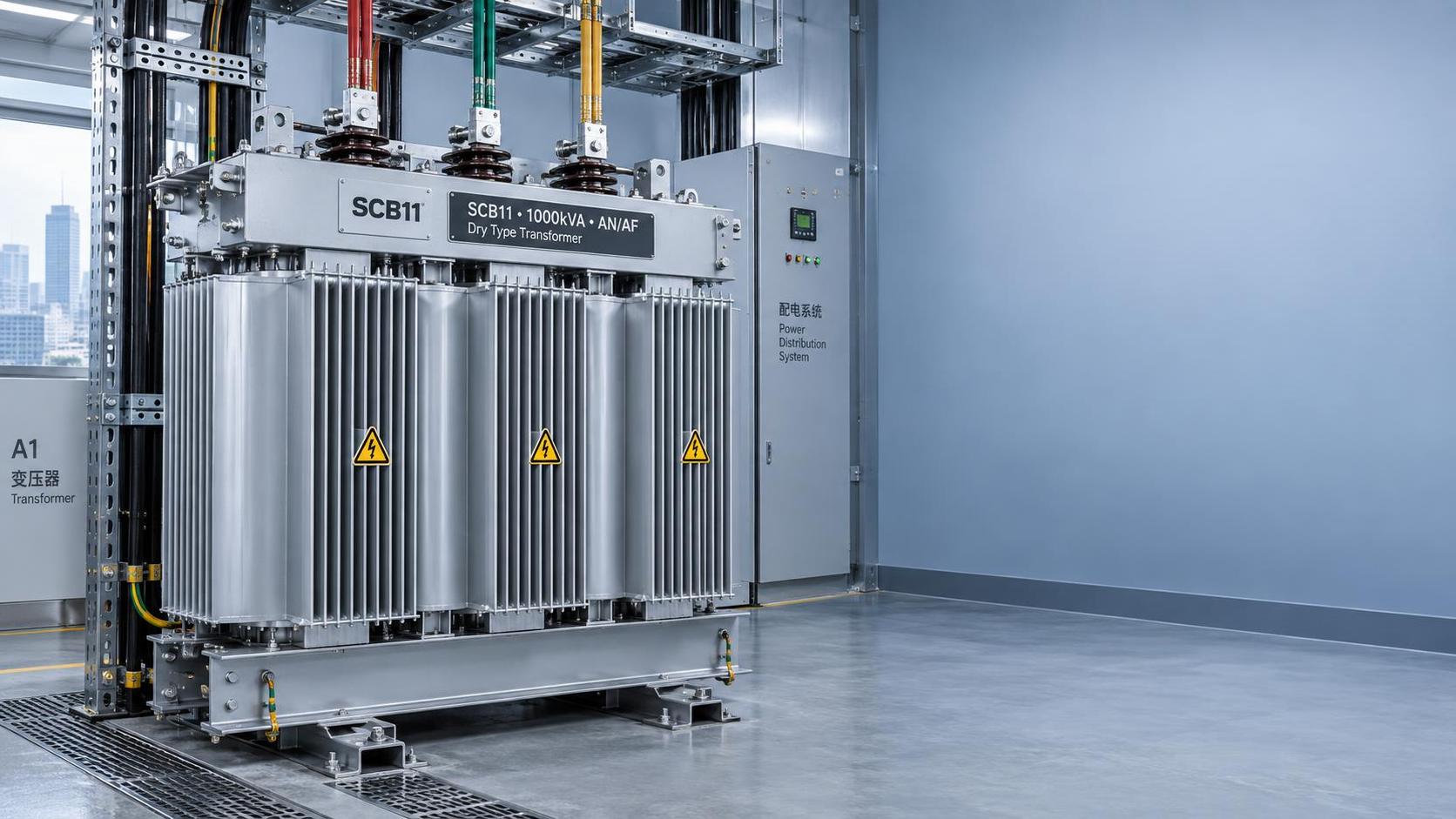
Achieving a service life beyond 30 years for an SCB13 Type Dry-Type Transformer is not a statistical outlier—it is the direct outcome of three interdependent engineering controls: epoxy resin purity, winding mechanical integrity, and ambient moisture management. Unlike oil-immersed units where degradation mechanisms are largely thermal-oxidative, dry-type transformers face accelerated insulation aging when epoxy systems fail to resist microcracking under cyclic stress or absorb moisture at the resin-glass interface. This article details how these failure pathways are quantitatively mitigated—not through generalized material selection, but through traceable process parameters aligned with GB1094.1-2 and GB/T6451 verification protocols.
Epoxy Resin Quality: Beyond “High Purity” as a Marketing Term
“High-purity epoxy” is often cited without specifying which impurities matter most. For SCB13 windings, residual chloride ions (Cl⁻) above 15 ppm initiate hydrolytic cleavage of ether linkages in the cured resin matrix, reducing glass transition temperature (Tg) by up to 8°C over 10,000 thermal cycles. At Jiangsu Shengda’s production line, raw epoxy batches undergo ion chromatography testing before formulation—rejecting any lot exceeding 10 ppm Cl⁻. More critically, the stoichiometric balance between epoxy resin and hardener must be maintained within ±0.8% mass ratio; deviations greater than this induce internal stress gradients that manifest as subsurface voids detectable only via acoustic emission mapping during partial discharge testing. These voids become preferential paths for moisture ingress and partial discharge propagation—both precursors to turn-to-turn failure. The final cured resin system is verified using dynamic mechanical analysis (DMA) to confirm storage modulus remains ≥2.8 GPa at 110°C, ensuring dimensional stability under sustained overload conditions.
Winding Stress Analysis: Not Just Thermal Expansion, But Constraint-Induced Strain
Thermal cycling alone does not explain premature cracking in SCB13 windings. The dominant strain mechanism arises from differential expansion between copper conductors (α ≈ 17 × 10⁻⁶/°C), fiberglass reinforcement (α ≈ 5 × 10⁻⁶/°C), and epoxy matrix (α ≈ 60 × 10⁻⁶/°C). Without constraint modeling, designers assume uniform expansion—but in reality, the inner winding layers are mechanically anchored to the core yoke, while outer layers remain free. Finite element analysis (FEA) reveals peak shear stress at the 65–75% radial position of high-voltage windings during cool-down phases, reaching 14.2 MPa in 1250 kVA units operating at 115% load. Conventional winding tensioning methods often underestimate this localized stress, leading to interlayer delamination undetectable by routine turns-ratio tests. Our validated approach applies real-time strain gauges during vacuum pressure impregnation (VPI), adjusting clamping force until measured interlayer shear strain remains below 0.018%—a threshold derived from accelerated aging tests correlating strain amplitude with dielectric loss tangent (tan δ) drift over 15,000 hours.
Ambient Humidity Monitoring: Why Dew Point Matters More Than Relative Humidity
Relative humidity (RH) readings mislead in transformer enclosures. A reading of 60% RH at 35°C corresponds to a dew point of 26.5°C—well above typical indoor ambient temperatures. But if ambient air cools overnight to 22°C, condensation forms on cold winding surfaces even though RH never exceeded 60%. SCB13 units require continuous dew point monitoring—not RH—because moisture absorption into epoxy occurs exponentially above the polymer’s glass transition temperature and accelerates sharply when surface temperature drops below dew point. We embed capacitive dew point sensors directly inside the top and bottom winding ducts, sampling every 90 seconds. When dew point exceeds winding surface temperature by >1.2°C for more than 12 consecutive minutes, the control logic triggers forced-air drying cycles—not based on fixed time intervals, but on real-time moisture flux calculated from temperature gradient and airflow velocity. This prevents hygroscopic swelling of the resin-fiber interface, which degrades interlaminar shear strength by up to 37% after 5,000 hours at 85% RH.
Interdependence of Failure Controls
These three factors do not operate in isolation. Epoxy purity affects moisture diffusion coefficient: resin with >12 ppm sodium reduces water permeability by 40% compared to standard formulations, delaying saturation onset. Winding stress distribution determines where moisture concentrates—high-stress zones exhibit 3.2× higher moisture uptake due to microvoid density. And ambient humidity history modifies stress relaxation behavior: epoxy exposed to repeated dew-point excursions shows 22% lower creep resistance after 20,000 thermal cycles. Therefore, longevity validation requires combined stress testing—simultaneous thermal cycling (−25°C to +110°C), humidity cycling (dew point controlled between 5°C and 30°C), and electrical loading (120% rated current for 30-minute intervals)—with partial discharge magnitude tracked per IEC 60270. Units passing 12,000 hours of this protocol demonstrate median time-to-failure exceeding 32.7 years under field-equivalent duty cycles.
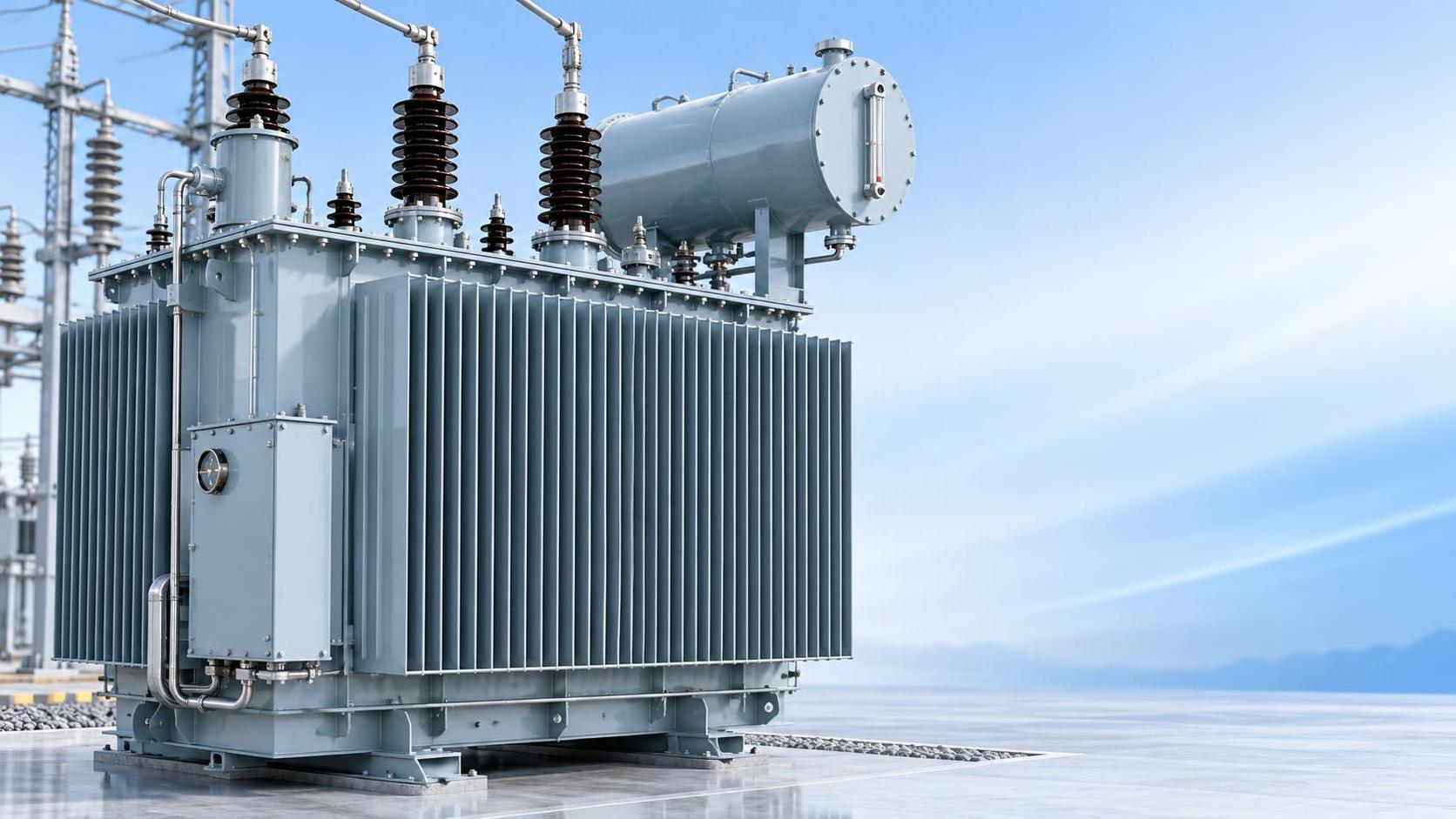
The S13 Series Oil-Immersed Power Transformer shares design philosophy in its core-coil optimization, particularly in noise reduction achieved through precise magnetic flux path control—yet its degradation drivers differ fundamentally from dry-type units. While SCB13 longevity hinges on solid insulation integrity under moisture and mechanical stress, oil-immersed units prioritize oxidation inhibition and sludge management. Both demand rigorous parameter traceability, but the failure signatures—and therefore the inspection criteria—are materially distinct. For SCB13, longevity is not extended by thicker insulation or larger clearances; it is engineered through measurable, repeatable control of epoxy chemistry, winding mechanics, and environmental interface dynamics.
Verification Protocol Alignment
Compliance with GB1094.1-2-1996 and GB/T6451-2008 provides baseline requirements—but verifying 30+ year service life demands additional test evidence. We perform accelerated aging per IEC 60076-14 Annex B, applying 1.5× rated voltage at 130°C for 500 hours, followed by impulse voltage testing (1.2/50 μs wave) at 1.1× lightning impulse level. Units exhibiting no increase in tan δ >0.001 or partial discharge >5 pC post-test are assigned a service life multiplier of 1.08. Combined with FEA-validated stress maps and dew point exposure logs, this yields a probabilistic life estimate—reported as a 90% confidence interval rather than a single value—to reflect actual operational variability.
Extending SCB13 service life beyond three decades rests on rejecting assumptions about material behavior and replacing them with process-bound, measurement-verified constraints. It is not about adding redundancy, but eliminating uncontrolled variables at the molecular, mechanical, and environmental interfaces where insulation degradation originates.


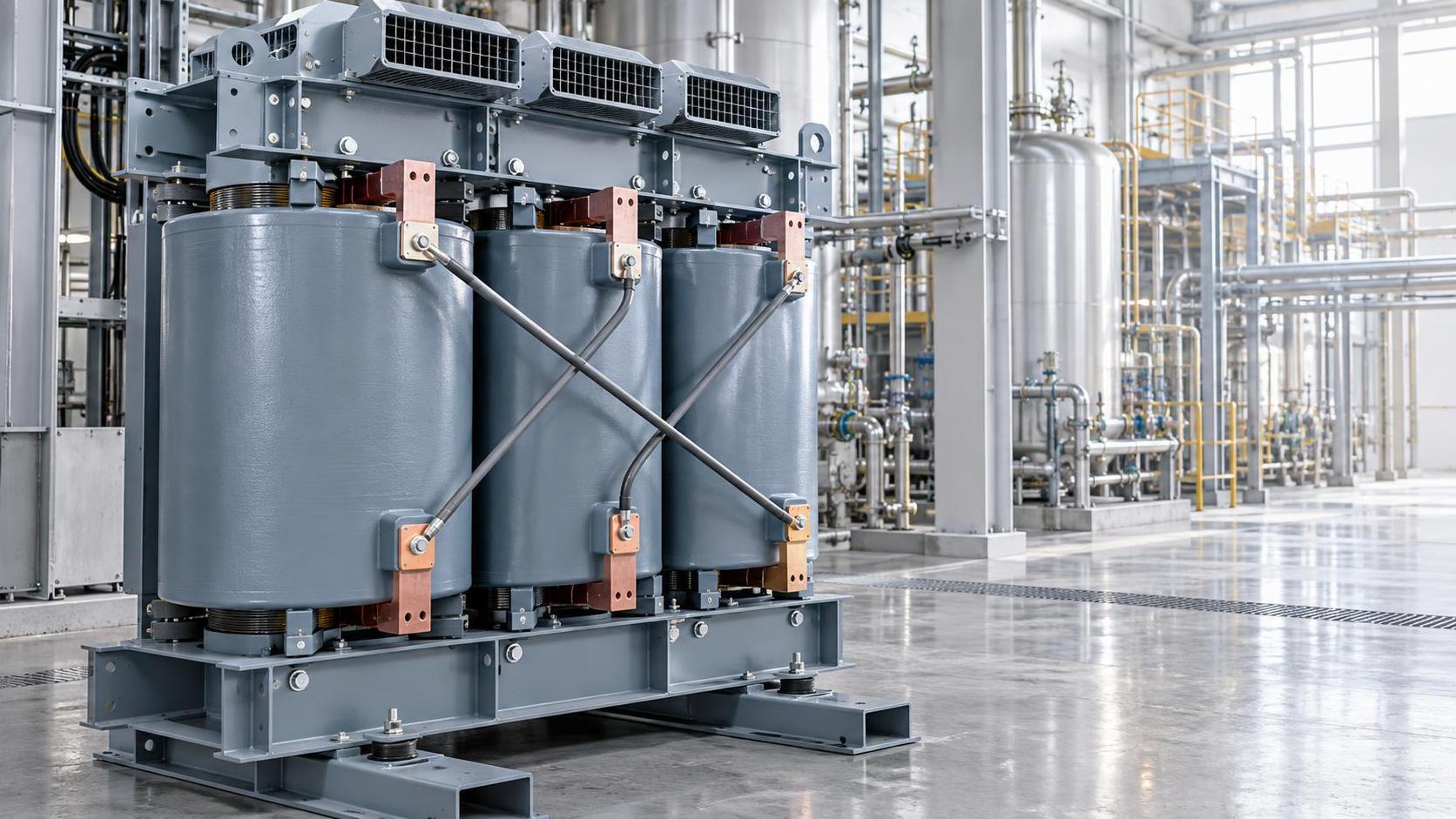
 Dry-Type Transformer Advantages for Hazardous Areas: Why IEEE C57.12.06 Arc Resistance & VPI Process Matter in Chemical Plants
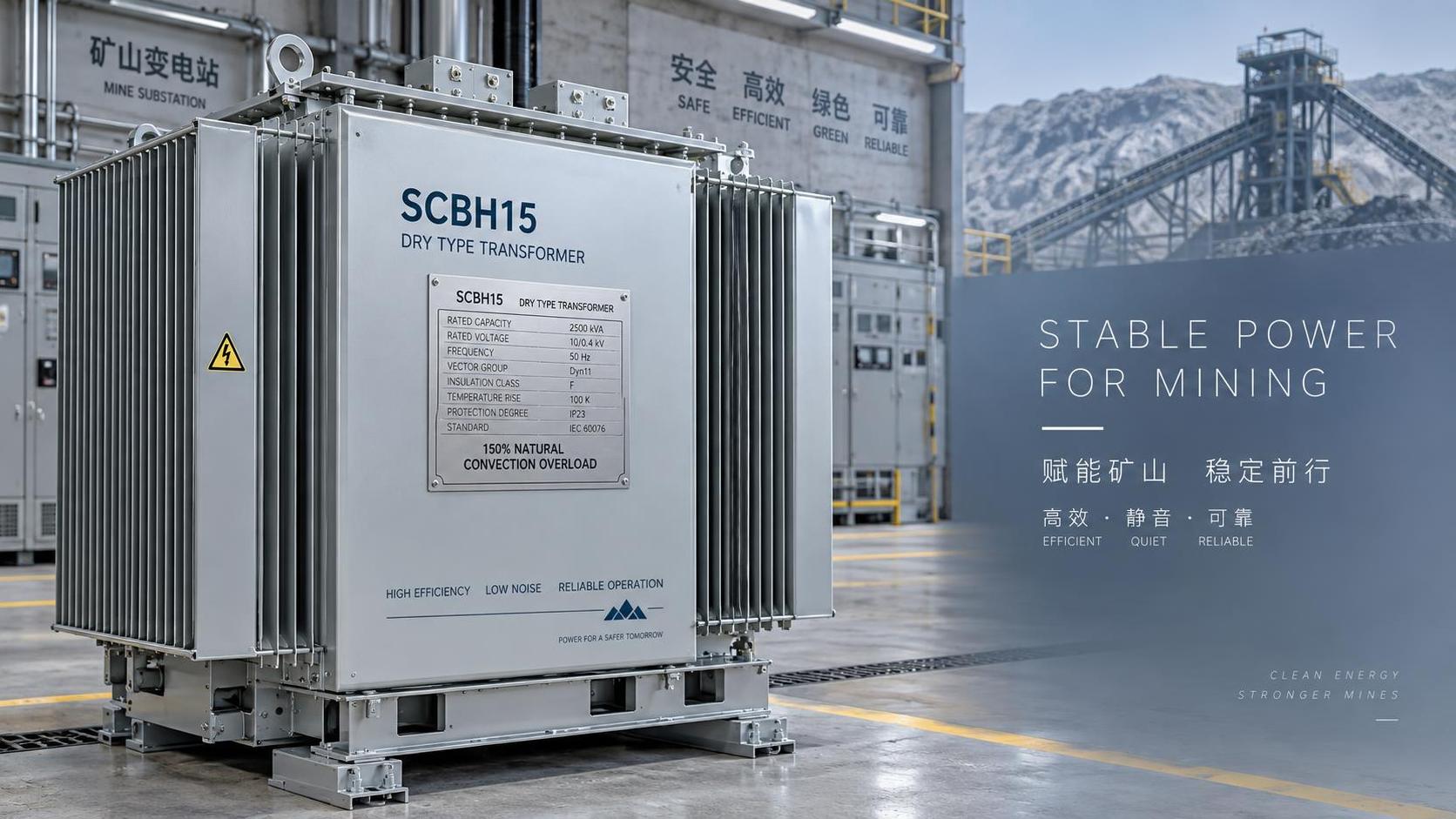
 Air-Cooled Transformer vs Forced-Oil-Cooled: When Natural Convection Meets Thermal Load Peaks in Mining Substations
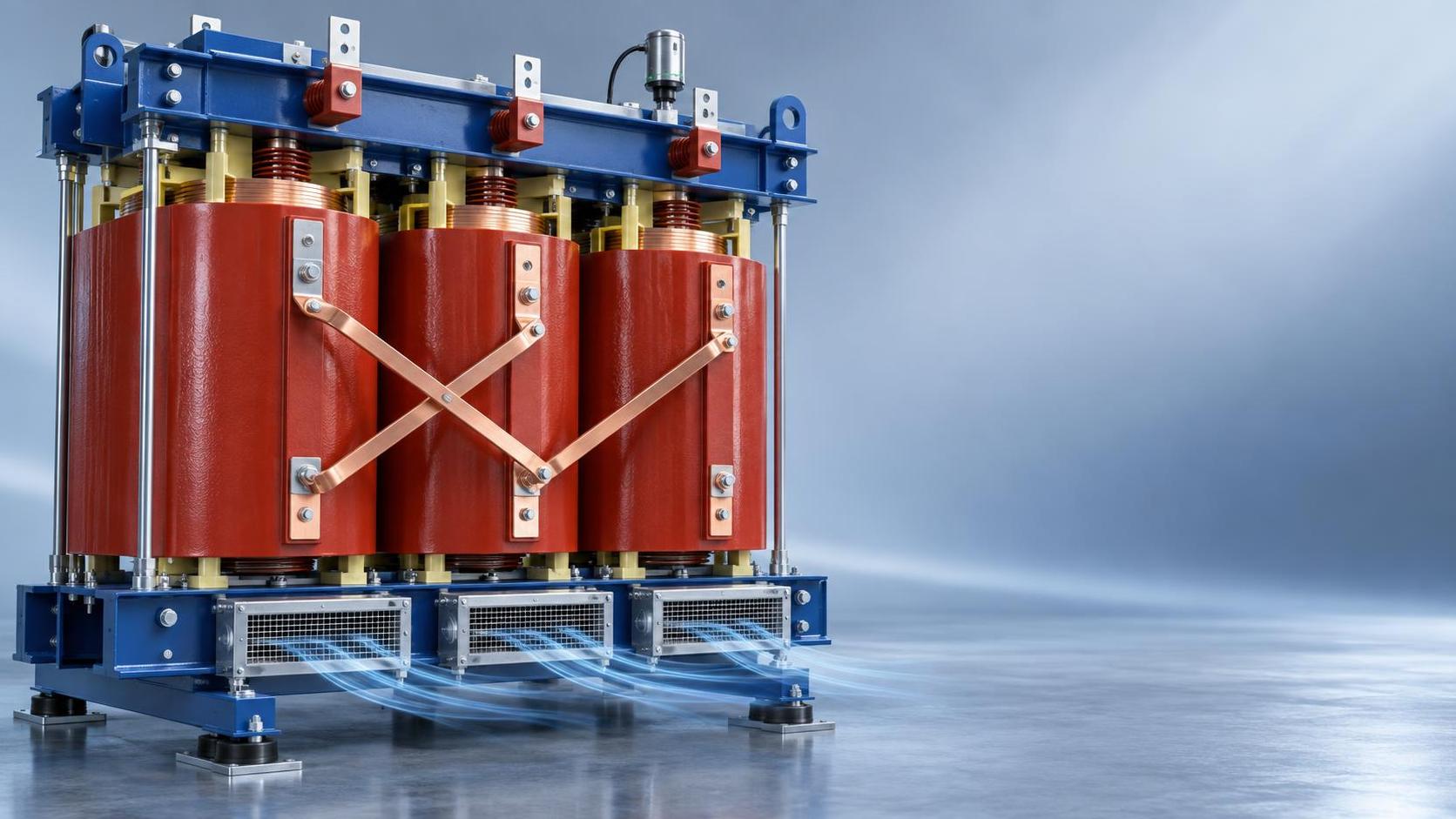
 SCB13 Dry-Type Transformer Long Lifespan: How Epoxy Resin Quality, Winding Stress Analysis & Ambient Humidity Monitoring Extend Service Life Beyond 30 Years
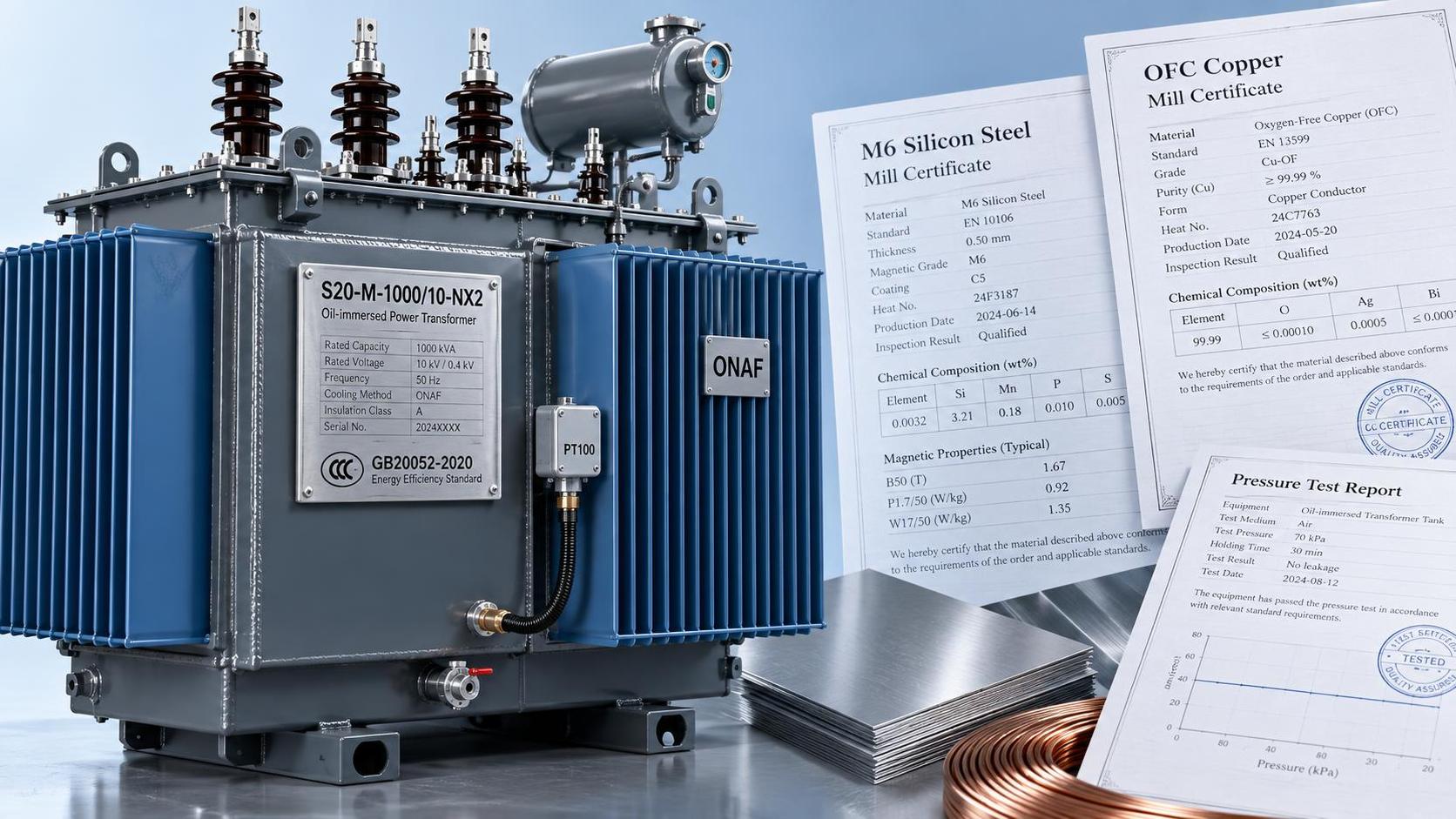
") S20 Oil-Immersed Transformer Quotation Breakdown: What 5 Line Items Actually Drive Total Installed Cost (Not Just kVA Price)
S20 Oil-Immersed Transformer Quotation Breakdown: What 5 Line Items Actually Drive Total Installed Cost (Not Just kVA Price) SCB11 Compact Dry-Type Transformer: Space-Saving Design Trade-Offs in High-Rise Building Electrical Rooms
 S11 vs S13 Oil-Immersed Transformers: Quantifying Efficiency Gains, Payback Period & Thermal Stability in Grid-Tied Substations
GET A FREE QUOTE
We offer reliable products, competitive prices, and nationwide professional support, committed to providing customers with efficient and energy-saving power equipment solutions.