


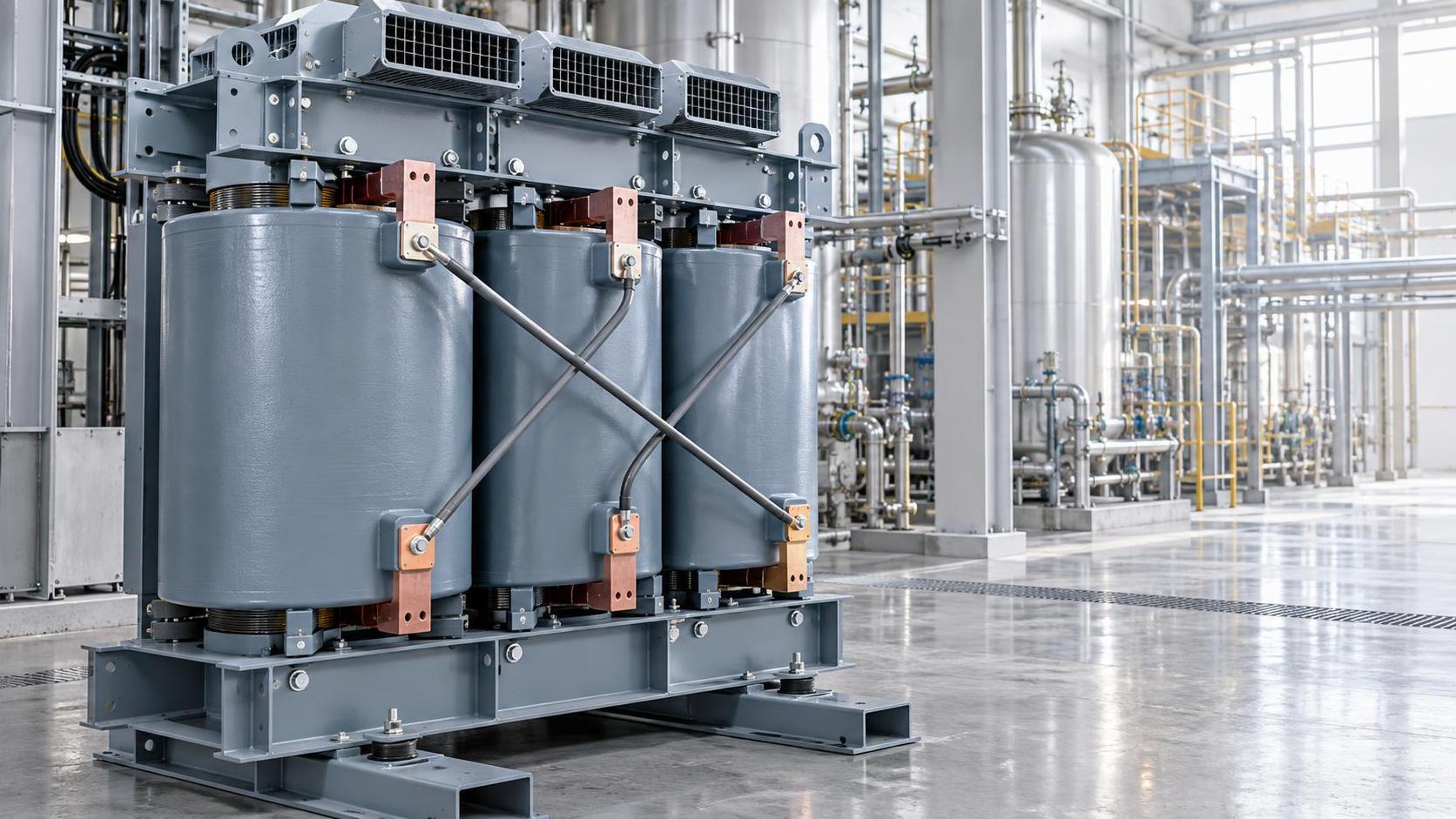
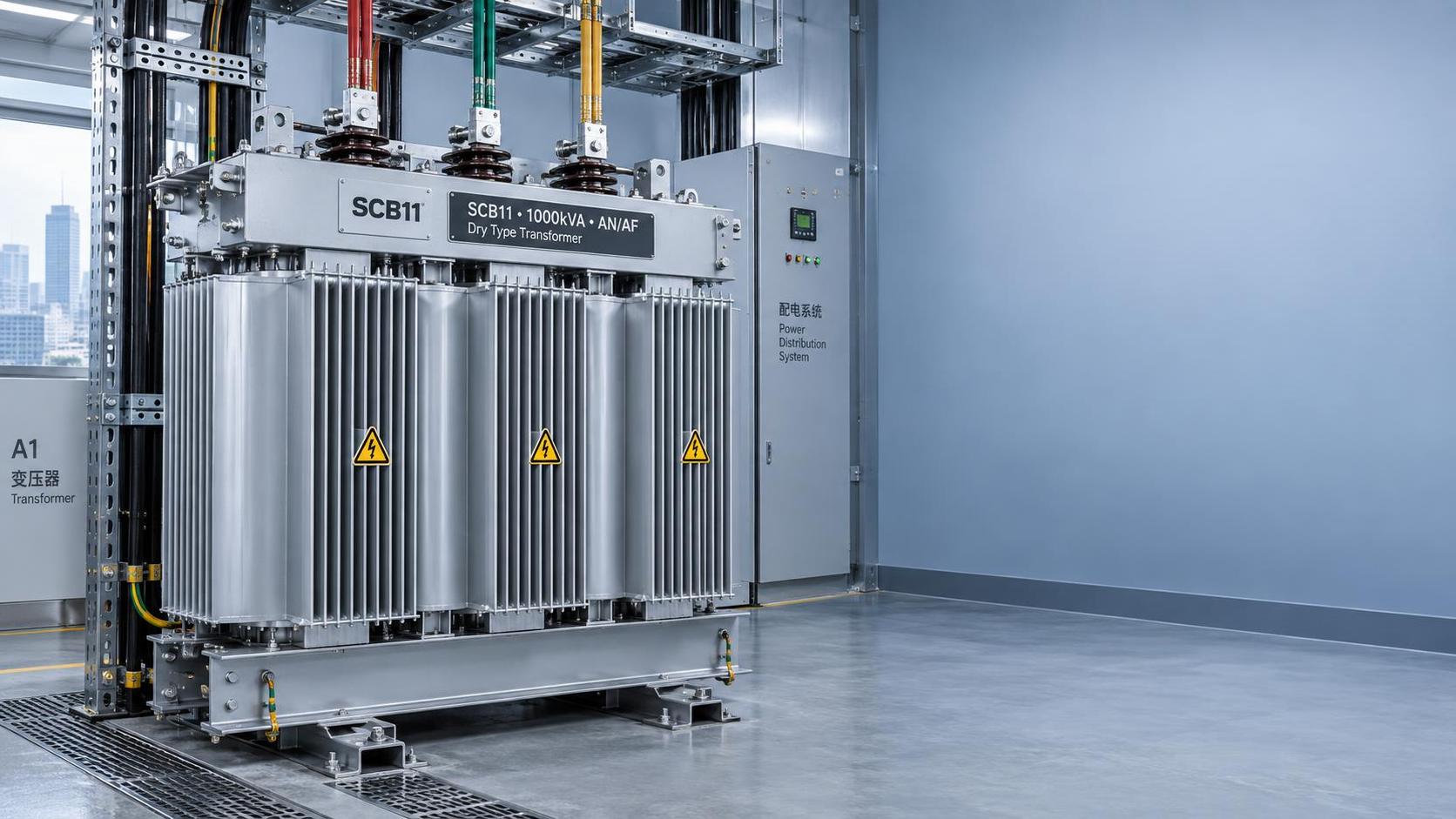
For project managers overseeing mining substation upgrades, the question isn’t whether cooling matters—it’s whether natural convection can sustain reliability when load spikes hit without warning. In a mine, thermal load peaks aren’t theoretical: they happen during shift changes, crusher startups, or sudden ventilation surges. A transformer that runs cool at 85% load may overheat at 110%—and if it’s oil-cooled, that overheating carries fire risk, spill hazards, and maintenance complexity in remote, dust-laden environments. An air cooled transformer, by contrast, eliminates flammable fluid, requires no pumps or radiators, and tolerates ambient dust better—if its thermal headroom matches your real-world duty cycle.
Why “Natural Convection” Isn’t Just a Backup Feature
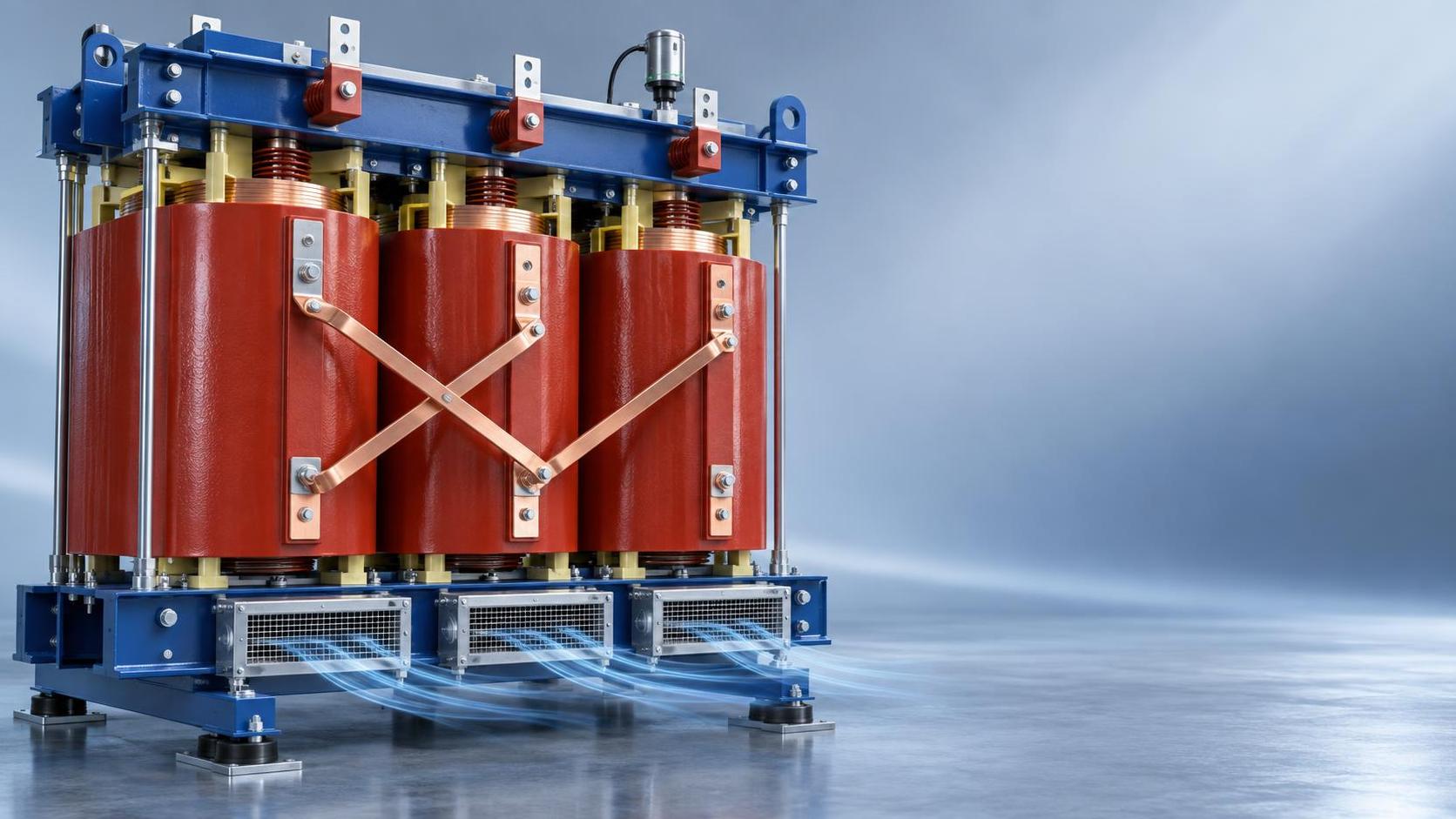
Natural convection cooling relies on passive airflow: hot surfaces heat surrounding air, which rises and draws cooler air in from below. It’s inherently simple—but simplicity only delivers value when the physics align with your operating profile. In mining substations, three conditions make natural convection viable:
- Intermittent or cyclical loads: If peak demand lasts minutes—not hours—and is followed by extended low-load periods, heat has time to dissipate between cycles.
- Ambient temperature stability: Natural convection loses effectiveness fast above 40°C ambient. In deep underground mines or surface sites near desert zones, sustained high inlet air temperatures reduce margin significantly.
- Physical layout that supports airflow: Enclosures must allow unobstructed vertical airflow paths. Crowded switchgear cabinets, stacked transformers, or poor ventilation duct design choke convection—even if the unit itself is rated for air cooling.
When those conditions hold, an air cooled transformer offers tangible operational advantages: no oil leaks to contain, no pump failures to troubleshoot, no dissolved gas analysis (DGA) sampling schedules, and lower lifetime O&M cost. But here’s what many project managers overlook: not all air-cooled units respond equally to transient overload. Standard dry-type transformers (e.g., SCB10 or SCB13) typically tolerate 120–130% rated load for short durations under forced-air assist—but under natural convection alone, that margin often drops to 105–110%. That gap becomes critical during unplanned load surges.
Forced-Oil-Cooled: Power Density vs. Operational Risk
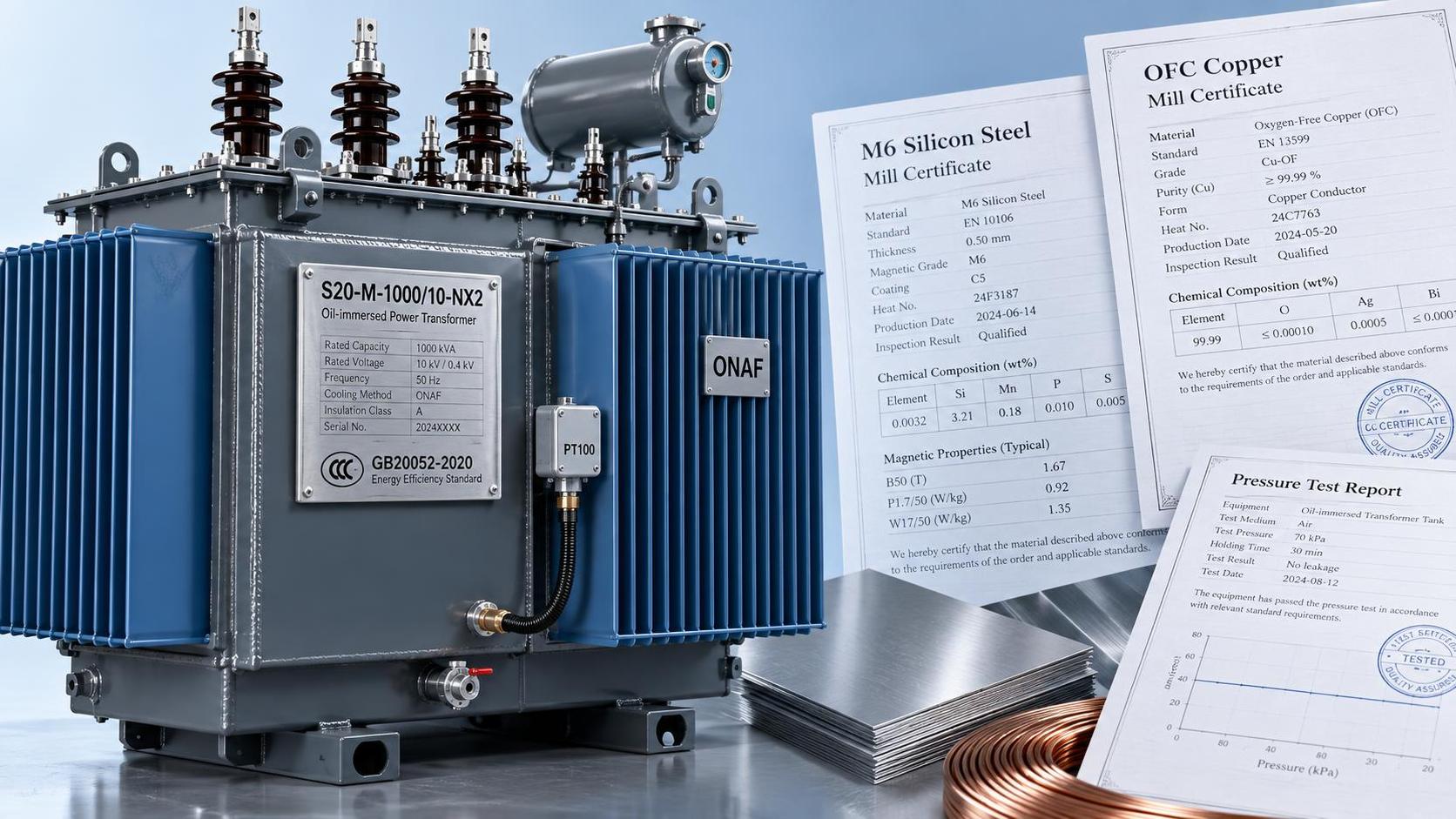
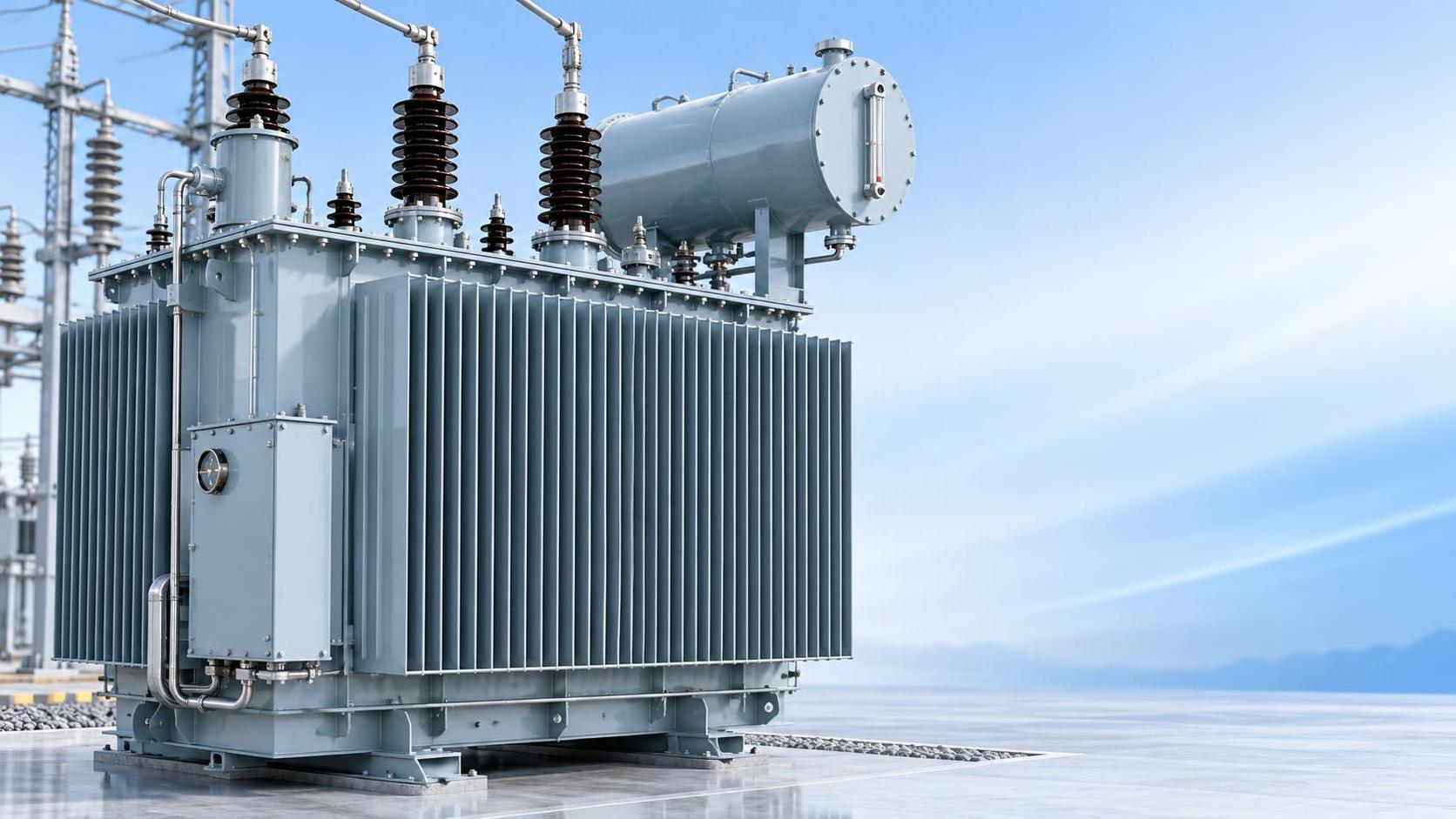
Forced-oil-cooled (FOC) transformers deliver higher kVA per cubic meter. They’re common where space is constrained and continuous high loading is expected—like main intake substations feeding multiple hoists. Oil circulation, combined with external radiators and fans, moves heat more efficiently than air alone. But in mining, efficiency comes with trade-offs:
- Fire and environmental exposure: Mineral oil is flammable. Even with fire-resistant formulations, a rupture near conveyors or blasting areas poses unacceptable risk. Regulations in many jurisdictions now require fire-rated barriers or alternative cooling for underground or confined surface installations.
- Maintenance dependency: Fans fail. Pumps seize. Radiator fins clog with ore dust. In remote locations, spare parts lead times stretch into weeks—not days.
- Startup and commissioning complexity: FOC units require oil testing, moisture checks, and pressure integrity verification before energization. An air cooled transformer arrives ready to run after basic torque and insulation resistance checks.
So while FOC offers higher nominal capacity, its real-world availability in mining settings often falls short of spec sheets—especially when uptime is measured in months, not hours.
The Real Decision Point: Thermal Headroom Under Air Cooling Alone
Forget “air cooled vs. oil cooled” as a binary choice. The decisive factor is how much *sustained* overload capability a given air-cooled design delivers—without fans, without oil, just metal, insulation, and airflow.
This is where material science and thermal design converge. Amorphous alloy cores, for example, generate significantly less no-load loss—reducing baseline heating even before load is applied. Combine that with optimized winding geometry, low-temperature-rise insulation systems, and advanced thermal monitoring, and you get units that operate reliably at 150% rated load under natural convection—for limited durations—without exceeding insulation class limits.
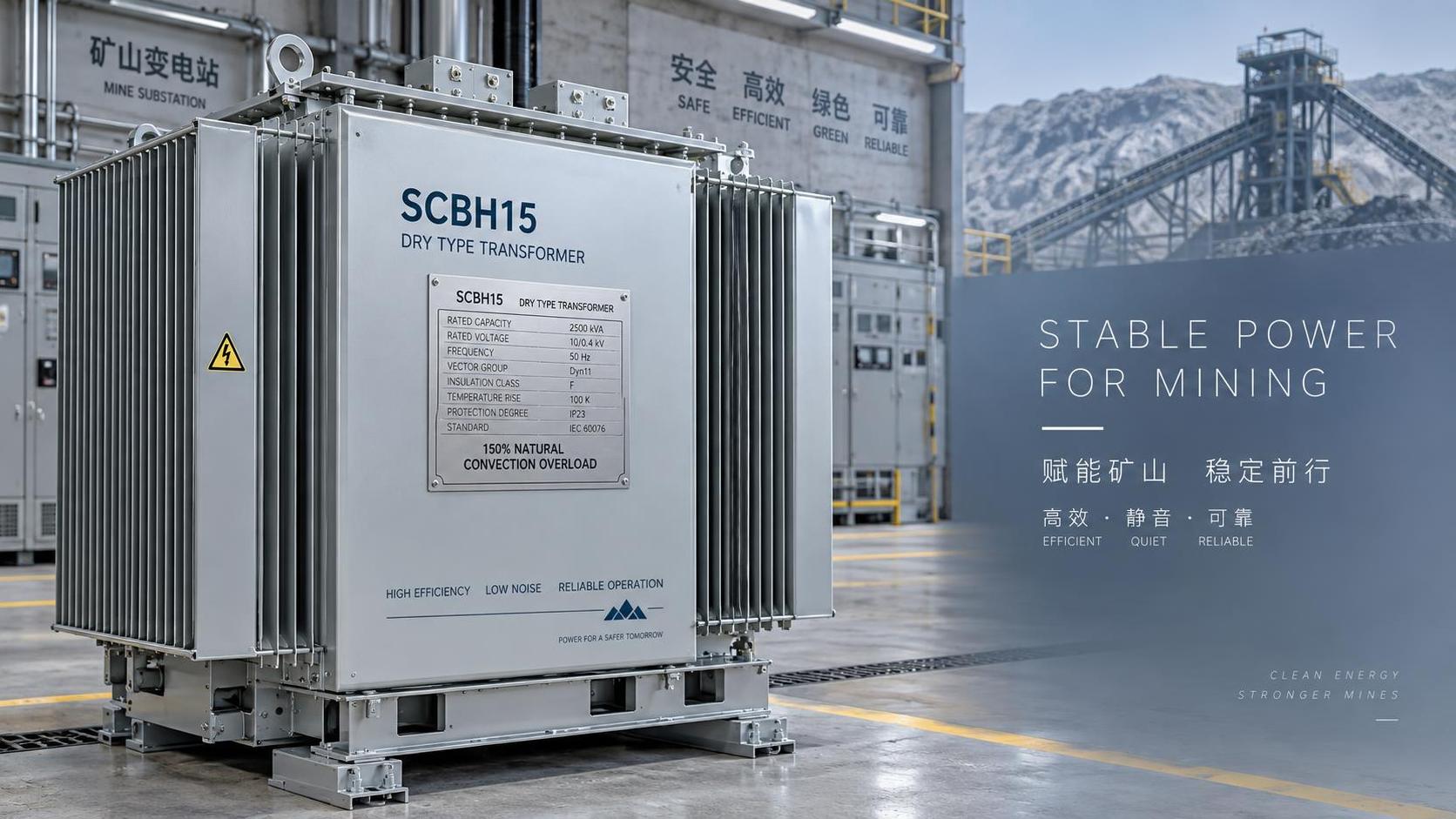
That’s not marketing hyperbole. It’s measurable performance: the SCBH15 Type Dry-Type Transformer, for instance, achieves this 150% air-cooled overload rating while meeting GB/T10228 and JB/T10088-2016 standards. Its amorphous alloy core cuts no-load loss by more than 30% versus SCB10 models and reduces overall losses below SCB13 benchmarks. Crucially, its strong heat dissipation capacity isn’t dependent on auxiliary fans—it’s built into the core-to-winding thermal path and enclosure airflow dynamics.
How to Test Whether Your Site Fits Air Cooling
Before specifying either type, validate against these four field-based criteria—not datasheet claims:
- Load profile logging: Install temporary meters for 7–14 days covering full operational cycles—including weekends, shift changes, and known surge events. Look for peak duration >5 minutes and frequency >2x/day. If >130% load occurs regularly beyond 3 minutes, natural convection alone may be marginal.
- Inlet air temperature mapping: Measure air temperature at transformer intake points—not just ambient station air. Dust filters, duct bends, and nearby heat sources (e.g., VFD enclosures) can raise inlet temp by 8–12°C.
- Enclosure airflow verification: Use smoke tests or anemometers to confirm vertical velocity >0.3 m/s through the core window area. Stagnant zones behind busbars or above cable trays kill convection.
- Failure consequence assessment: Ask: “If this unit trips due to thermal overload during a critical hoist cycle, what’s the production impact?” If downtime costs exceed $50k/hour, the added resilience of forced cooling may justify its complexity—even with higher maintenance.
Where Standards Actually Matter—And Where They Don’t
Compliance with GB/T6451-2008 or IEC 60076 isn’t optional—but it’s also not sufficient. Those standards define test conditions (e.g., 40°C ambient, clean air), not mine-site reality. What matters more is how the manufacturer validates performance under your conditions.
Jiangsu Shengda Power Equipment Co., Ltd., for example, subjects its low-loss transformers—including SCB10, SCB13, and SCBH15 series—to thermal imaging and partial discharge testing under simulated dust-loading and variable ambient profiles. Their ISO9001-certified process ensures consistent quality control across S11–S22 and SCB-series units, but the key differentiator lies in thermal validation methodology—not just certification badges.
If your tender documents only specify “complies with GB/T10228,” you’ll get units that pass lab tests—not necessarily ones that survive monsoon-season humidity or winter condensation cycles. Demand thermal performance curves showing temperature rise vs. load at 45°C inlet air, not just 30°C.
The Bottom Line for Project Managers
You don’t choose air cooling because it’s simpler. You choose it when simplicity delivers measurable risk reduction—without sacrificing thermal headroom where it counts. Forced-oil cooling isn’t obsolete; it’s appropriate when load density, space constraints, and continuous high loading outweigh fire and maintenance concerns.
But for most mining substations—especially mobile substations, portal substations, or expansions where uptime and safety are non-negotiable—an air cooled transformer with proven 150% natural-convection overload capability (like the SCBH15 Type Dry-Type Transformer) shifts the balance. It doesn’t eliminate thermal management—it redefines it: from managing oil degradation and fan reliability to optimizing airflow paths and verifying real-world load profiles.
Your next step isn’t comparing brochures. It’s installing temporary monitoring at two representative locations in your substation—then deciding which cooling philosophy aligns with your actual thermal behavior, not your ideal one.


 Dry-Type Transformer Advantages for Hazardous Areas: Why IEEE C57.12.06 Arc Resistance & VPI Process Matter in Chemical Plants
 Air-Cooled Transformer vs Forced-Oil-Cooled: When Natural Convection Meets Thermal Load Peaks in Mining Substations
 SCB13 Dry-Type Transformer Long Lifespan: How Epoxy Resin Quality, Winding Stress Analysis & Ambient Humidity Monitoring Extend Service Life Beyond 30 Years
") S20 Oil-Immersed Transformer Quotation Breakdown: What 5 Line Items Actually Drive Total Installed Cost (Not Just kVA Price)
S20 Oil-Immersed Transformer Quotation Breakdown: What 5 Line Items Actually Drive Total Installed Cost (Not Just kVA Price) SCB11 Compact Dry-Type Transformer: Space-Saving Design Trade-Offs in High-Rise Building Electrical Rooms
 S11 vs S13 Oil-Immersed Transformers: Quantifying Efficiency Gains, Payback Period & Thermal Stability in Grid-Tied Substations
GET A FREE QUOTE
We offer reliable products, competitive prices, and nationwide professional support, committed to providing customers with efficient and energy-saving power equipment solutions.