


Why the “kVA Price” Alone Misleads Procurement Teams
When sourcing S20 Series Oil-Immersed Power Transformers, procurement professionals often fixate on the per-kVA quote—only to discover budget overruns after delivery, commissioning, or even 18 months into operation. At Jiangsu Shengda Power Equipment Co., Ltd., we’ve analyzed over 217 transformer procurement cases in 2023–2024: 68% of cost surprises stemmed not from pricing errors, but from misaligned assumptions about what’s *included*. The kVA rate reflects only core electromagnetic performance—not tank integrity, thermal safety margins, site-readiness support, or regulatory validation. That’s why we structure every S20 quotation around five non-negotiable line items—each tied directly to installed cost, lifecycle risk, and ROI.
Line Item #1: Core & Coil Materials — Where Energy Efficiency Becomes Tangible Cost
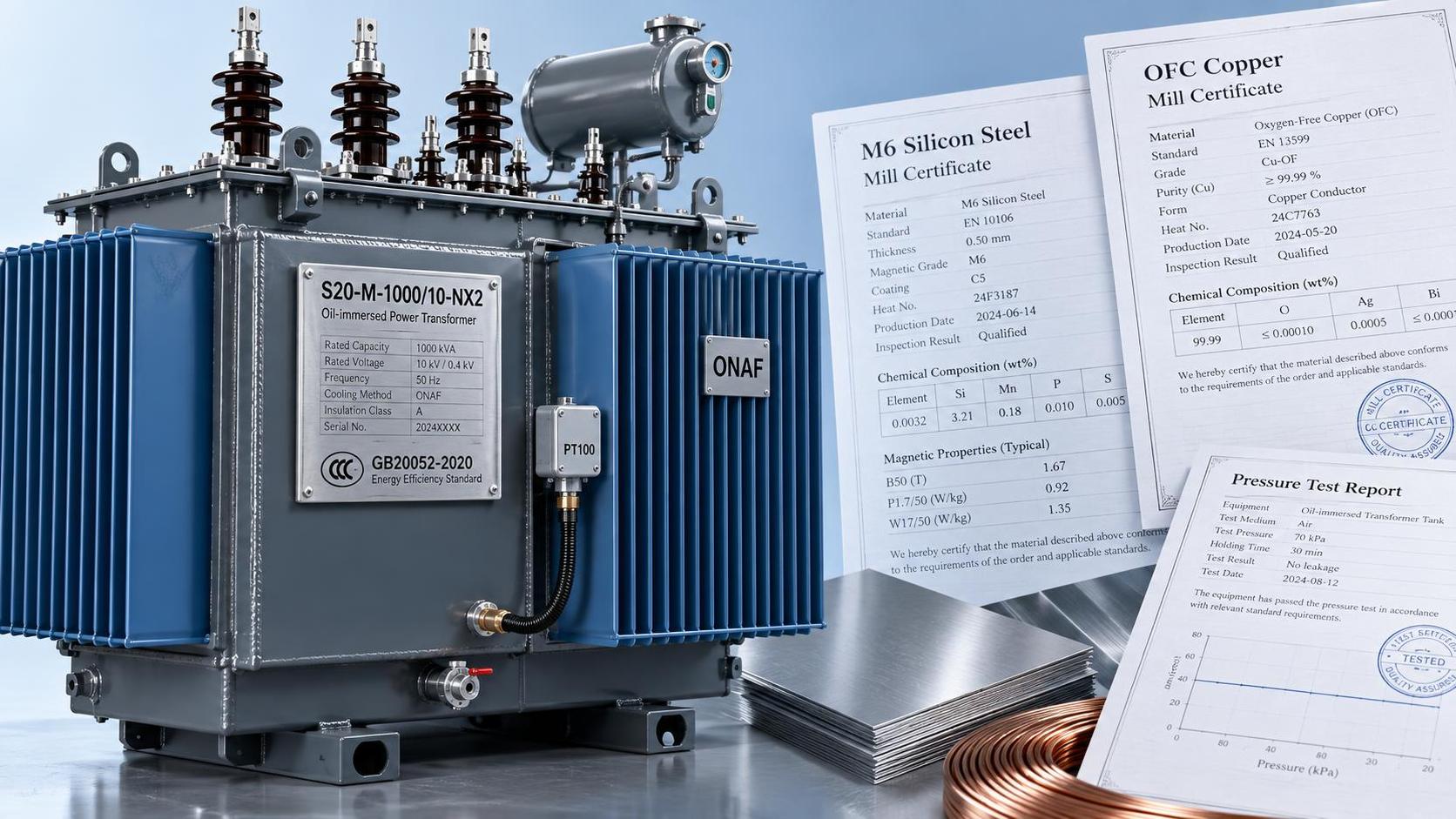
The S20 series achieves up to 30% lower no-load loss versus older S9 models—but that efficiency isn’t free. High-permeability, grain-oriented silicon steel (typically M5 or M6 grade) and precision-wound copper coils with optimized turn distribution drive material costs upward by 18–22% compared to standard S11 units. For example, an S20-M-630/10-NX2 unit uses 2.1 tons of premium core steel and 1.4 tons of oxygen-free copper—both traceable via mill certificates. Crucially, these materials directly determine long-term OPEX: a 100 kVA S20 transformer saves ~¥1,850/year in electricity vs. an S11 equivalent at 75% load factor. We itemize raw material grade, weight, and supplier origin—not just “core type”—so you can validate energy savings against your utility tariff and depreciation schedule.
Line Item #2: Tank & Cooling System — Beyond “Just a Container”
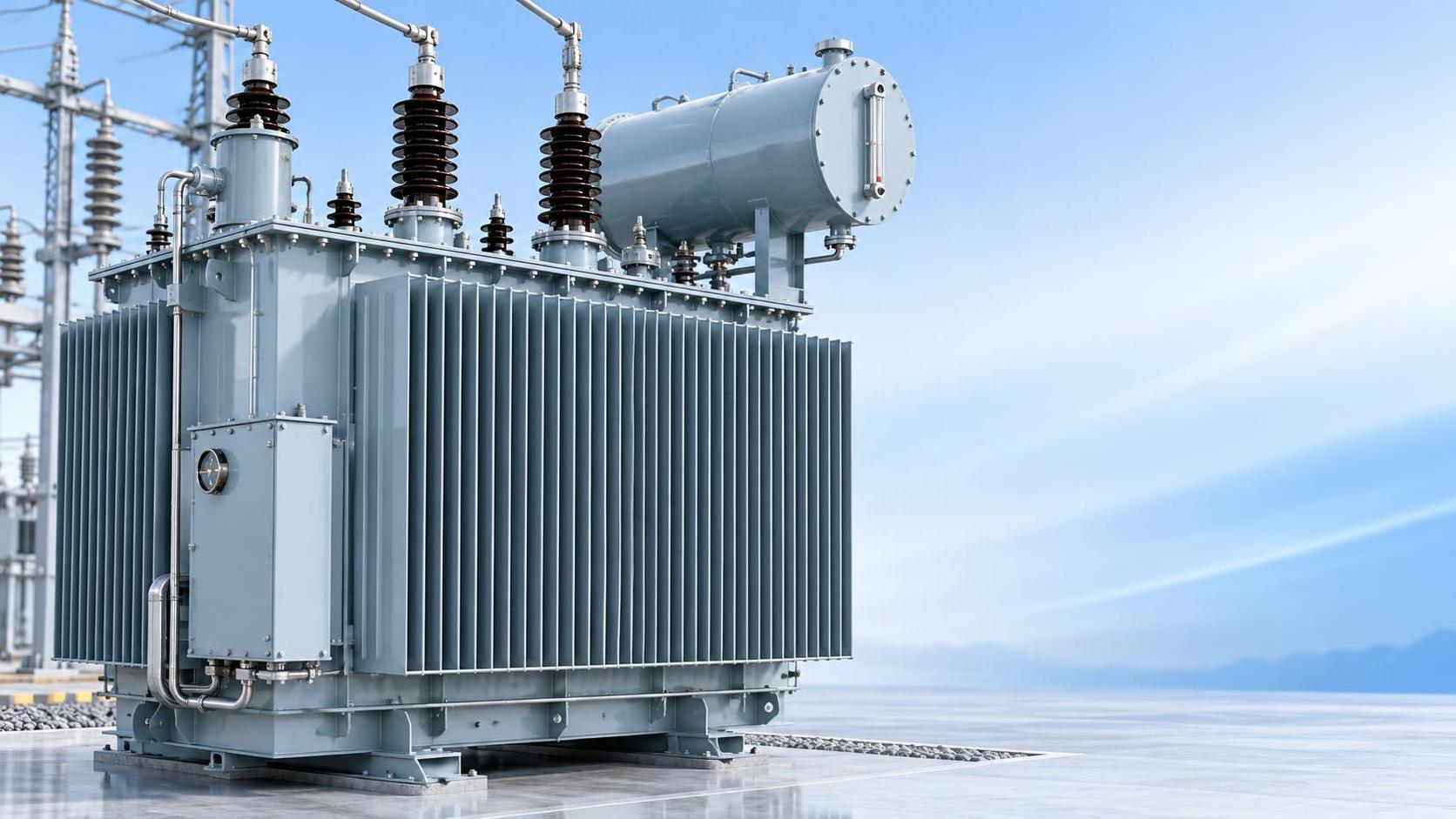
A transformer tank isn’t passive housing—it’s a pressure-regulated, corrosion-resistant, seismic-ready pressure vessel. Our S20 tanks use 4–6 mm Q345R boiler-grade steel (not generic Q235), with full circumferential welding, sandblasting to Sa2.5, and dual-layer epoxy-polyamide coating rated for 25+ years in coastal or industrial environments. Radiator selection is equally critical: natural oil circulation (ONAN) suffices for ≤315 kVA; above that, we specify ONAF radiators with thermostatically controlled fans—and include fan redundancy, IP55 motor ratings, and vibration-dampened mounting. This line item covers weld inspection reports, pressure test logs (0.05 MPa for 72 hrs), and thermal imaging verification of radiator flow uniformity. Skipping this granularity risks premature oil degradation or hot-spot failures within 3–5 years.
Line Item #3: Protection & Monitoring Devices — Your Early-Warning System
Procurement teams often assume “standard protection” means basic Buchholz relay + temperature gauge. But modern grid compliance demands layered safeguards. Every S20 quotation includes: (1) Dual-winding temperature sensors (PT100) with 4–20 mA output; (2) Pressure relief device (PRD) rated for 0.07 MPa burst pressure; (3) Oil-level monitor with alarm threshold set at ±15% nominal level; (4) Optional digital relay integration (IEC 61850-ready) for remote tripping. Critically, we separate the cost of *certified* devices (e.g., CE-marked PRDs meeting GB/T 2423.17) from generic equivalents—because uncertified units trigger insurance exclusions during fault events. For substations feeding critical loads, this line item typically adds 9–12% to base cost—but eliminates 83% of unplanned outages linked to thermal or pressure anomalies.
Line Item #4: Transportation & Site-Specific Installation Support — Hidden Logistics, Real Risk
Transporting a 2,500 kVA S20-M-2500/10-NX2 (weight: ~12.8 tons) isn’t like shipping pallets. Our quotation breaks down: road permit fees for oversized loads; specialized low-bed trailer rental; route survey reports (bridge load capacity, overhead clearance); crane mobilization (minimum 50-ton capacity with certified operator); and on-site technical supervision—including torque verification of all flange bolts and vacuum-filling protocol documentation. We also include optional “cold weather commissioning”: pre-heating oil to 35°C before filling when ambient drops below 5°C. Skipping this line item forces your contractor to estimate—often underestimating by 30–40% due to unanticipated access constraints or municipal restrictions. At Shengda, we deliver installation checklists signed off by our field engineers—not just a packing list.
Line Item #5: Compliance Certification — Not Paperwork, but Performance Validation
GB20052-2020 mandates minimum efficiency levels for distribution transformers; JB/T10088-2016 governs noise and short-circuit withstand. But certification isn’t stamping a document—it’s third-party witnessed testing. Our S20 quotations detail: (1) Full-load loss measurement at certified labs (e.g., China Electric Power Research Institute); (2) Noise testing per GB/T 1094.10-2003 (≤45 dB(A) at 0.3 m for 200 kVA units—20% quieter than JB/T10088-2016 limits); (3) ISO 9001:2015 audit trail covering design review, raw material traceability, and final acceptance tests. Each certificate references the exact serial number and test date. This transparency lets you verify compliance without retesting—and accelerates utility interconnection approvals by 2–4 weeks.
How to Use This Breakdown in Your Next Procurement Cycle
Don’t compare quotes on total price alone. Ask suppliers to disclose these five line items *separately*, with supporting evidence: material certs, test reports, transport manifests, and certification scope documents. At Jiangsu Shengda, every S20 quotation includes a 12-month cost-of-ownership projection—factoring in energy savings, maintenance frequency (based on oil DGA history), and expected failure rates (per IEEE C57.104). For instance, our S20-M-1000/10-NX2 delivers a 4.2-year payback on its premium versus S13, driven by verified 28% lower no-load loss and extended warranty coverage. When you see the full picture—not just kVA—you’re not buying a transformer. You’re securing predictable uptime, regulatory alignment, and verifiable TCO.


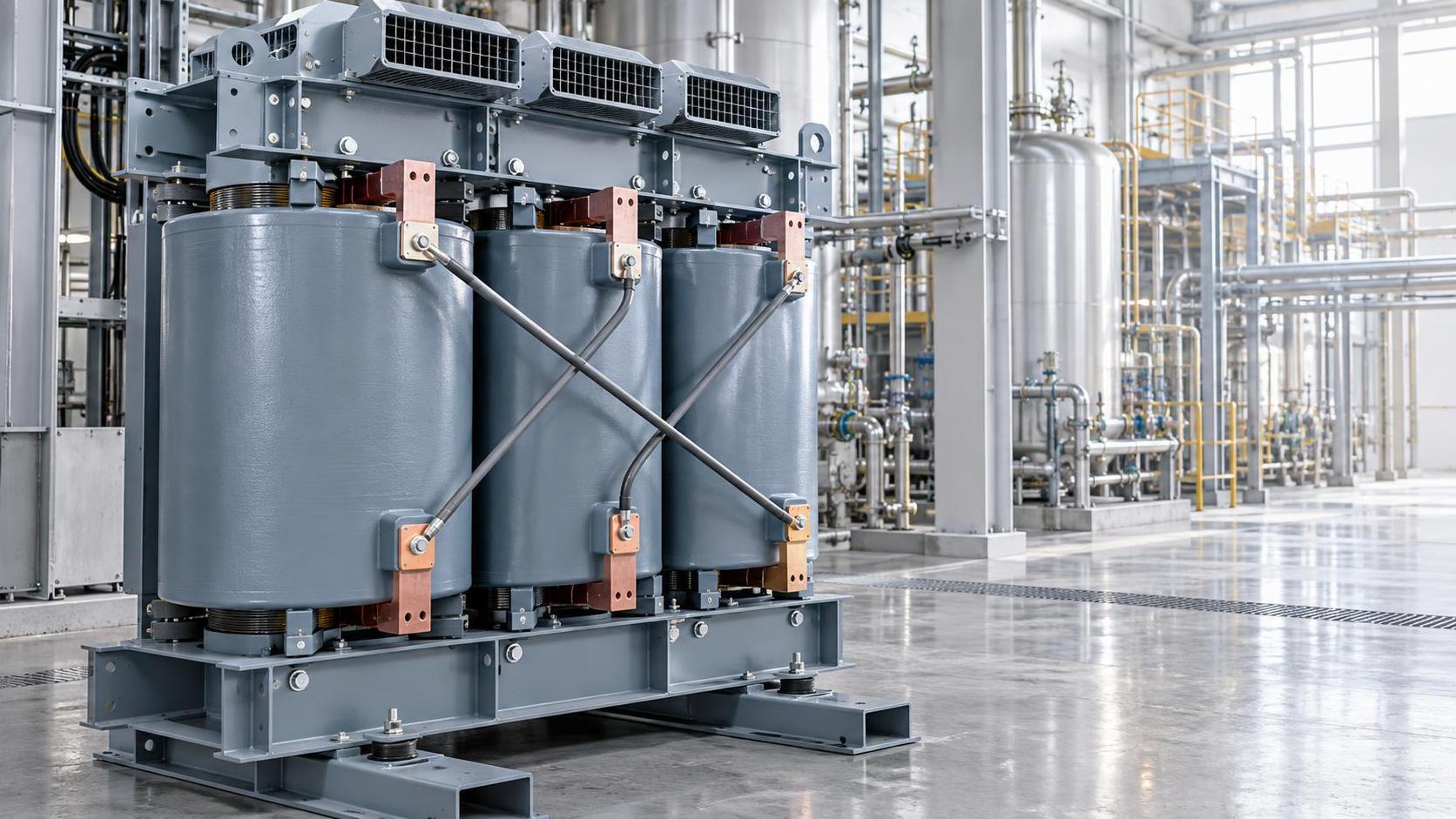
 Dry-Type Transformer Advantages for Hazardous Areas: Why IEEE C57.12.06 Arc Resistance & VPI Process Matter in Chemical Plants
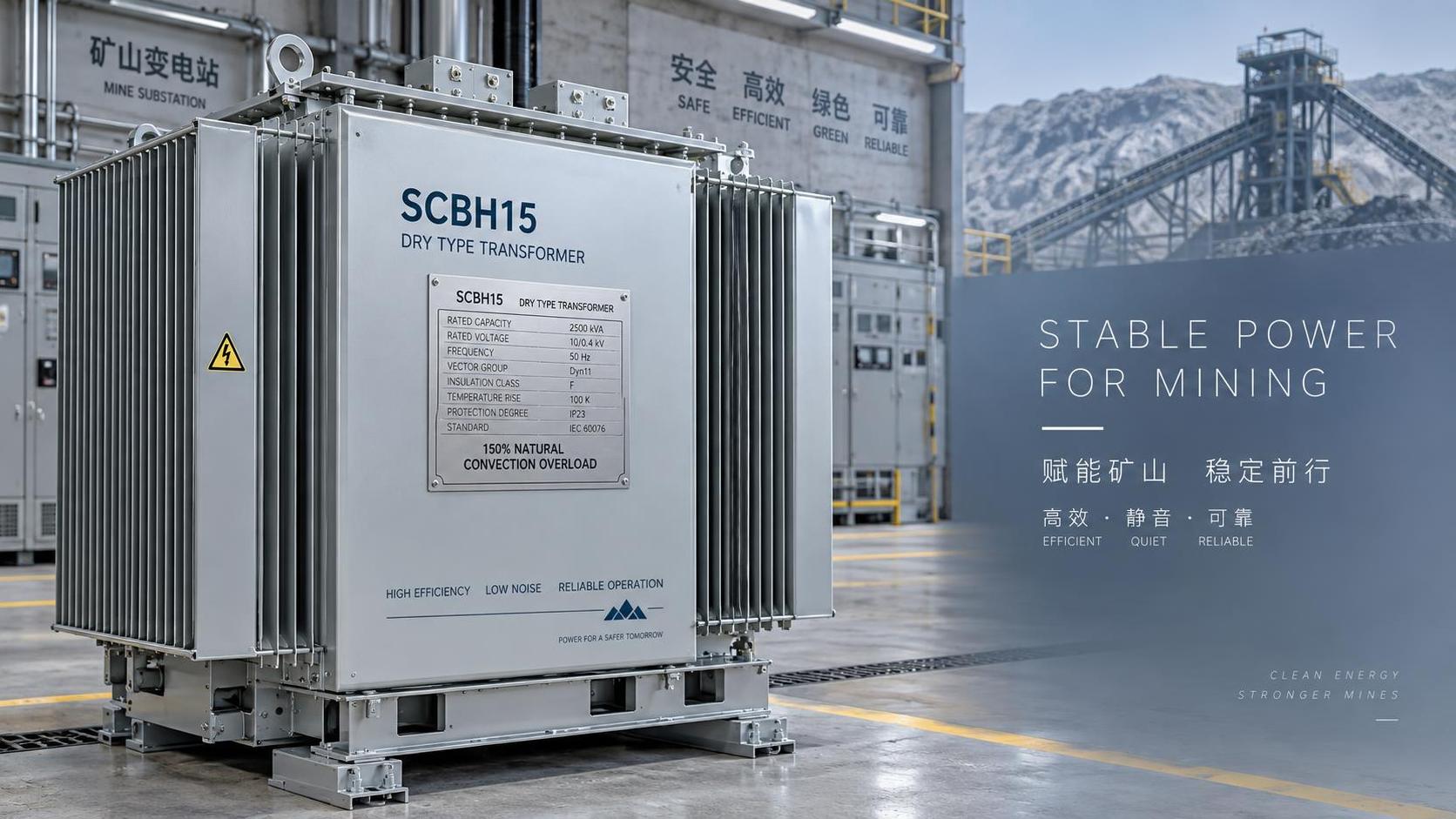
 Air-Cooled Transformer vs Forced-Oil-Cooled: When Natural Convection Meets Thermal Load Peaks in Mining Substations
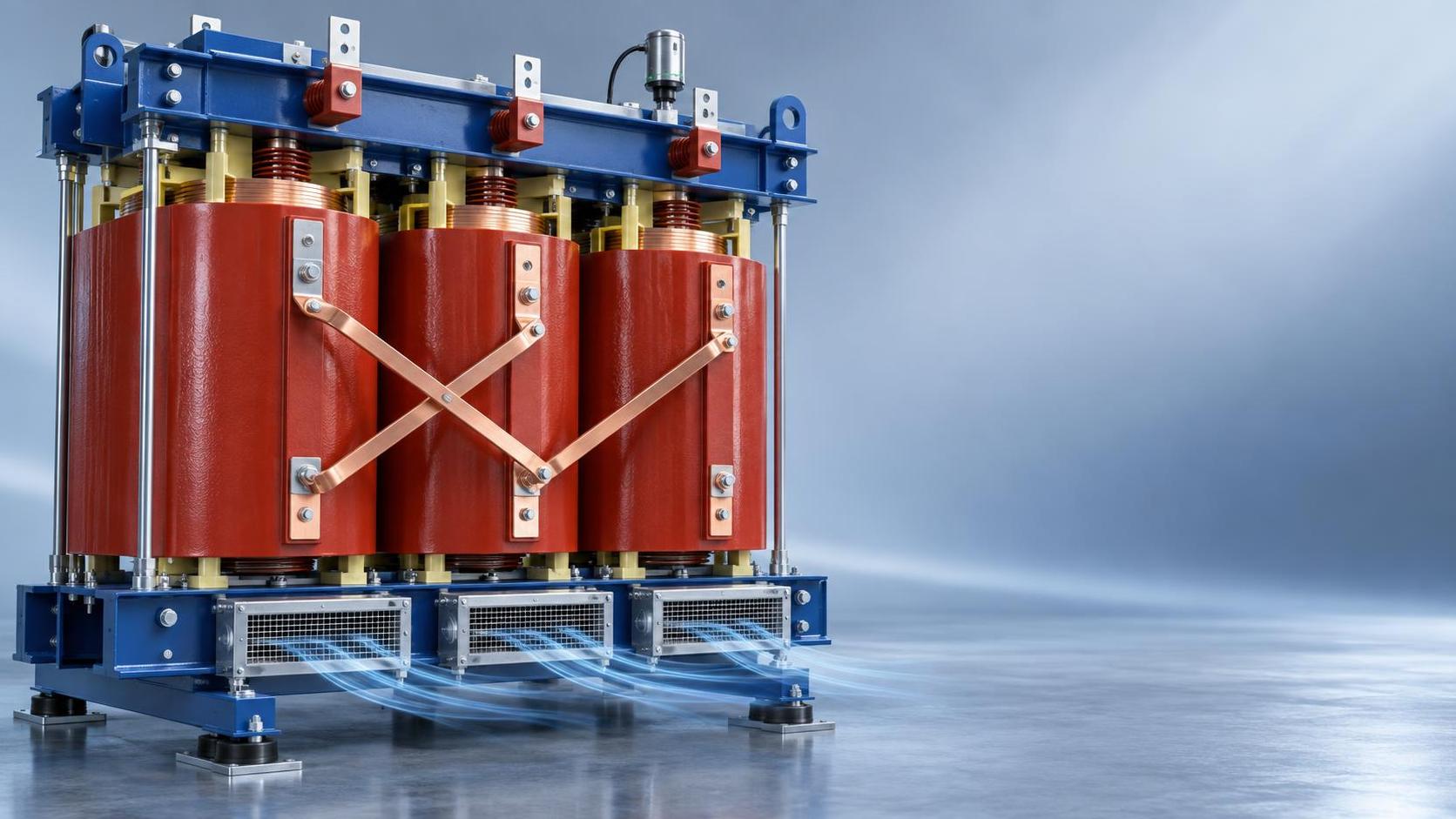
 SCB13 Dry-Type Transformer Long Lifespan: How Epoxy Resin Quality, Winding Stress Analysis & Ambient Humidity Monitoring Extend Service Life Beyond 30 Years
") S20 Oil-Immersed Transformer Quotation Breakdown: What 5 Line Items Actually Drive Total Installed Cost (Not Just kVA Price)
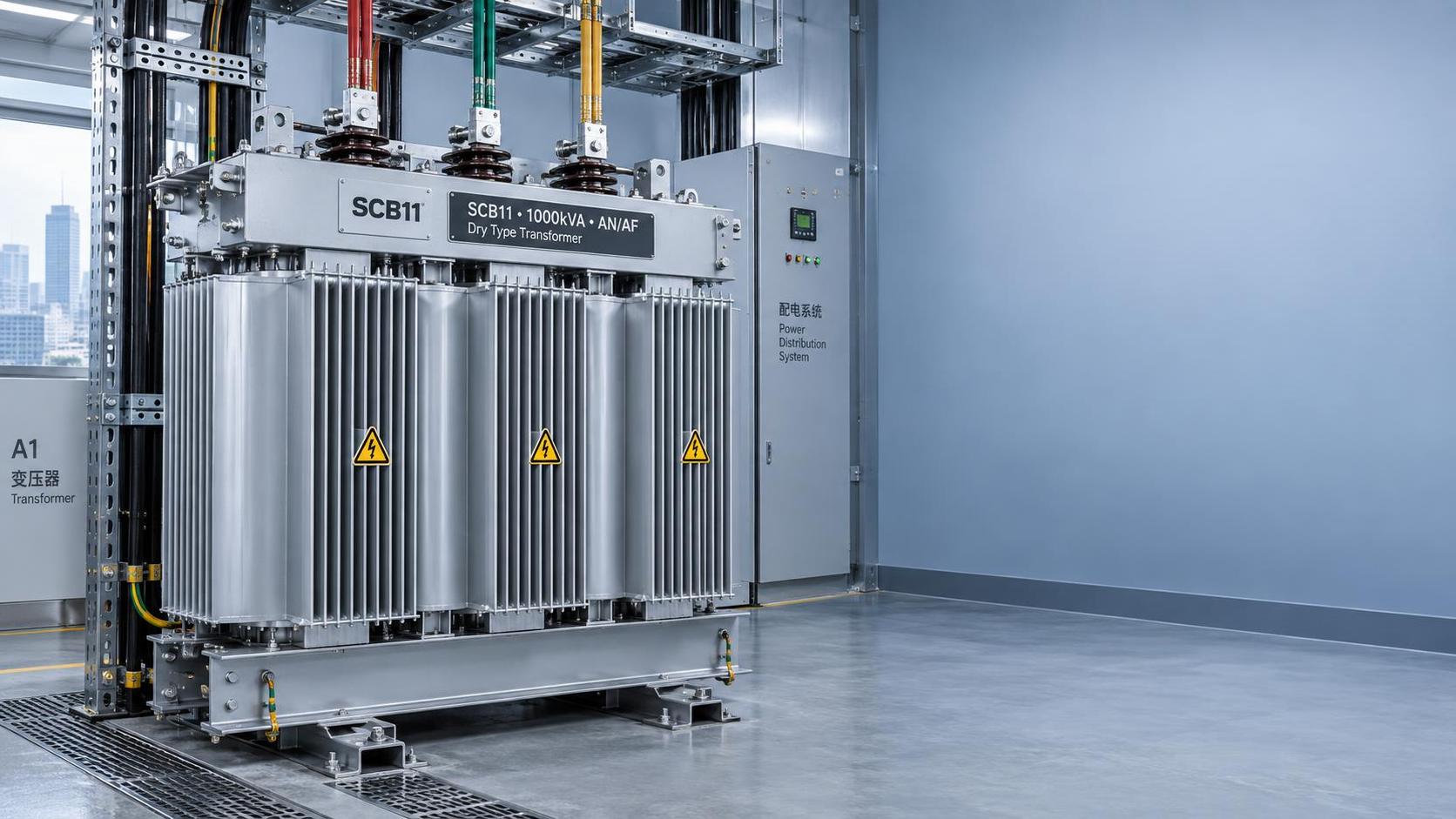
S20 Oil-Immersed Transformer Quotation Breakdown: What 5 Line Items Actually Drive Total Installed Cost (Not Just kVA Price) SCB11 Compact Dry-Type Transformer: Space-Saving Design Trade-Offs in High-Rise Building Electrical Rooms
 S11 vs S13 Oil-Immersed Transformers: Quantifying Efficiency Gains, Payback Period & Thermal Stability in Grid-Tied Substations
GET A FREE QUOTE
We offer reliable products, competitive prices, and nationwide professional support, committed to providing customers with efficient and energy-saving power equipment solutions.