


In industrial environments, transformer design for industrial use directly influences operational safety, equipment reliability, and production continuity. For quality control and safety management teams, understanding how design choices affect heat dissipation, insulation performance, load stability, and fault prevention is essential to reducing risk and avoiding costly downtime. This article explores the critical design factors that support safer operations and higher uptime.
Why does transformer design for industrial use matter so much in safety reviews?
For quality control personnel and safety managers, transformer design for industrial use is not just an engineering topic. It directly affects fire risk, overload tolerance, insulation reliability, and the ability of a facility to keep running under variable demand. A poorly matched design may pass basic installation checks but still create hidden operational hazards over time.
Industrial sites often face dust, moisture, temperature fluctuation, vibration, and uneven loading. In these conditions, a transformer must do more than convert voltage efficiently. It must maintain stable thermal performance, resist short circuits, and reduce failure points that could interrupt production or create unsafe conditions for workers and equipment.
This is why experienced buyers review design details early. Jiangsu Shengda Power Equipment Co., Ltd., a high-tech enterprise focused on transformer R&D, manufacturing, and sales, emphasizes strict quality inspection and compliance with standards such as GB1094.1-2-1996 and GB/T6451-2008, supported by ISO9001 certification. For safety-led procurement, those controls matter as much as the rated capacity.
- Design quality affects fault prevention
- Thermal control affects service life and uptime
- Insulation structure affects fire and shock risk
- Short-circuit strength affects resilience during disturbances
Which design areas deserve the closest attention?
The most critical areas usually include cooling performance, insulation system quality, winding structure, core loss control, and enclosure suitability for the site environment. These factors work together. A strong design in one area cannot fully compensate for weakness in another.
Quick review checklist
When evaluating transformer design for industrial use, safety teams should verify operating temperature rise, insulation class, fault withstand capability, standard compliance, and environmental adaptability before final approval.
How do heat dissipation and insulation design influence downtime risk?
Excessive heat is one of the most common causes of transformer aging. If heat is not released effectively, insulation degrades faster, winding stress increases, and the probability of unplanned shutdown rises. In continuous-process plants, even a short outage can trigger expensive secondary losses.
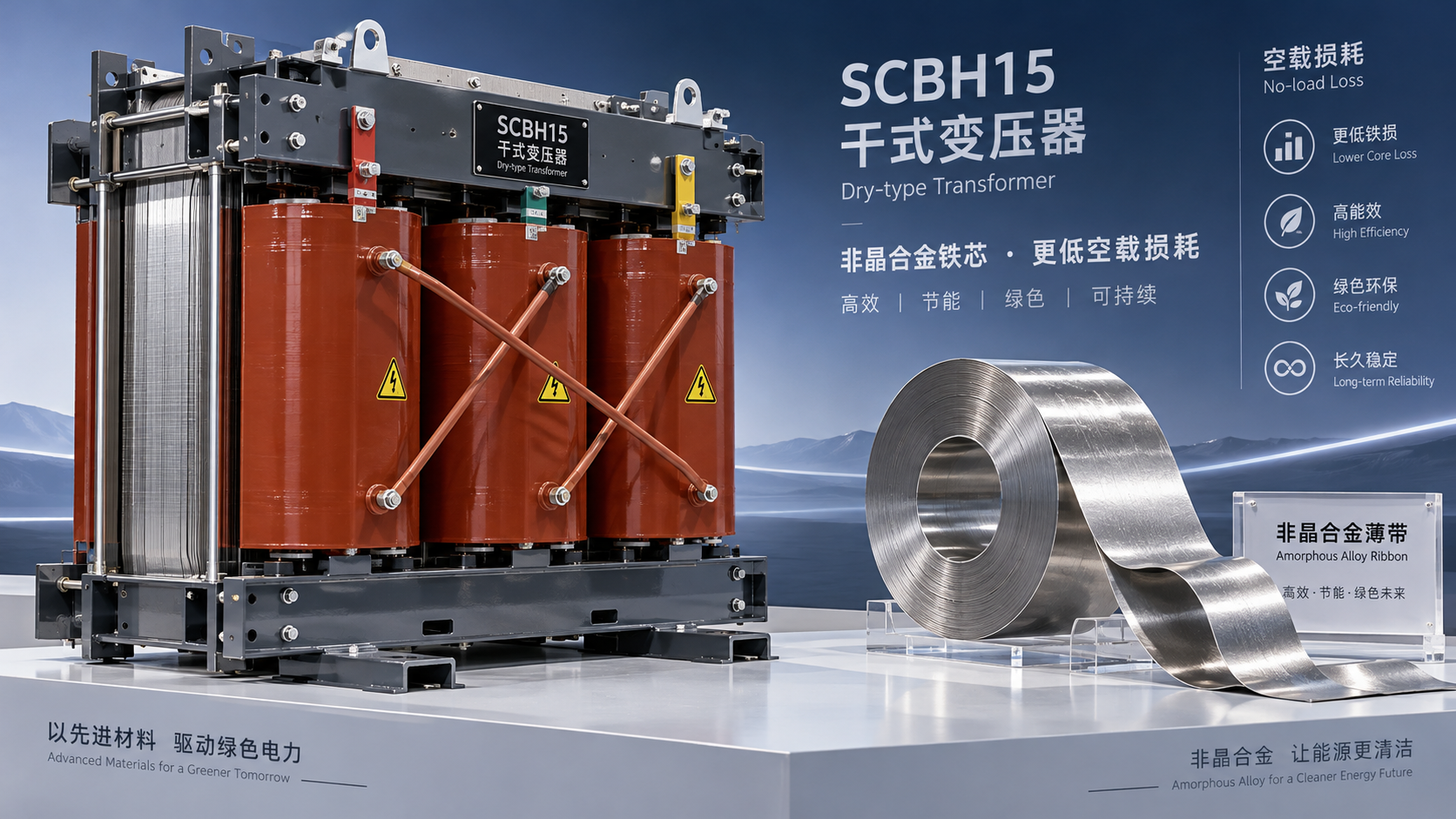
Insulation design is equally important. Strong insulation must withstand electrical stress, contamination, humidity, and transient overvoltage. In high-risk indoor applications, dry-type units are often preferred because they improve fire safety and reduce leakage concerns compared with liquid-filled alternatives in certain environments.
A useful example is the SCB14 Type Dry-Type Transformer. Built with epoxy resin and designed to meet GB20052-2020 level 2 efficiency requirements, it offers reduced no-load loss, low noise, flame retardancy, and resistance to moisture and dust. These characteristics support safer installation in load centers and help reduce maintenance-related downtime.
What should safety managers compare when selecting a transformer?
Selection should start with actual operating conditions, not only rated power. Safety managers should ask whether the unit will serve a high-rise building, substation, dock, power plant, or a fire-sensitive workshop. The best transformer design for industrial use is always the one that fits the duty cycle, environment, and risk profile.
It is also important to compare loss performance, noise level, installation constraints, and maintenance needs. In facilities that cannot afford frequent intervention, maintenance-free operation is a major advantage. In areas with strict fire protection requirements, flame-retardant dry-type designs may deliver better overall risk control.
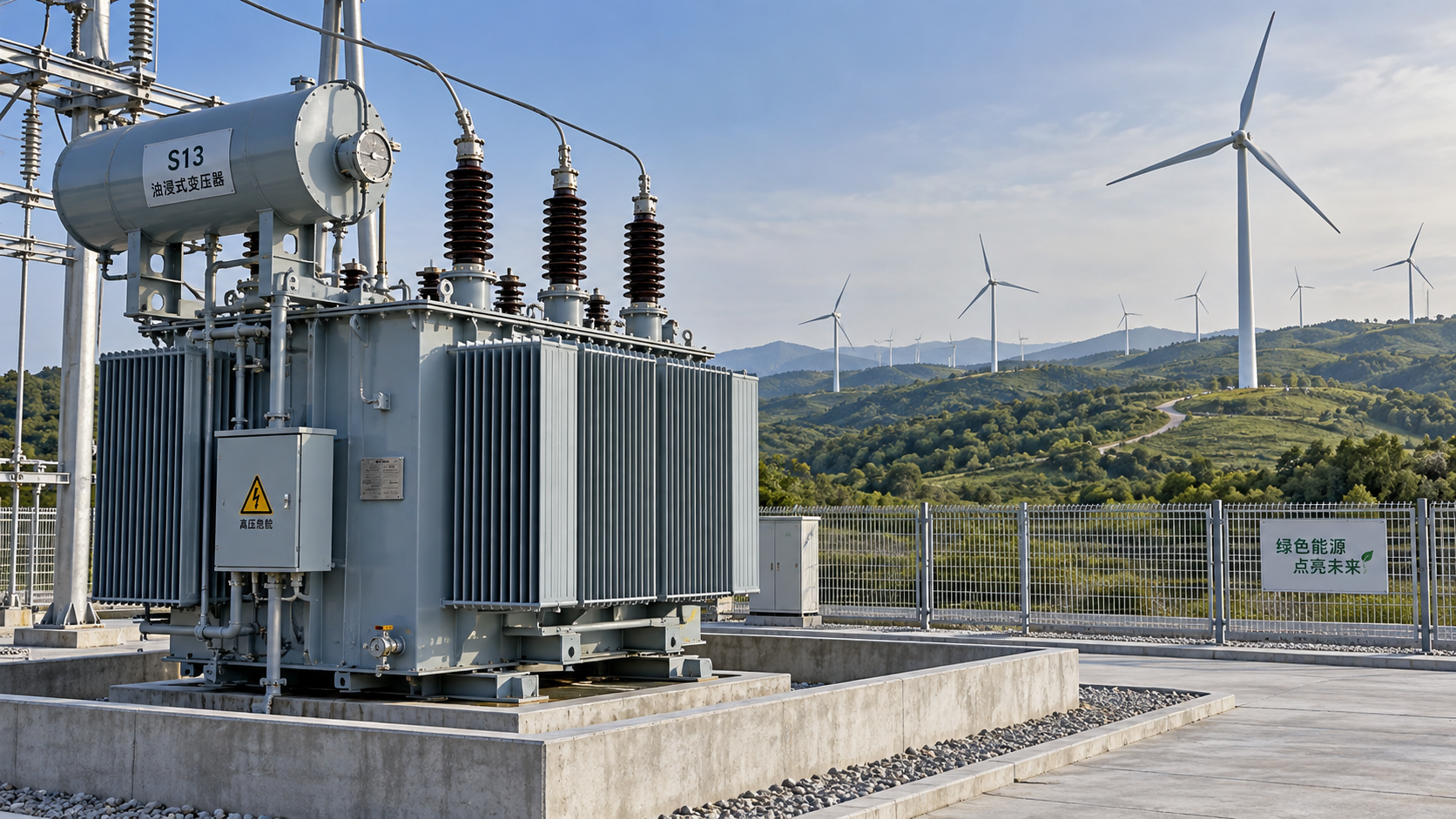
Suppliers with broad manufacturing capability can also help match products to different voltage levels and scenarios. Jiangsu Shengda Power Equipment Co., Ltd. produces low-loss transformer series such as S11, S13, S15, S20, and S22, along with 10KV and 35KV models, dry-type transformers, compact substations, amorphous alloy transformers, and on-load tap-changing power transformers.
Practical comparison points
- Is the insulation system appropriate for dust, moisture, and temperature variation?
- Can the unit withstand short circuits and lightning strikes?
- Are no-load and load losses acceptable for long operating hours?
- Does the design support low noise and safe installation near load centers?
What are the most common mistakes in evaluating transformer design for industrial use?
One common mistake is focusing only on purchase price. A lower initial cost may hide higher operating losses, more maintenance, or shorter insulation life. For industrial users, total lifecycle cost and production continuity are usually more important than the lowest quote.
Another mistake is underestimating the site environment. A transformer installed in a humid, dusty, or fire-sensitive area needs design features that directly address those conditions. Assuming that all compliant units behave the same in real-world service can lead to avoidable failures.
A third mistake is treating standards compliance as the end of the review process. Compliance is essential, but buyers should still confirm material quality, process control, testing scope, and consistency between design claims and manufacturing execution.
FAQ risk summary
Before procurement or technical review, what should teams confirm first?
Start with load profile, voltage level, installation location, ambient conditions, and fire safety requirements. These basics determine whether a dry-type, low-loss, or higher-resilience design is the right choice. They also shape inspection criteria for acceptance and long-term maintenance planning.
Next, confirm test standards, quality management, and expected service support. For critical infrastructure such as airports, railway stations, substations, and power plants, the ability to verify design quality before delivery is especially important. In such scenarios, products like the SC(B)14 series are often considered because of low noise, economical operation, and high resistance to short circuits and lightning strikes.
If you need to move from evaluation to implementation, the most useful next discussion points are rated capacity, insulation requirements, energy-efficiency targets, fault withstand expectations, installation environment, delivery timeline, and after-sales coordination. That approach makes transformer design for industrial use a practical safety decision, not just a specification exercise.



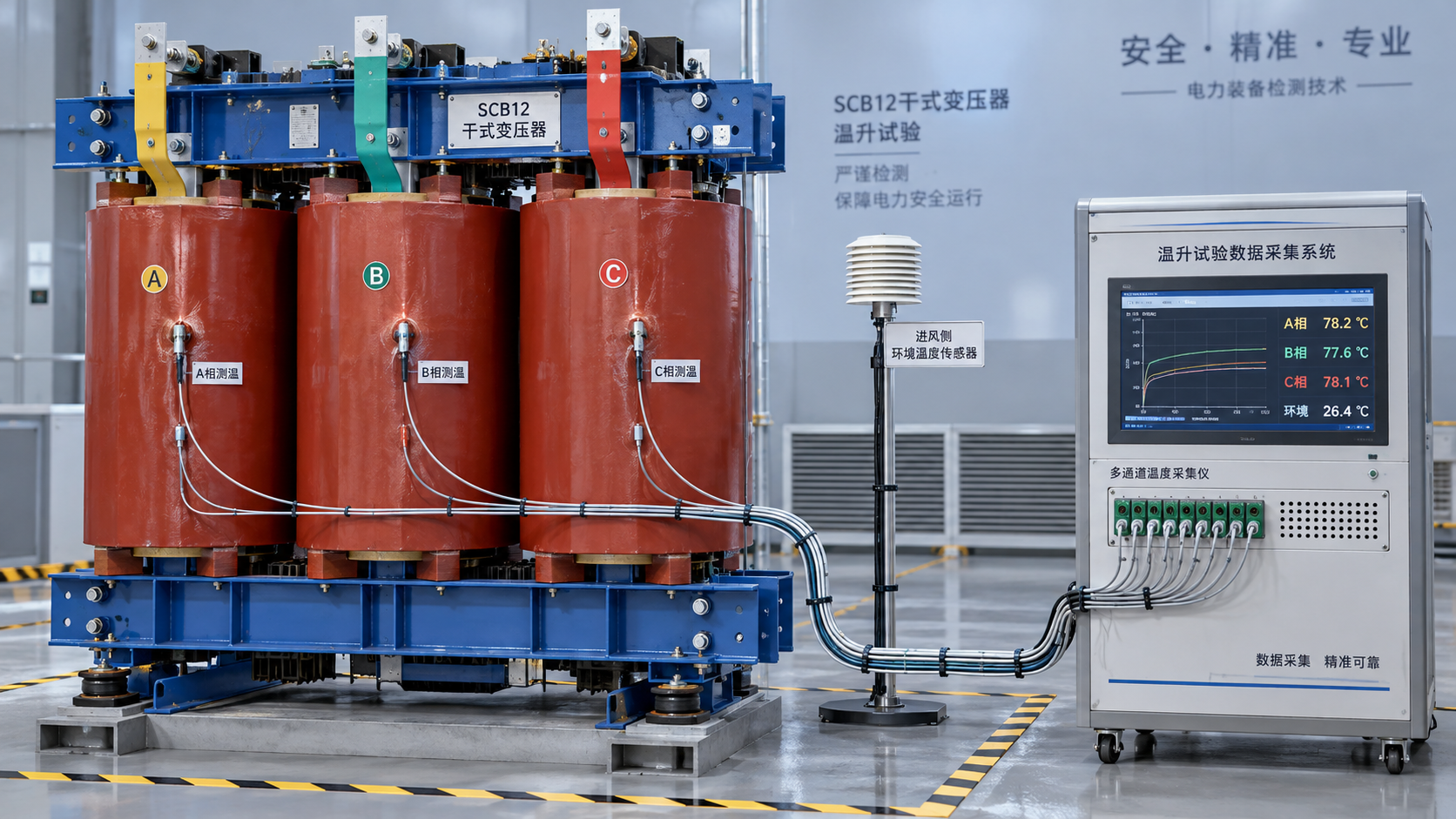
 How to verify the temperature-rise test of an SCB12 dry-type transformer
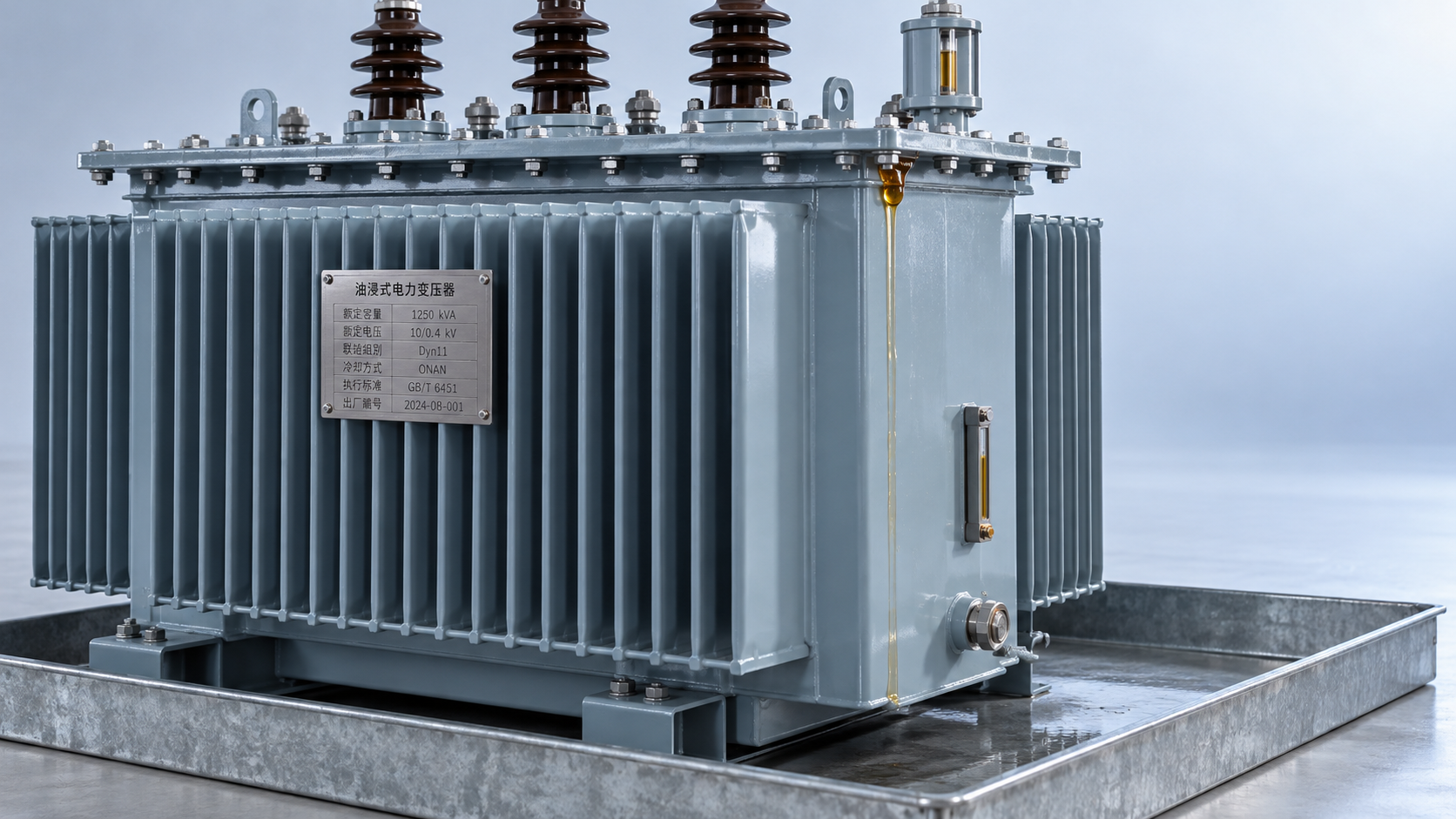
 Distribution transformer maintenance tips for spotting oil leaks
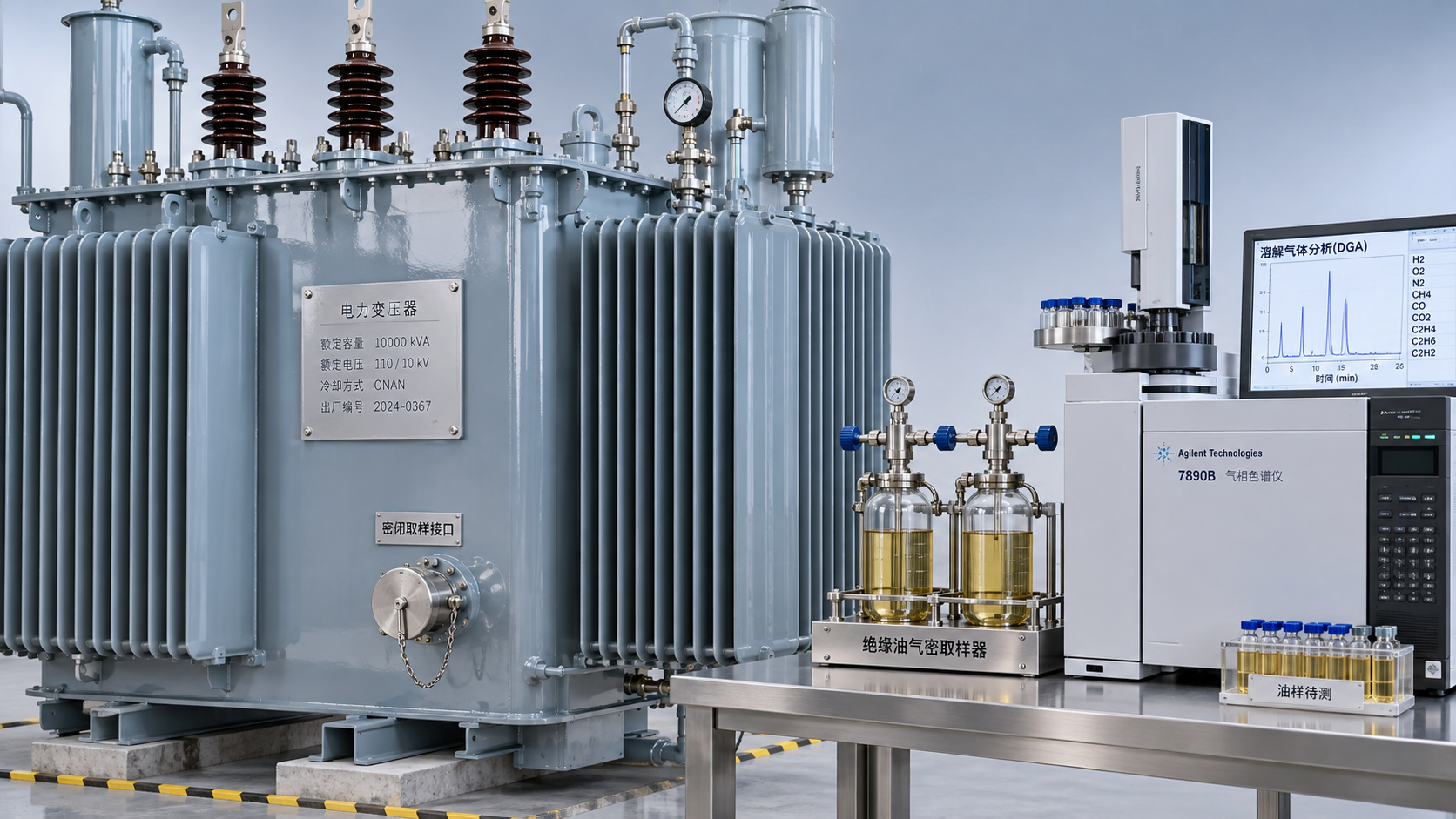
 What dissolved gas analysis reveals about an oil-immersed transformer
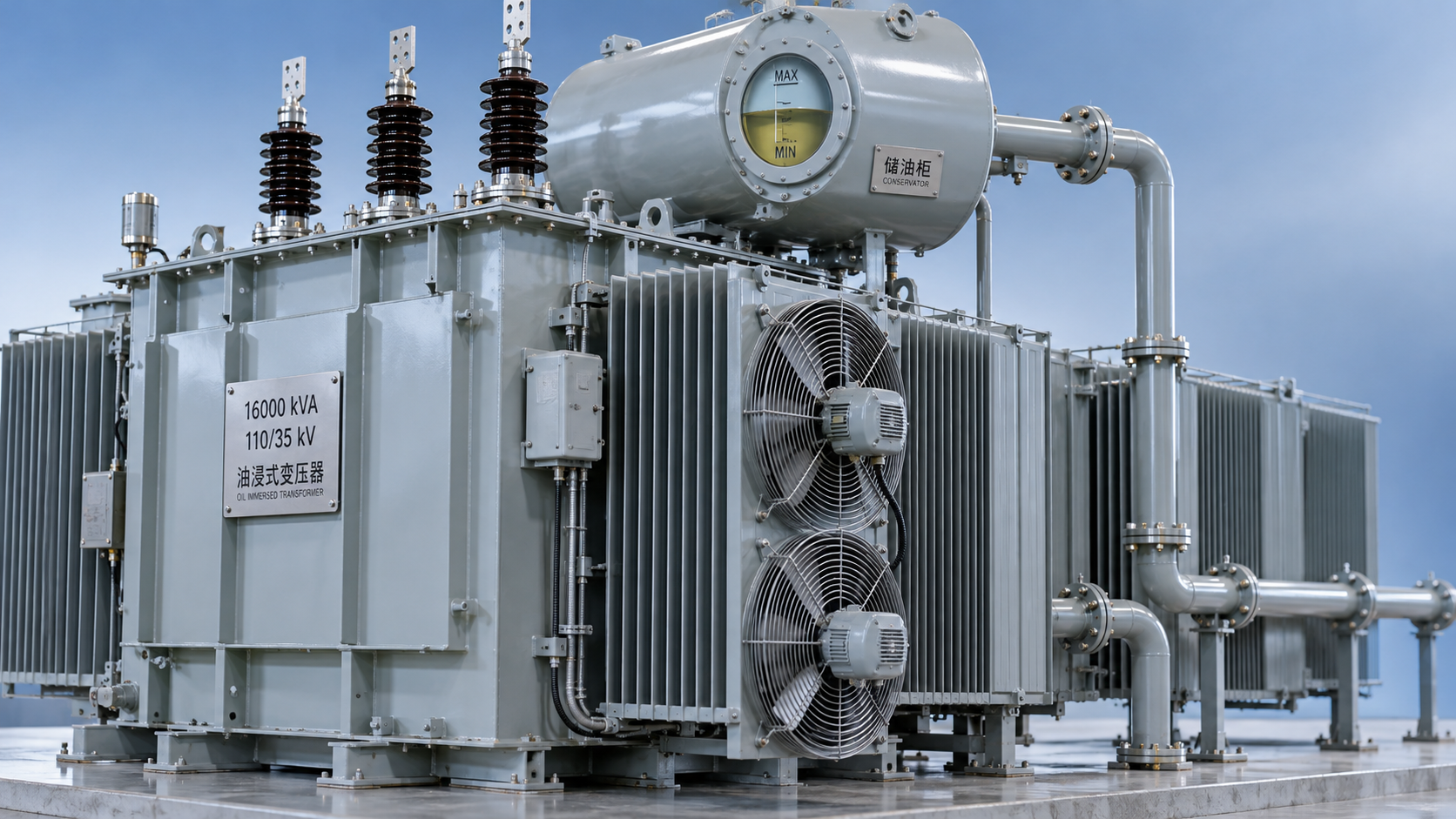
 Why an oil-cooled transformer overheats despite a normal oil level
 How the amorphous core affects SCBH15 dry-type transformer losses
 Sizing S13 oil-immersed transformers for variable wind farm output
GET A FREE QUOTE
We offer reliable products, competitive prices, and nationwide professional support, committed to providing customers with efficient and energy-saving power equipment solutions.