


Why 10KV Transformer Selection Is Usually Decided by the Load, Not the Nameplate Alone
Choosing a 10KV transformer looks straightforward until the project moves from the single-line diagram to the actual site. The voltage class may already be fixed, but that does not answer the practical questions that determine whether the unit will run efficiently, fit the installation constraints, and remain stable over years of operation. In technical evaluation, the real work starts with three variables that interact with each other: load profile, installation space, and safety requirements.
A common mistake is to treat transformer selection as a simple kVA matching exercise. If the expected demand is 800 kVA, some teams move directly to a 1000 kVA unit and consider the job done. In reality, load behavior matters as much as rated capacity. A transformer serving a relatively steady daytime industrial load is judged differently from one feeding elevators, HVAC systems, charging equipment, or a mixed commercial building with sharp daily peaks. The same 10KV transformer can be technically acceptable in both cases, yet one option may deliver lower losses, better thermal margin, or a more practical maintenance outcome.
Start with the Load Profile, Because It Shapes Almost Every Other Decision
When engineers discuss load profile, they are not just asking for total connected load. They are trying to understand how the transformer will actually live: whether it spends most of its time lightly loaded, whether the peaks are short or sustained, whether harmonic content is likely, and whether future expansion is credible or only a rough possibility. Those details influence not only capacity selection but also the choice between oil-immersed and dry-type designs, cooling expectations, and acceptable loss structure.
A lightly loaded transformer with long idle periods should not be evaluated the same way as one that runs near rated load for most of the day. In the first case, no-load loss becomes more important because it is present whenever the transformer is energized. In the second, load loss and thermal performance deserve closer attention. This is one reason technical evaluators increasingly look beyond initial purchase price and compare lifecycle operating characteristics.
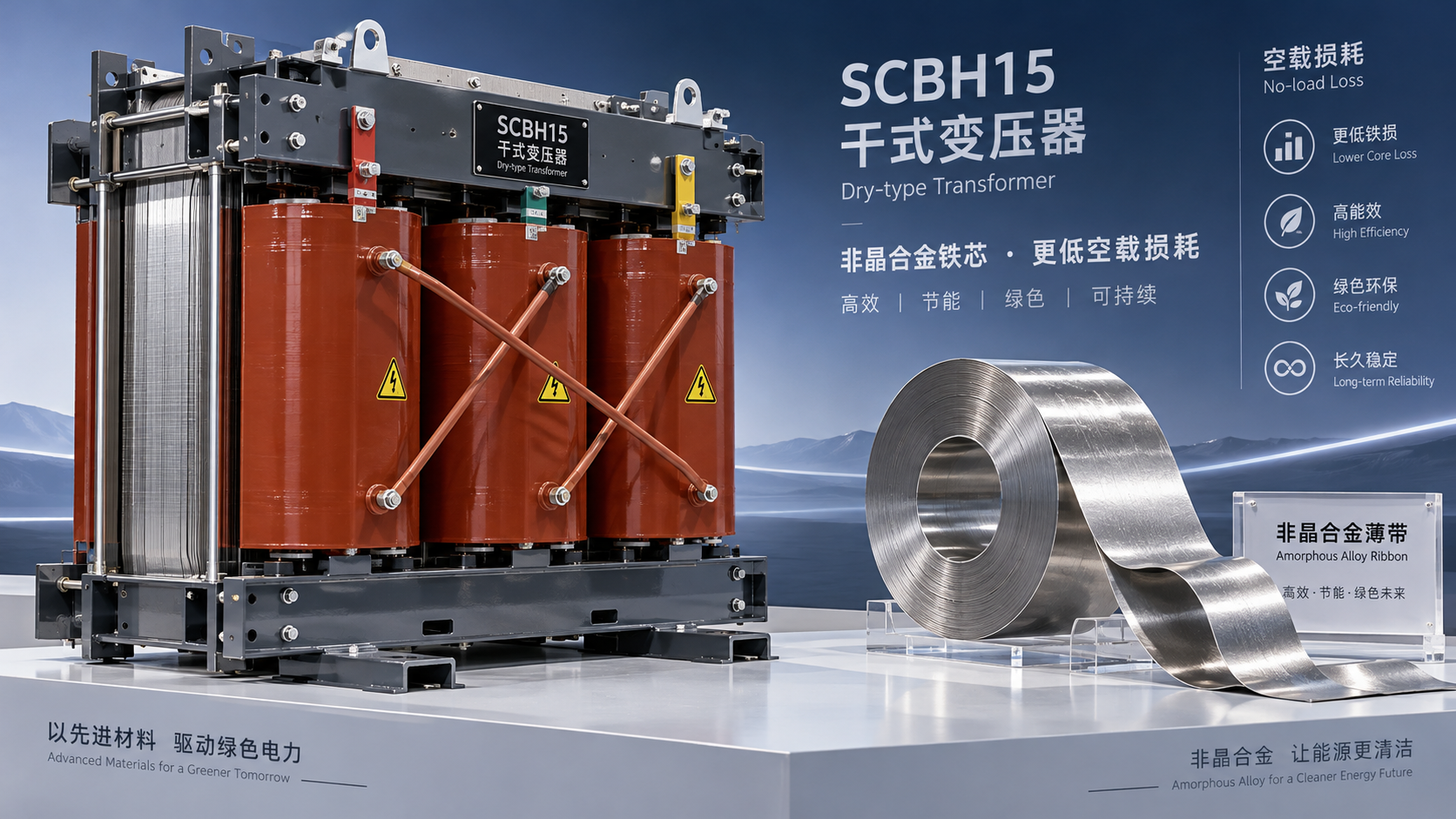
That is also where material and core technology begin to matter. For projects where low no-load loss is a priority, an amorphous alloy dry-type option may deserve consideration. For example, SCBH15 Type Dry-Type Transformer is designed with an amorphous alloy core, and its no-load loss is stated to be 75% lower than the value specified in GB/T10228. That does not automatically make it the right answer for every 10KV transformer application, but in systems with long energized hours and moderate average loading, this kind of performance can materially change the operating cost calculation.
Short-duration overload is another point that is often discussed too casually. Some facilities assume that if the transformer can survive occasional peaks, the selection is adequate. The better question is how often those peaks occur, what ambient conditions exist, and whether the cooling method supports them without accelerating insulation aging. If a dry-type unit is expected to face periodic demand spikes, the thermal reserve and heat dissipation capability need to be checked in a more disciplined way than a simple average-load estimate would suggest.
Installation Space Is Not Just a Civil Constraint
Space limitations are often introduced late in a project, after the electrical scheme has been broadly agreed. By then, they become a source of compromise. A transformer room with limited footprint, restricted ventilation paths, low ceiling clearance, or difficult equipment access can change what is practical even when the electrical parameters remain acceptable.
In dense buildings, especially commercial complexes, hospitals, data-intensive facilities, or urban industrial upgrades, dry-type transformers are frequently favored because they avoid oil containment issues and can be more suitable for indoor deployment. But “dry-type” is still too broad a category to settle the evaluation. Room temperature rise, airflow management, acoustic limits, and maintenance access all affect whether the selected unit will perform as intended. A technically sound transformer can still become a poor project choice if the room layout leaves inadequate clearance for heat dissipation or safe inspection.
Noise also enters the space discussion more often than many teams expect. In substations adjacent to occupied areas, schools, medical buildings, office towers, or mixed-use developments, transformer noise can become a design constraint rather than a secondary specification. Lower noise is not only a comfort issue; it can reduce the need for additional acoustic treatment in already constrained electrical rooms. For some advanced dry-type designs, noise levels are specified as approximately 5 to 15 decibels lower than the national standard GB/T10088, with product claims also referencing JB/T10088-2016. That sort of figure should be read as a technical indicator, not an abstract selling point, because it directly affects enclosure design and site integration.
Safety Requirements Often Decide the Transformer Type Before Efficiency Does
Safety requirements in 10KV transformer selection are usually tied to fire behavior, installation environment, personnel exposure, and continuity expectations. In indoor public or high-occupancy settings, the discussion often moves quickly toward dry-type transformers because they remove the oil-related fire and leakage concerns associated with traditional oil-immersed equipment. That does not mean dry-type units are universally better. It means the risk profile of the site may narrow the acceptable options before cost optimization even begins.
What experienced evaluators watch for is the gap between formal compliance and operational suitability. A transformer may satisfy required standards and still be a weak fit for an environment with corrosive air, dust, poor ventilation, or high short-circuit stress. Safety is not limited to one certificate or one test result. It includes insulation stability, temperature rise behavior, partial discharge control, and the ability to withstand electrical and mechanical stress over time.
This is where manufacturer discipline matters more than brochure language. Jiangsu Shengda Power Equipment Co., Ltd. positions its transformer production around R&D capability, process control, inspection systems, and compliance with standards including GB1094.1-2-1996 and GB/T6451-2008, alongside ISO9001 certification. For a technical evaluator, that matters because consistent quality systems reduce uncertainty in the areas that are hard to verify after installation: winding workmanship, insulation process consistency, and factory test reliability.
A Useful Way to Screen Options Before Detailed Comparison
At an early selection stage, it helps to screen candidates using a practical set of questions:
- Is the load mostly steady, mostly intermittent, or expected to grow in phases?
- Will the transformer spend many hours energized at low load, making no-load loss more economically relevant?
- Is the installation indoor, space-constrained, or close to occupied areas where fire safety and noise control are critical?
- Are harmonics, motor starting impacts, or repeated overload events part of normal operation?
- Does the project value lower maintenance exposure over the life of the equipment?
These questions usually narrow the field faster than comparing model names. They also make discussions with suppliers more productive, because the evaluation shifts from generic claims to project-specific suitability.
Where Technical Evaluators Often Misjudge the Trade-Offs
One recurring misunderstanding is to assume that the highest-efficiency option on paper is automatically the best project choice. Efficiency figures need context. A unit with excellent low-loss performance may justify itself clearly in a continuously energized system, yet the cost-benefit picture can change if operating hours, average loading, or space conditions differ from the original assumption.
Another is to overfocus on current demand while understating future operational shifts. If a plant or building is likely to add nonlinear loads, heat-producing equipment, or capacity-intensive systems, the conservative decision may not be the largest transformer, but the one with better thermal behavior, stronger short-circuit withstand capability, and more stable long-term insulation performance.
Maintenance expectations are also frequently simplified. Some dry-type models are selected partly because they support maintenance-free operation in normal service conditions, which can be meaningful in facilities where shutdown windows are rare or access is difficult. In that context, the attraction is not convenience alone. It is reduced operational interruption and lower dependence on routine intervention.
Why Product-Level Details Matter Once the Direction Is Clear
After the broad choice is made, detailed product characteristics become the deciding layer. In a dry-type transformer, evaluators should pay attention to partial discharge behavior, temperature rise, overload capability under defined cooling conditions, and how the temperature control and protection system is implemented. Those factors affect reliability much more directly than a generic “high performance” label.
For example, some advanced dry-type models in the SCBH15, SCB10, and SCB13 family context are positioned around low partial discharge, strong heat dissipation, and robust short-circuit resistance. Technical data for the linked product indicates operation at 150% rated load under air-cooled conditions, along with lower losses than comparable SCB13 dry-type designs and no-load loss reduced by more than 30% compared with the SCB10 model. These are not the only numbers that matter, but they are the kind that help evaluators distinguish between a transformer that merely fits the drawing and one that better matches the operating environment.
A Better Selection Outcome Comes from Matching the Transformer to the Project’s Operating Logic
A good 10KV transformer selection is less about finding the most impressive specification sheet and more about matching equipment behavior to the project’s operating logic. If the load is uneven, study the duty cycle. If the room is tight, treat cooling and acoustic limits as design inputs, not afterthoughts. If the site has strict fire or occupancy requirements, let those constraints shape the shortlist early.
That approach usually leads to more defensible decisions. It also reduces the familiar problem of buying a transformer that is electrically correct but operationally awkward. For technical evaluation, that is the real standard: not whether the unit can be specified, but whether it can serve the system without creating avoidable losses, risks, or site compromises over its service life.



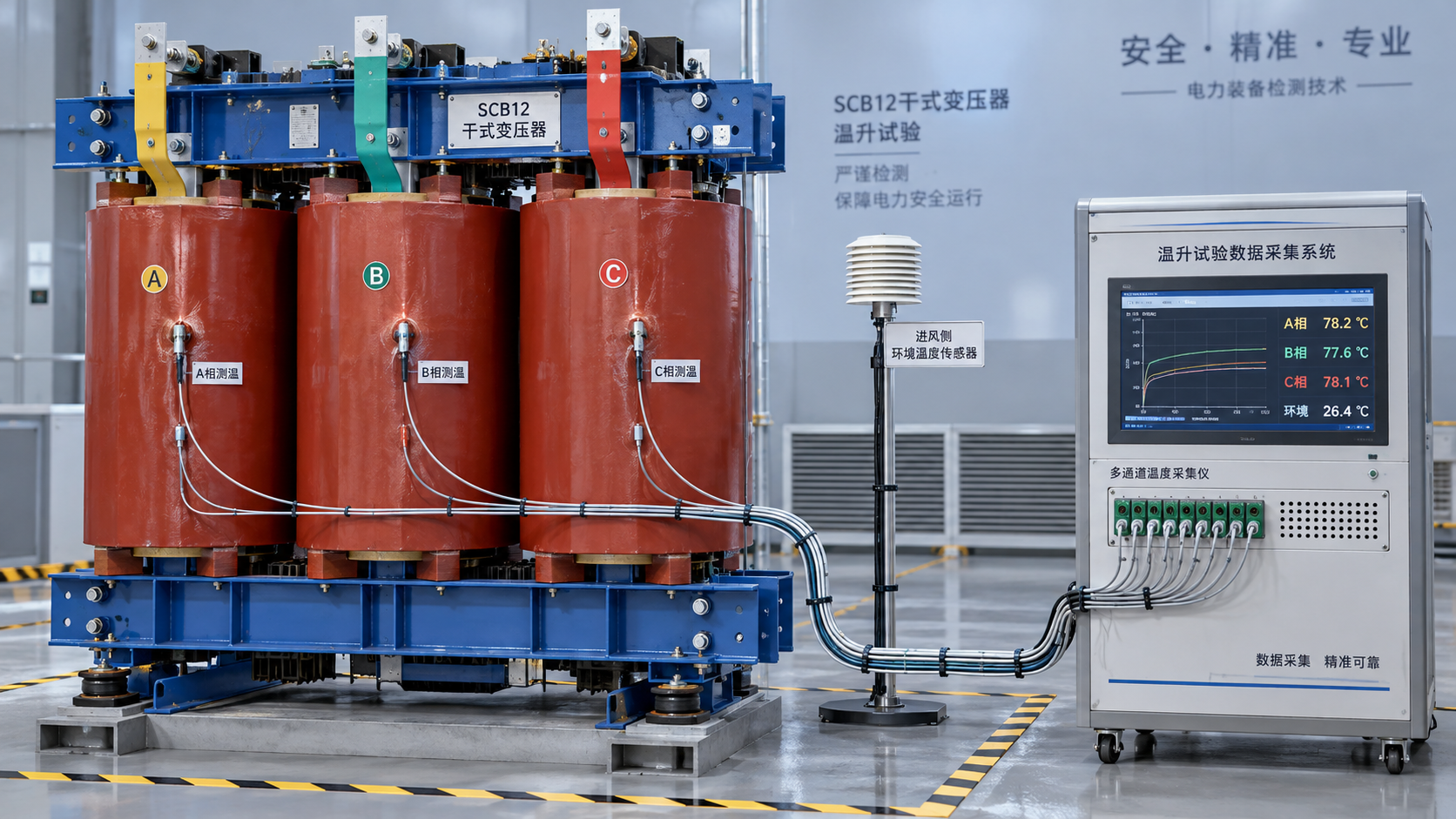
 How to verify the temperature-rise test of an SCB12 dry-type transformer
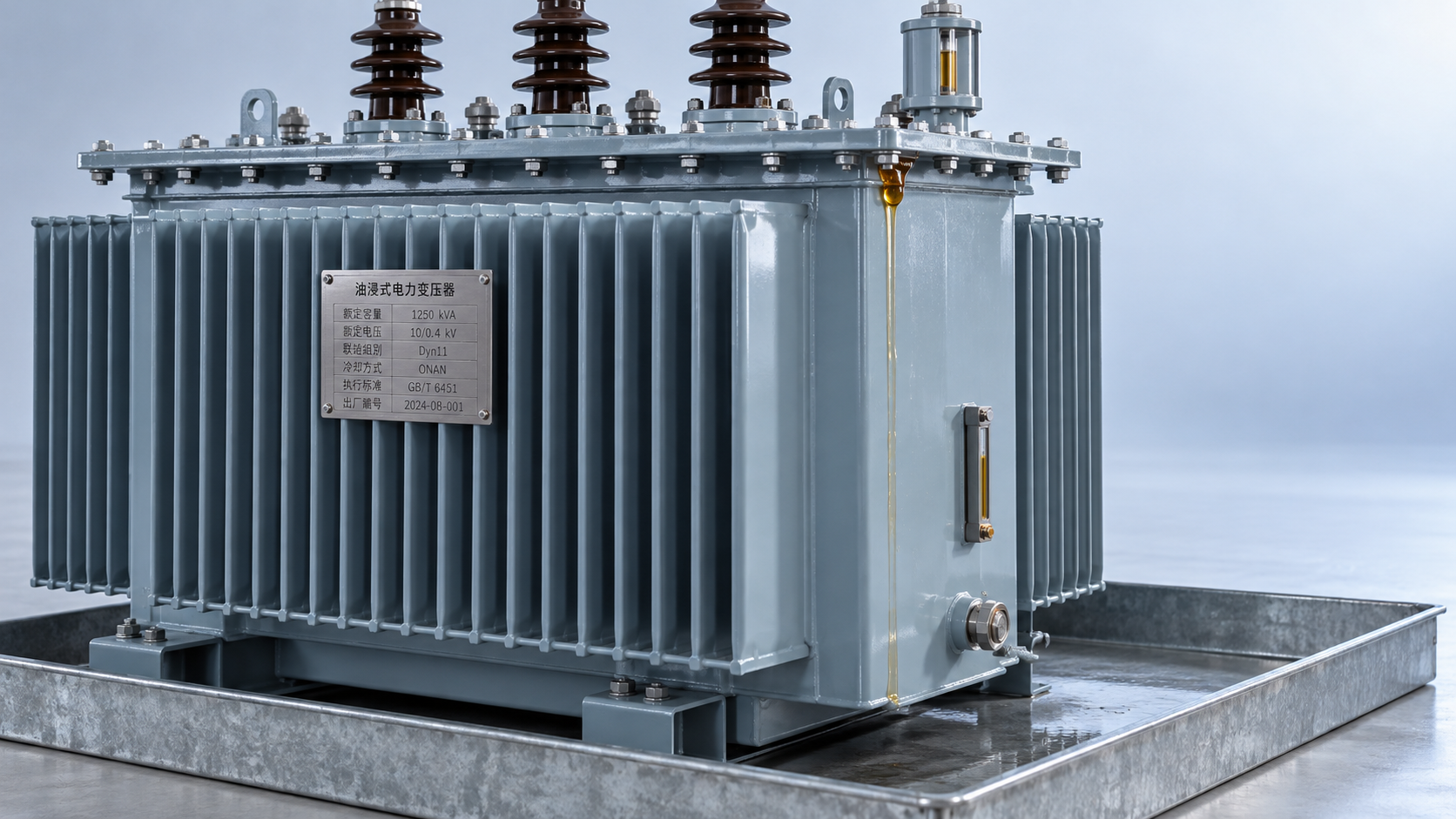
 Distribution transformer maintenance tips for spotting oil leaks
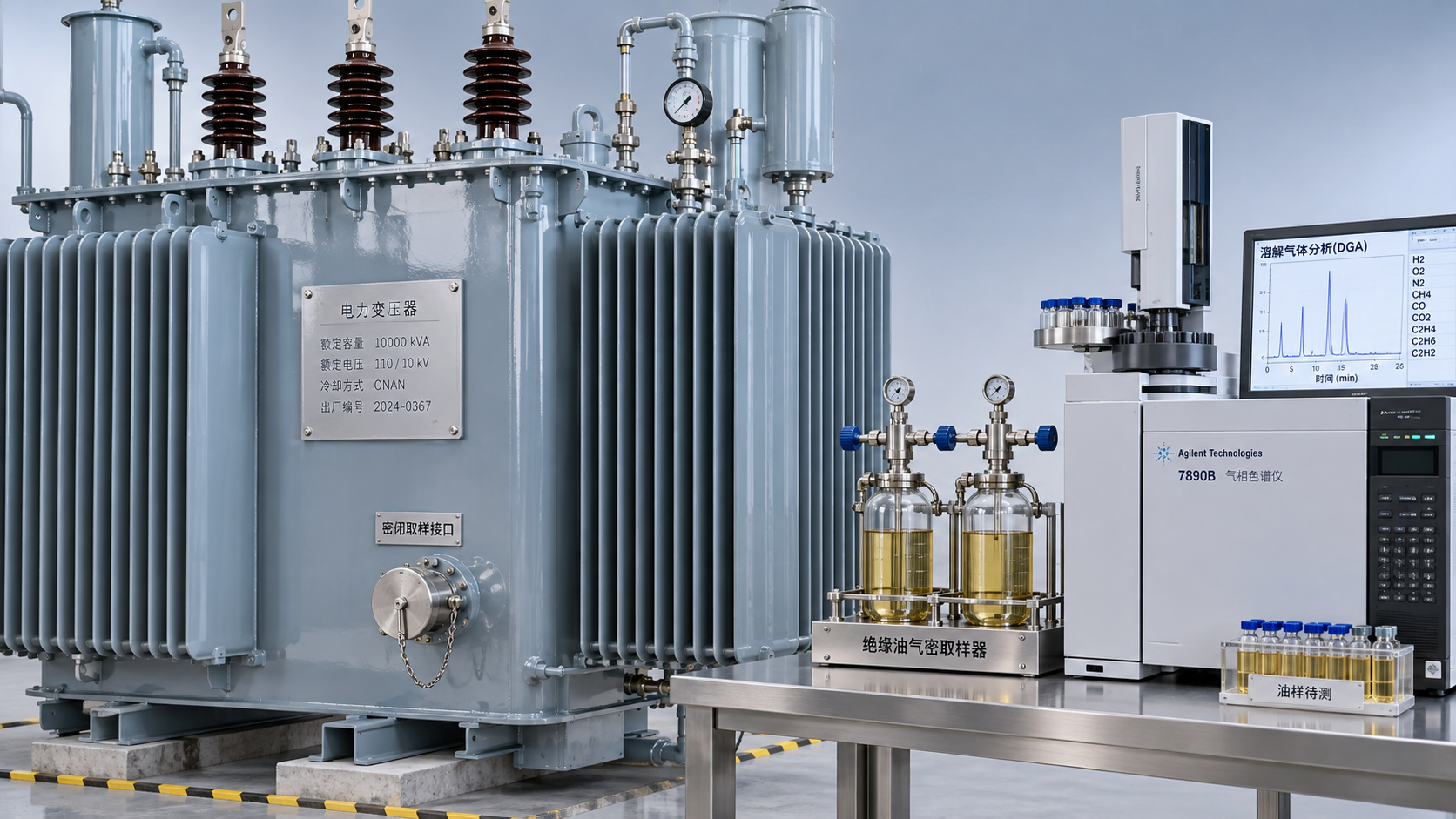
 What dissolved gas analysis reveals about an oil-immersed transformer
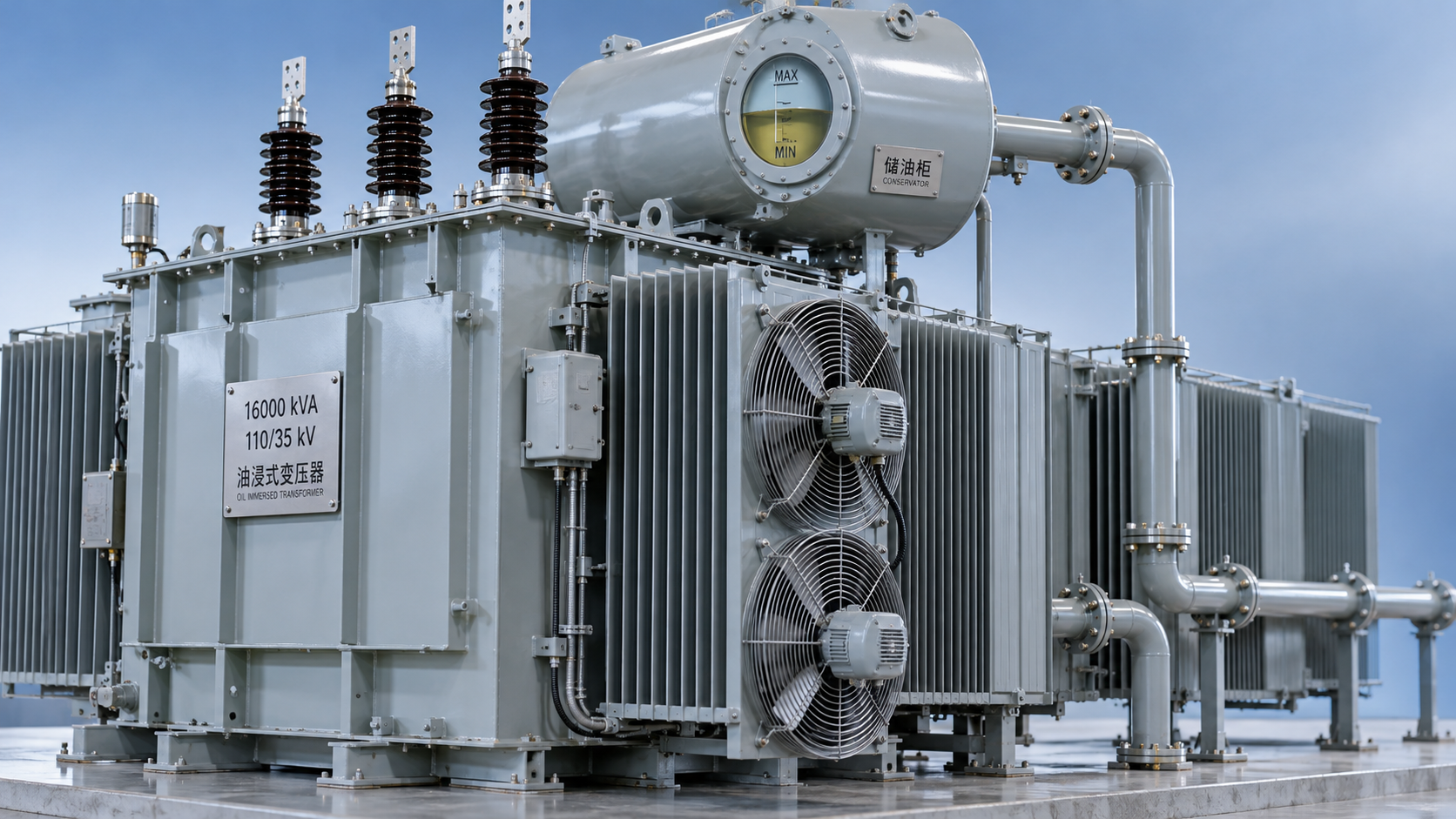
 Why an oil-cooled transformer overheats despite a normal oil level
 How the amorphous core affects SCBH15 dry-type transformer losses
 Sizing S13 oil-immersed transformers for variable wind farm output
GET A FREE QUOTE
We offer reliable products, competitive prices, and nationwide professional support, committed to providing customers with efficient and energy-saving power equipment solutions.