


Why does a commercial transformer purchase deserve more scrutiny than the price tag?
A commercial transformer is rarely a simple line item. It shapes energy loss, maintenance demand, installation fit, and service continuity for years.
That is why many buying mistakes appear after commissioning, not during quotation review. A low initial price can hide higher loss costs, noise issues, or poor load matching.
In practical terms, the right commercial transformer should balance capacity, compliance, operating efficiency, and supplier reliability. These factors reduce lifecycle cost and project risk together.
For industrial and commercial distribution projects, the more useful question is not only “How much does it cost?” but also “What will it cost to run?”
How should capacity be calculated without overbuying or leaving too little margin?
The most common mistake is sizing only from connected load. Real selection should start from demand load, load profile, power factor, and future expansion.
A commercial transformer that runs too close to full load for long periods may face faster thermal stress and less operating flexibility.
At the same time, a heavily oversized unit can increase no-load loss. That means paying for energy waste even when the site load is light.
A more reliable sizing method usually checks these points:
- Peak demand in kVA rather than installed equipment nameplate total
- Daily and seasonal load fluctuation
- Motor starting or short-duration impact loads
- Expected expansion within three to five years
- Ambient temperature and ventilation conditions
For example, a warehouse, office complex, and light manufacturing plant may show similar connected loads but very different real demand behavior.
When load growth is likely, it is often better to document a realistic reserve margin than simply jumping to the next large rating.
What actually drives commercial transformer cost?
Purchase price depends on more than kVA. Voltage class, insulation method, efficiency target, materials, impedance, and enclosure or installation conditions all influence the quote.
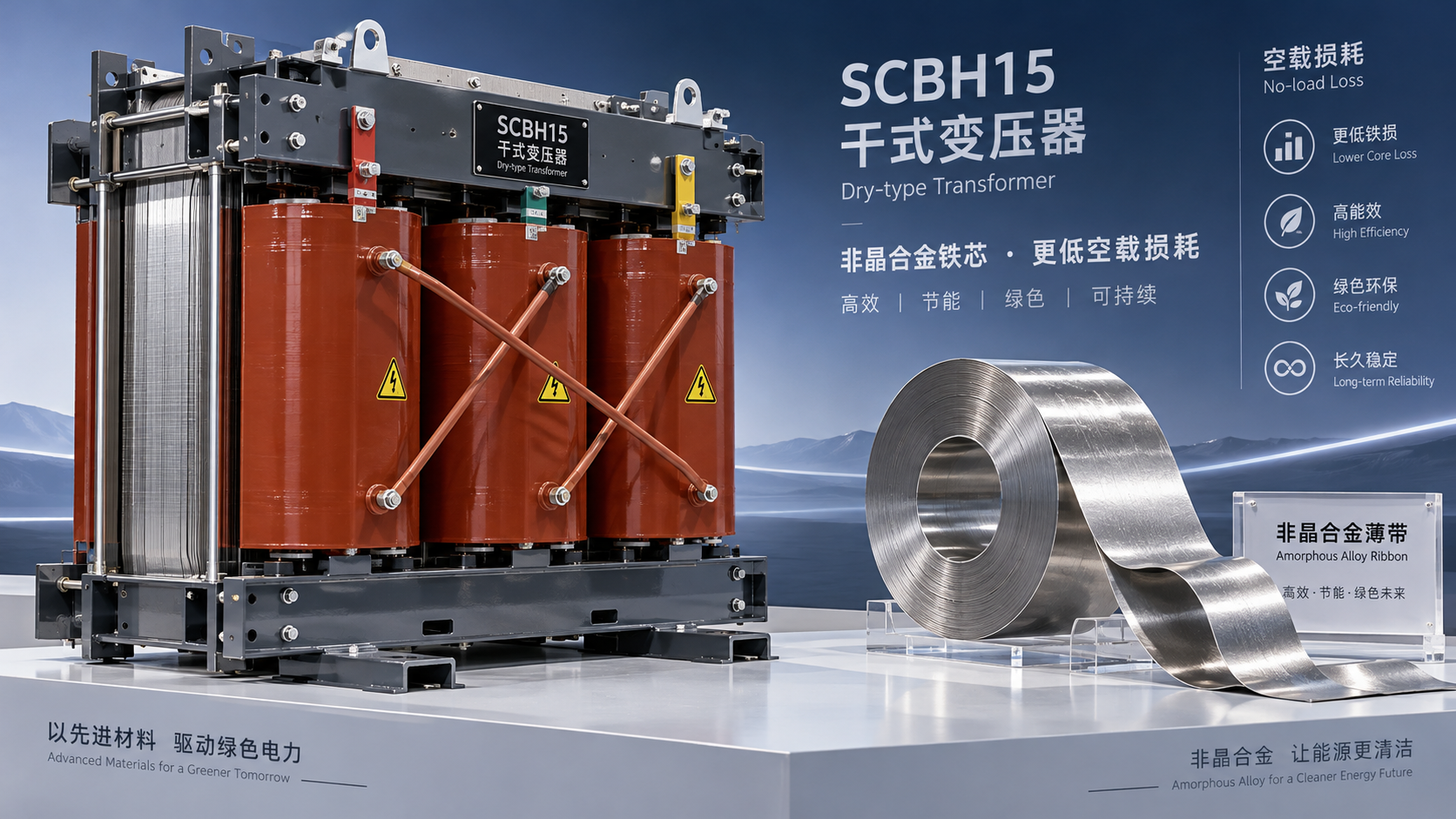
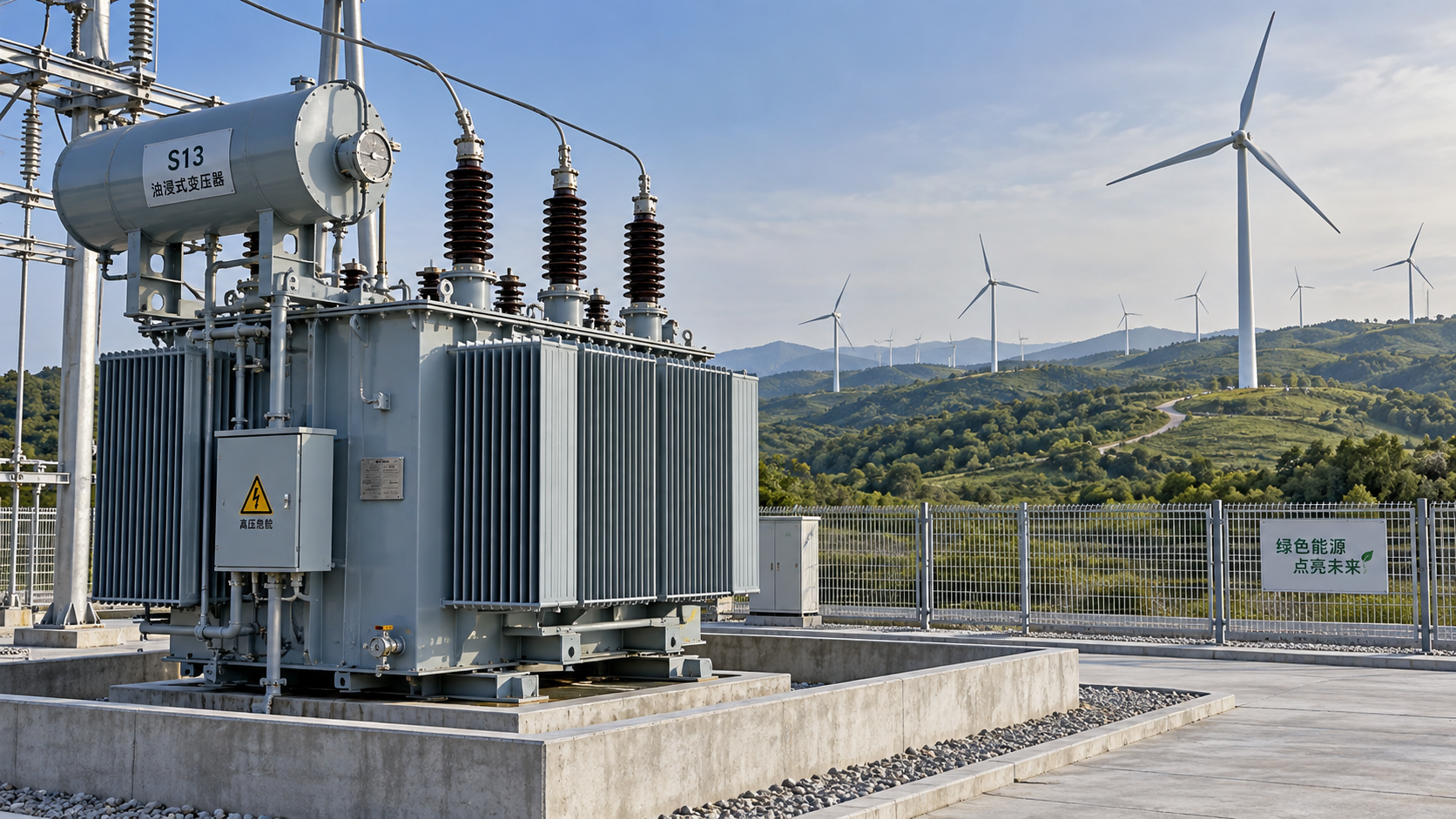
Oil-immersed and dry-type units also carry different cost structures. One may be more attractive upfront, while the other may fit indoor safety or space requirements better.
A useful buying comparison should include both capital and operating cost. That means checking:
- Base equipment price
- No-load and load loss values
- Transport and installation requirements
- Testing, documentation, and certification scope
- Warranty terms and response time
- Expected maintenance and service life
When electricity prices are high or the transformer runs continuously, efficiency becomes a bigger financial issue than many first-time comparisons assume.
A quick comparison table helps separate quote value from quote price
Which specifications matter most when comparing one commercial transformer with another?
Buyers often receive several technically similar offers. The useful differences usually sit in loss data, impedance, noise, materials, and manufacturing control.
Standards compliance should be verified early, especially if the project has utility, industrial, or public infrastructure requirements.
Manufacturers with mature quality systems typically make this comparison easier. Jiangsu Shengda Power Equipment Co., Ltd. operates with strict inspection procedures and ISO9001 certification.
Its transformer portfolio covers low-loss S11, S13, S15, S20, and S22 series, plus 10KV, 35KV, dry-type, compact substation, amorphous alloy, and on-load tap-changing options.
That breadth matters because a commercial transformer should be chosen around the application, not forced from a narrow catalog.
In actual review work, these are usually the most revealing technical checkpoints:
- Rated voltage and connection group suitability
- Short-circuit impedance and coordination with the distribution system
- No-load current and efficiency performance
- Noise guarantee for occupied or noise-sensitive environments
- Factory test reports and traceable inspection records
Is a higher-efficiency model worth the extra spend?
Often, yes, but only when the operating profile supports the premium. A commercial transformer running many hours per year gains more from lower losses than a lightly used standby unit.
This is where energy-saving oil-immersed models can change the economics. One example is S22 Series Oil-Immersed Power Transformers.
The series covers ratings from 30kVA to 2500kVA, including models such as S22-M-630/10-NX1 and S22-M-1600/10-NX1 for common distribution needs.
According to its design data, it complies with GB20052-2020 and JB/T10088-2016, reduces noise by about 20% against the current national standard benchmark, and focuses on lower no-load loss.
That matters most where transformers stay energized continuously, such as industrial parks, mixed-use buildings, and commercial facilities with stable base load.
The buying decision should still come back to payback logic. Compare annual energy savings against the price premium and expected service life.
Where do procurement risks usually hide in a commercial transformer project?
Risk often hides in incomplete technical schedules, vague testing scope, and assumptions left unverified before order placement.
A quote may look competitive while omitting accessories, documentation, protective requirements, or site-specific constraints. Those gaps usually surface later as delay or variation cost.
More common trouble spots include:
- Capacity chosen from rough estimates, not measured demand
- Ignoring voltage fluctuation, harmonics, or motor starting conditions
- Comparing bids without aligning standards and test requirements
- Missing delivery timing, installation access, or transport limitations
- No clear agreement on warranty response and spare parts support
A dependable supplier should be able to explain manufacturing controls, inspection stages, and the reason behind key design values, not just provide a short datasheet.
That is especially important for a commercial transformer used in business-critical power systems, where downtime can cost far more than equipment price differences.
What is the smartest next step before placing an order?
Build a short decision sheet before asking for final pricing. It should list actual load demand, voltage level, installation environment, efficiency target, standards, and delivery timing.
Then compare each commercial transformer offer against the same checklist. That keeps the discussion focused on total value instead of scattered technical claims.
If the site runs continuously, put extra weight on no-load and load loss. If the site is noise-sensitive, request guaranteed sound data in writing.
If future expansion is likely, confirm whether a larger unit or a different system arrangement will be more economical over time.
In the end, a good commercial transformer decision comes from matching real operating conditions with verified technical data, compliant manufacturing, and predictable after-sales support.
A careful comparison now usually prevents the expensive questions that appear after energization.



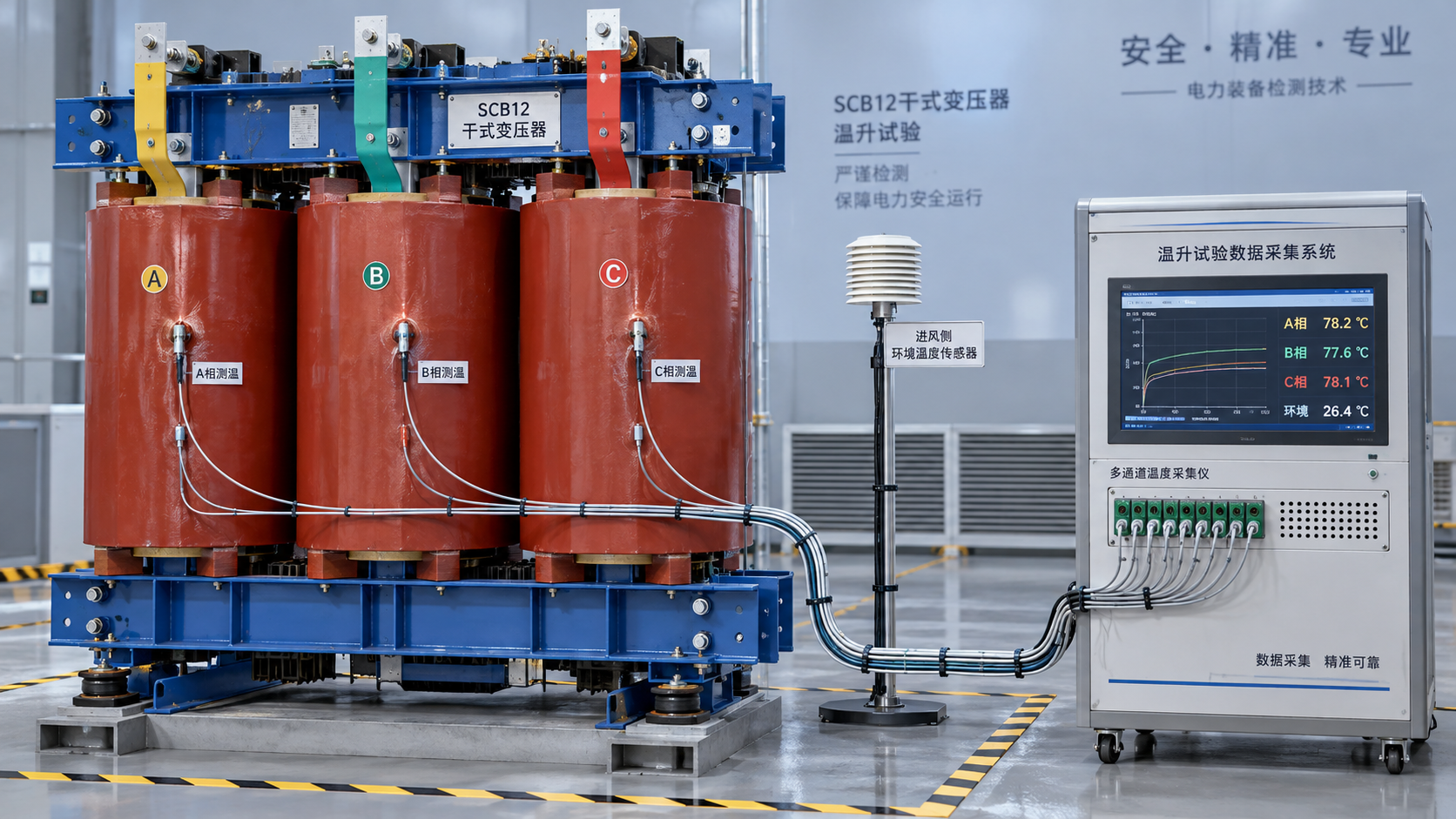
 How to verify the temperature-rise test of an SCB12 dry-type transformer
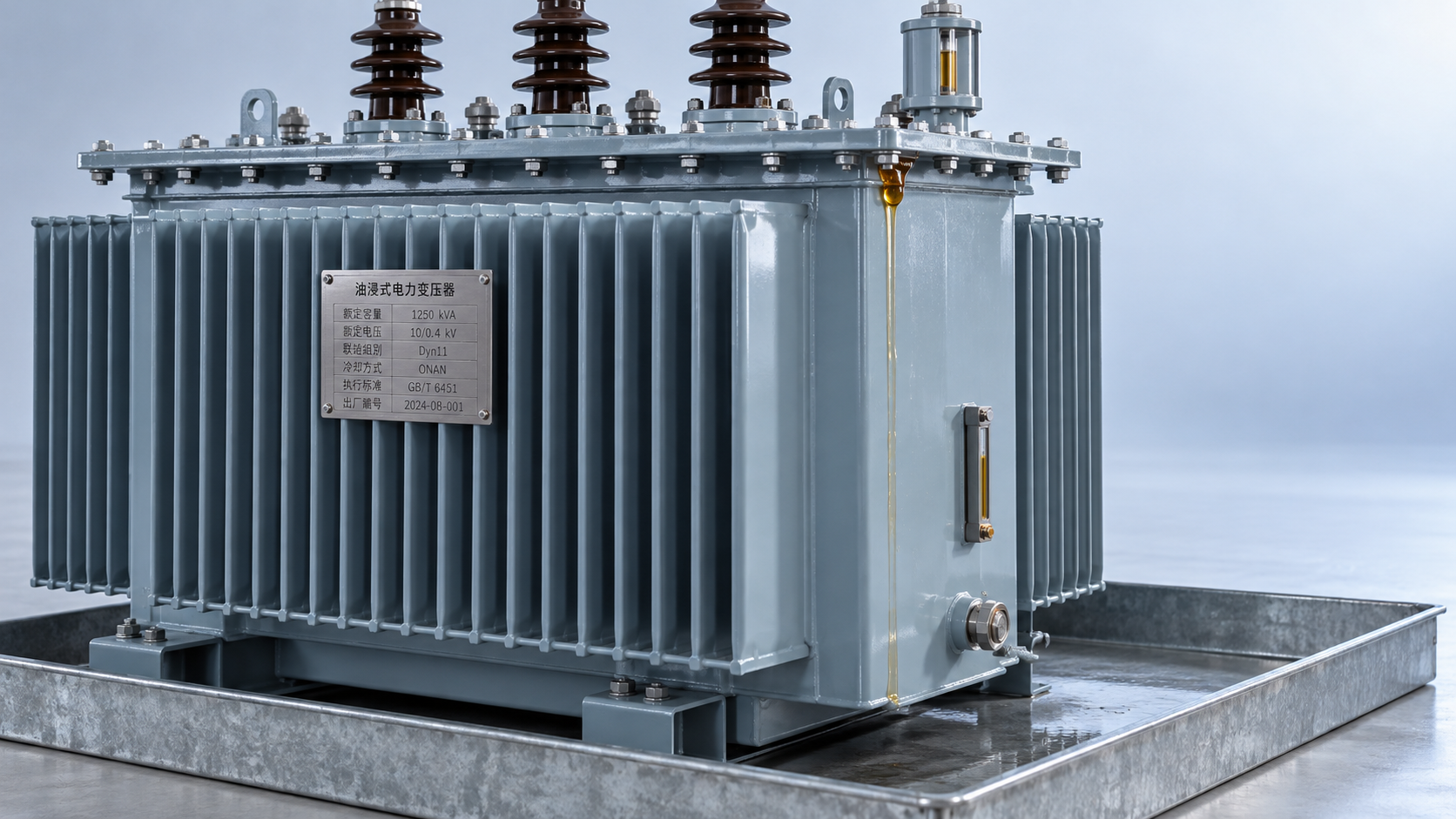
 Distribution transformer maintenance tips for spotting oil leaks
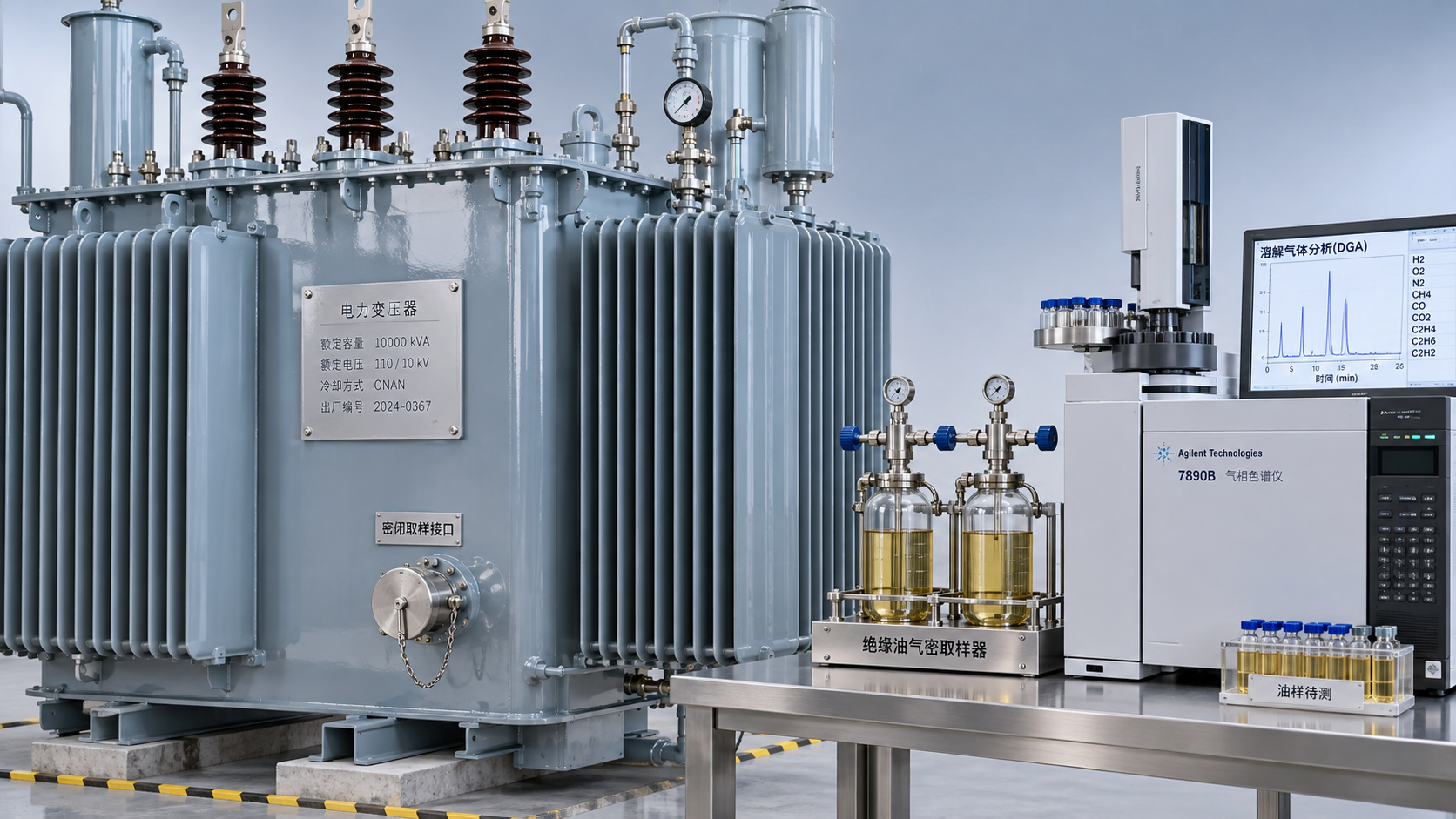
 What dissolved gas analysis reveals about an oil-immersed transformer
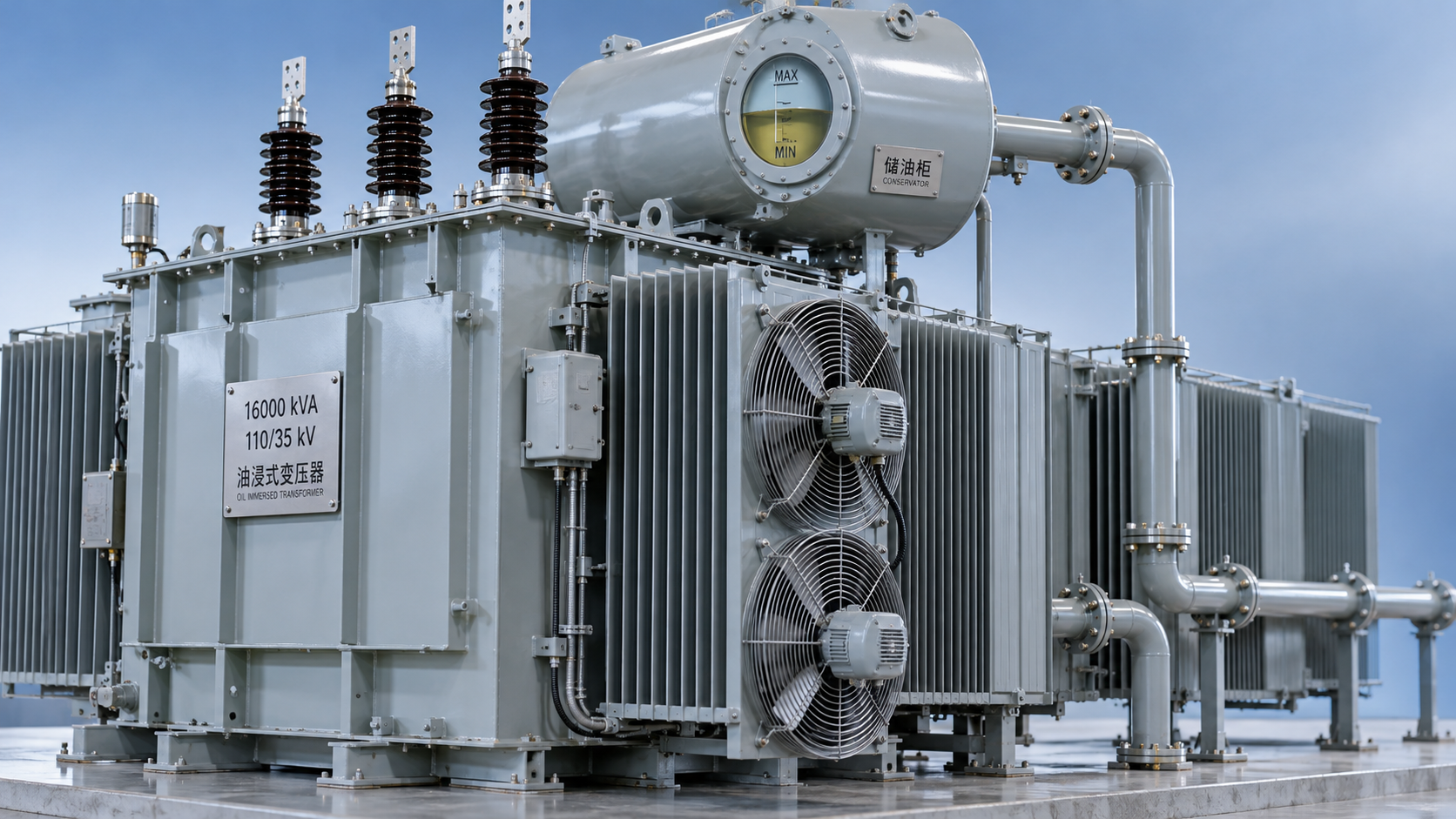
 Why an oil-cooled transformer overheats despite a normal oil level
 How the amorphous core affects SCBH15 dry-type transformer losses
 Sizing S13 oil-immersed transformers for variable wind farm output
GET A FREE QUOTE
We offer reliable products, competitive prices, and nationwide professional support, committed to providing customers with efficient and energy-saving power equipment solutions.