


Common Dry-Type Transformer Mistakes That Raise Operating Risk
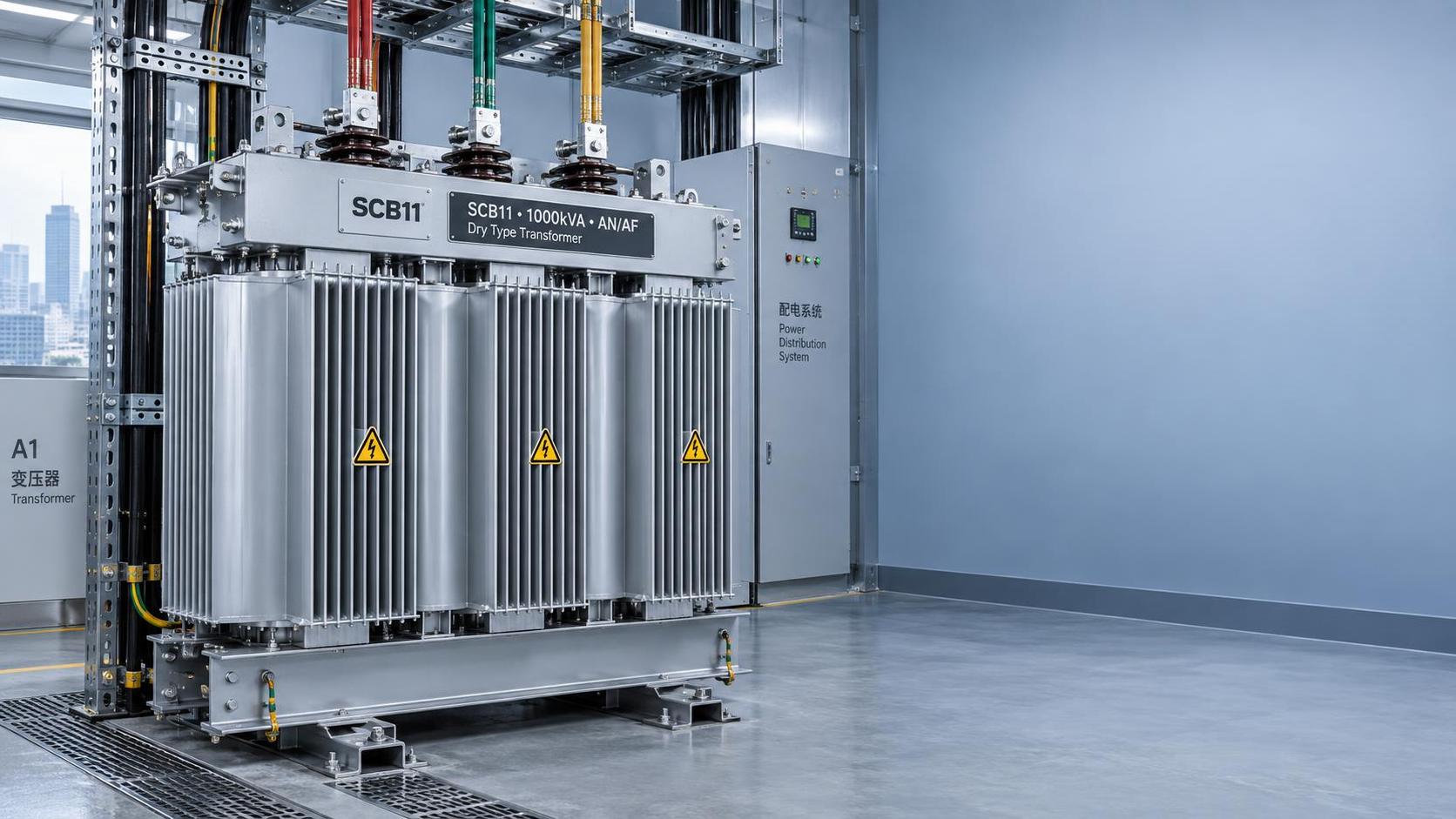
A dry-type transformer is valued for safety, efficiency, and low maintenance.
But small operating mistakes can still trigger overheating, insulation stress, and avoidable shutdowns.
In daily power distribution, risk usually builds slowly before it becomes visible.
That is why practical operating discipline matters as much as equipment quality.
The most common dry-type transformer problems are not dramatic failures at first.
They often start with heat, dust, overload, loose connections, or missed inspection points.
1. Ignoring Ventilation and Ambient Temperature
A dry-type transformer depends heavily on air cooling.
When ventilation openings are blocked, internal temperature rises faster than many expect.
This becomes more serious in compact substations, plant rooms, and high-load commercial buildings.
High ambient temperature weakens insulation life and reduces stable operating margin.
A common mistake is checking load current while ignoring room airflow.
Another is storing tools, cables, or packaging too close to the transformer body.
- Keep air inlets and outlets clear.
- Track room temperature during peak load hours.
- Inspect cooling fans and alarms if forced-air cooling is used.
2. Letting Dust and Moisture Build Up
Many dry-type transformer faults begin with contamination, not electrical design limits.
Dust on windings and insulation surfaces traps heat and increases surface discharge risk.
Moisture makes the situation worse, especially in coastal, humid, or poorly sealed environments.
This is one of the easiest dry-type transformer mistakes to prevent.
Cleaning should be scheduled, not delayed until visible deposits appear.
During maintenance, use approved methods that do not damage insulation or disturb connections.
3. Running the Dry-Type Transformer Too Close to Capacity
Short-term overload may seem manageable, but repeated overload shortens insulation life.
In practice, the risk often comes from gradual load growth.
New equipment is added, but transformer loading rules stay unchanged.
That creates a hidden operating risk for any dry-type transformer.
Pay attention to seasonal peaks, startup currents, and harmonic-heavy loads.
Variable frequency drives, rectifiers, and nonlinear equipment can raise real thermal stress.
- Review actual load trends monthly.
- Compare current, temperature, and power quality data together.
- Reassess capacity before adding major downstream equipment.
4. Overlooking Loose Connections and Phase Imbalance
A dry-type transformer can appear normal while connection points slowly overheat.
Loose terminals increase resistance and create localized hot spots.
Phase imbalance adds extra stress to windings and affects output stability.
These issues are easy to miss without routine thermal checks and torque inspection.
More obvious warning signs include unusual odor, discoloration, noise change, or repeated temperature alarms.
5. Treating Inspection as a Basic Formality
Routine inspection should do more than confirm that the unit is energized.
Useful inspection looks for trend changes, not only obvious defects.
This includes temperature records, sound changes, dust level, smell, vibration, and insulation condition.
A dry-type transformer usually gives warning signals before a serious failure.
The real mistake is seeing those signals and failing to connect them to operating risk.
6. Using the Wrong Reference for Equipment Selection
Selection errors also create long-term trouble during operation.
Some projects focus only on rated capacity and ignore environment, load type, and maintenance access.
That often leads to higher losses, more heat, and lower power quality over time.
For broader system planning, it also helps to understand adjacent transformer options.
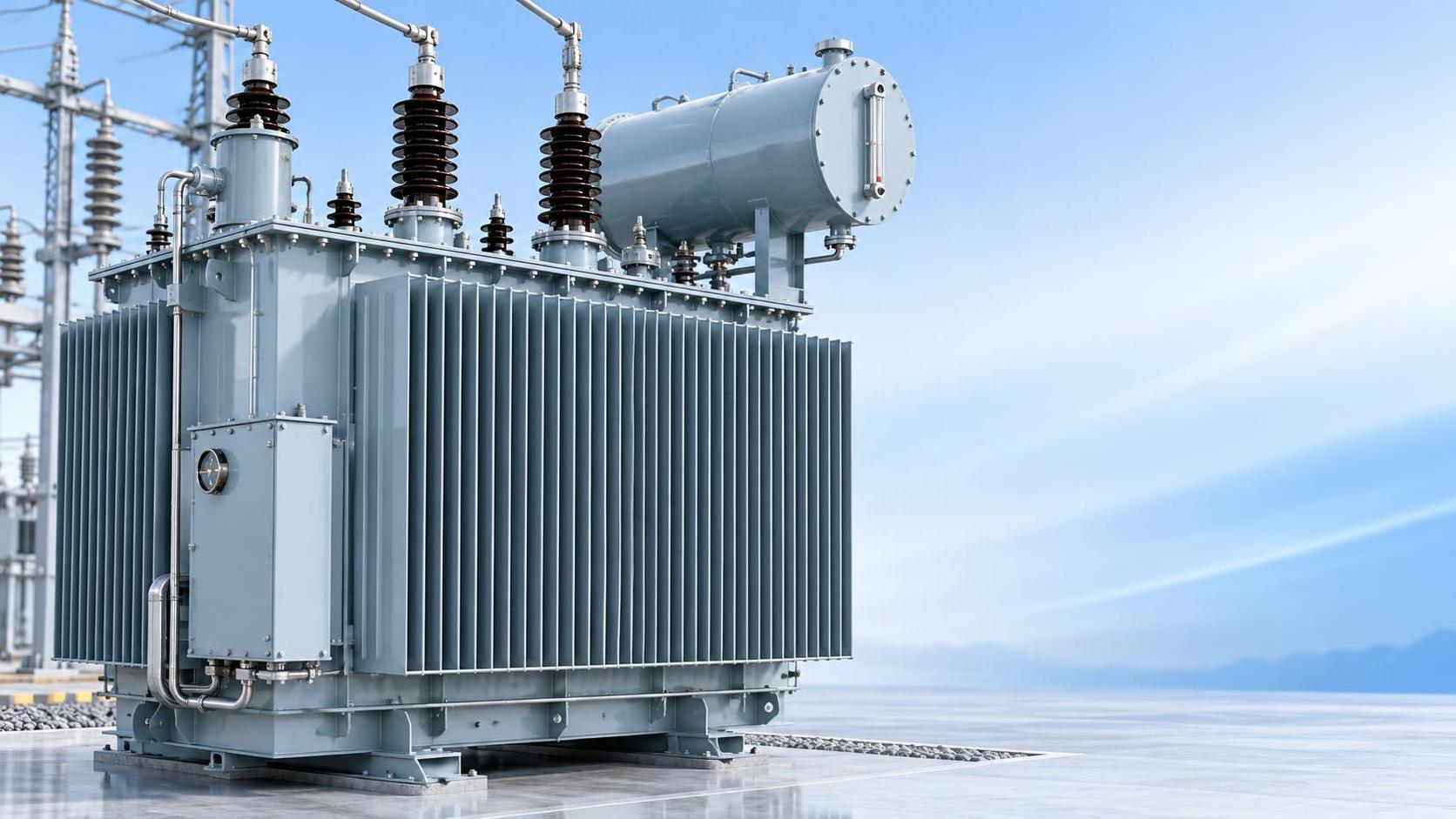
For example, S11 Series Oil-Immersed Power Transformer is widely used where low loss, low noise, and high efficiency are priorities.
Its fully sealed structure helps isolate oil from air and slow insulation aging.
That comparison helps teams choose the right transformer type for each operating environment.
A Practical Checklist to Reduce Dry-Type Transformer Risk
- Check ambient temperature and airflow every week.
- Remove dust before it becomes compacted on insulation surfaces.
- Review loading data against actual operating patterns.
- Inspect cable joints, terminals, and grounding points regularly.
- Measure phase balance when new loads are added.
- Respond early to smell, sound, or temperature abnormalities.
- Match transformer design to the installation environment.
Final Takeaway
Most dry-type transformer failures are not caused by one sudden mistake.
They come from small issues that stay uncorrected for too long.
Better ventilation, cleaner insulation, balanced loading, and sharper inspection habits make a measurable difference.
Jiangsu Shengda Power Equipment Co., Ltd. supports this approach with strong R&D, disciplined manufacturing, and strict quality inspection.
Its transformer products comply with international standards, including GB1094.1-2-1996 and GB/T6451-2008, and the company is ISO9001 certified.
When daily operation is guided by data, discipline, and suitable equipment, dry-type transformer risk becomes much easier to control.


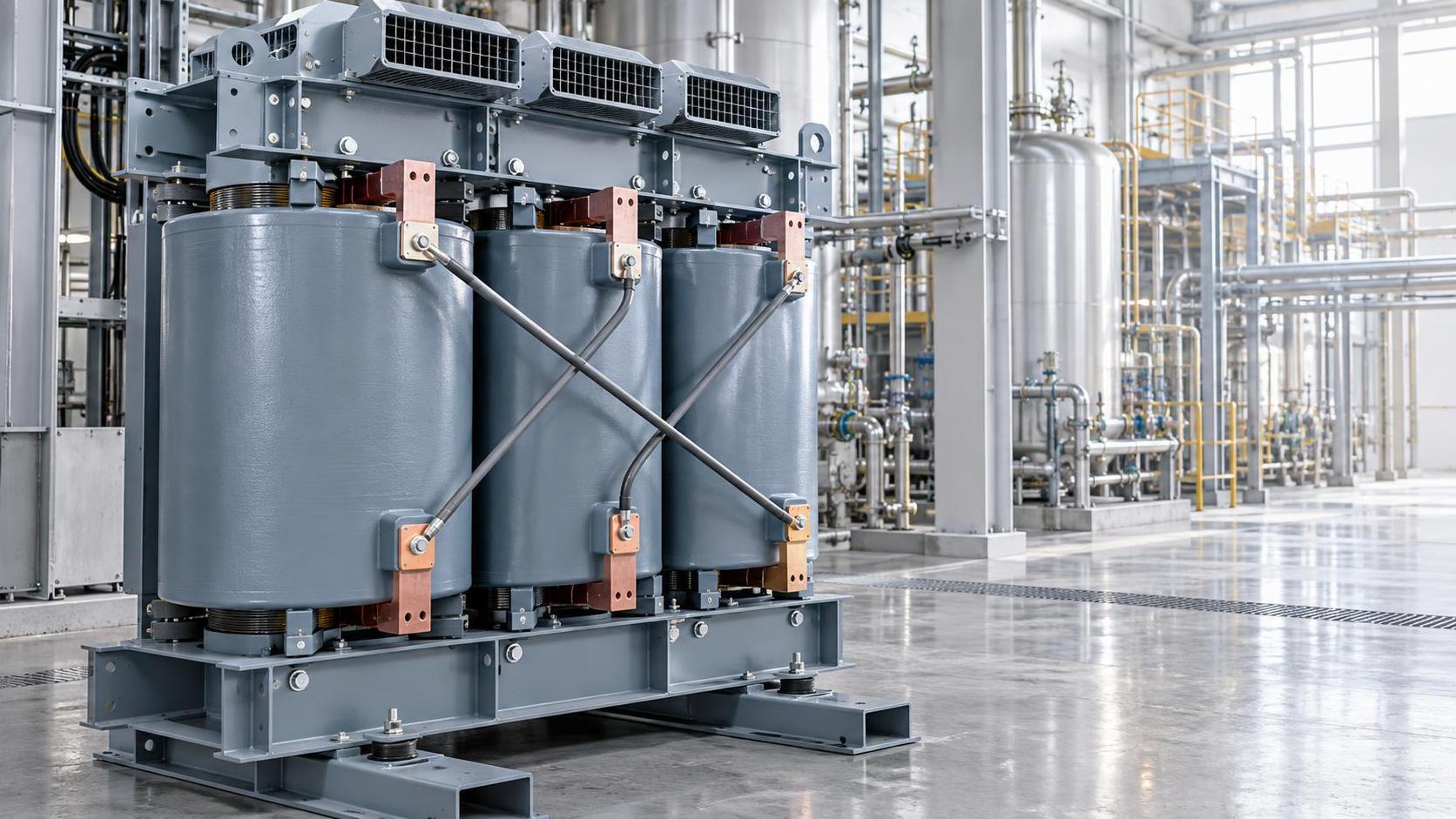
 Dry-Type Transformer Advantages for Hazardous Areas: Why IEEE C57.12.06 Arc Resistance & VPI Process Matter in Chemical Plants
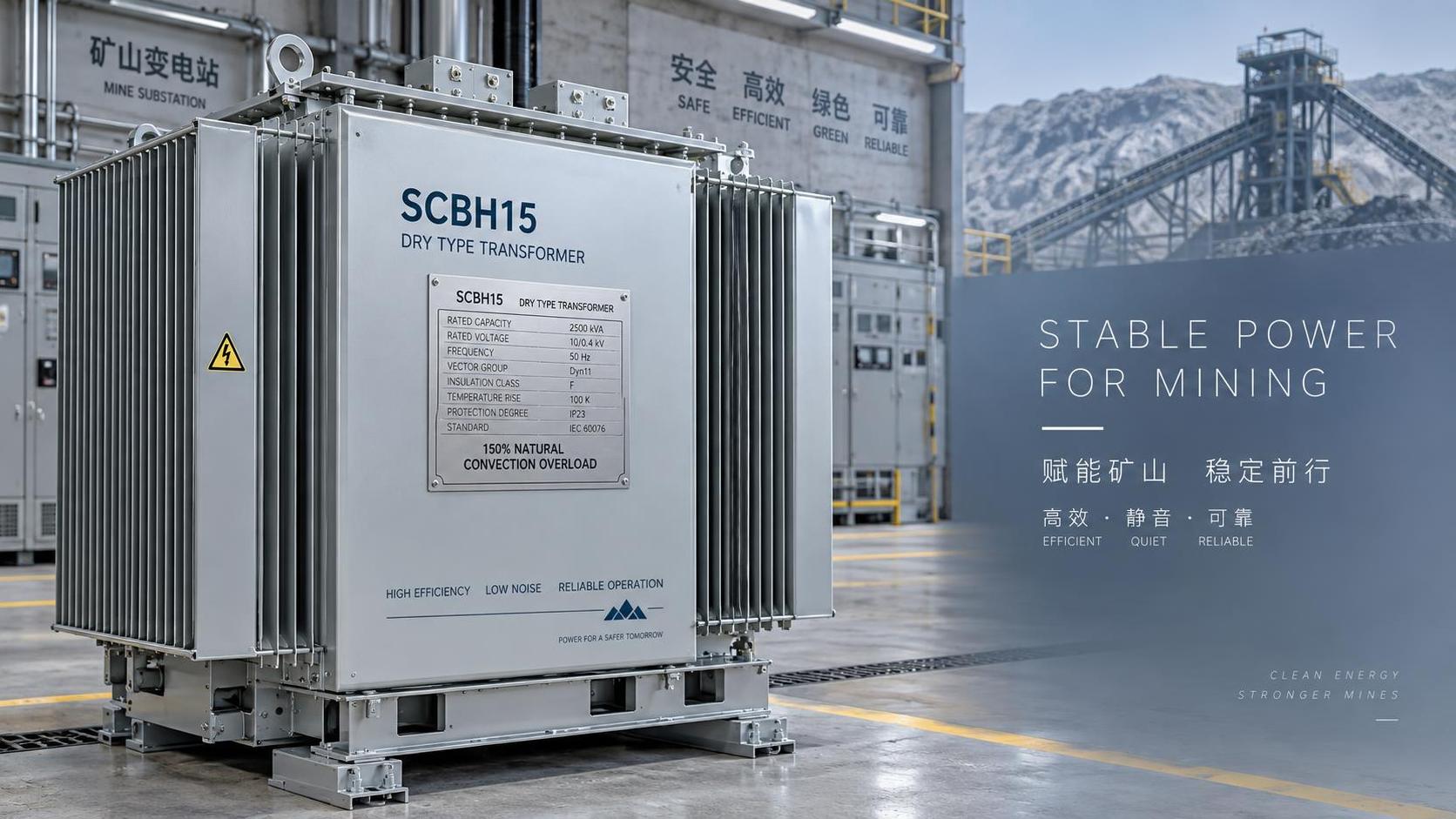
 Air-Cooled Transformer vs Forced-Oil-Cooled: When Natural Convection Meets Thermal Load Peaks in Mining Substations
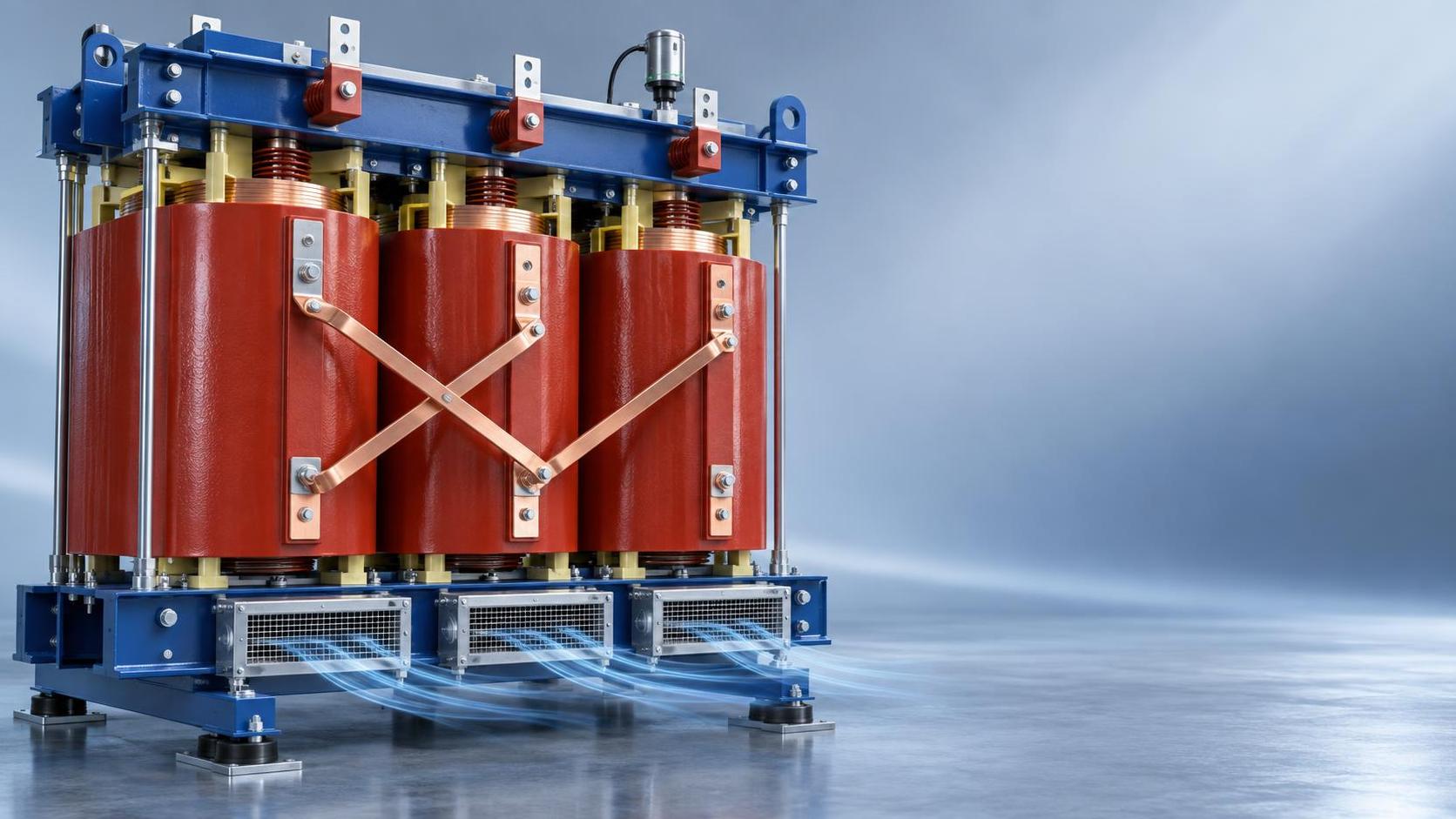
 SCB13 Dry-Type Transformer Long Lifespan: How Epoxy Resin Quality, Winding Stress Analysis & Ambient Humidity Monitoring Extend Service Life Beyond 30 Years
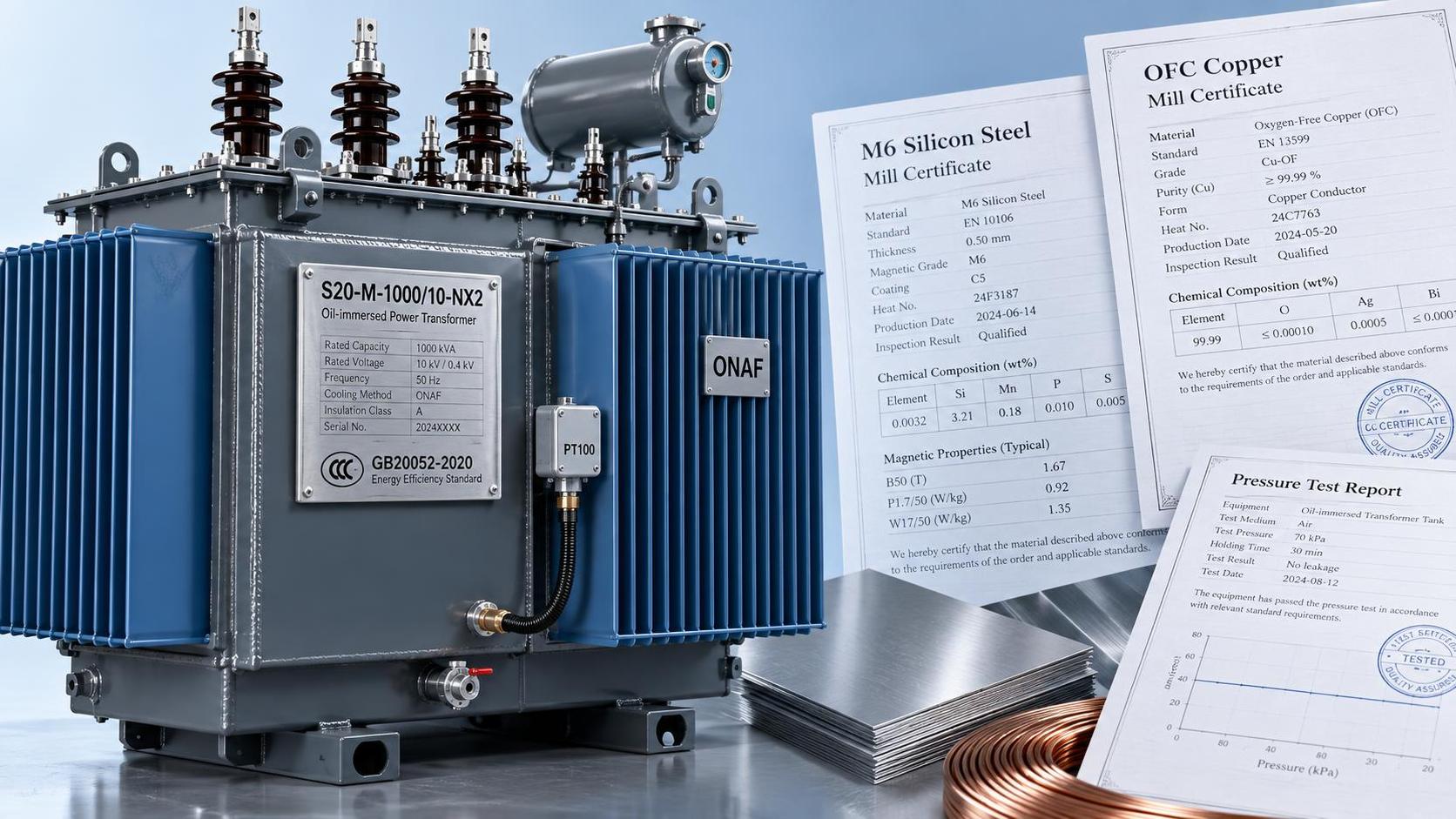
") S20 Oil-Immersed Transformer Quotation Breakdown: What 5 Line Items Actually Drive Total Installed Cost (Not Just kVA Price)
S20 Oil-Immersed Transformer Quotation Breakdown: What 5 Line Items Actually Drive Total Installed Cost (Not Just kVA Price) SCB11 Compact Dry-Type Transformer: Space-Saving Design Trade-Offs in High-Rise Building Electrical Rooms
 S11 vs S13 Oil-Immersed Transformers: Quantifying Efficiency Gains, Payback Period & Thermal Stability in Grid-Tied Substations
GET A FREE QUOTE
We offer reliable products, competitive prices, and nationwide professional support, committed to providing customers with efficient and energy-saving power equipment solutions.