


Choosing the right transformer for electrical machine applications is critical, yet sizing mistakes remain one of the most common causes of energy loss, overheating, and premature equipment failure. From incorrect load estimation to ignoring voltage fluctuation and future expansion needs, these errors can significantly affect system performance. This article explores the most frequent sizing issues and helps information seekers understand how to select transformers more accurately and efficiently.
For engineers, project consultants, and technical buyers, the challenge is not simply picking a rated kVA value. A transformer for electrical machine duty must match starting current, load profile, ambient conditions, installation constraints, insulation needs, and future capacity plans. In industrial and commercial power systems, even a 10% to 15% sizing deviation can create avoidable operating risk.
As a manufacturer focused on transformer R&D, production, and quality control, Jiangsu Shengda Power Equipment Co., Ltd. supports customers with low-loss power transformers, dry-type units, compact substations, amorphous alloy transformers, and on-load tap-changing solutions. Products are manufactured in line with GB1094.1-2-1996 and GB/T6451-2008, with ISO9001 certification supporting consistent quality management.
Why Transformer Sizing Errors Happen So Often
Many sizing mistakes occur because buyers rely only on nameplate motor power or a simplified load list. In reality, a transformer for electrical machine applications may serve motors, control systems, HVAC auxiliaries, variable-frequency drives, and intermittent peak loads at the same time.
The difference between connected load and actual demand
Connected load is the sum of all installed equipment, while actual demand reflects diversity, duty cycle, and simultaneous operation. For example, a workshop may have 800 kW connected load but only 520 kW to 620 kW actual operating demand under normal production conditions.
Common misunderstanding in early-stage planning
During concept design, some teams size purely from motor output rating and ignore power factor, inrush current, and harmonic effects. That can lead to undersized units in high-starting-torque applications or oversized units that run inefficiently under 30% to 40% loading.
- Ignoring starting current that may reach 4 to 7 times full-load current
- Assuming a stable voltage even when grid fluctuation can vary by ±5% to ±10%
- Leaving no headroom for a 1- to 3-year production expansion plan
- Overlooking temperature rise limits in enclosed electrical rooms
The table below shows several typical causes behind wrong transformer selection and the technical impact they can create in service.
A practical lesson from this comparison is that transformer sizing should be based on operating behavior, not just installed equipment totals. Load composition, startup sequence, and environmental factors often matter as much as nominal capacity.
Most Common Sizing Mistakes in Transformer for Electrical Machine Selection
When specifying a transformer for electrical machine systems, several errors appear repeatedly across factories, infrastructure projects, and commercial facilities. Understanding these points early can reduce redesign, commissioning delays, and avoidable heat stress.
1. Calculating only running load, not starting load
A motor rated at 160 kW may draw a significantly higher current during startup, especially with direct-on-line starting. If multiple machines start together, the temporary demand can exceed transformer capacity even though normal operating load seems acceptable.
2. Ignoring power factor and apparent power
Transformers are rated in kVA, not only kW. If a system operates at a power factor of 0.8, then 400 kW requires roughly 500 kVA before considering margin. This is one of the most basic but still frequent mistakes in electrical machine transformer selection.
3. Forgetting temperature rise and installation environment
Ambient temperature above 40°C, poor ventilation, dust, or high humidity can all affect thermal performance. A transformer placed in a confined indoor room may require a different rating strategy than the same unit installed in a well-ventilated substation.
4. No allowance for future expansion
A project with an initial 70% loading level may look efficient, but if demand is expected to grow by 20% to 30% within 2 years, that initial sizing can become restrictive very quickly. Expansion planning is especially important in manufacturing and transport hubs.
5. Selecting the wrong transformer type for the site
Type selection also affects practical sizing. In high-rise buildings, airports, railway stations, docks, and power plants, dry-type designs are often preferred for fire safety, installation flexibility, and reduced maintenance. In such cases, products such as the SCB14 Type Dry-Type Transformer can be relevant where deep load-center installation and low noise are required.
This epoxy resin dry-type model, identified as SC(B)14, is designed for locations with high fire protection requirements, including flammable or explosive environments. Its reduced no-load loss, low noise, and compliance with GB20052-2020 level 2 energy efficiency help buyers balance safety and operating economy.
A Practical Sizing Framework for Better Selection
A more accurate transformer for electrical machine selection process usually follows 5 steps: define the load list, calculate kVA demand, review startup conditions, check environment, and reserve reasonable capacity margin. This method works well in both 10 kV and 35 kV distribution planning.
Step-by-step decision points
- List all machines and classify them as continuous, intermittent, or standby.
- Convert load from kW to kVA using actual power factor values.
- Review whether starting occurs sequentially or simultaneously.
- Check ambient temperature, ventilation, altitude, and fire protection constraints.
- Add a practical margin, often 10% to 25%, based on expansion probability.
The table below provides a useful reference for technical screening before finalizing the transformer rating.
These values are not fixed design mandates, but they help information seekers avoid two extremes: selecting too small and risking overload, or selecting too large and carrying unnecessary no-load loss for years.
Why transformer type matters in sizing decisions
A dry-type transformer may be preferred when the installation point is close to the load center, inside occupied buildings, or in spaces with strict fire requirements. Models with flame retardancy, moisture resistance, dust resistance, and high short-circuit tolerance can improve site suitability beyond pure kVA matching.
How Buyers Can Reduce Technical and Procurement Risk
For information-stage buyers, the best approach is to verify 4 key areas before issuing a final purchase request: electrical parameters, application environment, compliance standards, and lifecycle cost. This reduces the risk of choosing a transformer for electrical machine duty that fits paper calculations but fails in actual service.
Questions worth asking suppliers
- What is the recommended sizing margin for the planned startup sequence?
- Is the transformer intended for continuous, cyclic, or mixed-duty operation?
- Will harmonics from drives or rectifiers require additional thermal consideration?
- Which standard ratings and insulation system are appropriate for the site?
- Is the installation in a fire-sensitive indoor area or an ordinary outdoor station?
Looking beyond initial purchase price
A lower upfront cost can become less attractive if no-load loss, cooling demands, or replacement frequency increase operating expense over 5 to 10 years. Low-loss transformer series and maintenance-oriented design can improve long-term value, especially in facilities with high daily utilization.
For indoor distribution points requiring reduced noise, maintenance-free operation, and strong fire safety performance, the SC(B)14 dry-type design is often considered because it combines advanced structure with good energy-saving effect and the ability to operate close to major loads.
Final Guidance for Information Seekers
The most reliable transformer for electrical machine selection starts with accurate load analysis, not rough estimation. Buyers should review running demand, motor starting conditions, power factor, environmental limits, voltage variation, and 1- to 3-year expansion expectations before choosing a final rating.
Jiangsu Shengda Power Equipment Co., Ltd. offers a broad portfolio covering low-loss power transformers, 10 kV and 35 kV models, dry-type transformers, amorphous alloy transformers, compact substations, and on-load tap-changing power transformers. With structured manufacturing, comprehensive inspection, and compliance with recognized standards, the company supports practical, application-based selection.
If you are evaluating sizing options for a new project or replacing an existing unit, now is the right time to review your load profile and installation conditions in detail. Contact us to get a customized transformer recommendation, discuss product details, or learn more about suitable solutions for your application.



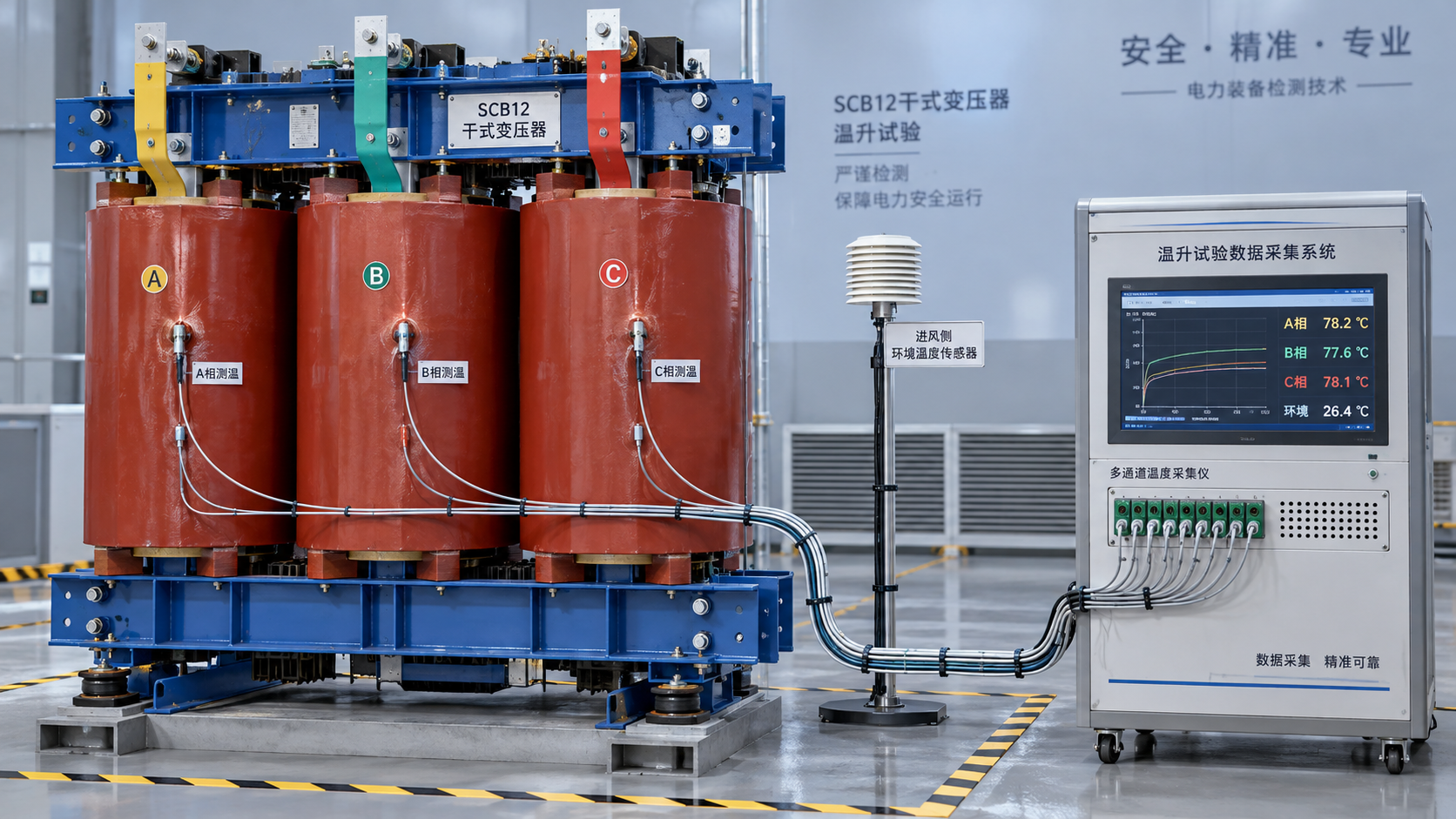
 How to verify the temperature-rise test of an SCB12 dry-type transformer
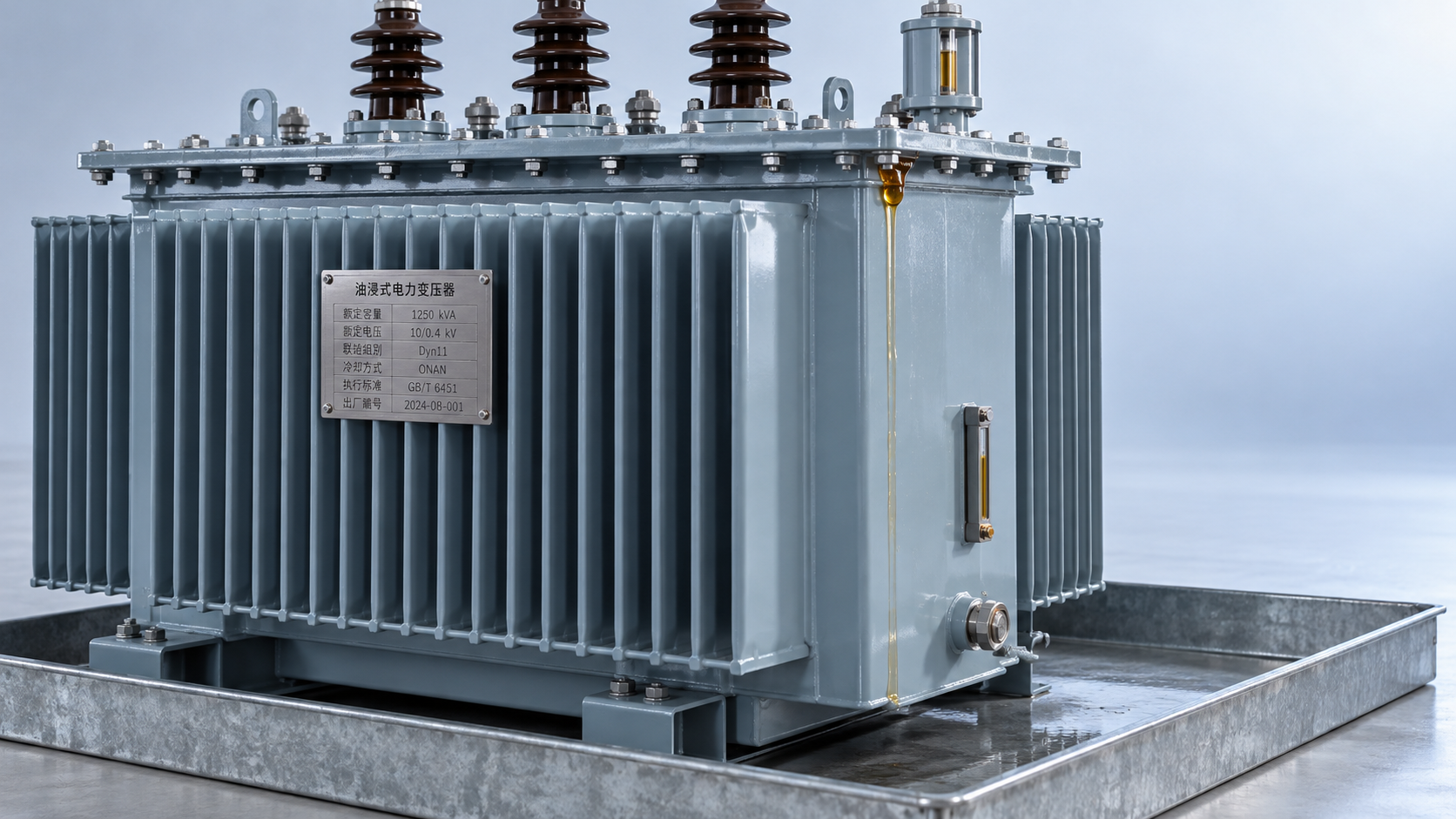
 Distribution transformer maintenance tips for spotting oil leaks
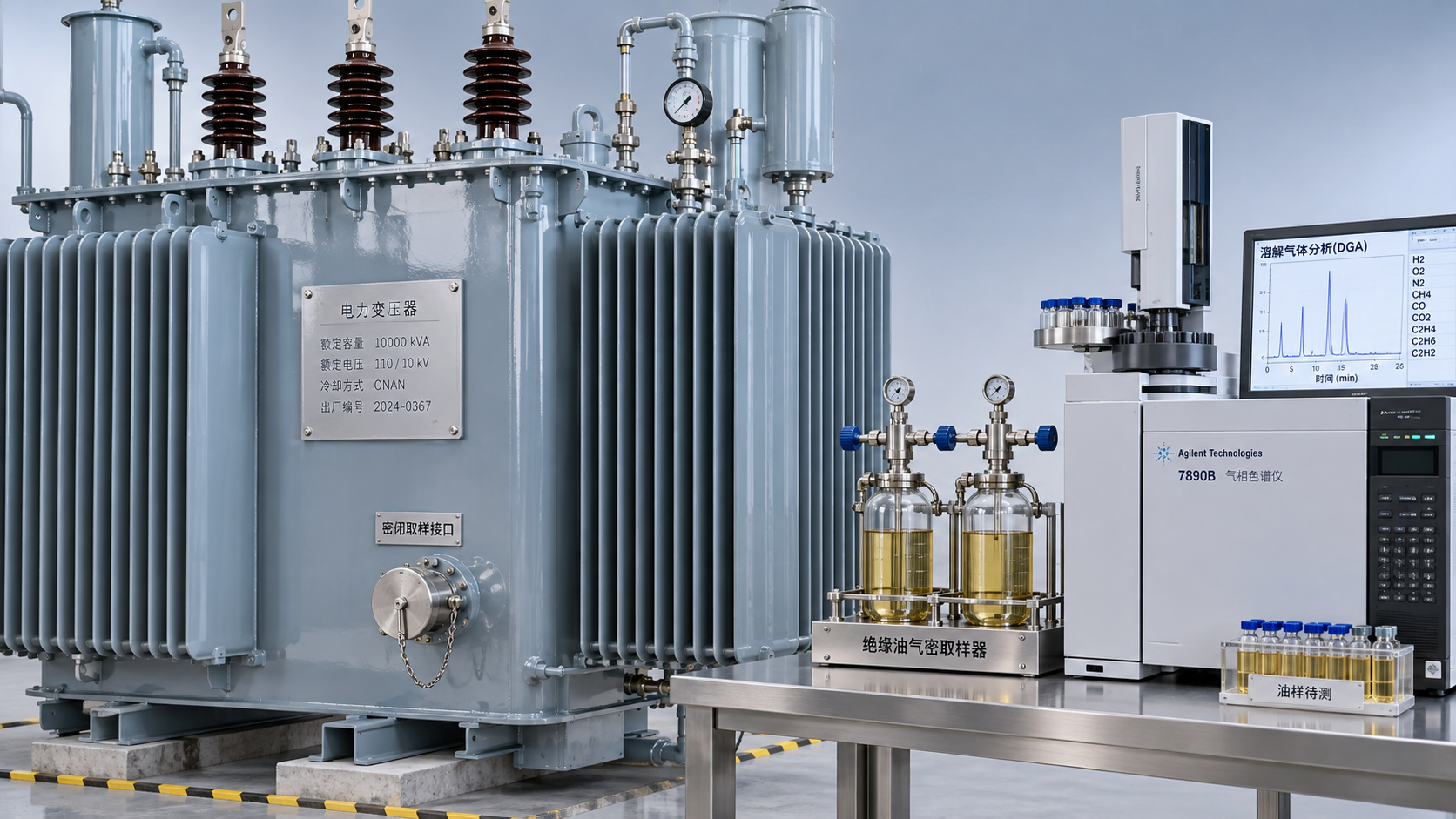
 What dissolved gas analysis reveals about an oil-immersed transformer
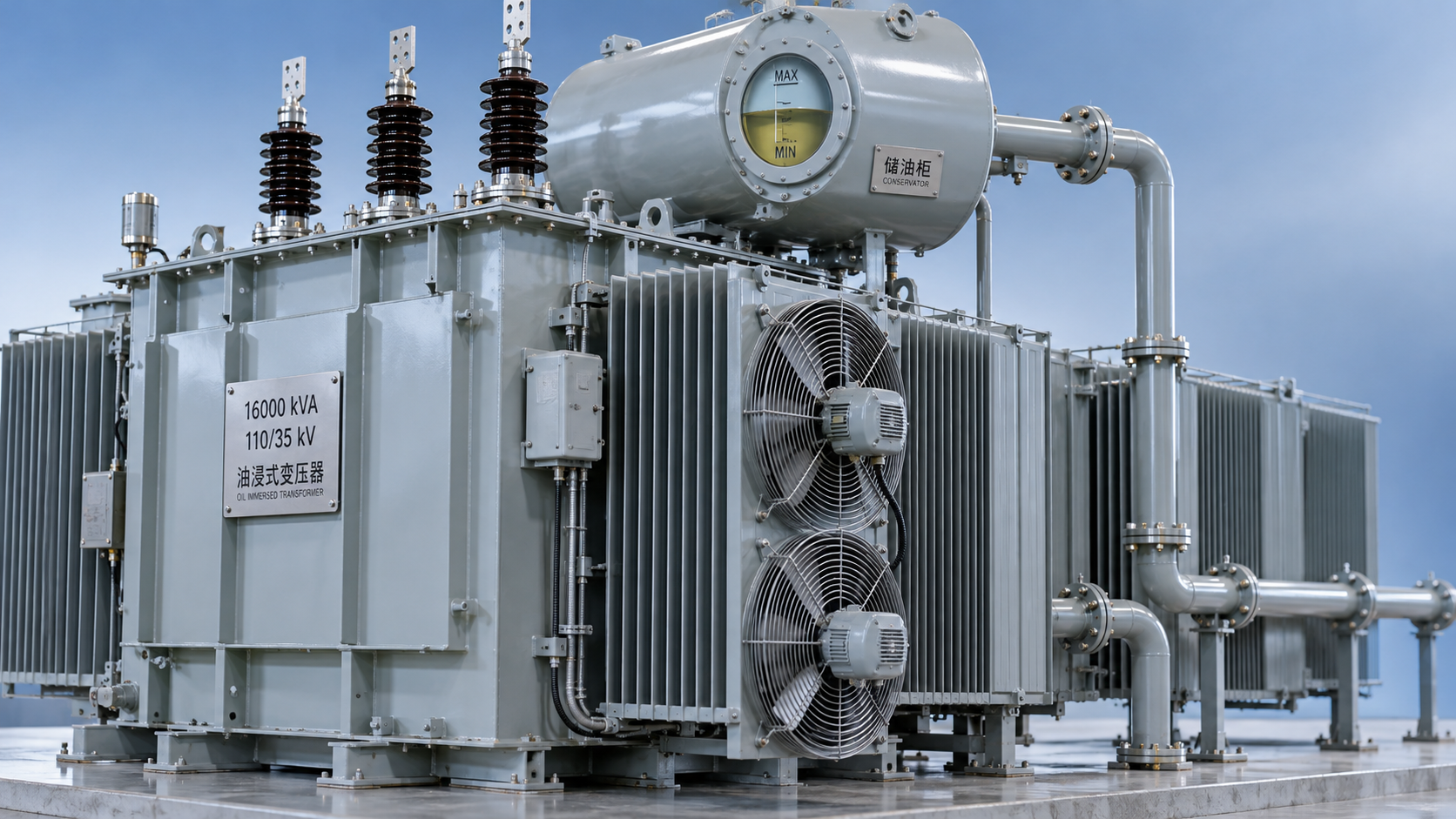
 Why an oil-cooled transformer overheats despite a normal oil level
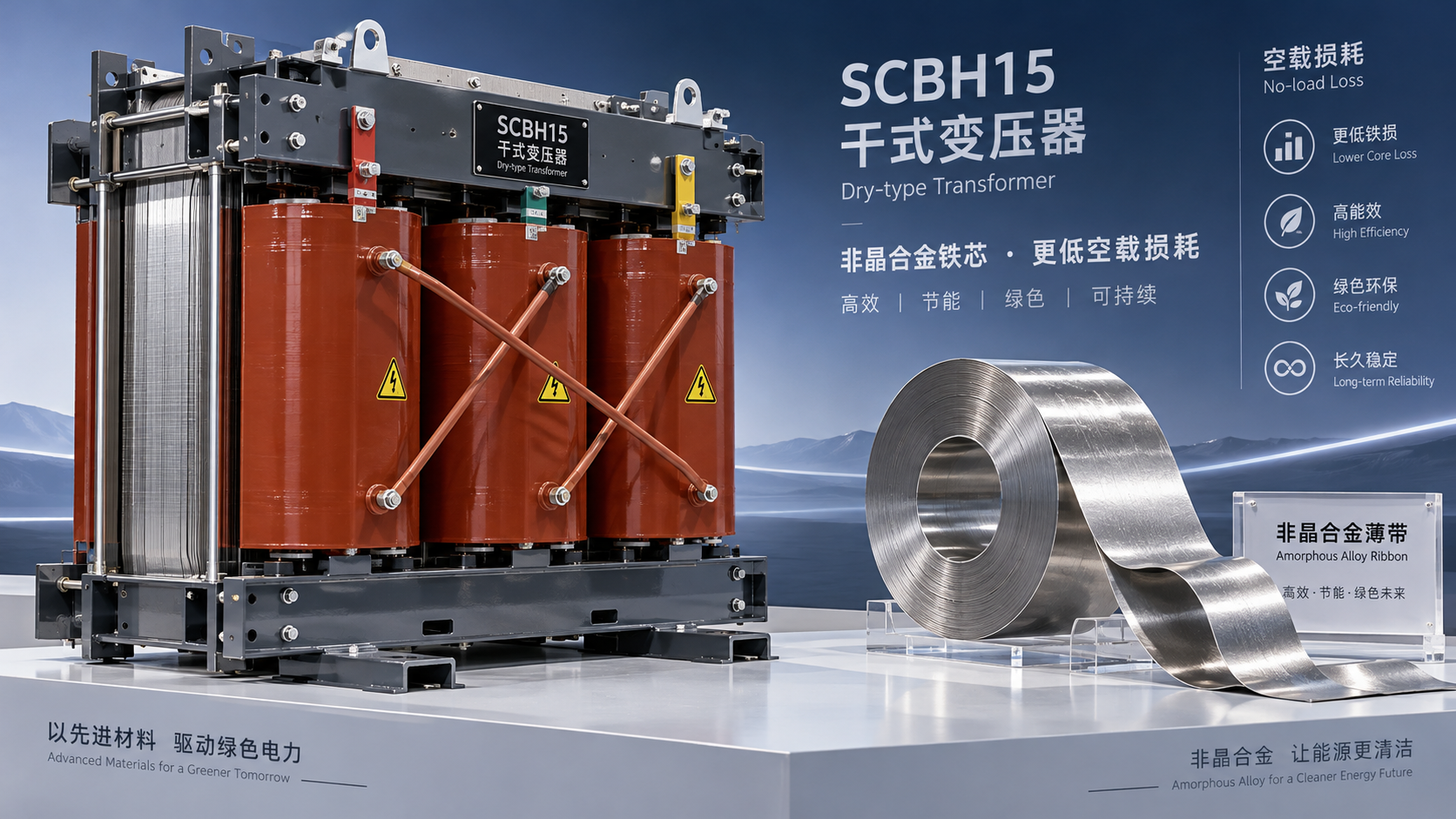
 How the amorphous core affects SCBH15 dry-type transformer losses
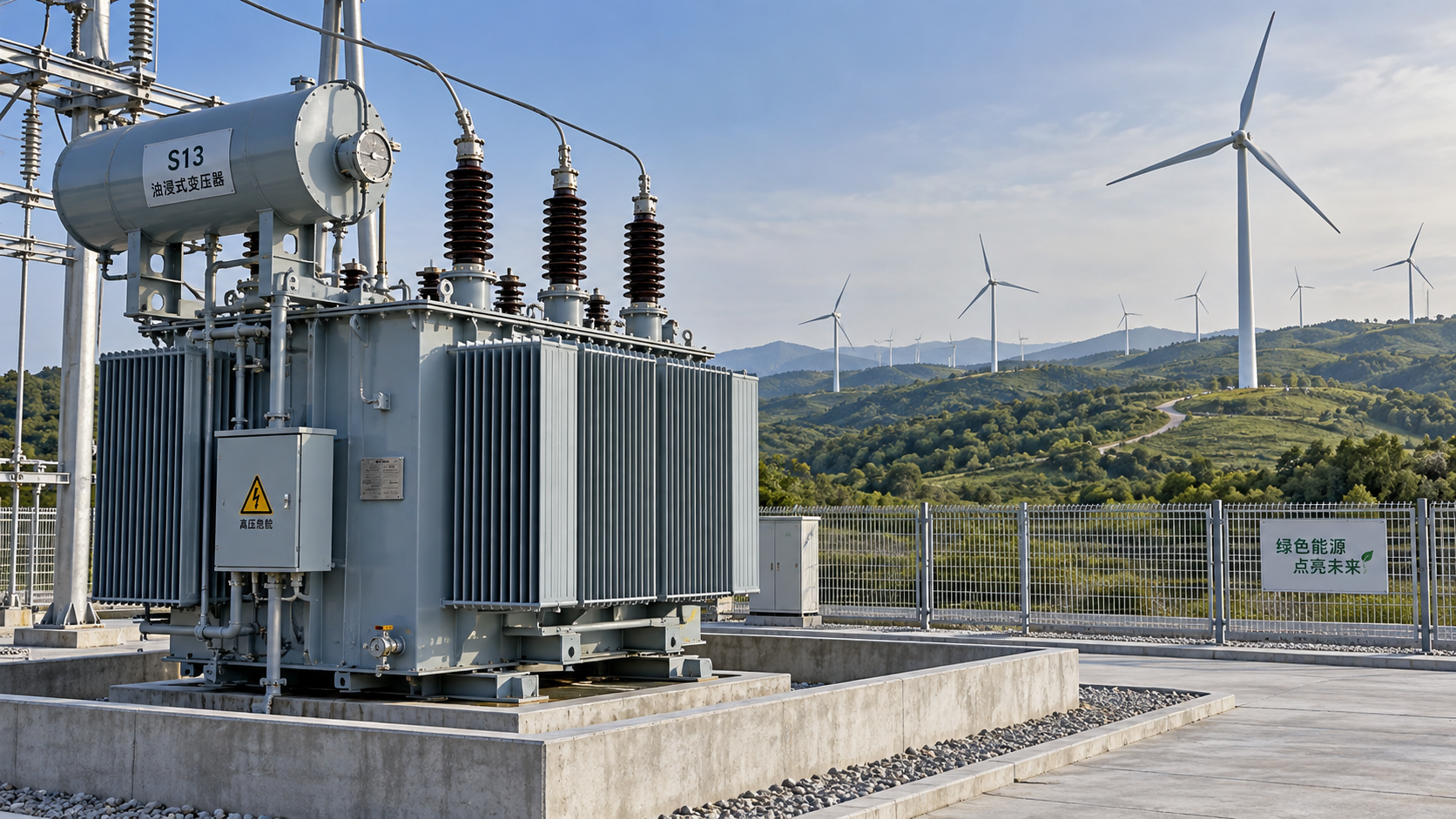
 Sizing S13 oil-immersed transformers for variable wind farm output
GET A FREE QUOTE
We offer reliable products, competitive prices, and nationwide professional support, committed to providing customers with efficient and energy-saving power equipment solutions.