


Customizing oil-immersed transformers requires more than selecting ratings. It needs a clear view of IEC and IEEE standards, site conditions, and lifetime performance targets.
A well-matched design improves efficiency, reliability, safety, and compliance. It also reduces operating risk across utility, industrial, and infrastructure transformer projects.
What does customizing oil-immersed transformers really involve?
Customizing oil-immersed transformers means adapting electrical, thermal, and mechanical features to actual service conditions. Standard ratings alone rarely solve every project requirement.
Key options include voltage ratio, impedance, cooling method, insulation level, tap changer type, enclosure protection, and loss targets for energy efficiency.
Jiangsu Shengda Power Equipment Co., Ltd. develops transformer solutions with strong technical capability, strict inspection, and ISO9001-certified quality management.
How do IEC and IEEE standards affect oil-immersed transformer design?
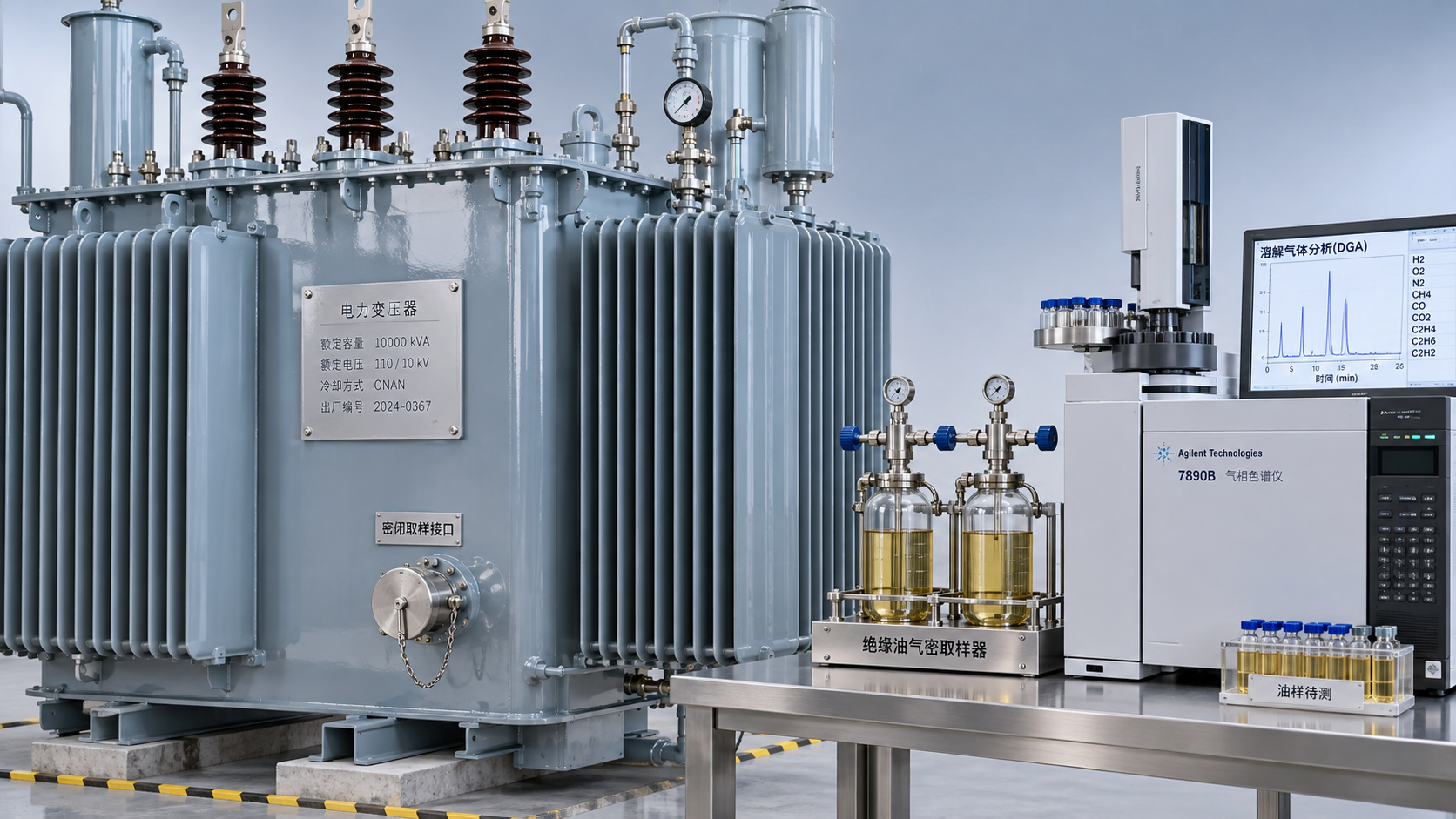
IEC and IEEE standards guide testing, temperature rise, dielectric strength, short-circuit performance, and nameplate data for oil-immersed transformers.
IEC designs often align with international utility specifications. IEEE designs may be preferred where North American practices define insulation coordination and testing expectations.
The right choice depends on the project document. Mixing standards without checking details can create approval delays, redesign costs, or installation mismatches.
Which project conditions matter most when specifying oil-immersed transformers?
Ambient temperature, altitude, harmonic load, overload profile, seismic level, and installation space all influence transformer customization.
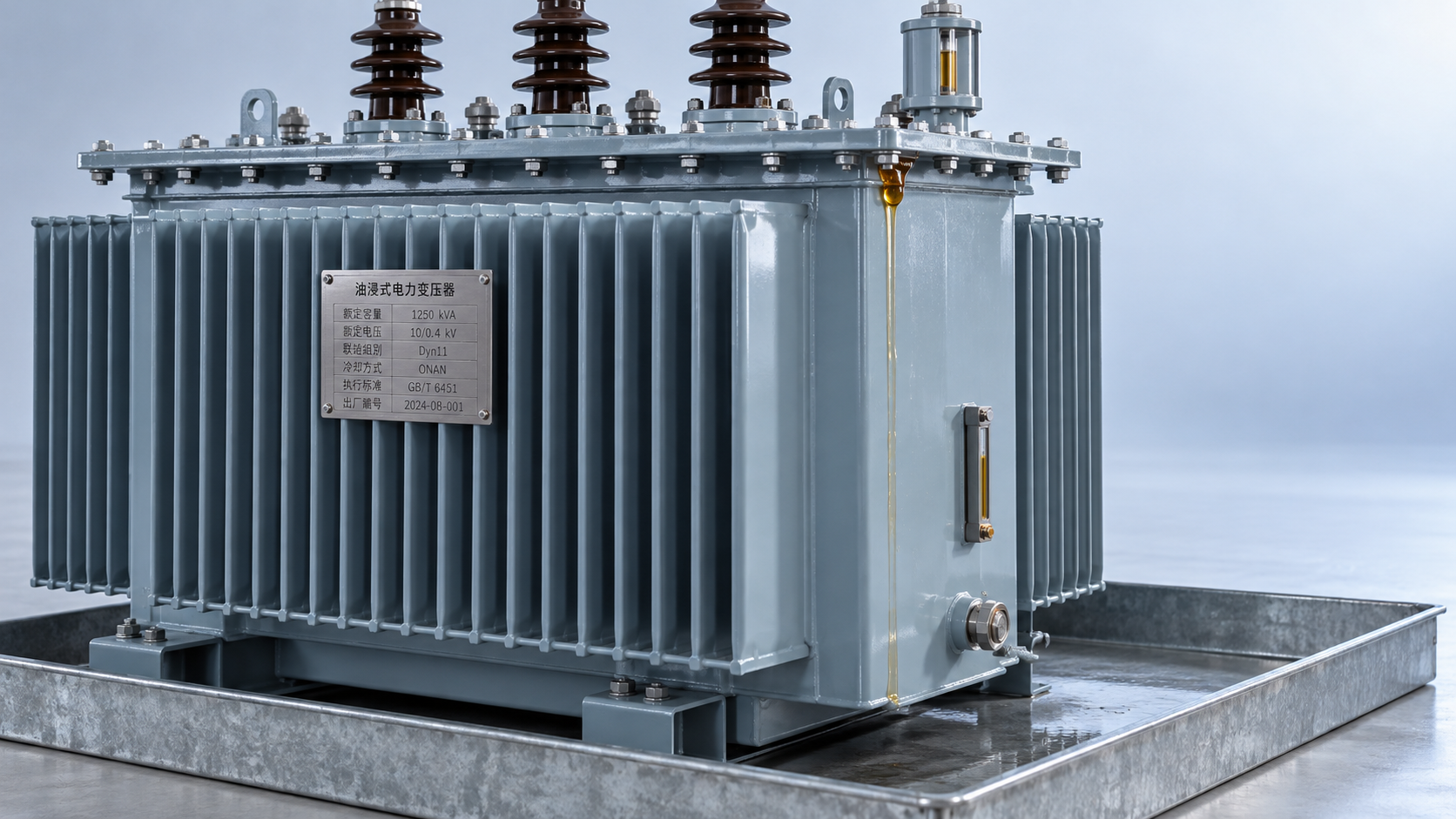
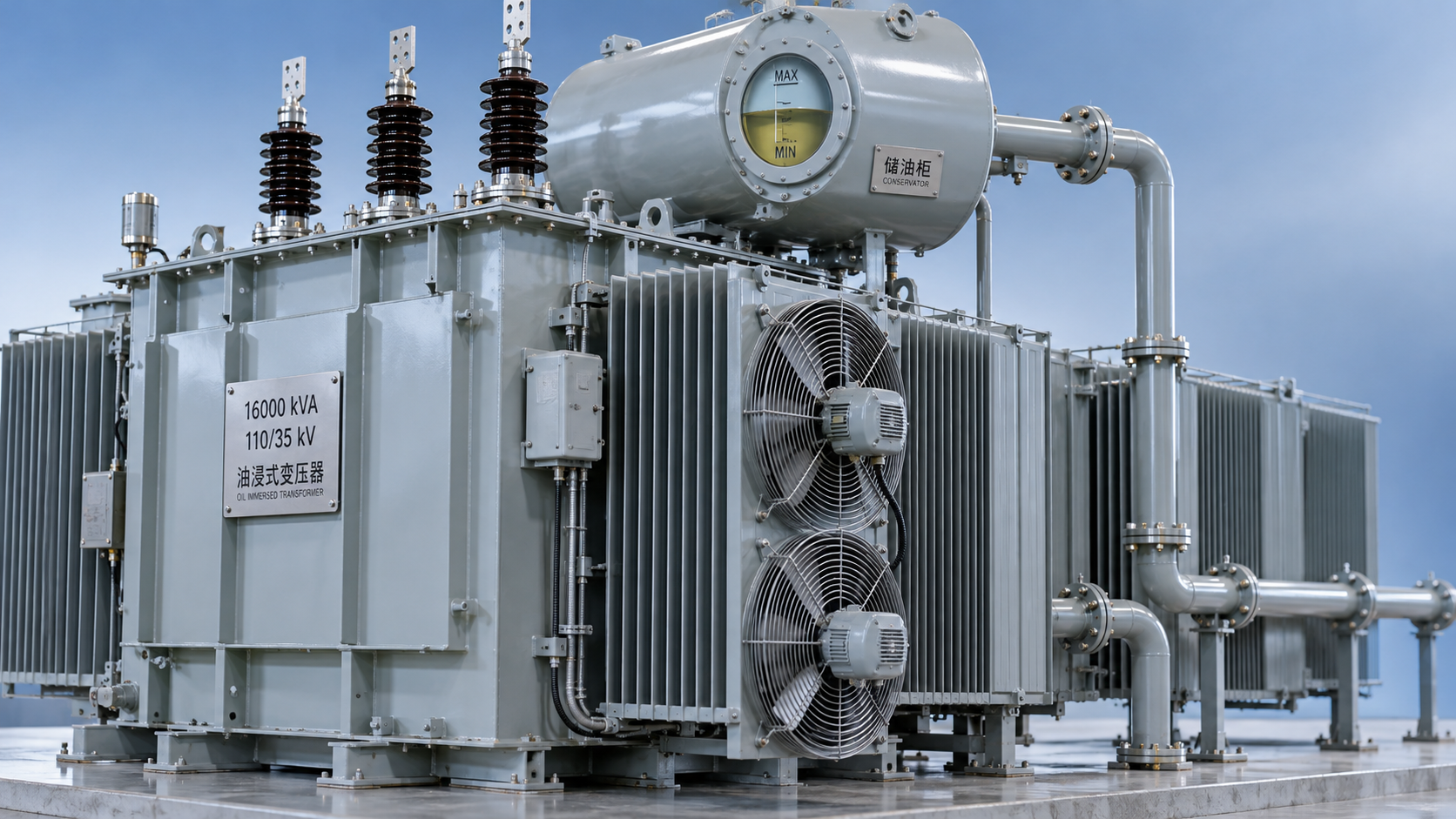
For example, hot climates may require stronger cooling margins. Dusty or corrosive areas may need upgraded radiators, coatings, seals, and accessory protection.
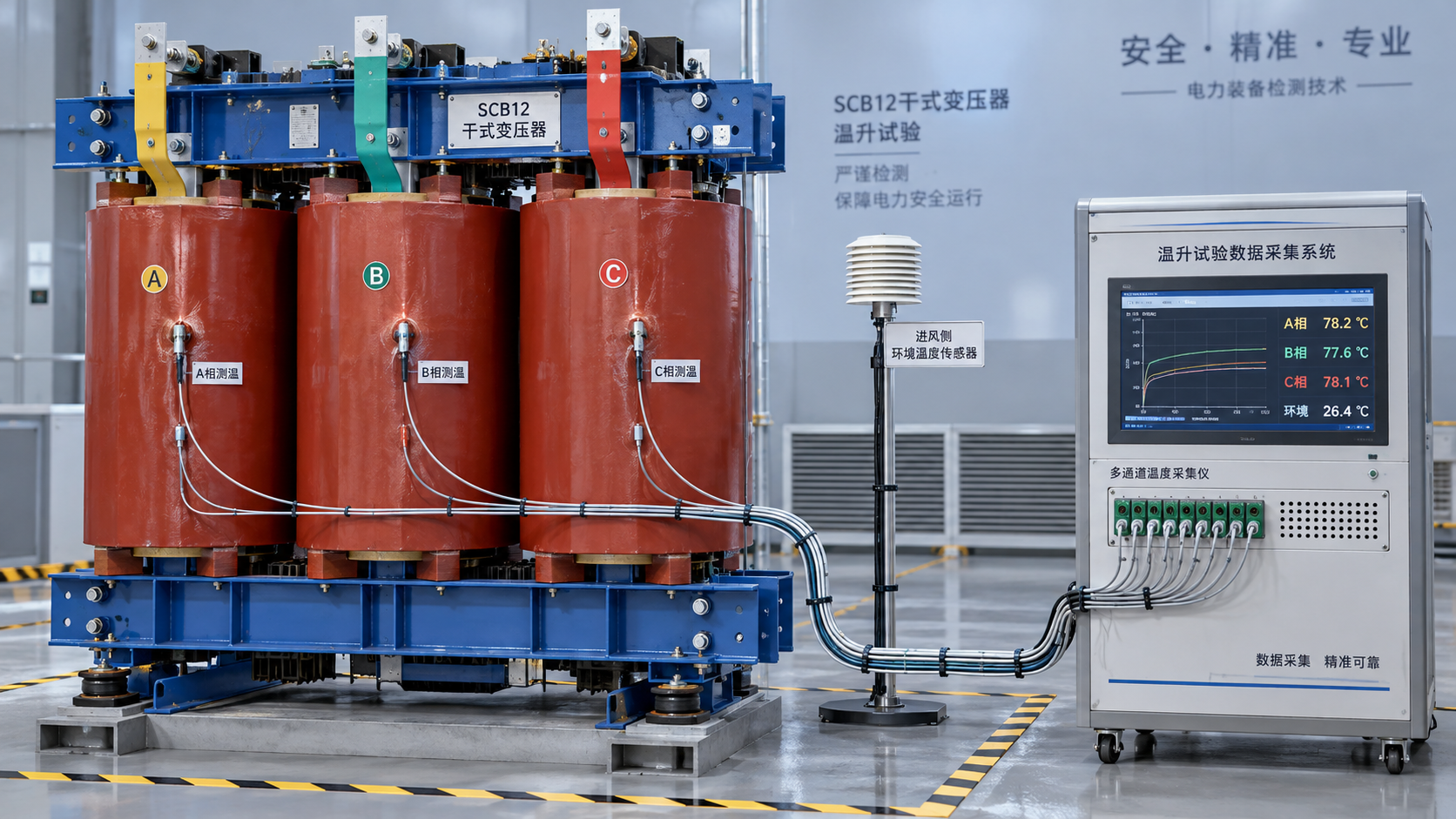
When indoor fire safety becomes critical, a dry-type option may be better. In such cases, SCB14 Type Dry-Type Transformer offers low noise, reduced no-load loss, and flame-retardant epoxy resin construction.
How can you compare customization priorities effectively?
What mistakes should be avoided in oil-immersed transformer customization?
A common mistake is focusing only on purchase price. Transformer efficiency, maintenance access, spare strategy, and warranty support affect real project value.
Another error is ignoring load growth. Future expansion may require higher capacity, stronger impedance coordination, or an on-load tap changer.
It is also risky to overlook application differences between oil-immersed and dry-type units. High fire protection environments may favor SC(B)14 models meeting GB20052-2020 level 2 efficiency.
How should the final transformer specification be prepared?
Start with system voltage, capacity, frequency, impedance, and insulation requirements. Then confirm cooling, temperature rise, taps, accessories, and test standards.
Next, verify transport limits, installation location, and operating environment. Clear documentation helps prevent manufacturing revisions and delivery delays.
Oil-immersed transformers perform best when standards and application details are aligned from the beginning. A precise specification supports dependable operation and lower lifecycle cost.
For better results, compare IEC and IEEE needs carefully, define site conditions, and confirm whether oil-immersed or dry-type technology fits the project more effectively.



 How to verify the temperature-rise test of an SCB12 dry-type transformer
 Distribution transformer maintenance tips for spotting oil leaks
 What dissolved gas analysis reveals about an oil-immersed transformer
 Why an oil-cooled transformer overheats despite a normal oil level
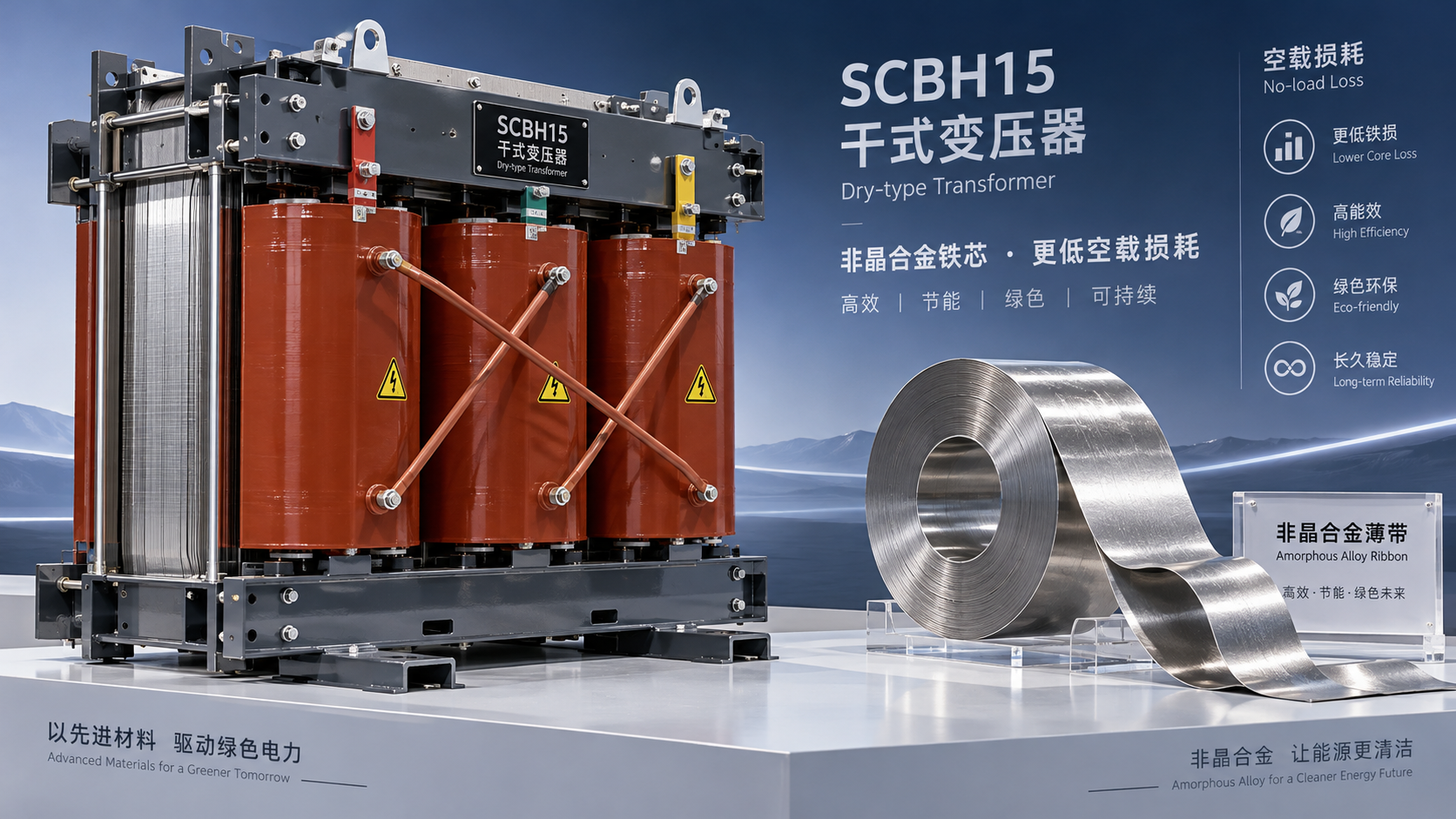
 How the amorphous core affects SCBH15 dry-type transformer losses
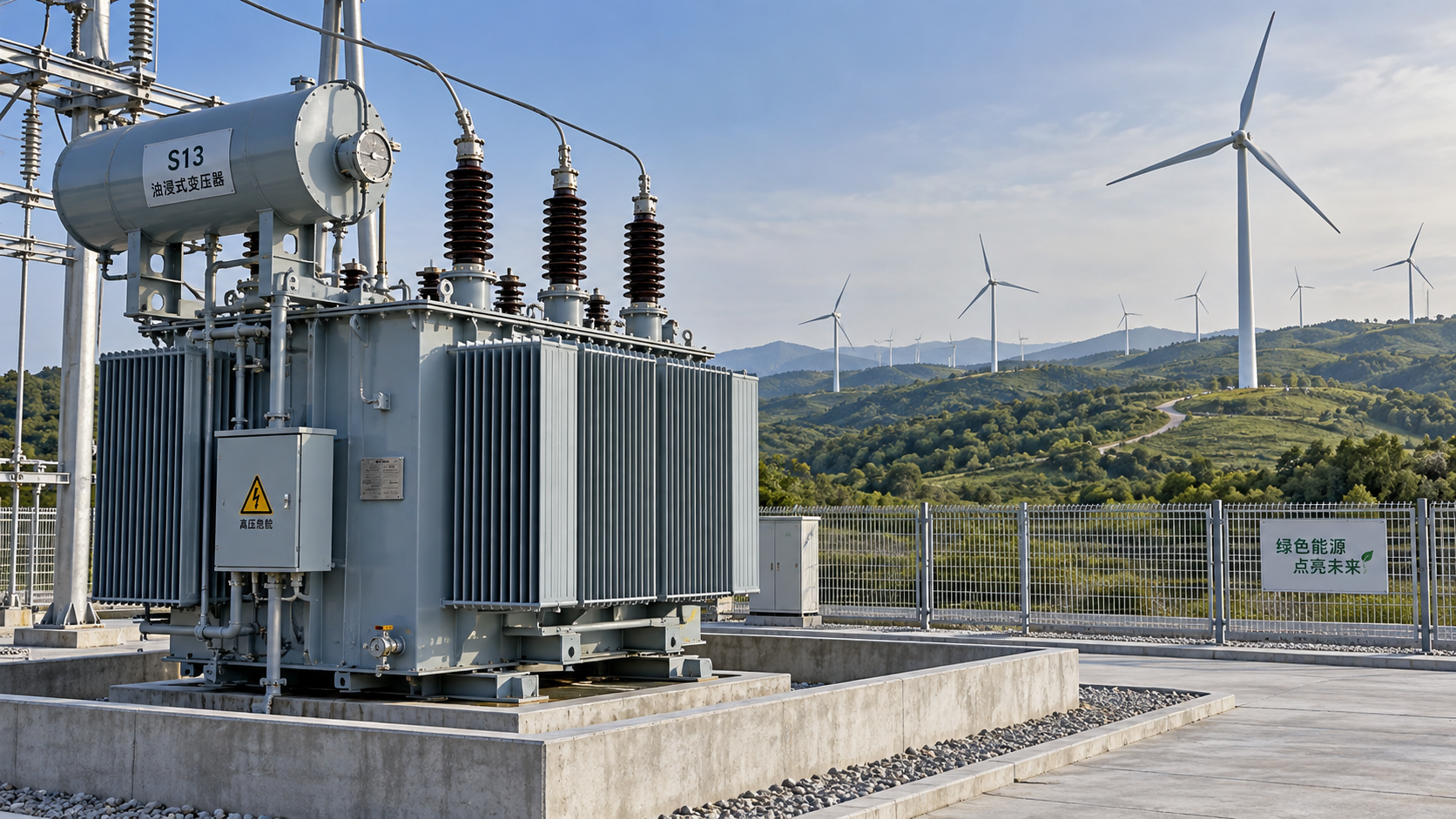
 Sizing S13 oil-immersed transformers for variable wind farm output
GET A FREE QUOTE
We offer reliable products, competitive prices, and nationwide professional support, committed to providing customers with efficient and energy-saving power equipment solutions.