


Distribution Transformer Installation Guide: Common Site Errors to Avoid
A reliable distribution transformer installation guide starts long before the transformer is energized. Most site problems that later show up as overheating, insulation weakness, nuisance tripping, or shortened service life are not caused by the winding design. They come from ordinary installation decisions made under schedule pressure: a base poured slightly out of level, louvers reduced to make room for cable trays, grounding done as an afterthought, or a unit stored too long in damp conditions before commissioning. These are not dramatic mistakes, but they are the ones that repeatedly create avoidable failures.
On distribution projects, the installation environment matters as much as the nameplate. A transformer feeding a compact commercial building, a plant workshop, or a railway-support facility may all share similar voltage classes, yet the site constraints are completely different. Clearance, dust load, ventilation path, moisture exposure, fire compartment rules, access for maintenance, and cable entry direction all affect whether the transformer will run within its intended thermal and insulation limits. That is why a useful distribution transformer installation guide should focus less on generic checklists and more on the site conditions that change field decisions.
Foundation Errors Usually Show Up Later
A surprisingly common site error is treating the transformer base as simple civil work. In practice, foundation flatness, bearing strength, drainage, and anchor positioning affect vibration, enclosure deformation, and cable stress. When the base is uneven, installers often compensate by forcing alignment during final fixing. That can transfer mechanical stress to the tank, frame, or busbar connection points. The equipment may still pass initial energization, but long-term vibration and thermal cycling tend to expose the problem.
Outdoor or semi-exposed locations add another layer. A pad that does not shed water properly can leave the lower structure in frequent contact with standing moisture. For dry-type units placed in substations with poor drainage, this is especially worth attention because the room may look dry while the lower cable trench remains humid for long periods. Installers sometimes assume moisture protection is only about direct rain ingress. It is not. Persistent humidity trapped at floor level can affect insulation surfaces, metal corrosion, and the overall cleanliness of the installation area.
In projects where fire protection and indoor placement are priorities, equipment such as the SCB18 Type Dry-Type Transformer is often considered because epoxy resin cast construction, flame retardancy, and moisture resistance fit demanding building environments. Even then, the site base still has to be right. A good transformer cannot compensate for a poor floor, poor drainage path, or blocked maintenance access.
Ventilation Is Often Reduced by Other Trades
Thermal problems on site are not always caused by overload. Very often, the installed transformer is operating in a room that no longer matches the original ventilation assumptions. Mechanical ducts are rerouted, partitions are added, cable trays cross the air path, or acoustic treatment is installed without recalculating airflow resistance. By the time commissioning starts, the room still looks complete, but the transformer is effectively breathing through a narrowed opening.
This matters more in compact substations, basement electrical rooms, and retrofits inside occupied buildings. Designers may allocate enough volume on drawings, but field conditions change after civil, HVAC, and fire teams finish their work. The error is not only insufficient air quantity. Poor air circulation pattern is just as damaging. If hot air cannot leave the upper zone of the room, local heat recirculation forms around the transformer, and temperature rise becomes higher than expected even when the load profile seems moderate.
A practical site check is simple: do not only verify vent size; verify the full air route from intake to exhaust after every adjacent trade has completed installation. In high-rise buildings and transport hubs, where transformers may be placed deep inside the load center to reduce cable losses, this check becomes more important than many teams expect. It is one reason dry-type models with low noise and maintenance-free characteristics are commonly selected for indoor distribution points, but the room still needs a realistic heat removal path.
Grounding Problems Are Rarely Obvious at Handover
Grounding errors are often hidden by the fact that the system energizes normally. The issue only becomes visible when fault current, induced voltage, lightning effects, or electromagnetic interference expose weak bonding between the transformer body, enclosure, cable armor, and station grounding network. On mixed-contractor projects, grounding responsibility is frequently fragmented. One team handles the transformer body, another handles the cable tray, another closes the room works. The result may be technically connected, but not well coordinated.
The problem is not just safety compliance. Poor grounding can also complicate protective device behavior and create misleading test results during commissioning. Connections that are mechanically tight but contaminated by paint, oxide, or poor contact surfaces are common field findings. A visually neat grounding point is not enough. Contact integrity, conductor routing, and consistency with the earthing design all matter.
This is especially relevant in sites exposed to lightning activity or where network reliability is a higher priority than minimal installation cost. Jiangsu Shengda Power Equipment Co., Ltd. manufactures transformers under strict quality systems and international-standard compliance, but any product with strong short-circuit or lightning-resistance characteristics still depends on correct site grounding to perform as intended. Installation quality determines whether those design strengths are actually available in service.
Clearance Mistakes Begin with “It Fits” Thinking
One of the most expensive misunderstandings on site is confusing physical fit with proper installation clearance. A transformer can be moved into a room and still be installed incorrectly. Maintenance side access, cable bending radius, heat dissipation distance, door swing, removable panel space, and safe working clearance all need to be preserved. Once the room is crowded with switchboards, bus ducts, and cable ladders, any one of these may be compromised.
This shows up frequently in urban projects where electrical rooms are compressed to recover usable floor area. The transformer may end up too close to a wall or another heat source. In dry-type installations, people sometimes focus on the absence of insulating oil and assume space demands are lower in every respect. That is not a sound assumption. Fire performance and indoor suitability do not remove the need for access, thermal spacing, and safe installation practice.
A sound distribution transformer installation guide should therefore include the question: can this unit still be inspected, cleaned, tested, and cable-retightened after all surrounding equipment is in place? If the answer is uncertain, the layout is not finished.
Moisture and Dust Are Usually Underestimated Together
Site teams often treat moisture and dust as separate issues, but in many distribution rooms they reinforce each other. Construction dust, industrial particulates, or coastal grime settle on insulation surfaces. When humidity rises or condensation appears, contamination becomes more conductive and harder to remove. That changes insulation performance and increases the risk of tracking, especially where housekeeping is weak after handover.
This matters in docks, power plants, older substations under refurbishment, and transport facilities where doors open frequently and airborne contamination is hard to control. For those conditions, engineers often prefer equipment with moisture resistance, dust resistance, and stable indoor operation characteristics. The SCB18 Type Dry-Type Transformer is one example suited to locations with high fire protection requirements and demanding indoor conditions, including high-rise buildings, airports, railway stations, and some flammable or explosive environments where the overall installation scheme permits this configuration.
But product suitability does not cancel storage discipline. A transformer delivered too early and left unprotected at site, with packaging opened for inspection and not properly restored, may absorb moisture or collect dust before installation is even complete. Many commissioning headaches begin in that gap between delivery and energization.
Cable Termination and Load Reality Need a Final Check
Another routine error is assuming that once the transformer rating matches the design, the connection arrangement will naturally be acceptable. Field reality is messier. Cable routing may change, phase identification may be obscured during multiple handoffs, and actual load distribution can differ from the original expectation. This is where installation quality meets operating behavior.
Particular attention is needed when the transformer serves mixed loads such as HVAC drives, lift systems, lighting, and commercial sockets within the same building. Harmonic content, load fluctuation, and expansion allowances can alter thermal behavior even without nameplate overload. The site team should not stop at torque checks and insulation tests. They should review whether the installed transformer is feeding the load pattern the room and cable system were actually prepared for.
This point is often raised by customers only after operation begins: the transformer was selected correctly, so why is the room hotter than expected, or why is maintenance access already difficult? The answer is usually not one major defect. It is the accumulation of small installation compromises that were each accepted as manageable.
What Deserves Attention Before Energization
Before handover, the most useful review is not a paperwork exercise. Walk the site and check what changed from the intended installation condition. Look for blocked airflow, incomplete drainage, questionable grounding continuity, reduced maintenance clearance, dust accumulation, and signs of moisture exposure. Confirm that adjacent construction work has actually finished and that no later modification will compromise ventilation or access.
For manufacturers with broad transformer lines, including low-loss oil-immersed models, dry-type units, compact substations, amorphous alloy transformers, and on-load tap-changing equipment, the right installation recommendation always depends on where the transformer will live, not only what rating it carries. That is the practical lesson behind every good distribution transformer installation guide: most preventable failures begin with site assumptions that were never checked carefully enough. A final hour spent on the actual room, actual clearances, and actual environmental exposure usually saves far more time than it costs.



 How to verify the temperature-rise test of an SCB12 dry-type transformer
 Distribution transformer maintenance tips for spotting oil leaks
 What dissolved gas analysis reveals about an oil-immersed transformer
 Why an oil-cooled transformer overheats despite a normal oil level
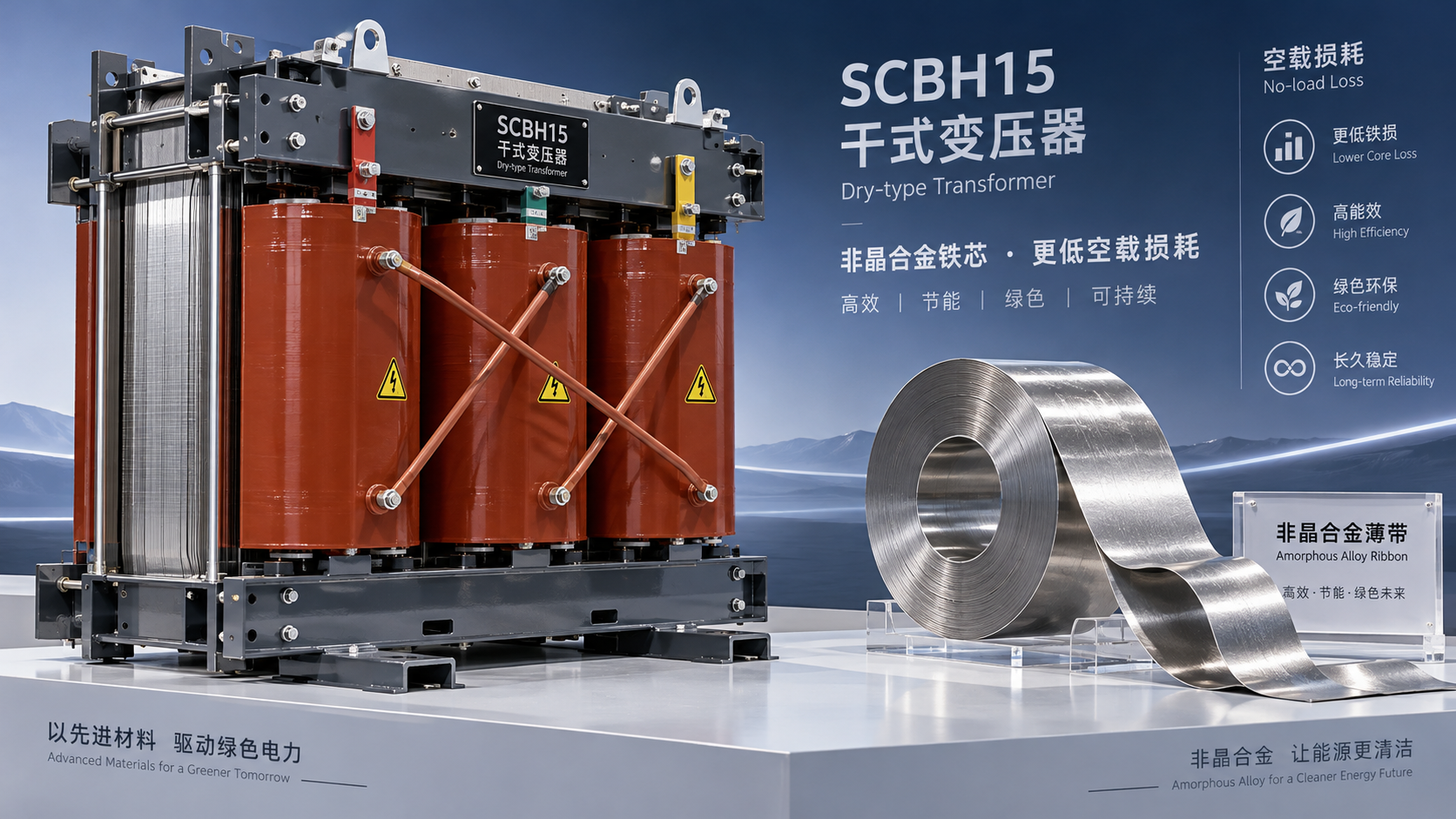
 How the amorphous core affects SCBH15 dry-type transformer losses
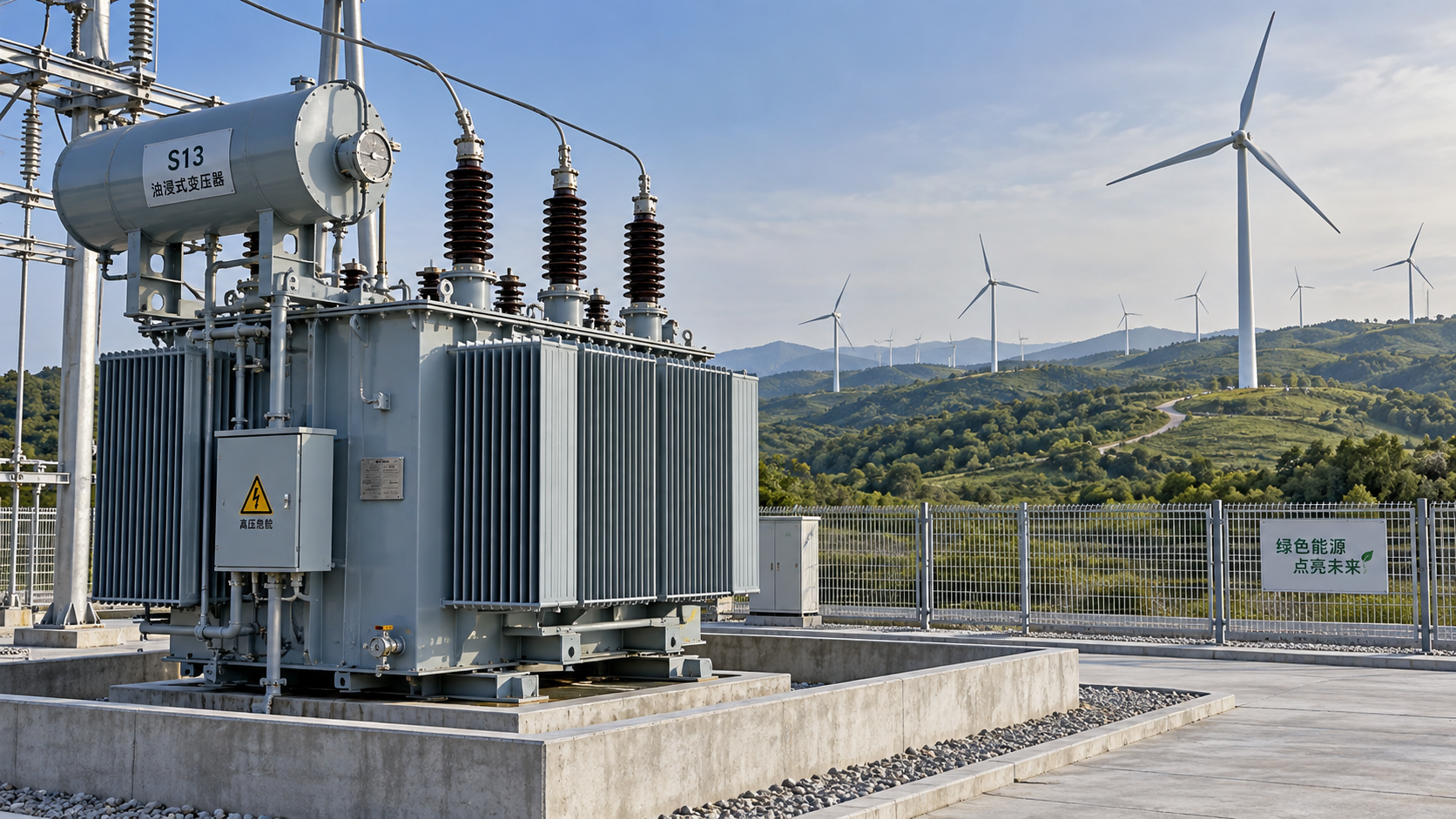
 Sizing S13 oil-immersed transformers for variable wind farm output
GET A FREE QUOTE
We offer reliable products, competitive prices, and nationwide professional support, committed to providing customers with efficient and energy-saving power equipment solutions.