


A dry-type transformer for commercial building projects is often selected when indoor safety, stable distribution, and easier maintenance matter more than anything else. In office towers, hotels, hospitals, malls, and mixed-use complexes, it supports dependable power delivery without the liquid insulation used in oil-filled units, which helps reduce fire concerns and simplifies installation planning.
That growing preference is not only about compliance. It also reflects how commercial buildings now demand quieter operation, better energy performance, and equipment that fits limited indoor electrical rooms. For anyone comparing transformer options, understanding where a dry-type design works best is an important starting point.
What a Dry-Type Transformer Actually Means
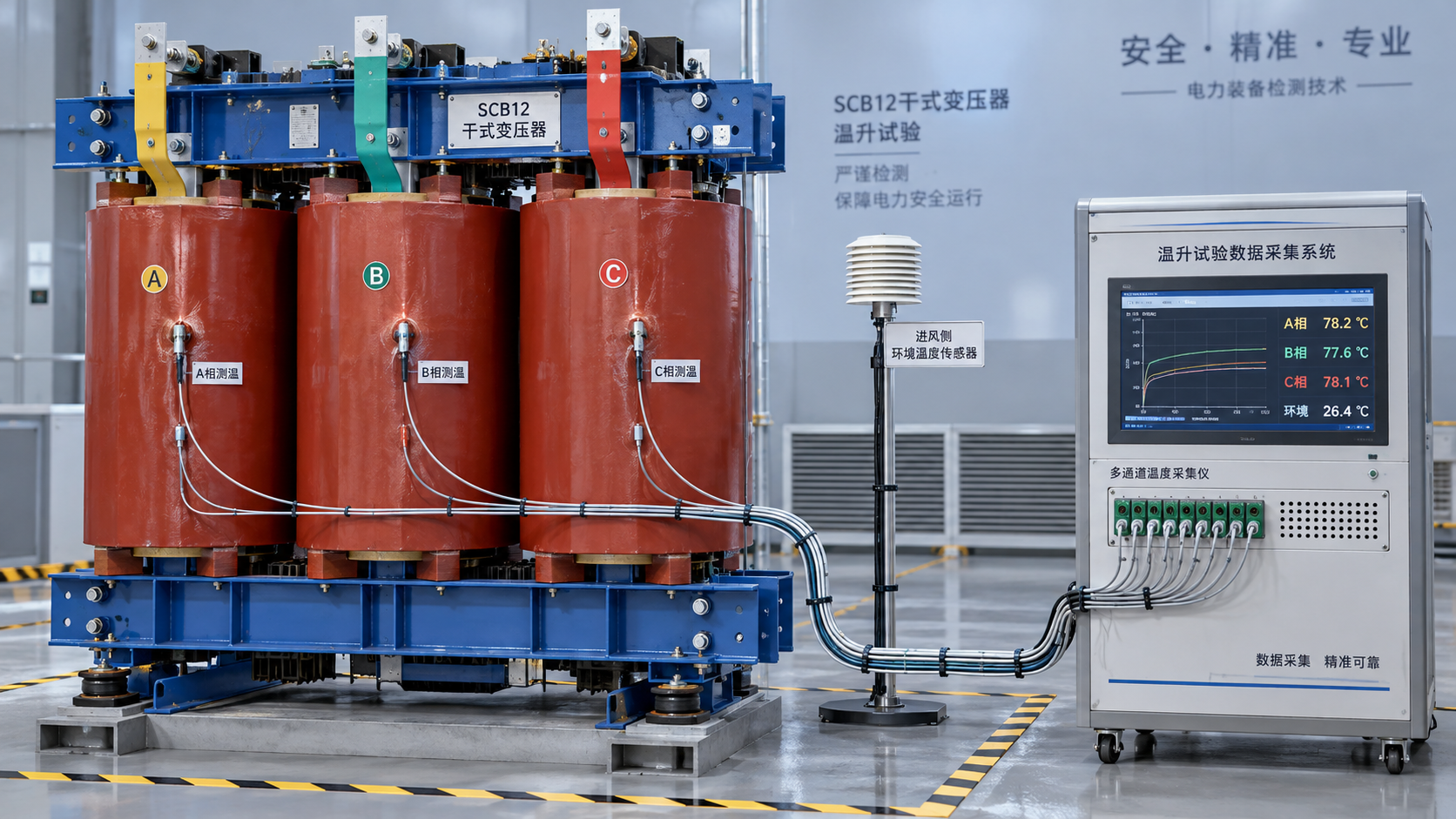
A dry-type transformer for commercial building use is a transformer that relies on air and solid insulation materials instead of insulating oil. Its windings are usually cast resin or vacuum-pressure impregnated, depending on the design and application level.
In practical terms, this means the unit is well suited for indoor environments where cleanliness, fire resistance, and low routine servicing are valued. It is commonly installed close to load centers, which can also help reduce cable losses.
This is why the dry-type transformer for commercial building segment remains highly relevant in modern transformer selection, especially in medium-voltage distribution systems such as 10KV commercial power networks.
Why Commercial Buildings Use It More Often
The strongest reason is safety. Since there is no insulating oil, the risk profile changes in a meaningful way for indoor spaces with dense occupancy, enclosed utility areas, or strict fire-control requirements.
Another reason is maintenance simplicity. A dry-type transformer for commercial building settings generally avoids oil sampling, leakage management, and some of the service tasks associated with liquid-filled equipment.
Noise and environmental conditions also matter. In buildings with retail floors, offices, and public spaces, quieter equipment and cleaner operation can improve the overall design outcome.
- Better fit for indoor electrical rooms
- Lower fire-related concern than oil-filled indoor use
- Reduced routine maintenance burden
- Good compatibility with modern building distribution layouts
Where It Delivers the Most Value
Not every project needs the same transformer solution. Still, the dry-type transformer for commercial building format is especially useful in sites where people, equipment, and power continuity are closely linked.
In these settings, transformer choice affects not only electrical performance, but also room design, ventilation, safety review, and lifecycle cost.
What the Market Is Paying Attention to
Current demand is shaped by three practical questions: how much energy the unit wastes, how much noise it produces, and how reliably it performs over time under fluctuating building loads.
Manufacturers with deeper transformer experience are responding by refining core structures, coil design, and process control. Jiangsu Shengda Power Equipment Co., Ltd. reflects this direction through R&D, production, and testing across dry-type transformers, compact substations, 10KV and 35KV models, and other power distribution products.
Its product systems are built around strict management, comprehensive inspection, and compliance with standards such as GB1094.1-2-1996 and GB/T6451-2008, supported by ISO9001 certification. That matters because transformer quality is not judged by name alone, but by process consistency and long-term operating stability.
Dry-Type Does Not Replace Every Other Option
A balanced evaluation also means recognizing where oil-immersed equipment still makes sense. Outdoor substations, larger utility interfaces, and projects focused on very high efficiency may require a different configuration.
For example, some developments use indoor dry-type units in occupied building areas while relying on efficient upstream oil-filled transformers for primary distribution. In that context, S22 Series Oil-Immersed Power Transformers can be relevant as part of the broader system rather than as a competing message.
This series follows GB20052-2020 and JB/T10088-2016, focuses on energy saving, and reduces noise by an average of 20% compared with the current national standard JB/T10088-2016. It shows how commercial projects often involve coordinated transformer selection, not a one-size-fits-all decision.
How to Judge Suitability in a Real Project
Choosing a dry-type transformer for commercial building use should begin with the building’s actual operating profile. The right answer depends on location, load pattern, ventilation, acoustic expectations, and fire-code requirements.
- Check whether the transformer must be installed indoors or near occupied areas
- Review load growth, not only current demand
- Compare no-load loss and load loss over the full operating cycle
- Look at ventilation, temperature rise, and room space constraints
- Confirm noise limits for nearby commercial functions
- Verify standards, testing, and manufacturing consistency
It is also worth checking how the transformer connects to the wider distribution architecture. In mixed developments, the dry-type transformer for commercial building use may sit downstream of compact substations, on-load tap-changing systems, or low-loss primary transformers.
A Practical Way to Move Forward
The value of a dry-type transformer for commercial building projects becomes clear when safety, indoor reliability, lifecycle maintenance, and space planning are reviewed together. It is not simply a category label; it is part of a broader electrical design strategy.
A useful next step is to map the building’s installation environment, expected load behavior, and compliance needs, then compare dry-type and oil-immersed roles within the same distribution system. That kind of structured comparison usually leads to a more accurate, project-specific decision.



 How to verify the temperature-rise test of an SCB12 dry-type transformer
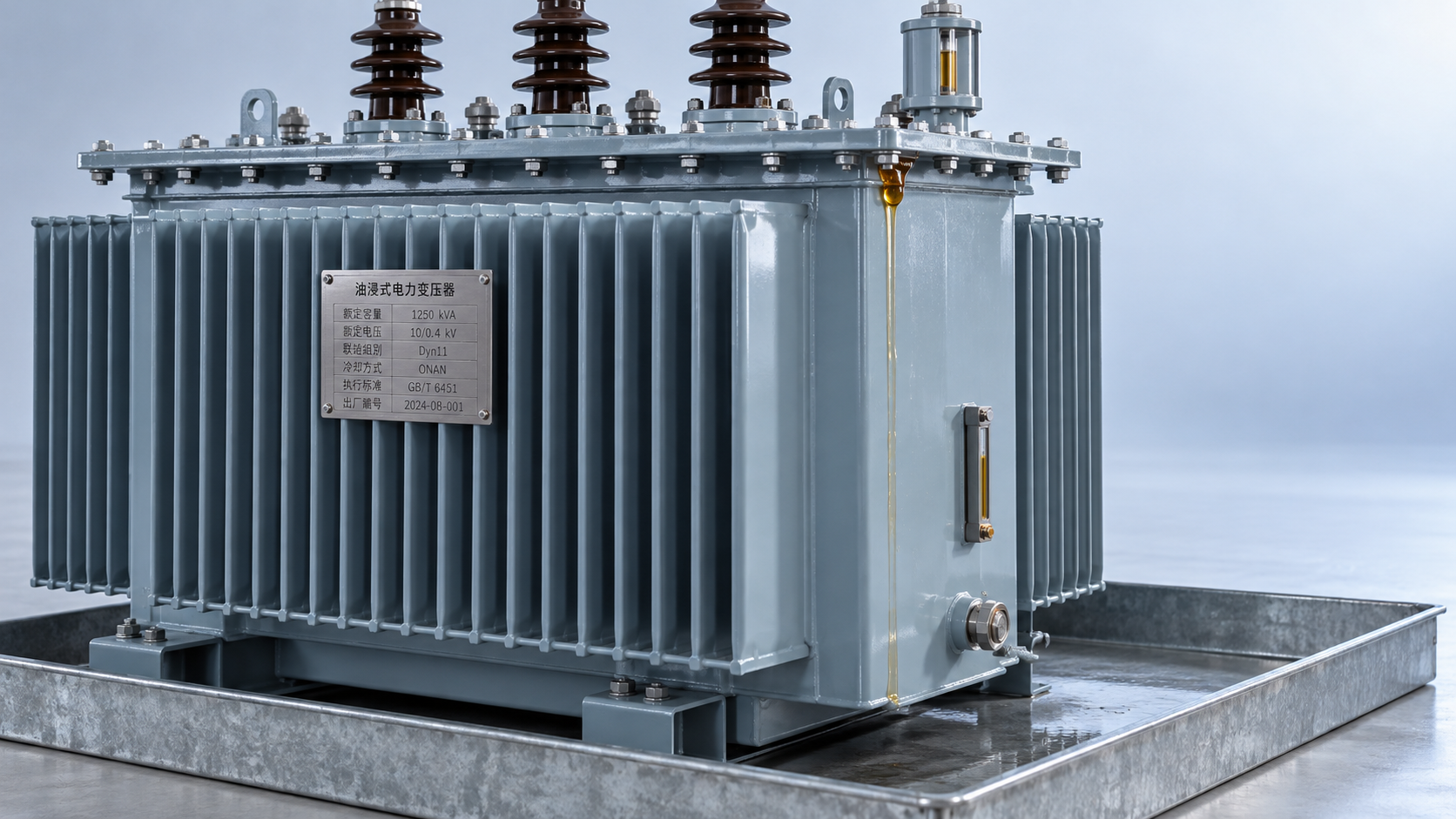
 Distribution transformer maintenance tips for spotting oil leaks
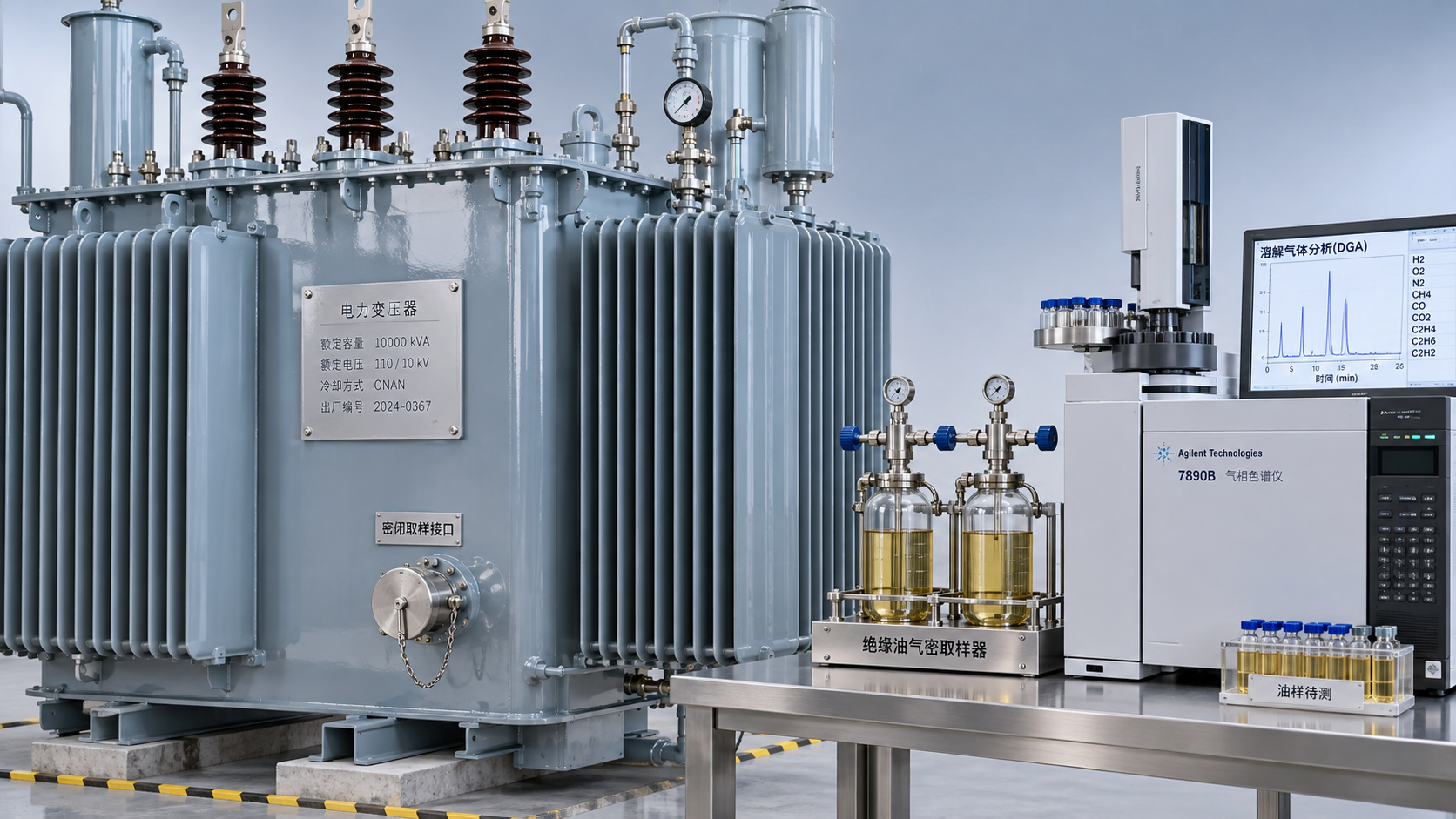
 What dissolved gas analysis reveals about an oil-immersed transformer
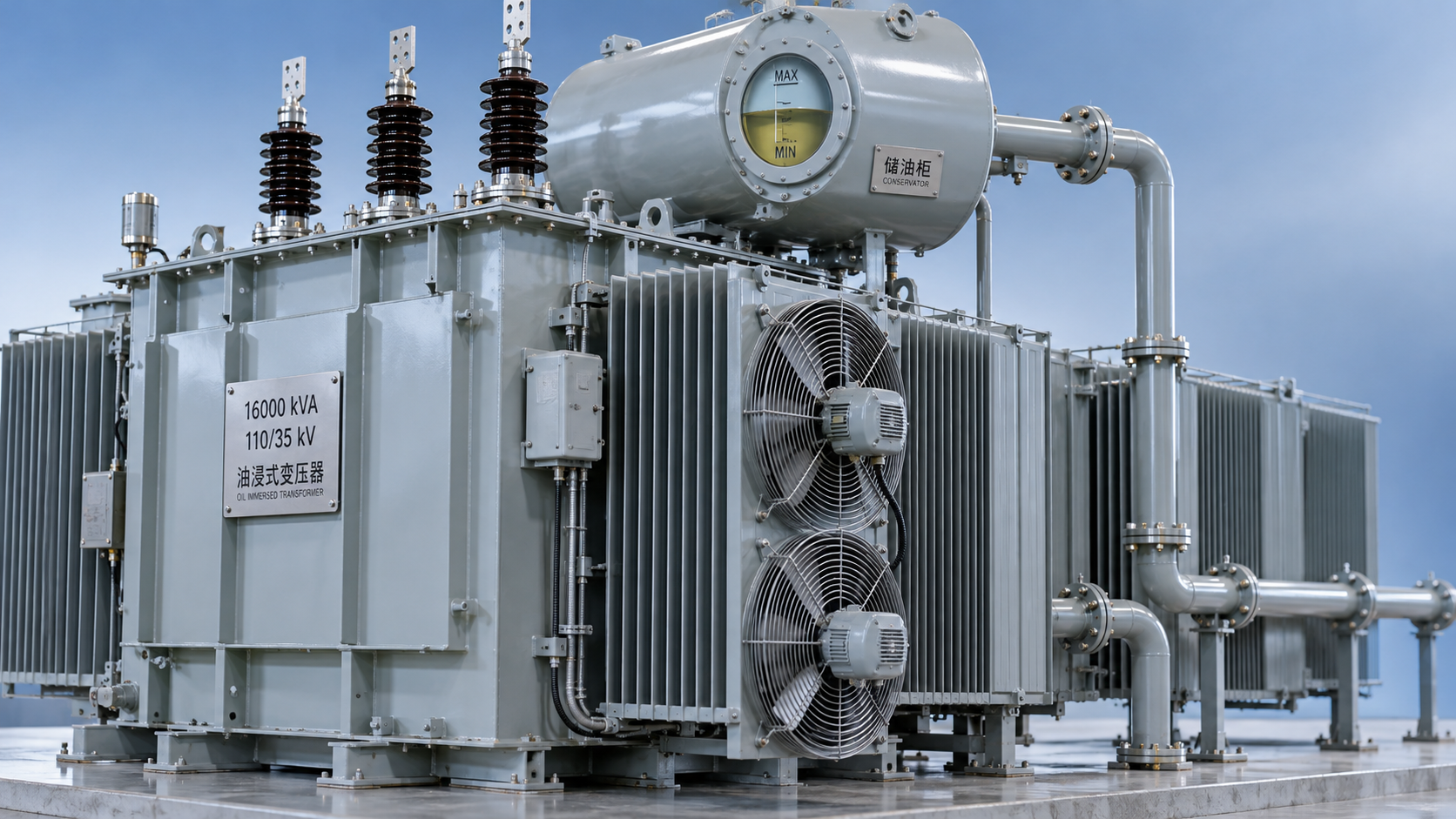
 Why an oil-cooled transformer overheats despite a normal oil level
 How the amorphous core affects SCBH15 dry-type transformer losses
 Sizing S13 oil-immersed transformers for variable wind farm output
GET A FREE QUOTE
We offer reliable products, competitive prices, and nationwide professional support, committed to providing customers with efficient and energy-saving power equipment solutions.