


Dry-Type Transformer for Commercial Building vs Oil-Filled: Which Fits Better?
Choosing between a dry-type transformer for commercial building use and an oil-filled unit shapes safety, operating cost, and layout flexibility.
The decision also affects maintenance planning, compliance work, and long-term energy performance.
In practice, there is no universal winner.
The better option depends on building type, fire rules, space limits, load profile, and total lifecycle value.
This guide compares both technologies in a practical way, so selection becomes easier and less risky.
What a Dry-Type Transformer for Commercial Building Projects Offers
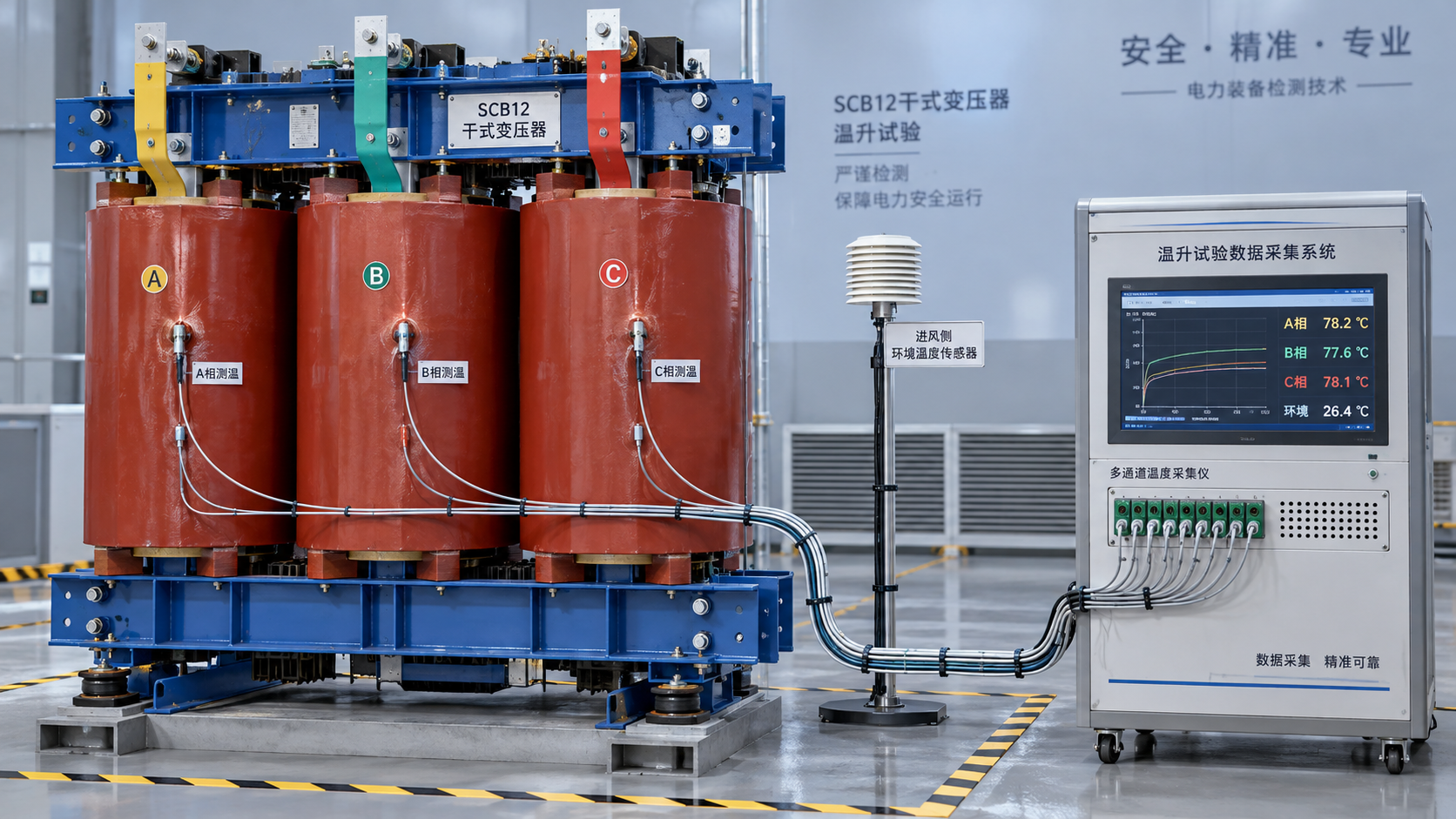
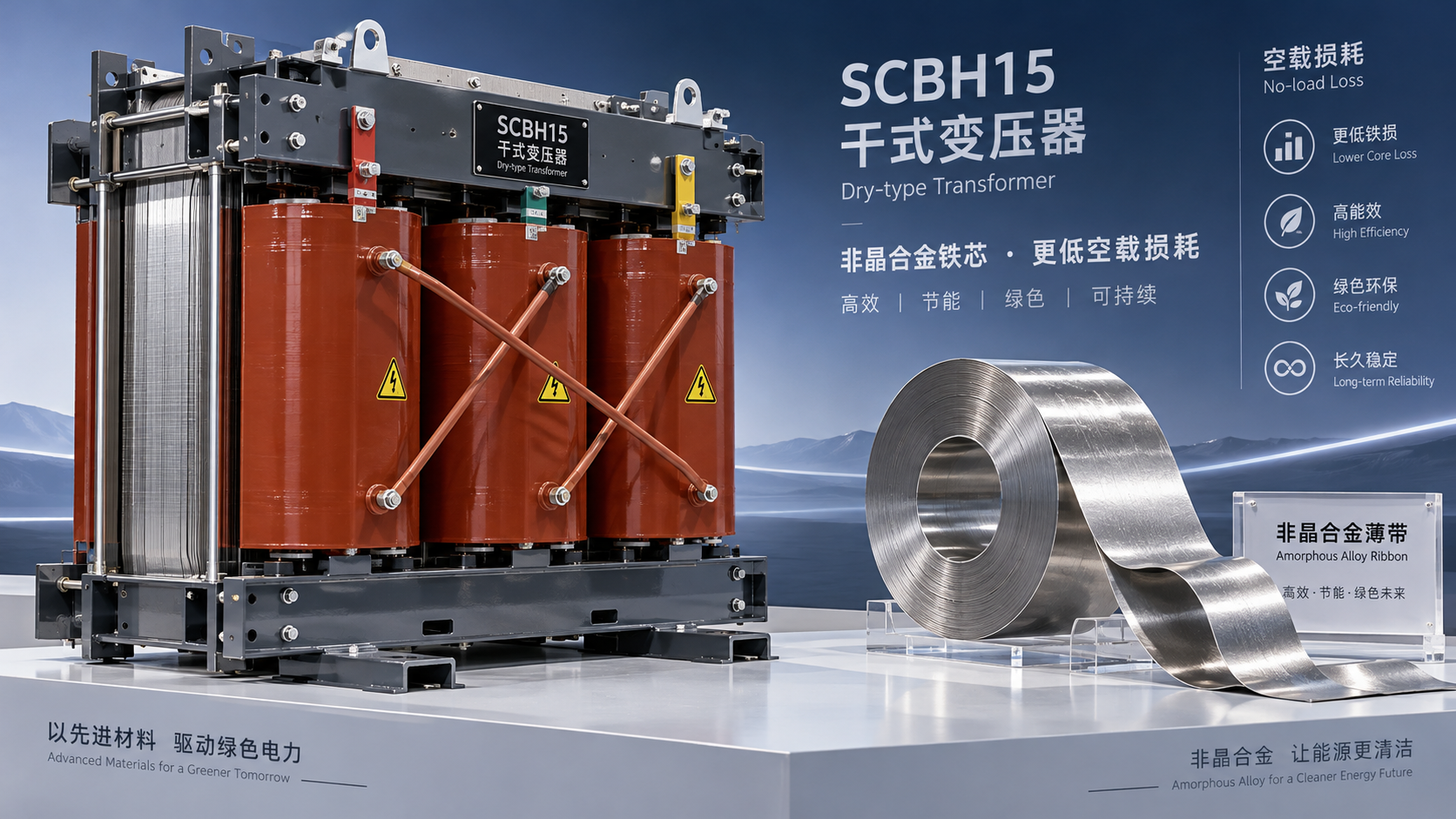
A dry-type transformer for commercial building applications uses air for cooling instead of insulating oil.
That makes it a common choice for indoor installations.
You often see it in offices, malls, hotels, hospitals, schools, and mixed-use towers.
Its biggest advantage is safety in enclosed areas.
Without oil, leakage risk is lower, and fire protection design is usually simpler.
This matters when the transformer room sits close to occupied spaces.
Typical strengths
- Better fit for indoor use and tight building layouts.
- Lower concern about oil spills and contamination.
- Easier coordination with fire safety requirements.
- Less routine fluid-related maintenance.
Main trade-offs
- Usually higher initial cost at similar ratings.
- Cooling performance can be more sensitive to ventilation quality.
- Very harsh environments may reduce long-term reliability if protection is poor.
Where Oil-Filled Transformers Still Make Sense
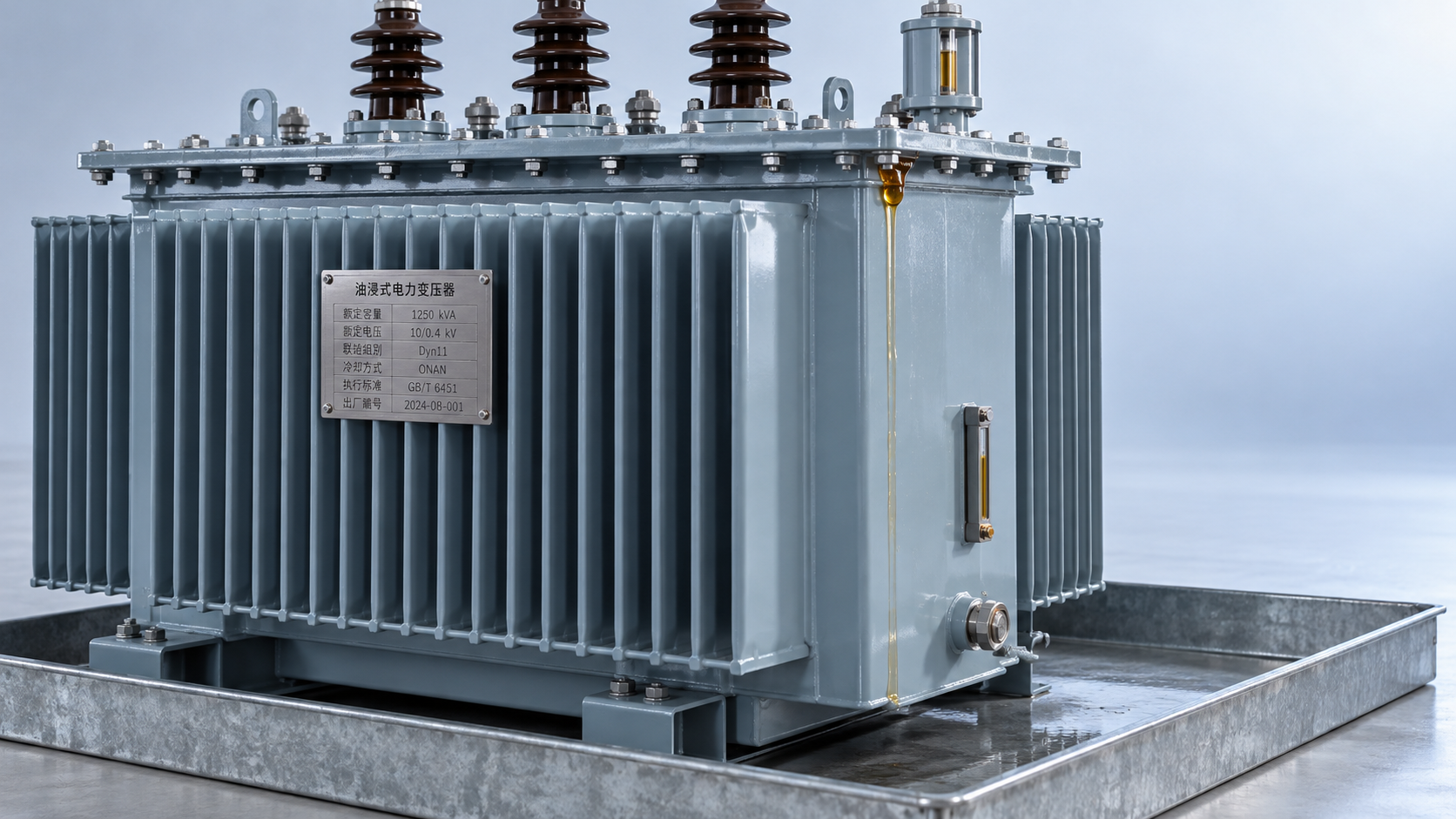
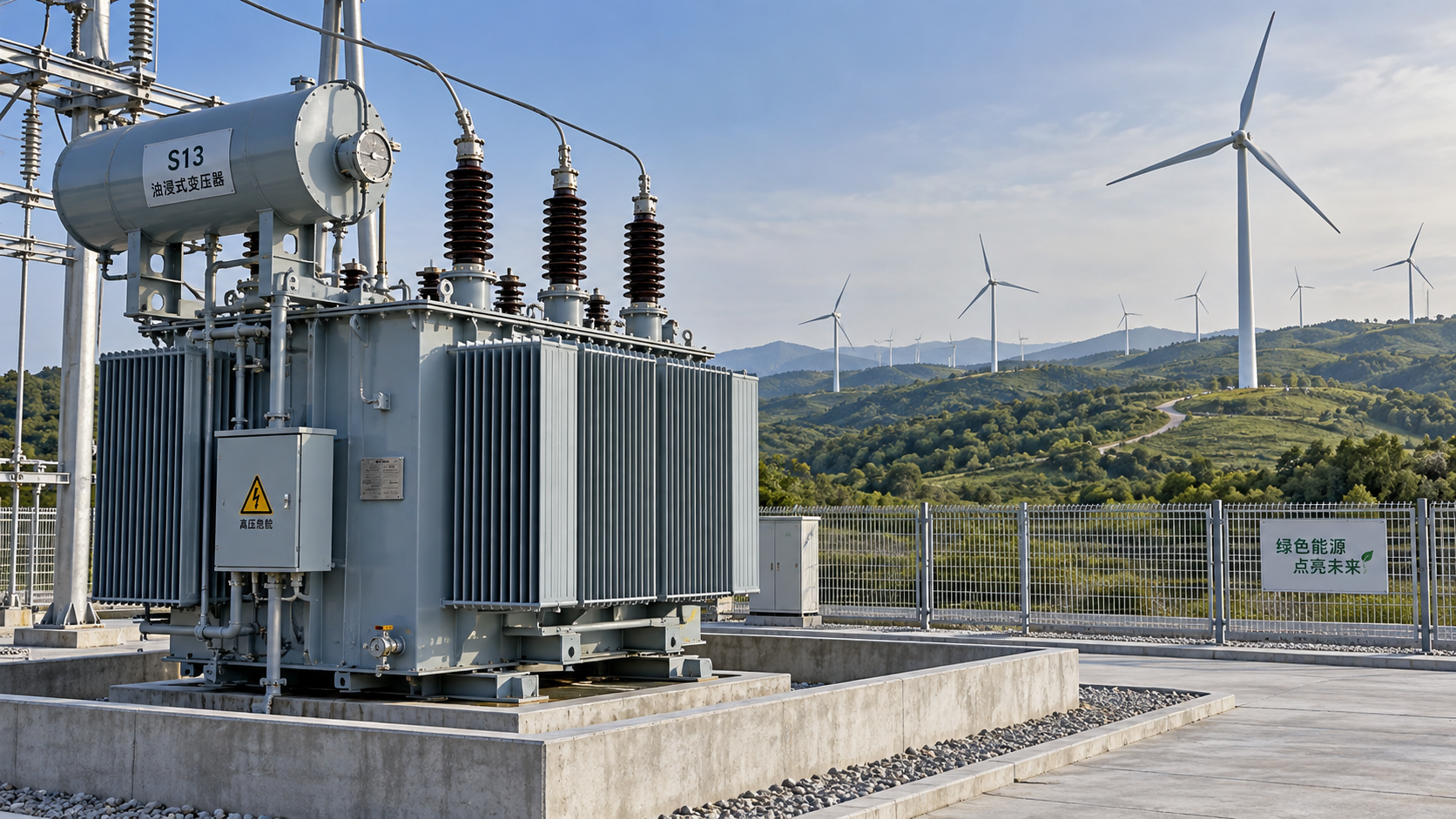
Oil-filled transformers remain a strong choice for many commercial power systems.
They are especially competitive when capacity is larger and installation space is less constrained.
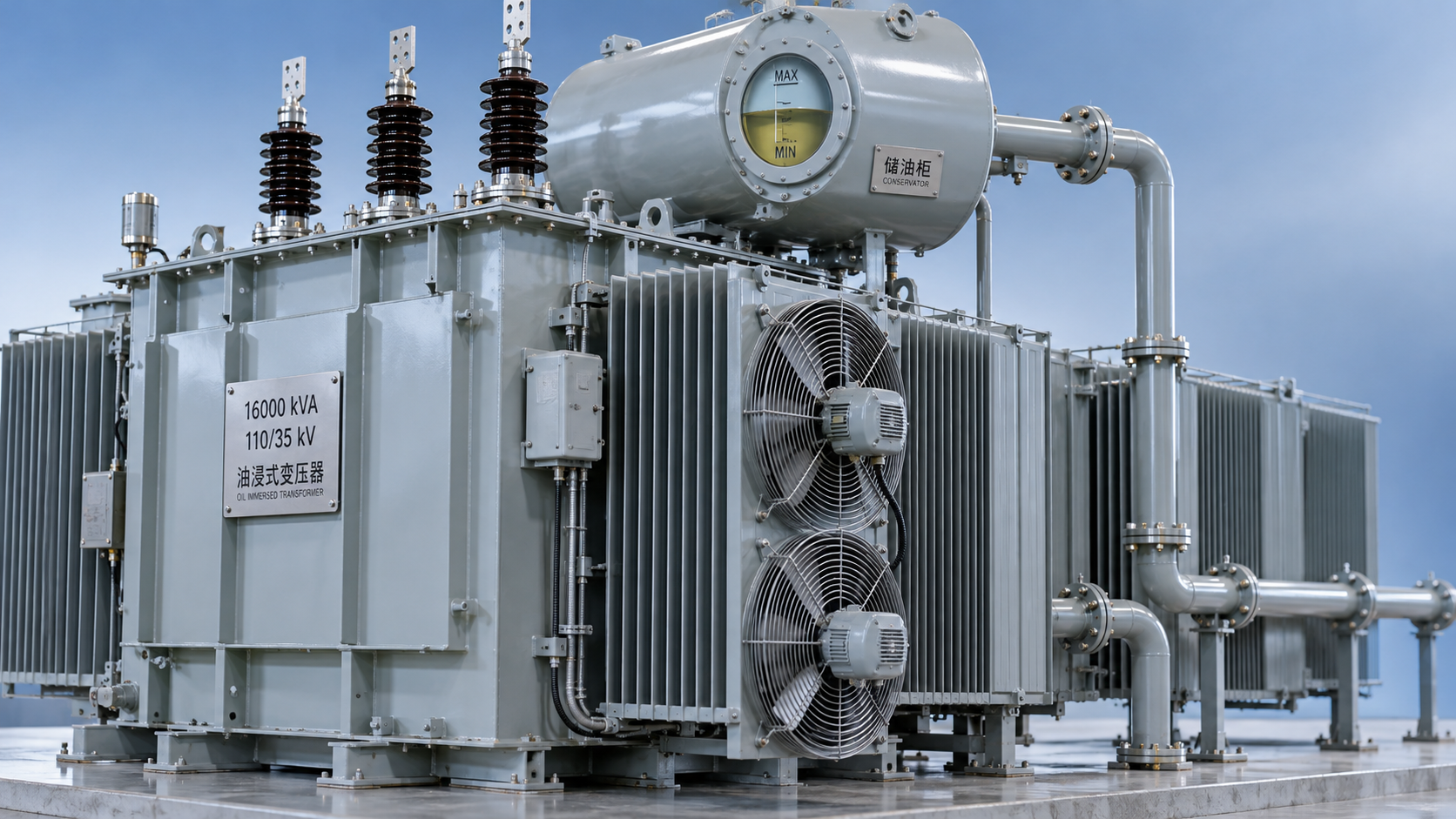
These units generally offer strong heat dissipation and stable performance under continuous loading.
For outdoor substations or separate utility areas, the oil-filled option can be highly cost-effective.
A good example is S22 Series Oil-Immersed Power Transformers.
This series is designed around energy saving, lower no-load loss, and reduced noise.
It also complies with GB20052-2020 and JB/T10088-2016, which supports confident specification work.
Available models range from 30kVA to 2500kVA, covering many commercial distribution needs.
Typical strengths
- Often lower purchase cost at higher capacities.
- Strong overload and cooling performance.
- Mature technology with broad application history.
- Good fit for outdoor transformer yards and independent substations.
Main trade-offs
- Needs more attention to fire separation and oil containment.
- Routine inspection is more involved.
- Indoor placement can be harder in premium commercial space.
Dry-Type Transformer for Commercial Building Selection: Key Decision Factors
When evaluating a dry-type transformer for commercial building projects, four factors usually drive the final answer.
1. Installation location
If the transformer must sit inside the building, dry-type often has the edge.
If it can be placed outdoors or in a detached substation, oil-filled becomes more attractive.
2. Fire and environmental requirements
High-rise offices, hospitals, and retail complexes usually face stricter internal safety expectations.
That often supports choosing a dry-type transformer for commercial building use.
3. Capacity and load pattern
Large and stable loads may justify oil-filled designs because thermal efficiency stays strong over long operating hours.
For moderate indoor loads, dry-type may provide a better balance.
4. Lifecycle cost
Do not compare purchase price alone.
Include ventilation upgrades, fire system costs, inspection workload, downtime risk, and energy loss over time.
Side-by-Side Comparison
A Practical Recommendation by Building Type
For office buildings, hotels, hospitals, and shopping centers, a dry-type transformer for commercial building projects is often the safer default.
It works especially well when the unit stays close to occupied zones.
For campuses, logistics parks, large commercial compounds, or sites with external substations, oil-filled units may deliver better value.
From a long-term view, the best choice comes from matching risk profile, load demand, and installation conditions.
How to Make the Final Choice
Start with the building layout and local compliance requirements.
Then compare rated capacity, future expansion, ventilation conditions, and total ownership cost.
A dry-type transformer for commercial building use is usually the right answer when indoor safety and flexibility lead the discussion.
An oil-filled transformer often wins when outdoor deployment, higher capacity, and cost efficiency matter more.
Jiangsu Shengda Power Equipment Co., Ltd. supports this evaluation with transformer R&D, advanced manufacturing, strict inspection, and ISO9001-certified quality management.
If the goal is reliable commercial power distribution, a structured comparison today prevents expensive redesigns tomorrow.



 How to verify the temperature-rise test of an SCB12 dry-type transformer
 Distribution transformer maintenance tips for spotting oil leaks
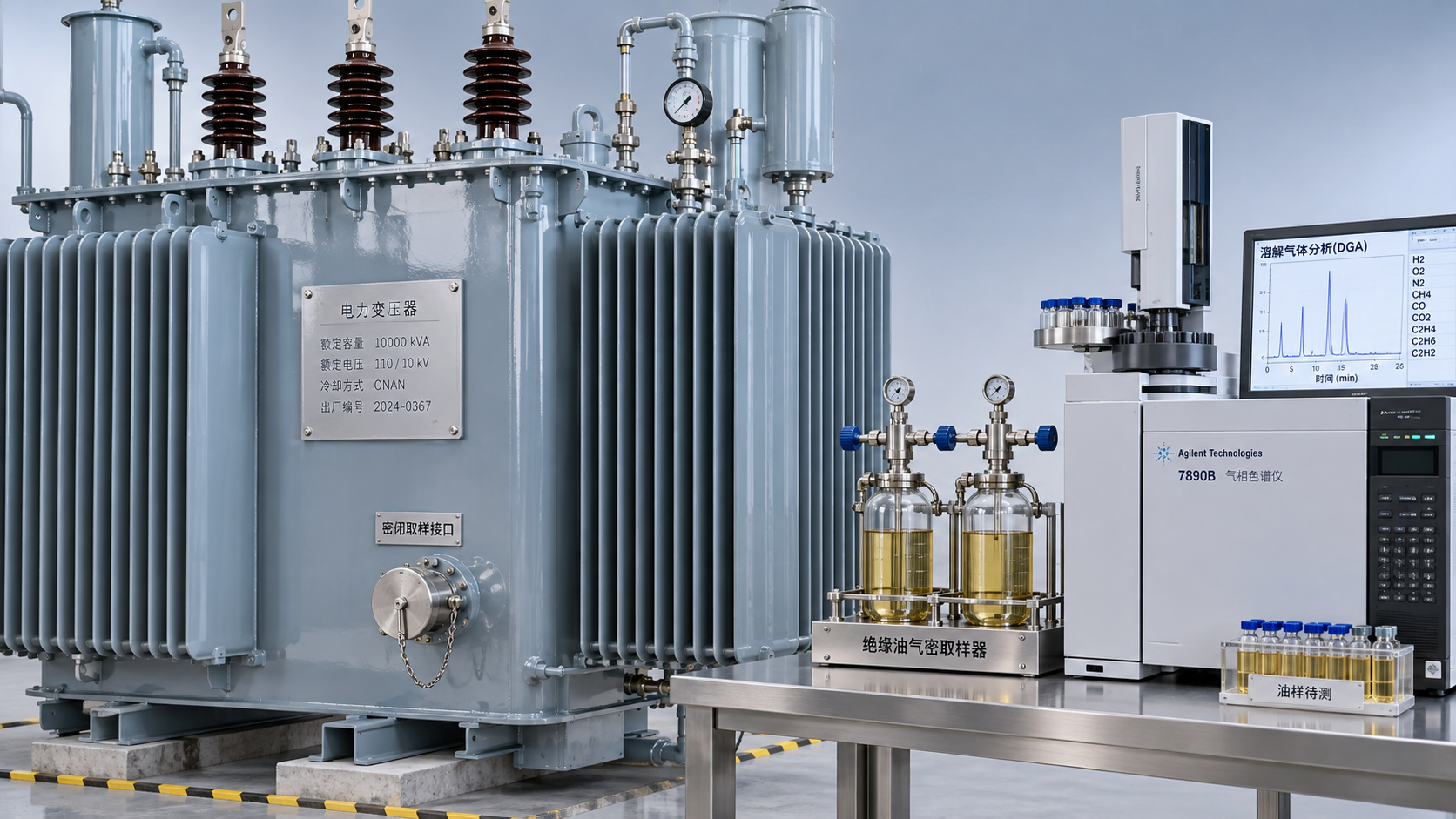
 What dissolved gas analysis reveals about an oil-immersed transformer
 Why an oil-cooled transformer overheats despite a normal oil level
 How the amorphous core affects SCBH15 dry-type transformer losses
 Sizing S13 oil-immersed transformers for variable wind farm output
GET A FREE QUOTE
We offer reliable products, competitive prices, and nationwide professional support, committed to providing customers with efficient and energy-saving power equipment solutions.