


Dry-Type Transformer vs Oil-Filled Transformer: Pros, Limits, and Use Cases
Choosing between a dry-type transformer and an oil-filled transformer affects safety, maintenance, installation flexibility, and lifetime cost.
That decision matters even more in commercial buildings, factories, infrastructure projects, and utility distribution upgrades.
In simple terms, both options do the same core job.
They step voltage up or down.
But their cooling method, fire behavior, maintenance demand, and preferred use cases are very different.
If the goal is a reliable and cost-effective selection, it helps to compare them through real operating priorities instead of price alone.
What Makes a Dry-Type Transformer Different?
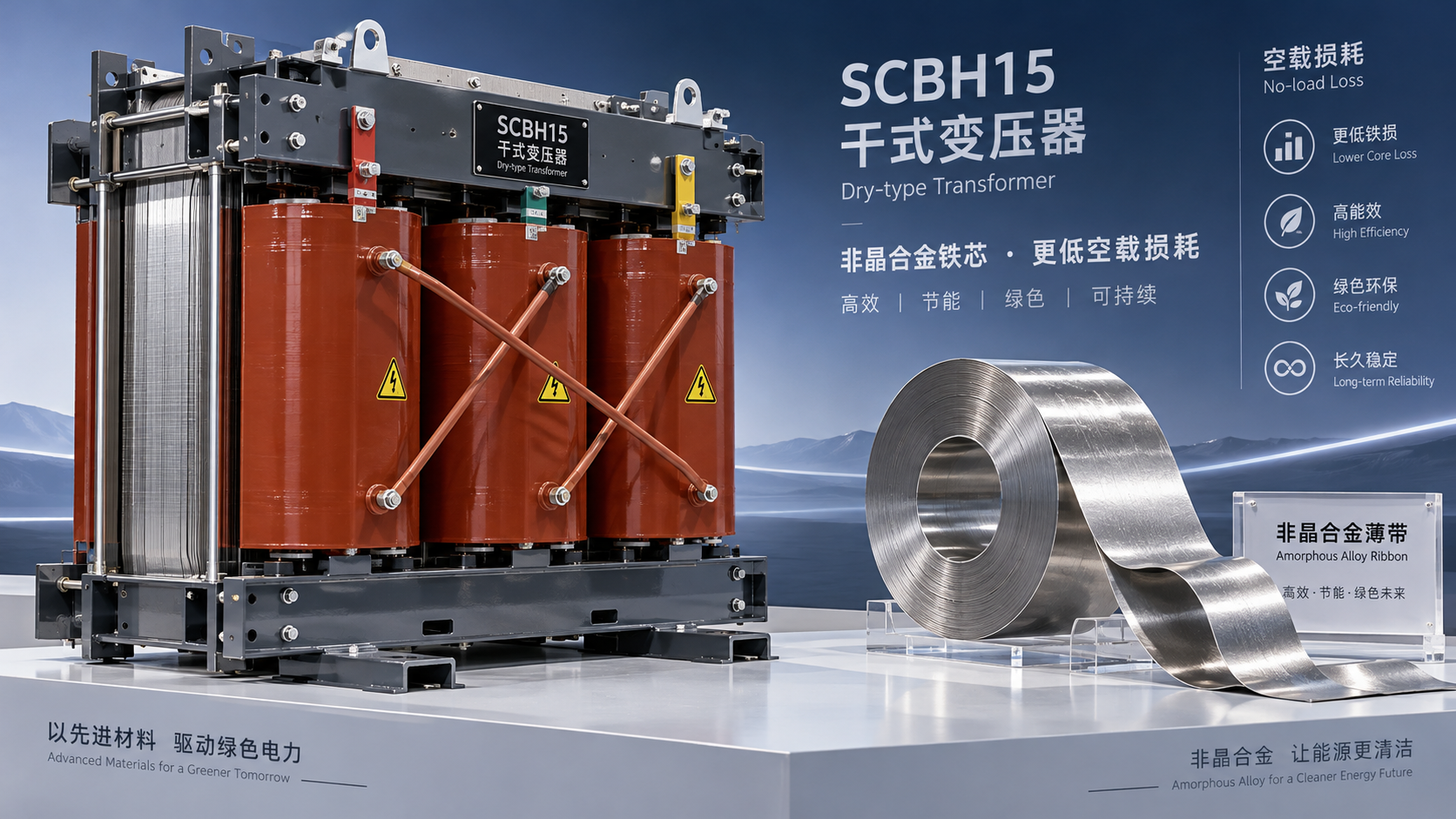
A dry-type transformer uses air as the main cooling medium.
Its windings are usually cast in resin or insulated without oil.
That design removes the risk of oil leakage and reduces fire concerns in indoor installations.
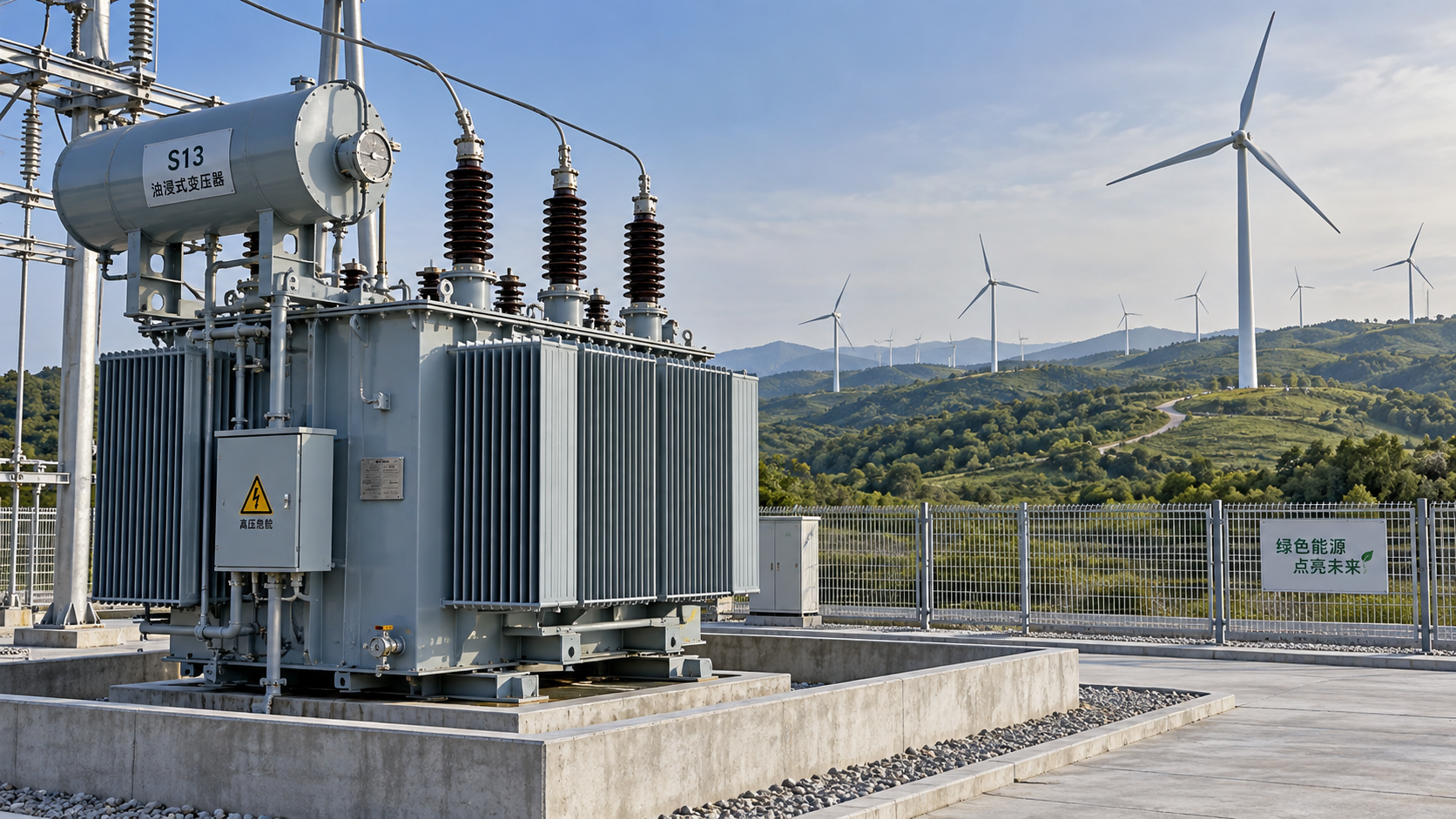
An oil-filled transformer uses mineral oil or similar insulating liquid for cooling and insulation.
This often supports higher capacity and strong heat dissipation, especially outdoors.
So the real comparison is not which type is better in theory.
It is which type fits the project environment, load profile, safety target, and maintenance model.
Key Advantages of a Dry-Type Transformer
The biggest advantage of a dry-type transformer is safety in occupied spaces.
Because there is no insulating oil, there is less concern about leakage, contamination, or oil-related fire spread.
- Better suited for indoor power distribution
- Lower environmental risk from leaks
- Simpler maintenance in many facilities
- Good fit for sites with strict fire protection rules
This is why a dry-type transformer is common in hospitals, data-related facilities, airports, rail stations, malls, and high-rise buildings.
Another practical benefit is placement flexibility.
Many dry-type units can be installed closer to the load center.
That can reduce cable length, lower line loss, and simplify distribution planning.
For example, SCB14 Type Dry-Type Transformer uses epoxy resin insulation and is designed for low noise, reduced no-load loss, and maintenance-free operation.
That makes it especially suitable where uptime, fire resistance, and stable indoor performance matter.
Where Oil-Filled Transformers Still Lead
Oil-filled transformers still have strong value in large-capacity and outdoor applications.
They usually handle heat dissipation very well.
They are often preferred for utility networks, substations, industrial yards, and remote installations.
In many cases, the upfront purchase cost per kVA can also be lower.
That matters for projects driven by capacity expansion and budget discipline.
Still, these benefits come with trade-offs.
- Oil testing and condition monitoring are needed
- Leak management becomes part of operations
- Fire protection design may be more demanding
- Indoor installation can face more restrictions
So while oil-filled units perform well in heavy-duty conditions, they are not always the best choice for people-dense environments.
Dry-Type Transformer vs Oil-Filled Transformer: Decision Factors
A useful selection process starts with five practical questions.
- Is the transformer installed indoors or outdoors?
- How strict are local fire and environmental requirements?
- What is the actual load pattern over time?
- How much maintenance support is available on site?
- Is lowest purchase cost more important than lifecycle value?
When these questions are answered clearly, the right transformer type usually becomes obvious.
Best Use Cases for Each Transformer Type
A dry-type transformer is often the smarter choice in these settings:
- High-rise buildings with indoor transformer rooms
- Airports, docks, and railway stations
- Hospitals, malls, and office complexes
- Flammable or explosive environments
- Projects with high fire protection requirements
Oil-filled transformers are often more suitable here:
- Outdoor substations and utility distribution points
- Large industrial plants with open installation space
- Projects requiring higher capacity at lower initial cost
- Sites with established maintenance teams
This is where product design details start to matter.
For instance, the SC(B)14 series meets GB20052-2020 level 2 efficiency requirements, offers low noise, and supports economical long-term operation.
Those features are valuable when selecting a dry-type transformer for load centers in busy buildings or critical facilities.
A Practical Selection Approach
In actual projects, transformer selection should balance technical performance with operating reality.
That includes energy efficiency, noise limits, safety codes, fault resistance, and maintenance resources.
Jiangsu Shengda Power Equipment Co., Ltd. focuses on transformer research, production, and quality-controlled manufacturing.
Its product range covers low-loss power transformers, 10KV and 35KV models, dry-type series, compact substations, amorphous alloy transformers, and on-load tap-changing power transformers.
With compliance to standards such as GB1094.1-2-1996 and GB/T6451-2008, plus ISO9001 certification, the company supports projects that need dependable quality and consistent performance.
If the project prioritizes indoor safety, low maintenance, low noise, and installation near the load, a dry-type transformer often delivers better overall value.
If the priority is outdoor heavy-duty capacity with cost-sensitive scaling, oil-filled designs may remain the stronger fit.
Final Takeaway
The best transformer choice is rarely about one feature.
It is about matching the transformer type to the project’s risk profile, operating environment, and lifecycle goals.
A dry-type transformer stands out where fire safety, clean operation, and indoor reliability are critical.
An oil-filled transformer remains effective where outdoor installation, large capacity, and budget efficiency lead the decision.
For teams comparing options, the smartest next step is to review the installation environment, load demand, and compliance needs together before locking in the specification.



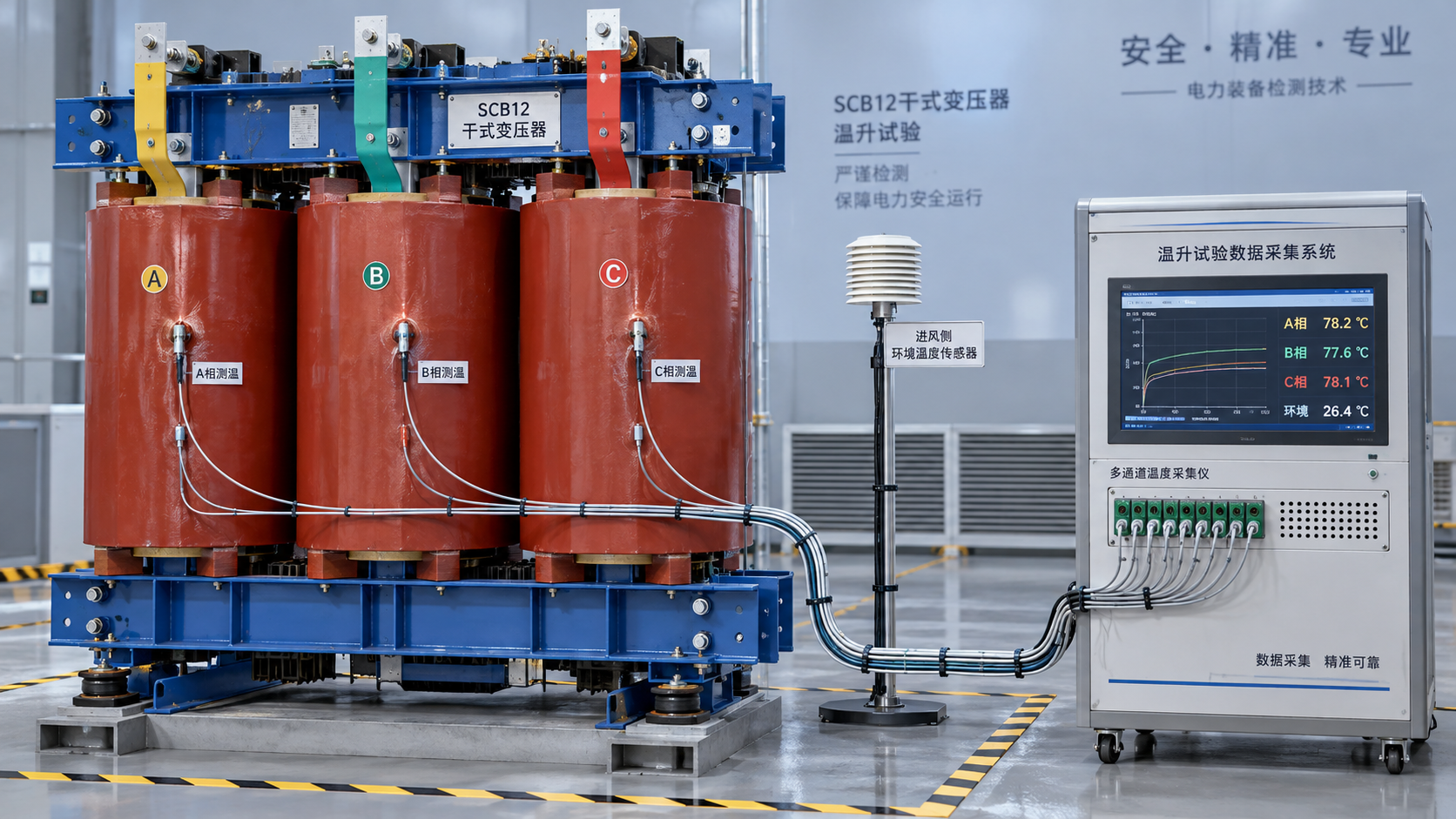
 How to verify the temperature-rise test of an SCB12 dry-type transformer
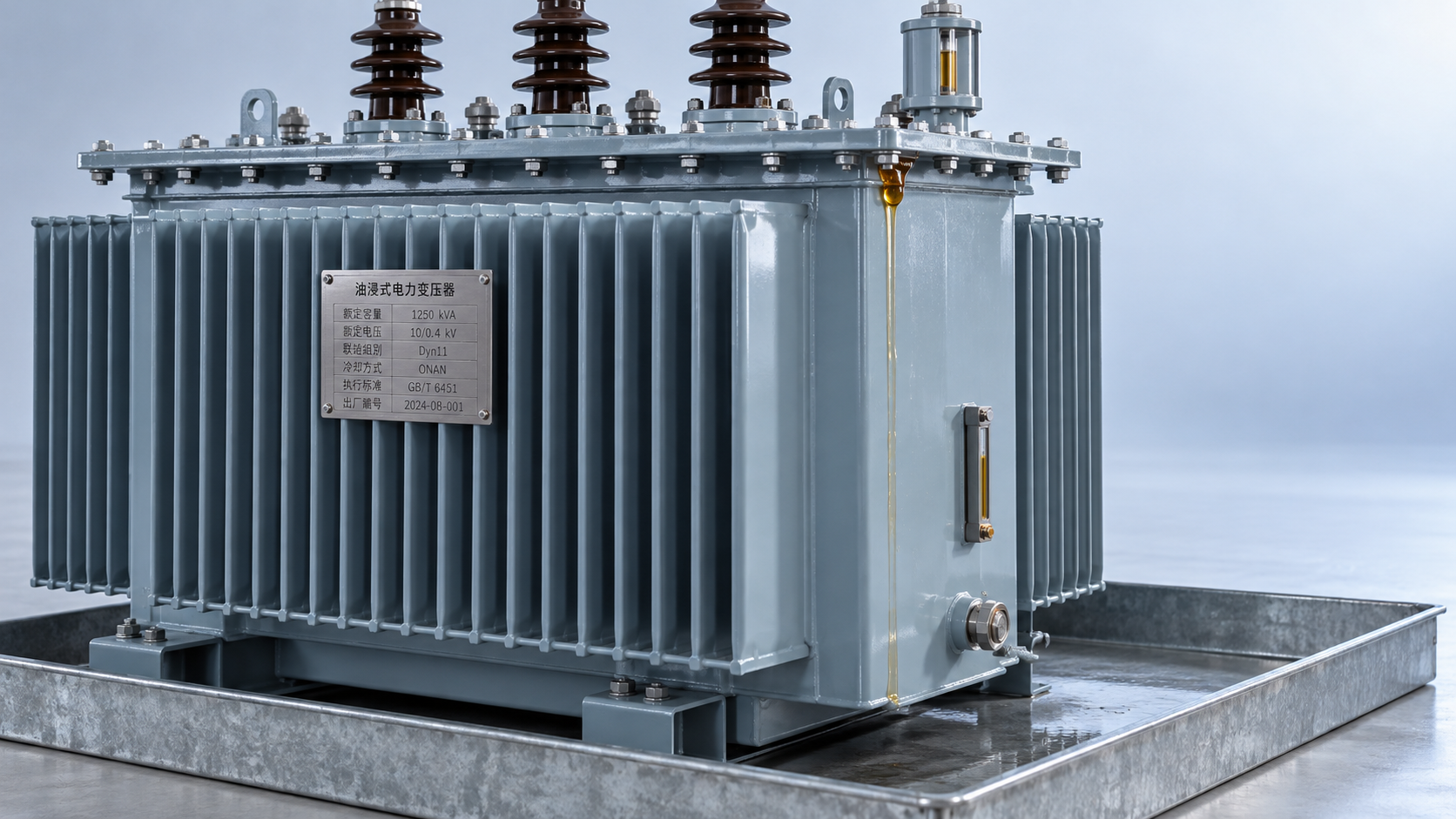
 Distribution transformer maintenance tips for spotting oil leaks
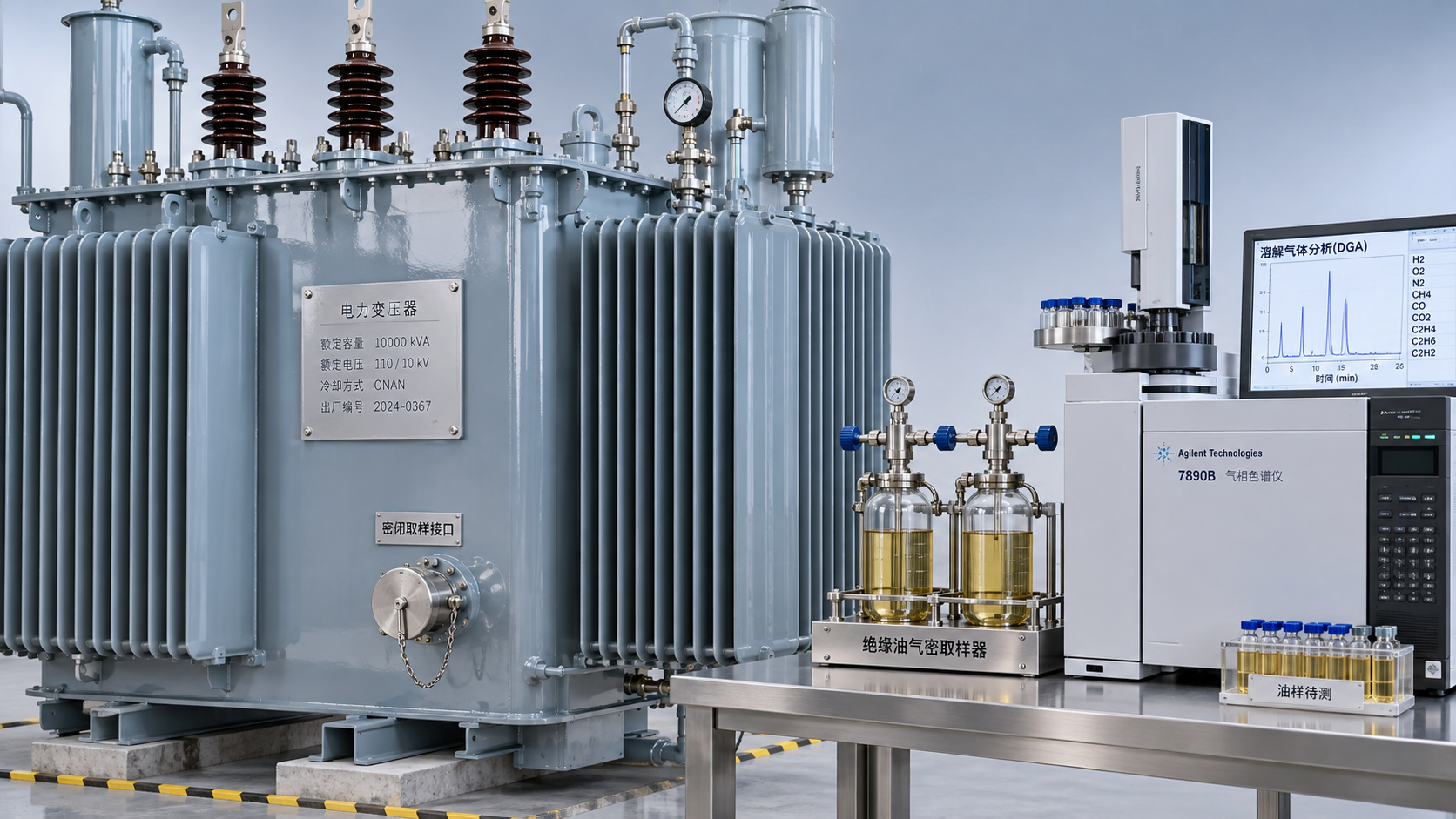
 What dissolved gas analysis reveals about an oil-immersed transformer
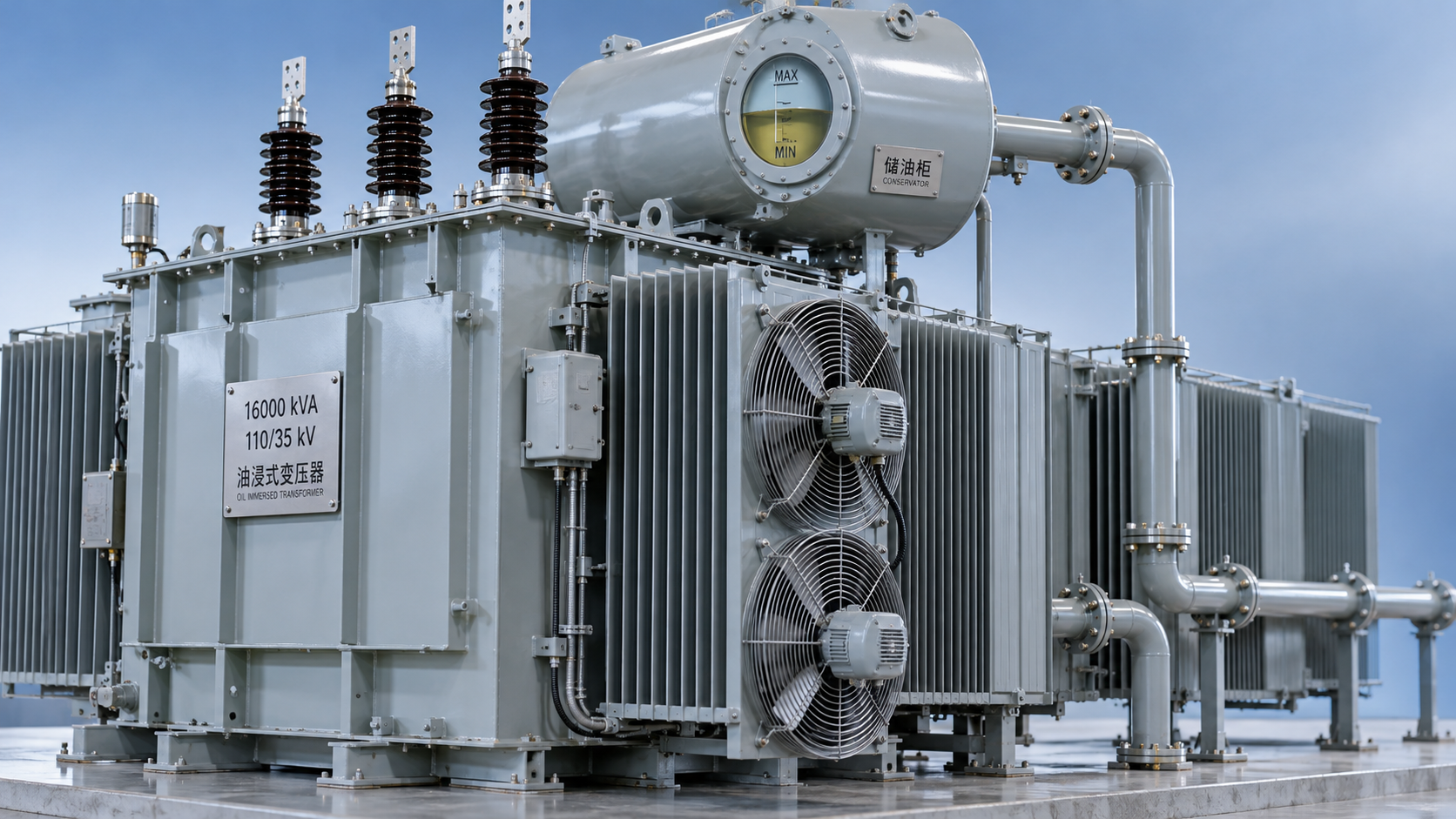
 Why an oil-cooled transformer overheats despite a normal oil level
 How the amorphous core affects SCBH15 dry-type transformer losses
 Sizing S13 oil-immersed transformers for variable wind farm output
GET A FREE QUOTE
We offer reliable products, competitive prices, and nationwide professional support, committed to providing customers with efficient and energy-saving power equipment solutions.