


Choosing between a dry-type transformer and an oil-immersed transformer shapes more than equipment selection. It affects fire safety, layout planning, operating cost, maintenance rhythm, and long-term reliability across the whole power distribution scheme.
That decision matters even more in projects facing tighter energy targets, denser buildings, and stricter compliance reviews. A suitable transformer should match the site, the load profile, and the operational expectations from day one.
In transformer applications, the comparison is rarely about which type is universally better. The practical question is which option fits the project’s environment, risk tolerance, installation conditions, and lifecycle priorities.
What separates the two transformer types
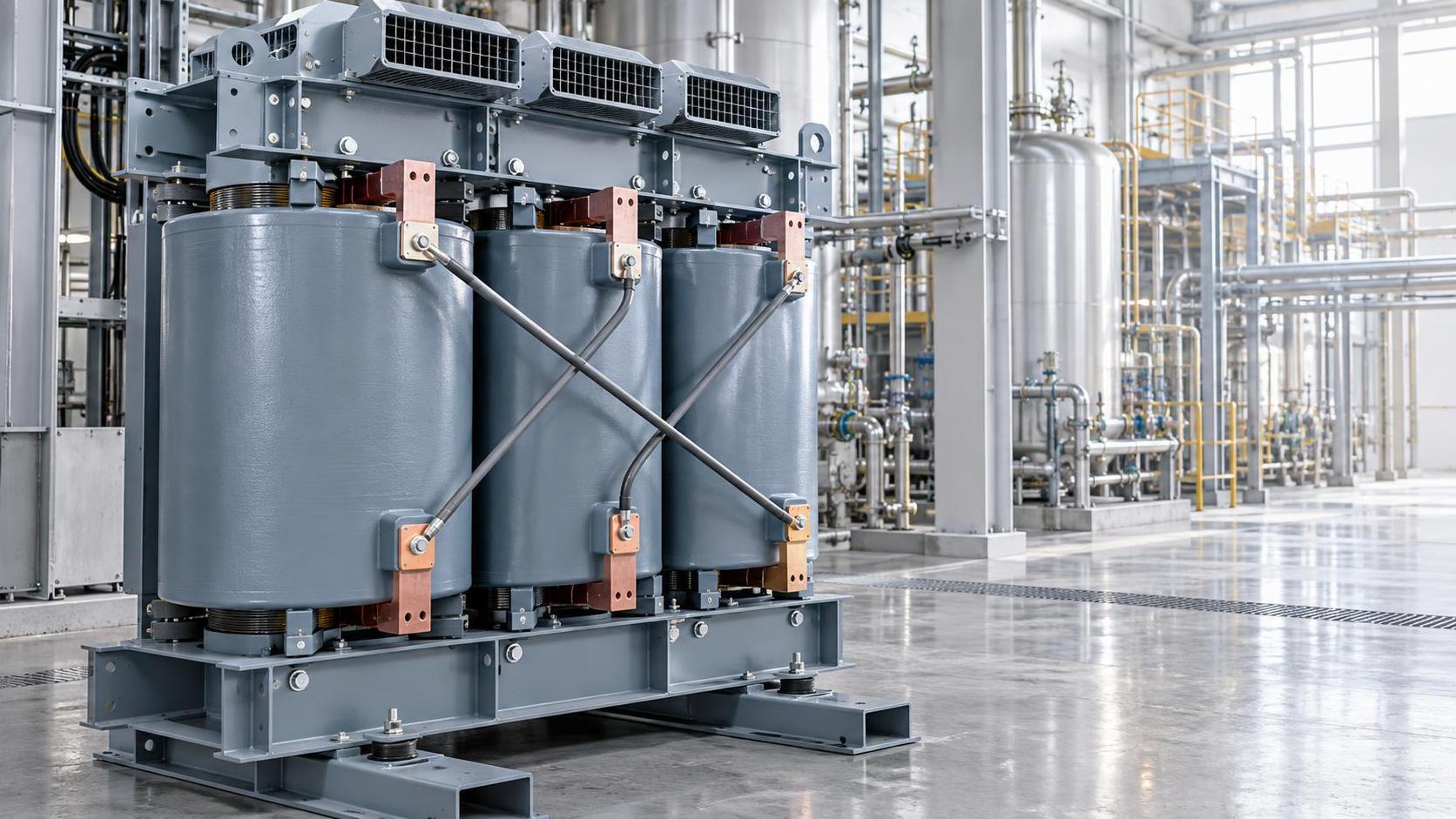
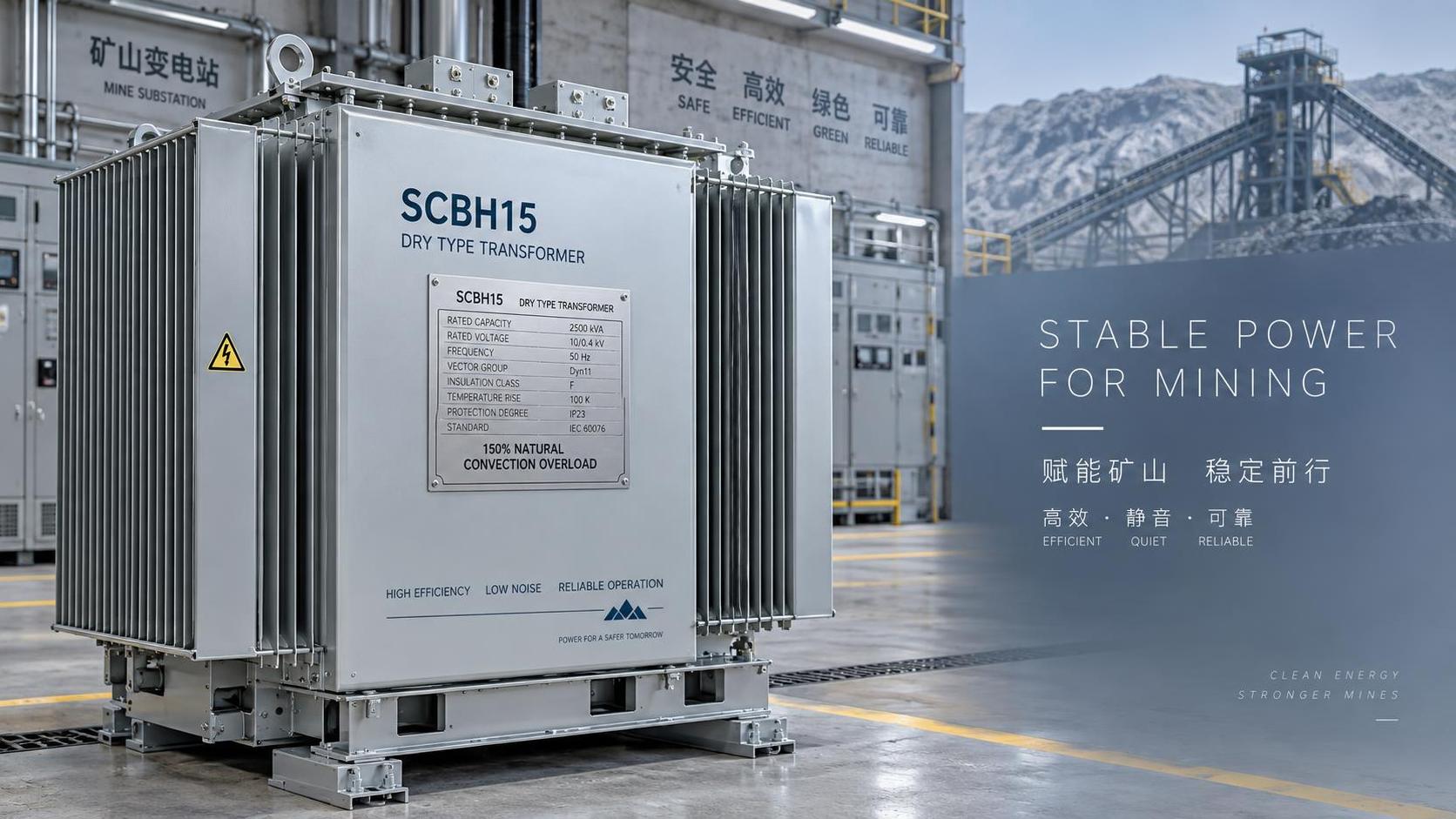
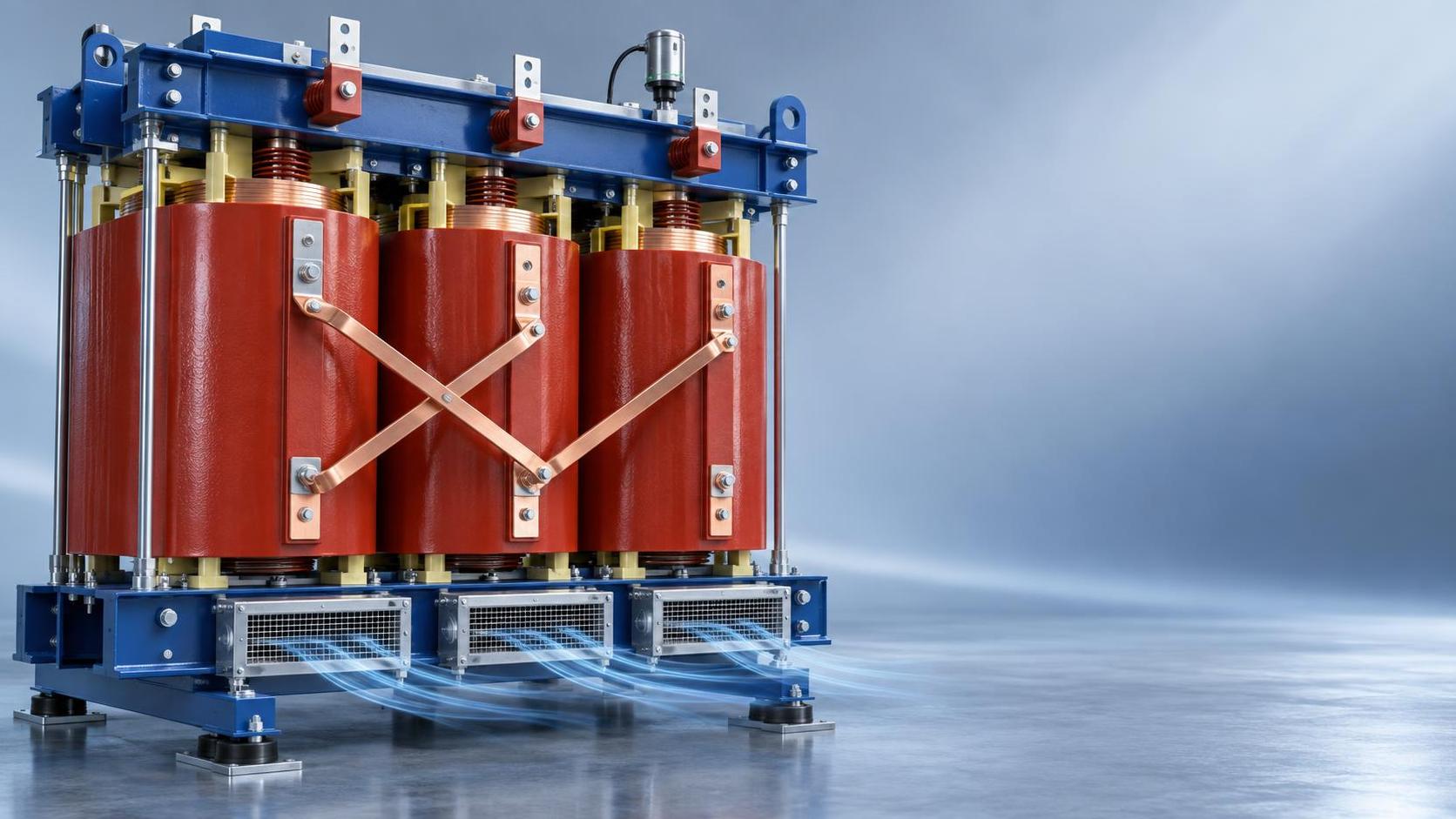
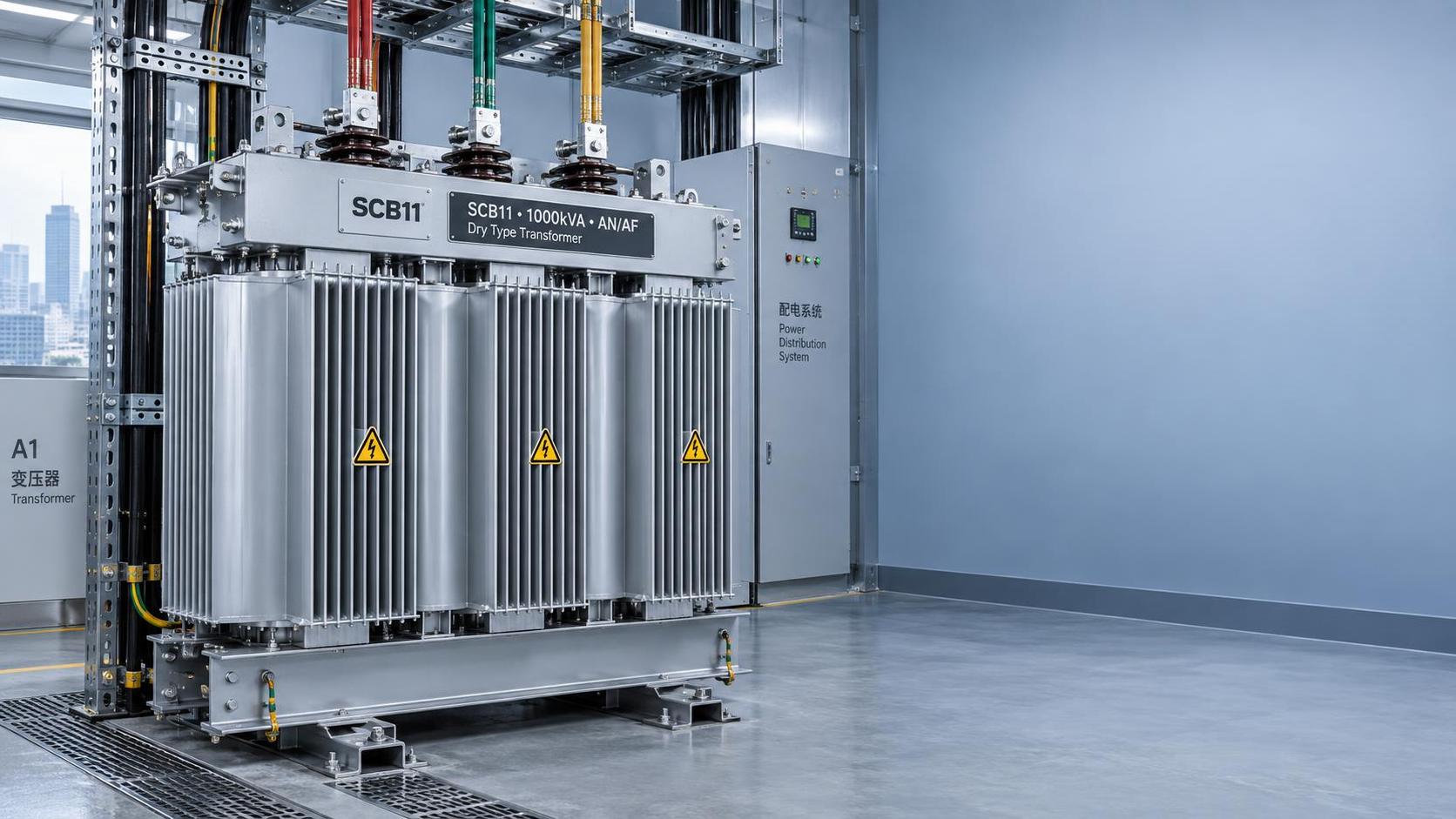
A dry-type transformer uses air as the main cooling medium. Its windings are typically cast resin or vacuum pressure impregnated, with no insulating oil inside the main body.
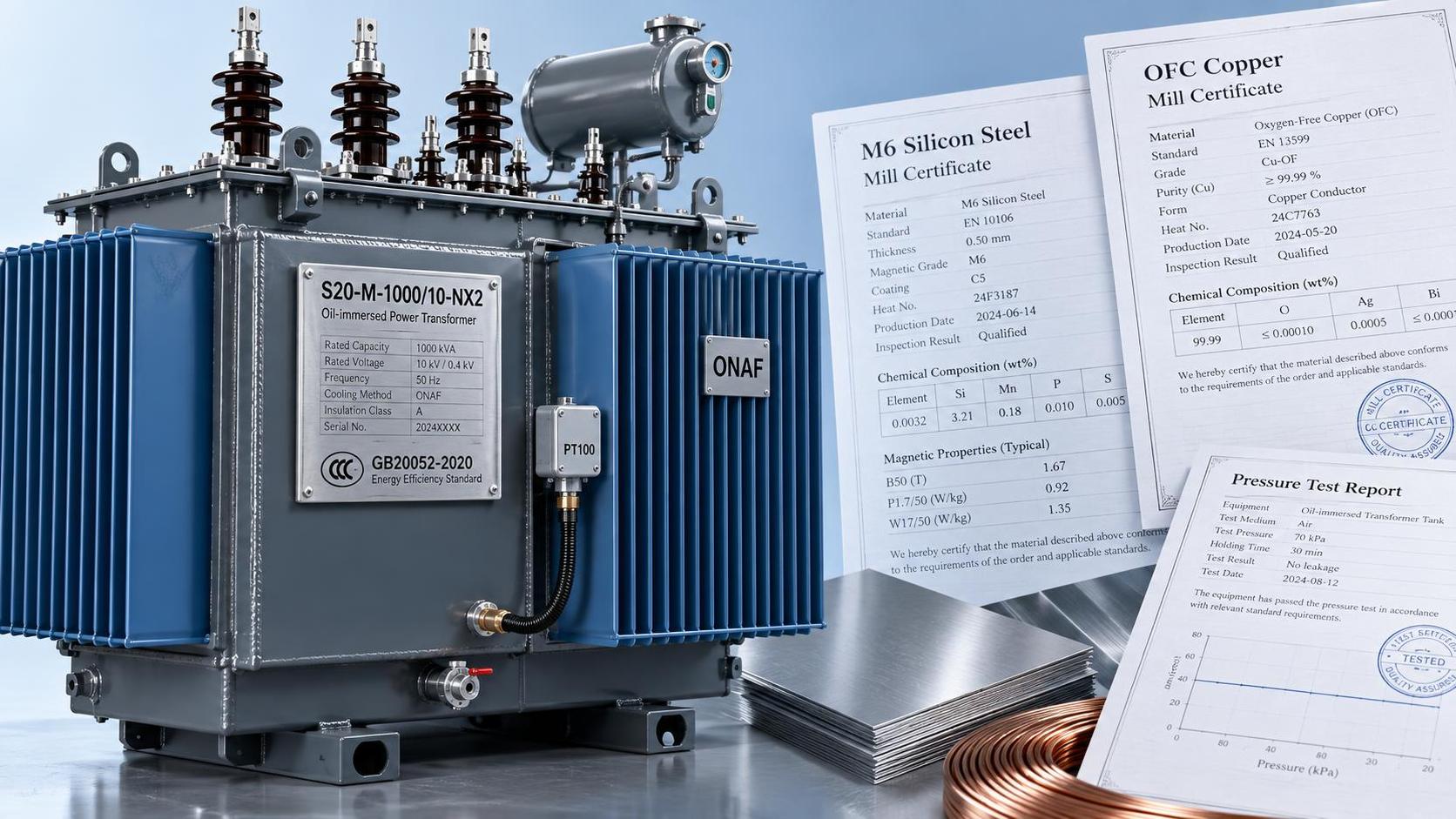
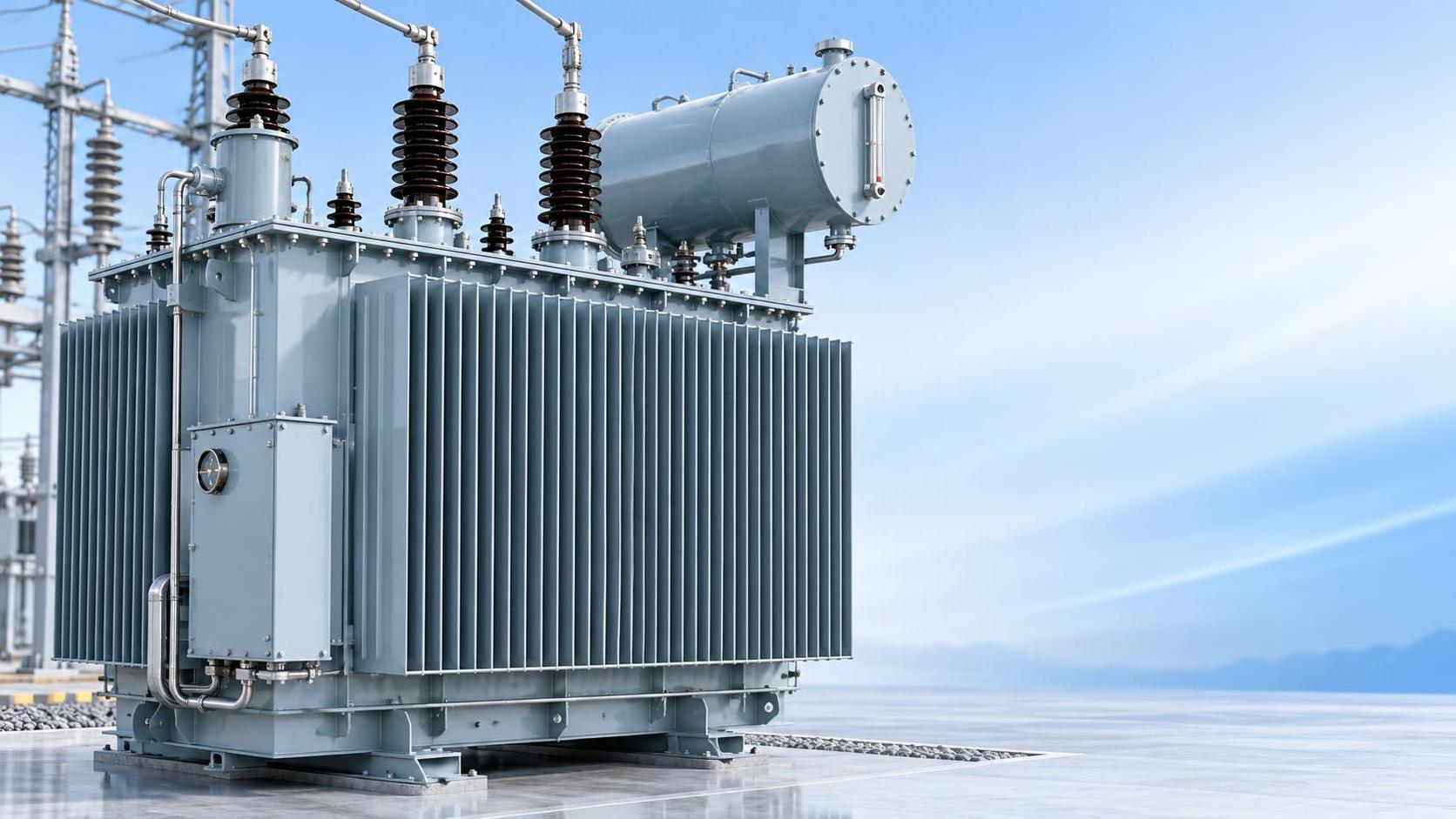
An oil-immersed transformer places the core and windings in insulating oil. The oil supports insulation and heat dissipation, which often improves thermal performance under sustained loading.
This basic structural difference drives most project-level tradeoffs. It influences fire behavior, enclosure needs, maintenance routines, noise control, footprint, and the installation location that remains technically acceptable.
Why the choice is getting more attention
Power systems are under pressure to reduce losses while staying flexible. At the same time, many facilities now place transformers closer to occupied spaces, equipment rooms, or sensitive process lines.
That makes safety and maintainability more visible during project review. A dry-type transformer often gains attention for indoor use, while oil-immersed units remain highly relevant where efficiency, capacity range, and durability are decisive.
Manufacturing quality also matters more than the category alone. Jiangsu Shengda Power Equipment Co., Ltd. focuses on transformer R&D, production, and quality control, with products aligned with GB1094.1-2-1996, GB/T6451-2008, and ISO9001 requirements.
How dry-type transformer performance fits real projects
The main strength of a dry-type transformer is installation flexibility in indoor environments. It is commonly selected for commercial buildings, hospitals, transit facilities, data-related spaces, and sites with strict fire protection demands.
Because there is no transformer oil, the dry-type transformer reduces concerns around oil leakage, oil handling, and some fire containment measures. This can simplify room planning in specific building designs.
It also suits projects where cleanliness matters. Dust control still matters, but there is less dependence on liquid insulation management during operation.
The limitation is usually thermal margin and cost. In high-load, outdoor, or large-capacity distribution tasks, a dry-type transformer may require stronger ventilation, more space, or a higher budget to reach the same duty target.
Where oil-immersed transformers remain the stronger option
Oil-immersed transformers are still the standard choice in many industrial, utility, and substation applications. They are often preferred for higher capacities, continuous heavy loads, and outdoor service conditions.
Their cooling performance supports efficient heat transfer, which helps with stable operation over long periods. In many cases, that translates into strong energy performance and dependable lifecycle economics.
A useful example is the S11 Series Oil-Immersed Power Transformer. It uses imported high-quality cold-rolled silicon steel sheets and oxygen-free copper, with a fully sealed structure designed for low loss, low noise, and high efficiency.
In practical terms, features such as eliminating the oil conservator, isolating the oil from air, and reducing insulation aging can lower routine maintenance pressure. Models from 30KVA to 2500KVA also support broad project matching.
A practical comparison at decision stage
A simple comparison helps narrow the selection before detailed technical review.
Questions worth answering before selection
The right answer usually appears once the operating context is clear. These checkpoints are more useful than relying on category preference alone.
- Will the transformer be installed indoors, outdoors, or close to occupied space?
- Is the load steady, cyclical, expanding, or sensitive to harmonics?
- What local fire code, ventilation rule, and civil layout limitation apply?
- How much planned maintenance can the site support over the equipment life?
- Is the project focused on first cost, energy loss, uptime, or total ownership cost?
These questions usually clarify whether a dry-type transformer offers better site compatibility, or whether an oil-immersed design delivers stronger operating value.
Looking at the broader product range
Selection rarely happens in isolation. Projects may compare 10KV and 35KV platforms, compact substations, dry-type units, amorphous alloy transformers, and on-load tap-changing designs in the same planning cycle.
That is why product depth matters. Beyond dry-type transformer options, a supplier with low-loss S11, S13, S15, S20, S22 series and SCB or SGB lines can support better technical matching across different load and site conditions.
For example, when noise, pollution reduction, and maintenance intervals are part of the review, a sealed oil-immersed option such as the S11 Series Oil-Immersed Power Transformer may deserve equal consideration alongside a dry-type transformer.
Turning comparison into a workable decision
A good transformer decision starts with the application, not with a fixed preference. Site constraints, safety requirements, energy performance, and maintenance capacity should be reviewed together.
If indoor safety and installation flexibility dominate, a dry-type transformer often makes sense. If higher capacity, strong cooling, and lifecycle economy lead the discussion, oil-immersed designs may be the better fit.
The next step is to map load demand, environment, compliance standards, and budget into a shortlist. From there, comparing loss data, impedance, noise, sealing structure, and maintenance expectations will produce a decision grounded in project reality.


 Dry-Type Transformer Advantages for Hazardous Areas: Why IEEE C57.12.06 Arc Resistance & VPI Process Matter in Chemical Plants
 Air-Cooled Transformer vs Forced-Oil-Cooled: When Natural Convection Meets Thermal Load Peaks in Mining Substations
 SCB13 Dry-Type Transformer Long Lifespan: How Epoxy Resin Quality, Winding Stress Analysis & Ambient Humidity Monitoring Extend Service Life Beyond 30 Years
") S20 Oil-Immersed Transformer Quotation Breakdown: What 5 Line Items Actually Drive Total Installed Cost (Not Just kVA Price)
S20 Oil-Immersed Transformer Quotation Breakdown: What 5 Line Items Actually Drive Total Installed Cost (Not Just kVA Price) SCB11 Compact Dry-Type Transformer: Space-Saving Design Trade-Offs in High-Rise Building Electrical Rooms
 S11 vs S13 Oil-Immersed Transformers: Quantifying Efficiency Gains, Payback Period & Thermal Stability in Grid-Tied Substations
GET A FREE QUOTE
We offer reliable products, competitive prices, and nationwide professional support, committed to providing customers with efficient and energy-saving power equipment solutions.