


Why Environmental Impact of Oil-Immersed Transformers Matters in Different Settings
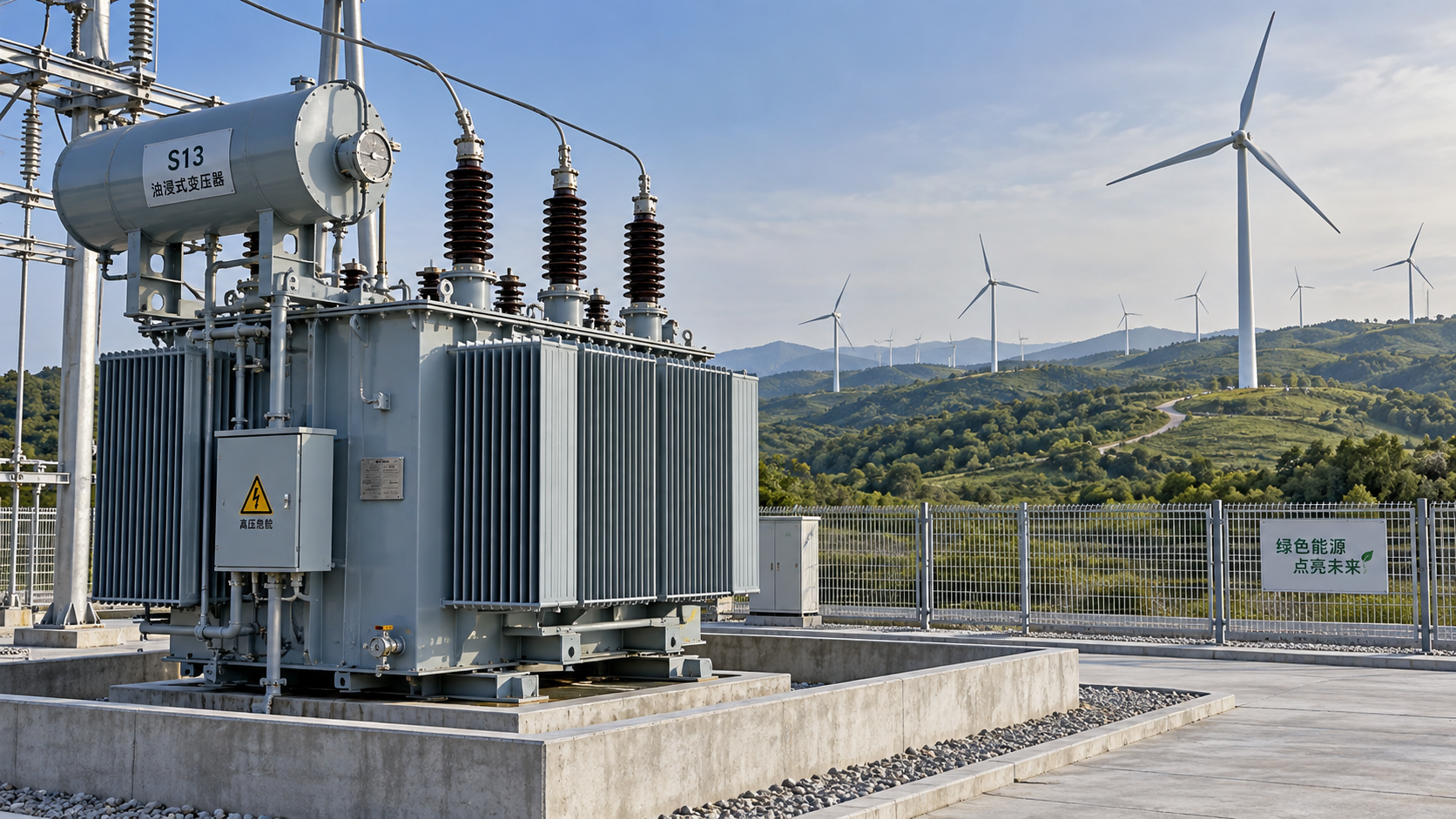
As the power industry prioritizes sustainability, the environmental impact of oil-immersed transformers is drawing increasing attention.
From leakage risks to disposal challenges, traditional insulating oils raise important ecological concerns.
This article explores how biodegradable oils are emerging as a cleaner alternative, while maintaining reliable transformer performance and compliance.
In transformer projects, environmental risk is not equal across all installations.
Location, fire safety, maintenance access, and local regulations all shape the best insulation choice.
Which Scenarios Face the Highest Oil Leakage and Disposal Pressure?
Urban and indoor distribution points
In dense cities, the environmental impact of oil-immersed transformers is more visible.
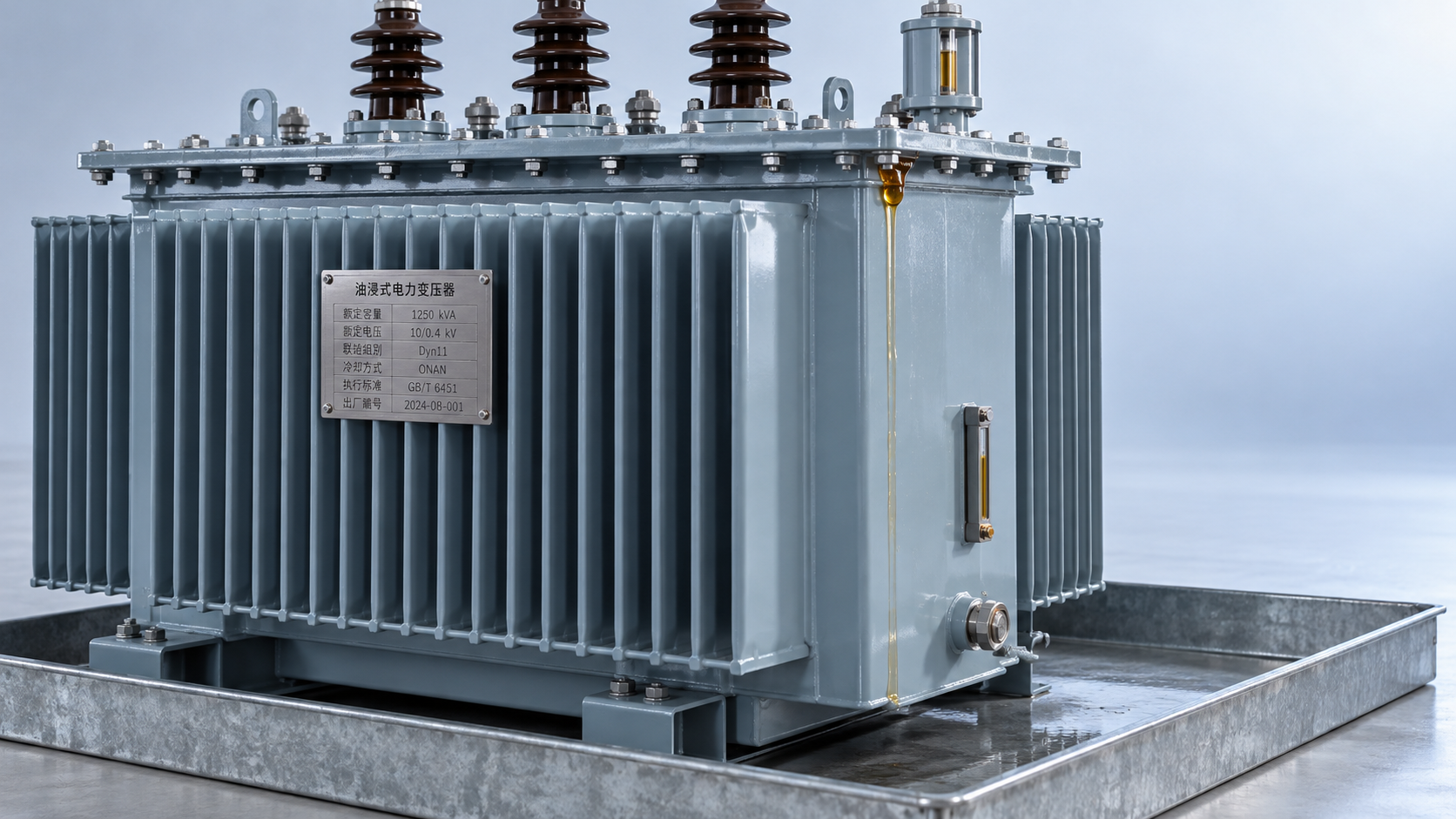
Any oil spill can affect drainage systems, soil, and nearby buildings.
Fire protection requirements also become stricter in enclosed substations and commercial complexes.
Water-sensitive and agricultural areas
Installations near rivers, reservoirs, or farmland need stronger environmental safeguards.
Traditional mineral oil may create long-term contamination if leakage is not contained quickly.
In these cases, biodegradable insulating oil offers a more resilient environmental strategy.
Remote industrial networks
Remote sites often face delayed maintenance and difficult waste handling.
That increases the operational importance of lower-risk transformer fluids and durable equipment design.
How Biodegradable Oils Change Transformer Selection Decisions
Biodegradable oils decompose faster than conventional mineral oils under suitable conditions.
They can reduce soil recovery costs and support stricter environmental compliance goals.
They also improve the sustainability profile of oil-immersed transformers in modern grid planning.
- Better suitability for eco-sensitive locations
- Lower environmental liability after accidental leakage
- Stronger alignment with green infrastructure targets
- Potential fire safety benefits with selected fluid types
Scenario Differences: Oil-Immersed or Dry-Type Alternatives?
Some projects may go beyond biodegradable oils and evaluate dry-type transformer solutions.
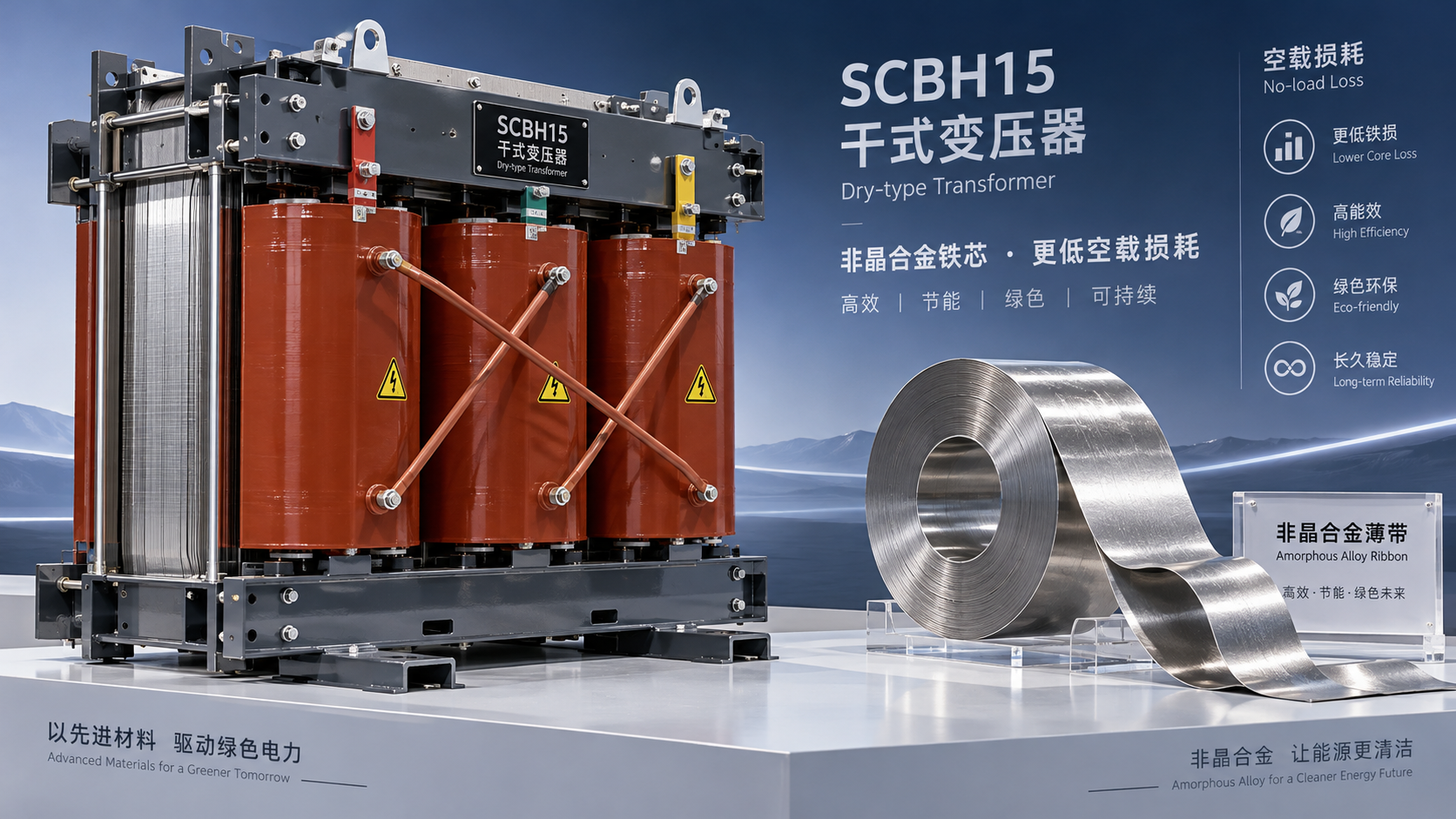
For indoor, high-safety, and low-maintenance environments, SCBH15 Type Dry-Type Transformer can be a practical option.
Its amorphous alloy design delivers no-load loss about 75% lower than GB/T10228 reference values.
It also offers low noise, strong heat dissipation, and maintenance-free operation in demanding transformer applications.
Common Misjudgments When Evaluating Environmental Impact
A common mistake is focusing only on purchase cost.
Cleanup expense, downtime, regulatory penalties, and end-of-life disposal can outweigh initial savings.
Another oversight is ignoring load profile and installation conditions.
Jiangsu Shengda Power Equipment Co., Ltd. supports transformer solutions with strong R&D, strict quality control, and compliance with international standards.
Practical Next Steps for Greener Transformer Projects
Start with a site-based environmental risk review.
Then compare mineral oil, biodegradable oil, and dry-type transformer options against safety, efficiency, and maintenance targets.
The environmental impact of oil-immersed transformers can be reduced significantly through better fluid selection and smarter scenario matching.
Choosing the right transformer approach now helps create cleaner, safer, and more future-ready power systems.



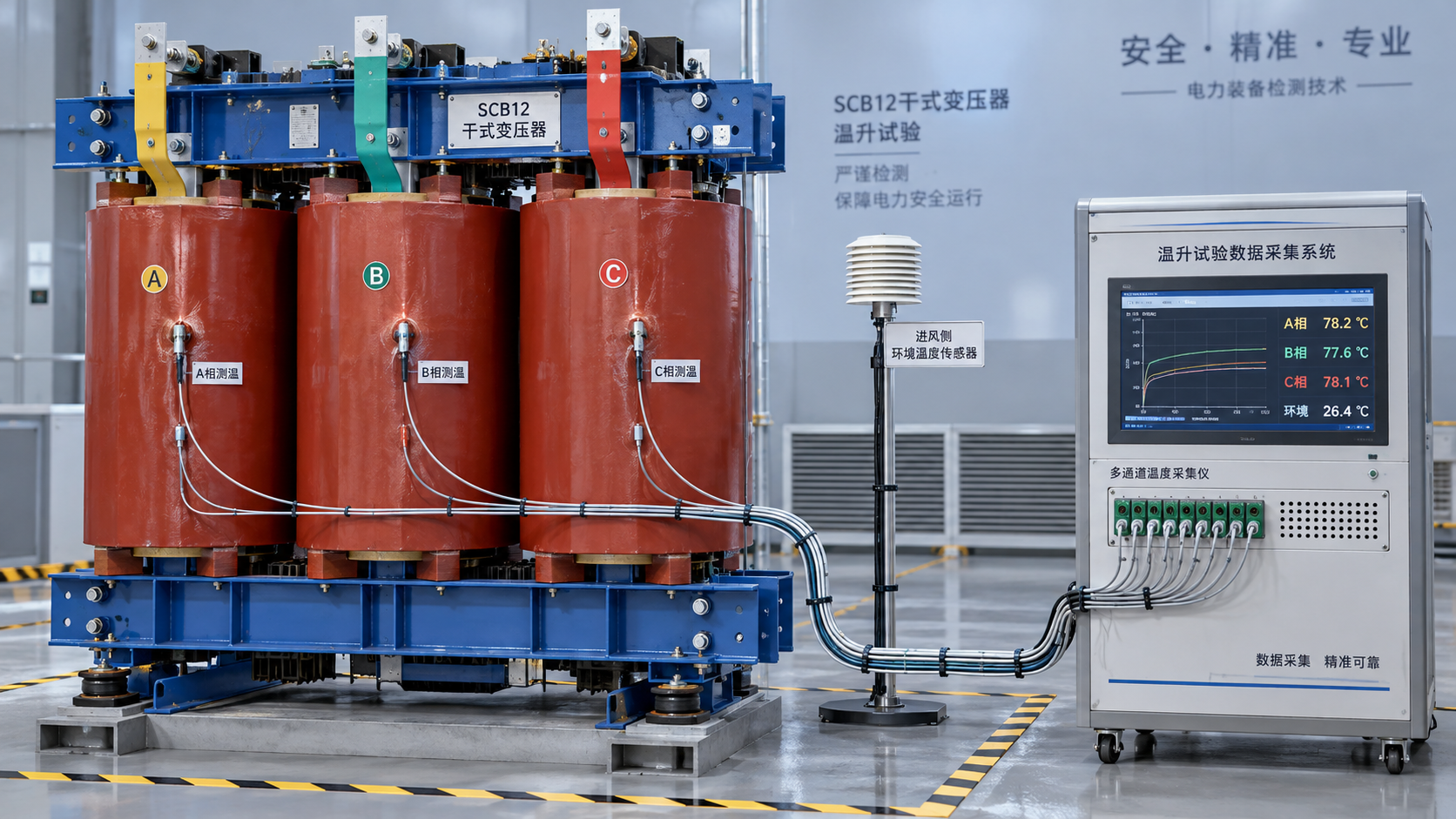
 How to verify the temperature-rise test of an SCB12 dry-type transformer
 Distribution transformer maintenance tips for spotting oil leaks
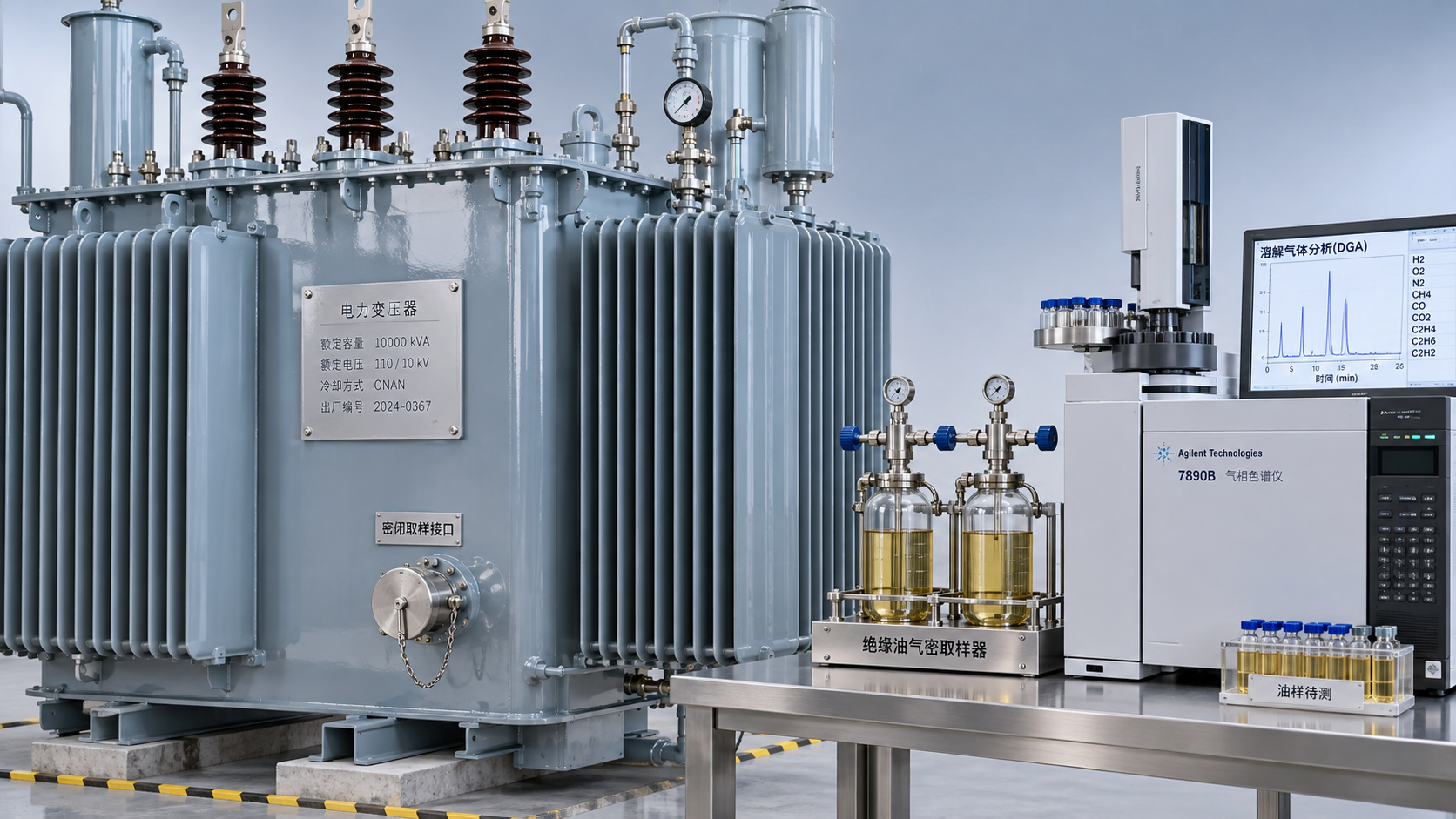
 What dissolved gas analysis reveals about an oil-immersed transformer
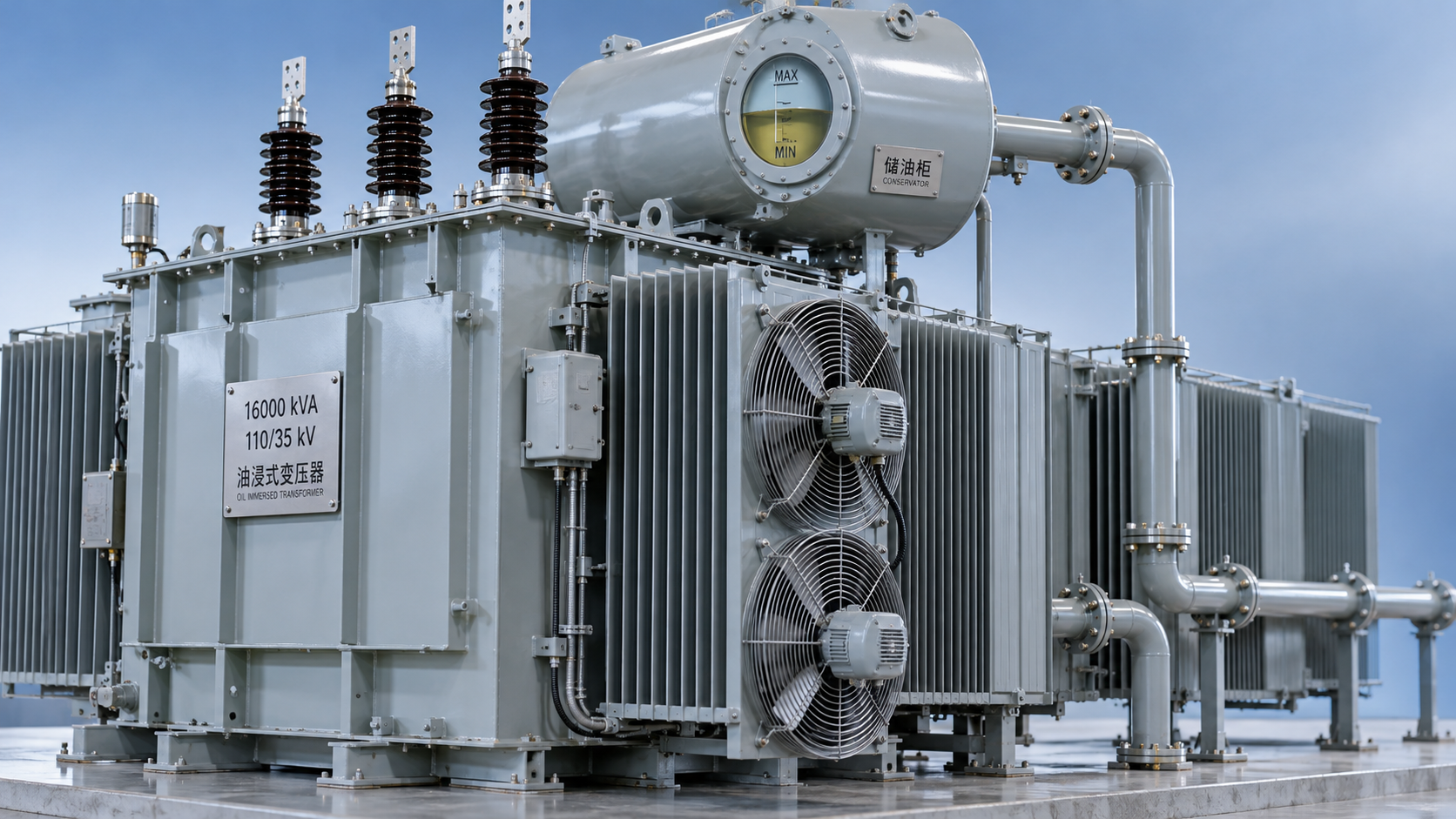
 Why an oil-cooled transformer overheats despite a normal oil level
 How the amorphous core affects SCBH15 dry-type transformer losses
 Sizing S13 oil-immersed transformers for variable wind farm output
GET A FREE QUOTE
We offer reliable products, competitive prices, and nationwide professional support, committed to providing customers with efficient and energy-saving power equipment solutions.