


What an Energy Efficient Transformer Claim Usually Leaves Out
When people compare an energy efficient transformer, they often start and stop with the nameplate loss figures. That is understandable, because no-load loss and load loss are the most visible numbers in a quotation. The problem is that those figures are only meaningful when you know how they were derived, which standard they refer to, and whether the transformer will operate in conditions close to the assumptions behind the test. A low number on paper can point to a genuinely better design, but it can also hide a weak comparison basis.
For business evaluation, the real question is not “Which unit has the lowest published loss?” It is “Which unit will deliver lower total cost and lower operating risk in my actual duty cycle?” Those are different questions. A transformer that looks efficient under rated test conditions may be less attractive if your site runs at low average load, has high ambient temperature, poor ventilation, frequent load fluctuation, or a network with harmonic content. In those cases, the purchase decision has to move beyond the nameplate.
Start With the Two Losses, but Do Not Treat Them as Absolute
The first distinction is simple but often blurred in procurement discussions. No-load loss is the energy consumed whenever the transformer is energized, even if it carries little or no load. Load loss depends mainly on current and rises as the load increases. Which one matters more depends on how the transformer is used. A distribution unit that stays energized around the clock with moderate average loading may justify a strong focus on no-load loss. A transformer serving highly utilized industrial equipment may need closer attention to load loss, thermal behavior, and overload capability.
This is why a single “high efficiency” claim is too broad to be useful. Two products may each be described as energy saving, yet one is optimized for lower core loss while the other is balanced for heavier operating loads. If the evaluation team does not map those characteristics to the expected load profile, the comparison becomes superficial very quickly.
A practical review usually asks three questions before anything else:
- At what rated capacity and voltage class were the losses declared?
- Which test standard or reference value is being used?
- What is the expected annual load factor at the installation site?
Without those three points, published numbers from different suppliers may not be directly comparable.
Why Standards Compliance Matters More Than It Sounds
In transformer purchasing, standards are not just a formality for the quality department. They define the test basis, tolerance expectations, and technical language used in the bid. Jiangsu Shengda Power Equipment Co., Ltd., for example, manufactures products in line with standards including GB1094.1-2-1996 and GB/T6451-2008, with ISO9001 certification supporting process control and quality management. That does not automatically make every model the right choice for every project, but it does give evaluators a firmer basis for trusting that quoted performance is tied to a recognized framework rather than marketing vocabulary.
The same principle applies when reviewing dry-type transformer offers. If a supplier states that no-load loss is lower than a national or industry reference value, you should ask which standard is being referenced and whether the figure is tied to routine testing, type testing, or design calculation. Claims such as reduced noise, lower partial discharge, or stronger short-circuit withstand capability are useful only when they can be linked to an accepted test method or specification. Otherwise, the claim may still be true, but it is harder to evaluate commercially.
Lifecycle Cost Is Where the Better Comparison Happens
A sound selection process usually converts transformer efficiency into money over time. That means combining purchase price with the cost of losses across the expected service period. In many projects, especially where electricity prices are significant and operating hours are long, a unit with a higher acquisition cost can still be the better economic choice if it reduces losses enough over its life. The reverse is also true: paying a premium for lower losses does not make sense if the loading profile is too light or the service horizon is too short.
This is where evaluators often need discipline. They should not ask for the “most efficient transformer” in general terms. They should ask for a comparison based on expected annual energized hours, average loading, peak loading, electricity cost assumptions, and whether downtime or maintenance access has a financial consequence. That gives procurement and engineering a shared basis for decision-making.
If your team is comparing dry-type and oil-immersed options, the analysis should also include installation environment, fire safety requirements, ventilation conditions, and maintenance strategy. Efficiency is one part of value, not the whole value statement.
The Manufacturing Question Behind the Efficiency Number
Even when two transformers are specified to the same loss target, they may not perform equally over time. Core material quality, winding process control, insulation system stability, and assembly precision all influence whether the transformer maintains its designed performance in service. For a business evaluator, this is one of the least visible but most important parts of the comparison.
A supplier with strong inspection systems and repeatable manufacturing is generally in a better position to deliver consistent loss performance across production batches. That consistency matters because the financial model behind an energy efficient transformer assumes that the unit installed in the field behaves like the unit described in the offer. If process control is weak, the gap between promise and operation becomes a procurement risk, not just a technical issue.
For that reason, factory capability should be part of the commercial review. Not as a branding exercise, but as evidence that the efficiency claim is supported by material selection, manufacturing discipline, and inspection traceability.
Where Dry-Type Efficiency Claims Need Closer Reading
Dry-type transformers are often evaluated for indoor distribution, commercial buildings, infrastructure projects, and industrial applications where fire behavior, maintenance profile, or environmental constraints influence the choice. In that segment, efficiency claims need to be read together with heat dissipation, partial discharge, noise, and overload performance, because these factors affect both operating economy and service reliability.
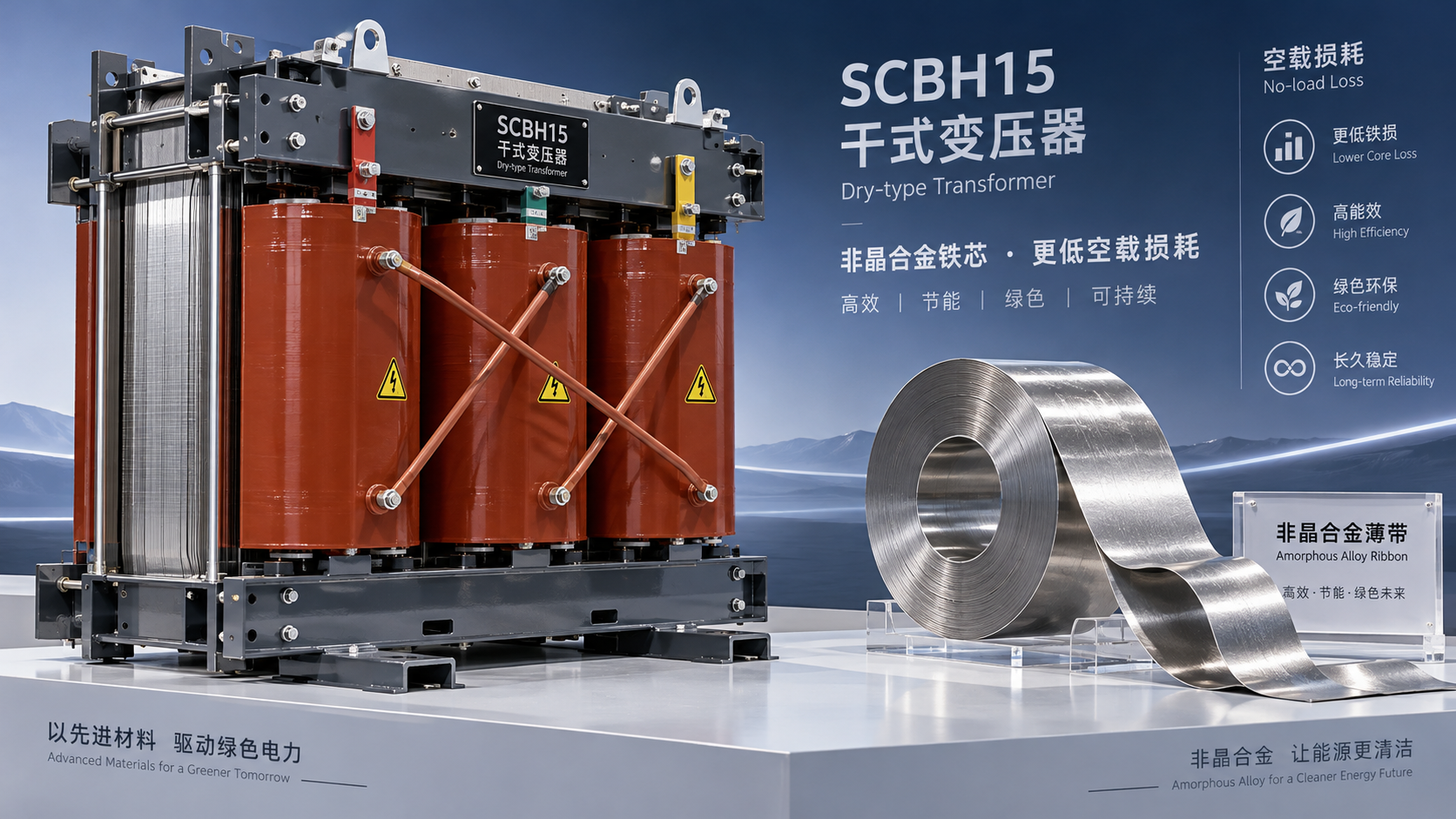
One example is the SCBH15 Type Dry-Type Transformer, which uses amorphous alloy core material. In product positioning terms, that matters because amorphous alloy designs are typically selected to reduce no-load loss. In the disclosed specifications for this model, no-load loss is stated as 75% lower than the value specified in GB/T10228, with noise levels about 5 to 15 decibels lower than the national standard GB/T10088, and lower losses than the SCB13 dry-type transformer. Those are relevant data points for evaluation, especially in projects where long energized time and indoor acoustic conditions both matter.
Still, the right conclusion is not that one configuration is universally better. Amorphous alloy can be attractive where reducing standby energy use is the priority, but the decision should still consider actual loading, space conditions, ventilation, and the owner’s expectations for maintenance and thermal reserve. In some sites, the ability to operate at 150% rated load under air-cooled conditions may be commercially meaningful. In others, it may remain a secondary feature because the network never approaches that profile.
Common Misreadings During Bid Comparison
Several mistakes appear repeatedly when teams compare transformer offers.
What to Ask Before You Approve a Transformer Offer
A better purchasing conversation usually comes from better questions. Ask the supplier to separate no-load and load losses clearly, identify the governing standard, and explain the intended operating advantage of the design. If dry-type equipment is involved, ask about noise, partial discharge, cooling method, and temperature control arrangement. If the project environment is demanding, ask how short-circuit strength and corrosion resistance are addressed in the design rather than assuming all compliant products perform the same.
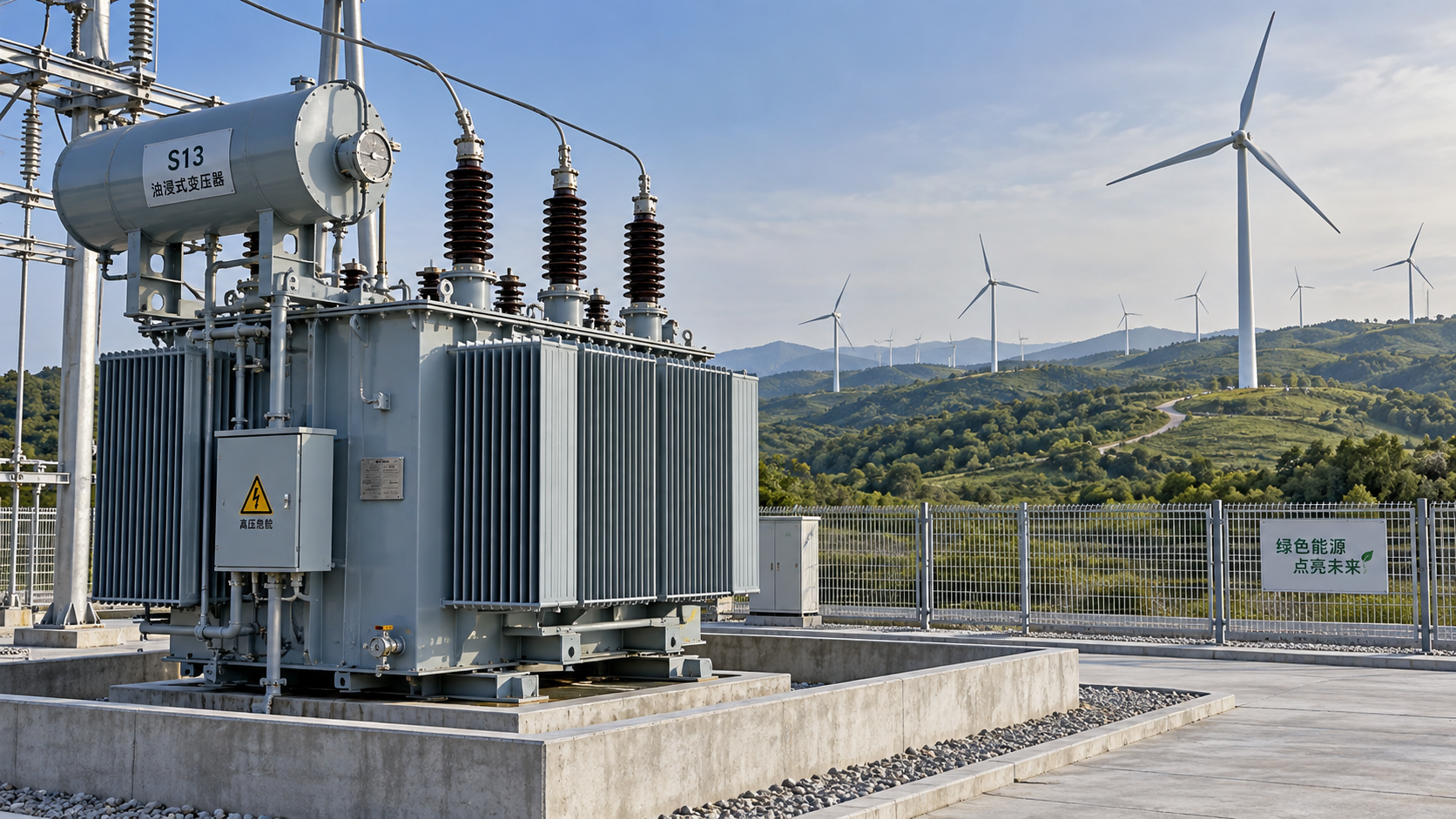
It is also useful to compare alternatives within the same product family. Jiangsu Shengda Power Equipment Co., Ltd. covers low-loss oil-immersed series such as S11, S13, S15, S20, and S22, along with 10kV and 35kV models, SCB10, SCB11, SCB13, SCB14, SCB18, SGB series, compact substations, amorphous alloy transformers, and on-load tap-changing power transformers. That breadth matters because the right efficiency strategy can differ by voltage level, installation type, and operating pattern. The commercial advantage for the buyer is not variety for its own sake; it is the ability to compare design routes that fit different project constraints.
A More Useful Definition of “Energy Efficient”
In purchasing practice, an energy efficient transformer is not simply the one with the smallest published loss number. It is the transformer whose tested performance, materials, thermal behavior, and manufacturing quality align with the way the asset will actually be used. That includes standards compliance, operating environment, maintenance expectations, and the financial value of reduced losses over time.
So when you compare offers, use the nameplate as the starting point, not the verdict. The better decision usually comes from connecting the efficiency claim to load profile, standard basis, lifecycle economics, and supplier execution capability. Once those pieces are on the table, the comparison becomes much clearer, and the risk of buying a technically attractive but commercially weak option drops sharply.



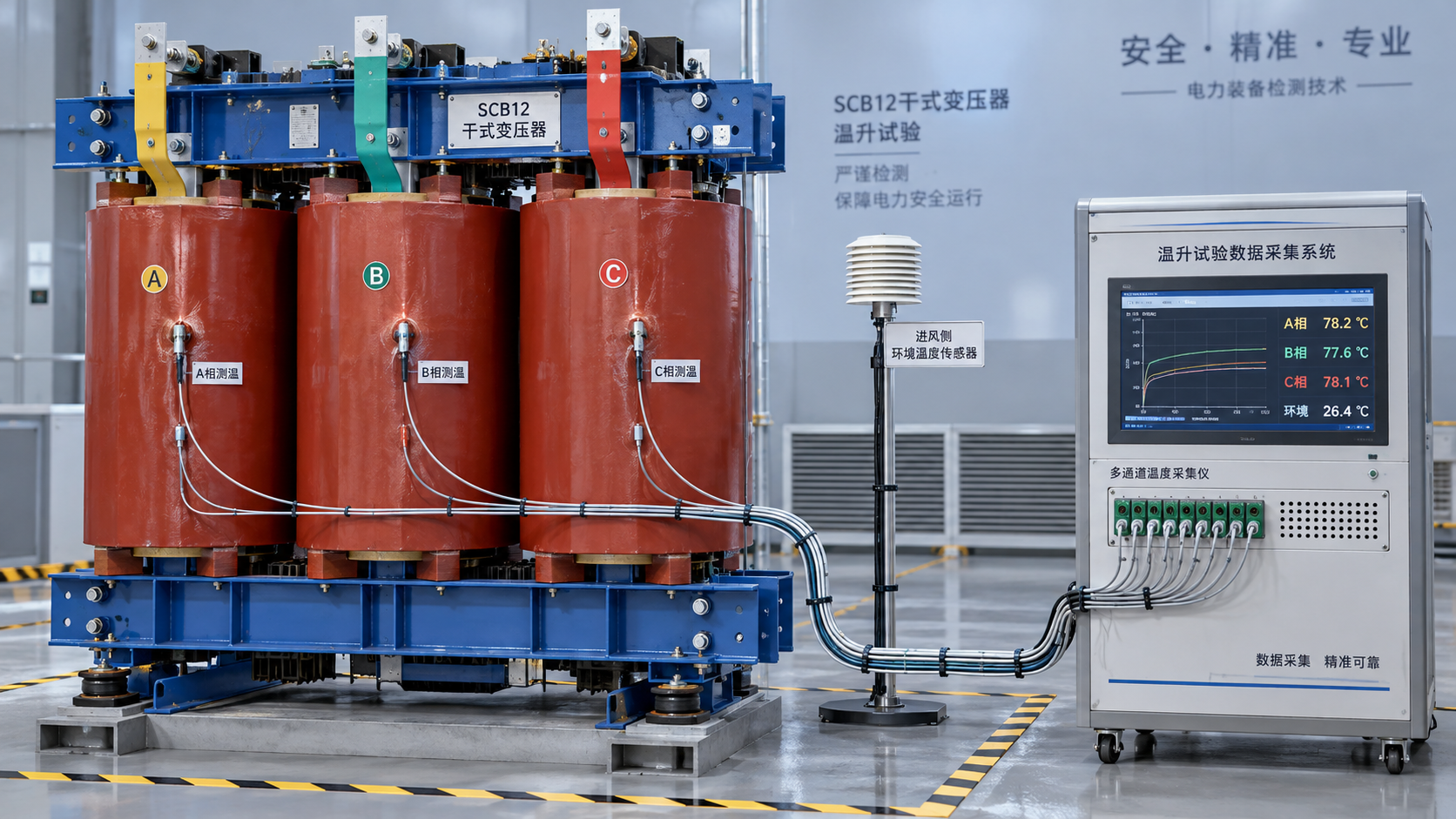
 How to verify the temperature-rise test of an SCB12 dry-type transformer
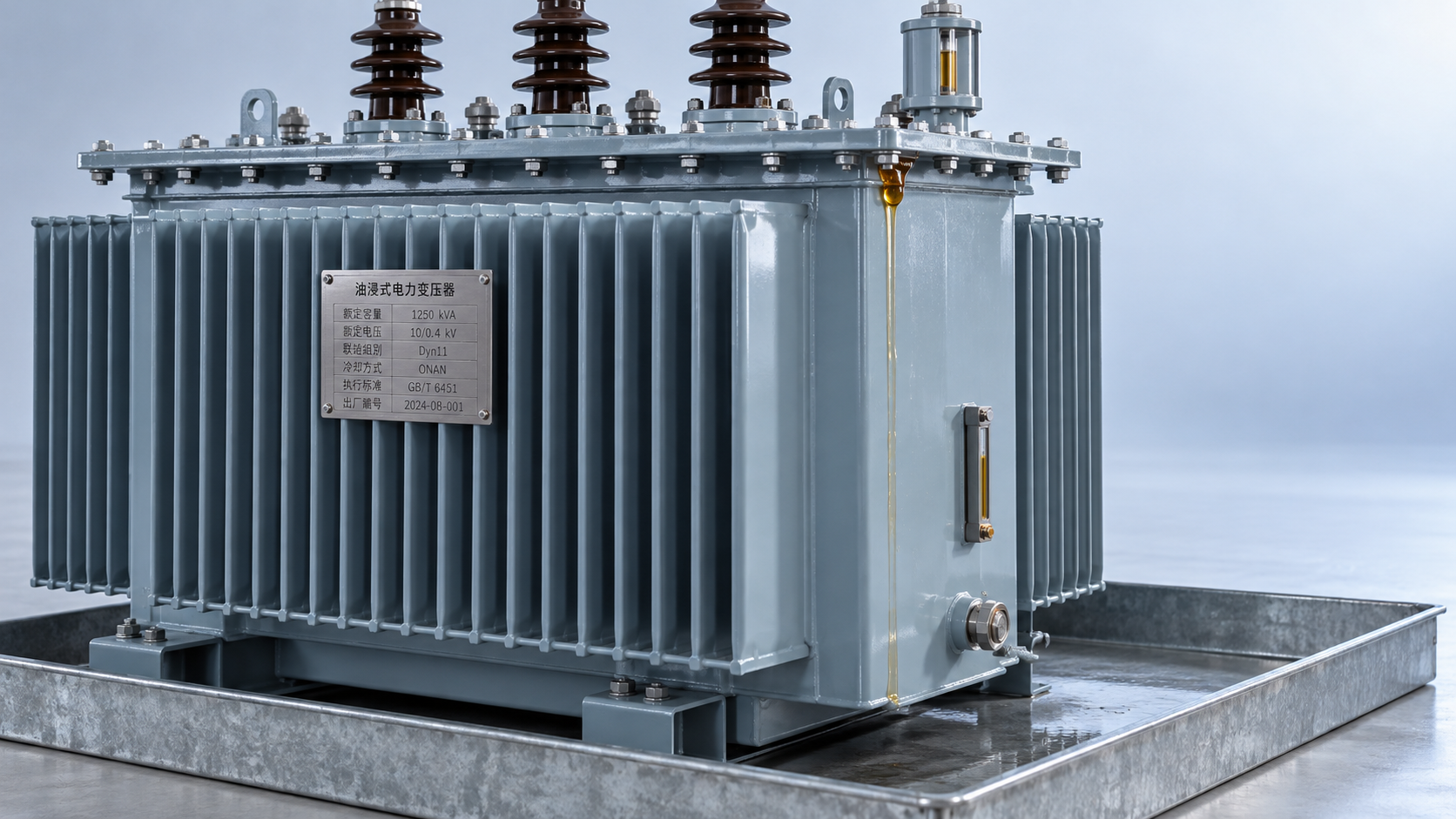
 Distribution transformer maintenance tips for spotting oil leaks
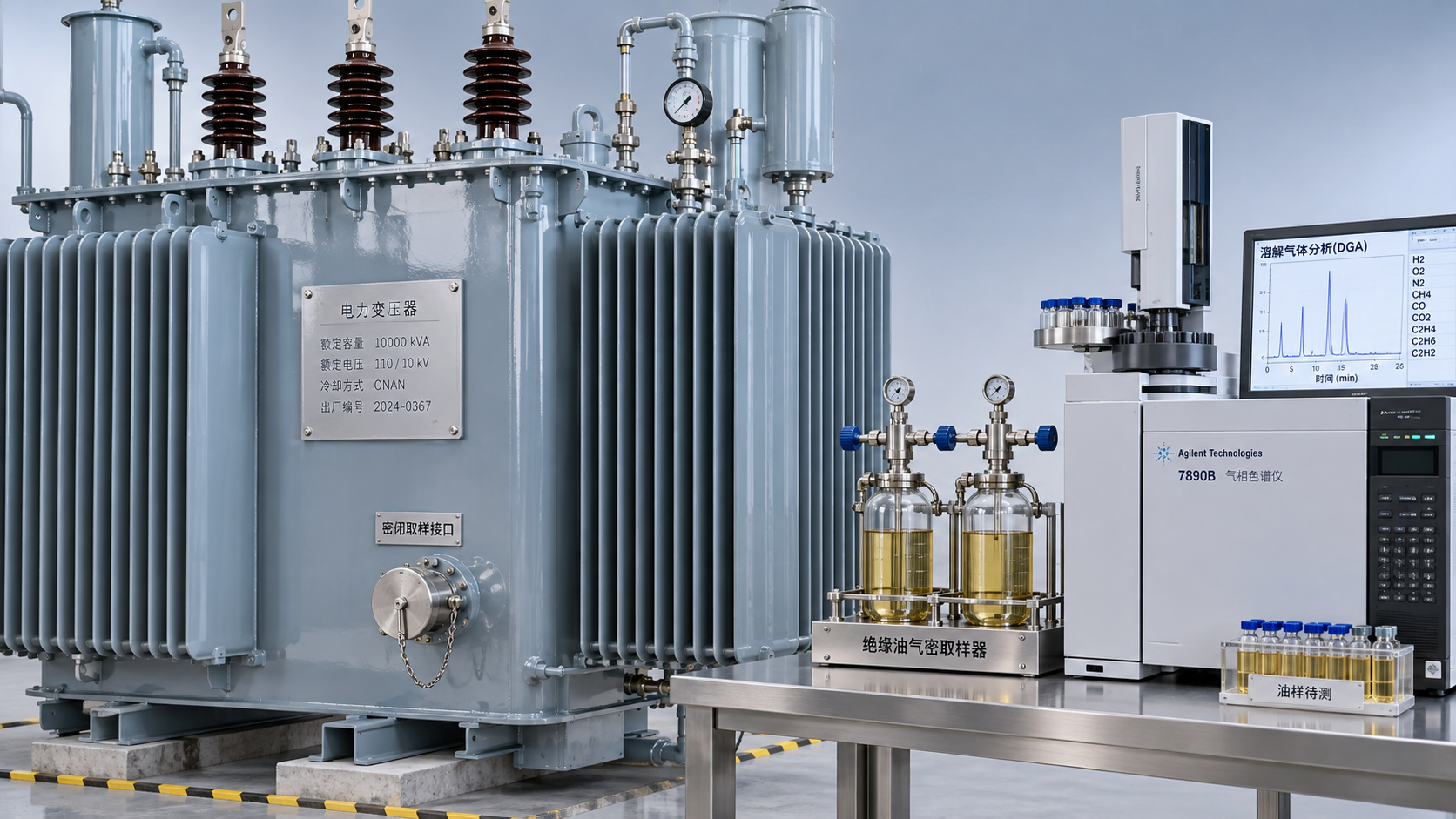
 What dissolved gas analysis reveals about an oil-immersed transformer
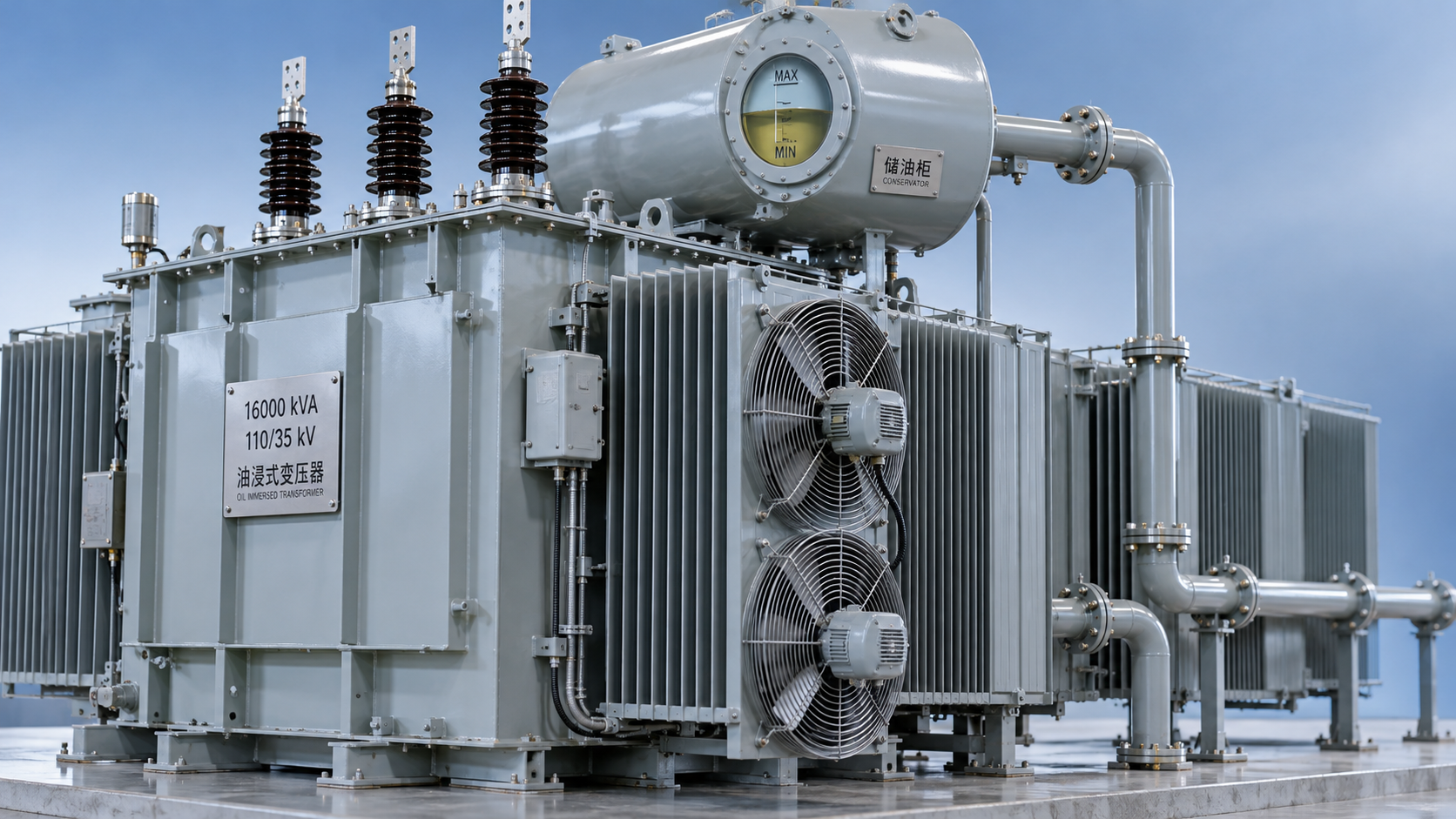
 Why an oil-cooled transformer overheats despite a normal oil level
 How the amorphous core affects SCBH15 dry-type transformer losses
 Sizing S13 oil-immersed transformers for variable wind farm output
GET A FREE QUOTE
We offer reliable products, competitive prices, and nationwide professional support, committed to providing customers with efficient and energy-saving power equipment solutions.