


Start with the lead time breakdown, not the promised delivery date
When procurement teams compare a ZGS Combined Substation supplier, the first mistake is treating lead time as a single number. A supplier says “30 days” or “45 days,” and the quote looks easy to compare. In practice, that number only matters if you know what is inside it.
Ask for the schedule in pieces: drawing confirmation, core components procurement, enclosure fabrication, transformer assembly, routine testing, final inspection, and shipment release. If a supplier cannot break the timeline down, you are not looking at a controlled production plan. You are looking at a sales promise.
This matters because the longest delay usually does not happen at final assembly. It happens earlier, when technical details are still moving or when a purchased component is not actually in stock. For buyers managing project deadlines, a realistic lead time is worth more than an optimistic one that starts slipping after the PO is issued.
Check what can delay production before you compare prices
A serious supplier should be able to tell you what conditions may extend delivery. That answer gives you more insight than the quote itself.
- Are ratings, incoming voltage, outgoing feeders, or protection schemes still open?
- Does the project need special enclosure dimensions or cable entry arrangements?
- Are there customer-approved brands for breakers, switches, relays, or other major electrical parts?
- Will factory testing documents need a special format for your EPC, consultant, or local utility?
- Does export packing or destination compliance add handling time?
If two suppliers offer similar pricing but one has already identified these timing risks, that supplier is usually easier to work with. They are showing you where schedules fail in real life.
Review manufacturing depth, because support starts before shipment
A ZGS Combined Substation supplier with real manufacturing capability can usually solve technical and schedule issues faster than a trading-only source. For procurement, this affects both lead time and support quality.
You do not need a factory tour to make an initial judgment. Check whether the supplier clearly operates in transformer R&D, production, and quality inspection, and whether their quality system is documented. Jiangsu Shengda Power Equipment Co., Ltd., for example, presents itself as a manufacturer focused on transformers and related products, with ISO9001 certification and products produced to standards including GB1094.1-2-1996 and GB/T6451-2008. That kind of information is useful because it gives procurement a starting point for document review and technical evaluation.
The point is not to collect brochures. The point is to understand whether the supplier controls production stages that affect delivery, testing, and problem resolution.
Ask support questions that expose response quality
Most suppliers claim strong after-sales support. Very few buyers test that claim before the order. A better approach is to ask questions that require a practical answer.
If the replies are vague, slow, or routed through too many people during quotation, do not expect better after delivery.
Compare document discipline, because that is where schedule slippage often begins
A supplier may have decent production capacity and still create delays through weak document control. In this product category, unfinished technical details can stall manufacturing for days or weeks.
Check how they manage drawing approval, revision control, and technical deviation handling. Ask to see the document list they normally issue for a compact substation order. You are not asking for confidential data. You are checking whether they have a repeatable process.
A common procurement mistake is comparing only commercial terms while the technical appendix remains loose. That usually leads to rework, delayed approvals, and shipment dates that keep moving without a single dramatic failure. Just small unresolved items adding up.
Do not treat certifications and standards as decoration
Certifications do not guarantee good execution, but they do help you screen suppliers faster. For a procurement decision, the practical question is simple: do the quality system and product standards connect to the exact equipment you are buying?
If a supplier states ISO9001 certification, request the certificate and confirm that the business scope matches transformer or electrical equipment manufacturing. If they reference standards such as GB1094.1-2-1996 or GB/T6451-2008, make sure those references are relevant to the product family in your package and appear consistently in technical documents. This is less about formality and more about avoiding mismatches between what was quoted and what will be built.
Look at component choices through the lens of replacement risk
Lead time and support are closely tied to component strategy. A supplier using common, documented component brands may be slightly more expensive up front, but that can lower replacement time, simplify maintenance, and reduce arguments during commissioning.
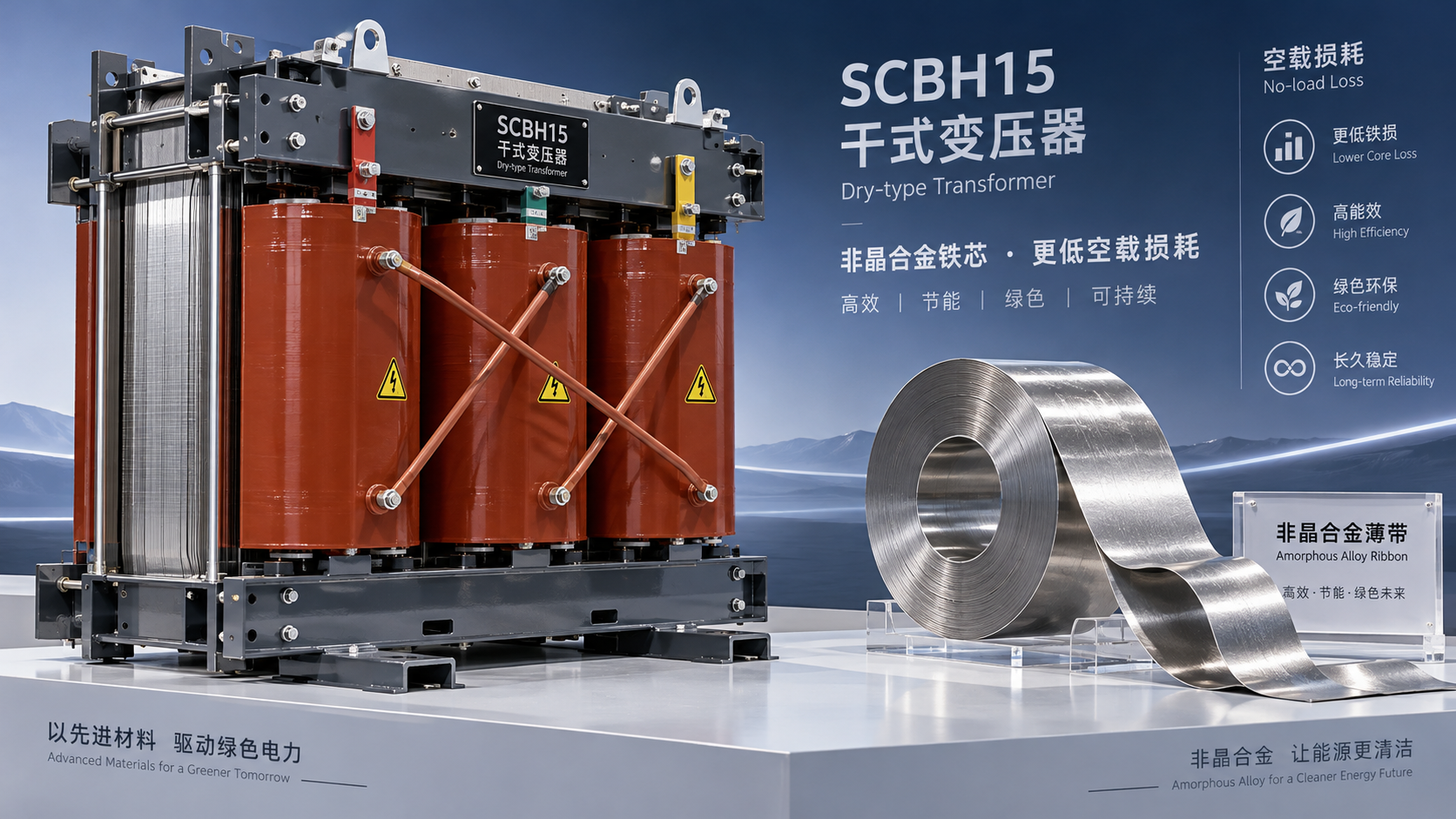
This becomes more important when the package includes specialized transformer requirements. In some projects, buyers compare compact substation suppliers alongside indoor transformer options for related load-center applications. In that discussion, a model such as SCB14 Type Dry-Type Transformer may come up because it is designed for settings like high-rise buildings, airports, railway stations, substations, and locations with high fire protection requirements. The useful procurement point is not the model name itself. It is whether the supplier can explain where a dry-type alternative fits, what standards apply, and how that affects delivery, installation environment, and maintenance expectations.
If they can only push a product but cannot place it in the right application context, support quality is probably weak.
Test the supplier on one uncomfortable scenario
This is a useful filter. Give each shortlisted supplier the same problem and compare the answers.
For example: drawing approval is delayed by a week, one specified breaker brand is unavailable, and the site demands an earlier shipment split. Ask what they would change in the schedule, what substitutions require approval, and which documents must be revised. The best answer is usually calm, specific, and procedural. The weak answer is either overly confident or too generic to be actionable.
Procurement teams often learn more from this exercise than from a standard capability statement.
Build your comparison sheet around decision risks
If you are comparing several ZGS Combined Substation supplier options, use a scoring sheet that reflects project risk instead of just unit price. A simple structure works:
- Quoted lead time with production-stage breakdown
- Speed and quality of technical response during RFQ
- Clarity of deviations and exclusions
- Document package completeness
- Manufacturing and inspection credibility
- Parts availability and after-sales path
- Commercial terms tied to delivery risk
Once you score suppliers this way, the cheapest offer often stops looking cheapest. Delayed energization, site labor waiting time, document rework, and emergency replacements can erase the initial price advantage very quickly.
What to do before you issue the order
Before award, lock down the commercial and technical points that usually create disputes later: approved drawings list, key component brand list, required test documents, packing standard, shipment split rules, and named support contacts. Put those items into the PO package, not just the email trail.
If you need one working rule, use this: compare the supplier’s ability to deliver a controlled process, not just finished equipment. For procurement, that is where lead time becomes believable, support becomes measurable, and total cost becomes easier to defend.



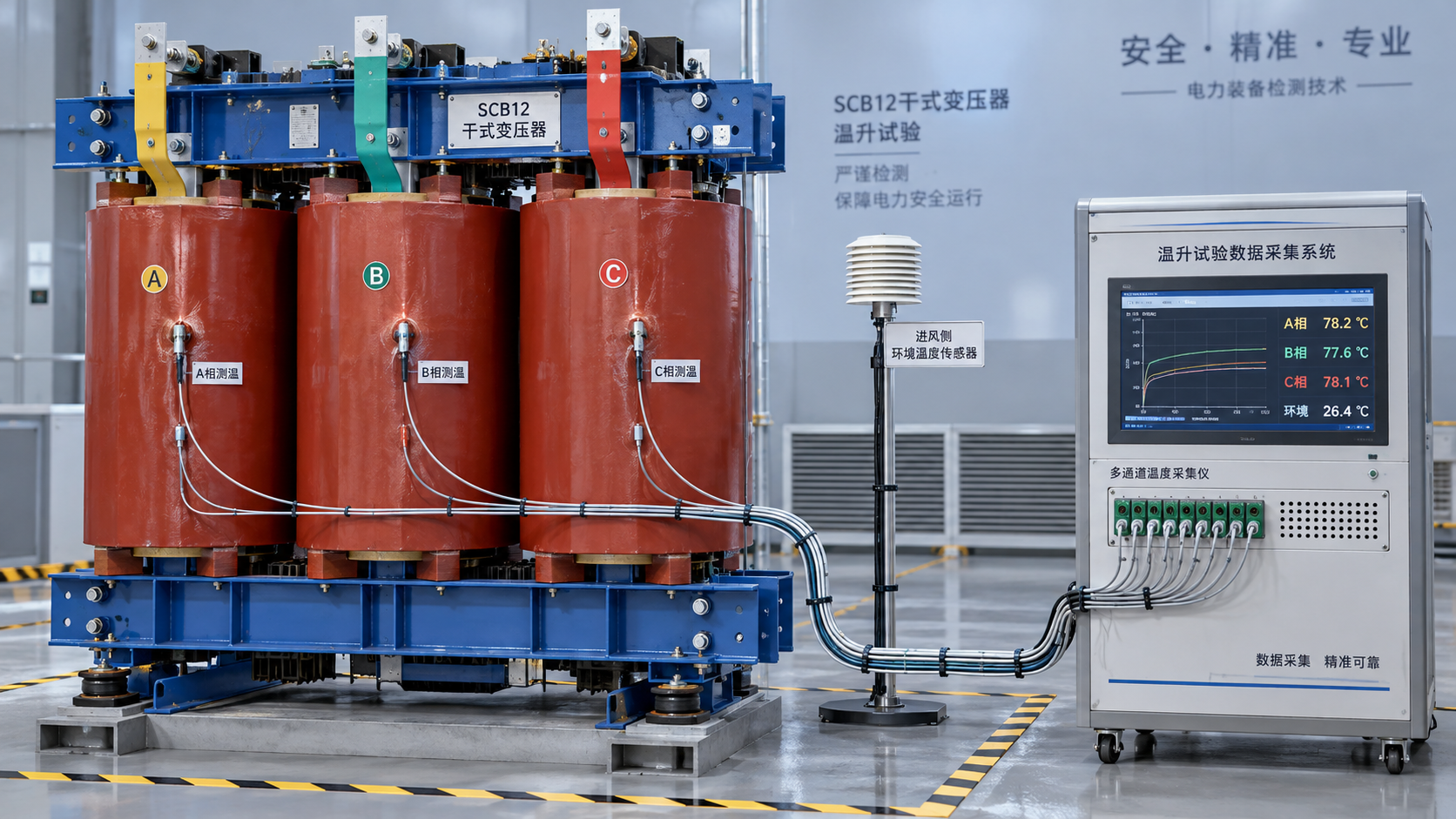
 How to verify the temperature-rise test of an SCB12 dry-type transformer
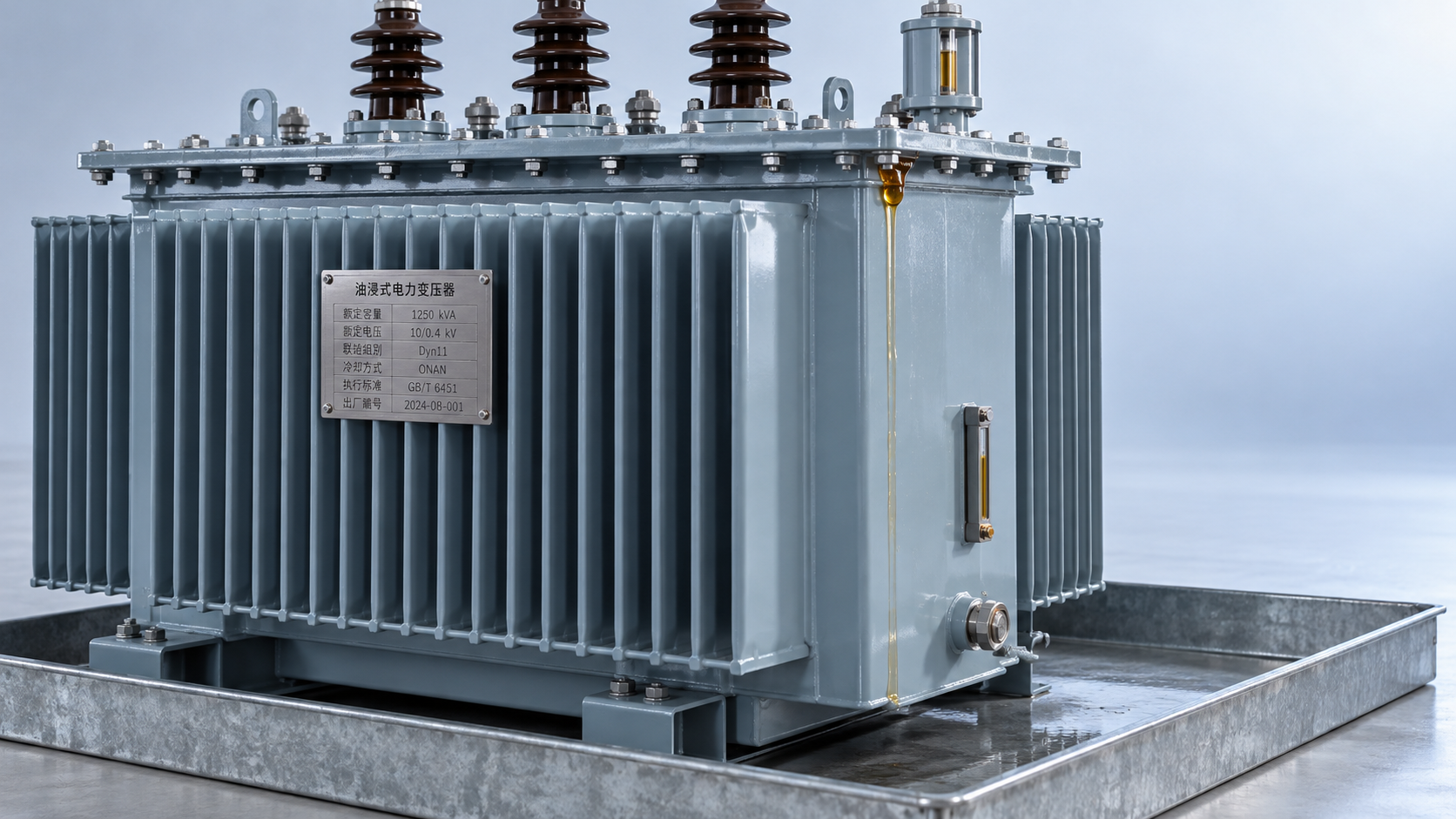
 Distribution transformer maintenance tips for spotting oil leaks
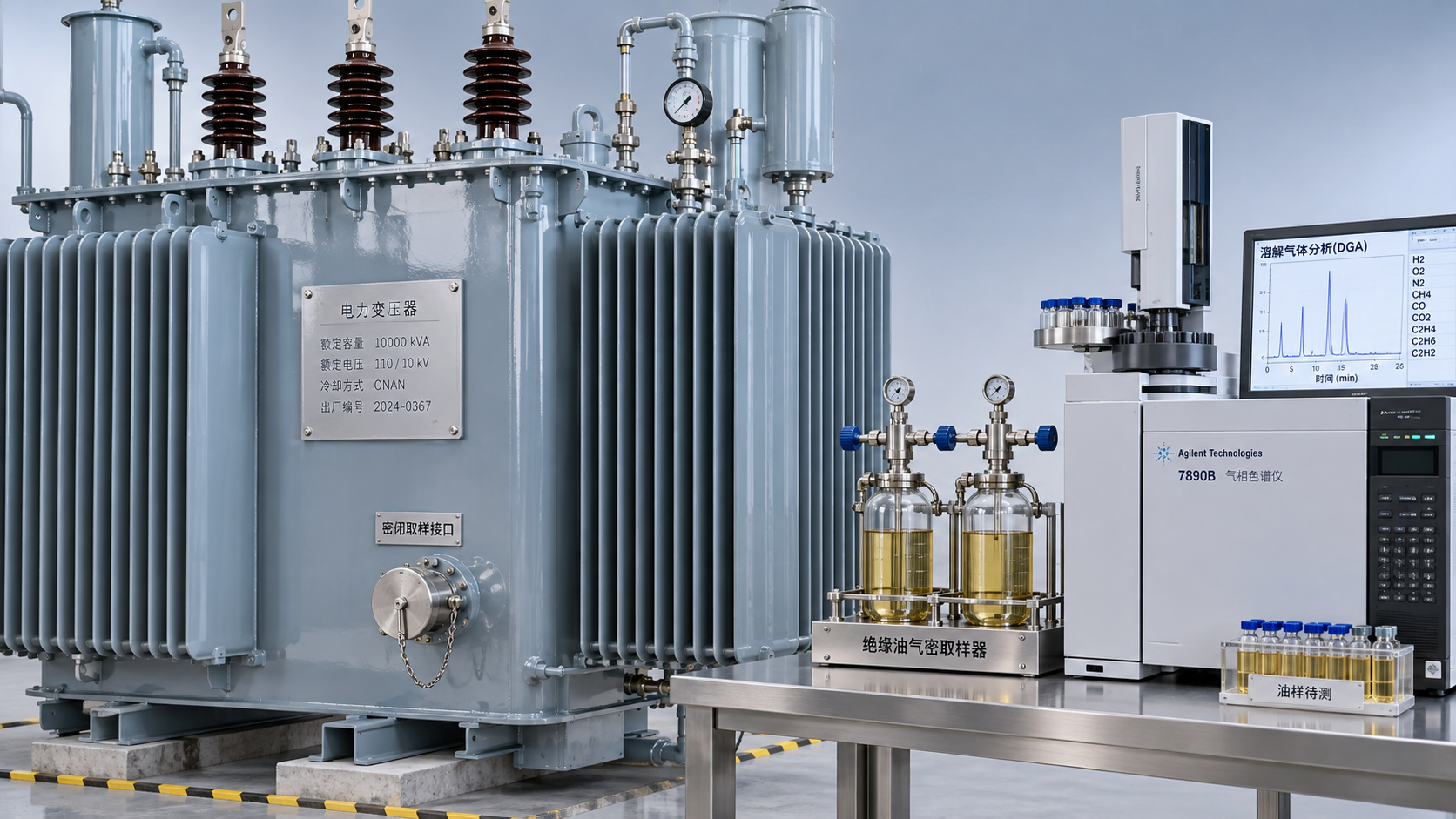
 What dissolved gas analysis reveals about an oil-immersed transformer
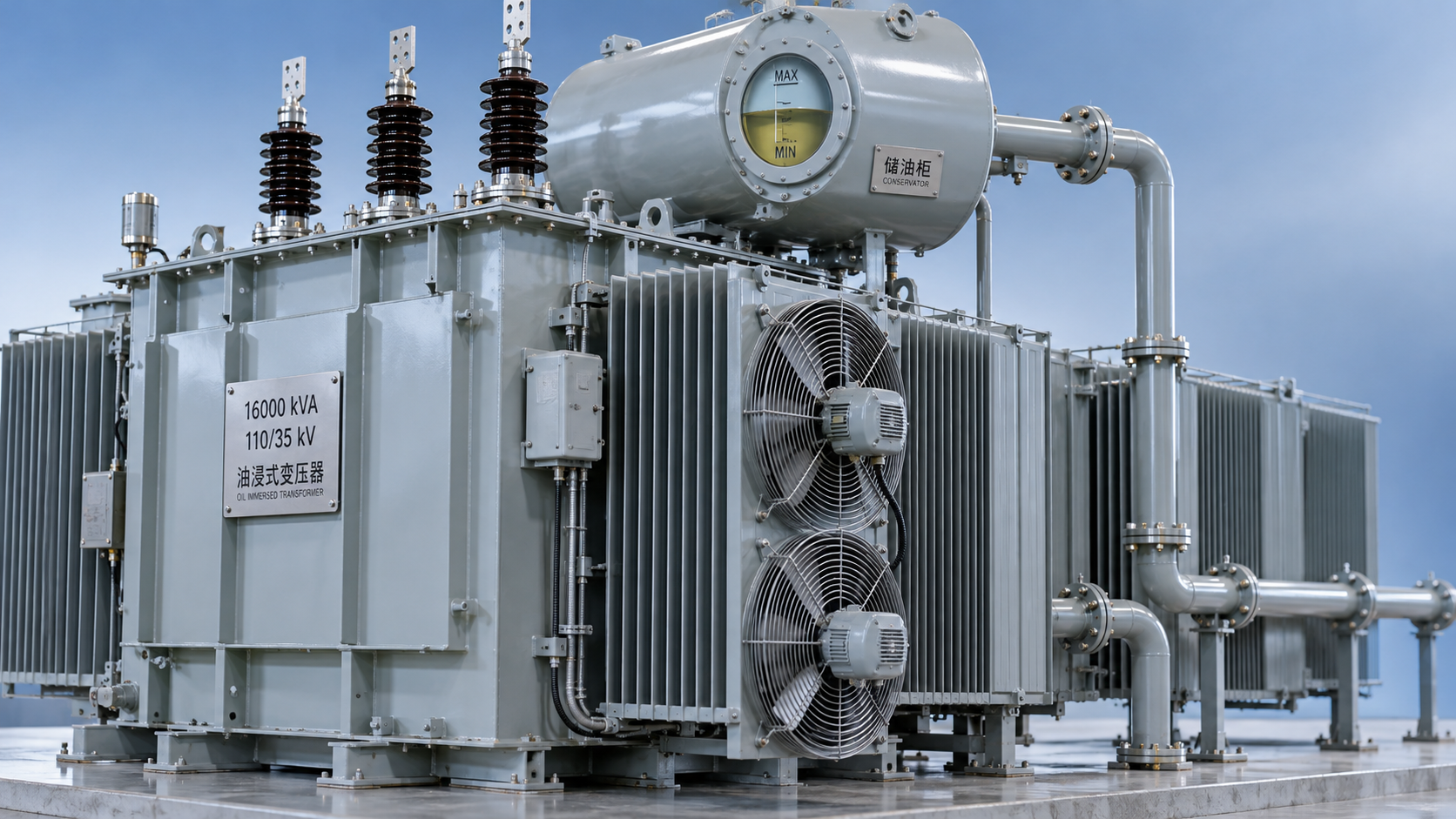
 Why an oil-cooled transformer overheats despite a normal oil level
 How the amorphous core affects SCBH15 dry-type transformer losses
 Sizing S13 oil-immersed transformers for variable wind farm output
GET A FREE QUOTE
We offer reliable products, competitive prices, and nationwide professional support, committed to providing customers with efficient and energy-saving power equipment solutions.