


Choosing the best dry-type transformer manufacturer is rarely a simple price comparison. For companies building supply channels, the real question is whether a factory can deliver stable quality, broad product support, compliant production, and dependable long-term cooperation.
That is why the topic matters now. Demand for efficient, low-maintenance transformers is rising across industrial facilities, commercial buildings, utilities, and compact substations, while buyers face tighter expectations on certification, energy performance, and delivery reliability.
What the comparison should really measure
A best dry-type transformer manufacturer is not defined only by catalog size. The stronger signal is how well the manufacturer connects design capability, process control, testing discipline, and after-sales consistency.
In practice, dry-type transformer selection affects project risk. If the supplier lacks technical depth, problems often appear later in temperature rise, noise, insulation performance, documentation, or delivery coordination.
A reliable comparison should therefore examine production capacity and engineering credibility together. This approach gives a more realistic picture than reviewing quotations alone.
Technical strength and manufacturing discipline
Technical strength starts with product development, but it should also appear on the factory floor. Core processing, winding accuracy, insulation treatment, assembly control, and routine testing all influence transformer performance.
Jiangsu Shengda Power Equipment Co., Ltd. provides a useful reference point here. The company focuses on transformer research, development, production, and sales, supported by technical expertise, mature manufacturing processes, and a complete inspection system.
That matters because a best dry-type transformer manufacturer should show evidence of process stability, not only product claims. Stringent management and repeatable quality control reduce inconsistency across different orders and model ranges.
Standards are part of the risk filter
Compliance is one of the fastest ways to separate serious suppliers from short-term traders. Products aligned with recognized standards are easier to evaluate, approve, and place into regulated applications.
When reviewing suppliers, check whether production follows standards such as GB1094.1-2-1996 and GB/T6451-2008, and whether the factory maintains ISO9001 certification. These are not marketing extras. They indicate process structure and traceability.
Product range shows how well a supplier can support the market
A narrow product line may work for one project, but it limits long-term cooperation. A broader portfolio allows better matching across installation conditions, voltage classes, efficiency targets, and customer preferences.
This is especially relevant when comparing the best dry-type transformer manufacturer for channel development. Many buyers prefer a supplier that can support related transformer categories instead of only one isolated model family.
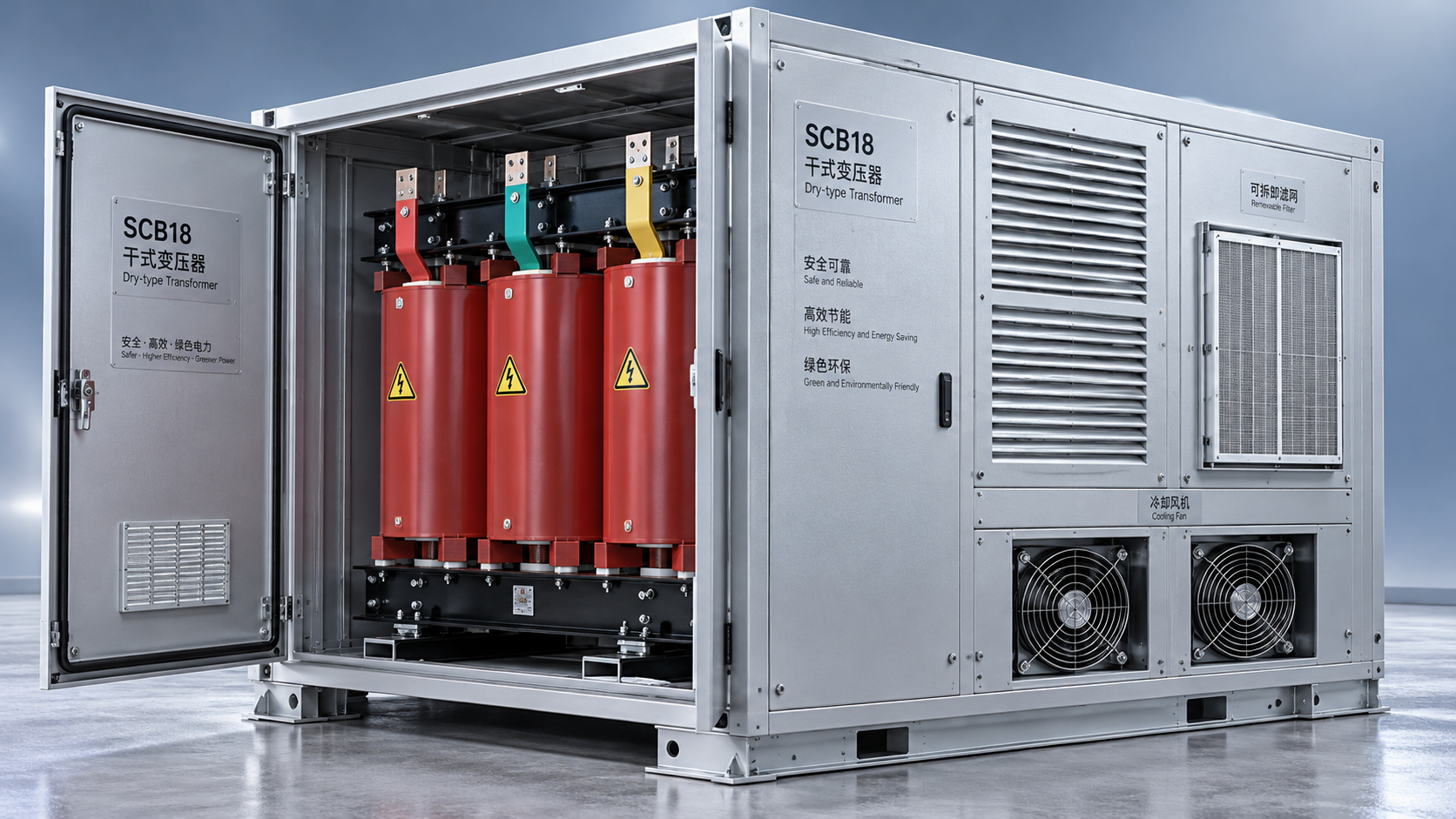
For example, manufacturers with experience in 10KV and 35KV models, SCB10, SCB11, SCB13, SCB14, SCB18, SGB series, compact substations, amorphous alloy transformers, and on-load tap-changing units usually offer more flexible project coverage.
Low-loss oil-immersed series can also reveal engineering capability. In many procurement reviews, efficiency data from adjacent product lines helps confirm whether a factory understands loss reduction and structural optimization across its transformer portfolio.
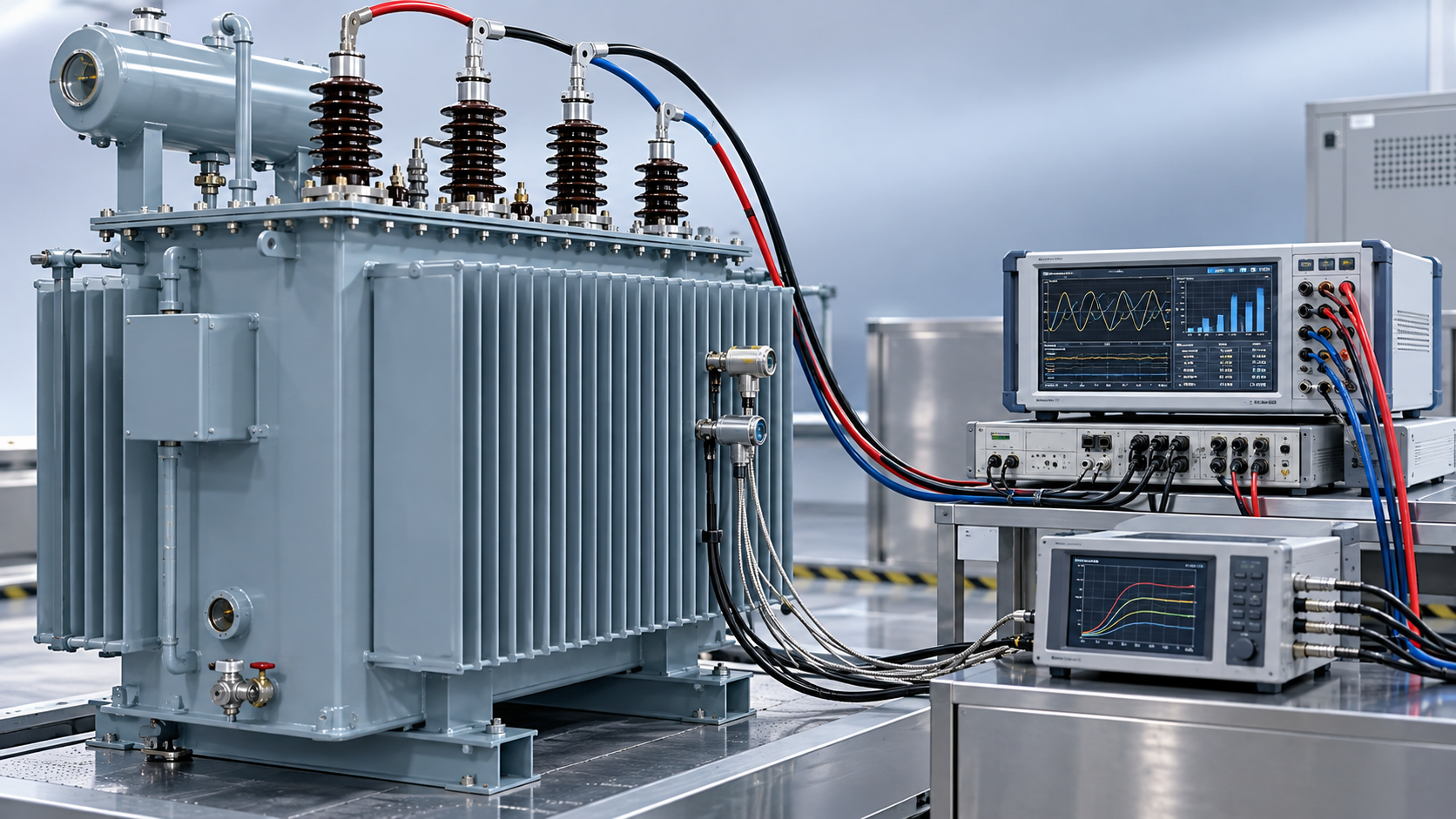
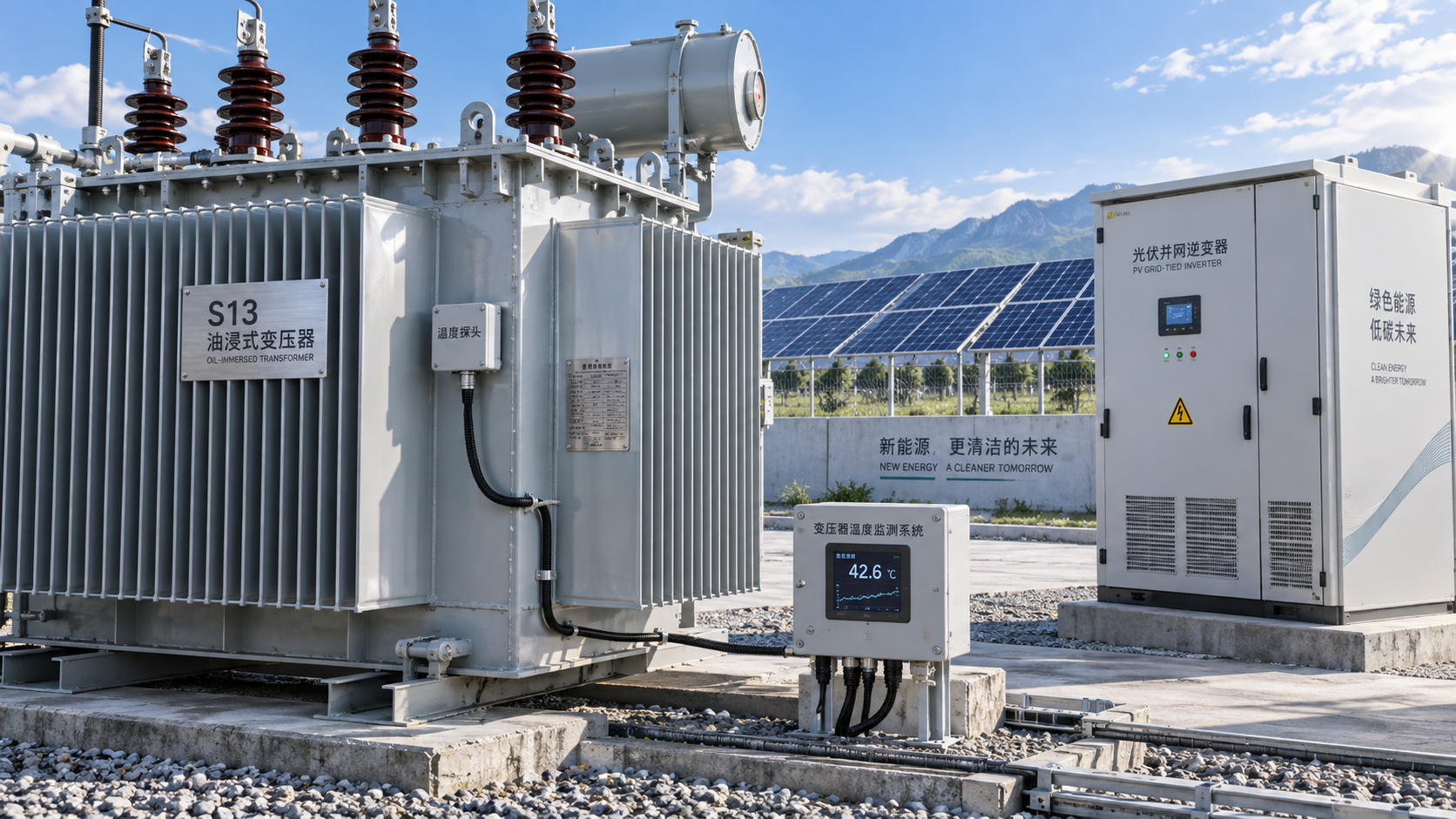
One example is S13 Series Oil-Immersed Power Transformer, which uses an optimized core and coil structure to reduce no-load loss and noise. Its no-load loss is reduced by about 20%, and noise is also reduced by around 20% against JB/T10088-2016.
Key comparison points in real business evaluation
The best dry-type transformer manufacturer should perform well across several decision points at the same time. A weakness in one area can offset an advantage elsewhere.
Where buyers often misjudge suppliers
One common mistake is treating all dry-type transformer offers as technically equivalent. Similar ratings do not guarantee the same insulation class, cooling behavior, noise control, or expected service life.
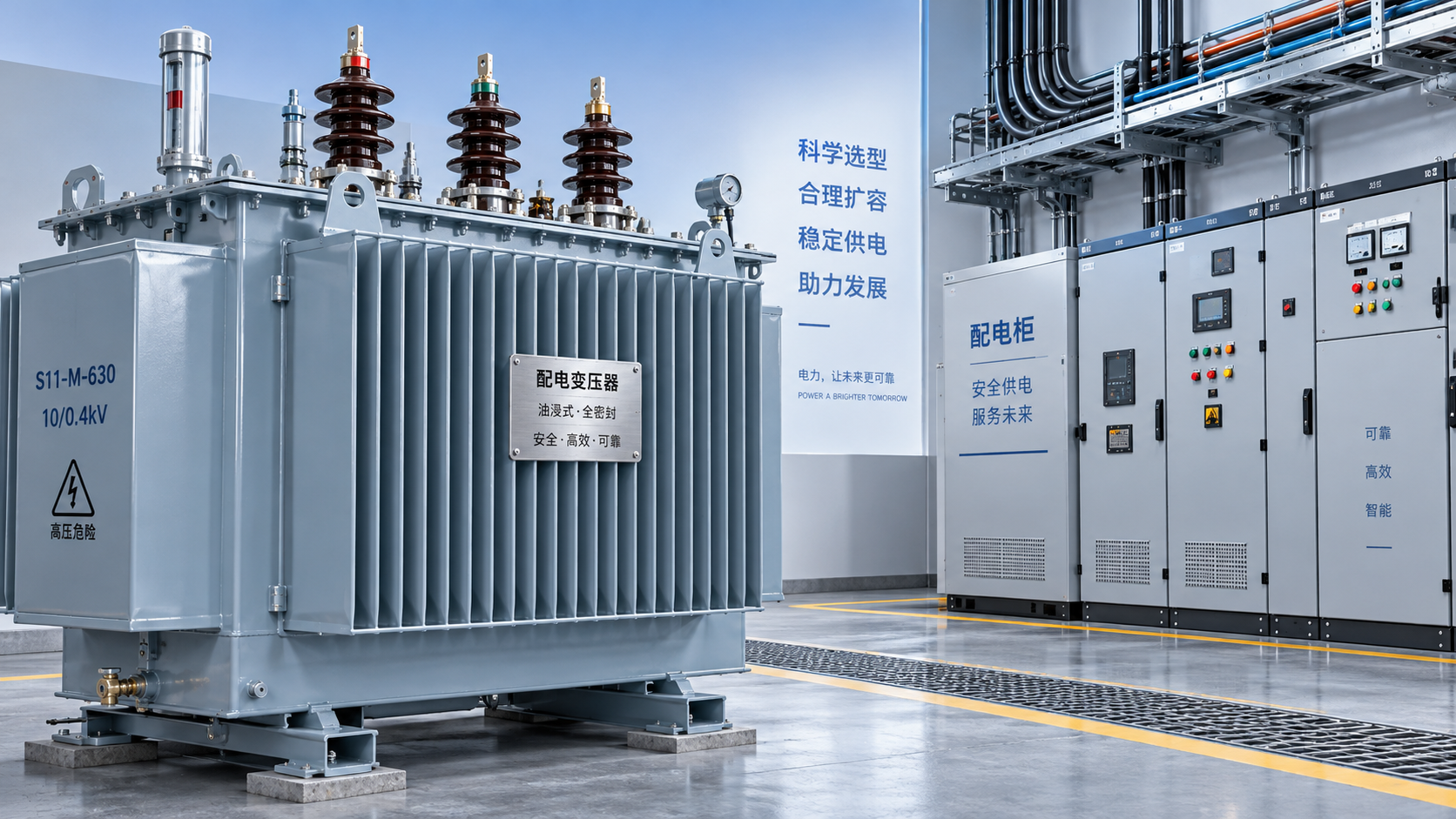
Another mistake is ignoring the value of related product evidence. A factory that can produce low-loss S11, S13, S15, S20, and S22 series often demonstrates broader command over material selection and energy-saving design.
That is why an item like the S13 Series Oil-Immersed Power Transformer can still be relevant during dry-type supplier assessment. With rated capacities from 30 KVA to 2500 KVA, connection marks such as Yyn0 or Dyn11, and advanced domestic performance, it reflects how the manufacturer handles efficiency, structure, and standard compliance.
A practical way to compare before making a decision
A useful comparison process is simple and evidence-based.
- Match the supplier’s core models to target voltage classes and installation environments.
- Request certification details, testing routines, and applicable standards.
- Review loss, noise, and performance data instead of relying on general claims.
- Check whether the factory supports repeat orders with stable lead times.
- Assess how quickly technical questions are answered during quotation and sampling.
This method helps identify the best dry-type transformer manufacturer in a more commercial and less subjective way. It also improves supplier selection when market conditions change quickly.
What to do next
The best dry-type transformer manufacturer is usually the one that combines technical credibility, stable production, compliant quality systems, and a product range that supports future business, not only the current order.
A careful next step is to build a short comparison checklist around standards, model coverage, loss data, testing transparency, and delivery consistency. Once those points are clear, supplier evaluation becomes far more precise and easier to defend.



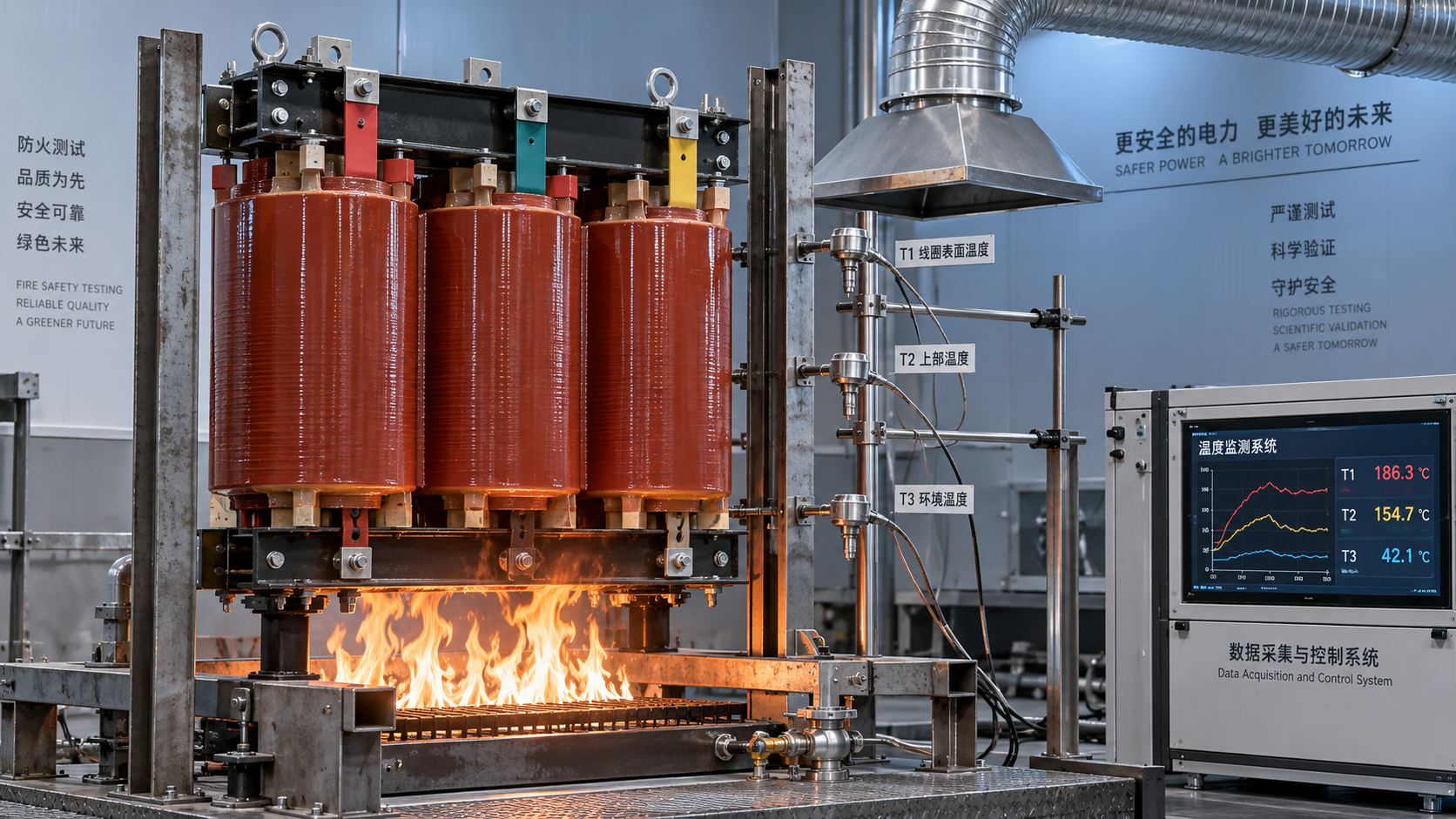
 What an F1 fire behaviour rating means for a flame-retardant transformer
 How enclosure specifications affect SCB18 dry-type transformer cost
 How to compare loss guarantees for S22 oil-immersed transformers
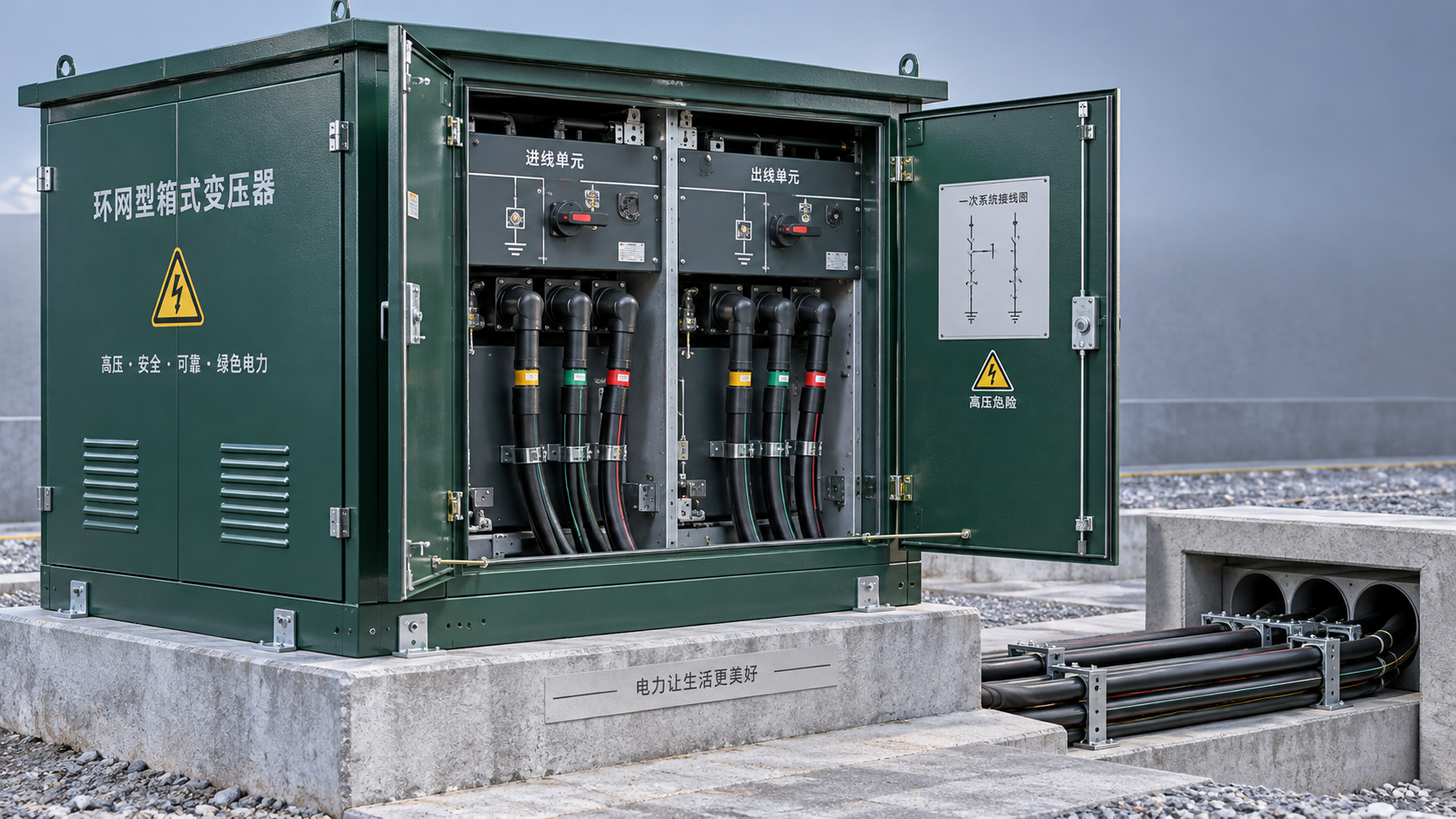
 When to choose a loop-feed pad-mounted transformer over radial feed
 How much spare capacity should a distribution transformer have?
 Checking S13 oil-immersed transformers for renewable inverter loads
GET A FREE QUOTE
We offer reliable products, competitive prices, and nationwide professional support, committed to providing customers with efficient and energy-saving power equipment solutions.