


Industrial Applications of Dry-Type Transformers in Modern Power Grids
Dry-type transformers are becoming essential components in modern power grids, supporting safer, cleaner, and more efficient power distribution across industrial facilities, commercial buildings, renewable energy systems, and compact substations.
As industries demand higher reliability, lower maintenance, and improved environmental performance, dry-type transformers offer a practical solution for complex electrical networks.
This article explores key industrial applications and explains how advanced transformer expertise supports evolving power infrastructure needs.
Basic Overview of Dry-Type Transformers
Dry-type transformers use air or solid insulation instead of liquid insulating oil for cooling and electrical isolation.
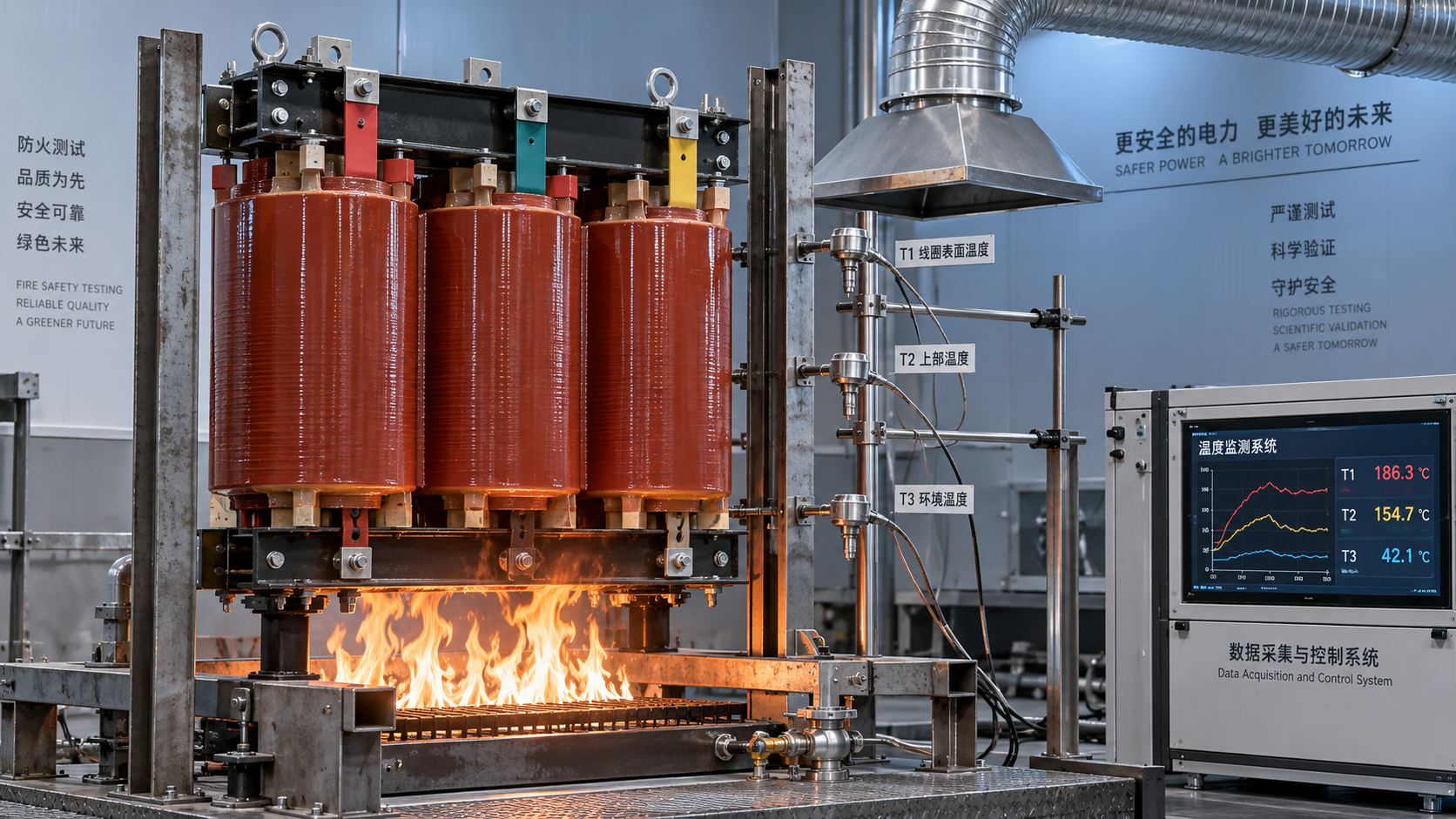
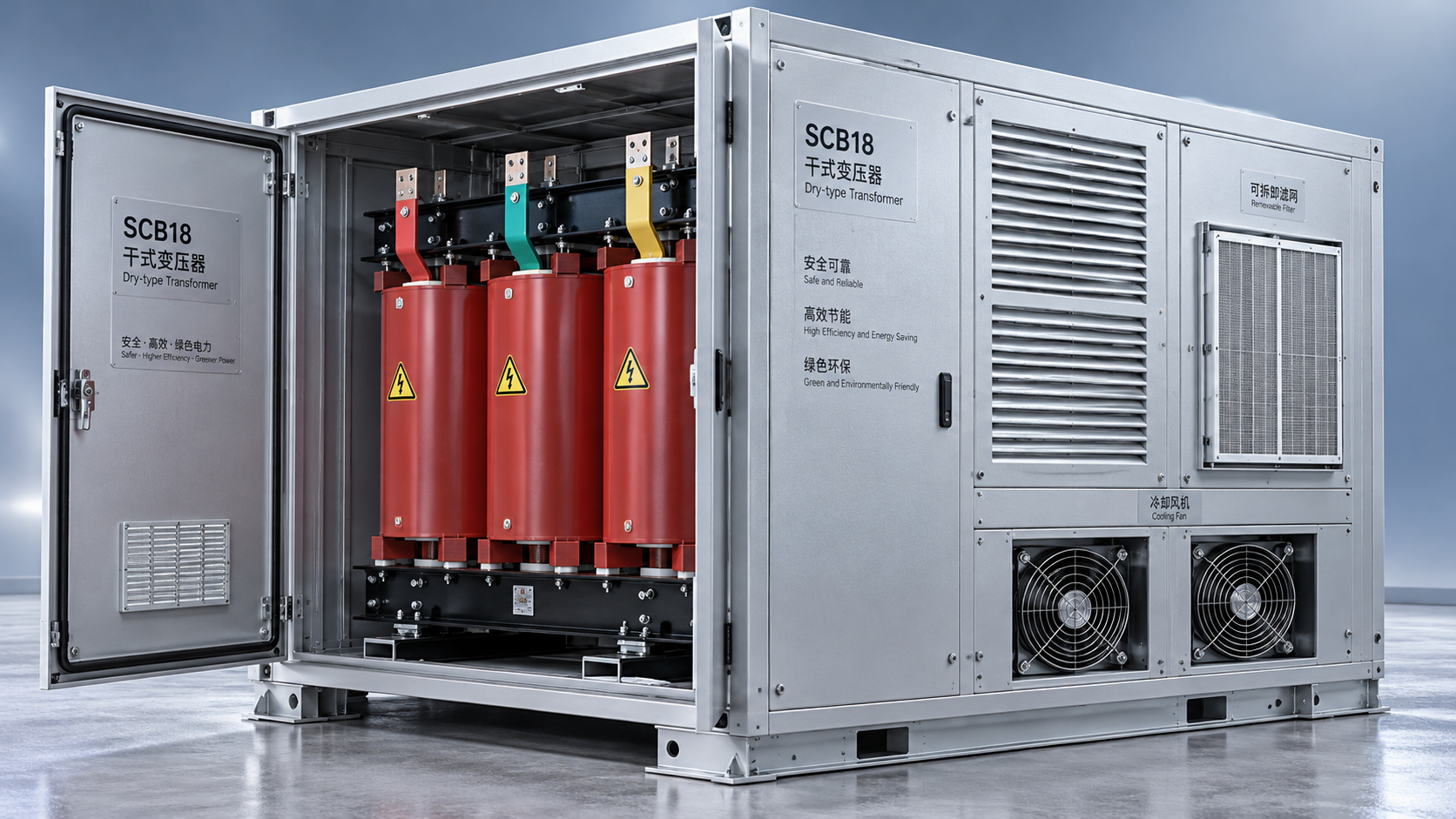
Their structure commonly includes resin-cast windings, vacuum pressure impregnation, high-grade silicon steel cores, and enclosed ventilation systems.
Because they contain no flammable oil, dry-type transformers are widely used in indoor and space-constrained environments.
They are suitable for power distribution where fire safety, low maintenance, and environmental compatibility are important.
Modern dry-type transformers can support 10KV and 35KV networks, compact substations, and industrial low-voltage distribution systems.
Industry Background and Current Grid Requirements
Modern power grids are becoming more decentralized, digitally monitored, and sensitive to power quality requirements.
Industrial facilities now require transformer systems that can handle variable loads, harmonic stress, and continuous operation.
These signals explain why dry-type transformers are gaining wider acceptance across industrial power distribution projects.
Application Value in Industrial Power Distribution
The strongest value of dry-type transformers lies in safer installation and predictable operation under demanding electrical conditions.
Their non-oil design reduces leakage risk and simplifies environmental management in sensitive locations.
In factories, dry-type transformers support motor loads, automation equipment, process lines, and control systems.
In commercial facilities, they help maintain reliable power for HVAC systems, elevators, lighting, and digital infrastructure.
- Lower fire risk for indoor substations and public buildings.
- Reduced maintenance compared with oil-filled equipment.
- Better suitability for compact and enclosed electrical rooms.
- Improved environmental compatibility in strict operating zones.
- Stable performance for continuous industrial load profiles.
For many projects, dry-type transformers also reduce installation complexity by limiting oil containment requirements.
Typical Industrial Application Scenarios
Dry-type transformers are used wherever safety, continuity, and space efficiency must be balanced.
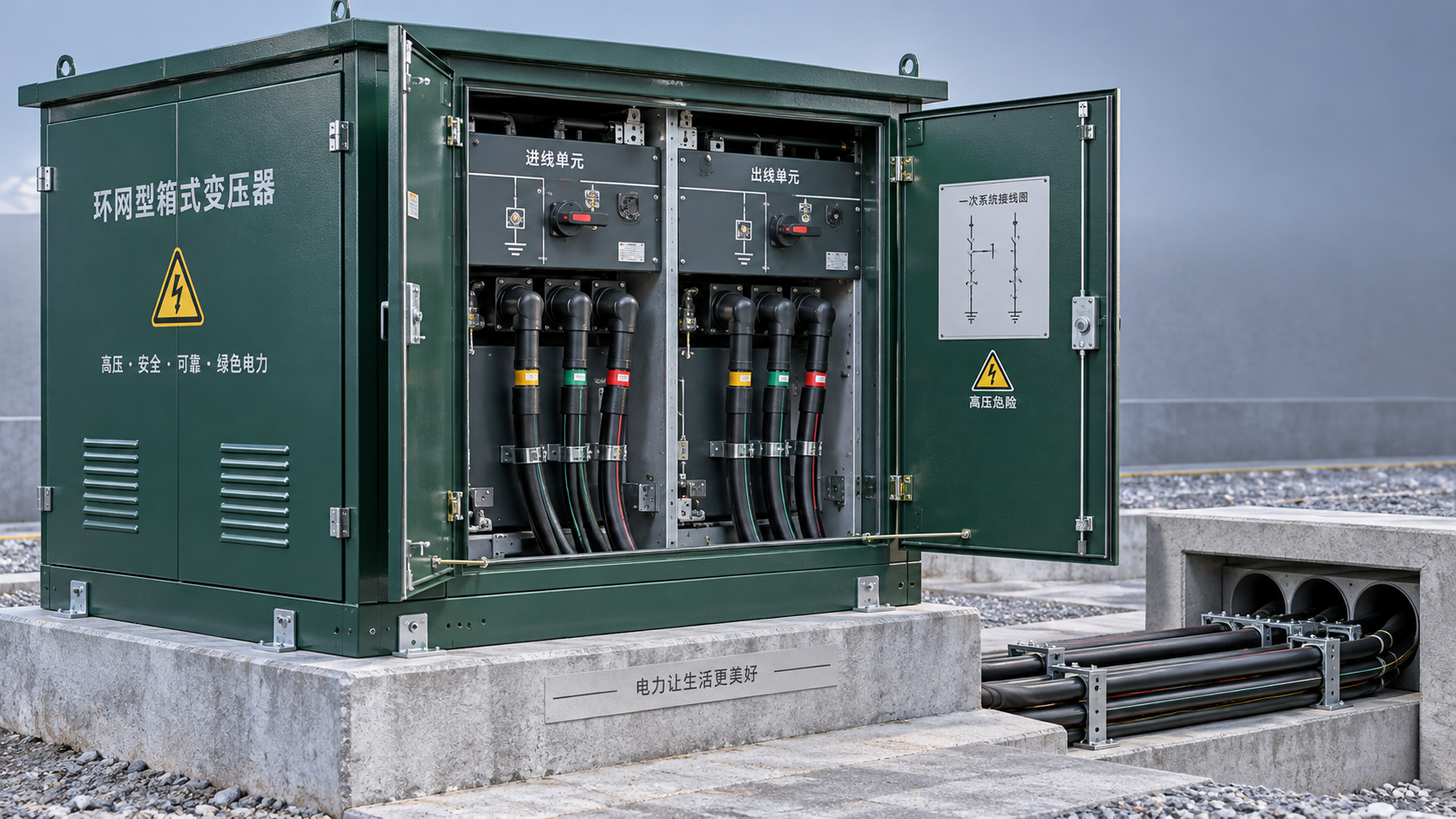
In compact substations, dry-type transformers are often selected for urban grids, industrial parks, and commercial complexes.
Their low maintenance profile makes them useful where downtime causes high operational losses.
Selection Factors for Reliable Operation
Selecting dry-type transformers requires more than matching rated capacity with estimated load demand.
Engineered selection should consider voltage class, insulation level, cooling method, enclosure protection, and installation environment.
Load and Capacity Matching
Transformer capacity should support normal load, expected expansion, and short-term overload conditions.
Oversizing may raise cost and no-load loss, while undersizing can increase temperature and shorten service life.
Thermal and Ventilation Conditions
Dry-type transformers depend heavily on airflow for heat dissipation.
Electrical rooms should provide adequate ventilation, clean air paths, and safe clearance around transformer surfaces.
Power Quality and Harmonics
Variable frequency drives, rectifiers, and UPS systems may introduce harmonic currents.
In these cases, dry-type transformers should be evaluated for thermal margin and harmonic tolerance.
Role of Advanced Transformer Manufacturing
Consistent transformer performance depends on design capability, material control, production processes, and quality inspection.
Jiangsu Shengda Power Equipment Co., Ltd. specializes in R&D, production, and sales of transformers and related products.
The company manufactures dry-type transformers, compact substations, amorphous alloy transformers, and on-load tap-changing power transformers.
Its product range includes SCB10, SCB11, SCB13, SCB14, SCB18, SGB, and 10KV or 35KV transformer solutions.
Quality systems follow international and industry standards, including GB1094.1-2-1996 and GB/T6451-2008.
ISO9001 certification also supports stable quality management across design, manufacturing, inspection, and delivery stages.
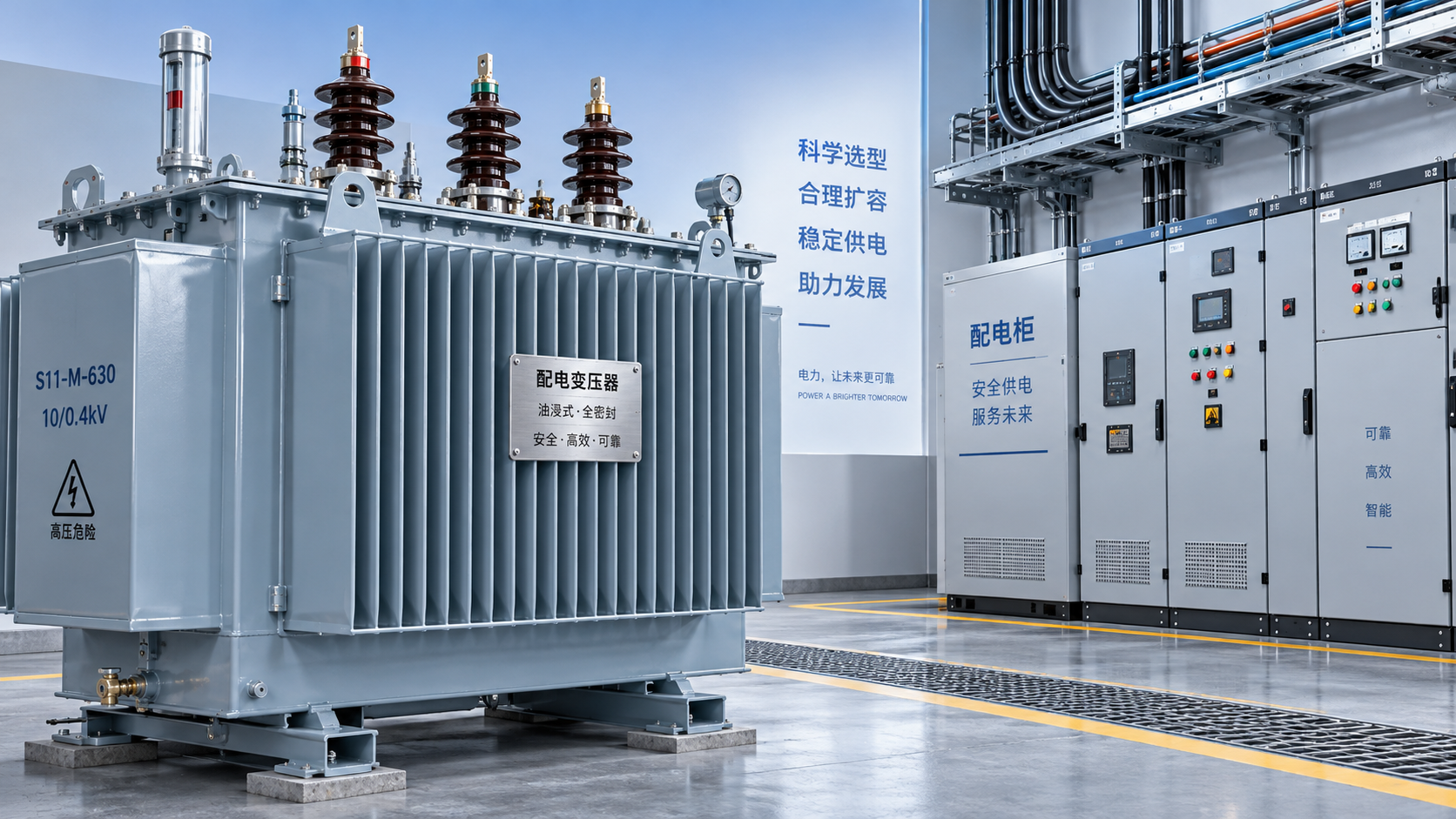
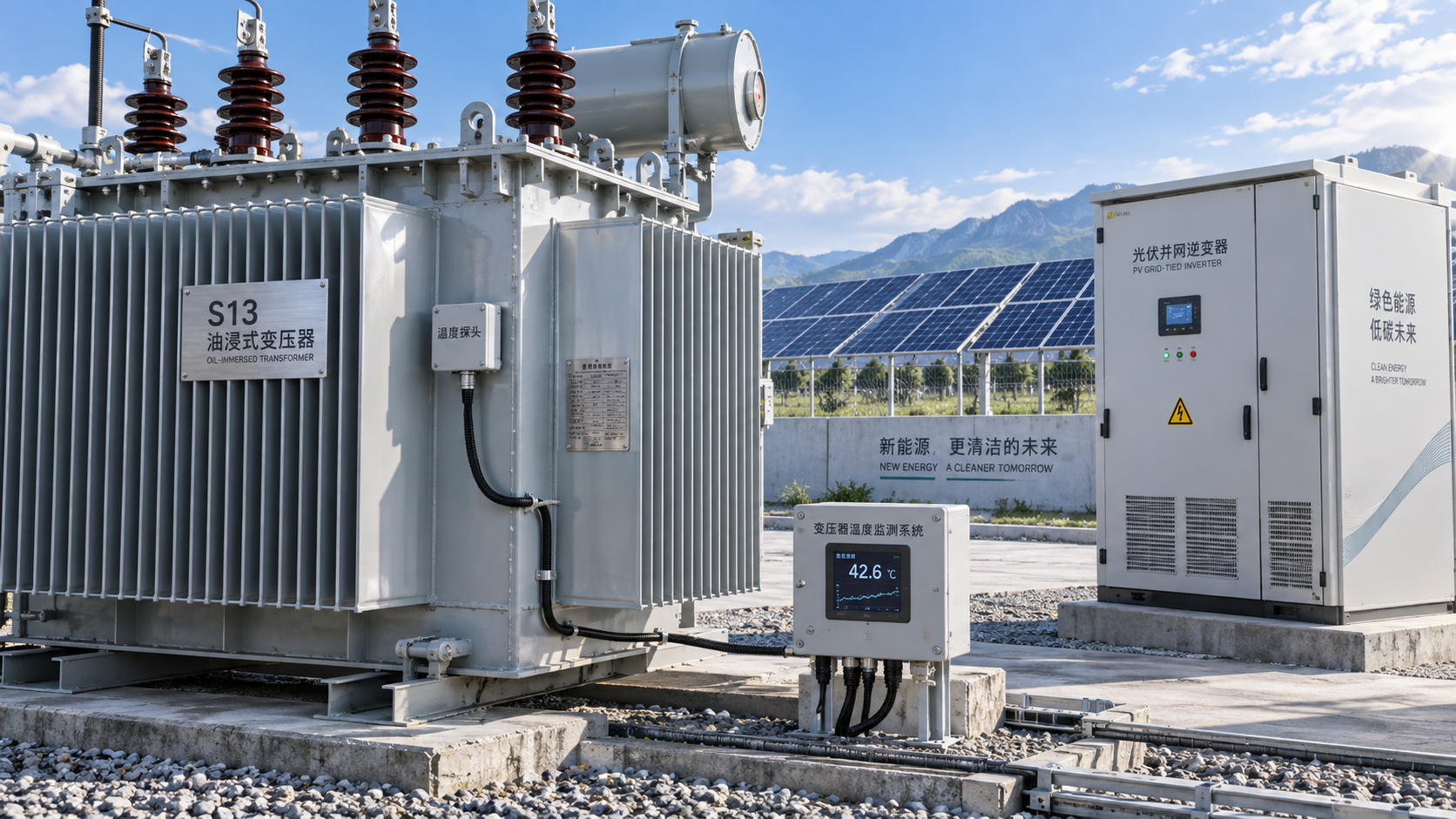
For outdoor distribution networks, oil-immersed units may complement dry-type transformers within the same grid architecture.
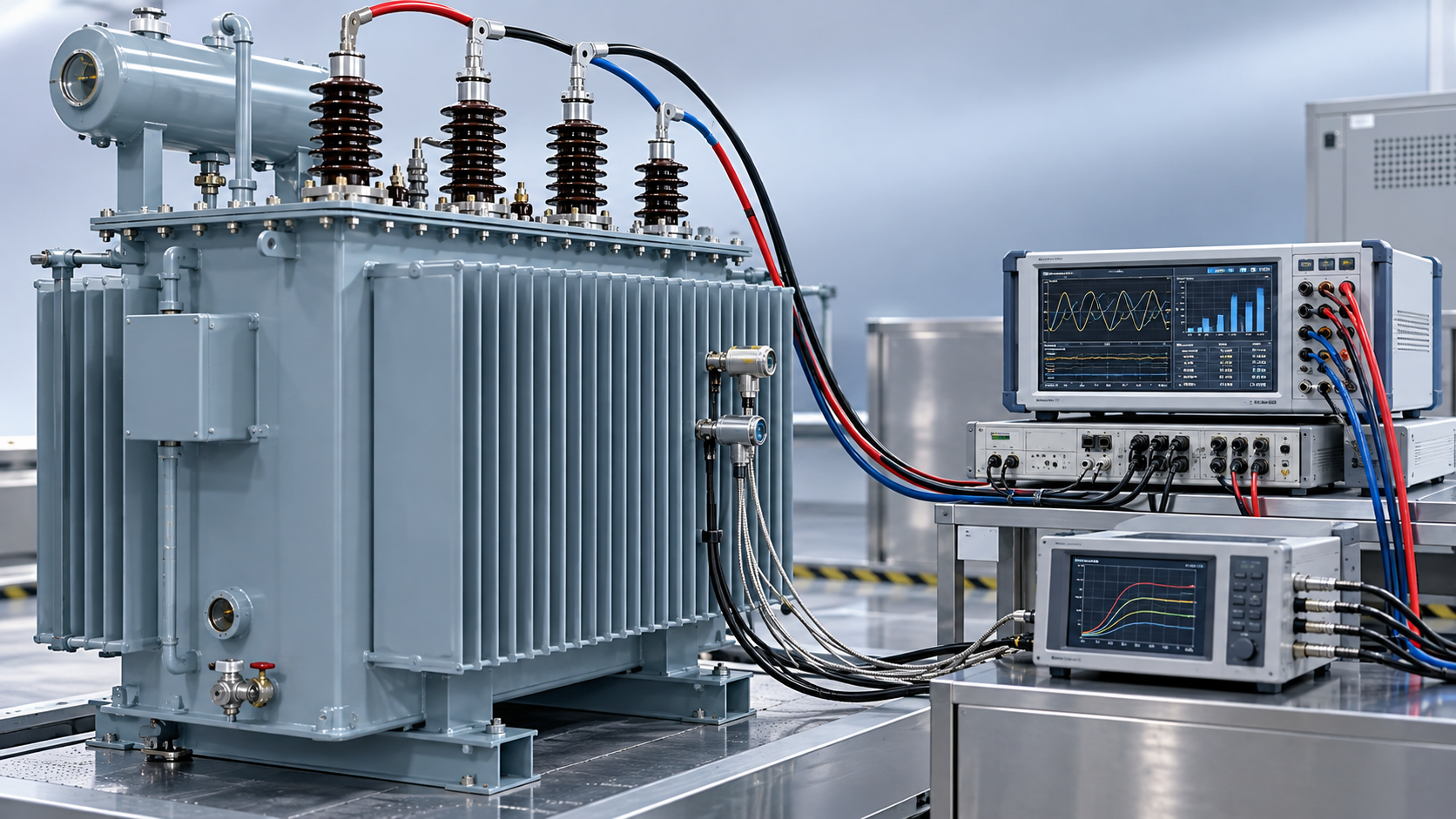
For example, S20 Series Oil-Immersed Power Transformers provide energy-saving performance for suitable utility and industrial applications.
This series covers 30KVA to 2500KVA, with Yyn0 or Dyn11 connection marks and 10KV-class voltage combinations.
It complies with GB20052-2020 and JB/T10088-2016, while reducing no-load loss and noise.
Practical Recommendations for Project Planning
Effective transformer planning should begin with a clear study of load behavior and installation constraints.
- Confirm rated voltage, frequency, capacity, and connection group.
- Review indoor temperature, humidity, dust, and ventilation conditions.
- Assess harmonic sources and sensitive downstream equipment.
- Select enclosure protection based on safety and site exposure.
- Check compliance with applicable standards and inspection requirements.
- Plan maintenance access for testing, cleaning, and thermal inspection.
Dry-type transformers should also be coordinated with switchgear, protection relays, cables, grounding, and monitoring devices.
This coordination improves fault response and supports long-term grid stability.
Operational Attention Points
Even reliable dry-type transformers require routine observation to maintain safe operation.
Regular checks should include temperature indicators, abnormal noise, dust buildup, insulation condition, and ventilation performance.
Thermographic inspection helps identify loose connections, overload symptoms, and unbalanced heating before failures develop.
Where load patterns change, capacity margins should be reviewed to prevent hidden thermal stress.
A clean and dry electrical room can significantly improve the service life of dry-type transformers.
Conclusion and Next Steps
Dry-type transformers support modern power grids through safer installation, lower maintenance, and strong environmental adaptability.
Their industrial applications cover manufacturing, data centers, renewable energy, transit systems, hospitals, campuses, and compact substations.
For a successful project, evaluate load profiles, site conditions, safety requirements, and lifecycle efficiency together.
Jiangsu Shengda Power Equipment Co., Ltd. provides transformer solutions backed by technical expertise, strict inspection, and proven manufacturing capability.
The next step is to define voltage level, capacity range, installation environment, and compliance requirements before selecting a transformer solution.



 What an F1 fire behaviour rating means for a flame-retardant transformer
 How enclosure specifications affect SCB18 dry-type transformer cost
 How to compare loss guarantees for S22 oil-immersed transformers
 When to choose a loop-feed pad-mounted transformer over radial feed
 How much spare capacity should a distribution transformer have?
 Checking S13 oil-immersed transformers for renewable inverter loads
GET A FREE QUOTE
We offer reliable products, competitive prices, and nationwide professional support, committed to providing customers with efficient and energy-saving power equipment solutions.