


Why does outdoor oil-immersed transformer installation matter?
Proper installation is critical to the safety, efficiency, and service life of outdoor oil-immersed transformers.
From site selection to grounding and weather protection, each step affects transformer reliability and long-term operating cost.
Jiangsu Shengda Power Equipment Co., Ltd. develops and manufactures transformer solutions under strict quality systems and international standards.
Its portfolio includes low-loss power transformers, 10KV and 35KV units, dry-type transformers, compact substations, and on-load tap-changing models.
How should the installation site be selected?
Choose elevated ground with good drainage to prevent standing water around the outdoor oil-immersed transformer.
Keep adequate clearance from buildings, fences, traffic lanes, and combustible materials.
Avoid locations exposed to corrosive gas, excessive dust, vibration, or flood risk.
The site should also allow safe access for inspection, oil testing, cable work, and future replacement.
What are the best practices for foundation and mounting?
A reinforced, level foundation prevents tank distortion and reduces mechanical stress on bushings and radiators.
Check anchor bolt positions carefully before lifting the transformer into place.
Use lifting points specified by the manufacturer, and never apply force to cooling parts or porcelain components.
For sites with strict indoor fire safety needs, SCB14 Type Dry-Type Transformer can be a suitable alternative.
How important are grounding, cabling, and protection settings?
Grounding is essential for outdoor oil-immersed transformer safety and fault current control.
Connect the tank, neutral point, surge arresters, and metal structures to a verified grounding network.
Cable terminations should be clean, dry, and mechanically supported to avoid stress on bushings.
Protection settings must match load characteristics, voltage class, and coordination requirements of the distribution system.
What weather and ventilation measures reduce failure risk?
Outdoor oil-immersed transformer performance depends on cooling airflow and protection from severe weather.
Do not block radiator clearance with walls, stored items, or dense vegetation.
Install lightning protection where exposure is high, and inspect seals to keep moisture out of the tank.
In dusty or humid facilities, some projects compare oil-filled units with the SC(B)14 dry-type design using epoxy resin insulation.
Which checks are required before energizing?
Before energization, confirm oil level, insulation resistance, ratio test results, grounding continuity, and tightness of all connections.
Verify tap position, phase sequence, protection devices, and nameplate conformity with the system design.
A slow, controlled commissioning process helps identify abnormal noise, leaks, or temperature rise early.
Quick FAQ table for outdoor oil-immersed transformer installation
Following these installation best practices improves outdoor oil-immersed transformer safety, uptime, and service life.
Review site conditions, verify commissioning tests, and choose transformer designs that match the application environment and protection needs.



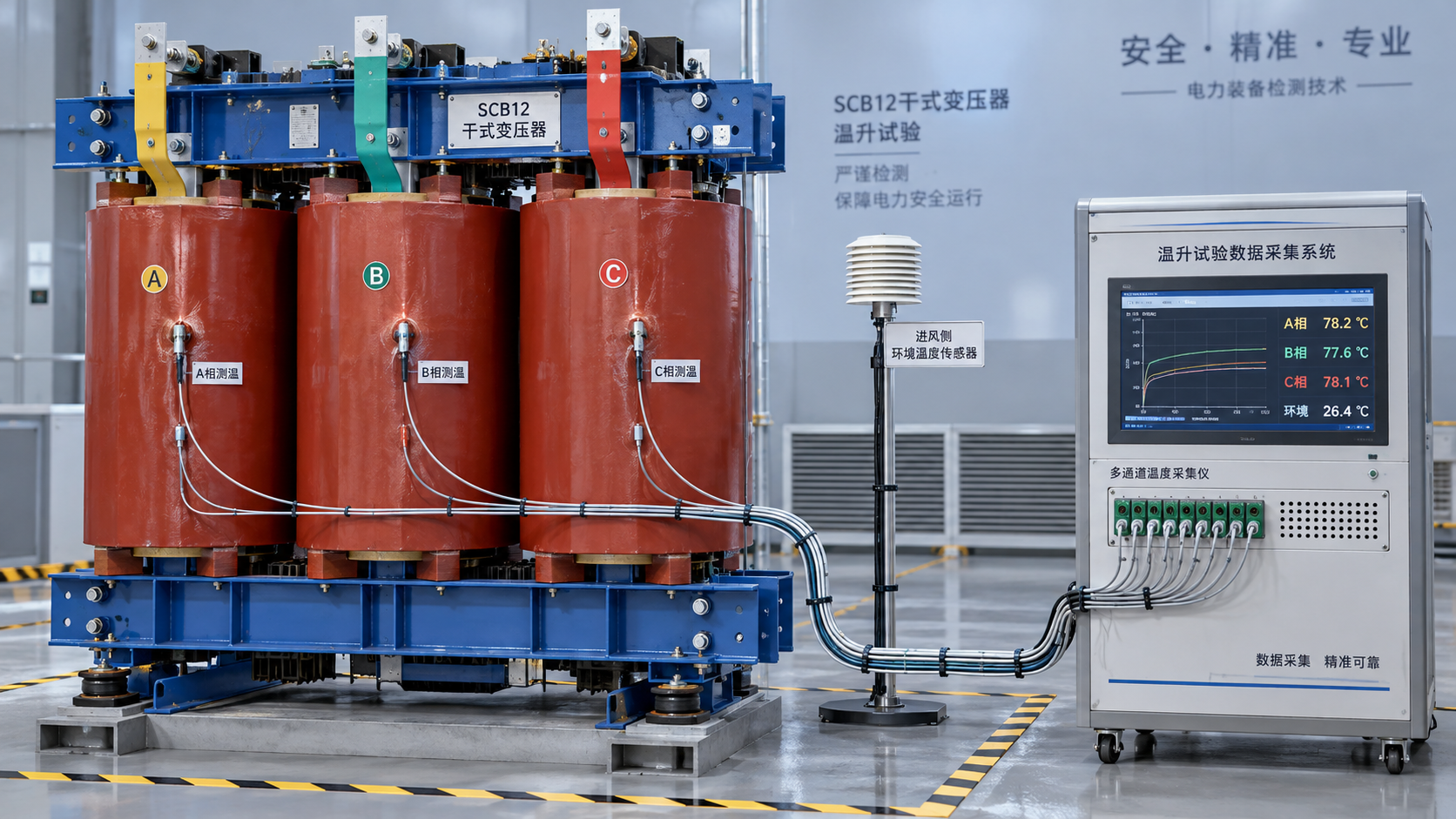
 How to verify the temperature-rise test of an SCB12 dry-type transformer
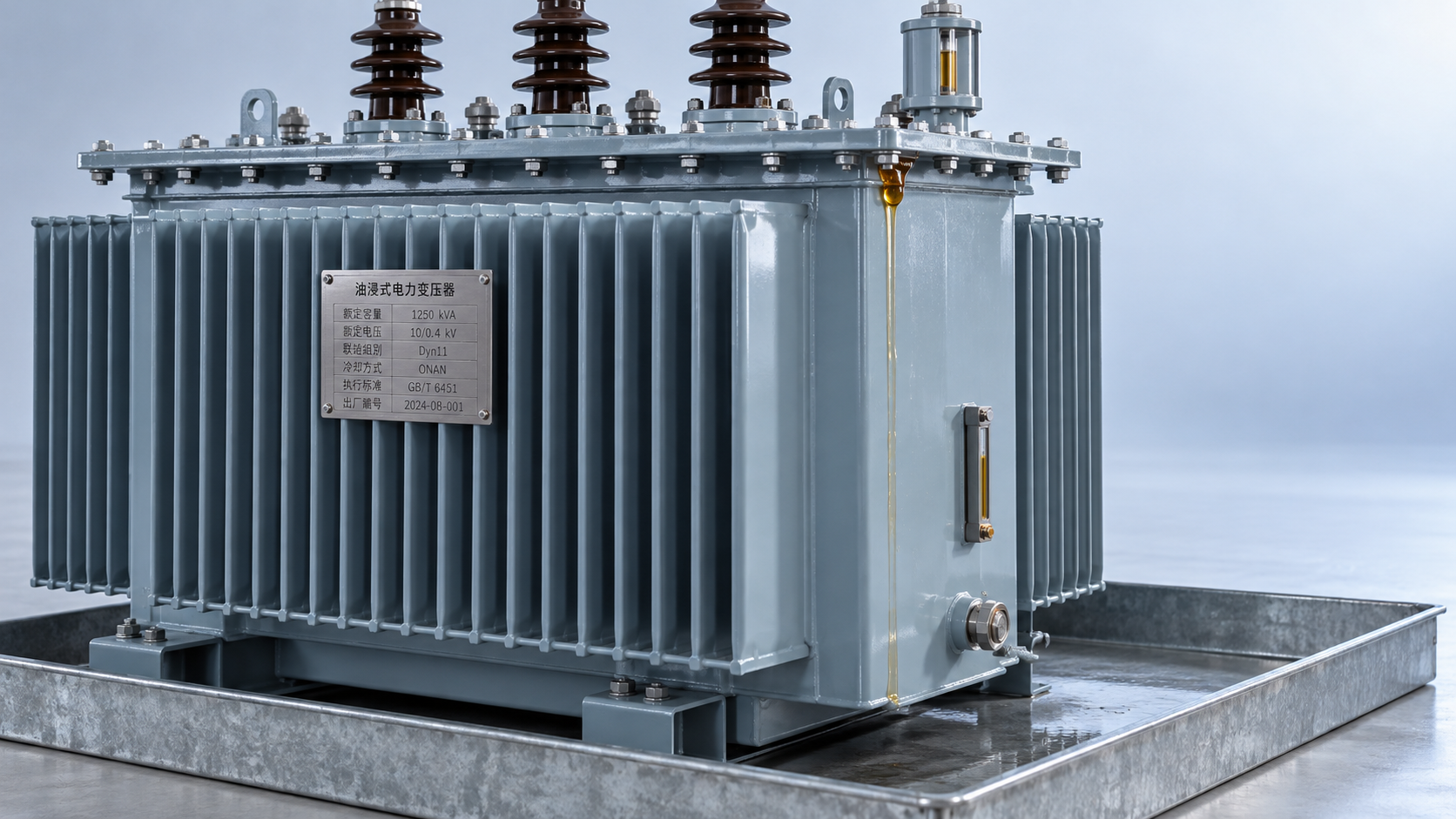
 Distribution transformer maintenance tips for spotting oil leaks
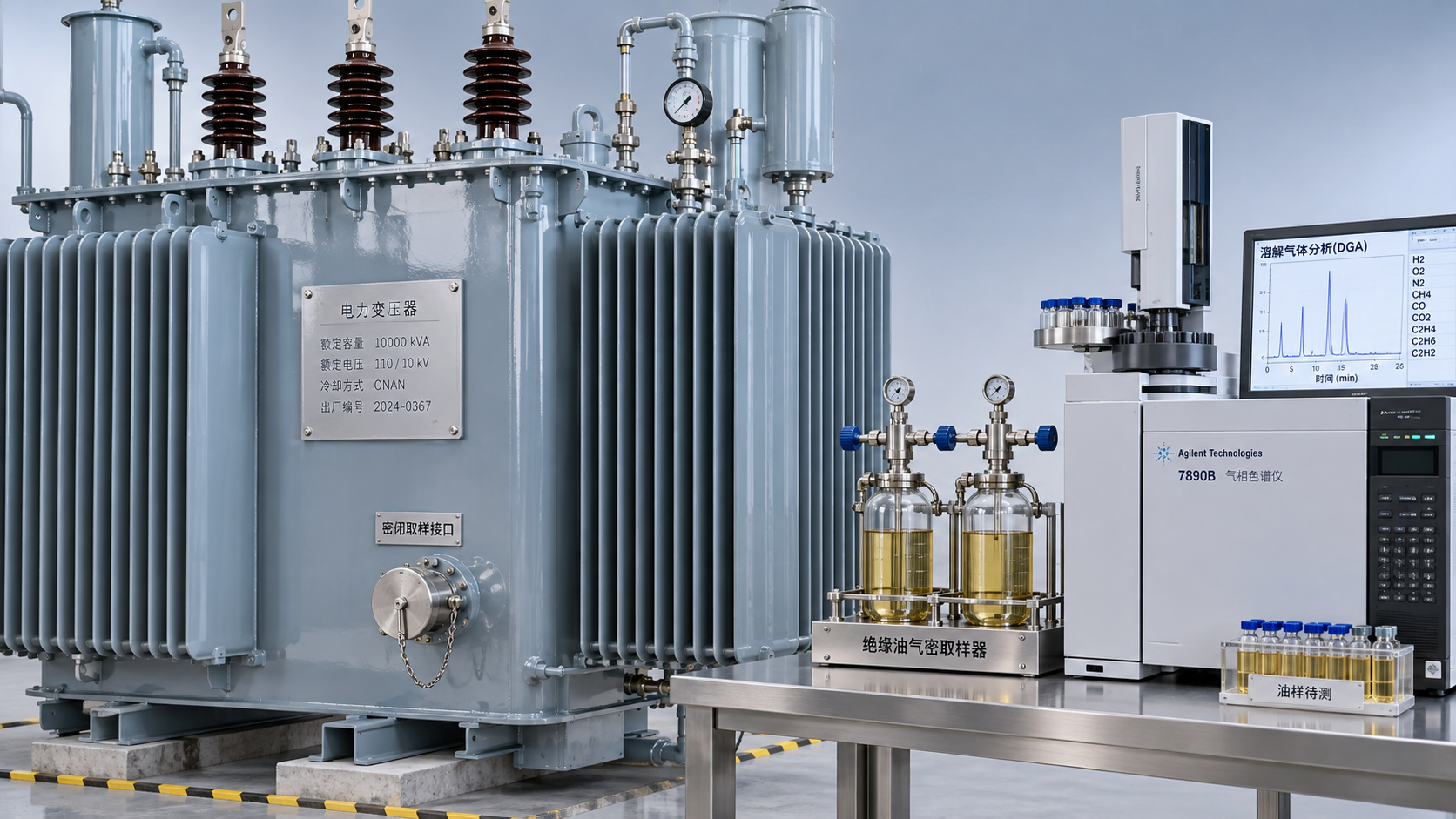
 What dissolved gas analysis reveals about an oil-immersed transformer
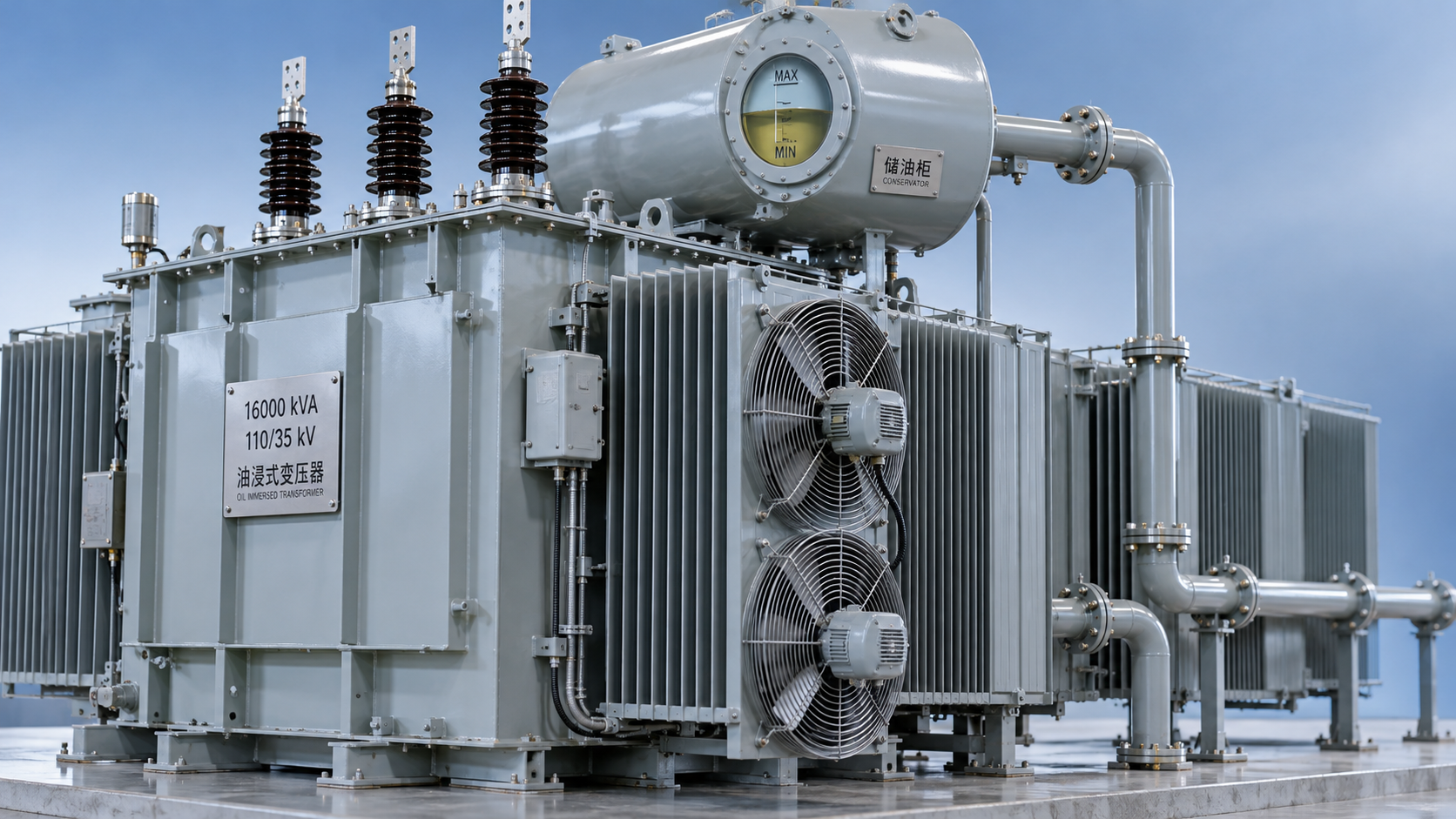
 Why an oil-cooled transformer overheats despite a normal oil level
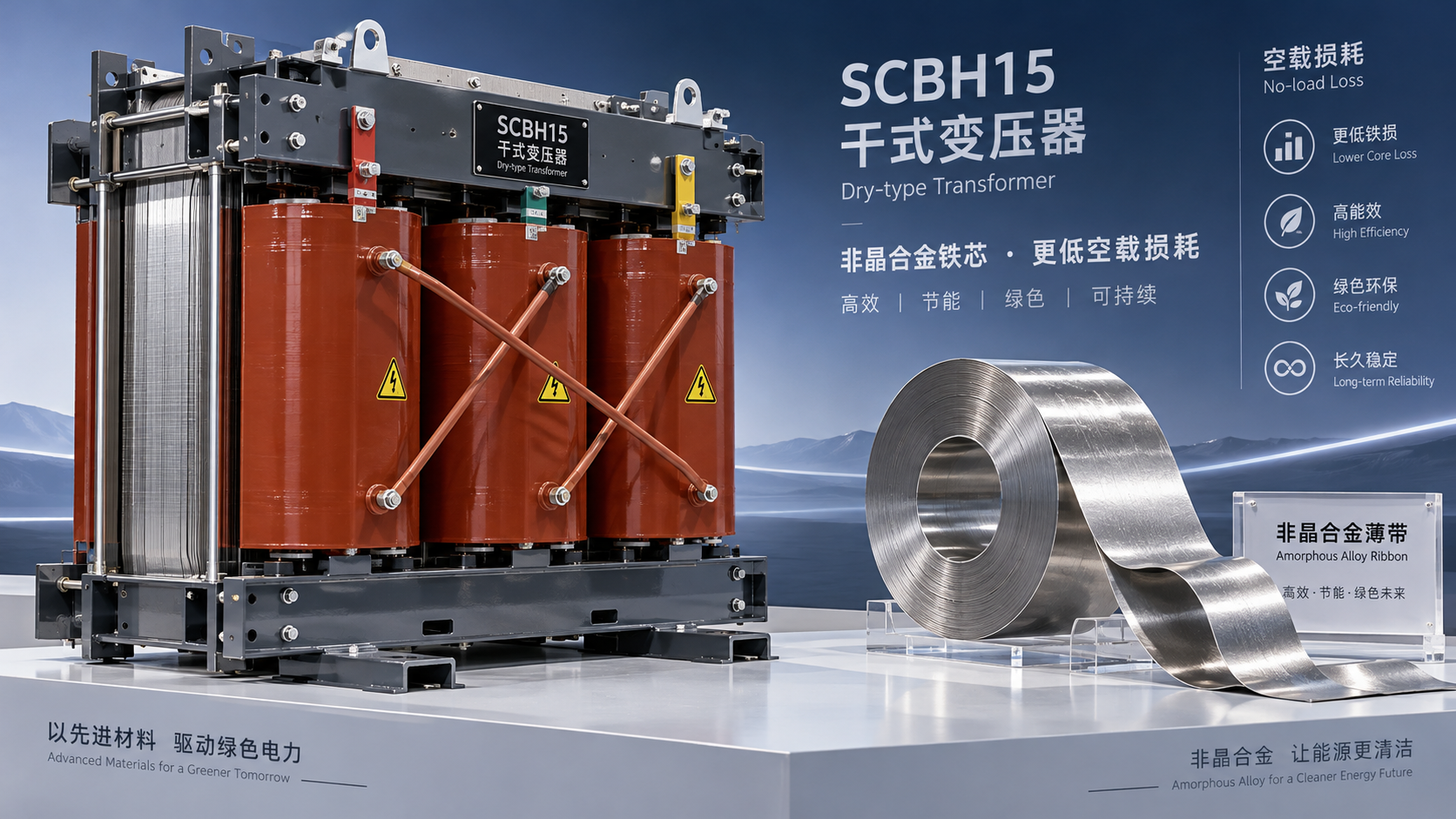
 How the amorphous core affects SCBH15 dry-type transformer losses
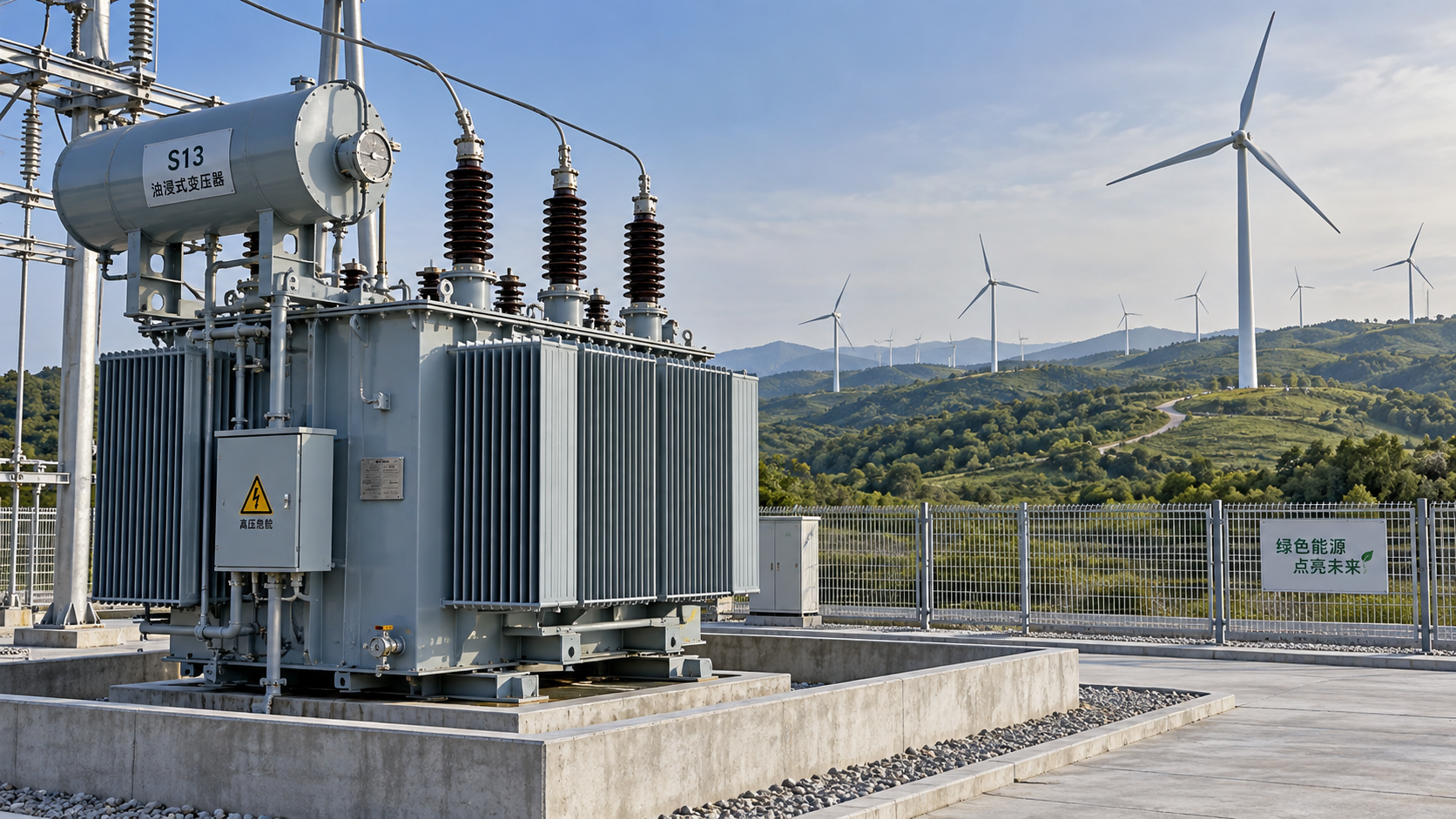
 Sizing S13 oil-immersed transformers for variable wind farm output
GET A FREE QUOTE
We offer reliable products, competitive prices, and nationwide professional support, committed to providing customers with efficient and energy-saving power equipment solutions.