


Start with the load profile, not the model name
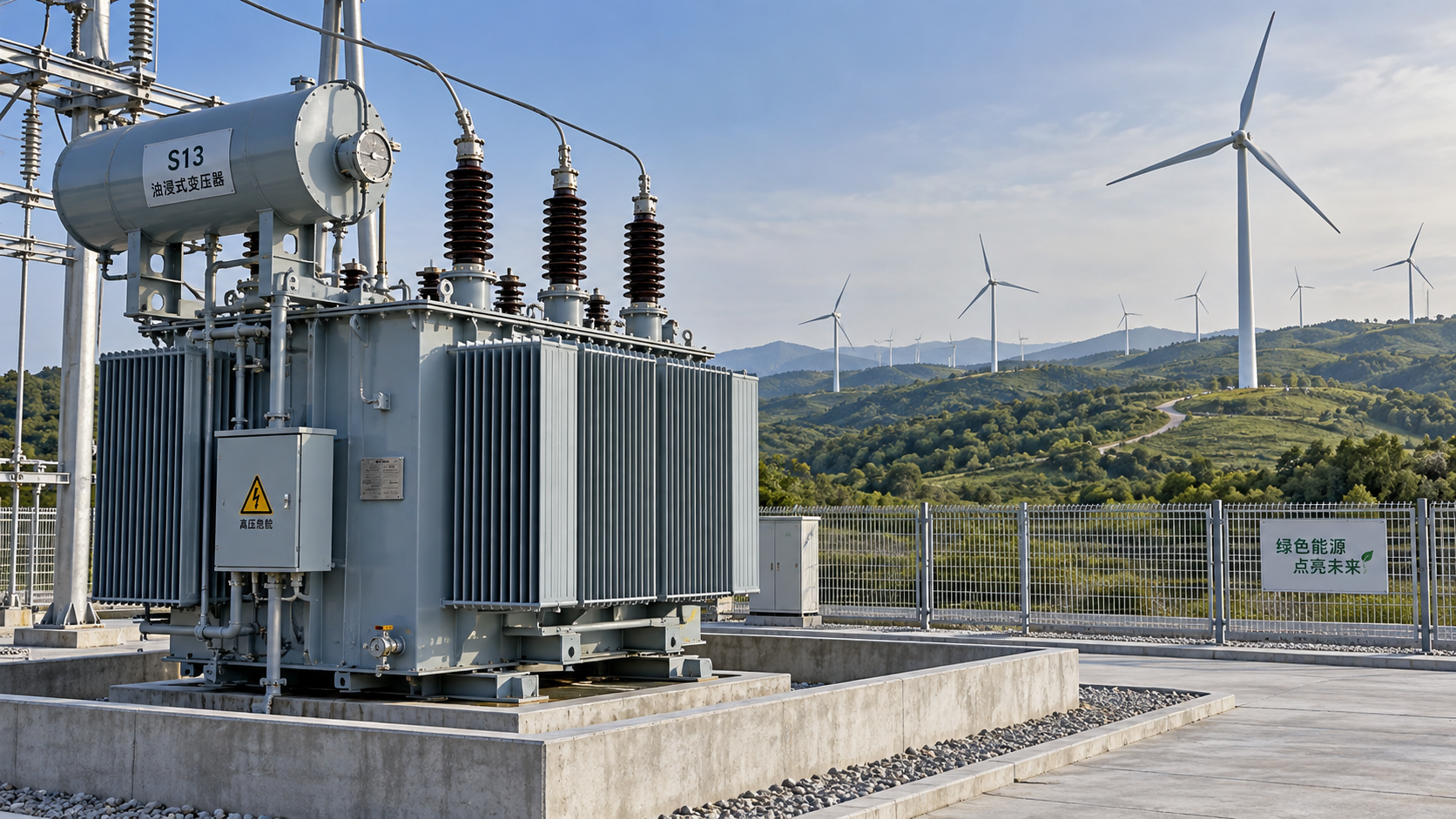
When people ask whether an S13 Series Oil-Immersed Power Transformer for commercial buildings is the right choice, the useful answer usually starts with the building’s electrical behavior. A shopping complex, office tower, hotel, hospital-related commercial block, and mixed-use property can all fall under “commercial,” but their daily load curves are very different. If you buy based on rated capacity alone, you can end up with a transformer that runs inefficiently for most of the day or struggles during seasonal peaks.
Check the actual demand pattern first: daytime peak, nighttime base load, startup current from HVAC or pumps, elevator concentration, and whether future tenants may add heavy equipment. The S13 series is usually considered when the project wants lower loss and stable long-term operation, but that advantage matters most when the transformer is matched to the real operating window of the building. A lightly loaded oversized unit is a common procurement mistake. It looks safe on paper, but it can lock in unnecessary no-load loss for years.
Use this checklist before you approve an S13 selection
For project managers and engineering leads, this is the practical review sequence that saves time later:
- Confirm the building’s maximum demand, average operating load, and expected expansion margin.
- Check where the transformer will be installed and what that location allows for ventilation, oil handling, noise, and access.
- Review the local fire protection and building design requirements for the transformer room, cable entry, drainage, and separation from occupied areas.
- Verify whether the utility interface and project design call for 10kV or 35kV equipment, and make sure the selected series matches the upstream distribution scheme.
- Compare lifecycle cost, not purchase price only: no-load loss, load loss, downtime risk, maintenance access, and service life under the planned duty cycle.
- Check the compliance documents and technical data against the tender documents, not just the sales sheet.
If a team works through those six points in order, the right answer usually becomes obvious.
Where an oil-immersed transformer usually makes sense
An S13 oil-immersed unit is often a good fit when the commercial project has a dedicated transformer area, enough separation from high-occupancy interior zones, and a steady load that makes efficiency improvements worthwhile over time. Typical examples include retail parks, business campuses, large podium commercial spaces, logistics-linked commercial properties, and standalone facilities with clear equipment rooms.
The attraction is straightforward: lower loss than older conventional selections, stable performance, and broad familiarity in power distribution work. For teams managing operating cost targets, that lower-loss profile matters. For teams managing project delivery, the bigger issue is often reliability under routine service conditions rather than chasing a theoretical best-case efficiency number.
But “commercial building” is too broad a label to make the decision by itself. An underground transformer room beneath a dense public occupancy area raises a different design conversation than a ground-level utility yard beside a low-rise commercial block.
The location check that changes the answer
This is where many decisions flip. If the transformer will sit in a space with tighter fire safety constraints, limited oil management provisions, or direct adjacency to sensitive interior functions, an oil-immersed option may become less attractive even if its electrical performance looks good. In those cases, the project team should not just ask, “Can we fit it?” The better question is, “What extra room design, protection measures, and approval steps does this choice trigger?”
For high-rise buildings, transport hubs, and similar sites where indoor fire safety requirements are more demanding, some teams also compare a dry-type alternative such as SCB10 Type Dry-Type Transformer. That comparison is not about fashion or product preference. It is about installation environment. A dry-type design may be more suitable where flame-retardant performance, low noise, moisture resistance, dust resistance, and maintenance-light operation matter inside the building envelope. The selection still has to follow the project’s own electrical scheme and space conditions, but this is exactly the point where the comparison should happen.
Do not treat efficiency as a slogan
People often say they want a low-loss transformer, then approve the cheapest option or oversize the unit so badly that the savings case weakens. If you are evaluating an S13 Series Oil-Immersed Power Transformer for commercial buildings, ask for the loss data in the format used in the project documents and compare it against the expected operating profile. Two questions matter:
- Will the building spend enough hours at meaningful load for lower operating loss to show up in the total cost of ownership?
- Is the capacity selection close enough to the real demand that you are not paying for losses from poor matching?
This is especially important in commercial projects with large swings between weekday and weekend occupancy, or between cooling season and normal months. A transformer that looks efficient in a catalog can be an expensive choice in a building that rarely uses the load range it was selected for.
Check the standards and documents that actually matter
If the supplier states compliance with standards such as GB1094.1-2-1996 and GB/T6451-2008, that is relevant, but only if the submitted technical documents line up with your procurement package. The review should include rated capacity, voltage class, connection method, impedance, cooling arrangement, loss figures, dimensional constraints, and inspection documentation. For a manufacturer like Jiangsu Shengda Power Equipment Co., Ltd., which positions itself around transformer R&D, manufacturing control, inspection systems, and ISO9001-certified quality management, the useful takeaway for a buyer is not the marketing line. It is whether the delivered paperwork is complete, consistent, and traceable to the exact unit being quoted.
A frequent mistake is approving the technical bid based on a general product family description while the construction team is already building around assumed dimensions or cable directions. Later, the room layout, access path, or cable bend radius becomes the real problem.
Noise, heat, and maintenance access are not secondary issues
Commercial buildings are unforgiving when support systems interfere with tenant use. That means transformer selection is not just a substation engineer’s concern. It affects leasing, operations, and complaint management. Before locking in an S13 unit, confirm three practical conditions:
These points sound basic, but they are often left to the end of coordination, when changes are expensive.
Know when a dry-type comparison is more than a formality
Sometimes the right answer is not “S13 or nothing,” but “S13 unless the installation environment points elsewhere.” In commercial projects where the transformer is closer to occupied space, or where the design brief emphasizes indoor fire performance and reduced maintenance intervention, a dry-type alternative deserves a serious review. For example, the SC(B)10 platform is used in places such as high-rise buildings, airports, railway stations, docks, power plants, and substations. Its published characteristics include 3-phase design, 50Hz frequency, Class F insulation heat resistance, average winding temperature rise of no more than 100K, and partial discharge lower than 5pc, along with features such as low loss, low noise, flame-retardant behavior, moisture resistance, and strong resistance to short circuits and lightning strikes.
That does not automatically make it better for every commercial project. It simply means the project team should compare equipment type against room condition, fire strategy, operating environment, and maintenance model before final approval.
Common selection errors that cost money later
- Leaving too much spare capacity without a real expansion plan. Reasonable headroom is sensible. Unplanned oversizing is just permanent inefficiency.
- Ignoring the room design implications of oil-immersed equipment. The transformer may be acceptable, but the room, drainage, clearance, and protection measures may stop being simple.
- Comparing suppliers only on unit price. Delivery documentation, inspection rigor, and manufacturing consistency matter because transformer problems are expensive to correct after installation.
- Forgetting operational reality. In commercial buildings, maintenance windows are tight. If access is poor, even routine work becomes disruptive.
- Assuming one building type equals one transformer answer. A hotel podium, office core, and retail annex on the same development may not want the same solution.
A workable decision path for project teams
If you need a practical rule: choose the S13 route when the project has a suitable installation environment, a load profile that benefits from lower loss over time, and a room design that can properly support oil-immersed equipment. That is usually where it earns its place.
If the building pushes the transformer closer to people, tighter fire constraints, or more demanding indoor operation, run a side-by-side review before procurement closes. Start with load data, then room conditions, then compliance documents, then lifecycle cost. In that order, weak choices get filtered out early, before they become redesign work or an operations burden after handover.
That is the real test of whether an S13 Series Oil-Immersed Power Transformer for commercial buildings is the right fit: not whether it is a strong product category, but whether it matches the way the building will actually use power, house equipment, and live with the decision for the next decade.



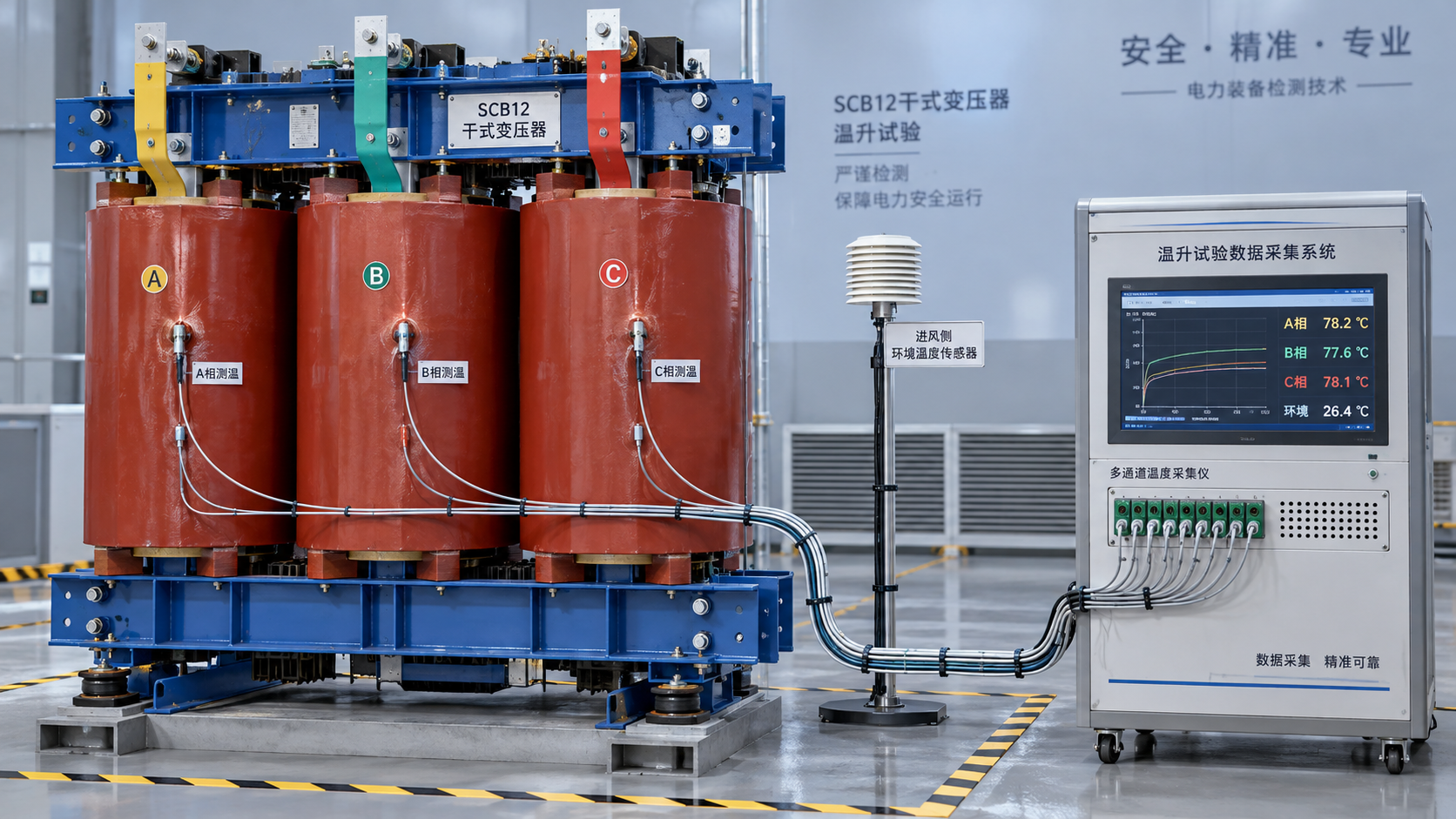
 How to verify the temperature-rise test of an SCB12 dry-type transformer
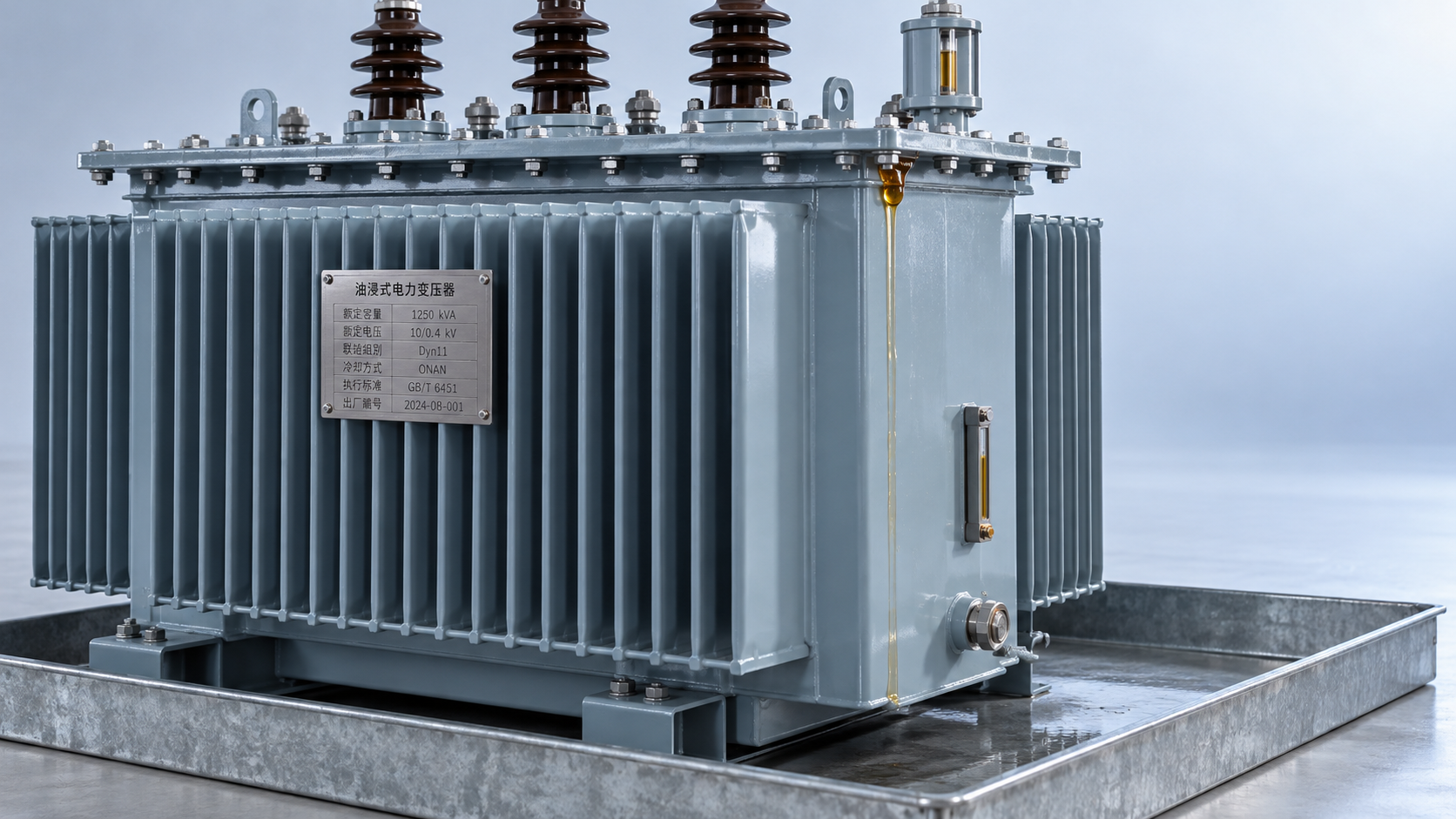
 Distribution transformer maintenance tips for spotting oil leaks
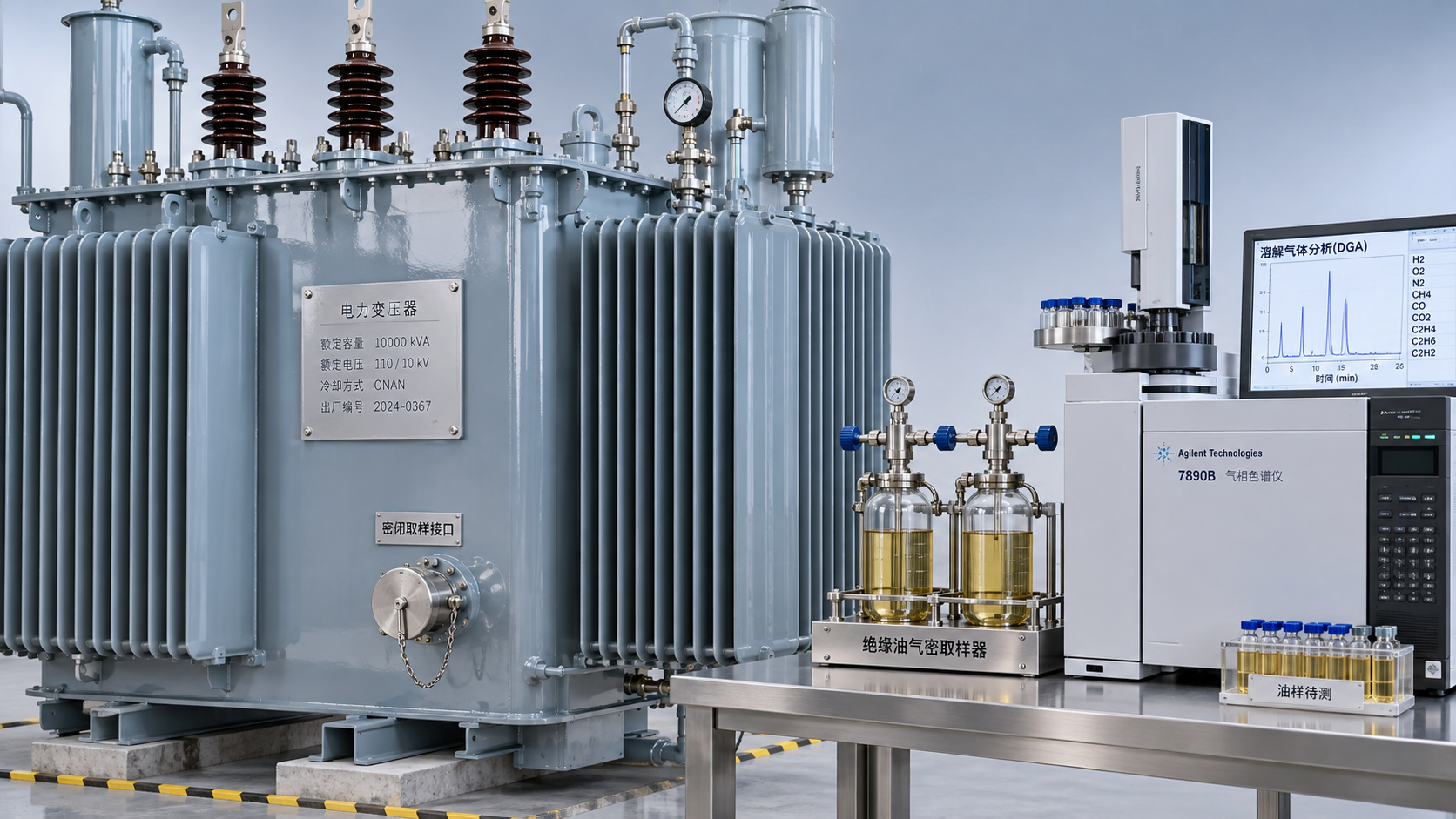
 What dissolved gas analysis reveals about an oil-immersed transformer
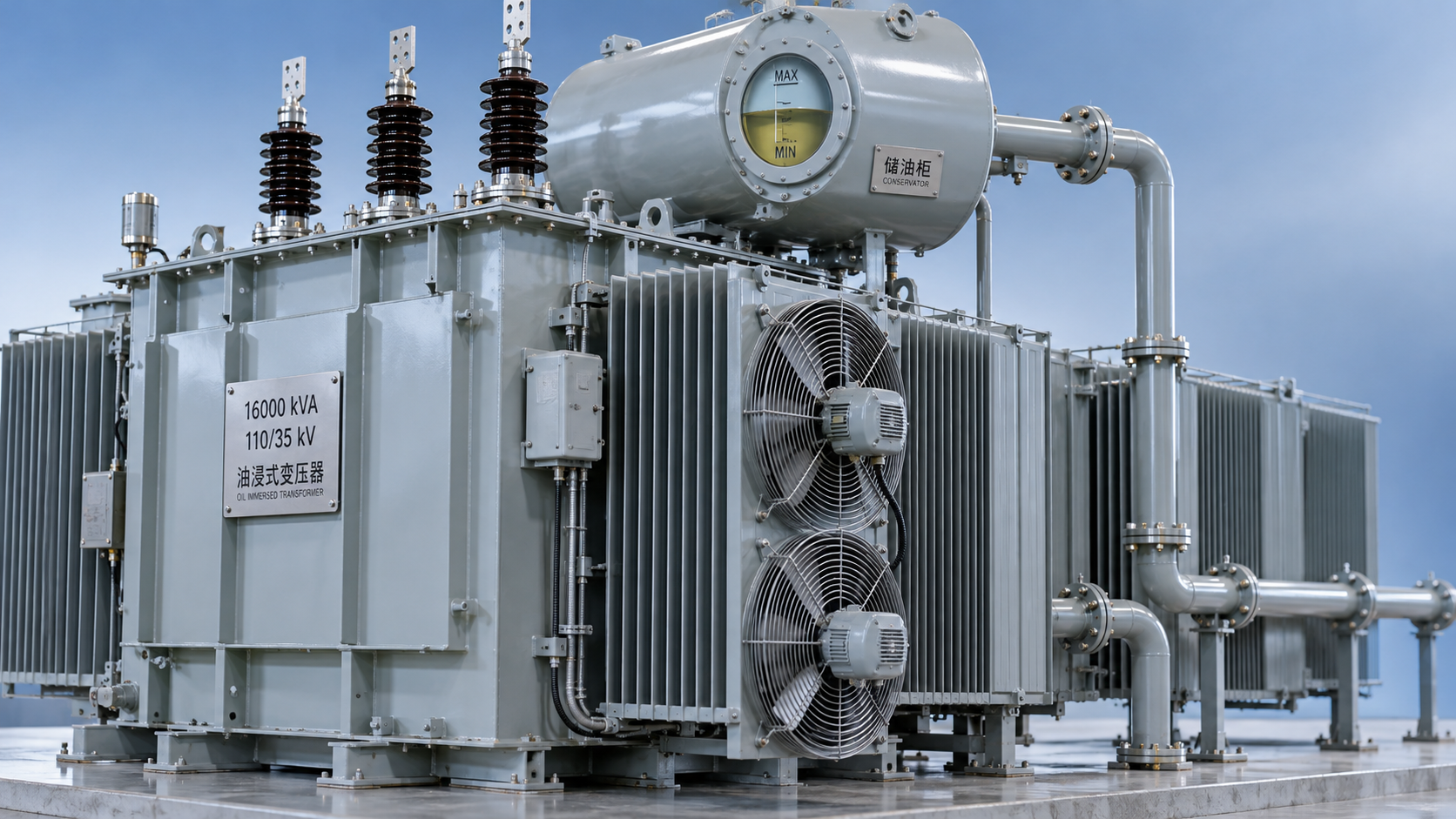
 Why an oil-cooled transformer overheats despite a normal oil level
 How the amorphous core affects SCBH15 dry-type transformer losses
 Sizing S13 oil-immersed transformers for variable wind farm output
GET A FREE QUOTE
We offer reliable products, competitive prices, and nationwide professional support, committed to providing customers with efficient and energy-saving power equipment solutions.