


Start with the fire scenario, not the transformer type
When people compare a liquid filled transformer with a dry-type unit, they often jump straight to price or efficiency. For safety and quality teams, that is usually the wrong starting point. The better question is simpler: if this transformer fails, overheats, leaks, or is exposed to a nearby fire, what happens in this exact installation?
That sounds obvious, but it changes the whole decision process. A transformer sitting outdoors in a fenced utility yard and a transformer installed inside a building, close to people, evacuation routes, or critical equipment, do not carry the same fire burden. The trade-off is rarely about which technology is “better” in general. It is about which one creates the lower operational risk in your actual site conditions.
If you are evaluating options for a plant, commercial building, substation room, or process facility, use the checklist below in order. It helps avoid the two most common mistakes: choosing dry-type only because it sounds safer, or choosing liquid filled only because it looks familiar and efficient on paper.
Check where the unit will live
Location drives most of the fire and maintenance decision.
- If the transformer will be installed inside an occupied building, dry-type often gets serious attention because it removes the issue of insulating liquid leakage and reduces concern around liquid-fuel fire load.
- If it will be placed outdoors or in a dedicated electrical yard, a liquid filled transformer may remain fully practical, provided the civil design, clearances, containment, and access plan are done properly.
- If the room is small, poorly ventilated, or difficult to inspect, maintenance assumptions become more important than nameplate comparisons.
One useful discipline here: pull the site layout drawing before reviewing quotations. Look at wall spacing, doors, drainage, cable entry, nearby panels, and whether firefighting access is realistic. A good transformer choice can still become a bad installation.
Separate fire load from fire spread
These are related, but not the same thing.
Fire load is about how much combustible material is present. A liquid filled transformer introduces insulating liquid into the equation, so your review has to cover containment, drainage paths, nearby ignition sources, and what happens if the tank is damaged. Fire spread is about whether a local event can involve the room, adjacent equipment, or the building itself.
In practice, quality and safety teams should check these points:
- Is the transformer near escape routes, control rooms, battery rooms, or production lines that cannot tolerate smoke or heat damage?
- Does the building design require a lower fire burden inside electrical rooms?
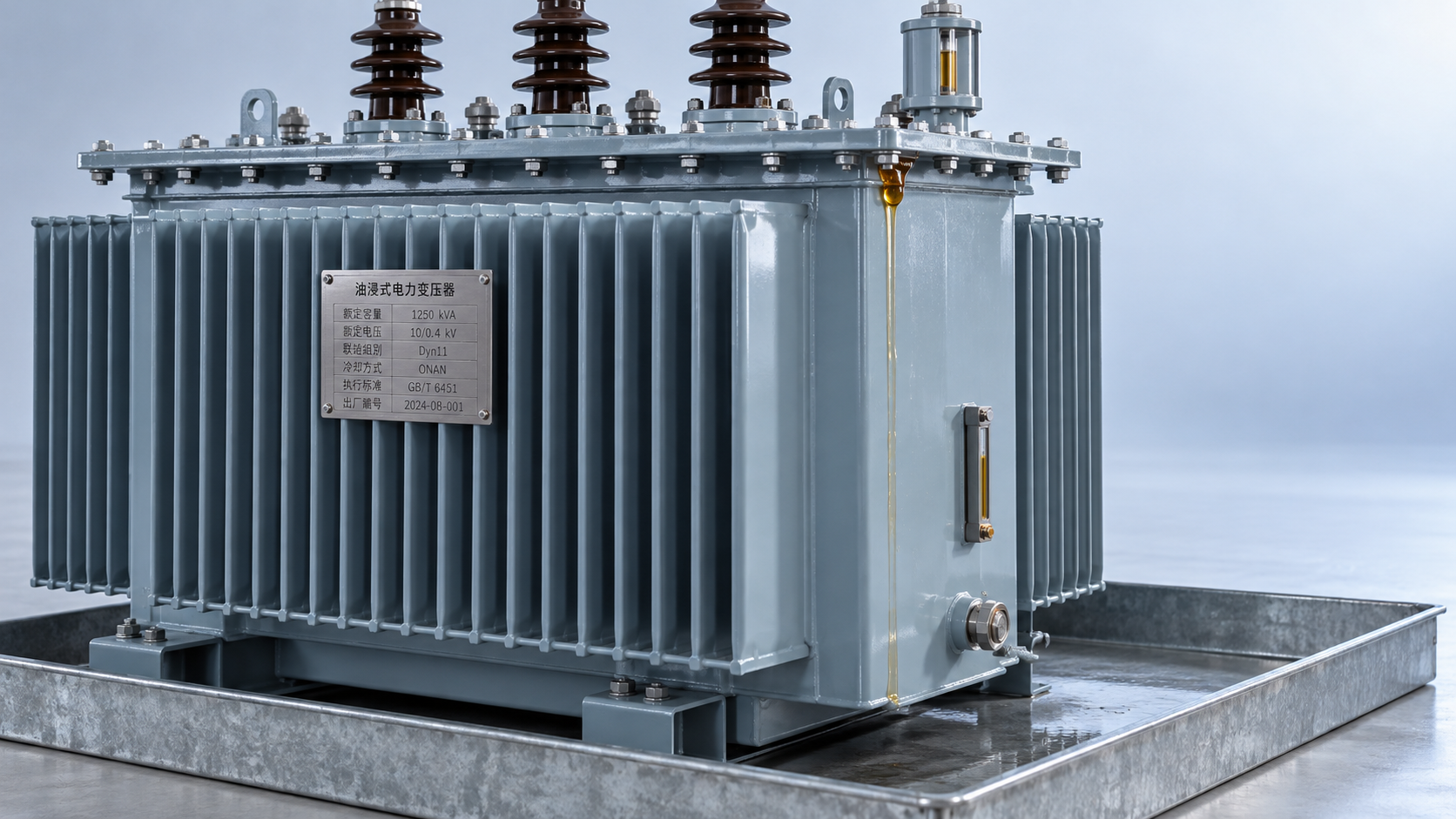
- If liquid is used, where does it go during a leak, rupture, or firefighting water run-off?
- If dry-type is used, will dust, poor ventilation, or enclosure choices raise temperature and create a different kind of reliability problem?
The mistake here is treating “dry-type” as a complete fire answer. It usually reduces some fire-related concerns, especially indoors, but it does not remove the need to review room design, ventilation, enclosure rating, and inspection access.
Review the maintenance reality, not the maintenance slogan
People often describe dry-type transformers as maintenance-free and liquid filled units as maintenance-heavy. That is too blunt to be useful.
A better comparison is this: what kind of maintenance will your team actually execute well, on schedule, at this site?
Liquid filled transformers usually ask for attention to the liquid system and sealing condition. Dry-type units usually shift the burden toward cleanliness, ventilation discipline, temperature monitoring, and insulation condition in the actual room environment.
If your plant struggles with basic electrical room cleanliness, a dry-type installation can disappoint quickly. If your site has poor containment planning and weak response procedures for leaks, liquid filled equipment can create a different set of headaches. Choose the burden your organization can actually manage.
Inspect the room conditions before you compare brochures
This is where many procurement discussions go off track. The room or yard can quietly decide the winner before technical meetings even begin.
- Dust and contamination: Dry-type units in dirty environments need more serious inspection and cleaning discipline. Cement dust, textile fibers, metallic dust, and chemical residue all change the risk picture.
- Humidity and condensation: Check actual room behavior, not just the climate on paper. Intermittently operated rooms and poorly sealed substations can be harder on insulation than expected.
- Ventilation path: Dry-type units depend heavily on free air movement or properly designed enclosure conditions. If the room is hot and stagnant, maintenance savings can disappear into thermal stress.
- Drainage and containment: For a liquid filled transformer, this is not a side issue. It is part of the safety case.
A room that looks acceptable during a site visit can behave very differently after six months of normal operation. Ask for cleaning records, temperature logs if available, and evidence of how the room is actually used. Storage creep inside electrical rooms is more common than design drawings suggest.
Check the enclosure and protection level early
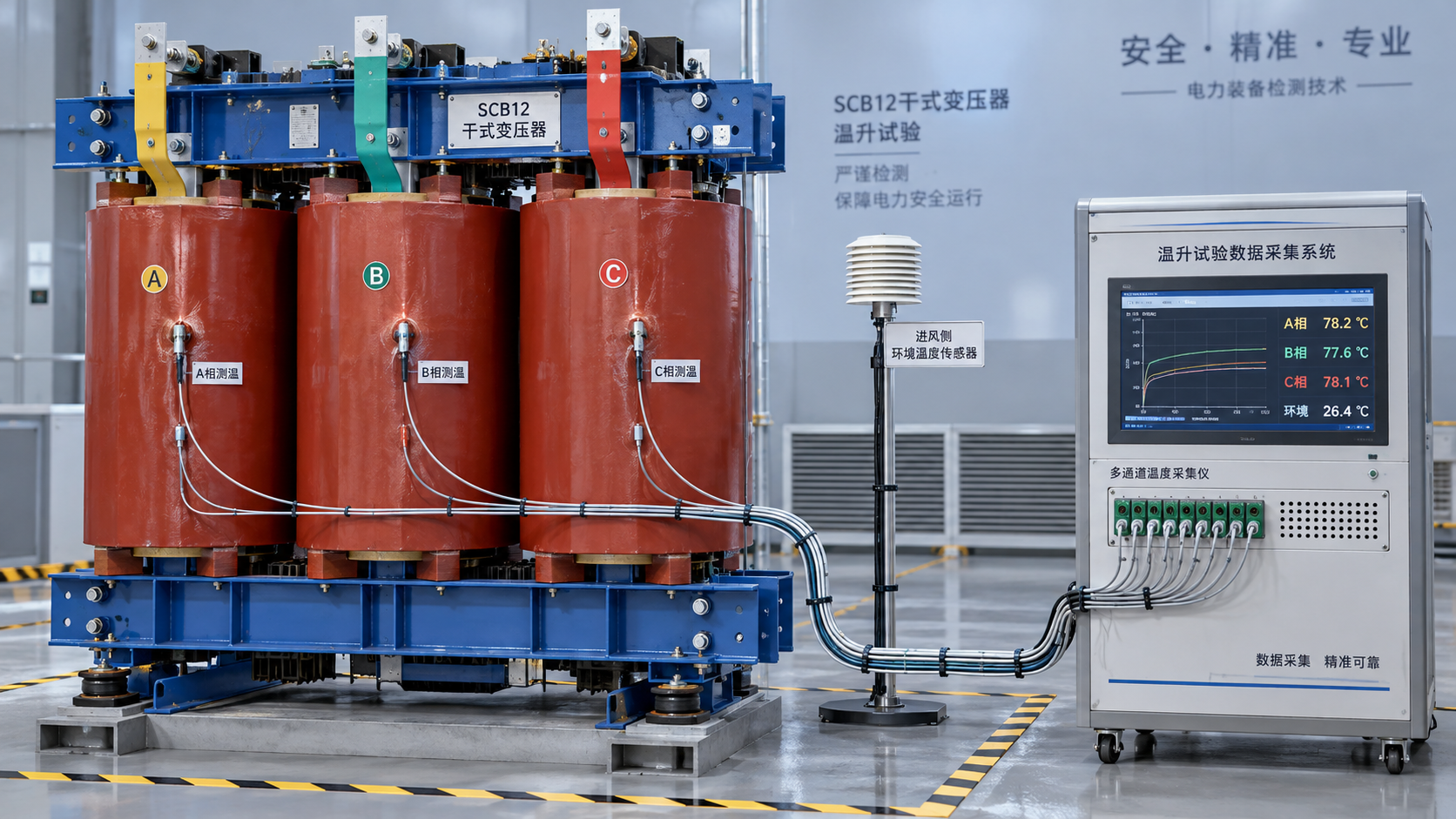
This matters more than many buyers expect, especially for indoor dry-type installations. The enclosure rating is tied to touch safety, contamination exposure, and cooling conditions. If you are evaluating a dry-type option such as the SCB12 Type Dry-Type Transformer, pay attention to the offered protection configurations such as IPOO, IP20, or IP23, because they affect both environmental exposure and how the installation has to be managed.
A common mistake is asking only for higher protection without checking the cooling penalty or the maintenance access it creates. Another is using an open arrangement in a room that is technically indoors but operationally dusty. Match the enclosure to the room you really have, not the room you wish you had.
Use noise and occupancy as a practical tiebreaker
Noise does not decide every project, but in occupied buildings it can move from “nice to have” to a real acceptance issue. If the transformer will sit near offices, hospitals, schools, commercial areas, or control rooms, bring the acoustic discussion in early.
For example, some dry-type designs are positioned specifically around lower noise and lower operating disturbance. One SCB12 configuration is specified with noise levels 10-15 dB below JB/T10088-2016 and with no-load loss reduced by more than 20% compared with the SCB11 dry-type transformer. That does not automatically make it the right choice, but it does matter when your selection is being squeezed by indoor siting, energy use, and staff comfort at the same time.
Ask what failure mode is hardest for your site to absorb
This is one of the most useful questions in a review meeting because it forces the team out of generic preferences.
If your site cannot tolerate indoor smoke, fluid release, or fire service complications, dry-type may have a clear advantage. If your site cannot maintain clean, controlled indoor conditions and has a perfectly suitable outdoor installation zone, a liquid filled transformer may still be the more stable long-term fit.
Do not reduce the conversation to “which one is safer.” Safer under what failure, in what room, with what maintenance discipline, and next to what asset? That is the decision.
Verify the documents that actually affect acceptance
For quality control and safety managers, paperwork is not a formality at the end. It should shape the selection from the start.
- Check the product standard and technical schedule used in the offer.
- Match the transformer design to the project voltage class, installation environment, and protection level in the approved drawings.
- For internal quality review, confirm whether the supplier’s manufacturing and inspection system aligns with your procurement requirements. Some buyers place weight on structured quality systems and standards compliance, especially for repeat procurement and audit traceability.
- If you are reviewing products from Jiangsu Shengda Power Equipment Co., Ltd., the company states compliance with GB1094.1-2-1996 and GB/T6451-2008 and indicates ISO9001 certification. The point is not to repeat certificates in a meeting; it is to verify that the quoted unit, test documents, and delivered configuration line up with the project file.
The practical check is simple: compare the bid sheet, technical agreement, drawings, enclosure details, and inspection records side by side. Many avoidable disputes start when people assume these documents describe the same product and they do not.
Watch for the decision traps that show up late
A few patterns come up again and again:
- Choosing dry-type for indoor fire comfort, then placing it in a hot, dirty room with poor access.
- Choosing a liquid filled transformer outdoors, then under-designing containment and emergency response.
- Comparing purchase price without pricing the room modifications each option demands.
- Treating maintenance language in brochures as an operating plan.
- Ignoring enclosure details until after the order is placed.
None of these are exotic technical failures. They are ordinary project coordination failures, and they are usually preventable.
Make the choice in this order
If you need a clean decision path, use this sequence.
- Map the installation location and adjacent hazards.
- Decide whether indoor fire burden or outdoor containment is the harder issue for your site.
- Review the real maintenance discipline your team can sustain.
- Check room conditions, especially dust, heat, ventilation, and access.
- Confirm enclosure, protection level, and project document alignment before commercial comparison.
- Only then compare efficiency, noise, and model-specific features.
That order keeps the decision grounded. A liquid filled transformer can still be the right answer. A dry-type unit can absolutely be the better answer. The reliable choice is the one that fits the fire scenario, the room, and the maintenance behavior you actually have, not the one that sounds safest in a short meeting.



 How to verify the temperature-rise test of an SCB12 dry-type transformer
 Distribution transformer maintenance tips for spotting oil leaks
 What dissolved gas analysis reveals about an oil-immersed transformer
 Why an oil-cooled transformer overheats despite a normal oil level
 How the amorphous core affects SCBH15 dry-type transformer losses
 Sizing S13 oil-immersed transformers for variable wind farm output
GET A FREE QUOTE
We offer reliable products, competitive prices, and nationwide professional support, committed to providing customers with efficient and energy-saving power equipment solutions.