


Marine and Offshore Dry-Type Power Transformers: Design and Standards
Marine and offshore dry-type power transformers support safe, stable power distribution in demanding maritime environments.
Ships, offshore platforms, port facilities, and marine engineering systems require equipment that resists vibration, humidity, salt corrosion, and space limitations.
Reliable design also depends on international standards, strict testing, and practical coordination with electrical protection systems.
Basic Concept and Equipment Definition
Marine and offshore dry-type power transformers are transformers designed for maritime power networks without liquid insulating oil.
They usually use cast resin, vacuum pressure impregnation, or other solid insulation systems to improve fire safety.
Compared with conventional land-based units, marine transformer design gives stronger attention to enclosure protection, thermal stability, and mechanical endurance.
Typical installations include propulsion power systems, auxiliary distribution boards, drilling equipment, accommodation modules, cranes, and emergency power circuits.
Dry-type construction is often preferred where fire risk, leakage control, ventilation, and environmental compliance are critical concerns.
Industry Background and Current Technical Focus
Modern vessels and offshore assets use more electrical loads than older mechanical systems.
Electrification increases demand for compact, efficient, and low-maintenance marine and offshore dry-type power transformers.
The following signals shape transformer selection in current marine projects.
Efficiency is another important factor because marine power generation capacity is limited and fuel cost remains significant.
Lower losses reduce heat output, ventilation burden, and lifecycle operating cost.
Core Design Principles for Maritime Conditions
Mechanical Strength and Vibration Resistance
Marine and offshore dry-type power transformers must tolerate continuous vibration, shock, inclination, and ship motion.
Core clamping, coil support, terminal fixing, and enclosure mounting should prevent loosening during long-term operation.
Anti-vibration pads, reinforced frames, and tested lifting structures are commonly considered during engineering review.
Humidity, Salt Mist, and Corrosion Protection
Moisture and salt mist can reduce insulation performance and accelerate metal corrosion.
Enclosures often use galvanized steel, stainless steel, marine-grade coatings, or special anti-corrosion treatment.
Terminal boxes, cable glands, and ventilation openings need suitable protection against condensation and contaminant ingress.
Thermal Performance and Ventilation
Dry-type transformers rely on air cooling, so heat dissipation must match the installation environment.
Engine rooms and offshore modules may have high ambient temperatures and restricted airflow.
Temperature rise limits, insulation class, forced ventilation, and sensor layout should be confirmed early.
Electrical Safety and Insulation Coordination
Voltage level, short-circuit impedance, grounding method, and protection coordination define electrical reliability.
Marine networks may include isolated neutral systems, harmonic loads, variable frequency drives, and emergency switchboards.
Transformer design should consider dielectric strength, partial discharge control, and temperature monitoring.
Applicable Standards and Classification Requirements
Marine and offshore dry-type power transformers are usually evaluated under both transformer standards and marine electrical rules.
Common references include IEC 60076, IEC 60076-11, IEC 60092, IEC 61892, and project-specific classification society rules.
Classification societies may include ABS, DNV, BV, LR, CCS, RINA, and other recognized bodies.
Rules may cover temperature rise, dielectric tests, vibration tests, short-circuit withstand ability, and environmental resistance.
Standards should be confirmed before ordering, because ship type and offshore location can change approval requirements.
Application Value in Marine Power Systems
The main value of marine and offshore dry-type power transformers lies in safety, continuity, and maintainability.
Oil-free construction reduces leakage risk and supports installation near sensitive onboard spaces.
Stable voltage transformation protects motors, navigation systems, lighting, communications, pumps, and control circuits.
Reduced maintenance also matters because offshore access is costly and operating windows can be limited.
For land-side port substations and auxiliary distribution networks, oil-immersed units may also be evaluated.
For example, S20 Series Oil-Immersed Power Transformers offer energy-saving performance for suitable non-restricted applications.
Their rated capacities cover 30 kVA to 2500 kVA, with Yyn0 or Dyn11 connection options.
Such options help compare lifecycle efficiency across broader port and industrial power distribution plans.
Typical Scenarios and Selection Objects
Different marine assets place different demands on transformer construction and testing.
- Commercial vessels require compact design, safe operation, and reliable auxiliary power supply.
- Offshore platforms need corrosion resistance, certified documentation, and strong environmental endurance.
- Marine cranes need good short-time overload capability and vibration-resistant terminals.
- Port facilities require efficient distribution for shore power, lighting, and handling equipment.
- Emergency systems need dependable insulation, monitoring, and compatibility with backup generators.
Selection should start from load profile, voltage level, installation location, and required approval class.
Noise level, temperature sensors, enclosure IP rating, and cable entry direction should not be treated as minor details.
Practical Recommendations for Specification and Procurement
A clear technical specification reduces redesign, approval delay, and mismatch during installation.
- Define the marine standard, classification rule, and certificate scope before quotation.
- Confirm ambient temperature, humidity, salt exposure, vibration level, and installation altitude.
- Specify rated capacity, voltage ratio, frequency, impedance, vector group, and tapping range.
- Review enclosure material, IP rating, cooling method, and anti-condensation measures.
- Check routine tests, type tests, special tests, and witness inspection requirements.
- Evaluate lifecycle cost through losses, maintenance access, spare parts, and service support.
Jiangsu Shengda Power Equipment Co., Ltd. focuses on transformer research, production, sales, and quality control.
Its product portfolio covers dry-type transformers, oil-immersed transformers, compact substations, amorphous alloy transformers, and on-load tap-changing units.
The company follows international and Chinese standards, including GB1094.1-2-1996 and GB/T6451-2008, with ISO9001 certification.
Next Steps for Reliable Marine Transformer Projects
Marine and offshore dry-type power transformers should be selected through coordinated electrical, mechanical, environmental, and certification review.
Before final approval, align drawings, test plans, standards, cable interfaces, and installation constraints with the complete power system.
For dependable project execution, prepare the load data, environmental conditions, and required certificates for technical evaluation.
A well-defined specification helps ensure safer operation, smoother acceptance, and longer service life in harsh maritime environments.



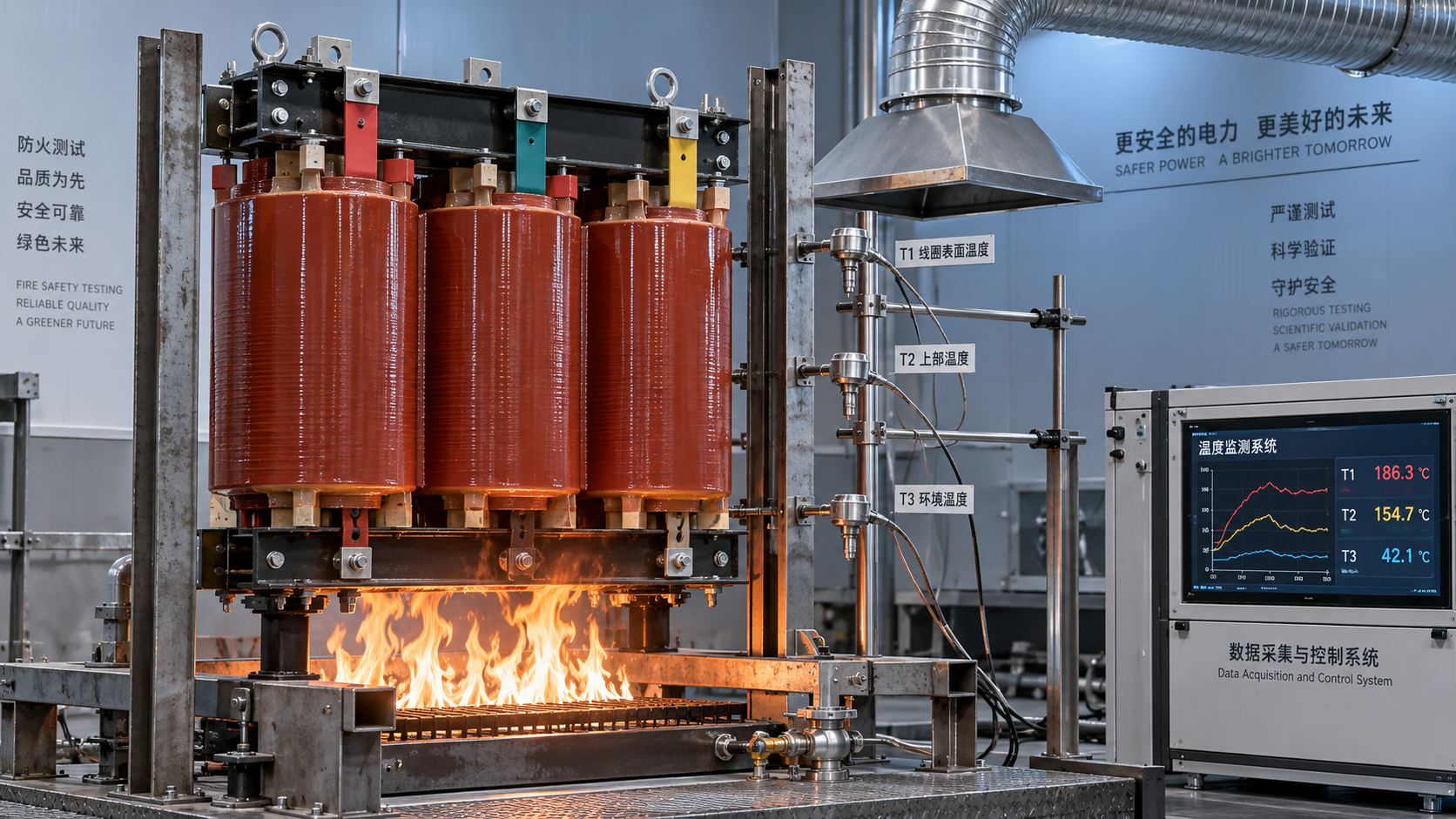
 What an F1 fire behaviour rating means for a flame-retardant transformer
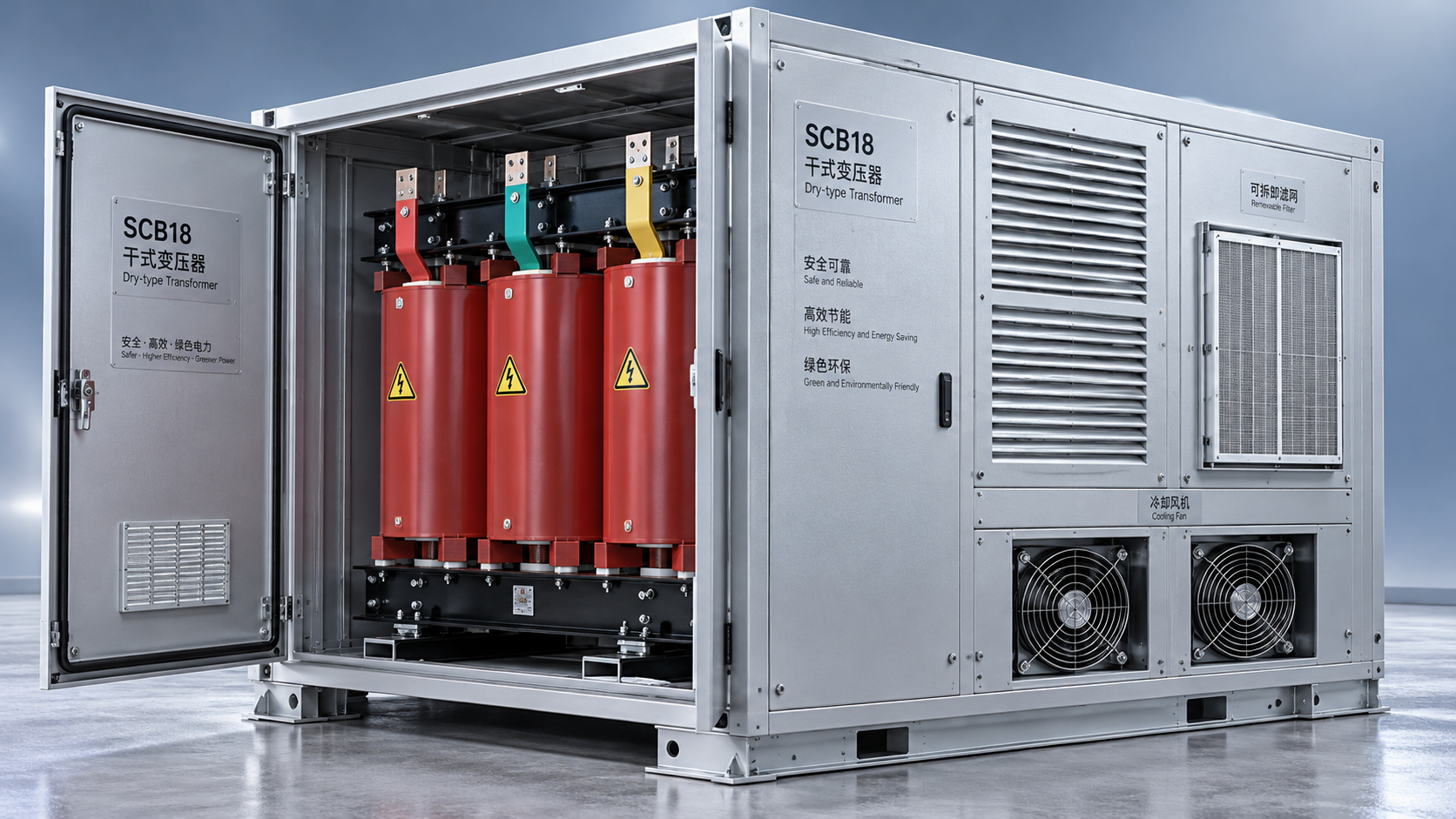
 How enclosure specifications affect SCB18 dry-type transformer cost
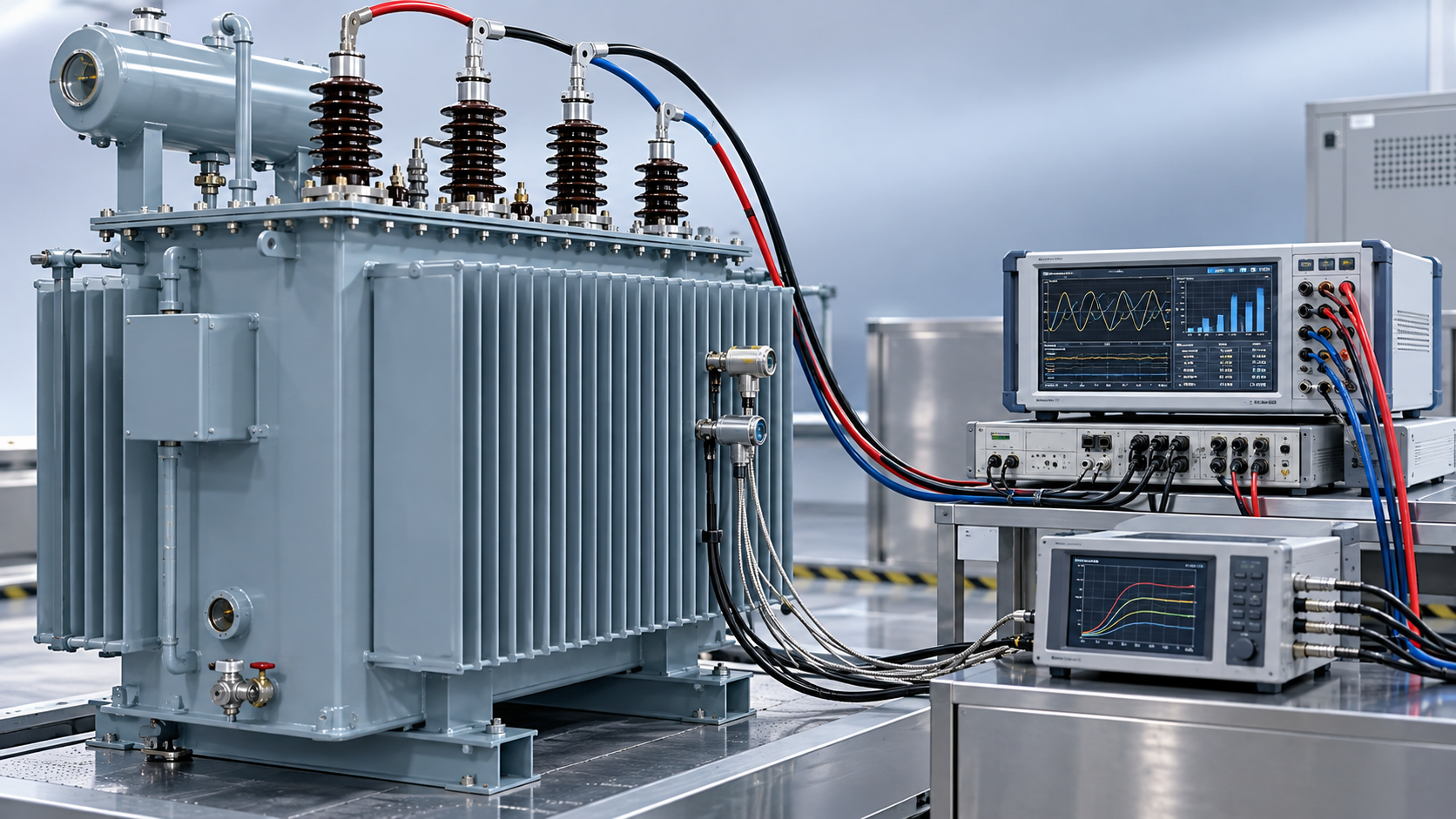
 How to compare loss guarantees for S22 oil-immersed transformers
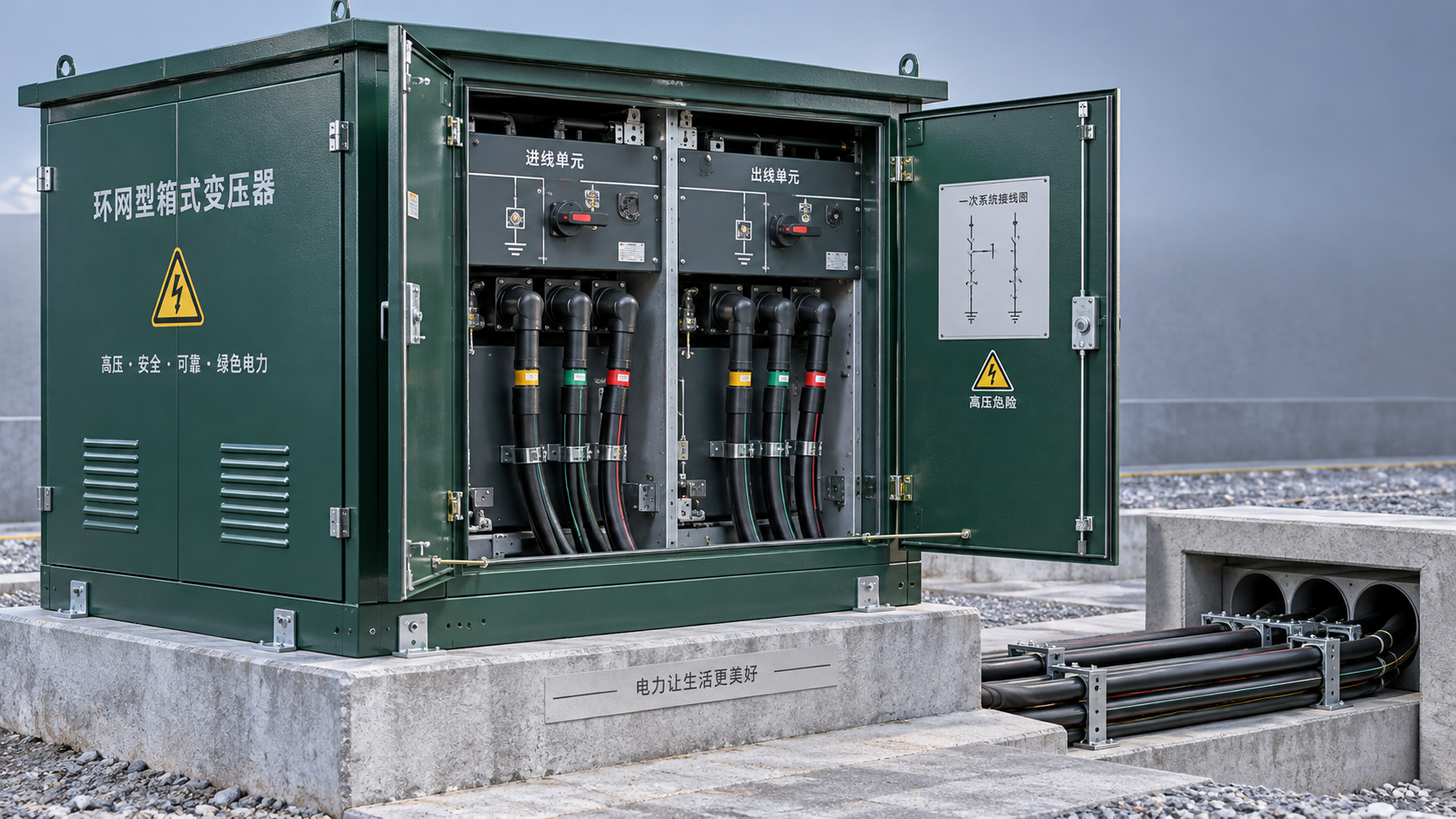
 When to choose a loop-feed pad-mounted transformer over radial feed
 How much spare capacity should a distribution transformer have?
 Checking S13 oil-immersed transformers for renewable inverter loads
GET A FREE QUOTE
We offer reliable products, competitive prices, and nationwide professional support, committed to providing customers with efficient and energy-saving power equipment solutions.