


Why does SCB18 Type Dry-Type Transformer cost vary so widely from one supplier to another? For distributors, agents, and wholesalers, understanding these price gaps is essential to balancing margin, quality, and market competitiveness. This article explores the key factors behind supplier pricing differences and how to identify reliable manufacturing value beyond the initial quote.
Why Is SCB18 Type Dry-Type Transformer Cost So Different Between Suppliers?
At first glance, two SCB18 dry-type transformers may look similar on a quotation sheet. The rated capacity, voltage class, and basic configuration may even match. Yet the SCB18 Type Dry-Type Transformer cost can differ significantly because the price is shaped by far more than nameplate data.
For distributors, the risk is clear. A lower purchase price may help win a bid, but weak materials, unstable quality control, or incomplete testing can create warranty pressure, delivery disputes, and reputation damage in your local market.
- Core material grade and magnetic performance directly affect no-load loss and operating efficiency.
- Copper or aluminum conductor selection changes both initial cost and long-term thermal stability.
- Insulation system, resin casting consistency, and winding workmanship influence safety and service life.
- Testing scope, standard compliance, and documentation completeness impact export readiness and project approval.
- Lead time, packaging, after-sales support, and customization also move the final quoted price.
This is why experienced channel partners do not compare transformer quotes by unit price alone. They compare total supply value, technical consistency, and the supplier’s ability to support repeat business.
Which Cost Components Matter Most in Distributor Purchasing?
When evaluating SCB18 Type Dry-Type Transformer cost, buyers should separate visible price from hidden cost. That approach helps prevent margin loss later in installation, commissioning, or warranty handling.
Direct and Indirect Cost Breakdown
The table below highlights the main cost drivers that often explain why one supplier’s offer looks cheaper while another delivers stronger lifecycle value.
For importers and regional distributors, these differences affect not just purchasing cost but claim handling, project delays, and reseller credibility. A quote that looks higher can still be the better commercial decision if it reduces post-sale loss.
How Technical Design Changes the Final Price
SCB18 Type Dry-Type Transformer cost is closely linked to technical performance. In many projects, pricing differences come from how suppliers design around temperature rise, noise control, insulation reliability, and energy loss targets.
Technical Areas That Commonly Affect Price
- Capacity and voltage class: higher ratings require more copper, insulation, and mechanical strength.
- Cooling method and thermal design: better heat dissipation improves durability but increases production complexity.
- Fire safety and indoor application requirements: dry-type units for commercial buildings or industrial workshops often demand stricter performance consistency.
- Low-loss design targets: lower operating losses may raise initial cost while improving long-term value for end users.
This is especially important for channel partners serving hospitals, data-related facilities, public buildings, manufacturing plants, or real estate projects. End users in these sectors often compare not only price, but safety, noise, and energy efficiency.
In related power distribution projects, some buyers also compare dry-type and oil-immersed alternatives based on site conditions. For outdoor or utility-focused networks, S22 Series Oil-Immersed Power Transformers are sometimes considered as a complementary option because they are designed around energy-saving performance, reduced no-load loss, and lower noise under applicable installation conditions.
What Should Distributors Compare Beyond the Quote?
If you are building a supplier base for repeated orders, comparing the SCB18 Type Dry-Type Transformer cost alone is not enough. You need a procurement checklist that protects both your margin and your market reputation.
The table below can help distributors and agents evaluate suppliers using commercial and technical criteria together.
A disciplined review process helps separate an attractive quote from a dependable supply partnership. This matters most when your customers require repeat orders, consistent specs, or formal bid support.
How Jiangsu Shengda Supports Better Cost Control for Channel Partners
Jiangsu Shengda Power Equipment Co., Ltd. focuses on the R&D, production, and sales of transformers and related products. For distributors and agents, that matters because stable product quality and responsive manufacturing support are often more important than chasing the lowest initial quote.
The company combines technical expertise, mature manufacturing processes, comprehensive quality inspection, and strict management. Its products follow international standards including GB1094.1-2-1996 and GB/T6451-2008, and the company holds ISO9001 certification. These points are highly relevant when buyers need clearer compliance support, repeatable quality, and lower supply risk.
Product Breadth Also Affects Procurement Efficiency
For channel partners, working with a manufacturer that covers multiple transformer categories can simplify sourcing and reduce coordination cost. Jiangsu Shengda offers low-loss power transformers such as S11, S13, S15, S20, and S22 series, as well as 10KV and 35KV models, SCB10, SCB11, SCB13, SCB14, SCB18, SGB series, compact substations, amorphous alloy transformers, and on-load tap-changing power transformers.
That broader portfolio helps distributors respond faster when one project calls for SCB18 dry-type equipment while another requires an oil-immersed or compact substation solution. In practical terms, this can improve quoting speed, reduce vendor management workload, and support larger package deals.
Common Misjudgments When Comparing SCB18 Type Dry-Type Transformer Cost
Many buyers make the same mistakes during early quotation comparison. These errors are understandable, but they can undermine both profitability and customer satisfaction.
- Assuming equal specifications mean equal quality. Similar ratings do not guarantee the same material grade, winding accuracy, or thermal performance.
- Ignoring testing scope. Limited factory tests may create acceptance issues later, especially in regulated or export-oriented projects.
- Overlooking packaging and transport risk. In international distribution, poor packing can erase any price advantage through damage claims.
- Failing to evaluate communication efficiency. Slow technical clarification often delays orders more than price negotiation does.
A practical purchasing strategy is to compare at least three layers at once: equipment specification, compliance evidence, and supplier responsiveness. This gives a more realistic picture of the true SCB18 Type Dry-Type Transformer cost.
FAQ: Questions Buyers Often Ask Before Ordering
How can I judge whether a low SCB18 quote is risky?
Check the material description, test list, standard references, and delivery scope. If the offer lacks clear details on conductor material, insulation class, routine testing, or accessories, the lower price may reflect reduced specification rather than better manufacturing efficiency.
What matters most for distributors: purchase price or lifecycle value?
Lifecycle value matters more when you need repeat business and low warranty risk. A slightly higher purchase cost can be commercially smarter if it brings better consistency, smoother acceptance, and fewer post-sale complaints.
Are dry-type and oil-immersed transformers interchangeable for all projects?
No. The choice depends on installation environment, fire safety requirements, maintenance expectations, space conditions, and efficiency targets. In some distribution projects, buyers evaluating dry-type solutions also review S22 Series Oil-Immersed Power Transformers for outdoor or utility-related applications because their optimized core and coil structure, new materials, and energy-saving design may better fit those scenarios.
What compliance points should agents confirm before resale?
Confirm the applicable standards, routine test availability, nameplate accuracy, technical drawings, and any market-specific documentation needed by your customer. This is especially important for public infrastructure, industrial facilities, and export projects.
Why Choose Us for SCB18 and Broader Transformer Sourcing?
If your team is comparing SCB18 Type Dry-Type Transformer cost across multiple suppliers, the right partner should help you do more than collect prices. You need support that improves quote accuracy, shortens decision time, and reduces project risk.
- Parameter confirmation for capacity, voltage, impedance, insulation, enclosure, and application conditions.
- Model selection support across SCB series, oil-immersed transformers, substations, and related distribution products.
- Lead time communication for standard and customized orders, helping you align procurement with project schedules.
- Discussion of compliance needs, test expectations, and documentation required by your market or tender process.
- Quotation coordination for repeat orders, distributor programs, and project-based sourcing plans.
For distributors, wholesalers, and agents, better pricing decisions come from better technical clarity. If you are reviewing transformer options, you can contact Jiangsu Shengda Power Equipment Co., Ltd. to discuss specification matching, delivery cycle, customization scope, certification-related questions, and quotation details before committing to a supplier.



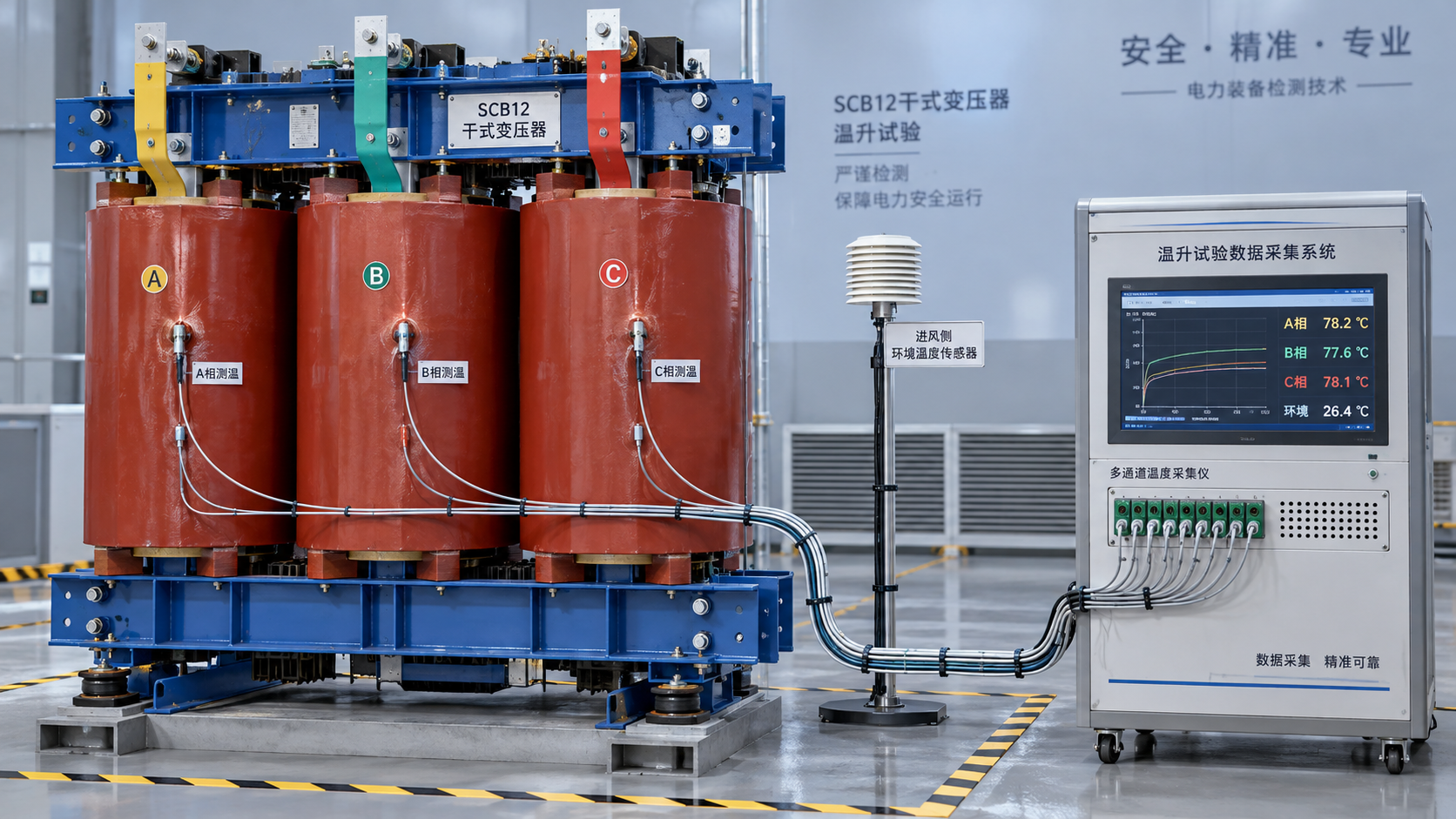
 How to verify the temperature-rise test of an SCB12 dry-type transformer
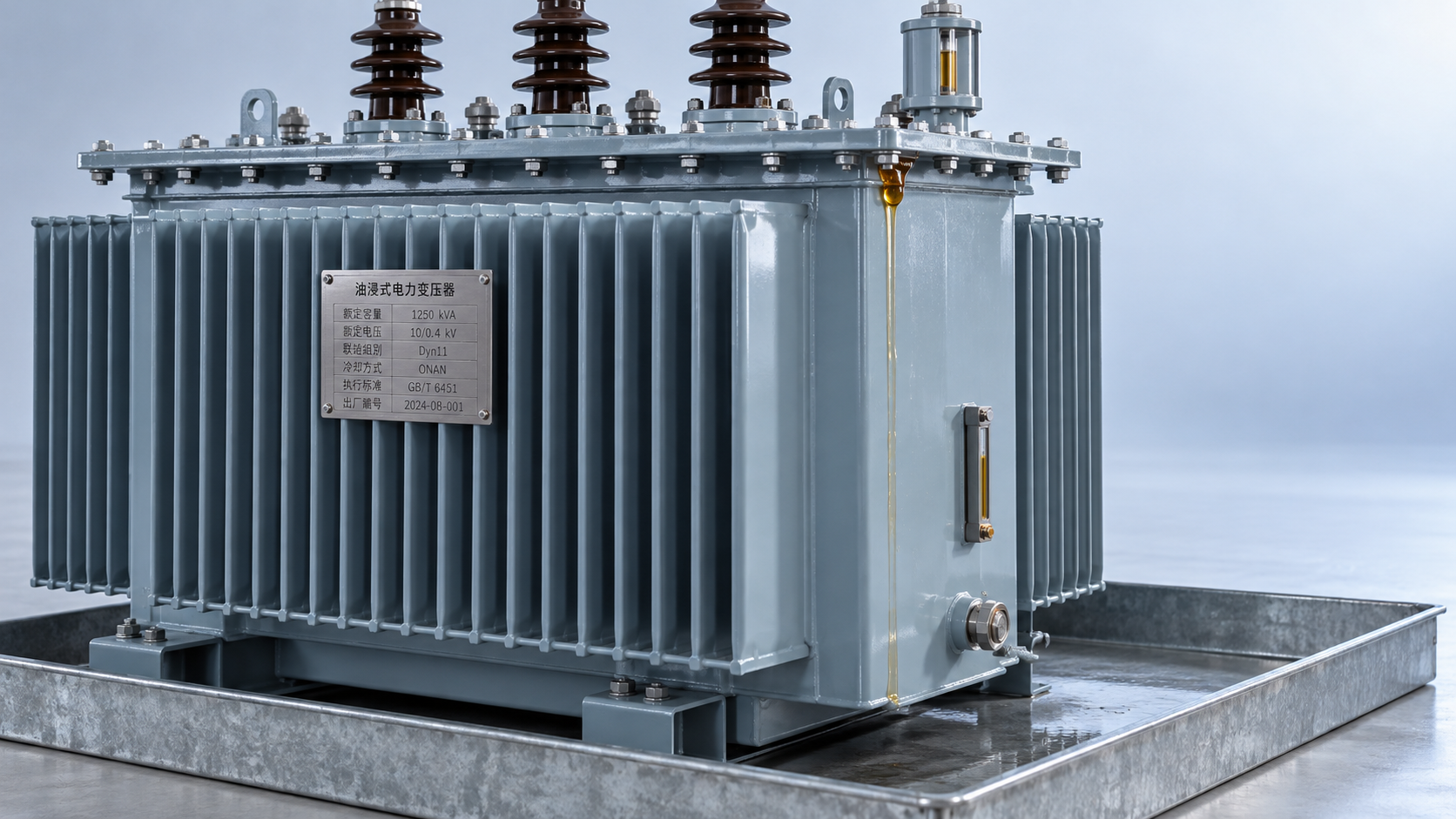
 Distribution transformer maintenance tips for spotting oil leaks
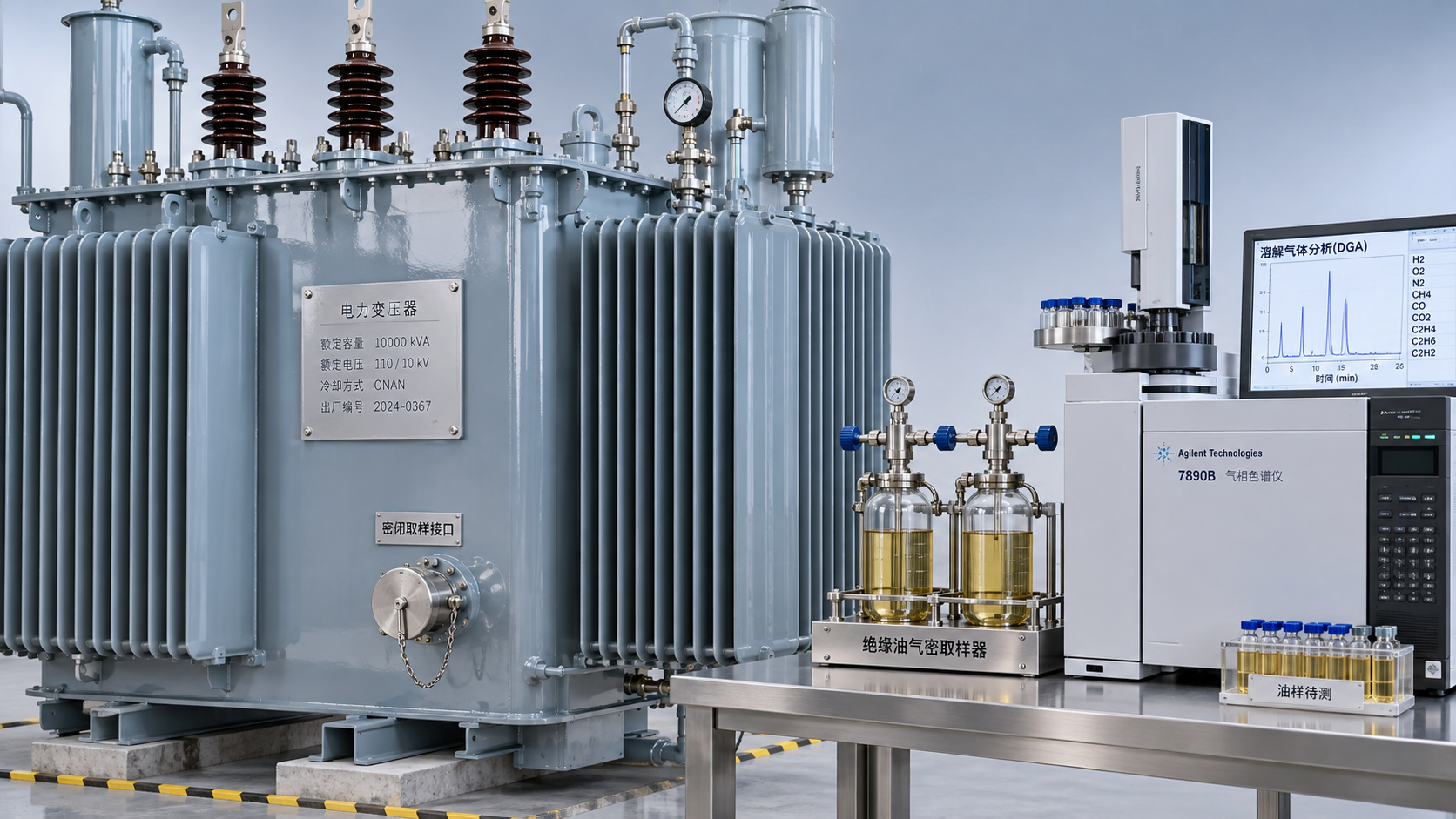
 What dissolved gas analysis reveals about an oil-immersed transformer
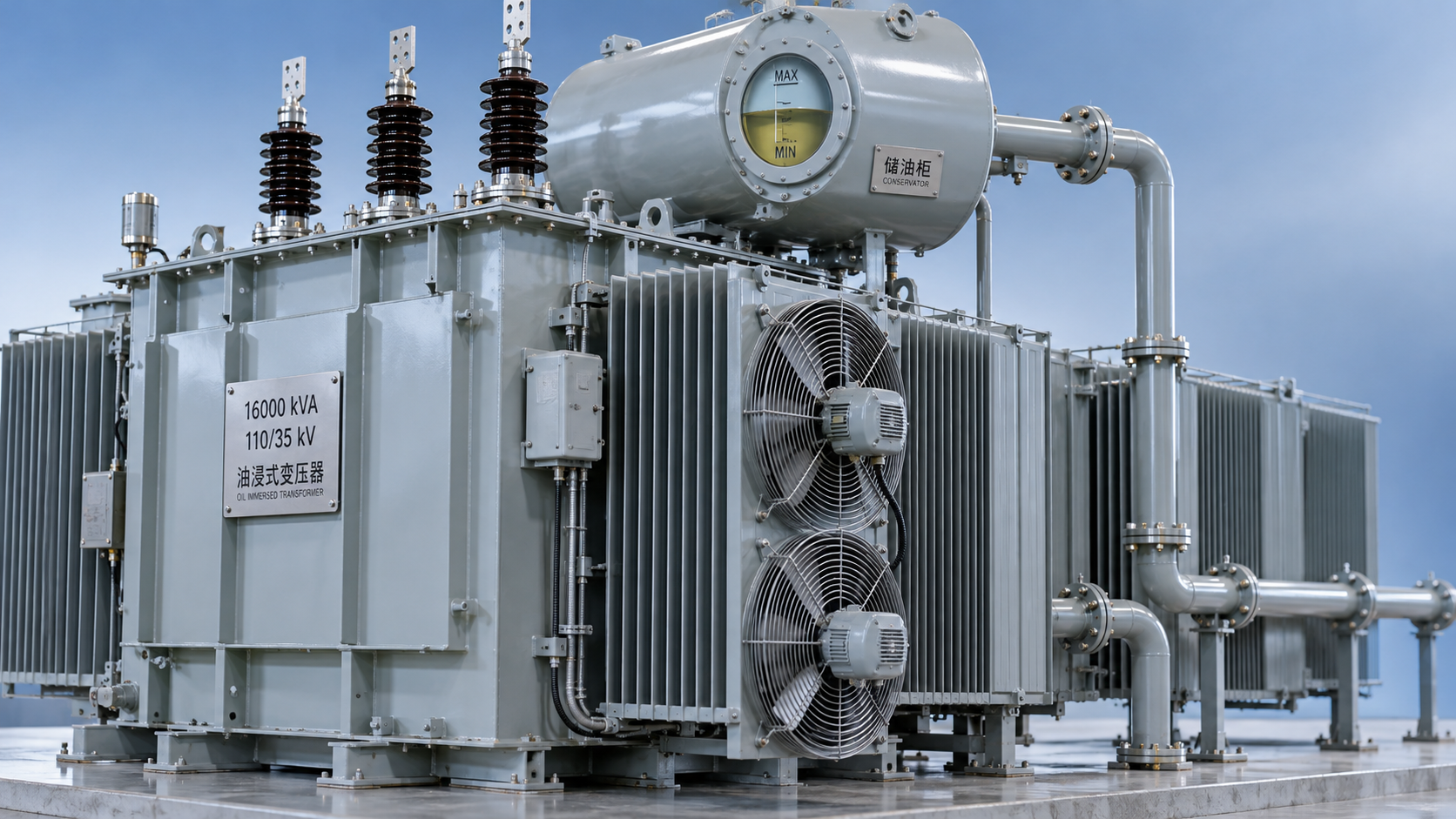
 Why an oil-cooled transformer overheats despite a normal oil level
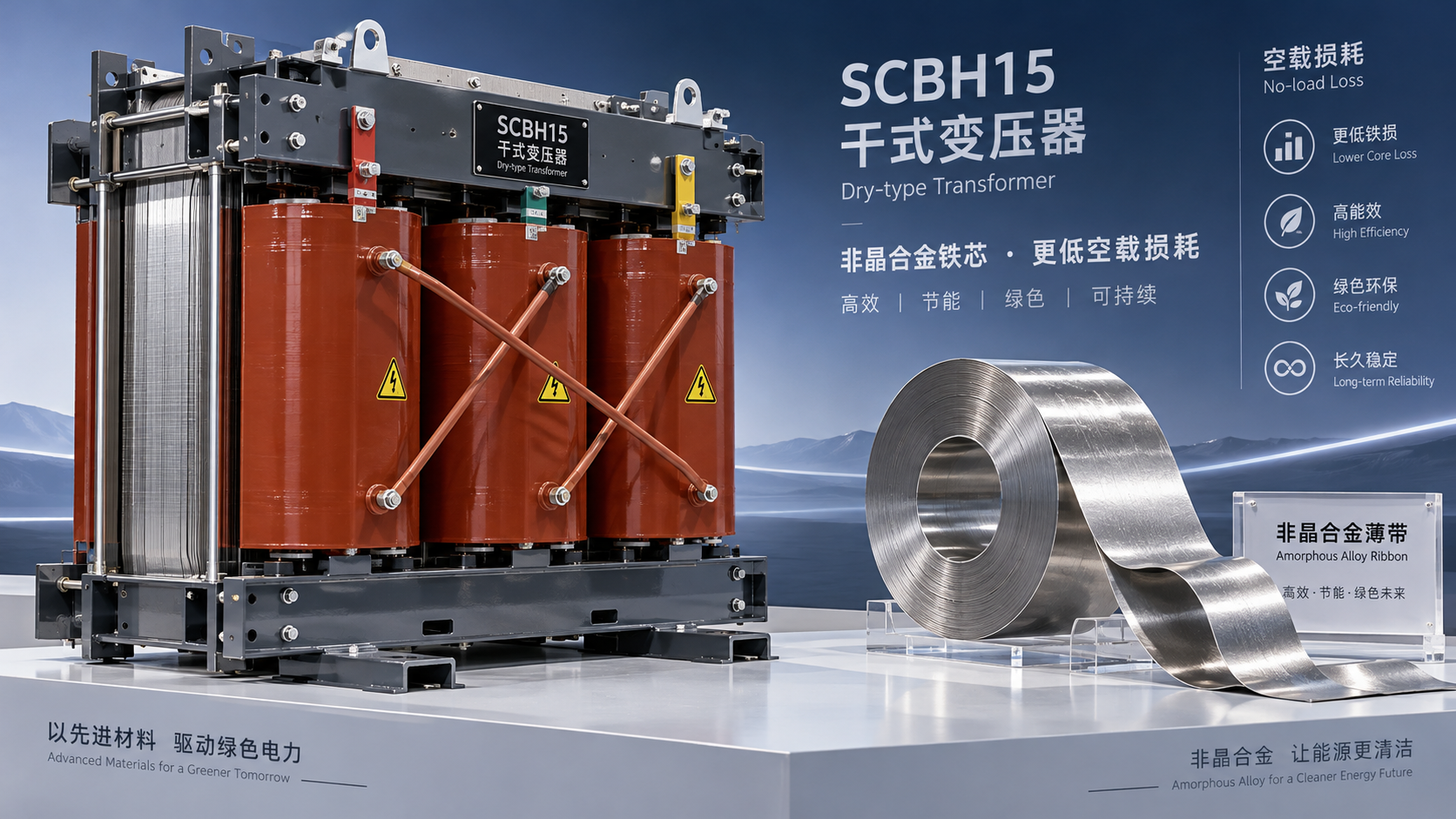
 How the amorphous core affects SCBH15 dry-type transformer losses
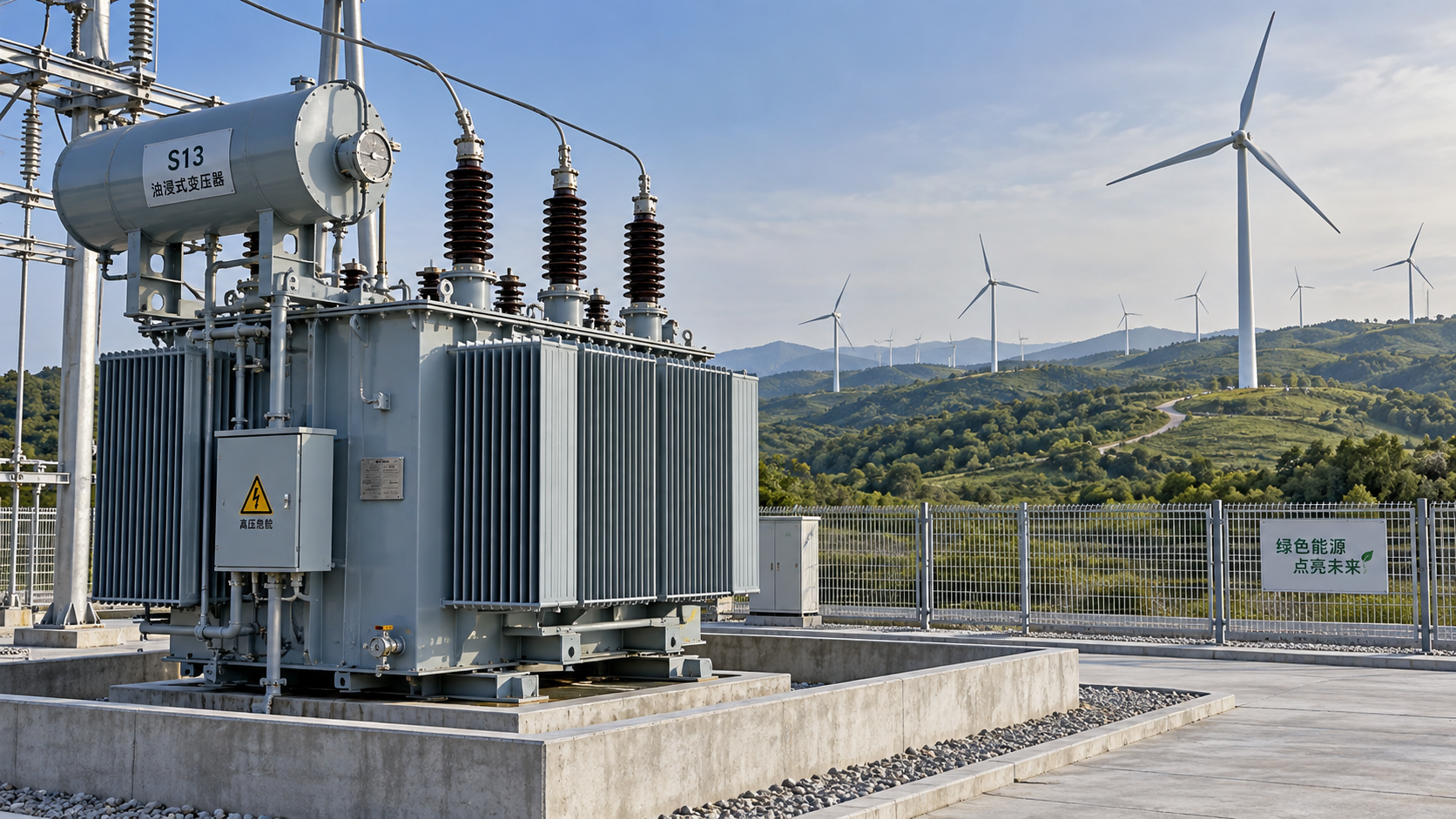
 Sizing S13 oil-immersed transformers for variable wind farm output
GET A FREE QUOTE
We offer reliable products, competitive prices, and nationwide professional support, committed to providing customers with efficient and energy-saving power equipment solutions.