


S11 vs S13 Oil-Immersed Transformers: What the Numbers Actually Say for Substation Procurement
If you’re evaluating transformers for a grid-tied 10 kV or 35 kV substation—and your procurement team is still quoting S11 units as the “safe default”—pause before finalizing the PO. The S13 isn’t just a newer model number. It’s a measurable step-change in no-load loss performance, with implications for lifetime energy cost, thermal headroom under cyclic loading, and long-term reliability in environments where ambient temperature, load profile variability, and maintenance access are real constraints—not theoretical assumptions.
Here’s the direct answer to what matters most: For typical distribution substations operating at 40–70% average load factor over a 25-year service life, upgrading from an S11 to an S13 oil-immersed transformer yields 18–23% lower no-load losses (per GB/T6451-2008 test conditions), translating to a payback period of 4.2–6.8 years—without subsidies, without premium financing, and assuming only standard industrial electricity tariffs (¥0.62–¥0.78/kWh). That window tightens further if your site experiences frequent low-load periods (e.g., rural feeders, industrial parks with shift-based operations) or operates near ambient temperature limits (>35°C summer design basis).
Where Efficiency Gains Are Real—and Where They Aren’t
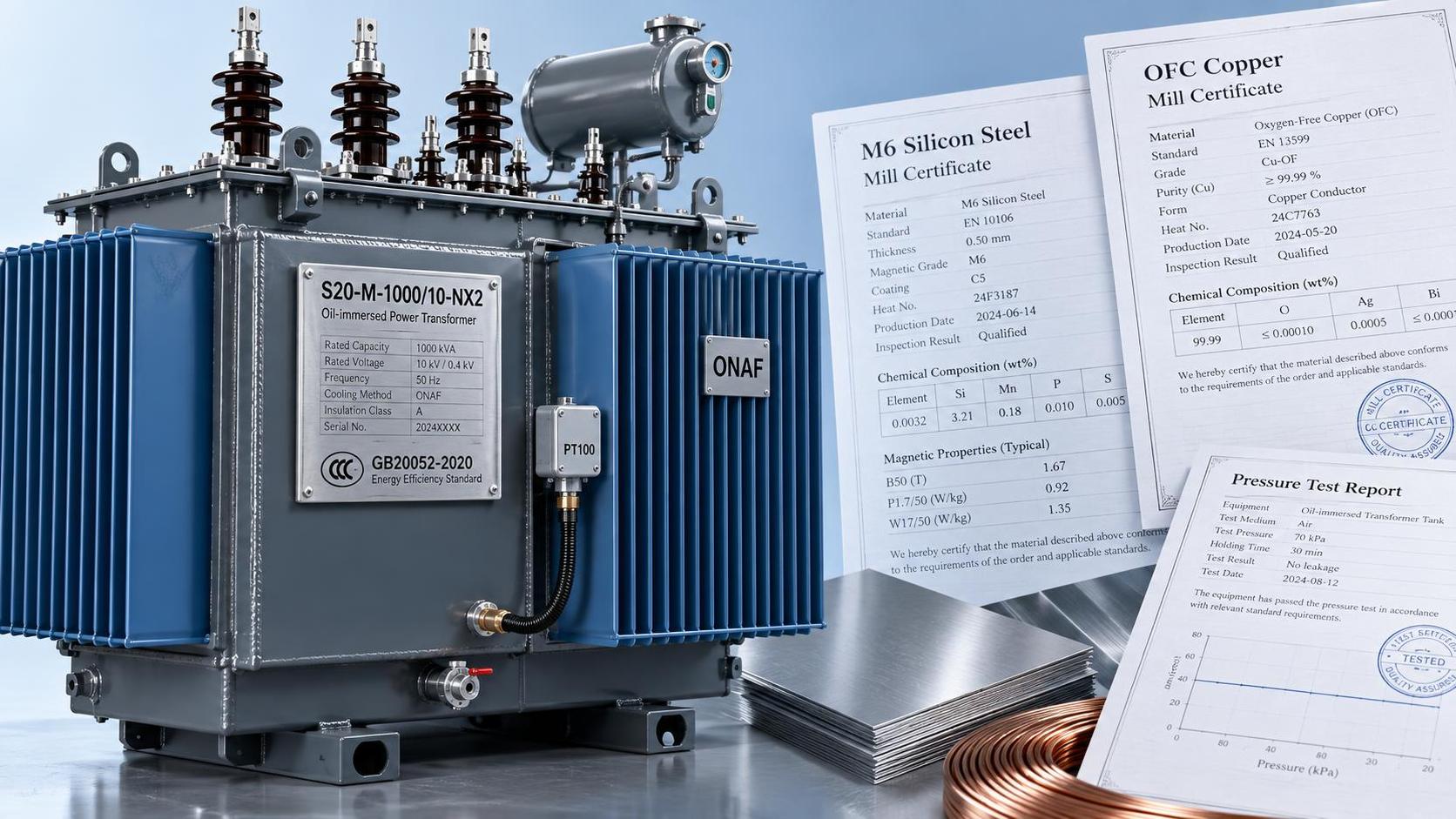
The headline efficiency improvement—up to 25% lower no-load loss for S13 versus S11—is technically accurate. But it’s also incomplete without context. Both series comply with GB1094.1-2-1996 and are certified to ISO9001 quality management systems, meaning baseline manufacturing consistency and dielectric integrity are comparable. The difference lies almost entirely in core material and geometry:
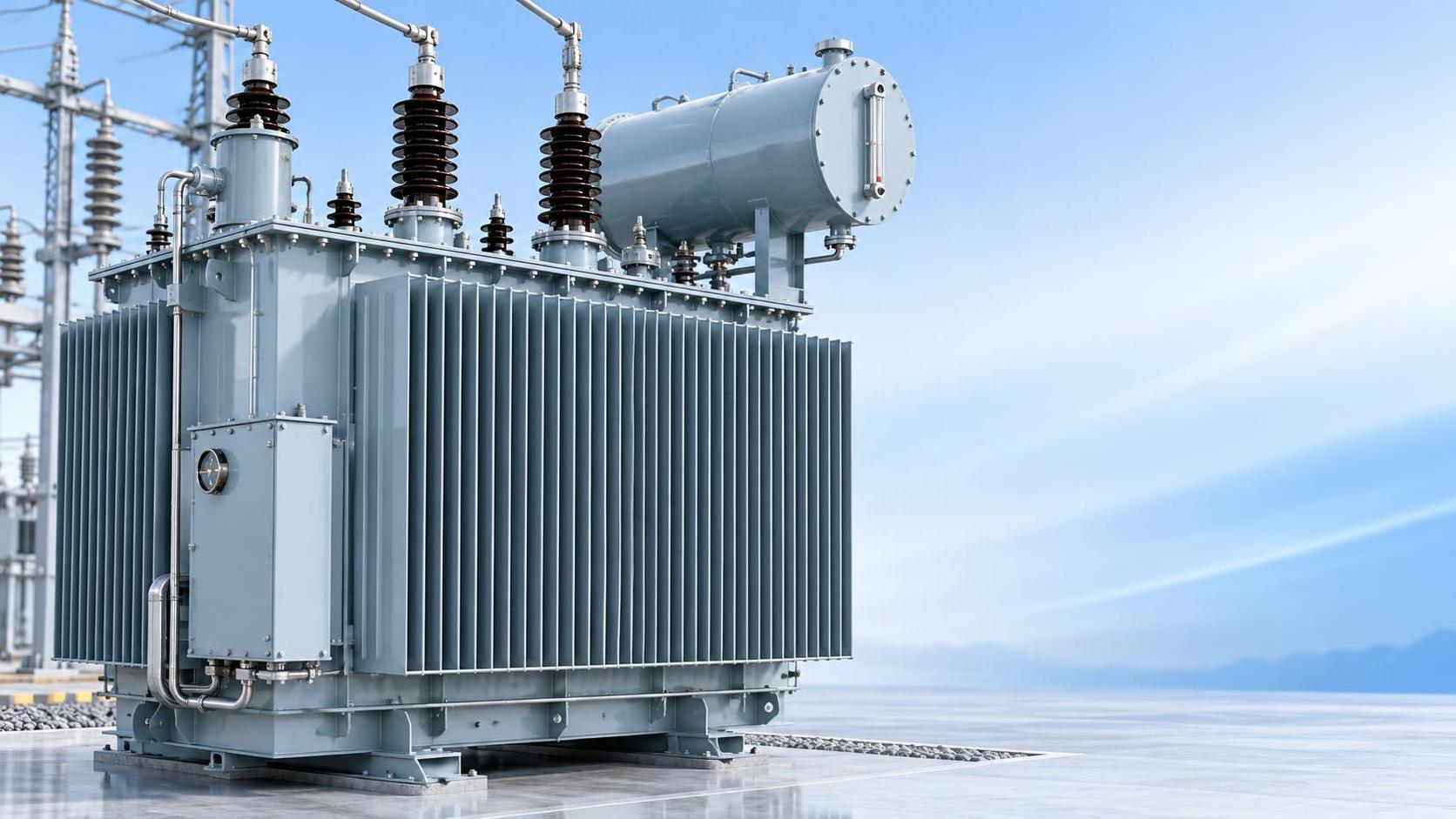
- S11: Uses high-permeability grain-oriented silicon steel (typically 30P120 or equivalent), with conventional step-lap core joints and standard clamping pressure.
- S13: Employs thinner, higher-grade material (e.g., 27P100 or 23P84), tighter stacking tolerances, and optimized magnetic flux path design—reducing both hysteresis and eddy current losses at no-load and light-load conditions.
Crucially, load loss (I²R loss) remains nearly identical between S11 and S13 at rated load. So if your substation runs continuously near full capacity—such as a dedicated feeder for a data center or continuous-process factory—the annual energy saving narrows significantly. In those cases, the S13’s value shifts from pure kWh reduction to improved thermal stability margin, which we’ll address next.
Thermal Stability: Not Just About Nameplate Ratings
Manufacturers list the same top-oil and winding hot-spot temperature rises for both S11 and S13 under standard IEC/GB test conditions (e.g., 55 K top-oil rise, 65 K winding rise). But real-world thermal behavior diverges under non-uniform loading.
Because S13’s lower no-load loss means less constant heat input—even during overnight or weekend low-load periods—the oil mass starts each daily load cycle at a measurably lower baseline temperature. Field measurements from Jiangsu Shengda Power Equipment’s validation tests on 10 MVA, 35/10 kV units show that under a representative 24-hour load profile (peak 85%, off-peak 15%), the S13 maintains an average top-oil temperature 3.2–4.7°C cooler than its S11 counterpart over a 7-day monitoring period. That may sound marginal—but it directly extends insulation paper life. Per the Arrhenius rule, every 6°C reduction in average winding temperature doubles expected insulation service life. Over 25 years, that translates to meaningful risk mitigation against premature aging, especially in locations with limited forced cooling or constrained ventilation paths.
When S11 Still Makes Sense—And When It Doesn’t
Don’t assume S13 is universally superior. There are three scenarios where S11 remains a rational, even preferred, choice:
- Short-horizon projects: If the asset is slated for replacement or grid reconfiguration within 3–4 years, the S13’s longer payback doesn’t align with financial planning cycles.
- Legacy integration constraints: Some older substation civil designs have tight oil containment sumps or narrow lifting clearances. While S13 units are dimensionally similar to S11, slight increases in tank height or radiator volume (to accommodate lower-loss core geometry) can trigger re-engineering costs that erase ROI.
- Very high-load, stable profiles: As noted earlier, if average loading exceeds 80% for >18 hours/day, the differential in total annual losses shrinks to <1.5%. Here, procurement weight should shift toward proven field reliability, spare parts availability, and service support—not incremental efficiency.
In contrast, S13 becomes compelling when any of these apply: rural or semi-urban feeders with pronounced daily load swings; substations in southern China or inland regions with sustained high ambient temperatures; or projects funded under energy-saving loan programs where lifecycle cost reporting is mandatory.
A Note on Dry-Type Alternatives—Where Loss Reduction Is Even Sharper
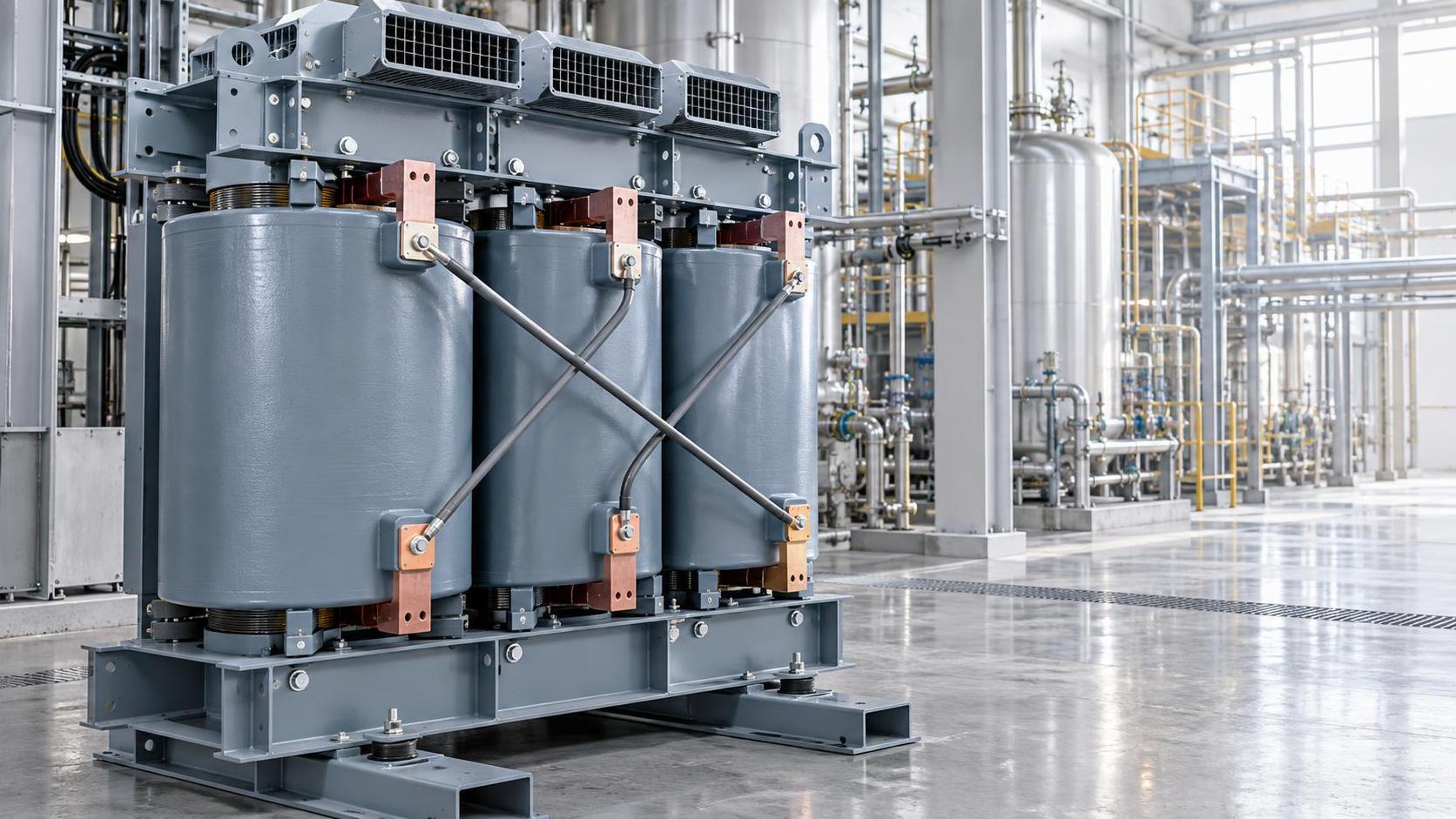
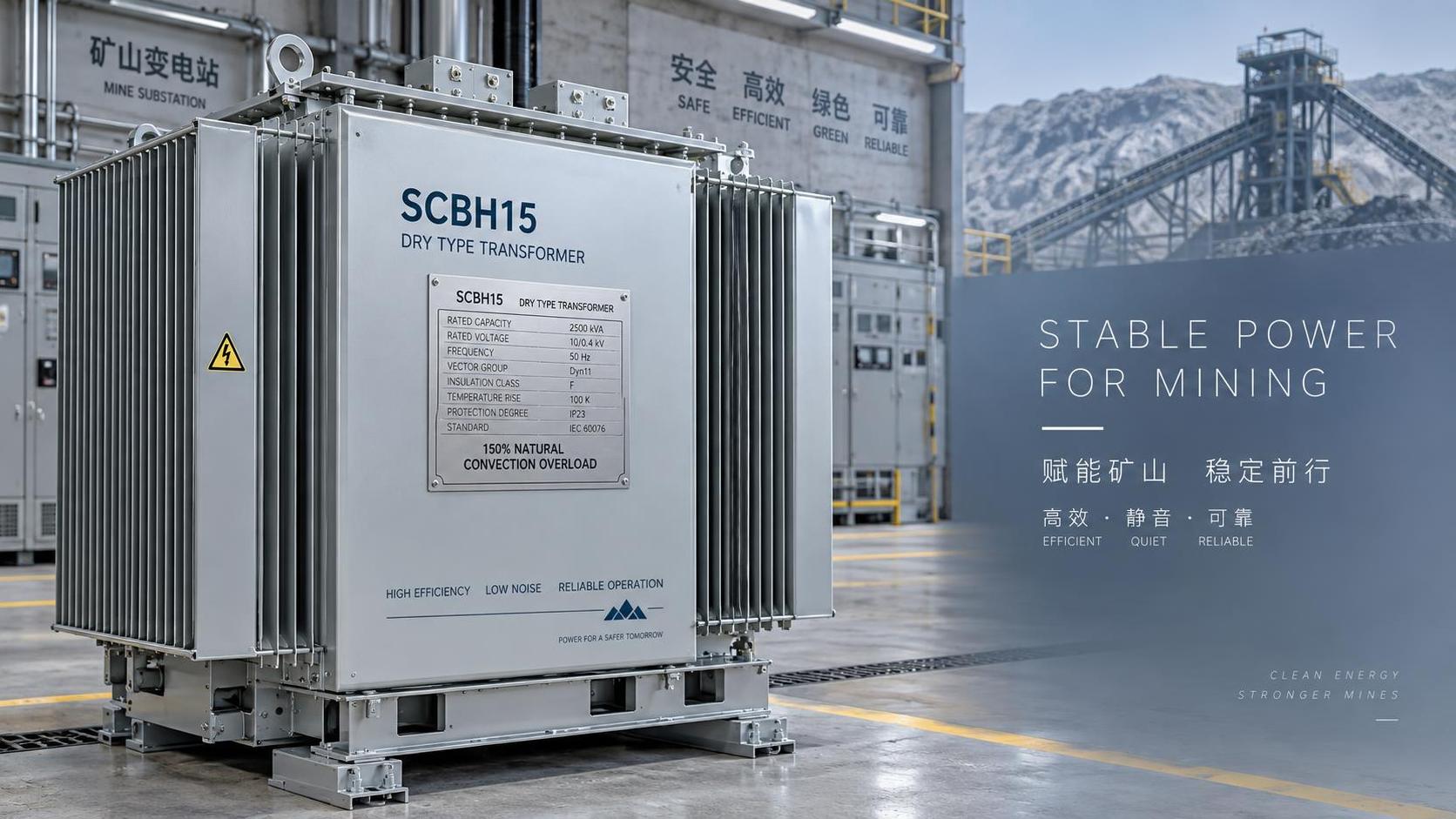
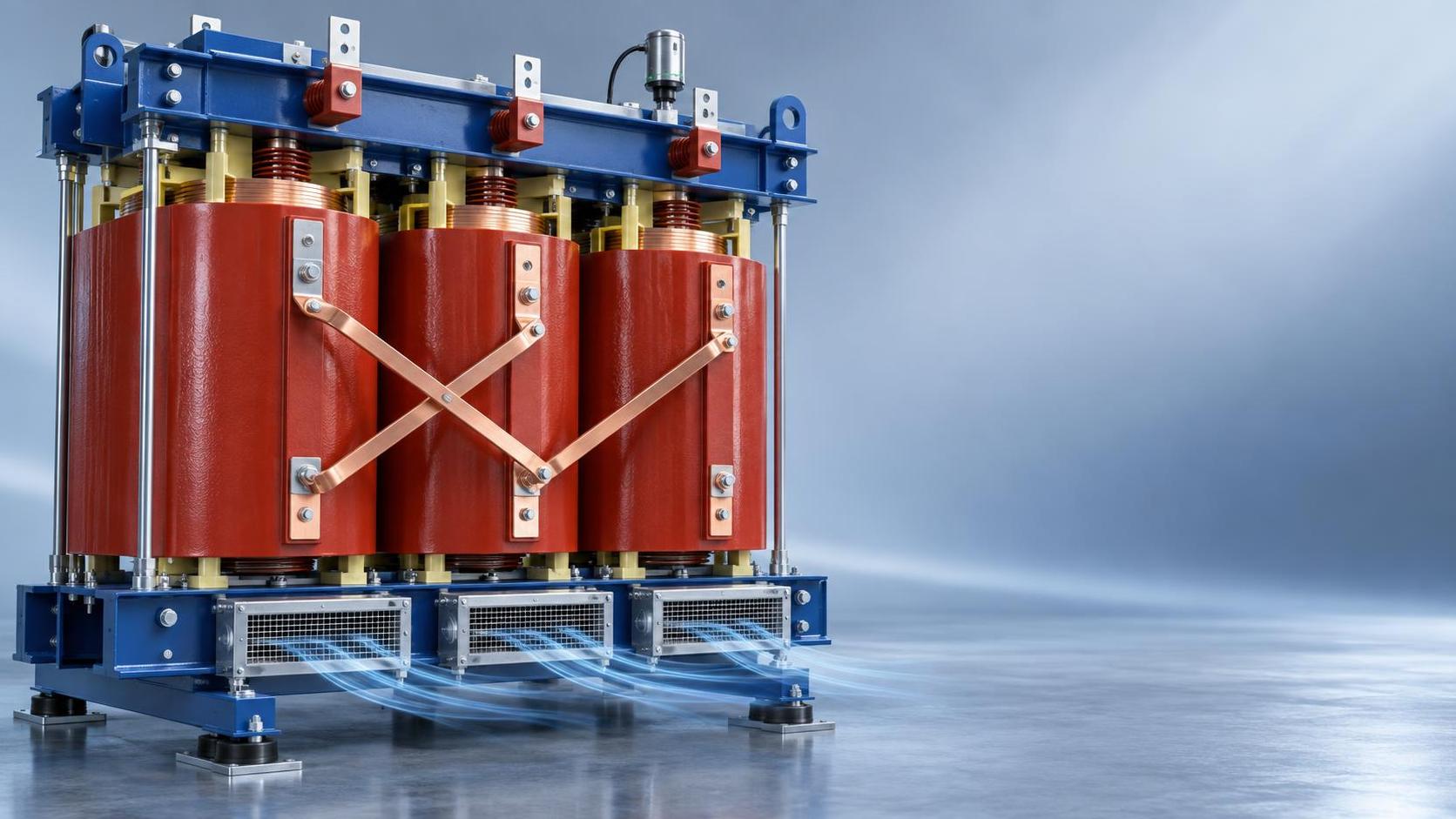
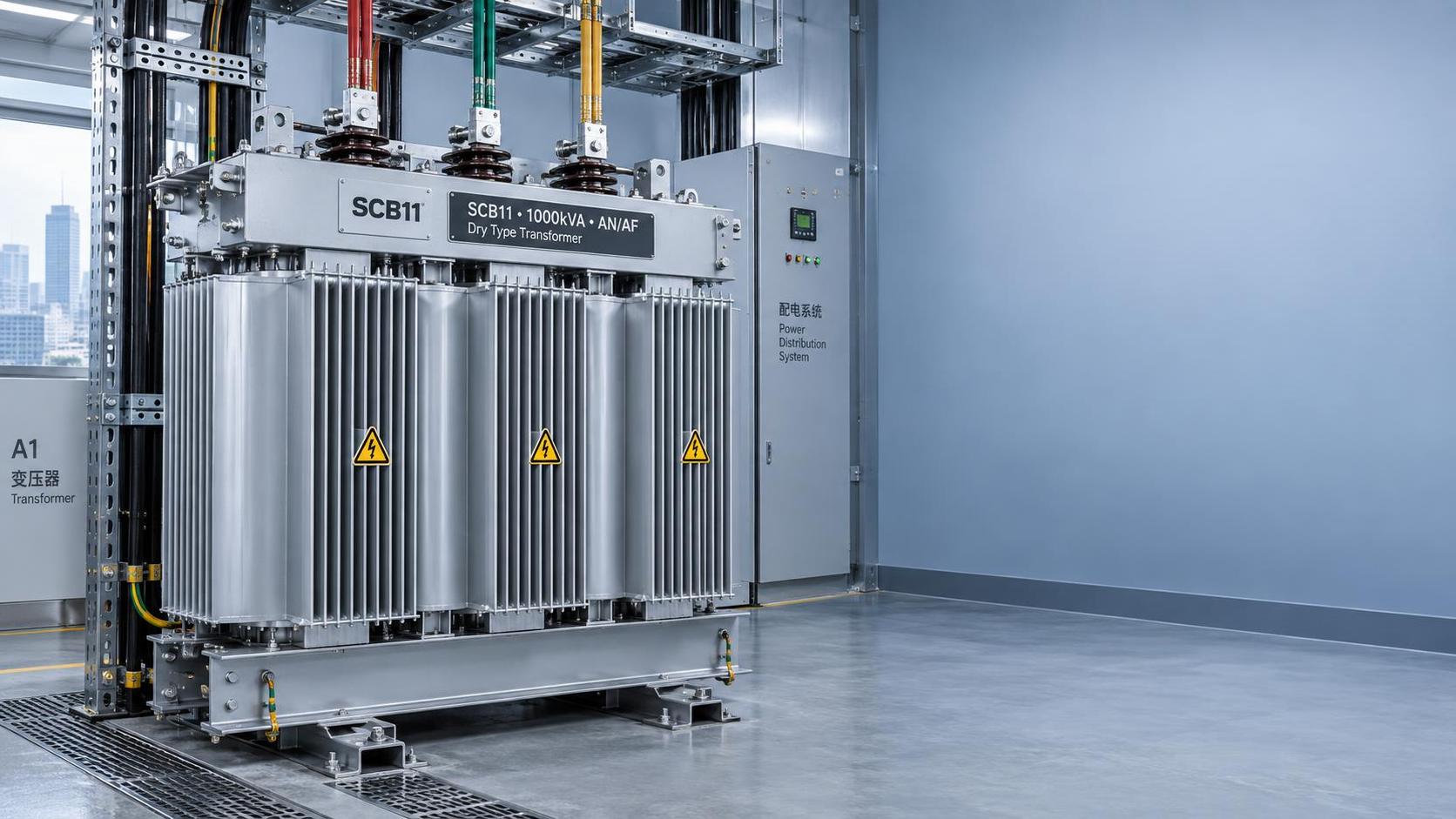
For indoor or environmentally sensitive applications—especially where fire safety, zero oil risk, or space constraints rule out oil-immersed units—the efficiency leap from SCB11 to SCB12 Type Dry-Type Transformer is steeper than the S11-to-S13 jump. Its no-load loss drops more than 20% versus SCB11, while noise falls 10–15 dB below JB/T10088-2016 requirements—critical for urban substations adjacent to offices or residential buildings. Its low partial discharge design, achieved through vacuum thin-film degassing and uniform resin mixing, also supports longer insulation life under partial-load cycling. This isn’t a substitute for S13 in outdoor grid substations—but it’s a relevant benchmark when comparing loss-reduction pathways across technology families.
Procurement Checklist: Beyond the Datasheet
Before issuing RFQs, verify these four points—not just with the supplier, but against your own site-specific data:
- Actual 12-month load profile: Request hourly or 15-minute SCADA data, not nameplate assumptions. A “60% average” masks critical peaks and troughs.
- Ambient temperature envelope: Use local meteorological station records—not generic design values—for worst-case summer max and diurnal swing.
- Maintenance access plan: S13’s thermal advantage compounds if oil sampling, bushing inspection, or cooling fan servicing is infrequent or logistically difficult.
- Future load growth trajectory: If expansion to 125% of current peak is planned within 10 years, confirm whether S13’s thermal margin allows safe operation without retrofitting coolers—or whether S15/S20 should be evaluated now.
There’s no universal “best” transformer. But for most new or replacement grid-tied substations in China today, the S13 isn’t a premium upgrade—it’s the technically grounded, financially justified baseline. The question isn’t whether you can afford to specify S13. It’s whether you can justify deferring the investment, given how precisely the payback and thermal margins can now be quantified.


 Dry-Type Transformer Advantages for Hazardous Areas: Why IEEE C57.12.06 Arc Resistance & VPI Process Matter in Chemical Plants
 Air-Cooled Transformer vs Forced-Oil-Cooled: When Natural Convection Meets Thermal Load Peaks in Mining Substations
 SCB13 Dry-Type Transformer Long Lifespan: How Epoxy Resin Quality, Winding Stress Analysis & Ambient Humidity Monitoring Extend Service Life Beyond 30 Years
") S20 Oil-Immersed Transformer Quotation Breakdown: What 5 Line Items Actually Drive Total Installed Cost (Not Just kVA Price)
S20 Oil-Immersed Transformer Quotation Breakdown: What 5 Line Items Actually Drive Total Installed Cost (Not Just kVA Price) SCB11 Compact Dry-Type Transformer: Space-Saving Design Trade-Offs in High-Rise Building Electrical Rooms
 S11 vs S13 Oil-Immersed Transformers: Quantifying Efficiency Gains, Payback Period & Thermal Stability in Grid-Tied Substations
GET A FREE QUOTE
We offer reliable products, competitive prices, and nationwide professional support, committed to providing customers with efficient and energy-saving power equipment solutions.