


When comparing S13 vs S22 oil-immersed transformers, efficiency, energy loss, and long-term operating costs are key factors for buyers and project engineers. Understanding the differences between these two transformer series helps businesses choose the right solution for power distribution, performance, and compliance. This article explores their features, advantages, and application value in modern transformer systems.
How do S13 and S22 oil-immersed transformers differ in real projects?
In the transformer industry, the comparison between S13 vs S22 oil-immersed transformers usually centers on loss reduction, lifecycle cost, and application intensity. Both are low-loss distribution transformers, but they are positioned differently in procurement decisions.
- S13 transformers are widely selected for balanced performance, practical efficiency improvement, and controlled investment cost.
- S22 transformers are generally considered when users pursue lower energy consumption and stronger long-term savings under continuous load conditions.
- The final choice depends on operating hours, loading rate, energy price, budget, and project compliance requirements.
For industrial parks, utility upgrades, commercial buildings, and infrastructure projects, this comparison is not only technical. It directly affects payback period, maintenance planning, and the overall economics of the power distribution system.
Quick comparison for buyers
The table below highlights the most relevant decision points when evaluating S13 vs S22 oil-immersed transformers for procurement and engineering use.
This comparison shows why many buyers do not ask only which transformer is more advanced. They ask which model creates the best total value over the expected service life.
What should you check first: loss, noise, or capacity?
A practical selection process starts with technical fit. In many distribution projects, no-load loss matters because transformers remain energized around the clock. Load loss becomes more important when the transformer works at medium or high loading for long periods.
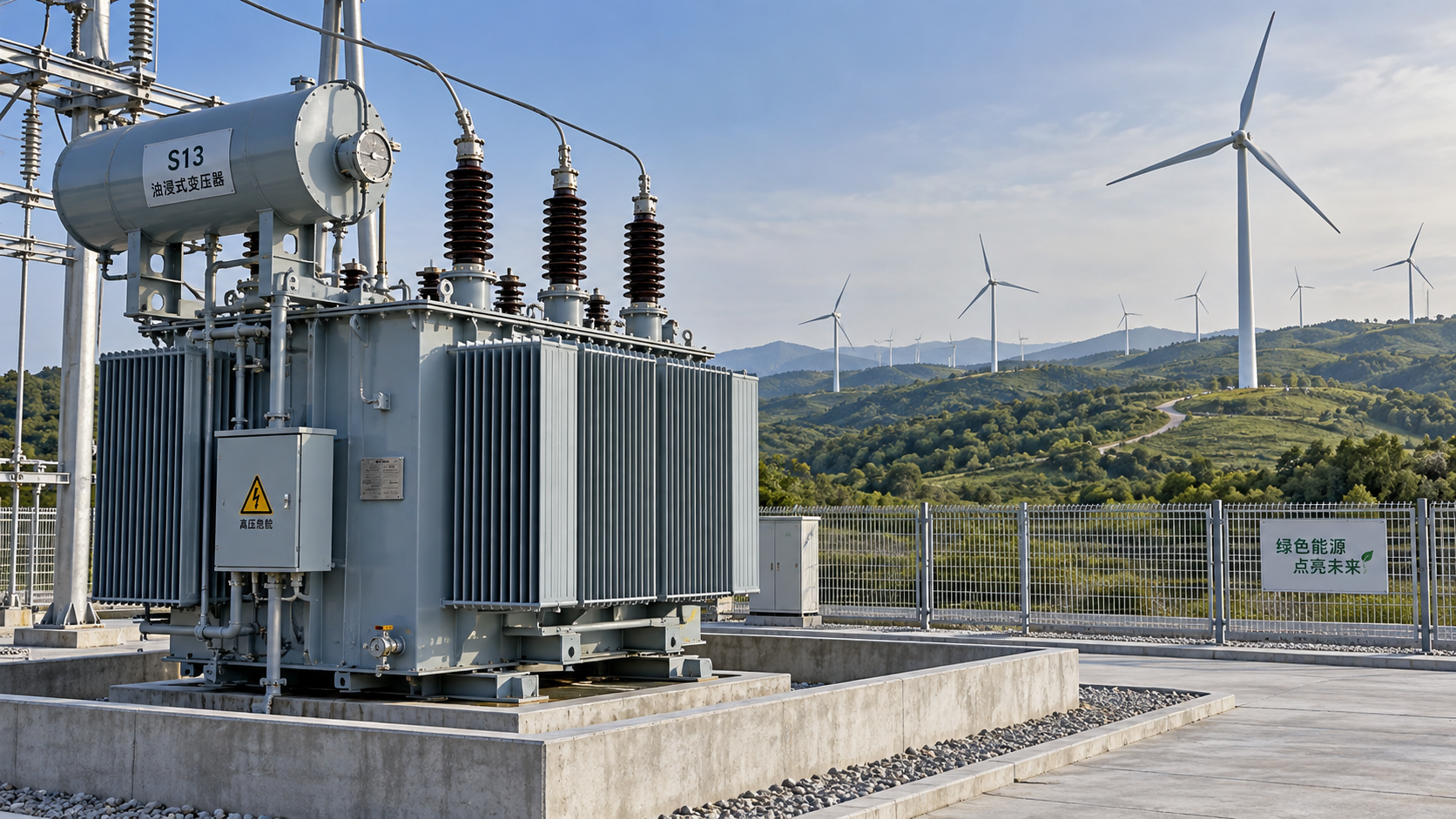
For buyers seeking proven low-loss performance, S13 Series Oil-Immersed Power Transformer provides a useful reference. Its optimized core and coil structure is designed to reduce no-load loss and noise, with average no-load loss reduced by 20% and noise levels reduced by 20% compared to JB/T10088-2016.
Representative S13 technical data
When comparing S13 vs S22 oil-immersed transformers, one effective approach is to benchmark actual parameters instead of relying on model names alone.
These values help engineers compare an S13 unit with an S22 alternative based on actual operating conditions. Capacity range, impedance, and connection group can be just as important as loss figures in avoiding mismatch or later redesign.
Which application scenarios favor S13 or S22?
Not every project needs the same efficiency level. The right answer depends on how often the transformer is energized, how heavily it is loaded, and how sensitive the owner is to energy expenditure over time.
- Choose S13 when you need a mature, low-loss transformer for factories, residential distribution, schools, hospitals, or municipal facilities with balanced cost control.
- Consider S22 when the transformer runs continuously with relatively stable loading and the project owner wants stronger long-term energy savings.
- Review dry-type or compact substation options when installation space, fire safety, or integrated distribution requirements become the main constraints.
Jiangsu Shengda Power Equipment Co., Ltd. supports these varied project needs with low-loss transformer series such as S11, S13, S15, S20, and S22, as well as 10KV and 35KV models, dry-type transformers, amorphous alloy transformers, compact substations, and on-load tap-changing power transformers.
How should buyers evaluate total cost instead of purchase price alone?
A lower quoted price does not always mean a lower project cost. In S13 vs S22 oil-immersed transformers, the better choice often depends on lifecycle economics rather than short-term procurement pressure.
- Calculate annual no-load and load loss according to real operating hours and average loading rate.
- Estimate the local electricity cost over the expected service period.
- Compare the extra upfront investment of S22 with the expected savings from reduced losses.
- Include noise, installation environment, and future expansion plans in the final decision.
This method is especially useful for industrial users facing long operation cycles and tight energy targets. It prevents overpaying for unnecessary specifications, but it also avoids underinvesting in a transformer that will waste electricity every day.
What standards and supplier capabilities matter most?
Transformer procurement is not only about parameters. Compliance, manufacturing control, and inspection discipline are critical because poor consistency can affect service life, operating stability, and acceptance results.
- Check whether the product follows recognized standards such as GB1094.1-2-1996 and GB/T6451-2008 where applicable.
- Confirm quality management capability, including incoming material control, process discipline, and final inspection procedures.
- Verify whether the supplier can support voltage combinations, connection marks, and project-specific customization.
Jiangsu Shengda Power Equipment Co., Ltd. emphasizes R&D, sophisticated manufacturing processes, comprehensive quality inspection systems, and stringent management. Its products are stated to comply with international standards including GB1094.1-2-1996 and GB/T6451-2008, and the company is ISO9001 certified.
FAQ: common questions about S13 vs S22 oil-immersed transformers
Is S22 always better than S13?
Not always. S22 may offer stronger loss performance, but if your transformer load is intermittent or the budget is tight, S13 can deliver a better cost-performance balance. The correct choice depends on operating profile and financial priorities.
What is the main risk in transformer selection?
One common mistake is selecting by price only. Another is checking no-load loss while ignoring capacity margin, impedance, or voltage adaptation. These omissions can create efficiency loss, system mismatch, or difficult commissioning later.
How can I shorten the procurement cycle?
Prepare a clear inquiry with rated capacity, primary and secondary voltage, connection group, impedance, installation environment, applicable standards, and delivery expectations. This helps the supplier confirm model selection and quotation faster.
Why choose us for transformer selection and project support?
If you are evaluating S13 vs S22 oil-immersed transformers, the most useful support is not a generic catalog. You need practical guidance on loss comparison, model matching, compliance, and delivery feasibility.
Jiangsu Shengda Power Equipment Co., Ltd. can support discussions on parameter confirmation, product selection, 10KV and 35KV model matching, delivery cycle planning, customized transformer solutions, certification requirements, and quotation communication. If your project also involves dry-type transformers, compact substations, or on-load tap-changing power transformers, the selection process can be coordinated under one supplier framework for higher efficiency.
For a more accurate recommendation, send your required capacity, voltage, installation scenario, target standard, and expected operating load. This makes it easier to determine whether S13 or S22 is the better fit for your power distribution project.



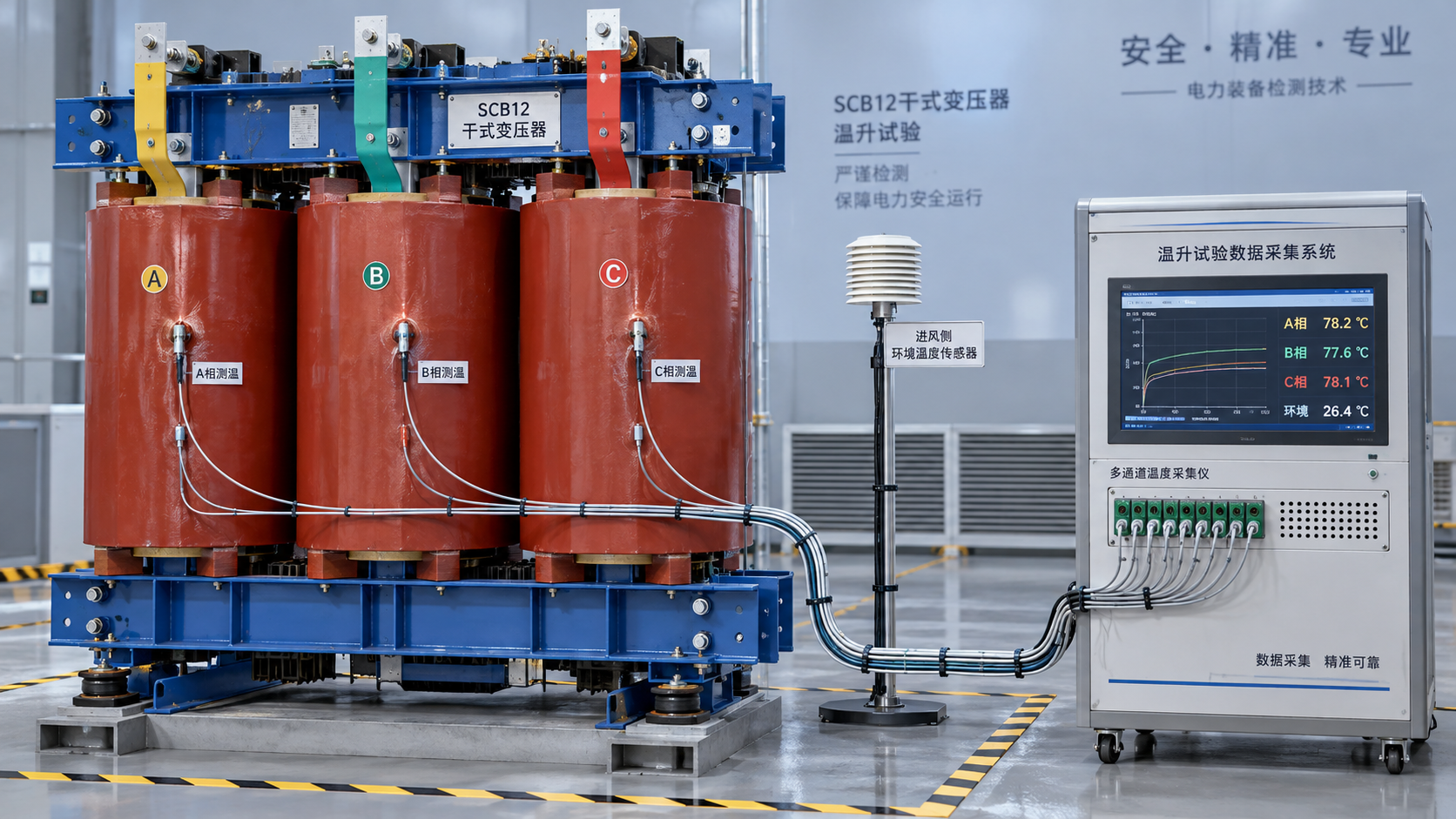
 How to verify the temperature-rise test of an SCB12 dry-type transformer
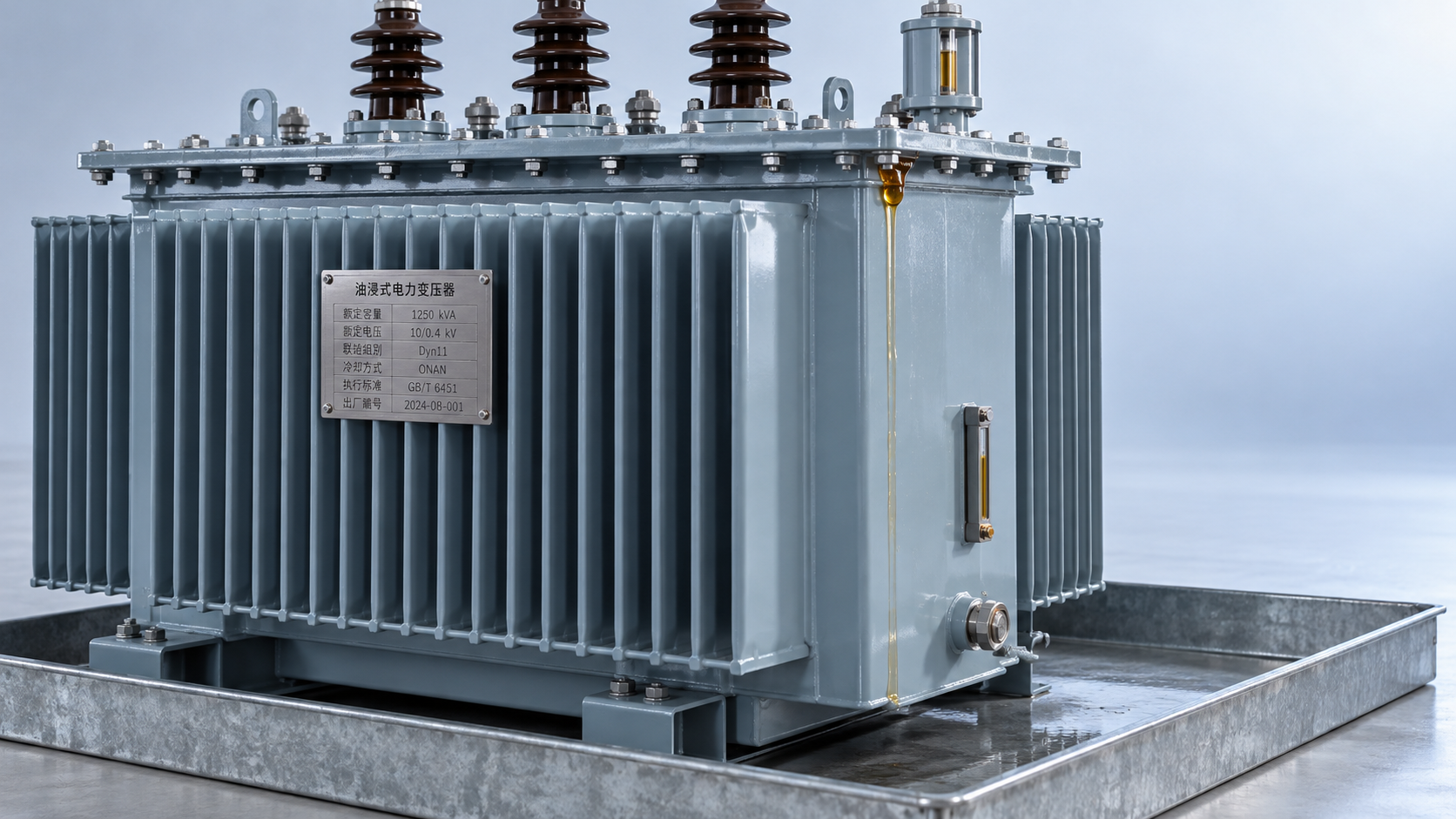
 Distribution transformer maintenance tips for spotting oil leaks
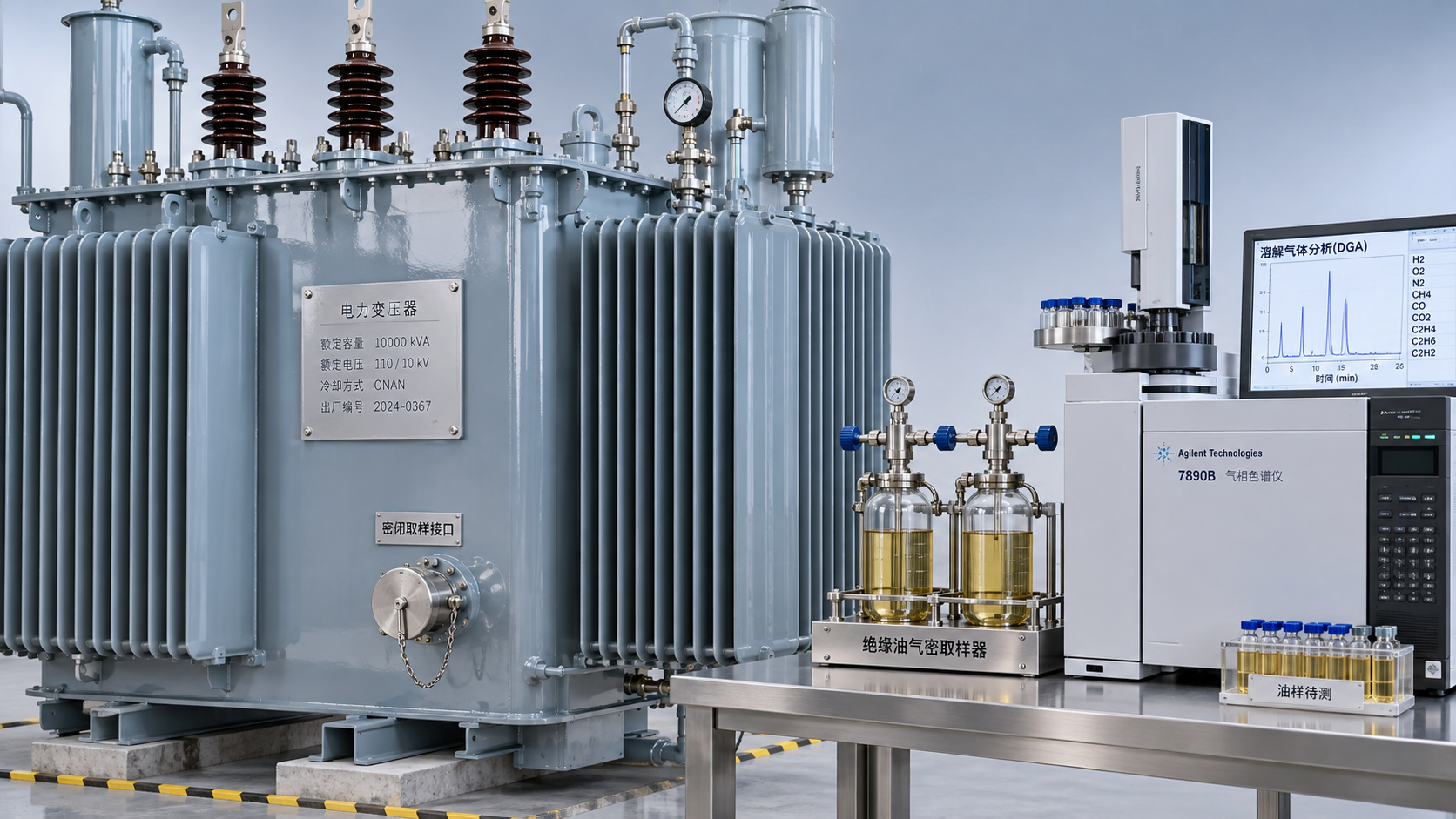
 What dissolved gas analysis reveals about an oil-immersed transformer
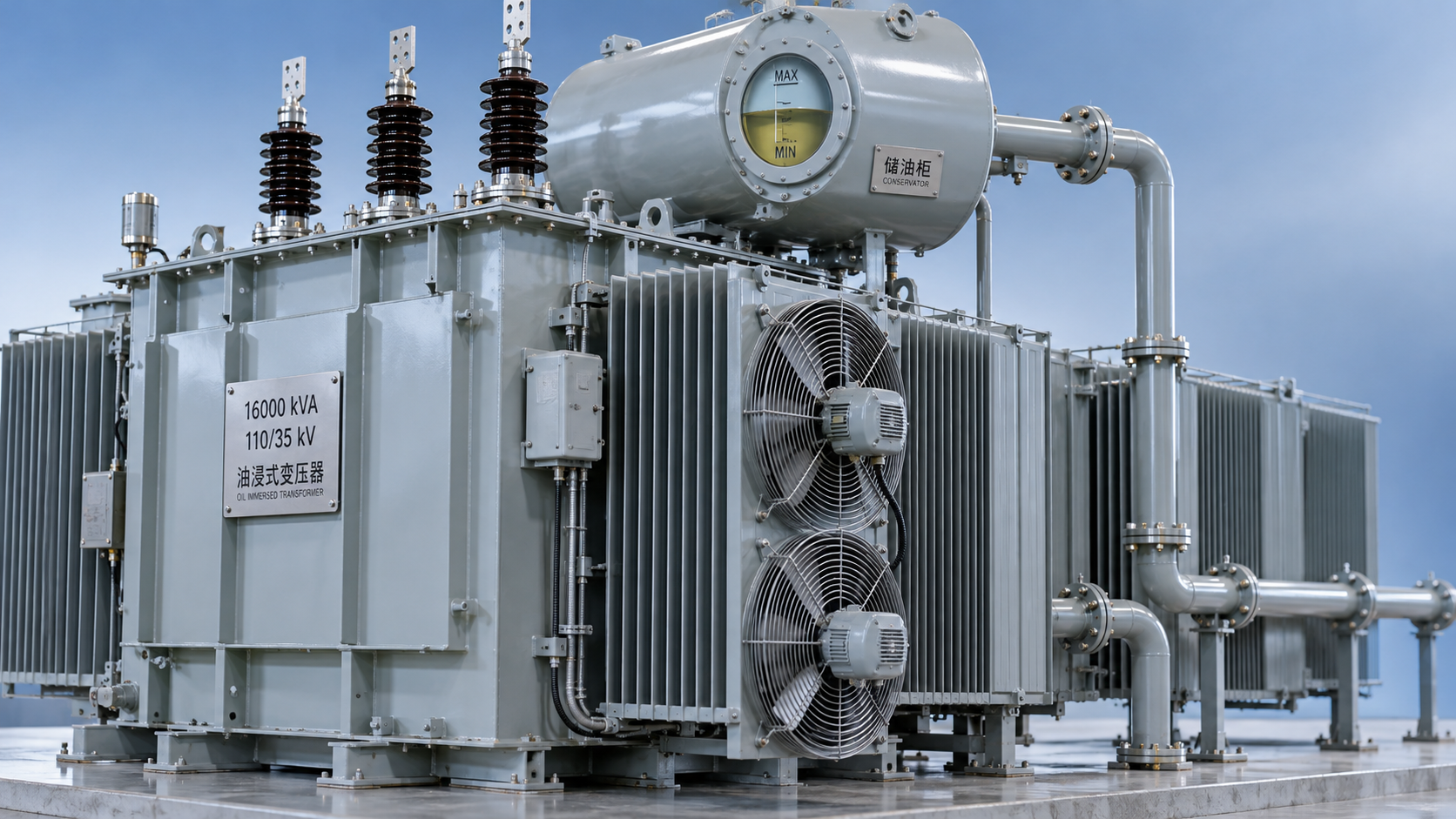
 Why an oil-cooled transformer overheats despite a normal oil level
 How the amorphous core affects SCBH15 dry-type transformer losses
 Sizing S13 oil-immersed transformers for variable wind farm output
GET A FREE QUOTE
We offer reliable products, competitive prices, and nationwide professional support, committed to providing customers with efficient and energy-saving power equipment solutions.