


S15 Transformer vs S13: Which One Cuts Losses Better?
When comparing modern distribution equipment, the S15 transformer usually gains attention for one reason first: lower losses.
Against the S13, it can reduce no-load loss and load loss further, which matters in long-hour operation.
That difference may look small on paper.
In actual service life, it often becomes a clear cost and efficiency signal.
For projects balancing capex, operating cost, and grid reliability, the S15 transformer deserves a close technical review.
Jiangsu Shengda Power Equipment Co., Ltd. develops and manufactures transformer solutions under strict quality systems and international standards, including GB1094.1-2-1996 and GB/T6451-2008.
What Makes the S15 Transformer Different?
The main distinction is loss control.
Compared with S13, the S15 transformer is typically designed with tighter electromagnetic performance targets.
This usually comes from improved core material, winding design, and manufacturing precision.
The result is lower no-load loss during energization and lower load loss during operation.
For substations with stable energization time, no-load loss can be especially important.
For heavily loaded systems, the load-loss gap may influence annual energy consumption more directly.
A practical comparison point
- S13 is already a mature low-loss option for many distribution projects.
- S15 pushes efficiency further for users focused on lifecycle savings.
- The S15 transformer is often favored where energy policy and long-term ownership cost drive selection.
S15 Transformer vs S13 in Real Operating Cost
Loss reduction only matters if it changes real project economics.
That is where this comparison becomes useful.
An S15 transformer may cost more upfront than an S13.
However, lower annual losses can offset that premium over the service period.
This is more visible in high-utilization networks, industrial feeders, and continuously energized distribution points.
It also becomes more attractive where electricity prices are rising.
A simple evaluation model should include purchase price, annual loss cost, loading profile, and service years.
- Estimate annual no-load energy loss.
- Estimate annual load-related energy loss under actual load factor.
- Convert both into energy cost.
- Compare that total with the price difference between S13 and S15.
If the payback window fits the asset strategy, the S15 transformer is usually the stronger decision.
Key Specifications That Should Drive Selection
Loss figures should not be read in isolation.
A good transformer decision also depends on operating conditions and design margins.
- Rated capacity: confirm the transformer matches present load and expansion plans.
- No-load loss: critical for long energized hours and lighter average loading.
- Load loss: important where daily loading stays high.
- No-load current: helps indicate magnetic design performance.
- Short-circuit impedance: influences voltage regulation and fault behavior.
- Noise level: relevant for urban, commercial, and sensitive installation areas.
- Cooling and sealing design: affects maintenance and service reliability.
A lower-loss unit is valuable only when the whole specification remains aligned with site duty.
That is why the S15 transformer should be reviewed as part of a full operating profile, not as a single data-point upgrade.
Where S13 Still Makes Sense
The S13 is not outdated.
It remains a practical option for many standard distribution applications.
If budget pressure is strong and operating hours are moderate, S13 can still deliver good value.
It can also suit projects where energy-loss savings are unlikely to recover the higher initial investment quickly.
In short, S13 often works well for balanced performance, while the S15 transformer fits a stronger efficiency-first strategy.
Related Product Benchmarks in Oil-Immersed Design
In many evaluations, baseline comparison across series is useful.
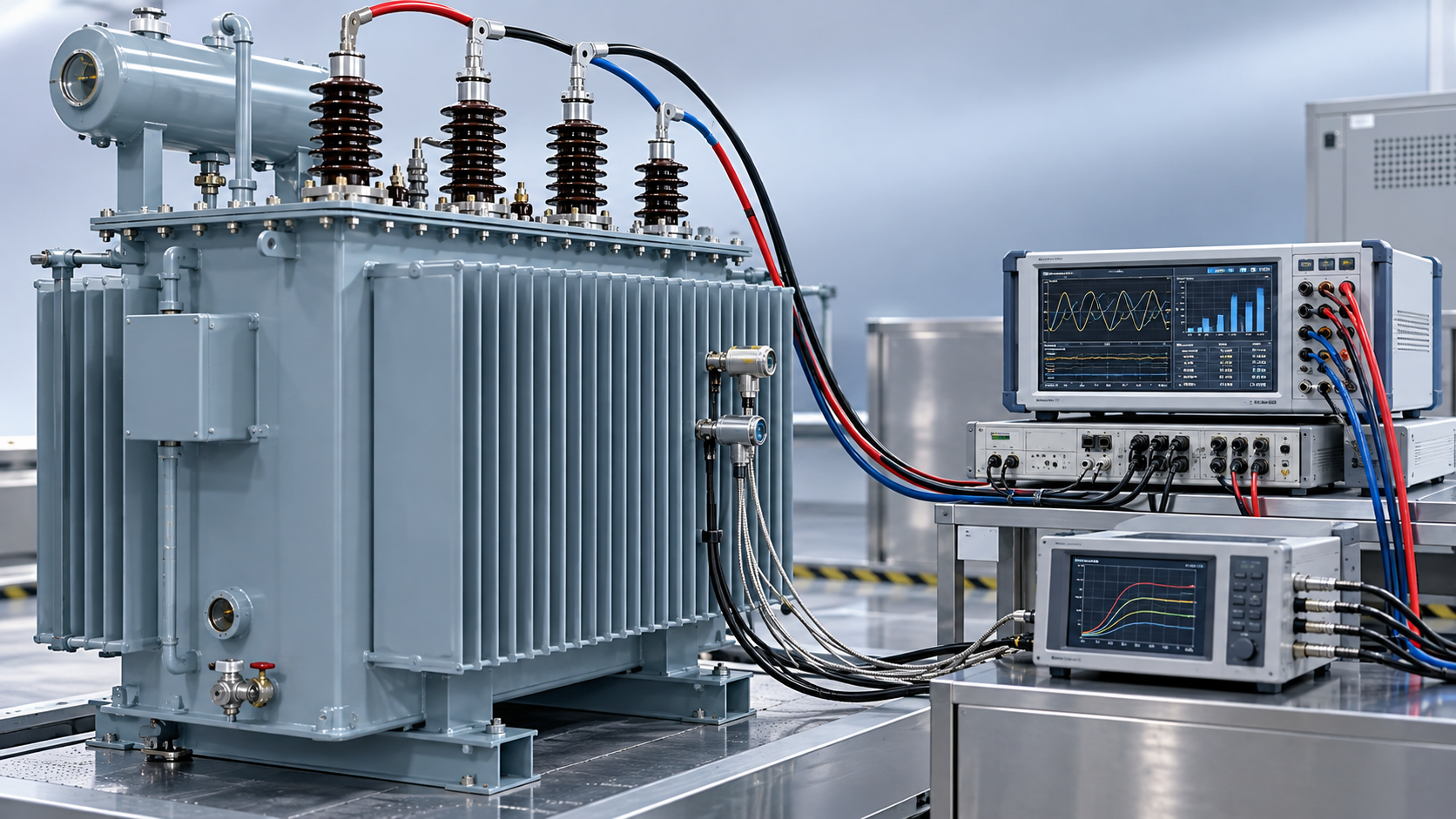
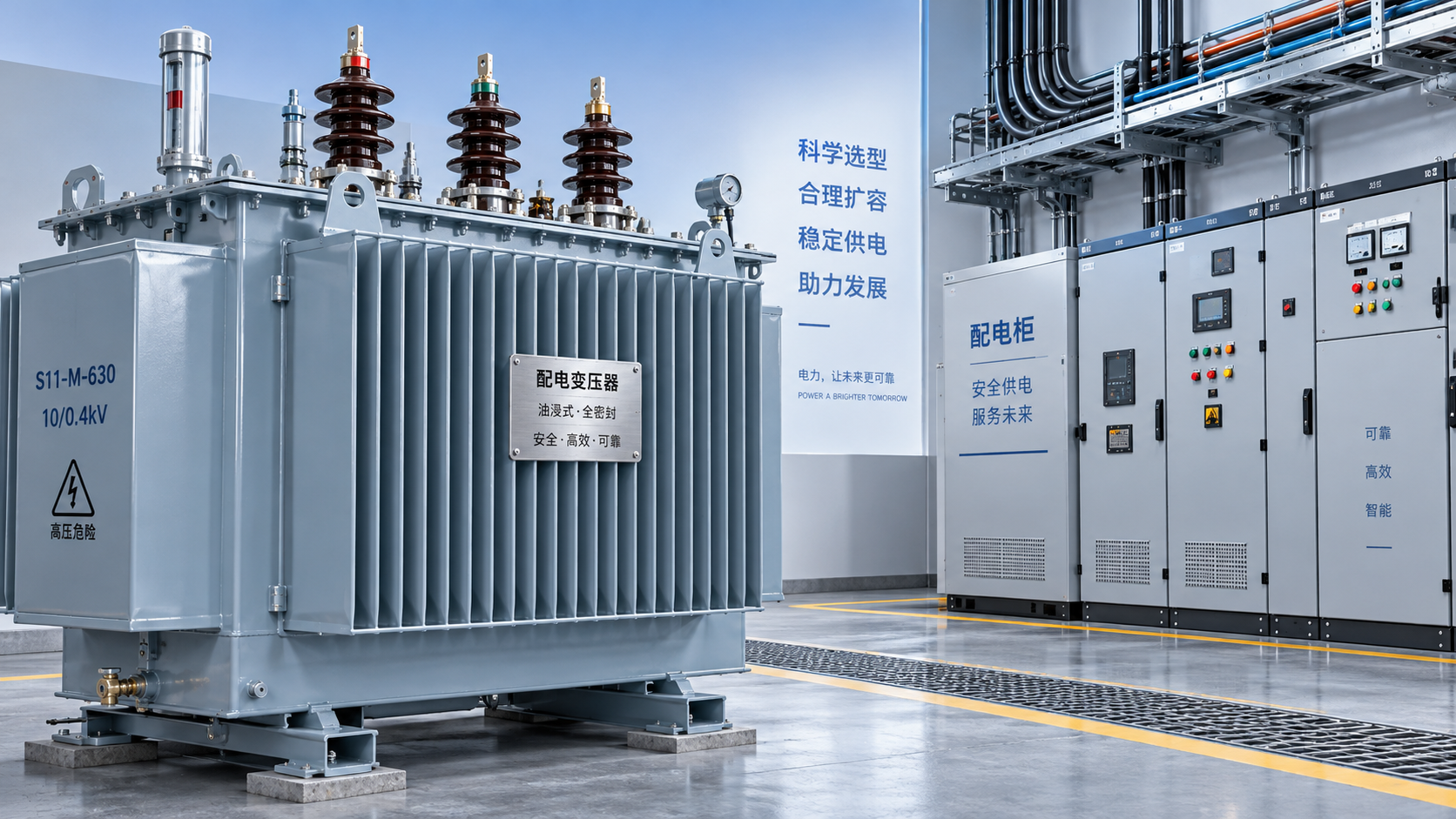
For example, S11 Series Oil-Immersed Power Transformer is widely recognized as a mature reference point in conventional distribution applications.
This series covers capacities from 30KVA to 2500KVA, including models such as S11-M-30 through S11-M-2500.
Its design commonly uses imported high-quality cold-rolled silicon steel sheets and oxygen-free copper.
Core strengths include low loss, low noise, high efficiency, and a fully sealed structure.
The sealed corrugated-tank approach helps isolate oil from air, slowing insulation aging and reducing routine maintenance needs.
That context helps explain how the market moved from S11 to S13, and then toward the S15 transformer for stronger energy-saving targets.
How to Decide Between S15 and S13
A clean decision process usually answers five questions.
- How many hours will the transformer stay energized each year?
- What is the expected average and peak loading?
- What is the local electricity cost over the asset life?
- Is the project targeting tighter energy-efficiency or carbon goals?
- How much weight does the owner place on long-term total ownership cost?
If most answers point toward long service hours and high utilization, the S15 transformer usually wins.
If the project is more cost-sensitive upfront, S13 may remain the more rational choice.
Either way, request certified technical data, not only catalog summaries.
The best transformer choice comes from matching real duty conditions with verified performance values.
From a lifecycle perspective, the S15 transformer often provides the better answer on loss reduction.
The final decision should still rest on load profile, payback timing, and reliability targets across the full operating horizon.



 What an F1 fire behaviour rating means for a flame-retardant transformer
 How enclosure specifications affect SCB18 dry-type transformer cost
 How to compare loss guarantees for S22 oil-immersed transformers
 When to choose a loop-feed pad-mounted transformer over radial feed
 How much spare capacity should a distribution transformer have?
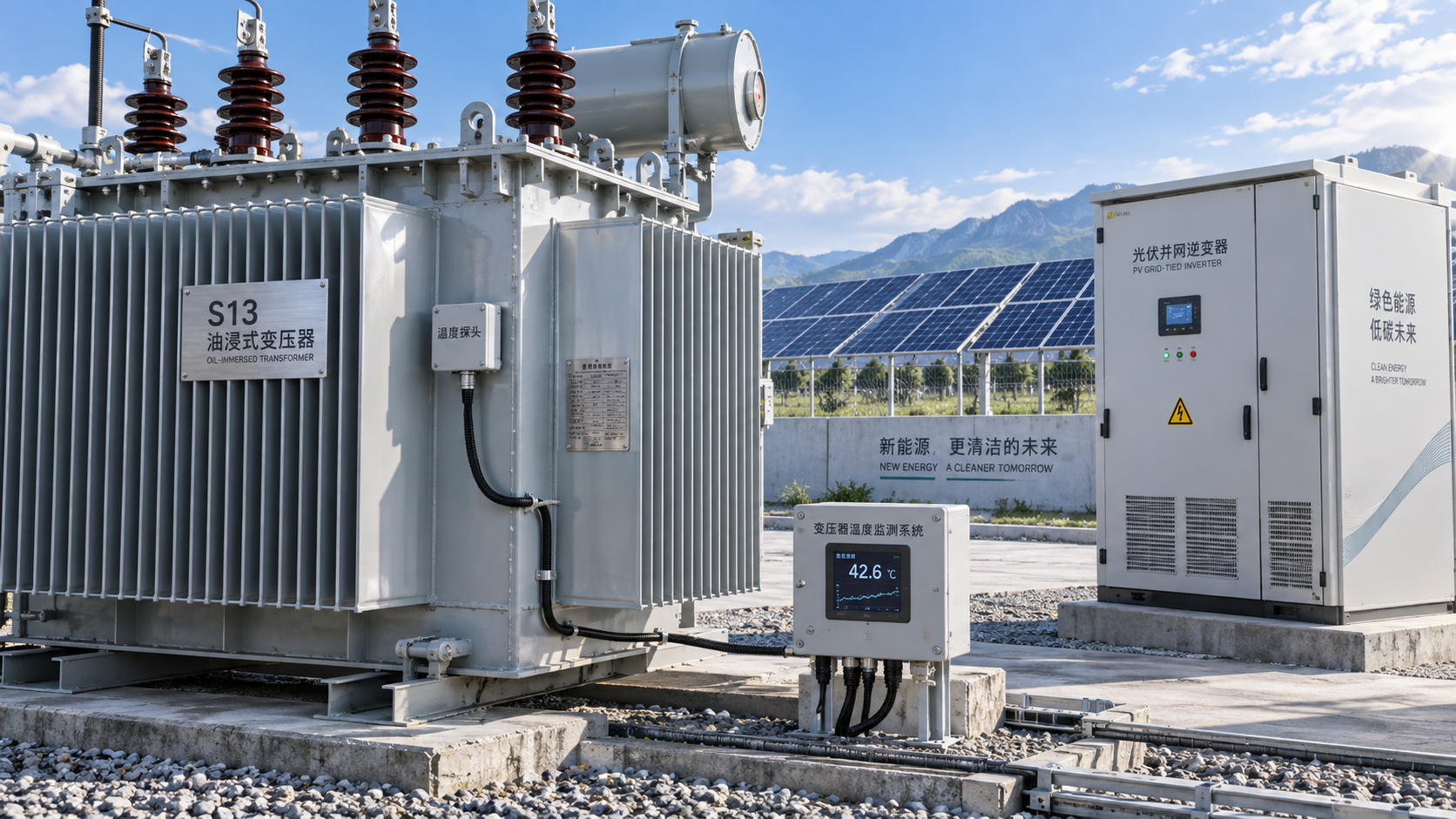
 Checking S13 oil-immersed transformers for renewable inverter loads
GET A FREE QUOTE
We offer reliable products, competitive prices, and nationwide professional support, committed to providing customers with efficient and energy-saving power equipment solutions.