


Selecting the right transformer can influence a commercial building’s safety, energy performance, installation schedule, and long-term operating costs. For project managers, an SCB12 Type Dry-Type Transformer offers a solution worth evaluating when space constraints, fire safety, and maintenance access are key concerns.
This guide explores the practical selection factors, from load capacity and voltage ratings to installation conditions, helping engineering teams make informed decisions that align with project requirements.
Start by confirming the building’s electrical demand, utility connection, and installation environment. Then compare compliant proposals using verified losses, footprint, delivery dates, and lifetime costs.
When Is an SCB12 Dry-Type Transformer a Good Fit?
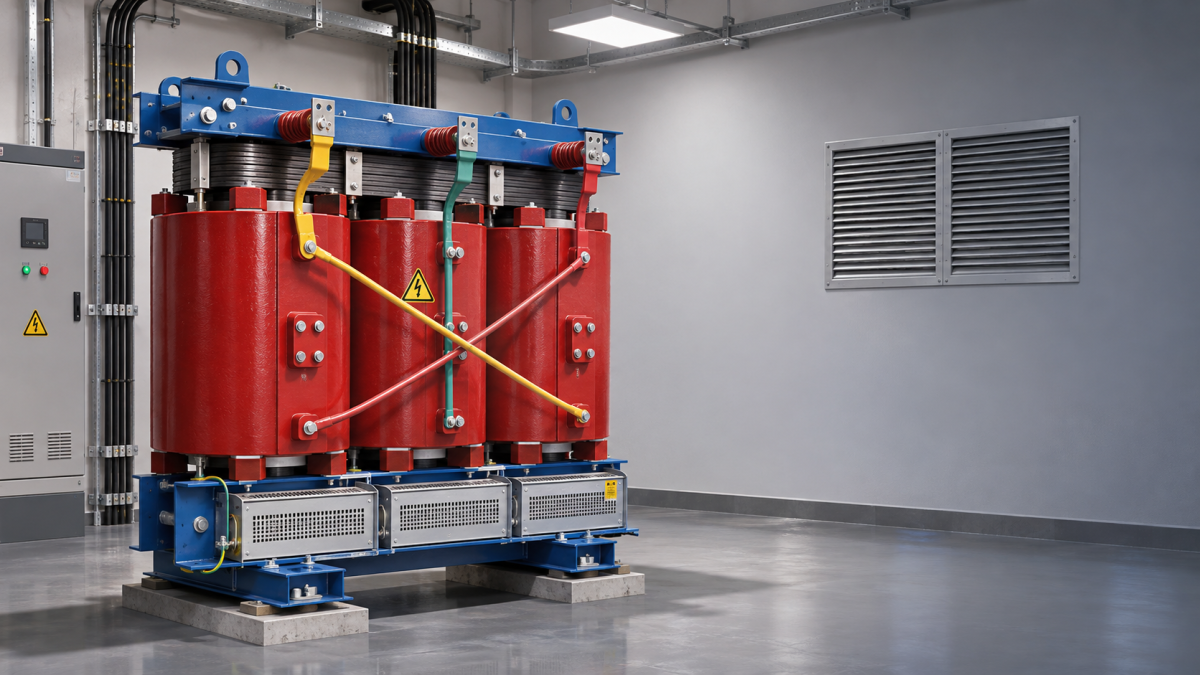
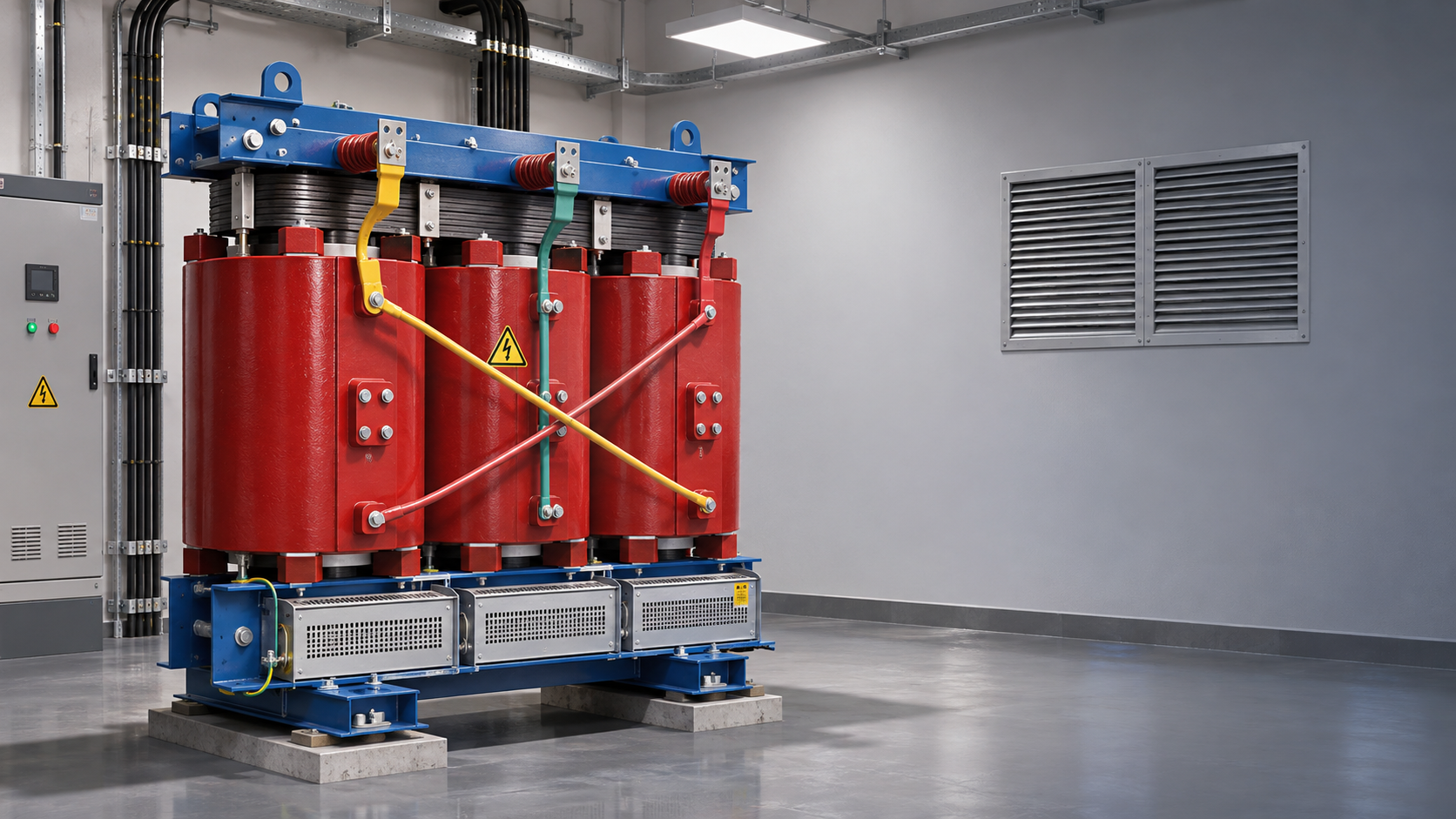
An SCB12 transformer is typically considered for indoor distribution where avoiding insulating oil supports the building’s fire safety and maintenance objectives. Suitability still depends on local regulations and the complete installation design.
Commercial applications may include office towers, shopping centers, hotels, and mixed-use developments. These buildings often require equipment close to occupied spaces and substantial, varying electrical loads.
Dry-type construction does not eliminate fire risk or remove the need for ventilation, protection, and access clearances. Confirm each requirement with the design engineer and authority having jurisdiction.
Before specifying SCB12, verify the manufacturer’s exact construction, loss data, applicable standard, and available ratings. Model designations alone do not establish identical performance across suppliers or markets.
Where an outdoor installation or an integrated medium-voltage distribution package is preferable, compare the complete substation arrangement rather than evaluating the transformer in isolation.
How Much Transformer Capacity Does the Building Need?
Begin with a load schedule covering HVAC, lighting, lifts, tenant equipment, electric vehicle charging, and essential services. Separate connected load from the maximum demand expected in operation.
Ask the electrical engineer to apply appropriate demand and diversity factors, using tenant information and operating schedules. Document assumptions that could materially change before occupancy.
Convert the estimated peak active power to apparent power using the expected power factor: kVA equals kW divided by power factor. Include reactive demand where relevant.
For example, a projected peak of 800 kW at a 0.90 power factor requires approximately 889 kVA. The final rating must also account for operating conditions and future demand.
Allow for credible expansion, but avoid automatically choosing the largest available unit. Oversizing can increase purchase cost and no-load losses throughout the transformer’s service life.
Review motor starting, lift operation, and other short-duration peaks with the manufacturer. Any overload capability must be confirmed for the actual loading cycle, ambient conditions, and insulation system.
Where continuity is critical, assess whether two transformers, separate feeders, or a standby supply are justified. Redundancy changes switchgear, space, protection, and capital requirements.
Which Electrical Specifications Must Be Confirmed?
Confirm the utility’s primary voltage, frequency, fault level, and connection requirements before requesting quotations. Check the secondary voltage against the building’s distribution design and equipment ratings.
Specify the required vector group, neutral arrangement, insulation level, and earthing approach with the electrical designer. These choices affect compatibility, protection coordination, and parallel operation.
Request impedance values and tolerances because they influence fault current, voltage regulation, and the suitability of protective devices. Verify compatibility if transformers may operate in parallel.
Identify the required tap range and adjustment method to accommodate expected supply-voltage variation. Confirm whether adjustments require the transformer to be disconnected and who will perform them.
Commercial buildings often contain variable-speed drives, data equipment, and LED lighting. Ask the engineer to assess harmonic currents and require suitable transformer design or derating where necessary.
Include applicable local codes and project standards in the inquiry. Request test reports and documentation against the agreed requirements rather than assuming a model designation proves compliance.
Can the Transformer Room Support Safe Installation?
Measure the available room, doorways, lift capacity, and delivery route before selecting a unit. Include the enclosure, lifting points, cable bending space, and manufacturer’s service clearances.
Calculate ventilation from the transformer’s actual heat losses and the room’s design conditions. Confirm airflow paths and whether mechanical ventilation or temperature monitoring is necessary.
Provide the manufacturer with maximum ambient temperature, altitude, humidity, and exposure to dust or corrosive substances. These conditions can affect rating, enclosure selection, and maintenance intervals.
Specify an appropriate enclosure protection rating for the environment while checking its effect on cooling. A more restrictive enclosure may require a larger unit or reduced loading.
For installations near offices or guest rooms, request a guaranteed sound level and review structural vibration paths. Acoustic treatment must preserve the ventilation and access required for operation.
Coordinate fire protection, separation, emergency access, and cable routing with the building designer. Obtain project-specific approval from the relevant authorities before finalizing the room layout.
How Should Project Managers Compare Costs and Supplier Bids?
Use a common specification and comparison sheet so quotations cover the same capacity, voltage, losses, enclosure, accessories, testing, delivery scope, and warranty terms.
Compare no-load losses, which occur while energized, and load losses, which vary with current. Request guaranteed values and the test conditions used to establish them.
Estimate annual loss costs using expected operating hours, a realistic load profile, and the electricity tariff. Evaluate future costs over an agreed period using the project’s financial assumptions.
For example, a transformer energized continuously incurs no-load losses for approximately 8,760 hours annually. Actual load-loss costs require the expected variation in loading, not just peak demand.
Include installation, ventilation, protection, commissioning, maintenance, and replacement costs alongside purchase price. A lower bid may become more expensive if it requires substantial building modifications.
Check manufacturing lead time, drawing approval milestones, factory testing, delivery arrangements, and spare parts availability. Record responsibilities for unloading, positioning, and resolving site access constraints.
Request the manufacturer’s quality documentation, routine test reports, and relevant project references. Confirm warranty coverage and the response process for defects discovered during commissioning or operation.
Should You Consider an Integrated Substation?
If the project needs a compact distribution package, compare a standalone transformer room with an integrated substation. Consider land or floor area, utility interfaces, and installation responsibilities.
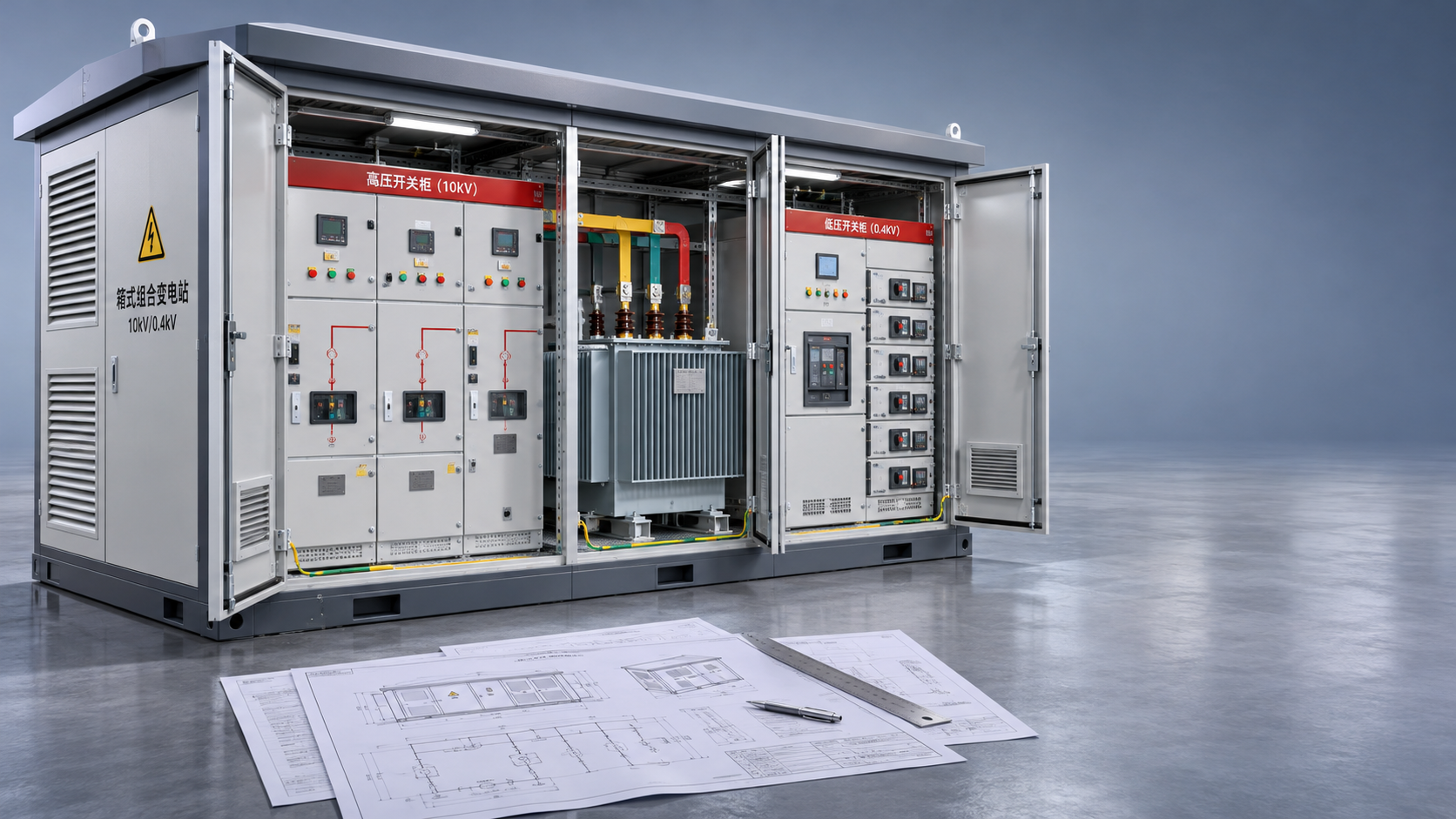
The ZGS Combined Substation integrates a transformer with switchgear, fuses, low-voltage distribution equipment, and other auxiliaries. Available configurations can accommodate metering, reactive power compensation, and distribution branches.
The supplied product information lists capacities from 63 to 1,600 kVA, a 50 Hz frequency, and 6–10 kV voltage. Confirm the exact ratings and configuration for your project.
Indoor and outdoor installation options may suit commercial centers or high-rise developments. Confirm equipment construction and insulating medium with the supplier; an integrated substation is not automatically a dry-type solution.
What Should Be Checked Before Ordering and Commissioning?
Before placing the order, obtain approved drawings showing dimensions, cable entry, clearances, ventilation, earthing connections, protection interfaces, and the route into the final location.
Agree on factory testing, inspection access, document delivery, and acceptance criteria. Confirm which accessories, temperature controls, and monitoring contacts are included in the quoted scope.
At commissioning, have qualified personnel inspect connections and protection settings, perform applicable site tests, and verify ventilation and temperature alarms against the approved design and manufacturer’s instructions.
Jiangsu Shengda Power Equipment Co., Ltd. supplies dry-type transformers and compact substations. Project teams can request a documented proposal and confirm SCB12 availability, ratings, and applicable standards directly.
The best selection balances verified capacity, installation conditions, losses, protection, and delivery risk. A clear specification and comparable supplier data give project managers a sound basis for approval.



 Comparing ZGS Substation Quotations: Scope and Exclusions Checklist
 SCB12 Dry-Type Transformer Selection for Commercial Buildings
 Explosion-Proof Transformers: Hazardous-Area Ratings and Selection
 Where Can S22 Oil-Immersed Transformers Fit in Distribution Projects?
 Evaluating S20 Transformer Exporters: Documentation and Delivery Risks
 Protecting SCB14 Dry-Type Transformers From Moisture and Condensation
GET A FREE QUOTE
We offer reliable products, competitive prices, and nationwide professional support, committed to providing customers with efficient and energy-saving power equipment solutions.