


Why Resin Insulation Changes the Use Case for SCB12 Type Dry-Type Transformer Systems
The practical value of an SCB12 Type Dry-Type Transformer is often misunderstood. People sometimes reduce the discussion to a simple contrast: oil-filled means conventional, dry-type means safer. In real projects, the choice is narrower and more technical than that. SCB12 units are typically selected when the installation environment makes fire behavior, ventilation conditions, maintenance access, and indoor reliability more important than the lower first cost that some oil-immersed solutions may offer. Resin insulation is central to that decision, because it changes how the transformer handles moisture, dust, short-term overload stress, and fault containment inside occupied or enclosed spaces.
That is why SCB12 models appear so often in commercial buildings, industrial workshops, public infrastructure, and distributed energy projects. The interest is not only in being “dry-type,” but in using cast-resin insulated windings that remain stable in places where leakage risk, open combustible liquid, or heavy routine maintenance would be unwelcome. For engineers and planners, the question is rarely whether resin insulation sounds advanced. The real question is whether the operating environment actually benefits from it.
What Resin Insulation Really Means in Practice
In an SCB12 Type Dry-Type Transformer, resin insulation generally refers to epoxy resin cast around the windings. This is not a cosmetic material choice. The cast structure helps isolate the conductor from ambient humidity, airborne contaminants, and some of the mechanical stresses that occur during switching events or short-circuit conditions. Compared with designs that rely more heavily on exposed insulation systems, resin-encapsulated windings are usually favored where environmental control is imperfect and where maintenance intervals may be long.
That does not mean resin insulation makes the transformer immune to every site problem. Poor ventilation, harmonic distortion, overload, and inadequate clearance still matter. But it does make the equipment easier to deploy in indoor substations, basement electrical rooms, high-rise utility floors, and process areas where dust and moisture are persistent concerns. In many of these settings, the transformer is expected to run for years with predictable inspection routines rather than frequent intervention.
Another point worth making: dry-type does not automatically mean low-performance or limited-duty. Well-built resin-insulated units are commonly chosen for demanding three-phase distribution work, especially where low partial discharge, stable thermal behavior, and resistance to external environmental influence are part of the specification review.
Where SCB12 Units Tend to Make the Most Sense
The strongest applications for SCB12 designs are environments where the transformer shares space with people, critical operations, or sensitive buildings. High-rise commercial towers are a good example. Electrical rooms in these buildings are often enclosed, vertically distributed, and difficult to service without affecting tenants. A resin-insulated dry-type transformer fits this condition well because it avoids insulating oil, reduces concerns around leakage management, and aligns better with stricter fire protection expectations for indoor power distribution.
Public infrastructure follows the same logic. Airports, railway stations, and similar transit facilities typically prioritize fire safety, operational continuity, and cleaner indoor installation. These sites also experience fluctuating load patterns and need equipment that can tolerate long service periods without intrusive maintenance. This is one reason manufacturers with broad dry-type portfolios often position comparable models for stations, docks, substations, and large building complexes rather than only for light indoor duty.
Industrial facilities are more varied. In a relatively clean production hall, SCB12 can be a straightforward fit. In a harsher plant environment, the decision depends on airborne conductive dust, corrosive gases, ambient temperature, and cooling conditions. Resin insulation helps, but it does not override poor room design. If the site has heavy contamination or restricted airflow, enclosure selection and thermal assessment become just as important as the transformer model itself.
Renewable energy and distributed power systems are another area where the model is often discussed. Solar and wind installations, especially those connected to buildings or compact substations, value equipment that is reliable, flame-retardant, and comparatively simple to maintain. Here, dry-type units can be attractive where the transformer must operate near load centers or inside prefabricated electrical spaces. The main caution is that not every renewable project has the same environmental profile. A coastal installation, for instance, should be judged differently from an indoor commercial rooftop energy system.
Why Fire Safety Is Only Part of the Story
Fire performance is often the headline reason for choosing a resin-insulated transformer, and it is a valid one. Dry-type units are widely recognized for use in locations where open liquid insulation is undesirable. Still, reducing the decision to fire risk alone leaves out other operational benefits that matter just as much over the life of the equipment.
Resin-insulated transformers are commonly preferred when maintenance access is limited, when cleanliness matters, or when electrical rooms are integrated into the building rather than isolated outdoors. They can also be attractive when the owner wants a design with lower routine servicing demands. In related dry-type product lines, manufacturers often emphasize traits such as maintenance-free operation, moisture resistance, dust resistance, low noise, and strong resistance to short circuits and lightning strikes. A representative example is the SCB10 Type Dry-Type Transformer, which is used in high-rise buildings, airports, railway stations, docks, power plants, and substations, and is specified as a three-phase 50Hz Class F design with average winding temperature rise of no more than 100K and partial discharge below 5pc. Those details do not define SCB12 itself, but they do show the broader technical expectations that shape this category of transformer selection.
Common Misunderstandings During Early Evaluation
One common mistake is assuming every dry-type transformer is functionally interchangeable. In practice, differences in winding construction, insulation system, enclosure, cooling arrangement, and loss performance can materially affect suitability. An SCB12 Type Dry-Type Transformer should be reviewed as a complete configuration, not as a label that guarantees the same behavior across suppliers and project conditions.
Another misunderstanding is that resin insulation removes the need to think about thermal management. It does not. Dry-type transformers still depend heavily on ambient temperature, room airflow, installation clearance, and load profile. If those factors are poorly handled, even a robust cast-resin design can run hotter than intended. That matters not only for efficiency, but for insulation life and long-term stability.
There is also a tendency to treat dry-type as the automatic answer for every indoor project. Sometimes that is justified. Sometimes it is simply a habit. The better approach is to ask what the site actually demands: indoor placement, strict fire code expectations, reduced maintenance, moisture resistance, or compatibility with a compact substation layout. When those factors are strong, SCB12 becomes easier to justify on technical grounds rather than preference alone.
How Experienced Buyers Usually Judge Suitability
A sound evaluation usually starts with environment before price. Is the transformer installed inside an occupied building? Is there dust, humidity, or intermittent condensation? Is maintenance difficult or disruptive? Does the project require a low-noise distribution solution? Is the fire protection review likely to be strict? These questions often do more to narrow the options than nameplate capacity by itself.
After that, technical screening becomes more concrete. Buyers look at insulation class, temperature rise limits, partial discharge behavior, enclosure material options, and manufacturing consistency. They also care about compliance and quality systems, because dry-type transformer performance is closely tied to process control during casting, curing, coil fabrication, and final inspection. This is where experienced manufacturers differentiate themselves. Jiangsu Shengda Power Equipment Co., Ltd., for example, positions its transformer business around R&D capability, controlled manufacturing processes, comprehensive quality inspection, and compliance with standards including GB1094.1-2-1996 and GB/T6451-2008, with ISO9001 certification as part of its quality framework. For a buyer comparing suppliers, these are not decorative credentials; they are part of the evidence that the product can be expected to perform consistently in service.
The Boundary: When Resin-Insulated Dry-Type Is Helpful, and When It Is Not Enough
Resin insulation is especially useful when the transformer must be installed close to the load, inside a building, or in a space where operational cleanliness and fire behavior matter. It is also useful when project owners want simpler day-to-day upkeep and strong environmental resilience. Those are real advantages.
But it should not be treated as a universal fix. If the application involves unusual overload cycles, severe harmonics from power electronics, highly corrosive atmospheres, or extreme space constraints with poor ventilation, the transformer selection needs a broader engineering review. In those cases, resin insulation remains relevant, yet it is only one part of the answer. Cooling method, enclosure rating, site layout, and upstream power quality may matter just as much.
So when someone asks where an SCB12 Type Dry-Type Transformer benefits most from resin insulation, the short answer is this: places where indoor safety, environmental resistance, predictable maintenance, and stable distribution performance all have to coexist. That is why these transformers are so often associated with commercial buildings, public facilities, industrial rooms, and compact energy systems. The model is not defined by a marketing claim. It is defined by how well its insulation system matches the operating reality of the site.



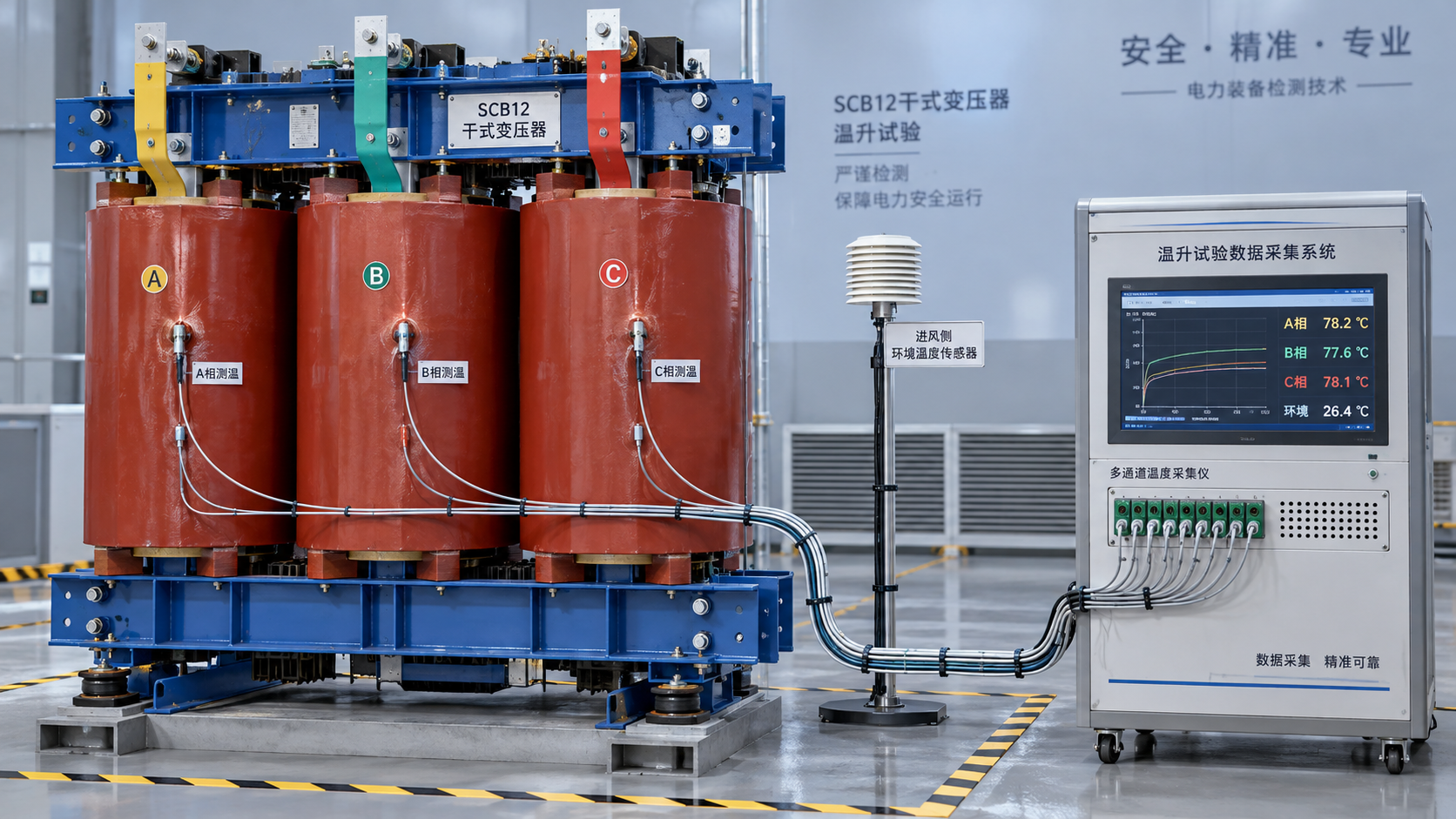
 How to verify the temperature-rise test of an SCB12 dry-type transformer
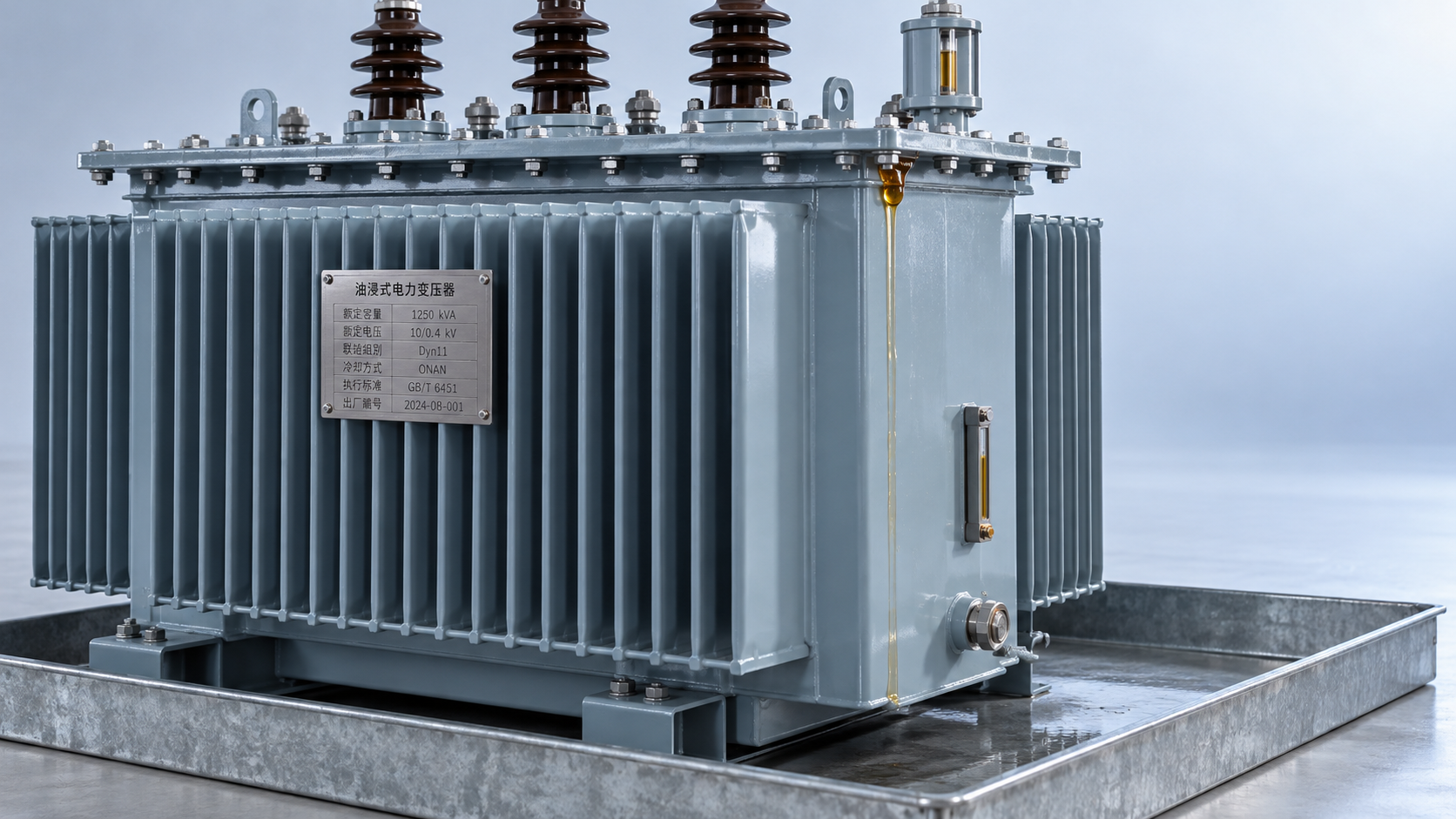
 Distribution transformer maintenance tips for spotting oil leaks
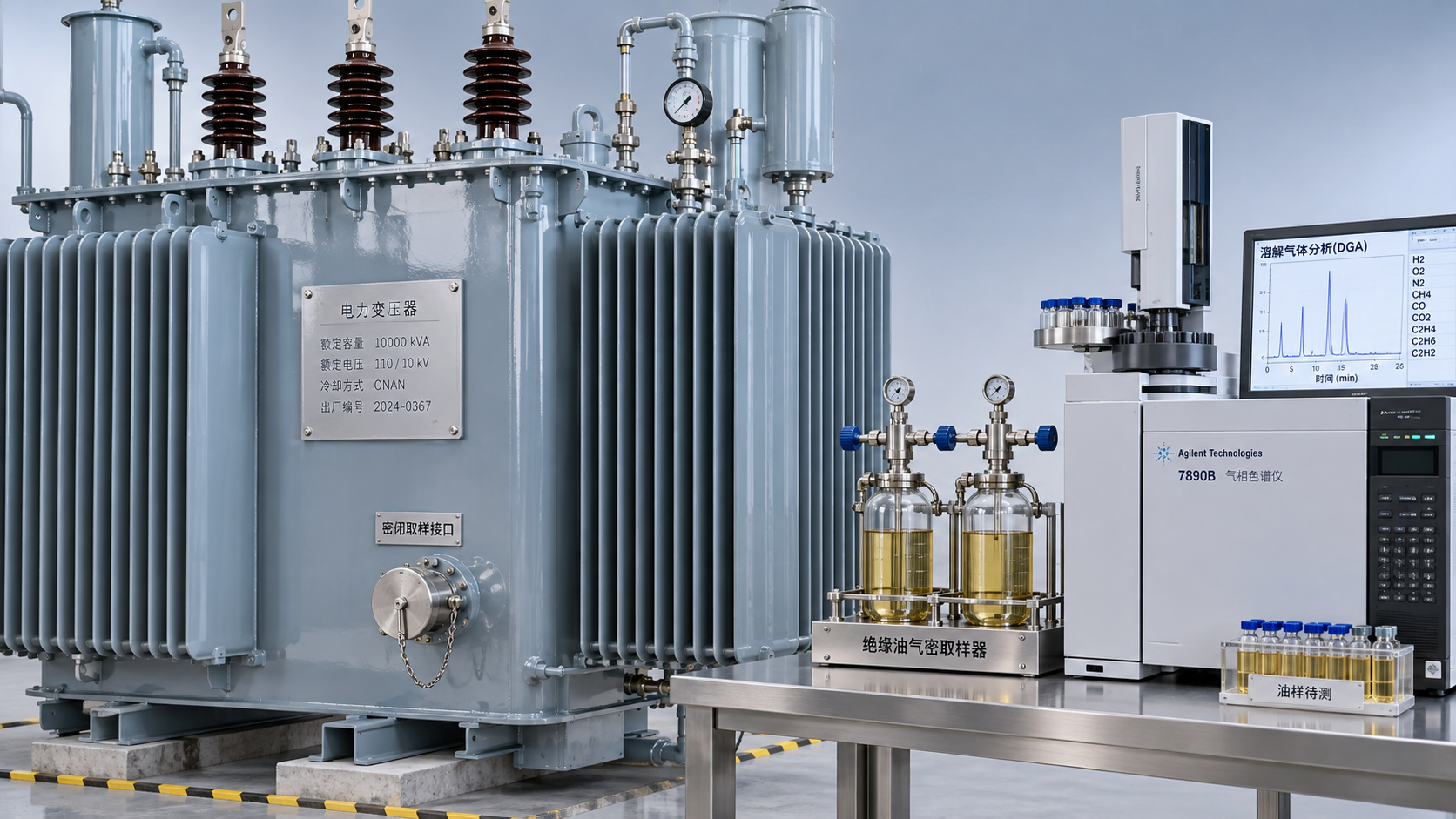
 What dissolved gas analysis reveals about an oil-immersed transformer
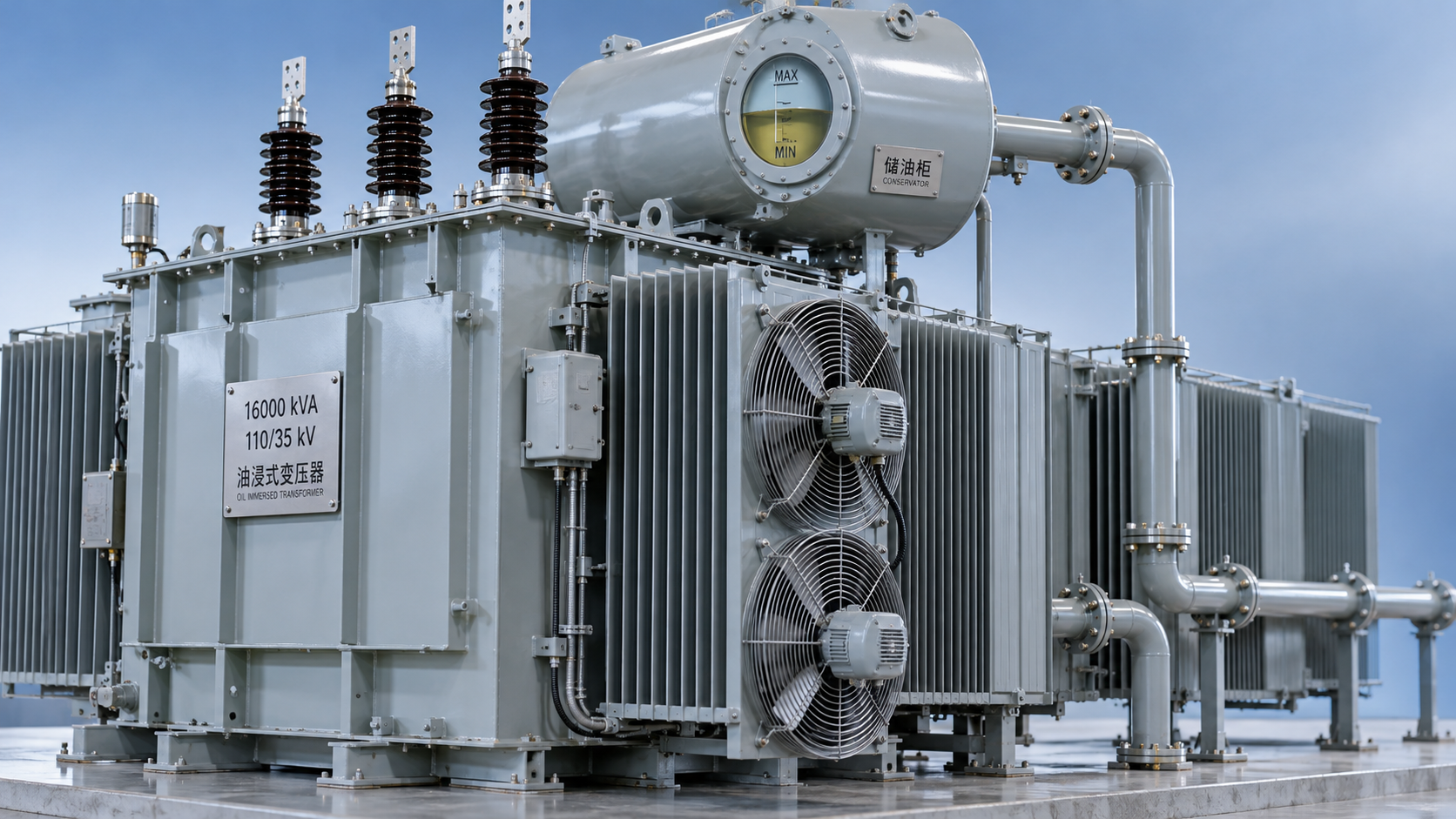
 Why an oil-cooled transformer overheats despite a normal oil level
 How the amorphous core affects SCBH15 dry-type transformer losses
 Sizing S13 oil-immersed transformers for variable wind farm output
GET A FREE QUOTE
We offer reliable products, competitive prices, and nationwide professional support, committed to providing customers with efficient and energy-saving power equipment solutions.