


Start with the cost line that actually moves the decision
When buyers compare SCB12 and SCB13, the discussion often gets stuck on purchase price. That is usually the wrong starting point. In dry-type transformer selection, the meaningful question is how much loss you will carry every hour of operation, and how long the unit will stay under real load. That is where an SCB13 transformer usually changes the math.
In practical terms, SCB13 is generally chosen because it targets lower losses than earlier-generation models. If your facility runs long hours, has a steady base load, or pays high electricity rates, even a modest reduction in no-load loss and load loss can matter more than a lower upfront quote. For enterprise buyers, that is the first checkpoint: do not compare model names; compare the cost of losses across the service life you expect to use.
Use this checklist before you treat SCB13 as an automatic upgrade
SCB13 is often the better efficiency choice, but not every project gets the same return. The selection becomes clear when you work through a few operating facts instead of relying on a broad “newer is better” assumption.
- Check operating hours first. A unit running close to full-time will recover energy-saving value faster than one used intermittently.
- Look at the load profile, not only rated capacity. If the transformer spends most of its time lightly loaded, no-load loss becomes more important. If loading is consistently high, load loss deserves closer attention.
- Review local electricity pricing. Higher power costs strengthen the business case for lower-loss models.
- Match the installation environment. Fire safety requirements, moisture, dust, and indoor load-center placement can influence whether a higher-grade dry-type solution is worth the premium.
- Ask for the loss data on the quotation itself. Do not rely on a series name alone; compare the declared loss values for the offered rating and configuration.
That last point catches a lot of weak comparisons. Buyers sometimes approve a quote labeled SCB13 without checking the rated-loss figures attached to the exact kVA and voltage class being purchased. A proper decision rests on the offered unit, not the marketing shorthand.
Where efficiency differences usually show up
The practical difference between SCB12 and SCB13 is not mysterious. It usually comes from improvements in design, materials, and manufacturing control aimed at lowering operating losses. For the buyer, the effect shows up in three places:
Less loss also means less wasted energy turning into heat inside the transformer room. In a tight indoor installation, that can have a second-order effect on ventilation demand and thermal management. It is not always dramatic, but in dense commercial buildings or facilities with internal substations, it is worth factoring in.
Do not compare operating cost without a load pattern
This is where many purchase reviews go off track. A cheaper transformer can look attractive until someone asks how the site will actually use it. A hospital support building, a transit facility, and a lightly occupied commercial project may all buy dry-type transformers, but their operating patterns are very different.
If your team wants a clean comparison between SCB12 and SCB13, gather these four inputs before approving anything:
- Expected annual energized hours.
- Typical load range rather than a single peak figure.
- Local electricity cost used by your finance or energy team.
- Planned service life or payback window for the project.
Without those inputs, “lower operating cost” is only a slogan. With them, the difference becomes a decision model. In many enterprise settings, the SCB13 transformer earns its place when the unit stays energized for long periods and the buyer is evaluating total ownership cost instead of procurement cost alone.
Check whether reliability conditions support the upgrade case
Efficiency is not the only reason buyers move up the series. Installation environment and operating risk matter just as much. Dry-type transformers are often chosen for indoor use, load-center placement, and locations with stricter fire safety expectations. In that context, the better buying decision may be the one that reduces both energy waste and operating stress.
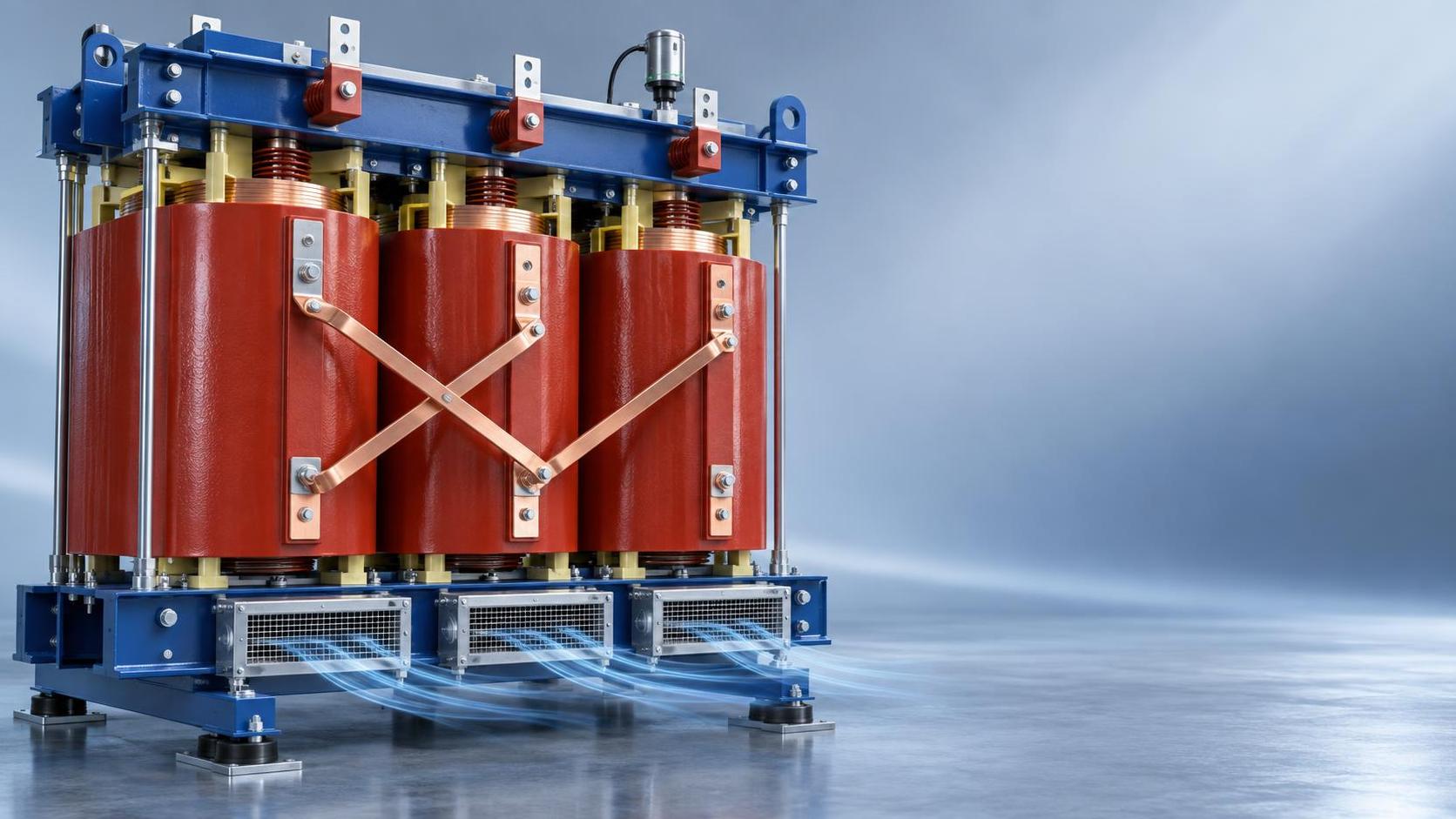
This is also where some buyers start looking beyond SCB13 for specific sites. For example, in high-rise buildings, transport hubs, substations, or locations where flame retardancy, moisture resistance, dust resistance, and low noise matter, a higher-grade cast-resin option may be more relevant than a narrow SCB12-versus-SCB13 comparison. In that kind of evaluation, SCB18 Type Dry-Type Transformer may enter the shortlist because epoxy resin cast construction and low-loss design align with indoor safety and maintenance priorities. That does not replace the SCB13 comparison; it simply means your shortlist should follow the site conditions, not only the naming sequence.
What procurement teams should ask suppliers to put in writing
A good quote makes comparison easier. A weak quote forces assumptions, and assumptions usually favor the lowest initial price. For a serious review, ask suppliers to provide the exact offered configuration and the documents tied to that unit.
- Rated capacity, voltage class, and frequency.
- Declared no-load loss and load loss for the offered transformer.
- Cooling method and installation requirements.
- Insulation and structural details relevant to dry-type operation.
- Applicable standards shown on the technical documents.
That standards check is straightforward and useful. If you are buying from a manufacturer whose products are stated to comply with GB1094.1-2-1996 and GB/T6451-2008, make sure those references appear in the formal technical material for the product you are considering, along with the model-specific information. A company-level quality statement or ISO9001 certification tells you something about management discipline, but it does not replace the need to verify the actual offered transformer specification.
Common comparison mistakes that distort ROI
Some mistakes show up again and again in transformer purchasing reviews.
- Comparing different ratings as if they were equivalent. Loss values must be checked on the same capacity and voltage basis.
- Ignoring the energized state. Even when the load is low, a transformer that stays switched on still produces no-load loss.
- Assuming payback is universal. A continuously operating site and a seasonal site will not recover the premium at the same pace.
- Treating dry-type selection as purely electrical. Noise, indoor location, fire protection requirements, and maintenance access can shift the better choice.
- Using brochure language instead of technical schedules. Buyers need quoted values, not general claims.
One more point from the practical side: if the installation is in a demanding environment where moisture, dust, short-circuit strength, lightning resistance, or low-noise operation are part of the operating brief, then the comparison should expand from pure efficiency into operating suitability. In those cases, a model such as the SCB18 Type Dry-Type Transformer may be reviewed alongside SCB13 because the selection problem is broader than loss alone.
A practical decision path for enterprise buyers
If your team is deciding between SCB12 and SCB13, keep the sequence simple.
Start by fixing the application conditions: rated capacity, voltage level, indoor or special-environment use, and expected operating hours. Then compare the quoted loss figures on the exact units offered. After that, convert those losses into expected operating cost using your own energy price and service-life assumptions. Only then should you weigh the price premium.
If the transformer will run for long hours, serve a stable load, or sit in a facility where efficiency and thermal control both matter, SCB13 often has the stronger lifecycle case. If operation is intermittent and the payback window is tight, the premium deserves a harder look. And if the project has stricter safety or environmental demands, widen the review to include dry-type models designed for low loss, flame retardancy, moisture resistance, and low-noise service instead of forcing a two-model comparison that no longer fits the site.
That is the real checklist: define the duty, verify the loss data, calculate ownership cost, and only then decide whether the SCB13 transformer is an upgrade in name or an upgrade that actually pays back in your operation.


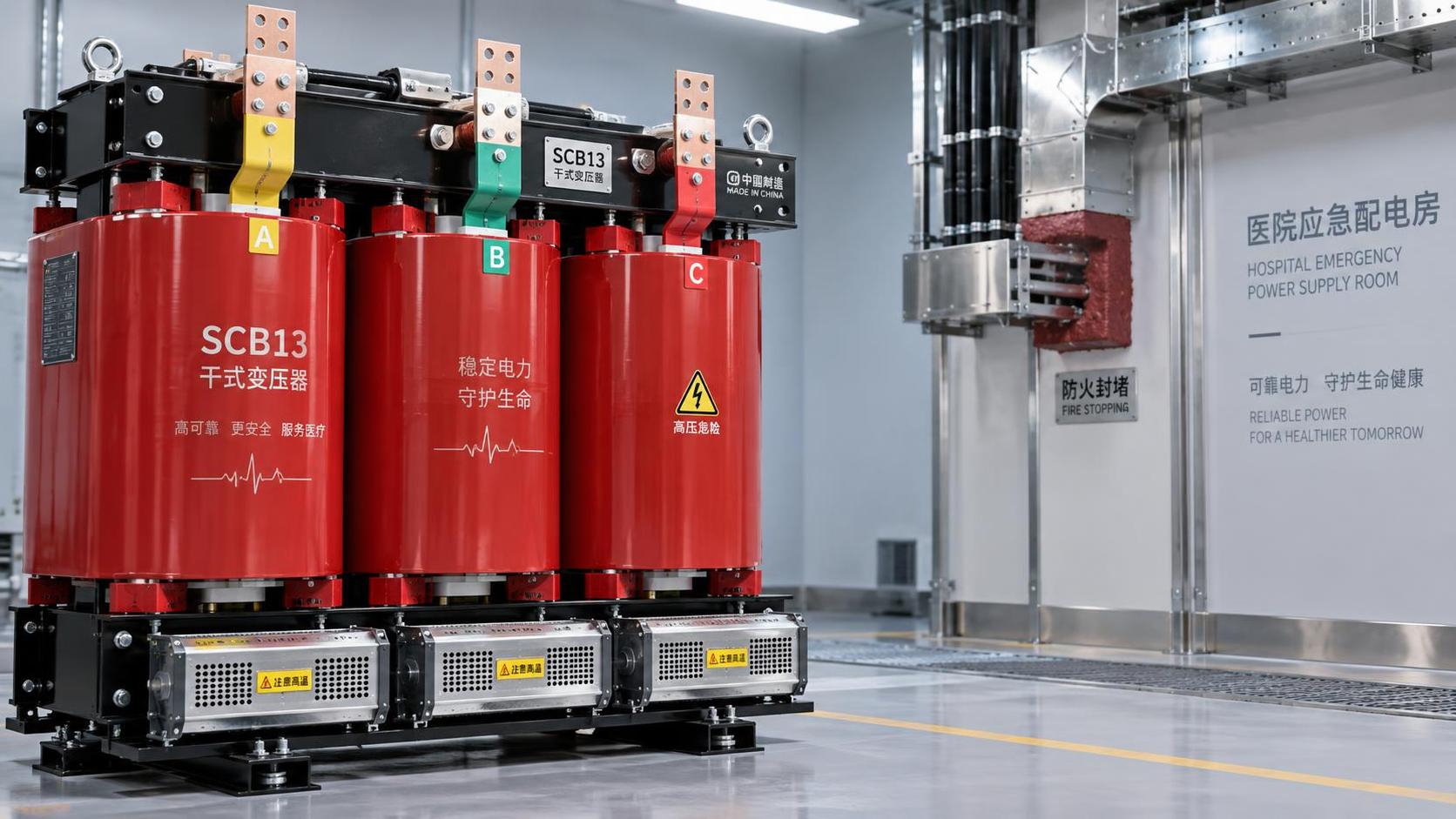
 Dry-Type Transformer Price per kVA: Why Low-Bid Quotes Fail on Total Cost of Ownership in Hospital Emergency Power Systems
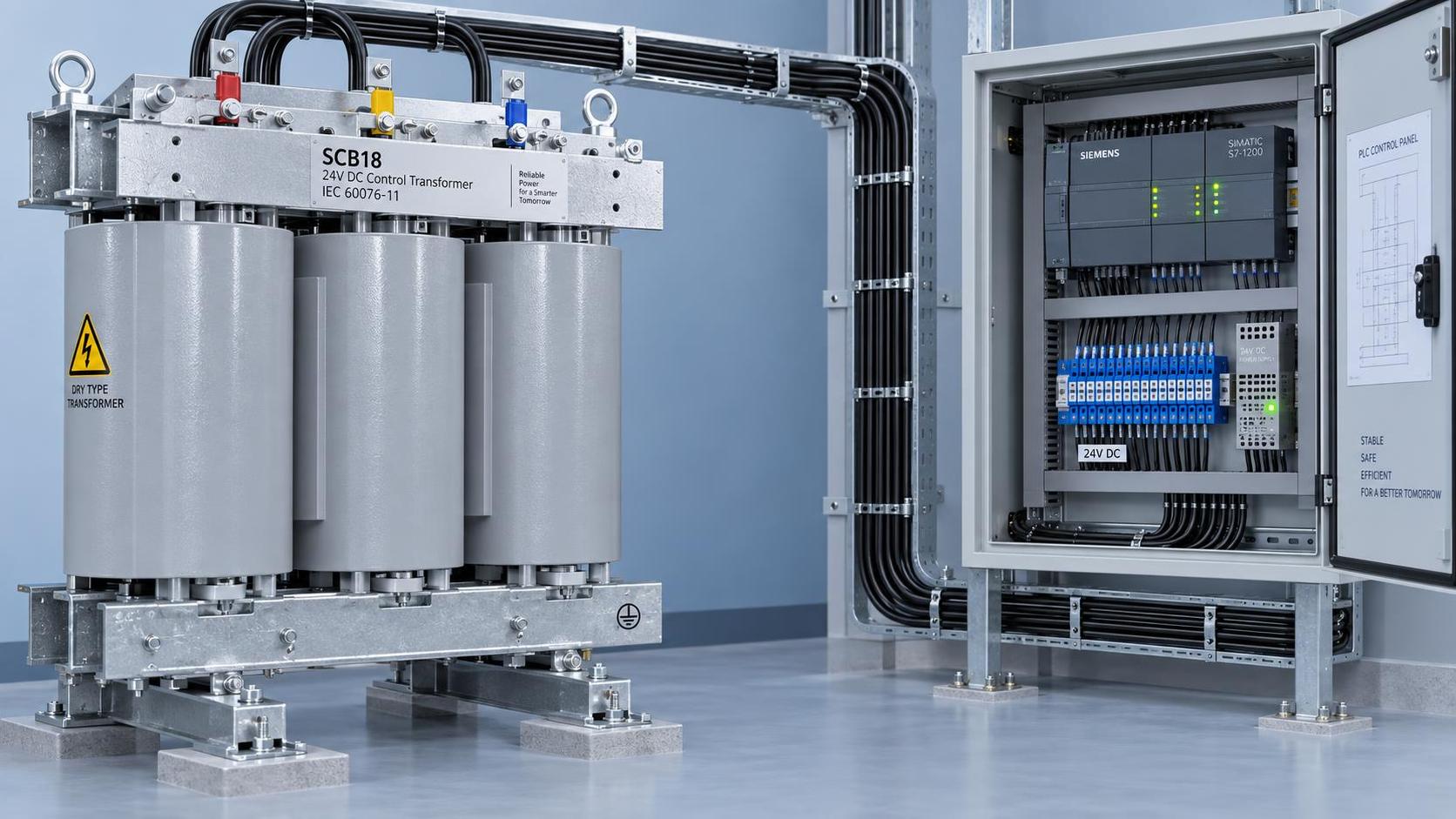
 Industrial Control Transformer Sizing Rules: Preventing Relay Chatter & PLC Input Dropout in 24V DC Systems
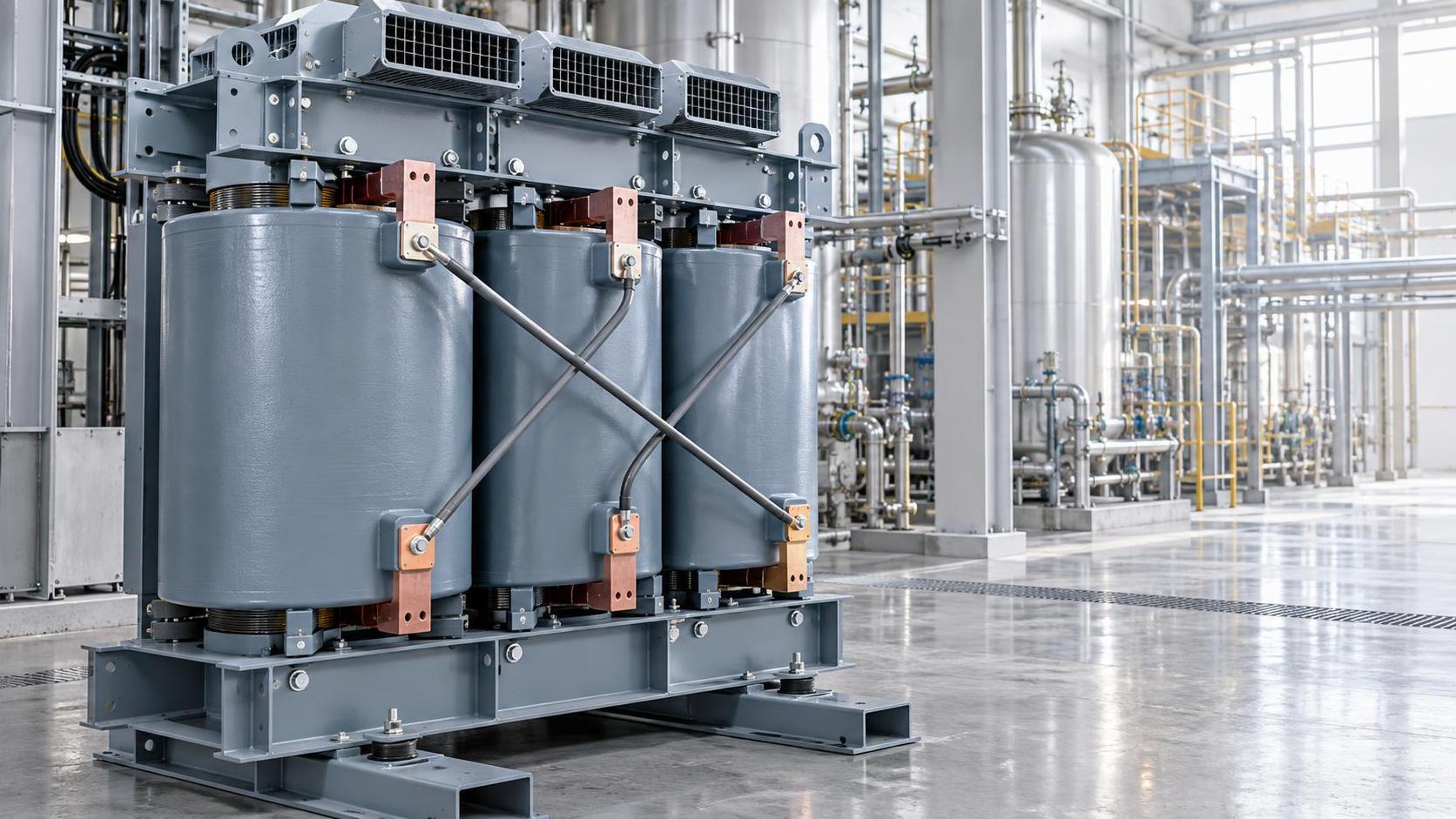
 Dry-Type Transformer Advantages for Hazardous Areas: Why IEEE C57.12.06 Arc Resistance & VPI Process Matter in Chemical Plants
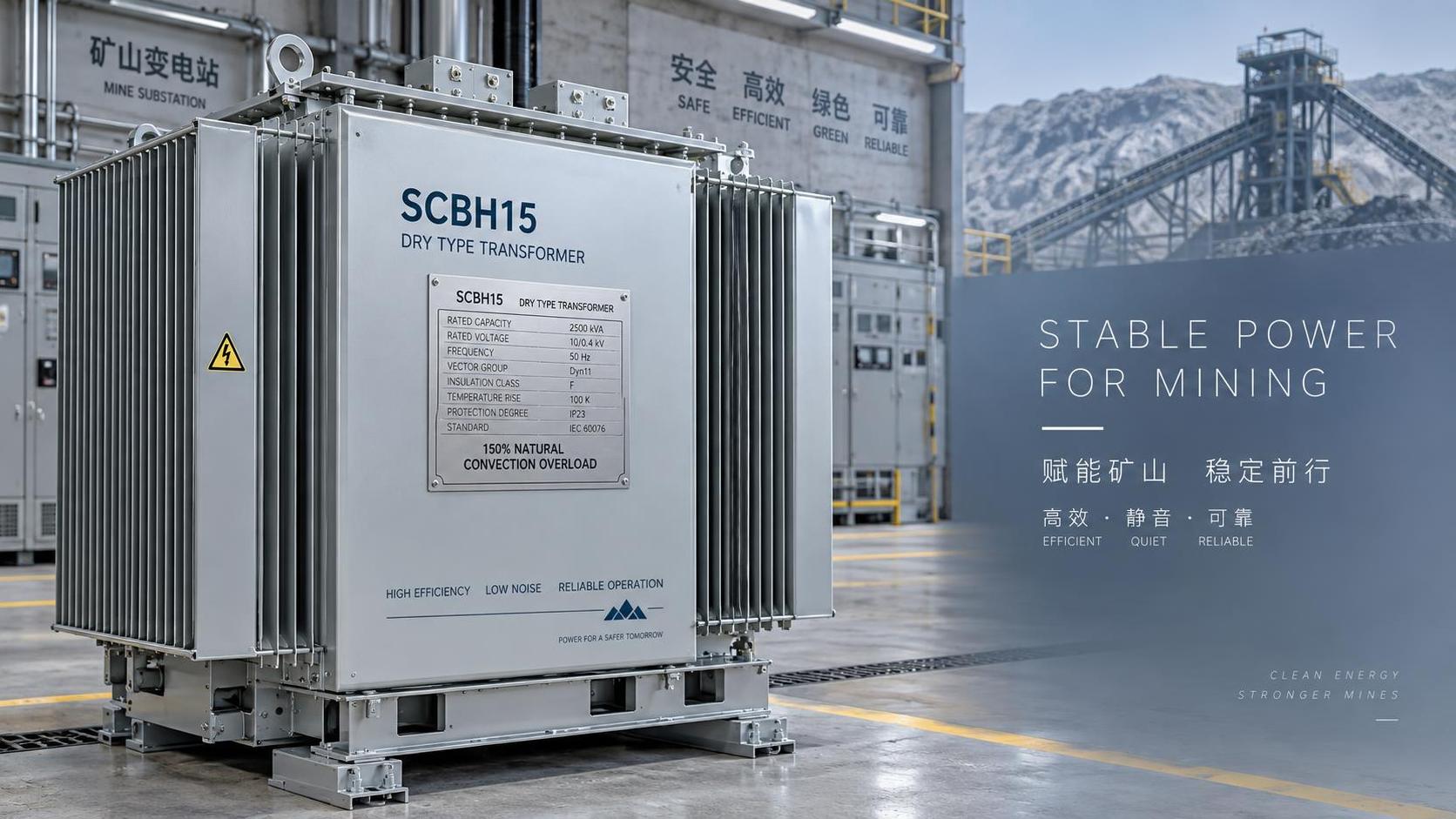
 Air-Cooled Transformer vs Forced-Oil-Cooled: When Natural Convection Meets Thermal Load Peaks in Mining Substations
 SCB13 Dry-Type Transformer Long Lifespan: How Epoxy Resin Quality, Winding Stress Analysis & Ambient Humidity Monitoring Extend Service Life Beyond 30 Years
") S20 Oil-Immersed Transformer Quotation Breakdown: What 5 Line Items Actually Drive Total Installed Cost (Not Just kVA Price)
S20 Oil-Immersed Transformer Quotation Breakdown: What 5 Line Items Actually Drive Total Installed Cost (Not Just kVA Price)
GET A FREE QUOTE
We offer reliable products, competitive prices, and nationwide professional support, committed to providing customers with efficient and energy-saving power equipment solutions.