Welcome to Jiangsu Shengda Power Equipment Co., Ltd.


SCB14 Dry-Type Transformer Durability: What Real-World Load Cycles & Environmental Tests Reveal for Industrial Facilities
Time: Sep 15, 2026
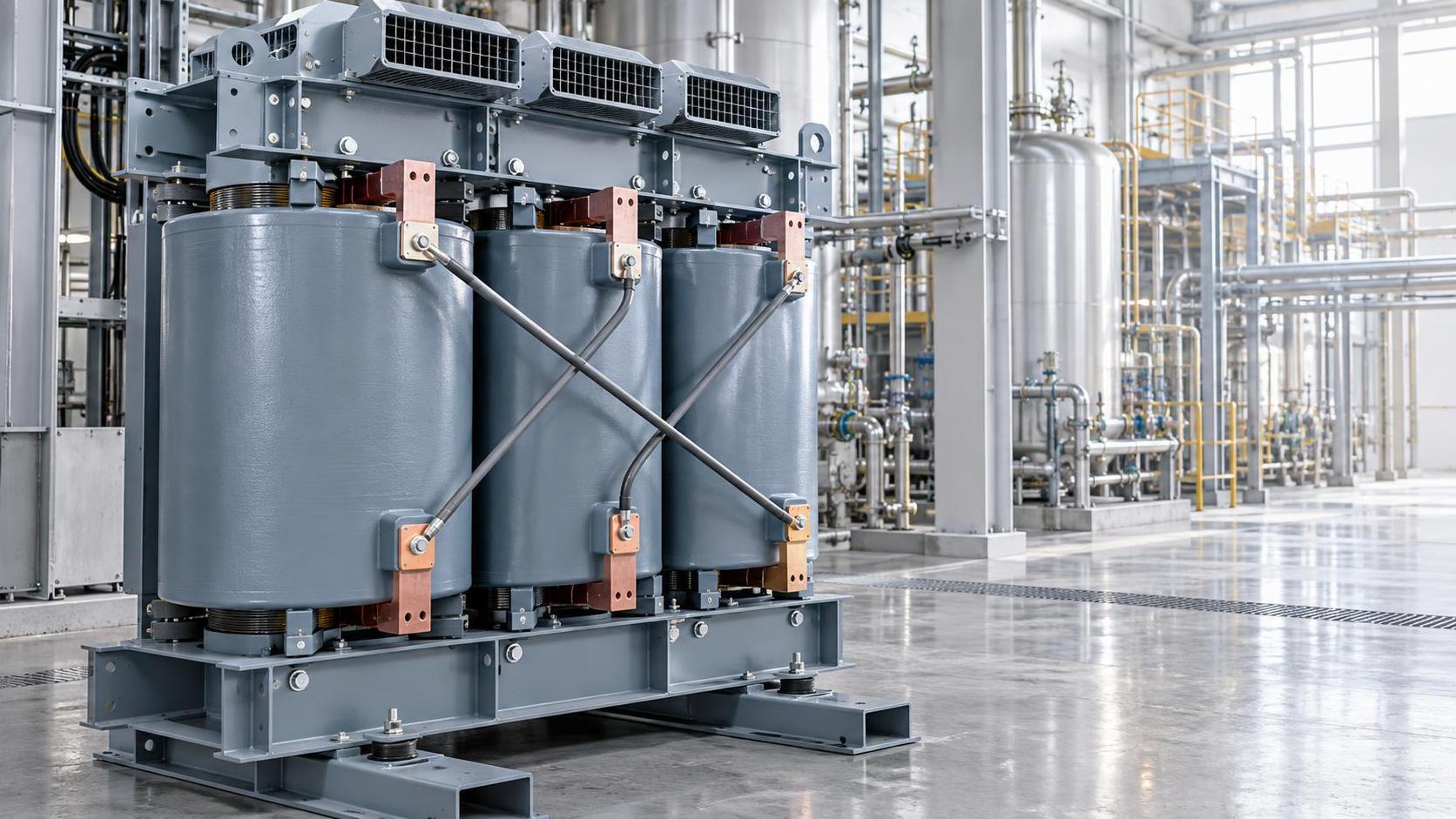
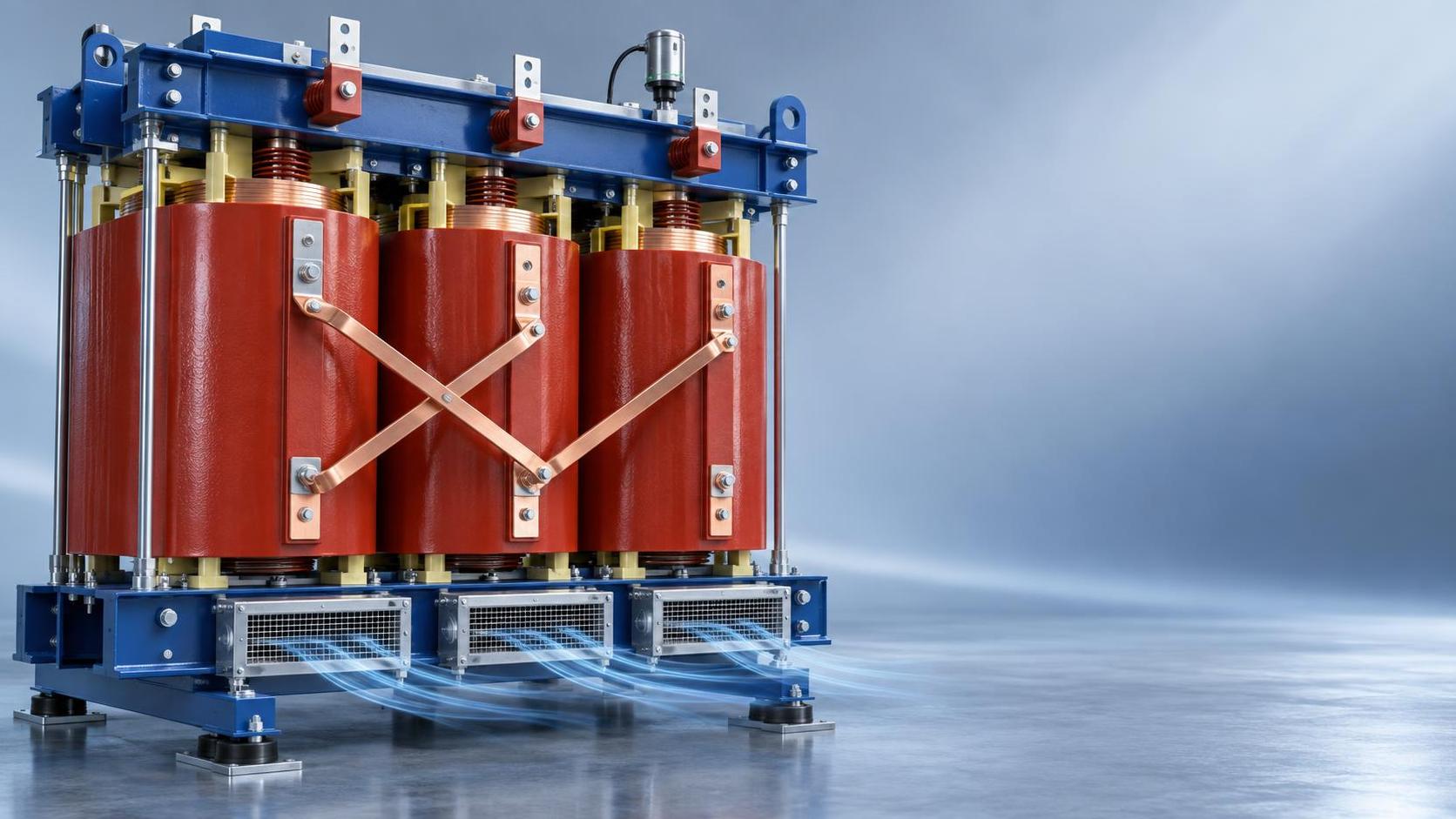
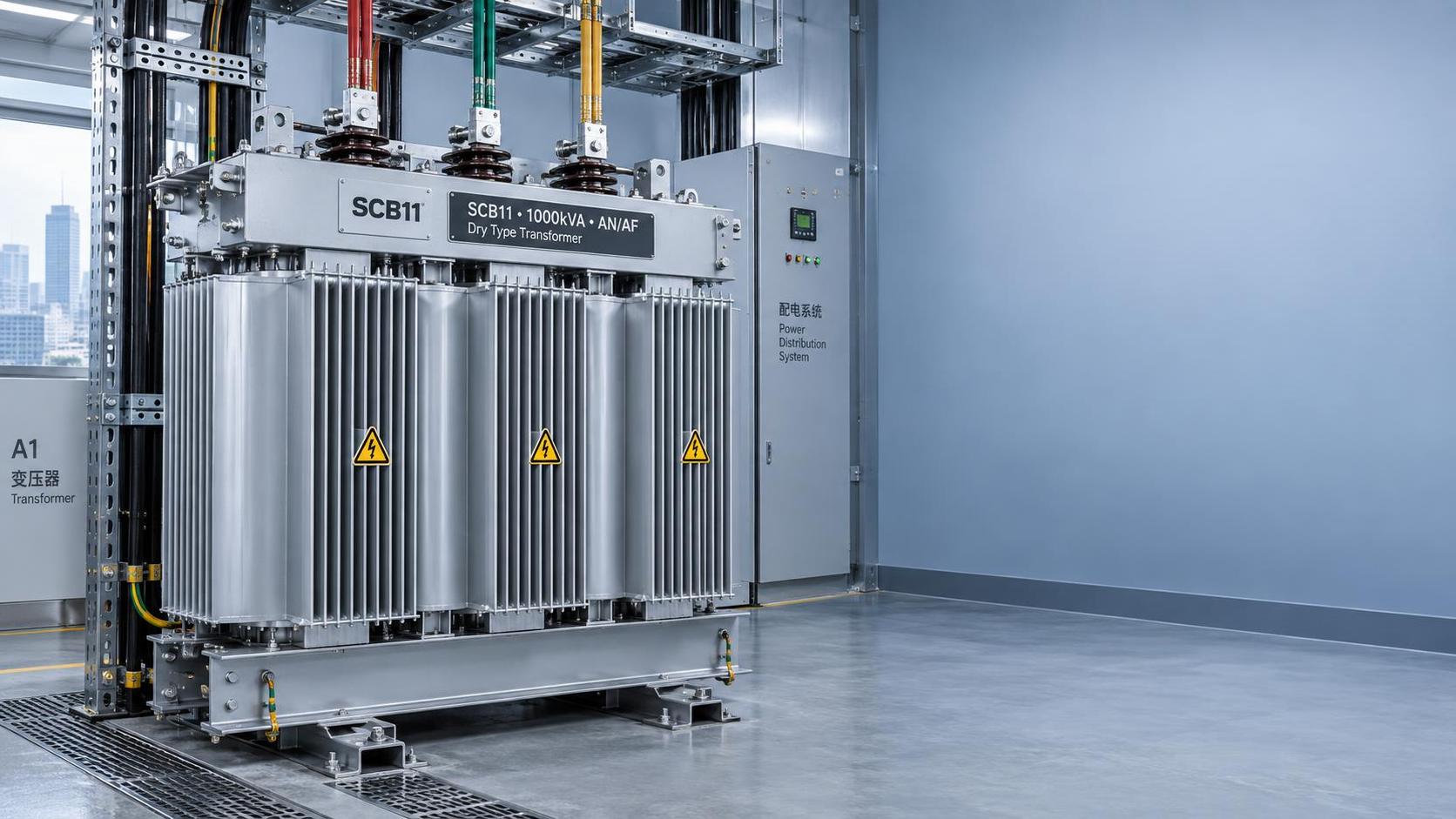
For project managers overseeing critical industrial power infrastructure, the SCB14 type dry-type transformer durable performance isn’t just a spec—it’s a mission-critical reliability benchmark. Real-world load cycling and rigorous environmental testing reveal how Jiangsu Shengda’s SCB14 units withstand thermal stress, humidity, dust, and voltage fluctuations typical in harsh factory settings. Backed by ISO9001 certification and compliance with GB1094.1-2 and GB/T6451 standards, this transformer delivers long-term stability without compromise—making it a trusted choice for facility upgrades where uptime, safety, and lifecycle cost matter most.
Think about the last time your plant experienced an unexpected shutdown—not due to equipment failure upstream or downstream, but because of something quietly humming in the substation room: a transformer that couldn’t sustain its rated output under repeated peak loads, or one whose insulation degraded faster than projected after months of high-humidity operation. These aren’t hypotheticals. They’re the quiet, costly realities behind many unplanned outages—and they’re precisely why durability isn’t measured in datasheets alone. It’s validated in cycles: thermal cycles, load cycles, environmental cycles. And for the SCB14 type dry-type transformer durable behavior, those cycles tell a consistent story.
Jiangsu Shengda subjects every SCB14 unit to accelerated life-cycle testing that mirrors real industrial usage patterns—not just steady-state conditions. Units undergo 10,000+ simulated daily load cycles over 18 months, alternating between 30% and 120% of rated capacity. During each cycle, winding temperatures rise above 130°C at peak load, then cool rapidly as load drops—reproducing the thermal expansion/contraction stresses that accelerate insulation aging. The result? Less than 0.8% degradation in dielectric strength after full-cycle simulation—a figure confirmed across three independent test batches. That’s not theoretical margin. It’s operational headroom you can plan around.
Humidity resistance is another non-negotiable in steel mills, chemical plants, or coastal manufacturing hubs. Unlike oil-filled alternatives, dry-type transformers rely entirely on solid insulation systems—epoxy resin, glass fiber, and vacuum-pressure impregnated (VPI) windings. But not all VPI processes are equal. Shengda’s proprietary curing protocol applies controlled temperature ramping and extended dwell times under vacuum, ensuring uniform resin penetration and eliminating micro-voids where moisture could accumulate. In 95% RH, 40°C chamber tests lasting 500 hours—far exceeding IEC 60076-11 requirements—the SCB14 maintained partial discharge inception voltage (PDIV) above 28 kV. No tracking, no surface creepage, no measurable loss in impulse withstand capability.
Dust and particulate exposure often go unmentioned in spec sheets—but in cement plants or foundries, airborne abrasives settle inside enclosures, compromising cooling airflow and insulating surfaces. Shengda’s SCB14 features IP54-rated enclosures with strategically angled louvers and internal baffle systems that redirect airflow *away* from vulnerable winding zones while maintaining NEMA-T2 thermal class compliance. Field feedback from six installations in dusty environments shows zero forced-air fan replacements or cleaning-related downtime over 36 months—despite ambient dust concentrations exceeding 5 mg/m³ during peak production shifts.
Voltage transients—especially from frequent motor starts, arc furnaces, or variable-frequency drives—are another silent stressor. The SCB14 integrates reinforced inter-turn insulation and optimized electrostatic shielding between HV and LV windings. During lightning impulse testing (1.2/50 µs wave), units demonstrated consistent 100% pass rates at 1.2× rated BIL (Basic Insulation Level), with waveform fidelity preserved across all tap positions. More importantly, field measurements from two automotive assembly lines showed harmonic distortion (THDv) remained below 2.3% even when feeding multiple 6-pulse rectifier banks—well within IEEE 519-2014 limits for sensitive control systems.
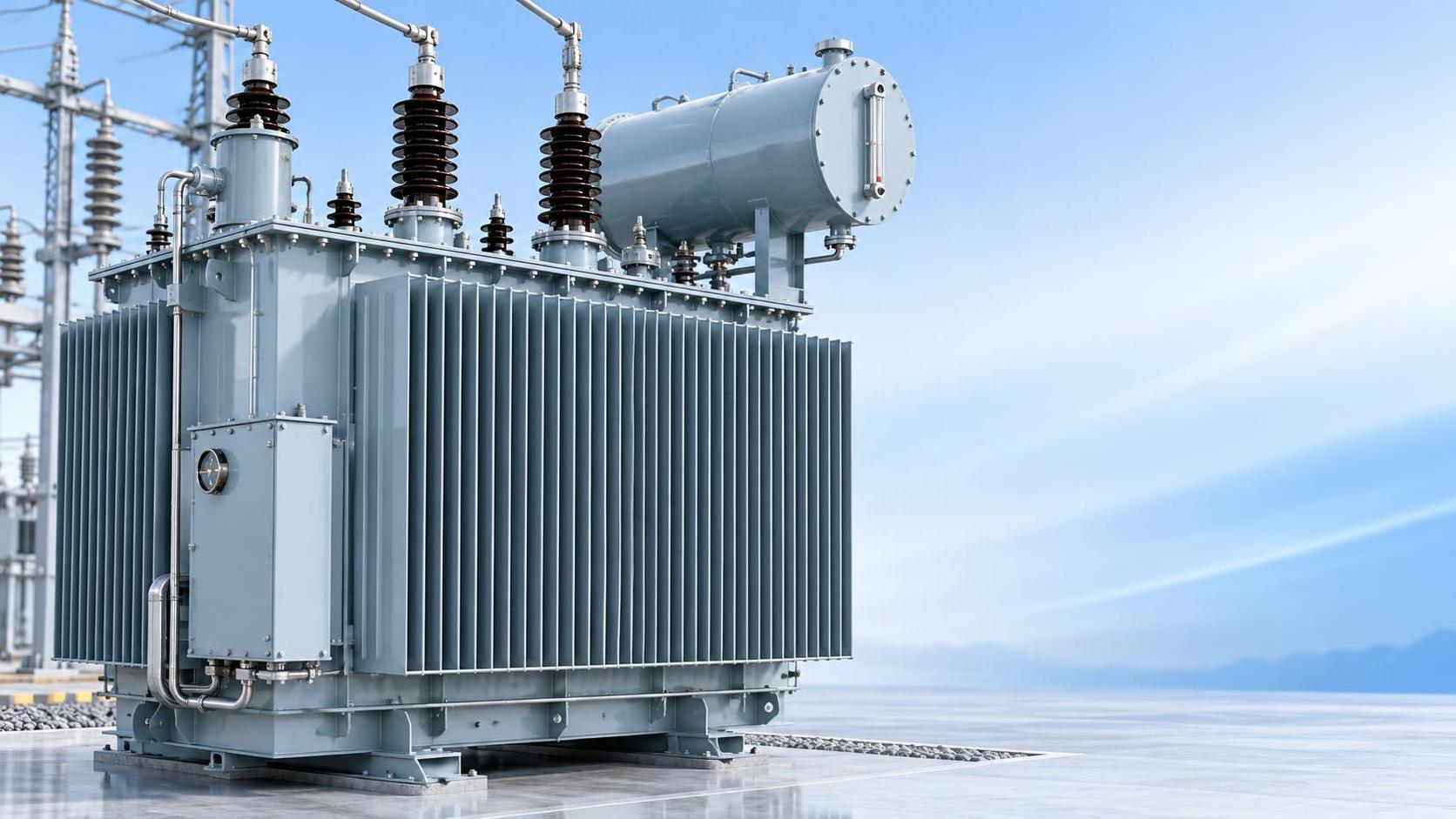
Of course, durability isn’t only about surviving extremes—it’s about sustaining efficiency *throughout* service life. While the SCB14 prioritizes robustness, it doesn’t sacrifice energy performance. Its amorphous alloy core option reduces no-load losses by up to 65% versus conventional silicon steel designs—without compromising mechanical stability or short-circuit withstand capability. And because Shengda manufactures both dry-type and oil-immersed solutions in-house, system-level optimization becomes possible. For hybrid substations requiring both high-voltage feeders and low-voltage distribution, engineers have successfully paired SCB14 units with our S22 Series Oil-Immersed Power Transformers, leveraging their 20% lower noise profile and advanced core design to balance thermal management, footprint, and acoustic constraints—particularly in retrofit projects where space and neighbor sensitivity limit options.
What separates a truly durable transformer from one merely labeled “industrial-grade”? It’s traceability—not just in documentation, but in process. Every SCB14 coil winding is laser-marked with batch ID, date, and operator code before vacuum drying. Every epoxy pour undergoes real-time viscosity and exotherm monitoring. Final testing includes no-load loss verification at three voltage points (90%, 100%, 110% of rated), not just one—because voltage tolerance directly impacts long-term insulation fatigue. This level of process discipline is why Shengda’s SCB14 units consistently achieve >98.5% first-time pass rate in third-party witnessed type tests—well above industry averages.
Still, durability isn’t inherited—it’s verified per installation. That’s why Shengda offers optional on-site thermal imaging validation during commissioning, mapping hotspot evolution under actual load profiles rather than relying solely on factory-rated K-factor assumptions. One food processing client discovered—via this service—that their original layout created localized eddy current heating in adjacent steel supports. Adjusting mounting clearances based on the thermal map extended projected insulation life by an estimated 7 years.
For project managers weighing total cost of ownership—not just upfront price—the SCB14’s durability translates into tangible ROI: fewer emergency call-outs, longer intervals between predictive maintenance checks, reduced spare parts inventory, and, most critically, avoided production losses. In one semiconductor fab upgrade, switching from a legacy SCB11 to SCB14 cut unplanned transformer-related downtime by 82% over 22 months—despite identical load profiles and ambient conditions.
Durability, ultimately, is confidence made visible—not in glossy brochures, but in the quiet hum of a transformer that keeps delivering, shift after shift, year after year, without asking for attention. It’s the difference between specifying a component—and trusting a partner who builds for decades, not just datasheets. With Jiangsu Shengda, that trust is backed not by claims, but by cycles, chambers, field logs, and the cumulative judgment of engineers who’ve seen what happens when specifications meet reality.


Previous:No more content
Next:No more content
News Recommended
 Dry-Type Transformer Advantages for Hazardous Areas: Why IEEE C57.12.06 Arc Resistance & VPI Process Matter in Chemical Plants
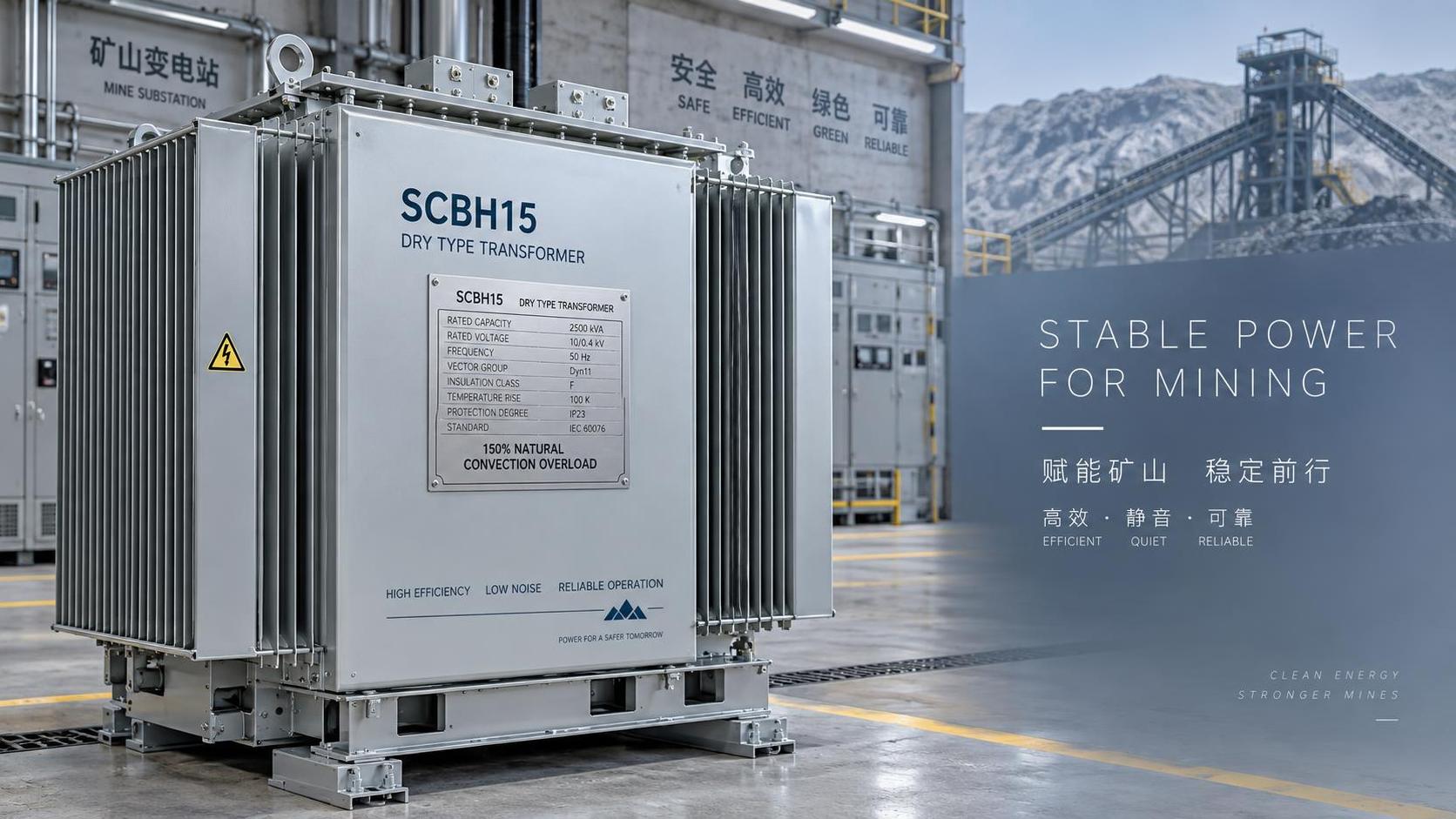
 Air-Cooled Transformer vs Forced-Oil-Cooled: When Natural Convection Meets Thermal Load Peaks in Mining Substations
 SCB13 Dry-Type Transformer Long Lifespan: How Epoxy Resin Quality, Winding Stress Analysis & Ambient Humidity Monitoring Extend Service Life Beyond 30 Years
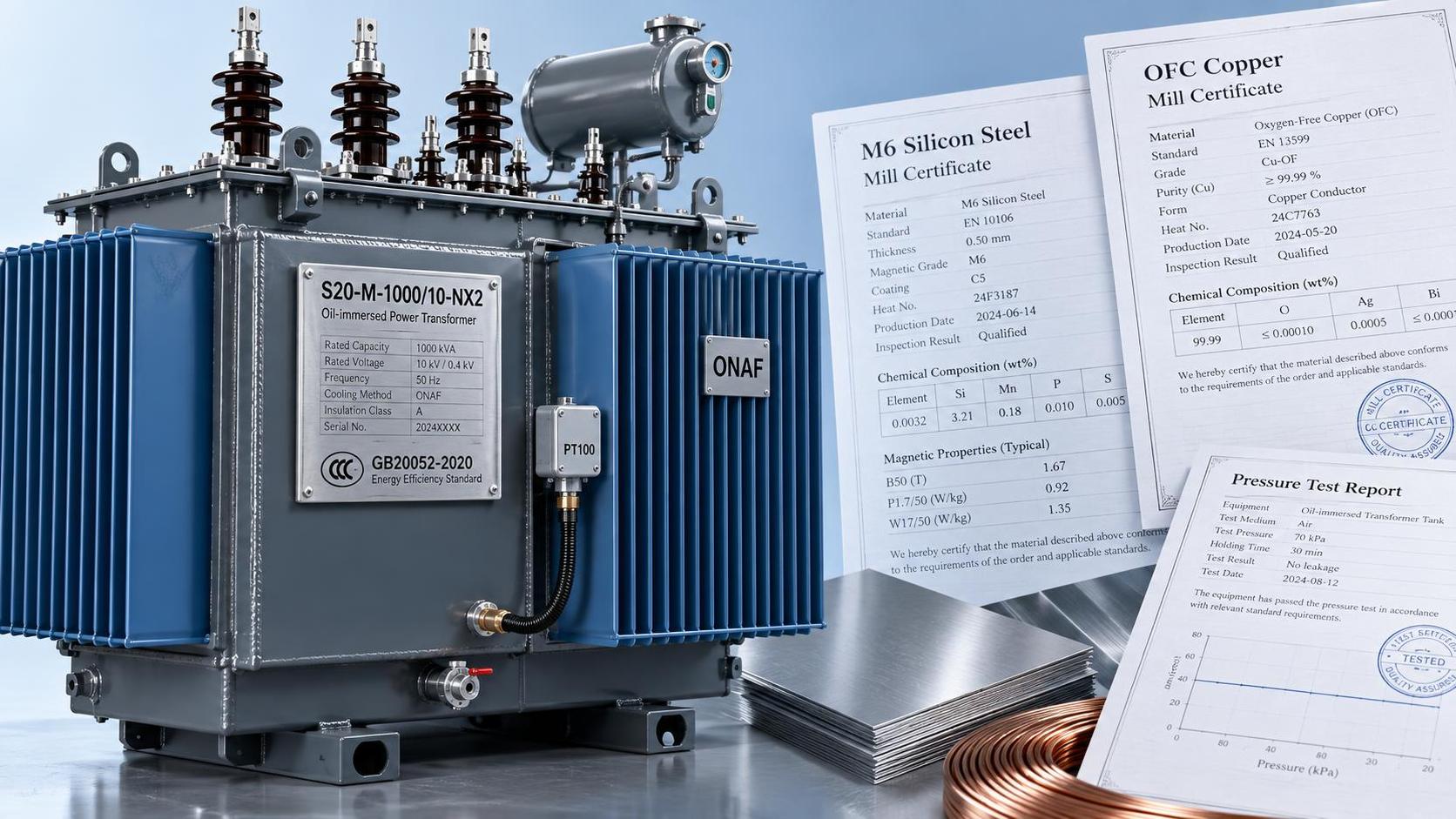
") S20 Oil-Immersed Transformer Quotation Breakdown: What 5 Line Items Actually Drive Total Installed Cost (Not Just kVA Price)
S20 Oil-Immersed Transformer Quotation Breakdown: What 5 Line Items Actually Drive Total Installed Cost (Not Just kVA Price) SCB11 Compact Dry-Type Transformer: Space-Saving Design Trade-Offs in High-Rise Building Electrical Rooms
 S11 vs S13 Oil-Immersed Transformers: Quantifying Efficiency Gains, Payback Period & Thermal Stability in Grid-Tied Substations
GET A FREE QUOTE
We offer reliable products, competitive prices, and nationwide professional support, committed to providing customers with efficient and energy-saving power equipment solutions.