


SCB18 Type Dry-Type Transformer Cost is shifting from price-only comparison to lifecycle evaluation
For technical evaluators, understanding SCB18 Type Dry-Type Transformer cost means balancing upfront investment against efficiency, insulation performance, safety, and lifecycle value.
This guide examines how core design, voltage class, capacity, compliance standards, and manufacturing quality influence specifications and pricing.
It also reflects a wider market change.
Dry-type transformer selection is now shaped by energy targets, indoor safety demands, lower noise expectations, and stricter quality verification.
As a result, SCB18 Type Dry-Type Transformer cost is increasingly evaluated through total operating value, not just the quoted unit price.
Current signals show rising demand for higher-efficiency and lower-risk dry-type designs
Across commercial buildings, substations, industrial plants, and public facilities, specification review has become more detailed.
Projects increasingly compare thermal behavior, resin casting quality, enclosure rating, sound performance, and installation conditions before judging SCB18 Type Dry-Type Transformer cost.
Another signal is the growing preference for suppliers with stable process control and international-standard compliance.
Jiangsu Shengda Power Equipment Co., Ltd. focuses on transformer research, production, and sales, supported by technical expertise, refined manufacturing, strict inspection, and ISO9001-certified quality management.
Its products comply with GB1094.1-2-1996 and GB/T6451-2008, which matters when buyers compare specification credibility behind SCB18 Type Dry-Type Transformer cost.
Why SCB18 Type Dry-Type Transformer cost changes: the strongest pricing drivers
The cost difference between similar ratings often comes from hidden technical choices rather than from nameplate capacity alone.
These factors explain why two quotations with the same kVA rating may show a noticeable SCB18 Type Dry-Type Transformer cost gap.
Specification trade-offs now matter more than headline savings
Lower purchase price can be attractive, but it may shift cost into losses, maintenance risk, or shorter service reliability.
When reviewing SCB18 Type Dry-Type Transformer cost, several trade-offs deserve close attention.
- Lower losses usually mean better core design and stronger energy performance.
- Low partial discharge supports insulation life and operational stability.
- Lower noise is valuable in hospitals, offices, schools, and mixed-use buildings.
- Higher enclosure protection may improve safety in dusty or accessible indoor areas.
- Temperature monitoring helps prevent overheating under variable loads.
In some applications, a specification upgrade reduces total ownership cost even when the initial SCB18 Type Dry-Type Transformer cost is higher.
Comparable product trends reveal what many projects now prioritize
A useful reference point can be found in modern dry-type transformer development across adjacent series.
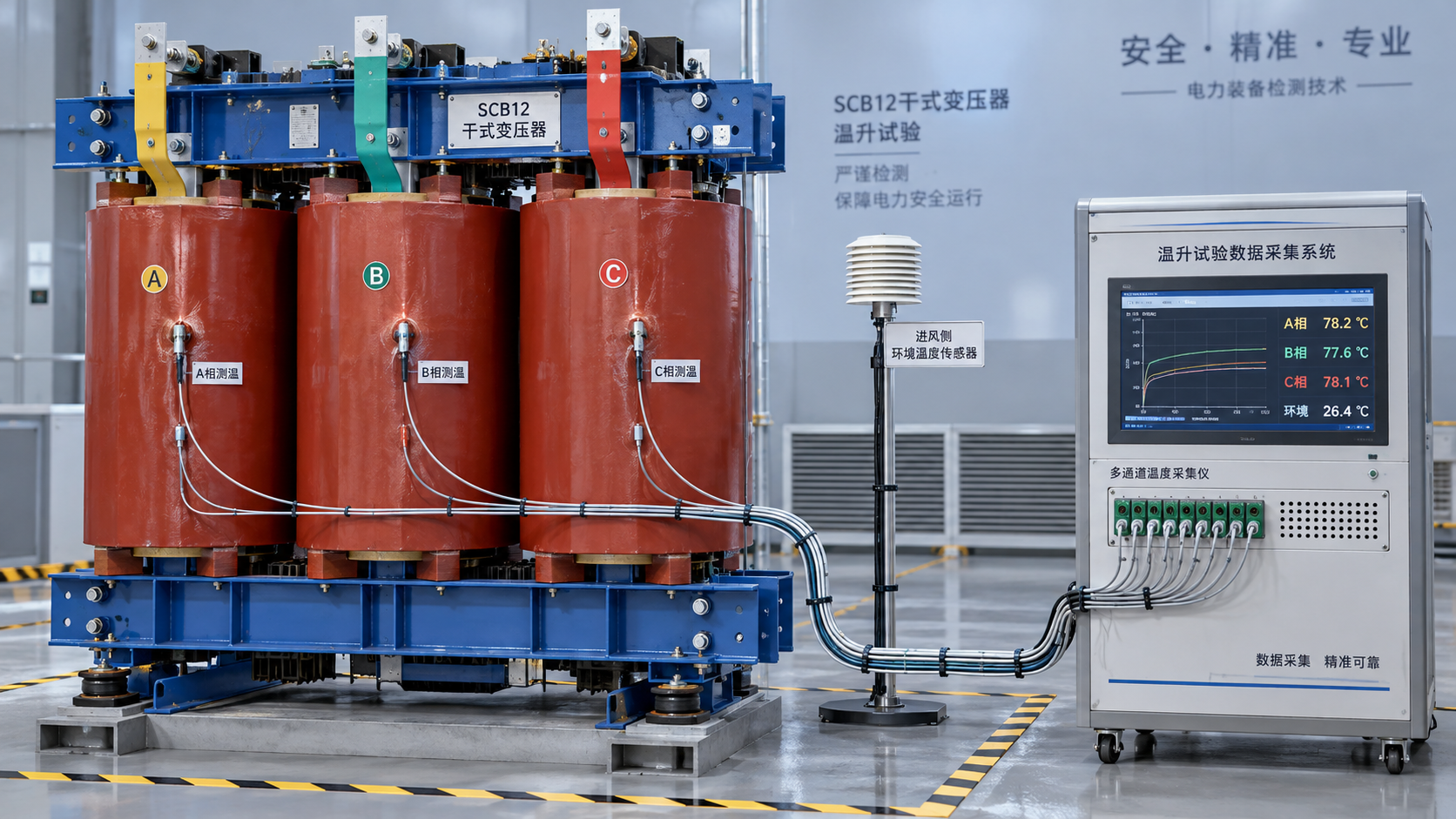
For example, SCB12 Type Dry-Type Transformer solutions highlight market priorities such as energy saving, maintenance-free operation, low noise, and low partial discharge.
Its no-load loss is reduced by more than 20% versus SCB11, and noise can be 10-15 dB lower than JB/T10088-2016 reference requirements.
That comparison shows why SCB18 Type Dry-Type Transformer cost discussions now often include process quality, vacuum degassing, resin uniformity, and operating quietness.
Available enclosure forms such as IP00, IP20, and IP23 also reflect how application environment influences specification and budget.
The impact of cost-specification decisions extends across installation, operation, and compliance
A dry-type transformer is not an isolated purchase item.
Its specification affects electrical room layout, ventilation design, acoustic performance, fire safety planning, and future loading flexibility.
This is why SCB18 Type Dry-Type Transformer cost should be assessed with adjacent system costs in mind.
- Better efficiency can reduce long-term energy expense.
- Better insulation consistency can lower fault-related interruption risk.
- Better noise control can avoid extra acoustic treatment.
- Better monitoring can improve maintenance planning and operating transparency.
What deserves attention before comparing SCB18 Type Dry-Type Transformer cost offers
- Confirm rated capacity, voltage level, frequency, and impedance requirements.
- Check no-load and load loss values, not just product series name.
- Review enclosure type, cooling conditions, and installation environment.
- Verify standards compliance and test documentation.
- Ask about partial discharge control, resin process, and winding quality consistency.
- Include accessories such as temperature control display or load recorder in the comparison scope.
A practical way to judge the next move
The best decision rarely comes from the lowest number alone.
It comes from matching SCB18 Type Dry-Type Transformer cost with realistic load profile, environment, efficiency targets, and expected service life.
Start by collecting comparable technical data, then request a specification-based quotation that reflects actual project conditions.



 How to verify the temperature-rise test of an SCB12 dry-type transformer
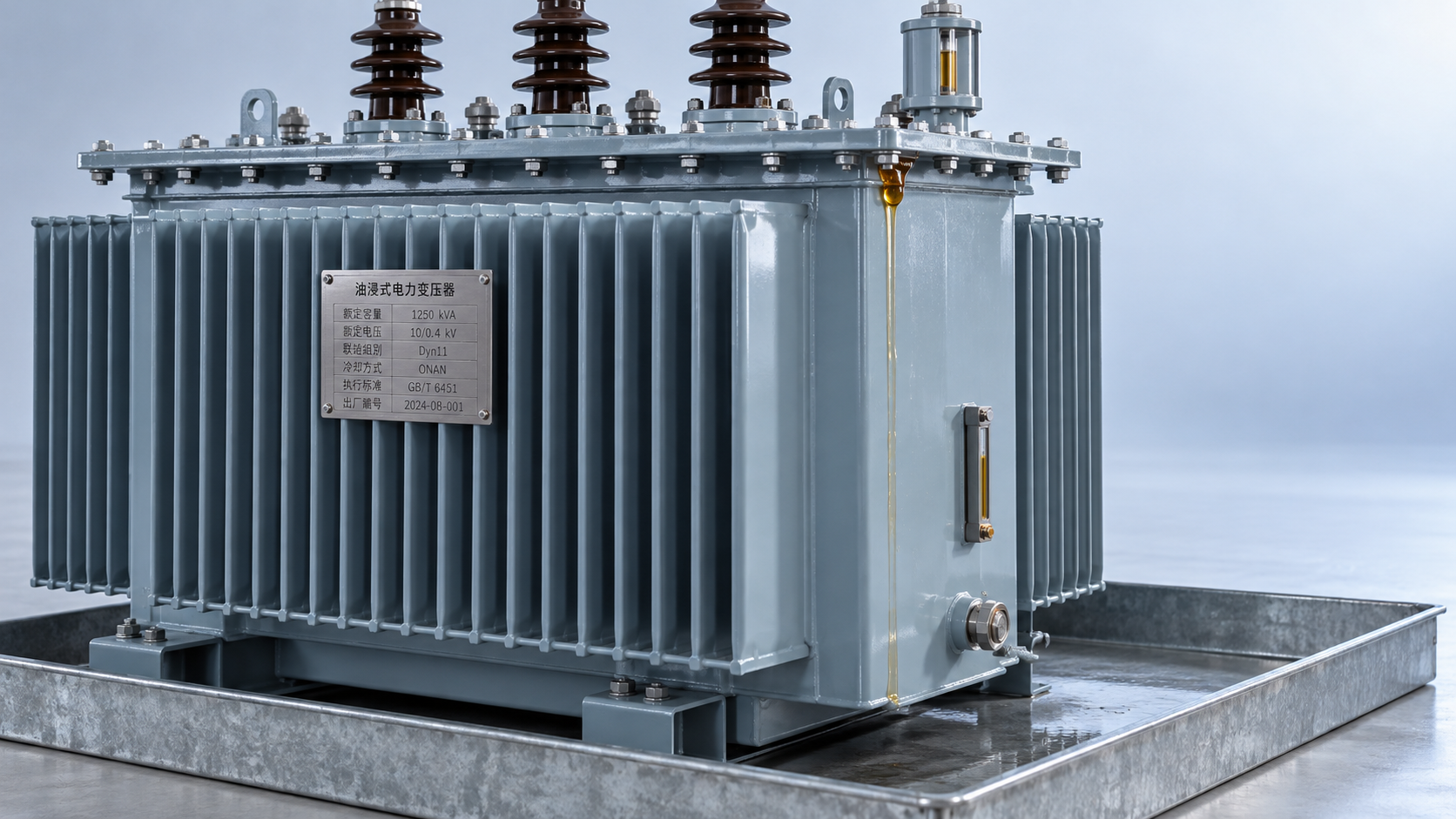
 Distribution transformer maintenance tips for spotting oil leaks
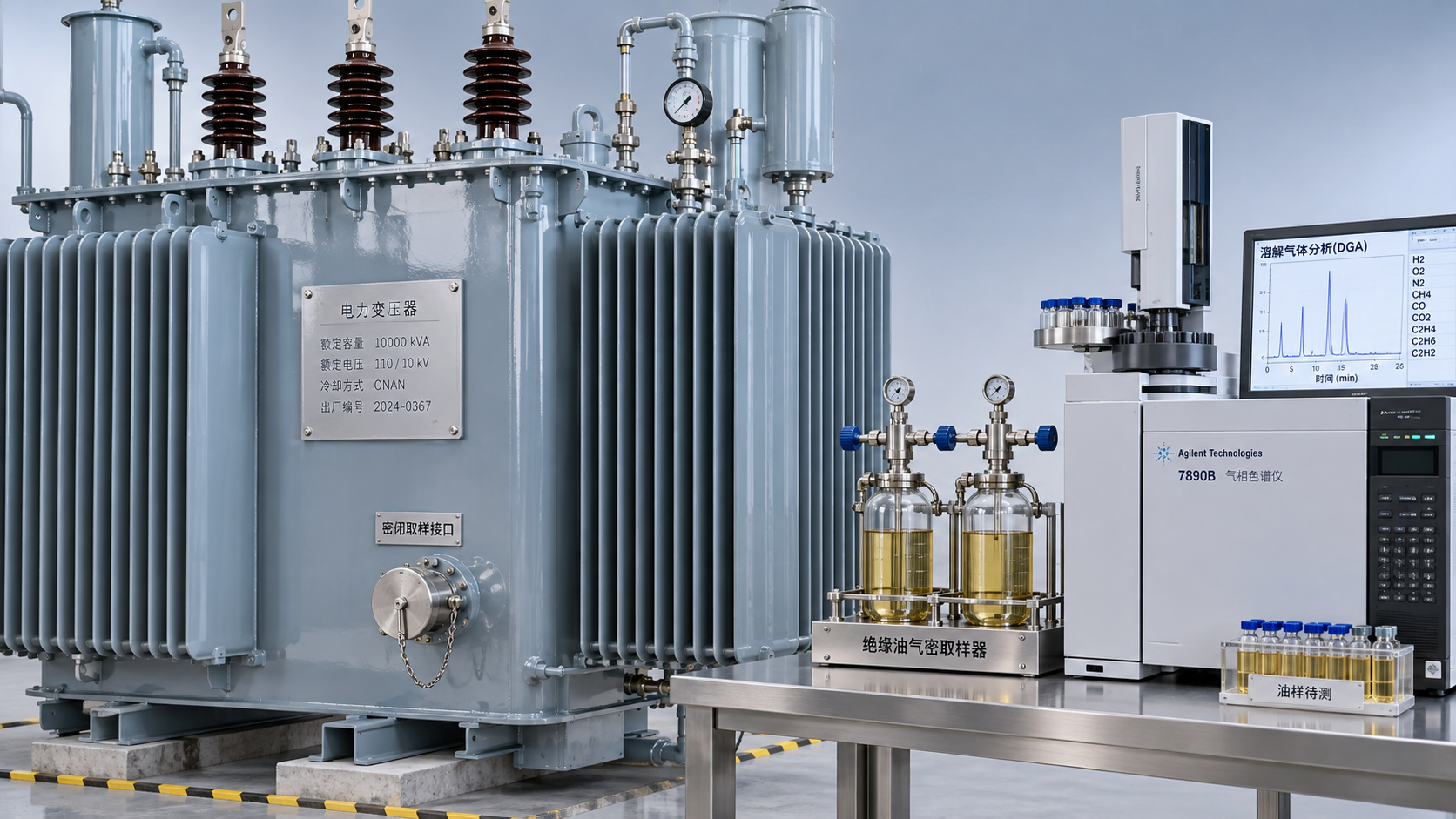
 What dissolved gas analysis reveals about an oil-immersed transformer
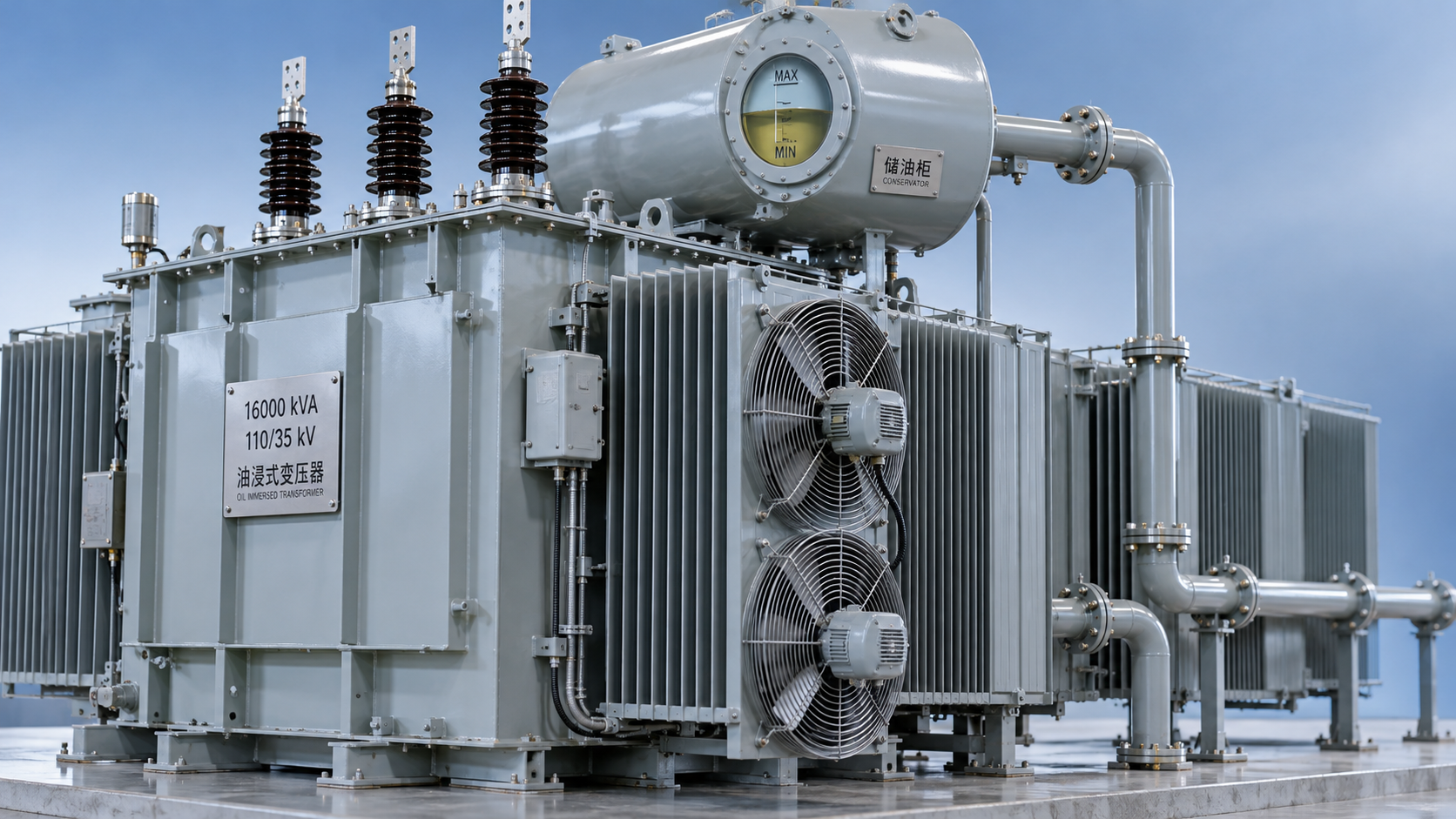
 Why an oil-cooled transformer overheats despite a normal oil level
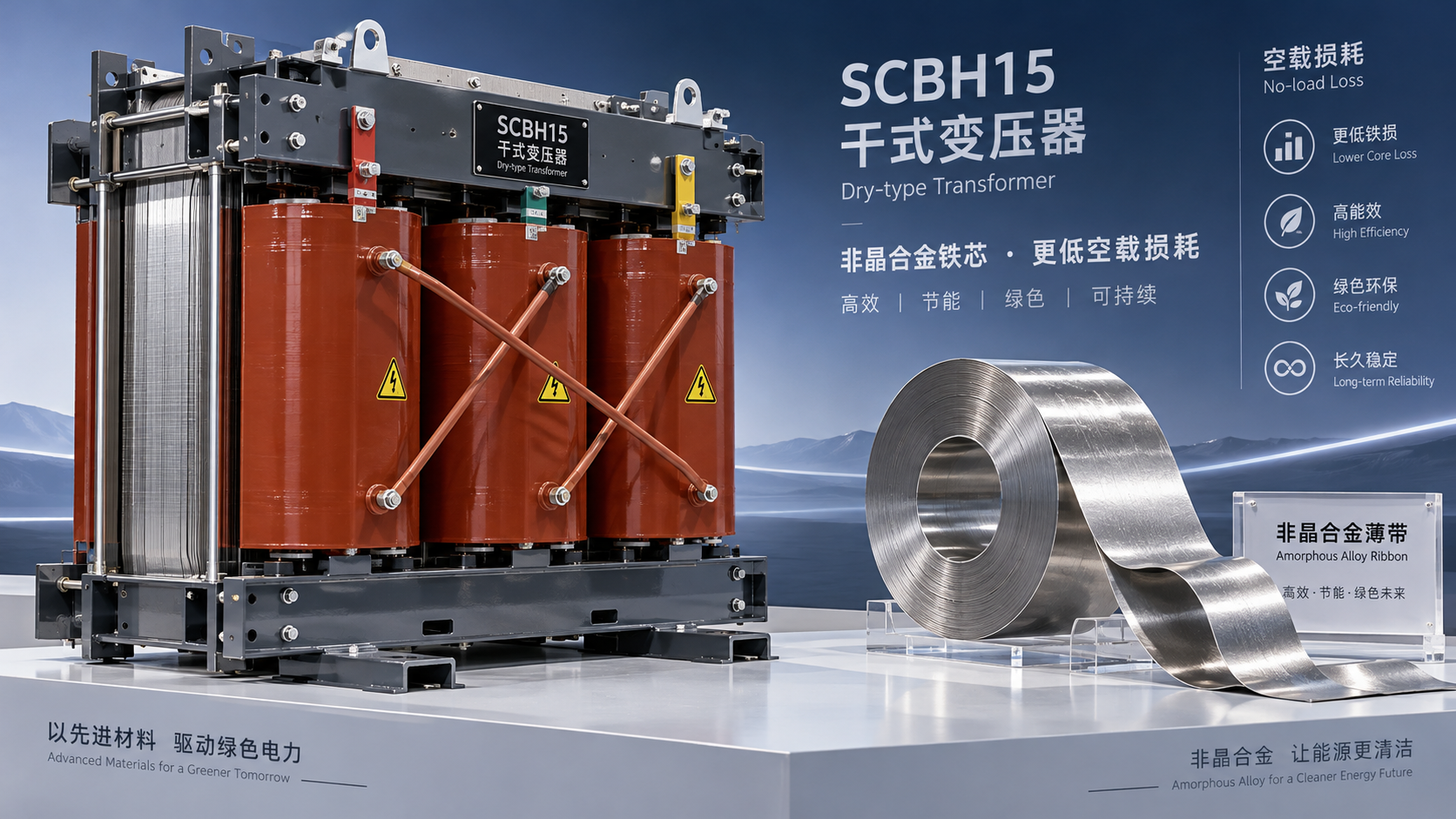
 How the amorphous core affects SCBH15 dry-type transformer losses
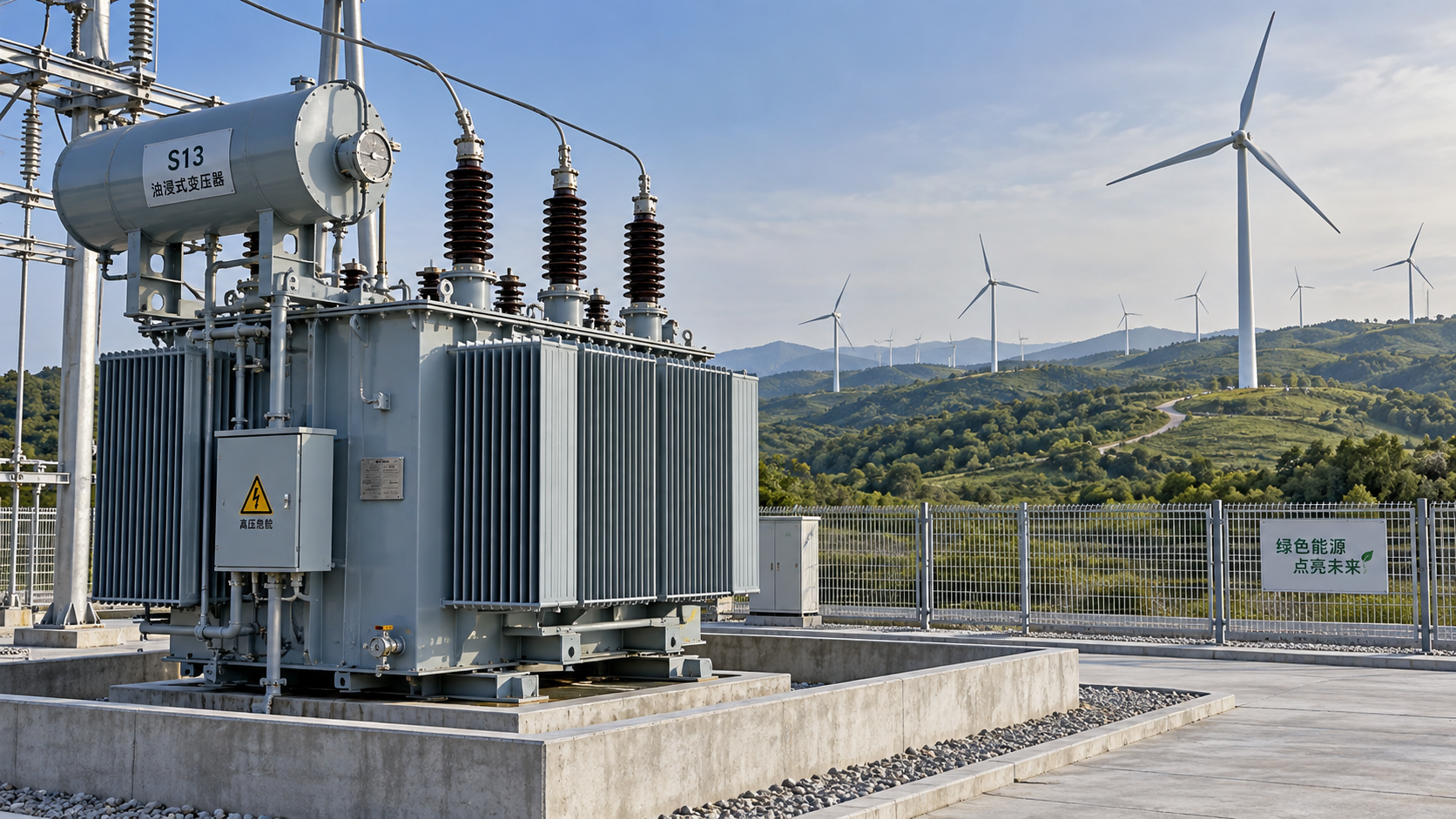
 Sizing S13 oil-immersed transformers for variable wind farm output
GET A FREE QUOTE
We offer reliable products, competitive prices, and nationwide professional support, committed to providing customers with efficient and energy-saving power equipment solutions.