


When you’re specifying a special voltage transformer for a PLC-controlled manufacturing line, you’re not just picking a component—you’re defining the electrical boundary between your automation system and its power source. A mismatch here doesn’t just cause nuisance tripping or sensor drift; it can trigger cascading downtime across CNC cells, packaging lines, or robotic workstations—costing thousands per hour in lost throughput. The real challenge isn’t finding *a* transformer that outputs 208V or 480V–30° phase shift or 24VDC auxiliary taps. It’s ensuring that voltage remains stable, clean, and repeatable—under rapid load changes, harmonic-rich conditions, and ambient temperatures that swing from 15°C to 45°C inside an unconditioned production hall.
Forget “Standard” Secondary Voltages—Start With What Your PLC I/O Actually Needs
Most project managers begin by checking the nameplate voltage of their PLC power supplies or servo drives—and stop there. That’s where errors compound. For example: a Siemens S7-1500 CPU module lists “24 V DC ±20%” on its datasheet—but its internal DC/DC converter derates significantly above 60°C ambient. If your transformer feeds a 24 V DC rectifier bank located next to a hydraulic press generating 70°C radiant heat, nominal output won’t guarantee functional voltage at the terminal block. Likewise, many Allen-Bradley CompactLogix I/O modules require 24 V DC with ripple < 5%, yet standard control transformers often deliver 8–12% ripple under partial load due to poor regulation and no filtering.
The same applies to AC secondary voltages. A “208 V” tap may be specified for motor starters—but if your VFDs draw high crest-factor current during acceleration, voltage sag at the busbar can drop below 195 V, triggering under-voltage faults. Real-world performance depends less on nameplate ratings and more on three interdependent factors: regulation under dynamic load, harmonic tolerance, and thermal margin. These aren’t marketing bullet points—they’re measurable behaviors that determine whether your line runs continuously or spends every shift chasing intermittent resets.
Why Dry-Type Transformers Are the Default Choice—And When They’re Not
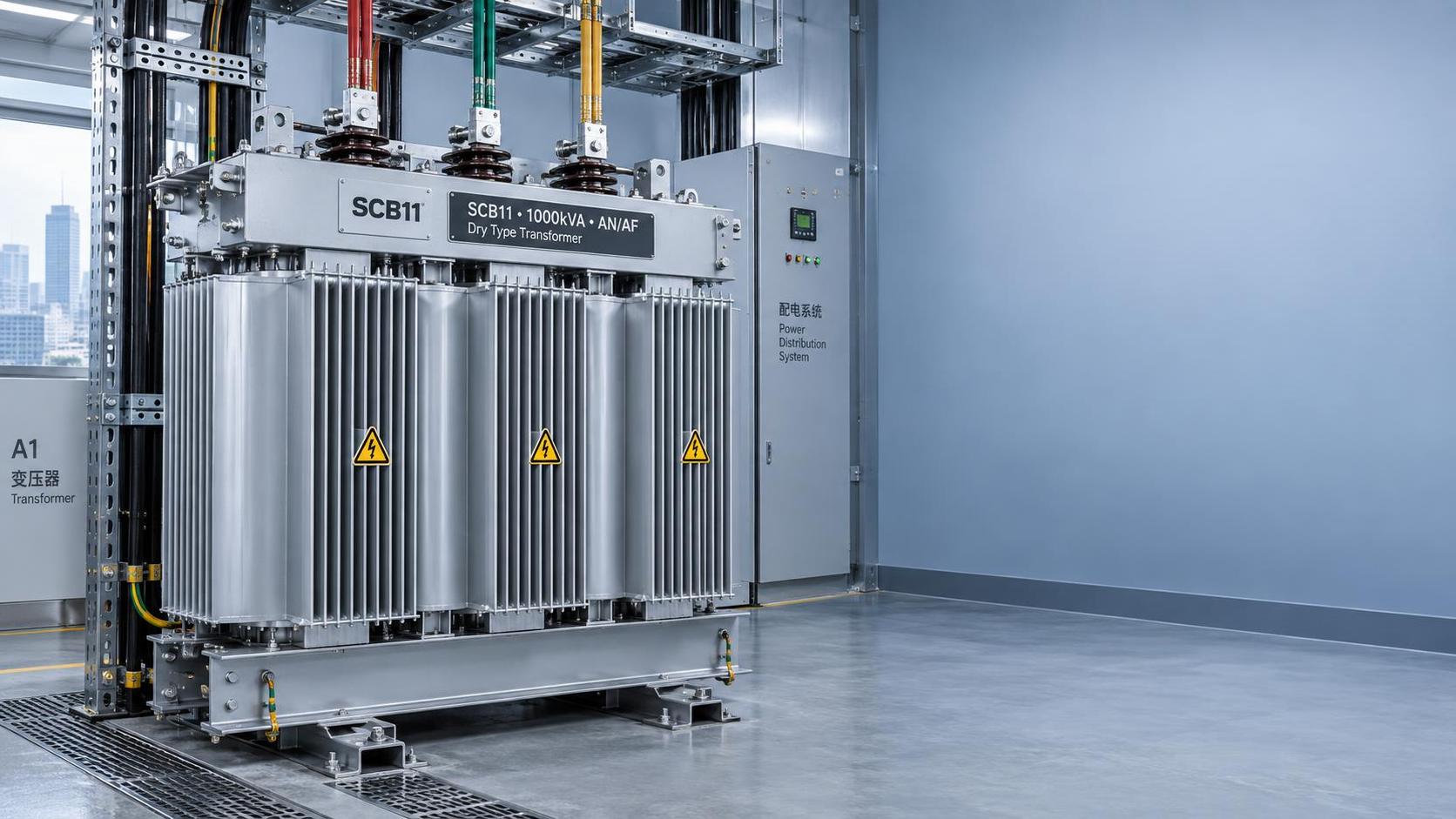
Dry-type transformers dominate PLC-integrated applications for good reason: no oil, no fire rating complications, easier integration into machine enclosures or compact substations, and compatibility with IP-rated housings for washdown or dusty environments. But not all dry-types behave the same way under industrial loads. Epoxy-cast units (like SCB-series) offer superior short-circuit withstand and lower partial discharge—critical when feeding sensitive analog input cards or Ethernet/IP switches sharing the same panel bus. Their resin matrix also resists moisture ingress better than open-wound or varnish-dipped coils—important in humid climates or facilities with frequent steam cleaning.
That said, dry-type isn’t automatic. If your line includes large induction furnaces or arc welders upstream, the resulting harmonics (especially 5th and 7th order) can overheat dry-type windings faster than oil-cooled units with higher thermal mass. In those cases, an amorphous alloy transformer—even with slightly higher initial cost—may deliver lower total lifecycle losses and longer service life. The decision hinges on actual harmonic spectrum analysis, not generic “harmonic mitigation” claims.
Three Technical Checks Most Projects Skip—But Shouldn’t
Before finalizing any special voltage transformer, verify these—not just on paper, but against your actual site conditions:
- Load regulation under transient duty: Ask for test reports showing voltage deviation at 0% → 100% load step, repeated every 30 seconds for 5 minutes. Many transformers meet steady-state regulation specs (±2%) but sag >5% during rapid cycling—enough to brown-out PLC logic power supplies.
- Impedance matching for fault coordination: Your circuit breaker upstream must clear faults before the transformer’s thermal limit is exceeded. If impedance is too low (e.g., <4%), fault current may exceed breaker interrupting capacity. Too high (>6.5%), and downstream breakers won’t trip fast enough to protect cables. Confirm impedance % aligns with your protection scheme—not just “standard” values.
- Ambient temperature derating: Standard ratings assume 40°C ambient. If your transformer mounts inside a cabinet with 55°C internal air (common near ovens or compressors), its real kVA capacity drops 15–20%. Specify rated kVA *at actual operating temperature*, not nameplate.
Where Low-Loss Design Directly Impacts Line Uptime
Energy efficiency matters beyond utility bills—it affects thermal stability and long-term reliability. A transformer running consistently hot accelerates insulation aging and increases failure risk during peak summer loads. Modern low-loss designs like the SCB12 Type Dry-Type Transformer reduce no-load loss by more than 20% versus SCB11 equivalents. That translates to ~10–15°C cooler core temperature under light-load standby—critical when your line cycles between full production and idle states multiple times per shift. Lower losses also mean lower audible noise (10–15 dB below JB/T10088-2016 standards), reducing operator fatigue in control rooms adjacent to transformer bays.
More importantly, low partial discharge—achieved through vacuum thin-film degassing and uniform resin mixing—isn’t just about longevity. It prevents electromagnetic interference that can corrupt low-level analog signals (e.g., 4–20 mA temperature loops feeding SCADA) or induce bit errors in Modbus RTU networks sharing cable trays. This isn’t theoretical: in one automotive Tier-1 assembly line, replacing a standard dry-type with a low-partial-discharge unit eliminated recurring “communication timeout” alarms on vision inspection stations—without changing any software or cabling.
Final Selection Logic: Start From the Load, Not the Catalog
Don’t start by browsing transformer series. Start by mapping every device connected to the secondary winding: PLC CPUs, I/O power supplies, safety relays, HMI backlights, solenoid valves, and even LED status indicators. List their voltage tolerances, inrush currents, continuous draw, and worst-case harmonic profiles. Then overlay ambient conditions, space constraints, cooling method, and required protection level (IP20 for indoor panels, IP23 for semi-outdoor mounting, stainless housing for food-grade zones).
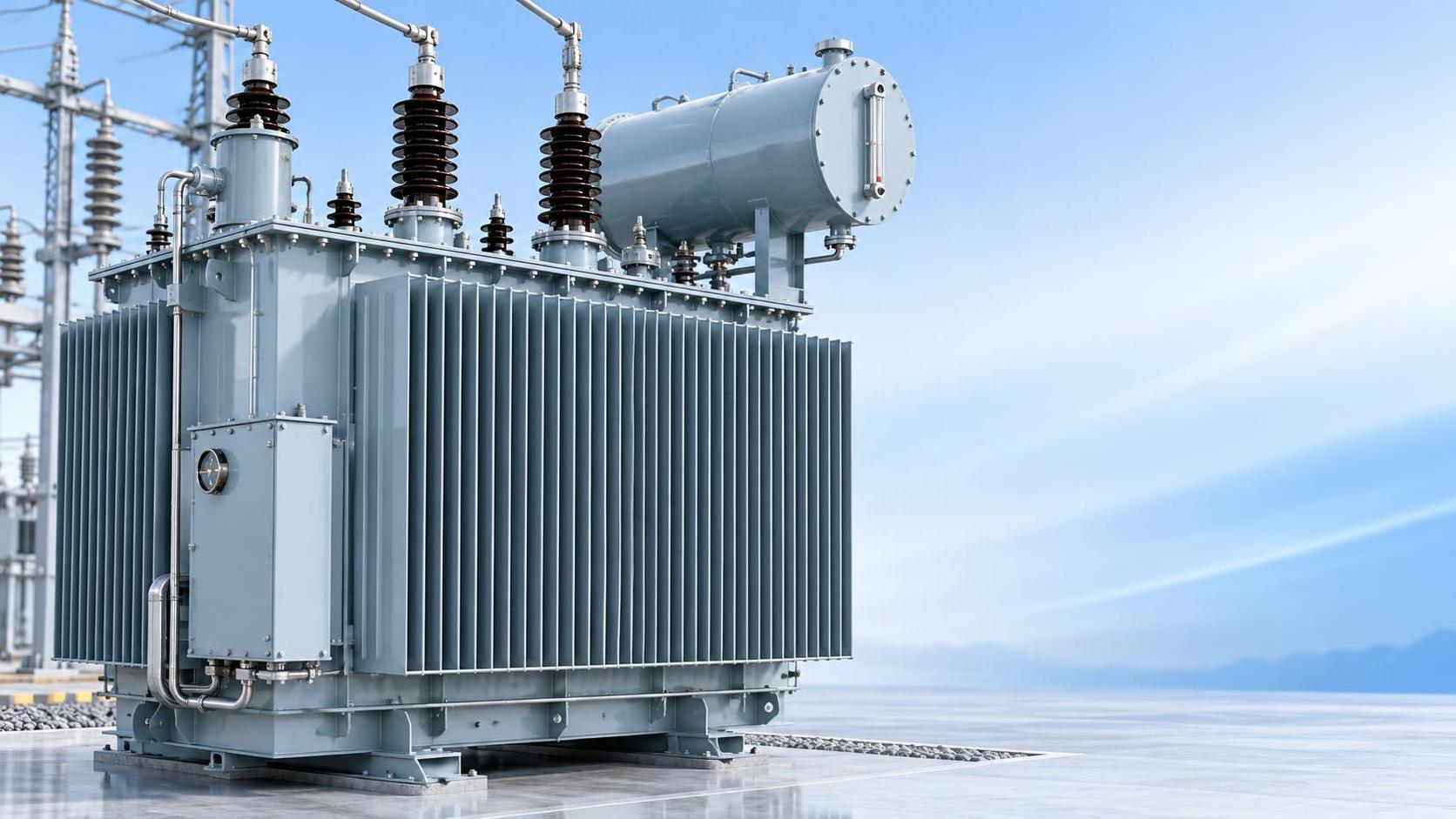
Only then does model selection become meaningful. An S13 low-loss oil-filled unit makes sense for a 35 kV substation feeding multiple lines—but overkill for a single 10 kVA 24 V DC control circuit. An SCB12 dry-type fits tightly in machine-mounted enclosures, supports IP23 ratings, and delivers the low-noise, low-partial-discharge performance needed for signal integrity. Its design addresses the real-world stressors: thermal cycling, harmonic distortion, and electromagnetic cleanliness—not just compliance checkboxes.
At Jiangsu Shengda Power Equipment Co., Ltd., every special voltage transformer is engineered to GB1094.1-2-1996 and GB/T6451-2008, with ISO9001-certified processes ensuring repeatability across batches. But certification alone doesn’t guarantee fit. What does is asking the right questions upfront—and validating behavior, not just specifications.


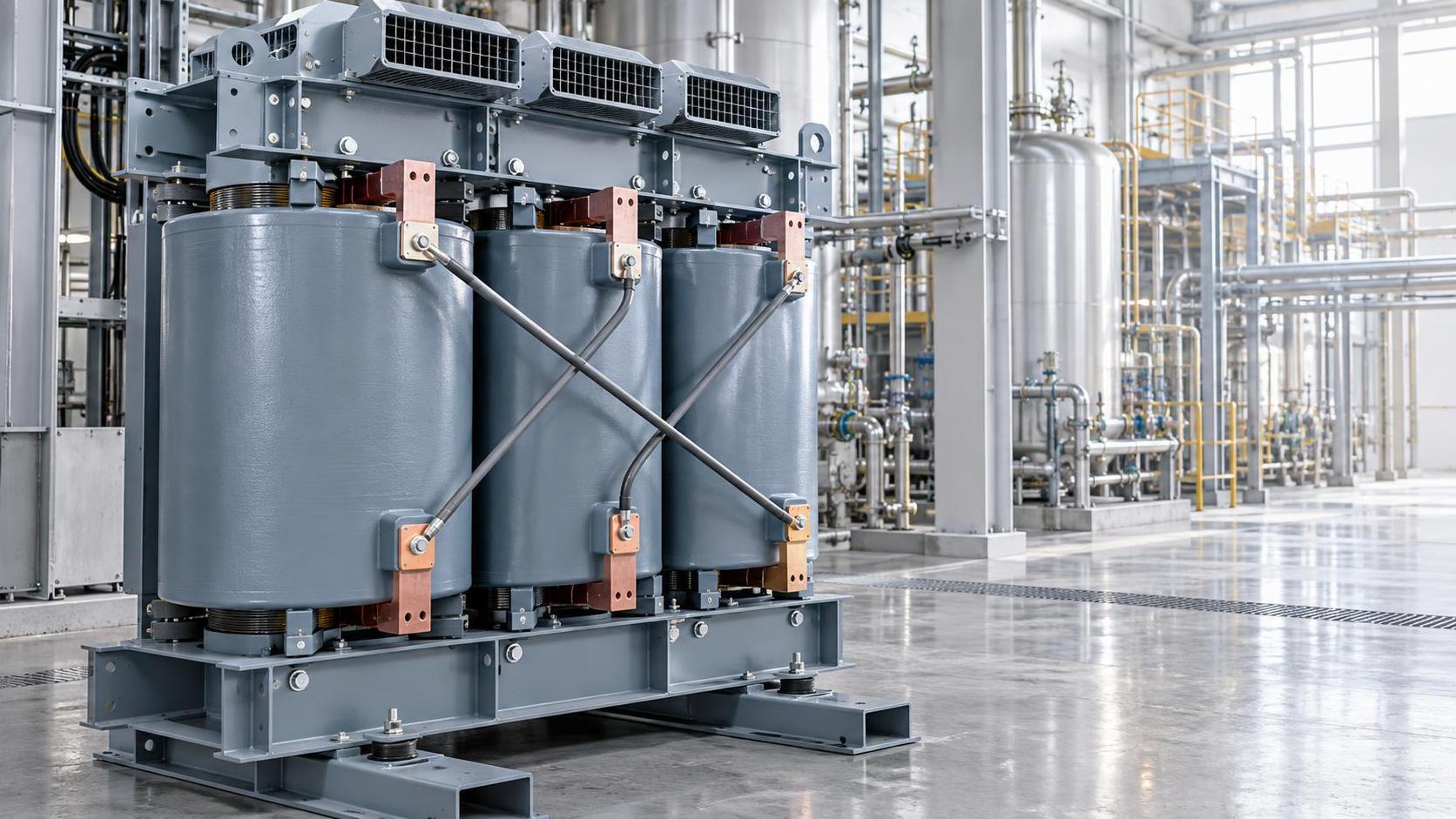
 Dry-Type Transformer Advantages for Hazardous Areas: Why IEEE C57.12.06 Arc Resistance & VPI Process Matter in Chemical Plants
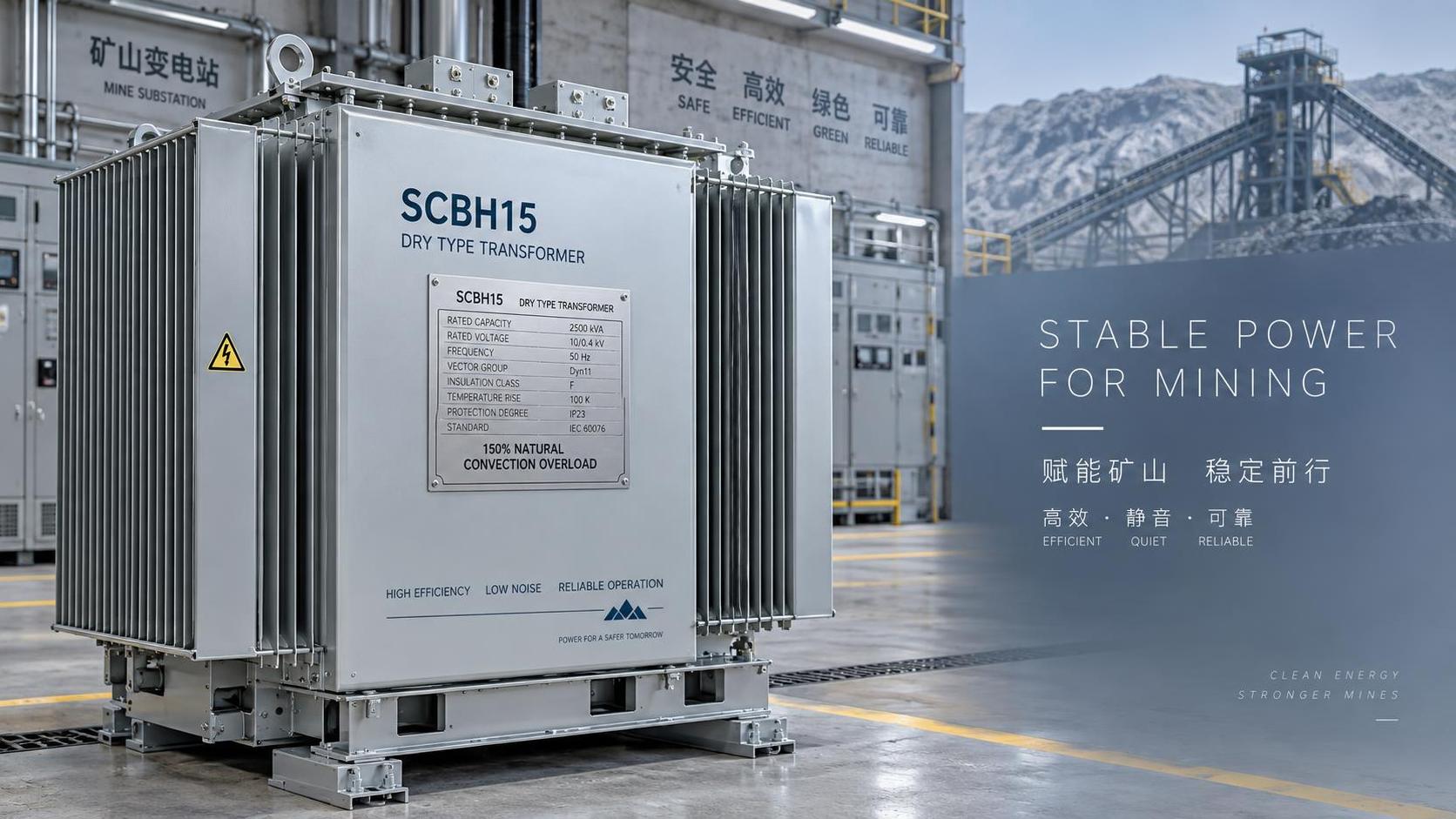
 Air-Cooled Transformer vs Forced-Oil-Cooled: When Natural Convection Meets Thermal Load Peaks in Mining Substations
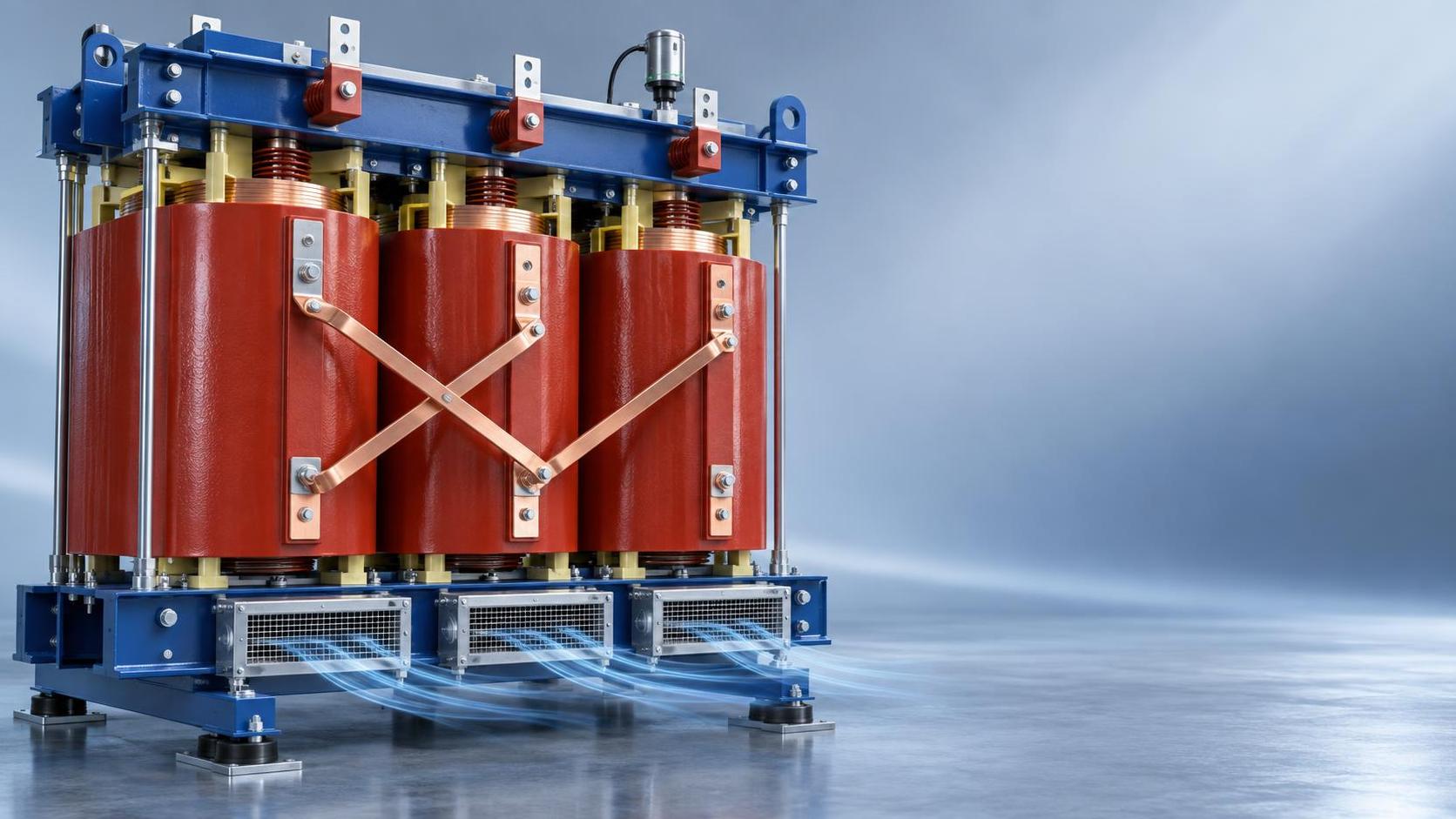
 SCB13 Dry-Type Transformer Long Lifespan: How Epoxy Resin Quality, Winding Stress Analysis & Ambient Humidity Monitoring Extend Service Life Beyond 30 Years
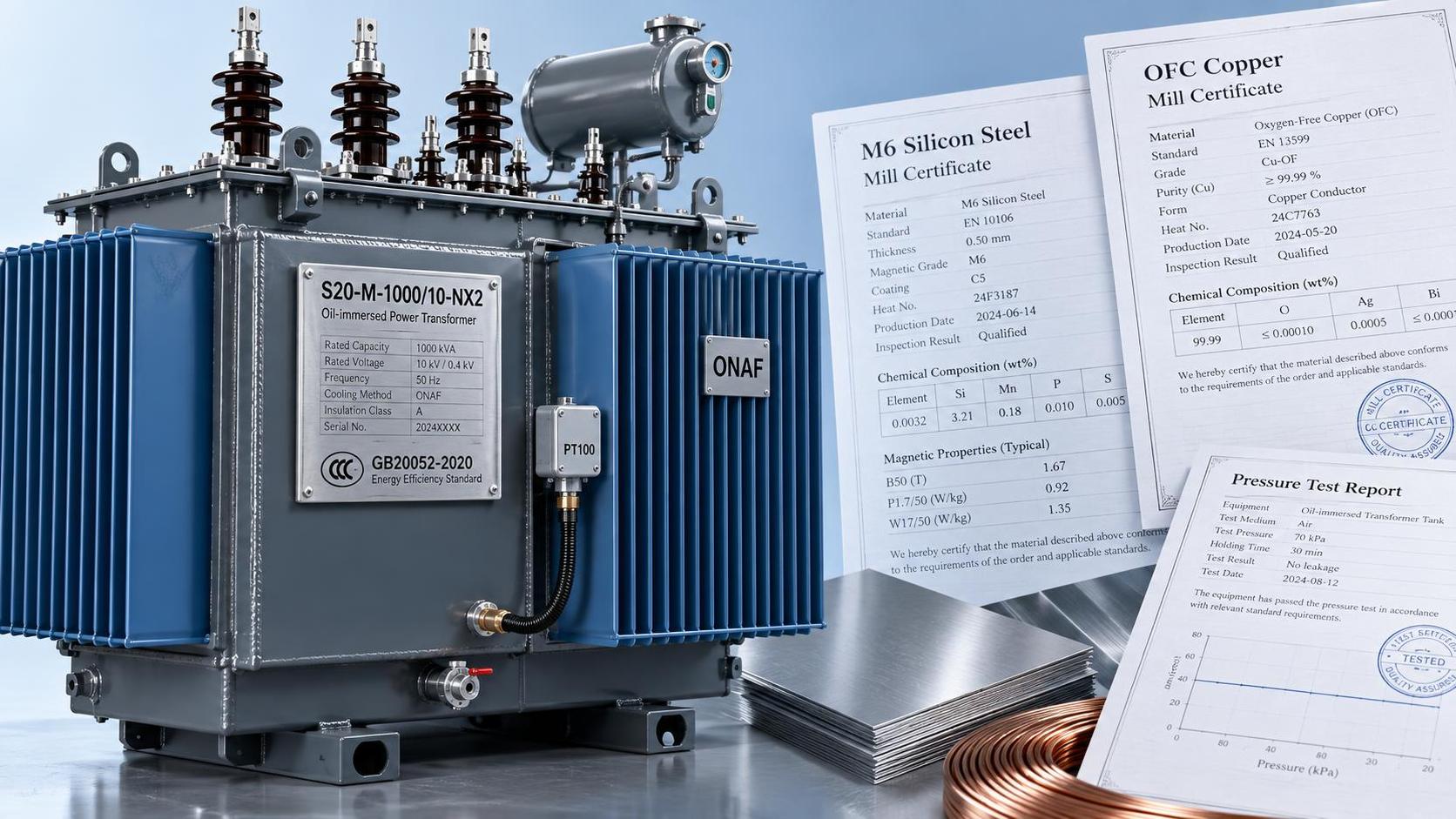
") S20 Oil-Immersed Transformer Quotation Breakdown: What 5 Line Items Actually Drive Total Installed Cost (Not Just kVA Price)
S20 Oil-Immersed Transformer Quotation Breakdown: What 5 Line Items Actually Drive Total Installed Cost (Not Just kVA Price) SCB11 Compact Dry-Type Transformer: Space-Saving Design Trade-Offs in High-Rise Building Electrical Rooms
 S11 vs S13 Oil-Immersed Transformers: Quantifying Efficiency Gains, Payback Period & Thermal Stability in Grid-Tied Substations
GET A FREE QUOTE
We offer reliable products, competitive prices, and nationwide professional support, committed to providing customers with efficient and energy-saving power equipment solutions.