


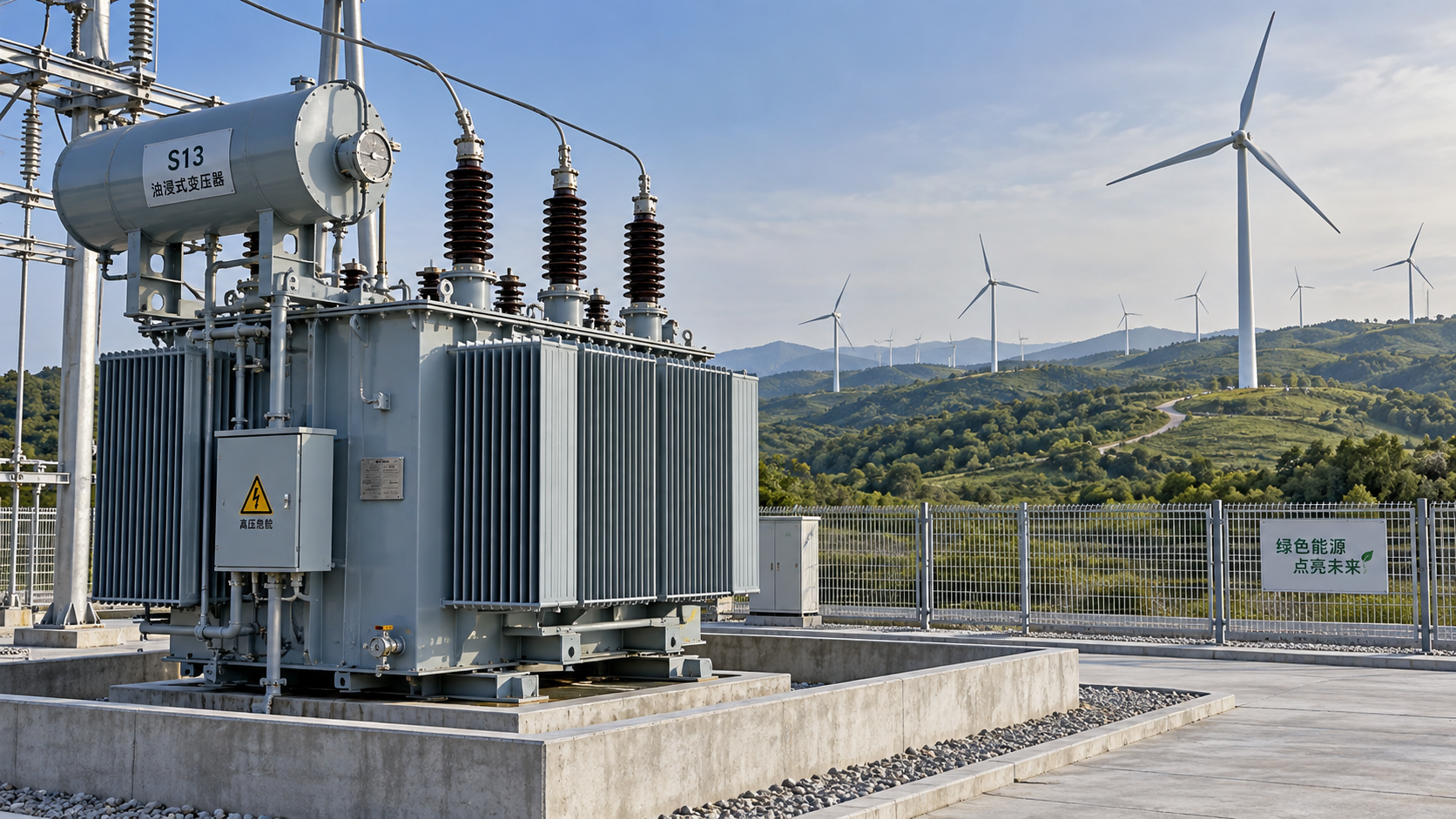
In modern renewable power systems, oil-immersed transformers play a vital role in ensuring stable and efficient energy transmission across solar and wind energy farms. As demand for reliable grid integration grows, these transformers help minimize losses, handle fluctuating loads, and support long-term operational safety, making them an essential component in building high-performance clean energy infrastructure.
Why are oil-immersed transformers critical in solar and wind energy farms?
Solar and wind projects do not produce power under perfectly stable conditions. Irradiance changes, wind speed fluctuations, and frequent load adjustments place real pressure on transformer performance, thermal stability, and insulation reliability.
In this environment, oil-immersed transformers are widely selected because they offer strong heat dissipation, dependable insulation, and solid overload tolerance. For utility-scale renewable sites, these characteristics directly affect energy yield, downtime risk, and grid compliance.
- They step up voltage efficiently from collection systems to transmission or distribution levels.
- They reduce technical losses, which matters in long operating cycles and large installed capacity.
- They help manage harmonics and voltage variation common in inverter-based renewable systems.
- They support outdoor deployment where temperature swings, dust, and humidity can challenge equipment life.
Typical renewable energy operating challenges
Buyers often focus on rated capacity first, but renewable power applications require a broader view. Transformer selection should also consider cycling behavior, ambient conditions, load profile, and maintenance accessibility across remote project sites.
The table below shows how oil-immersed transformers match common operating needs in solar and wind energy farms.
This is why transformer decisions in renewable projects should be tied to application conditions, not only purchase price. A lower initial cost can quickly be offset by losses, shutdowns, or difficult maintenance later.
What should buyers evaluate before selecting a transformer?
Procurement teams in the transformer industry often face the same questions: What capacity is suitable? Is a low-loss design worth the premium? How can the project meet standards while staying within budget? For solar and wind energy farms, these are practical decisions with long-term financial effects.
Key selection points
- Match capacity to actual generation profile, reserve margin, and future expansion plan.
- Review no-load loss and load loss carefully, especially for assets operating over many years.
- Confirm voltage class, such as 10KV or 35KV, according to collection and grid connection design.
- Check sealing structure, cooling behavior, and protection strategy for outdoor exposure.
- Verify manufacturing quality systems and compliance with relevant standards.
The next table can help engineering and purchasing teams compare selection priorities more efficiently.
A structured review makes it easier to avoid under-sizing, overpaying for unnecessary configuration, or choosing equipment that creates hidden maintenance cost.
How does a low-loss oil-immersed transformer improve project returns?
For developers and EPC contractors, lifecycle economics matter more than nameplate price alone. A low-loss oil-immersed transformer can reduce wasted energy throughout years of operation, which is particularly valuable in solar and wind farms with large cumulative output.
Jiangsu Shengda Power Equipment Co., Ltd. focuses on transformer R&D, production, and sales, with product quality supported by technical expertise, mature manufacturing processes, comprehensive inspection systems, and strict management. Its products are manufactured in accordance with international standards including GB1094.1-2-1996 and GB/T6451-2008, and the company is ISO9001 certified.
A practical example is the S11 Series Oil-Immersed Power Transformer, available in specifications from 30KVA to 2500KVA. It uses imported high-quality cold-rolled silicon steel sheets and oxygen-free copper, supporting low loss, low noise, high efficiency, energy-saving performance, and improved power supply quality.
Features that matter in renewable applications
- Fully sealed structure helps isolate the oil from air, slowing oil deterioration and insulation aging.
- Corrugated sheet elasticity automatically compensates internal changes, eliminating the oil conservator in normal design use.
- Reduced influence of harmonics supports renewable systems where inverter-related distortion must be managed carefully.
- Low noise and maintenance-friendly operation benefit remote sites and long service intervals.
These design points are not just technical details. They directly support stable operation, fewer interventions, and stronger long-term return on renewable infrastructure.
Standards, compliance, and common procurement mistakes
What buyers often overlook
One common mistake is assuming that all oil-immersed transformers with the same capacity perform similarly. In reality, material quality, process control, sealing design, and inspection rigor can create major differences in operating life and energy performance.
Another mistake is treating standards as a paperwork item. For solar and wind energy farms, compliance affects project approval, factory acceptance, site commissioning, and long-term reliability. It should be reviewed from the start of procurement.
- Confirm whether the transformer matches the specified voltage level and system design.
- Request clear data for no-load loss, load loss, no-load current, and impedance.
- Check whether factory inspection and acceptance can proceed efficiently without unnecessary disassembly.
- Review whether the supplier can support compact substations, dry-type options, or on-load tap-changing solutions if the project scope expands.
FAQ: practical questions from renewable project buyers
Are oil-immersed transformers suitable for both solar farms and wind farms?
Yes, they are widely used in both. Solar farms benefit from low-loss operation and dependable daytime cycling performance, while wind farms value thermal stability and outdoor durability under changing load and weather conditions.
What capacity range is commonly considered?
The right capacity depends on the collection system design, inverter grouping, and grid connection plan. Models such as S11-M-30 through S11-M-2500 cover a broad range, but final selection should follow electrical design calculations rather than a generic rule.
Is low-loss performance worth the investment?
In many renewable projects, yes. Lower losses can improve total project economics over time, especially where equipment runs continuously and electricity value or efficiency targets are important. Buyers should compare lifecycle cost, not only initial quotation.
What support should a transformer supplier provide?
A capable supplier should support parameter confirmation, model selection, standard matching, production quality control, acceptance preparation, and delivery coordination. This is especially important for projects with tight schedules or demanding certification expectations.
Why choose us for transformer projects in renewable energy?
Jiangsu Shengda Power Equipment Co., Ltd. offers a broad transformer portfolio for renewable and power distribution applications, including low-loss power transformers such as S11, S13, S15, S20, and S22 series, 10KV and 35KV models, SCB and SGB series, compact substations, amorphous alloy transformers, and on-load tap-changing power transformers.
If you are planning a solar or wind energy farm, you can consult us about capacity matching, voltage class selection, low-loss configuration, delivery schedule, compliance requirements, and customized transformer solutions. If needed, we can also discuss whether the S11 Series Oil-Immersed Power Transformer fits your project scope, site conditions, and budget plan.
A clear technical discussion at the procurement stage can reduce design revisions, avoid unsuitable specifications, and improve overall project reliability. Contact us for parameter confirmation, model selection, quotation communication, and solution support tailored to renewable energy farms.



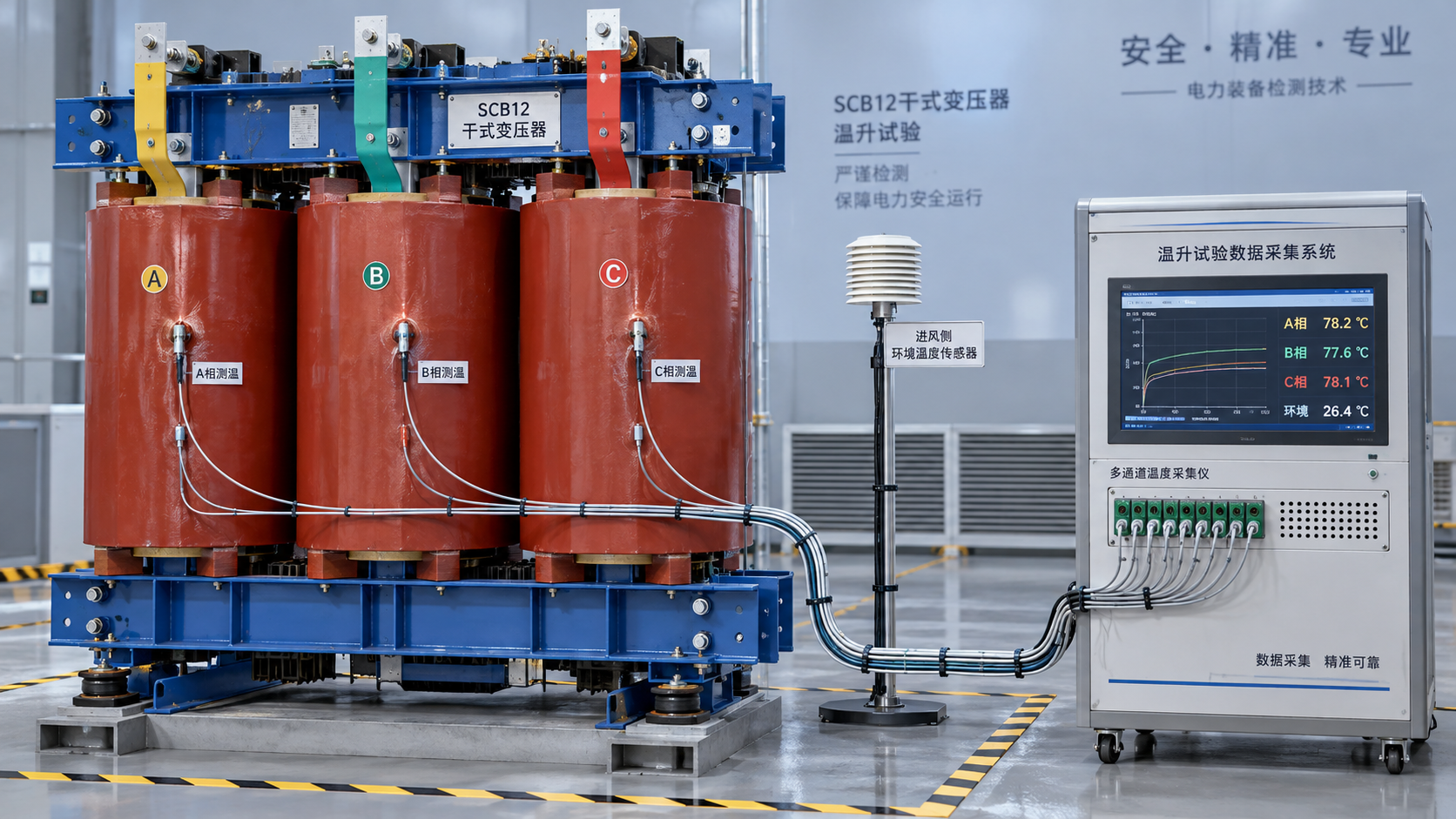
 How to verify the temperature-rise test of an SCB12 dry-type transformer
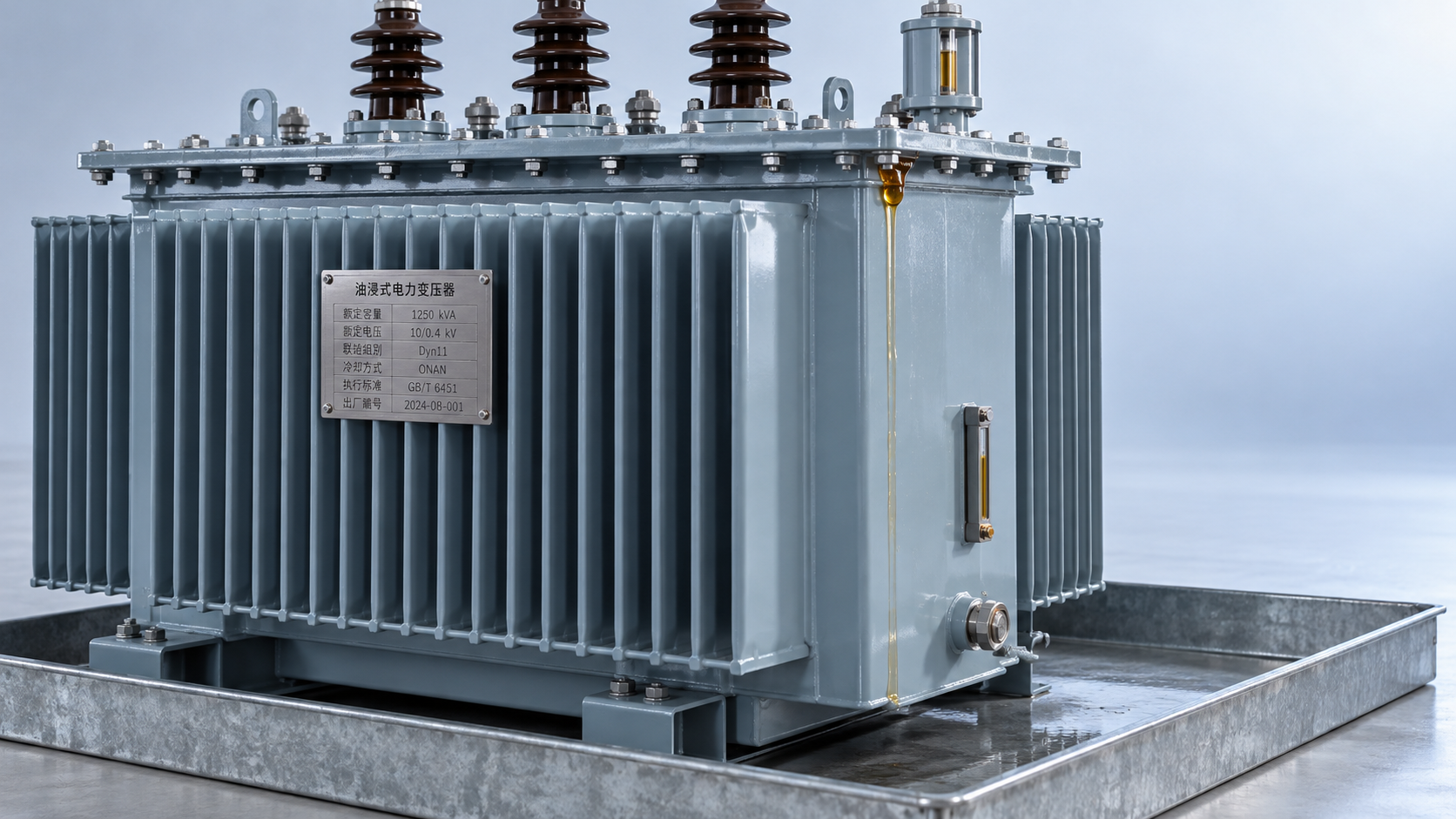
 Distribution transformer maintenance tips for spotting oil leaks
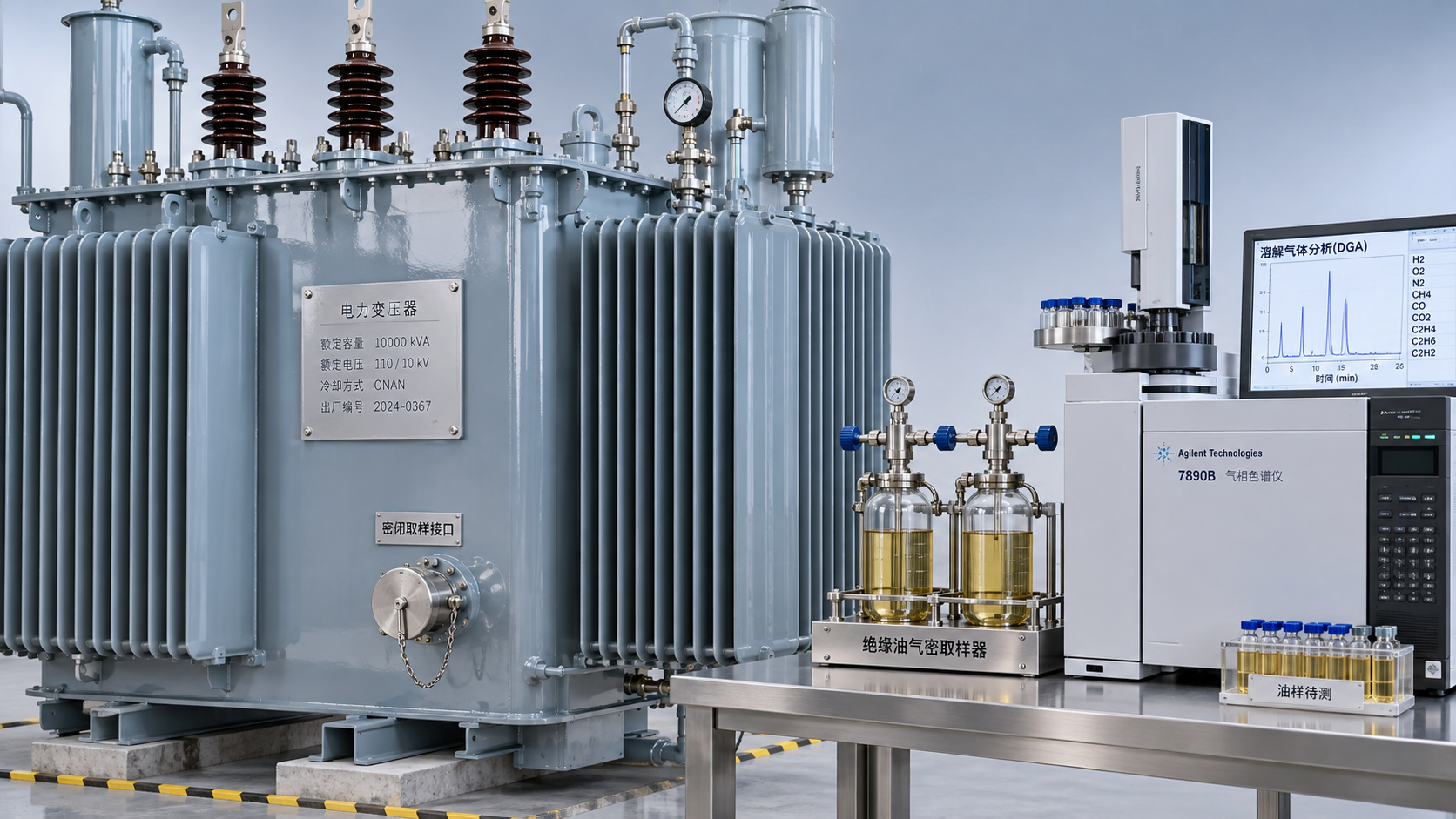
 What dissolved gas analysis reveals about an oil-immersed transformer
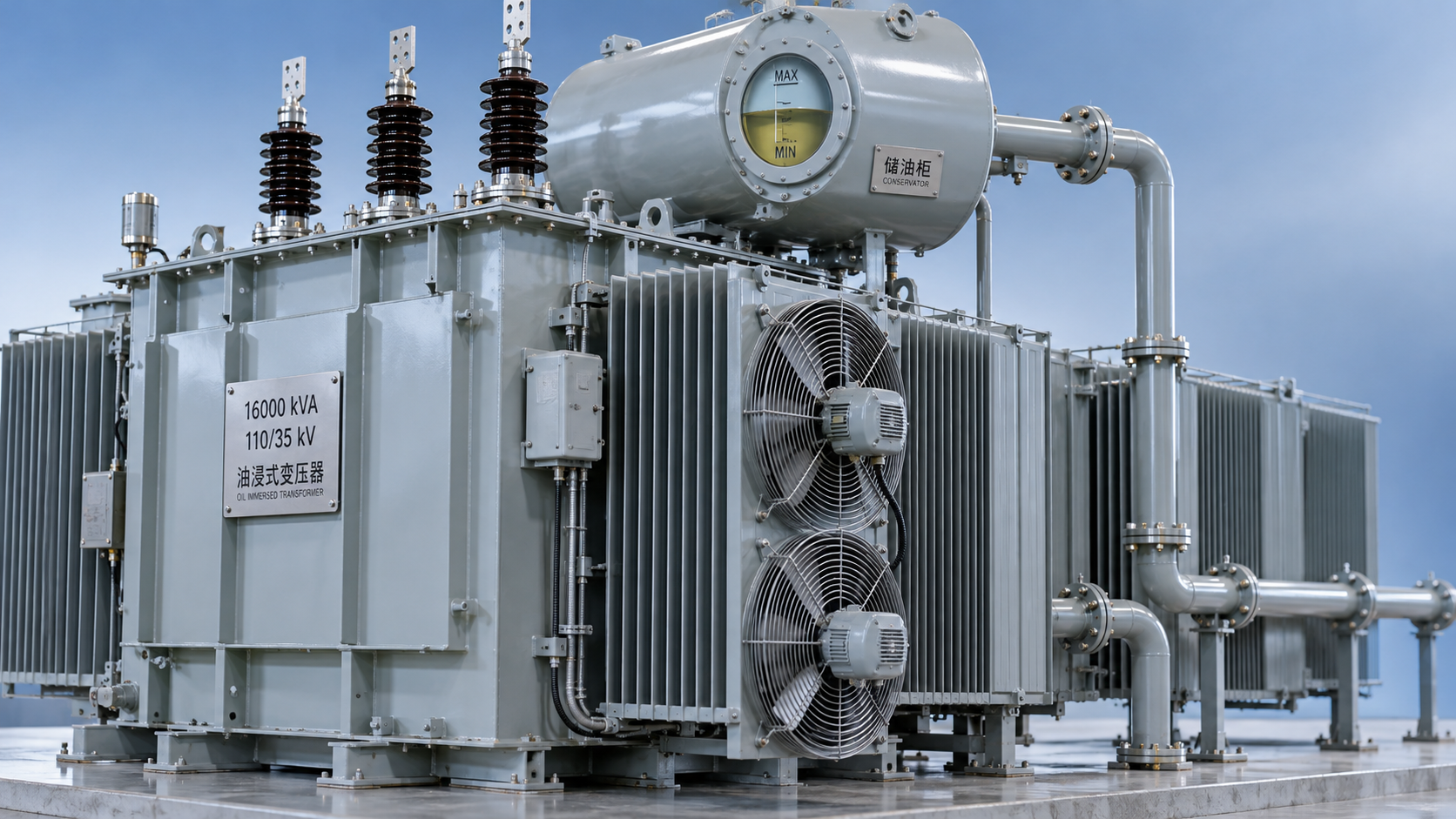
 Why an oil-cooled transformer overheats despite a normal oil level
 How the amorphous core affects SCBH15 dry-type transformer losses
 Sizing S13 oil-immersed transformers for variable wind farm output
GET A FREE QUOTE
We offer reliable products, competitive prices, and nationwide professional support, committed to providing customers with efficient and energy-saving power equipment solutions.