


Start with the rooms that will hear the transformer
When indoor distribution is being planned, noise is rarely the first line item on the drawing set. It usually shows up later, after the equipment room is fixed, the walls are poured, and someone realizes the transformer sits next to offices, wards, classrooms, or control rooms. That is exactly where the SCB13 Type Dry-Type Transformer low noise design matters. For project managers, lower operating noise is not a cosmetic benefit. It affects room placement, complaint risk, fit-out cost, and in some buildings, whether the electrical room becomes a routine issue for operations.
If you are choosing equipment for indoor use, the practical question is not simply whether an SCB13 unit is quieter on paper. The real question is how that lower noise changes the rest of the project. The checklist below is the way many teams should think about it before procurement is locked.
Check the building function before you compare transformer options
Not every indoor project values low noise in the same way. In a warehouse support building, a few extra dB may be acceptable. In a hospital, school, library, hotel, office tower, or commercial complex, it quickly becomes a design issue because people stay close to the source for long periods.
- Map the transformer room against sensitive spaces: patient areas, meeting rooms, study areas, reception zones, dormitories, and security monitoring rooms.
- Ask whether the room will share a wall, floor slab, or structural frame with occupied space. Structure-borne vibration often becomes the hidden path for noise complaints.
- Check operating hours. A site that runs 24/7 has less tolerance for background hum than a daytime-only facility.
This step sounds basic, but teams skip it because they assume “electrical room” means “isolated enough.” Often it is not. A low-noise SCB13 transformer helps most when the room location is constrained and the people around it cannot simply be moved.
Treat low noise as a layout benefit, not just an equipment feature
The reason quieter dry-type transformers are favored indoors is that they give the project more room to work with. If the transformer generates less operating noise, you may avoid heavier acoustic treatment, more complex room separation, or awkward circulation changes around the electrical space.
That does not mean you can ignore room design. It means the equipment gives you a better starting point. A common mistake is to spend heavily on wall build-up and door sealing while choosing a noisier unit that keeps feeding the problem from the source. In indoor applications, source control usually pays off better than trying to patch the room afterward.
Look beyond airborne noise and ask how vibration will travel
People often describe transformer noise as a hum, but what causes trouble indoors is not only what is heard inside the transformer room. Vibration can transfer into the floor, nearby walls, cable paths, and connected structures. Then the complaint appears one or two rooms away, where nobody expects it.
When reviewing an SCB13 Type Dry-Type Transformer low noise solution, check these points early:
- Foundation detail: Is the base designed to limit vibration transfer?
- Room adjacency: Are there quiet-use spaces above, below, or beside the transformer room?
- Cable entry and support: Could rigid routing carry vibration into the building frame?
- Ventilation openings: Will louvers or openings leak sound directly into occupied zones?
If these are not coordinated, even a quieter transformer can underperform in real use. The equipment choice and the room detail have to support each other.
Check whether lower noise helps your compliance path
Project teams usually face noise requirements indirectly. The contract may specify indoor environmental performance, the consultant may set room criteria, or local approval may focus on building use near occupied areas. The right move is to review the project documents and identify exactly where acoustic performance is controlled.
Do not rely on a broad statement that the transformer is “quiet.” Ask for the technical documentation that accompanies the selected model and compare it against the project’s actual acceptance basis: employer specification, MEP schedule, acoustic consultant notes, or equipment room design criteria. Jiangsu Shengda Power Equipment Co., Ltd. manufactures transformer products under established quality controls and states compliance with standards such as GB1094.1-2-1996 and GB/T6451-2008, with ISO9001 certification. That is useful as a quality baseline, but for your project, the key check is still whether the submitted model data matches the building’s indoor performance target.
Do not separate noise from thermal and load planning
Some teams treat acoustics, ventilation, and capacity as separate conversations. Indoors, they are tied together. A transformer room that runs hotter may need stronger ventilation. Stronger ventilation may mean larger openings or more fan noise. Suddenly the low-noise advantage at the transformer is partly lost through the room system.
That is why SCB13 selection should be reviewed together with expected load profile, room temperature control, airflow path, and maintenance clearance. Lower loss and lower temperature rise can support indoor use because they reduce pressure on room design, but only if the entire arrangement is coordinated. A poor ventilation strategy can turn a good transformer choice into a noisy room anyway.
Use a short decision table during equipment review
Know when a packaged substation arrangement makes more sense
In some projects, the better answer is not a standalone transformer room with multiple separately coordinated components. If the site needs a compact distribution setup with switchgear, protection, low-voltage distribution, and flexible wiring in one arrangement, a packaged solution may simplify the job. For projects in industrial parks, commercial centers, high-rise buildings, or temporary construction sites, ZGS Combined Substation can be relevant because it integrates the transformer body with switchgear, fuses, tap changers, low-voltage distribution equipment, and other auxiliary equipment in a compact format.
This does not replace the indoor noise review. It changes where you do it. You would assess whether the compact structure, low-noise characteristics, voltage range, and installation method fit the building layout and supply scheme. That option is especially worth reviewing when footprint is tight and the project wants faster installation with fewer separate coordination points.
Ask the contractor how the room will actually be built
Many indoor noise problems are created in installation, not in product selection. The approved transformer may be fine, but the execution is rough: uneven base, hard contact at multiple points, cable supports fixed in a way that bridges vibration, or ventilation grilles installed with no acoustic thought at all.
A useful coordination meeting should cover:
- Base and mounting detail before delivery.
- Cable routing sequence and support method.
- Wall penetrations and whether they need sealing against sound leakage.
- Door type, louver placement, and airflow direction.
- Commissioning checks for abnormal hum, resonance, or vibration.
This is where project leaders can save real time. Noise fixes after handover are messy, expensive, and politically visible.
Do not ignore the user experience of the building
People do not describe a transformer as “compliant.” They describe a room as annoying, distracting, hard to work in, or strangely noisy at night. That is why low noise has real operational value indoors. It supports concentration in offices, rest in healthcare spaces, communication in schools, and a more controlled environment in commercial buildings. Even where the transformer room is technically separate, background hum can shape how the building feels.
For project managers, this matters because acoustic complaints are hard to close once occupants move in. A quieter SCB13 dry-type transformer reduces the chance that the electrical system becomes a visible comfort issue later.
A practical order for making the decision
A workable sequence is simple. Start with the building spaces around the transformer room. Then review the selected SCB13 model against the project’s acoustic and electrical requirements. After that, check foundation, cable routing, and ventilation as one package rather than separate trades. If space is tight or the distribution arrangement is becoming fragmented, compare that approach with a compact integrated option. Only then should you finalize procurement.
That order keeps the decision tied to actual indoor use, which is where the low-noise advantage of an SCB13 dry-type transformer earns its value. It is less about buying a quieter nameplate and more about preventing the room, the structure, and the occupied spaces around it from becoming tomorrow’s problem.



 How to verify the temperature-rise test of an SCB12 dry-type transformer
 Distribution transformer maintenance tips for spotting oil leaks
 What dissolved gas analysis reveals about an oil-immersed transformer
 Why an oil-cooled transformer overheats despite a normal oil level
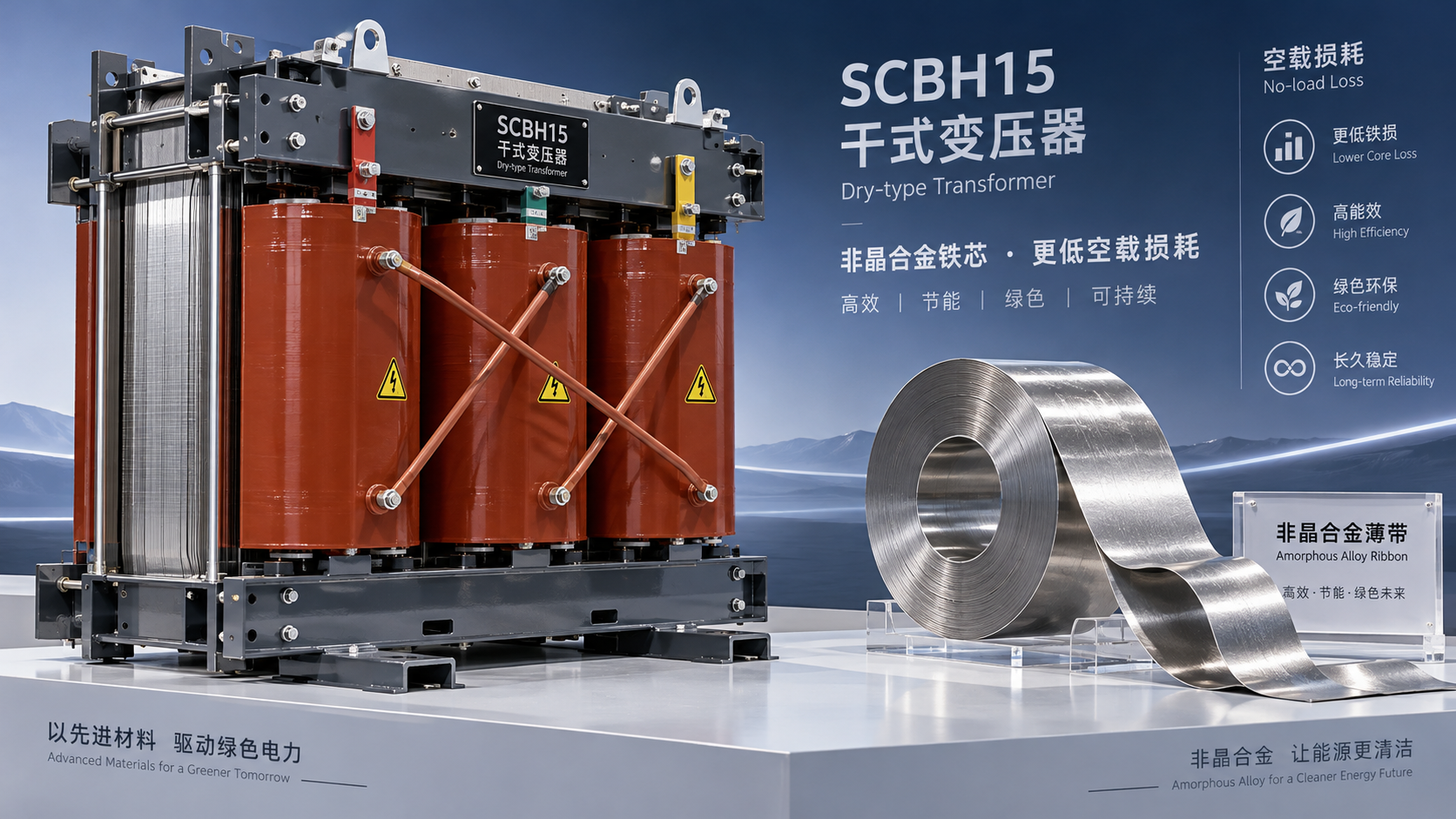
 How the amorphous core affects SCBH15 dry-type transformer losses
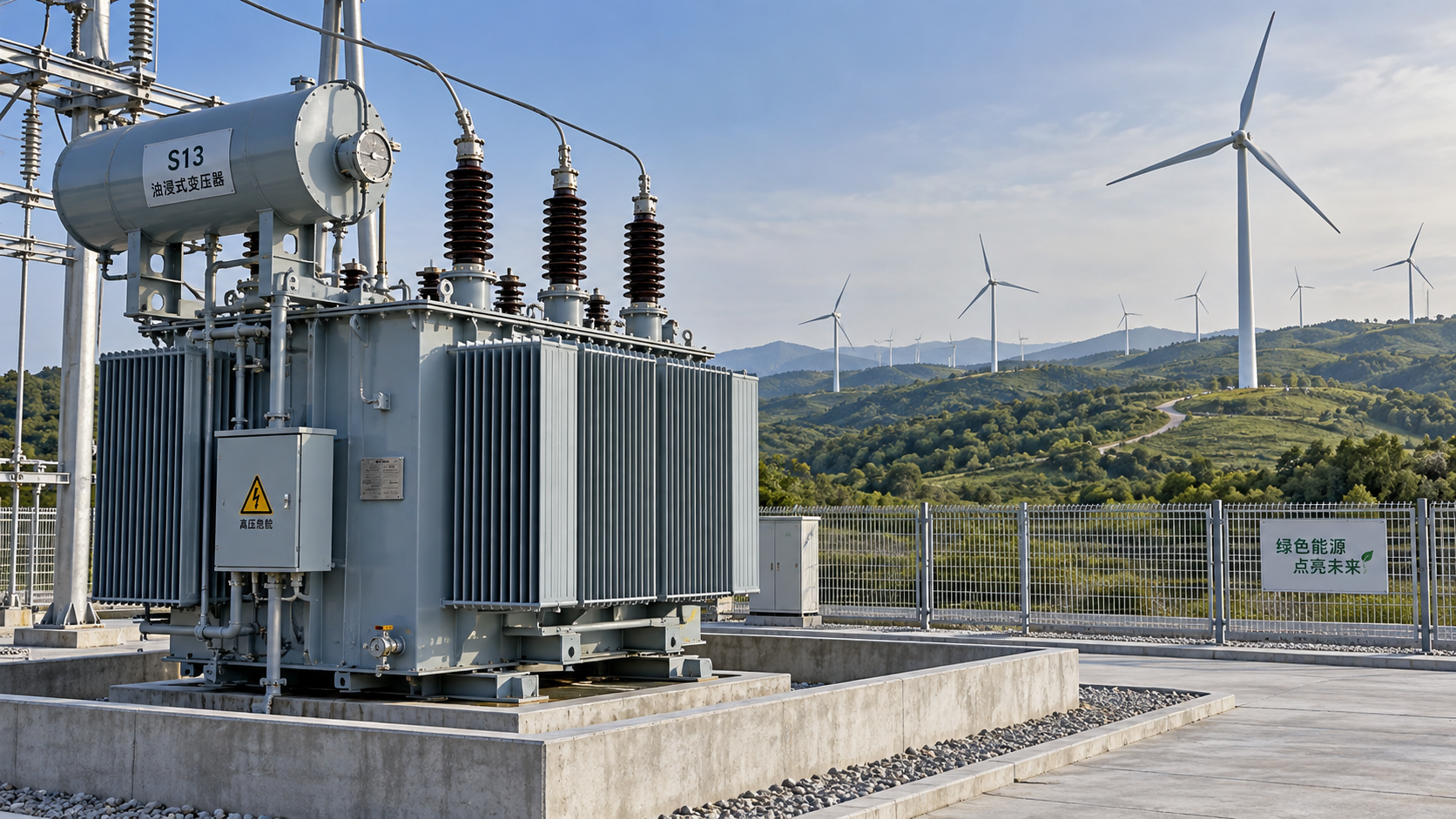
 Sizing S13 oil-immersed transformers for variable wind farm output
GET A FREE QUOTE
We offer reliable products, competitive prices, and nationwide professional support, committed to providing customers with efficient and energy-saving power equipment solutions.