


Start with the cost drivers that actually move the quote
When buyers compare SCB14 Type Dry-Type Transformer price, rated capacity is usually the first number everyone looks at. It is rarely the number that explains the spread between one offer and another. In real procurement work, the bigger price shifts often come from specification details that look small on paper: insulation class, voltage combination, enclosure level, cooling arrangement, conductor choice, compliance documents, and how far the unit needs to be tailored to the site.
If you are collecting quotations, the practical question is not “Which supplier is cheaper?” It is “Are these quotes built on the same technical basis?” If they are not, the price gap tells you very little. The checklist below is the one worth using before you compare unit price, negotiate lead time, or push for reductions.
Check whether the voltage specification is inflating the price
Two transformers with the same rated capacity can land at very different price levels if the high-voltage and low-voltage sides are configured differently. Buyers sometimes issue RFQs with only a rough capacity and assume the standard voltage combination will be used. That is where trouble starts.
Look at these fields line by line:
- Rated high-voltage and low-voltage values
- Tap range and tap positions
- Frequency
- Phase configuration and vector group
- Whether the project is 10kV, 35kV, or another system requirement
A wider tap range or a non-standard voltage combination may require a different winding design and more material. That affects both cost and delivery. If one quote is based on a standard configuration and another includes special taps or a less common vector group, the cheaper quote may not be comparable at all.
Do not treat insulation class as a background detail
This is one of the most common reasons procurement teams misread SCB14 Type Dry-Type Transformer price. Insulation grade directly affects material selection, temperature rise design, and operating durability under real load conditions. The wrong approach is to ask for “the lowest compliant price” without confirming the thermal expectations of the installation environment.
If the transformer will sit inside a building, near dense electrical rooms, or in a location with poor ventilation, a design that looks acceptable on paper can become expensive later through derating, noise complaints, or shortened service life. Ask the supplier to identify the insulation system and operating temperature assumptions in the technical submission. If two offers do not state them at the same level of detail, you are not looking at an apples-to-apples comparison.
Core material and loss values deserve their own line in your evaluation sheet
A lower purchase price can hide a higher operating cost. With dry-type units, no-load loss and load loss matter because they keep showing up in the energy bill long after the capital budget is forgotten. Some buyers focus heavily on first cost, then discover later that the lower-priced unit is not the lower-cost unit over its service life.
What to check:
This is also where product positioning matters. In projects that prioritize lower losses, low noise, and dependable indoor operation, buyers often compare SCB14 with higher-performance alternatives such as SCB18 Type Dry-Type Transformer, especially for installations in high-rise buildings, stations, substations, or fire-sensitive environments. The point is not to jump models blindly. The point is to compare energy loss, operating conditions, and site risk before deciding that the lower initial quote is the better buy.
Enclosure protection can change the quote faster than many buyers expect
An open-type indoor unit and a transformer supplied with a protective enclosure are not in the same pricing category. Once the project requires a higher protection level because of dust, moisture, accidental contact, or installation in a semi-exposed electrical room, the total price moves. Material, ventilation design, dimensions, and assembly complexity all change.
Ask yourself three questions before comparing quotes:
- Is the transformer installed in a clean indoor room, or does it need protection against dust and moisture?
- Does the site require a specific IP enclosure level in the purchase documents?
- Are cable entry direction, maintenance clearance, and ventilation openings already fixed by the room layout?
A common buying mistake is to request an enclosure late, after technical alignment is already finished. That forces redesign and can disrupt lead time as much as price.
Material choice in the windings affects both price and operating logic
If your RFQ does not clearly state copper or aluminum windings, suppliers may quote on different assumptions. That alone can create a misleading spread. Copper generally pushes the purchase price up, but buyers may accept that trade if they value conductivity, compactness, or certain operating characteristics. Aluminum may reduce first cost, but it should be evaluated against the full application, not selected by habit.
The practical fix is simple: require the winding conductor material to be stated in the quotation and in the technical schedule. Do not leave it buried in a drawing or an annex.
Cooling method and temperature control accessories are not free add-ons
Some dry-type transformers are quoted with basic natural air cooling assumptions. Others include forced-air cooling equipment, temperature controllers, sensors, alarms, and trip contacts. These are legitimate cost items, not packaging details.
If your application expects future load growth, occasional overload, or remote monitoring through the building or plant control system, those accessories may be necessary. The problem comes when one supplier includes them and another treats them as optional extras. The quote comparison then becomes distorted.
Before commercial evaluation, freeze this list: temperature display, overtemperature alarm, trip signal, fan control, sensor quantity, and whether communication interfaces are required.
Short-circuit strength and application environment affect value, not just compliance
Not every site creates the same mechanical and thermal stress. A transformer feeding a stable building load is one thing. A unit installed in a substation, industrial plant, transport hub, or a location with higher fire protection requirements may justify a more robust design. In that context, the quote difference is often tied to structural strength, flame-retardant characteristics, resin casting quality, and resistance to moisture or dust.
This is where buyers should read beyond the model number. For example, epoxy resin cast dry-type units used in demanding indoor environments are often selected because maintenance burden, fire behavior, and environmental resistance matter as much as nominal rating. If the specification requires deeper installation within the load center or operation in areas where low noise and stronger resistance to short circuits and lightning are valued, that should be reflected in the technical requirement before you ask suppliers to sharpen price.
Compliance documents influence cost, especially when bidding requirements are strict
Price usually rises when the documentation package becomes more demanding. That is normal. Procurement teams often underestimate the cost of testing records, drawing approval cycles, nameplate requirements, inspection procedures, and standard-specific submissions.
For this category, do not stop at a generic statement that the unit is “manufactured to standard.” Ask which standards the offer is built around and make sure the same standards appear across all bids. If your internal documents or end-user specification call for alignment with standards such as GB1094.1-2-1996 or GB/T6451-2008, that needs to be visible in the supplier’s technical response, not left as a verbal promise. Suppliers with established quality systems, including ISO9001-based management, may also build documentation and inspection discipline into their pricing. That can increase quote value while reducing later friction in approval and delivery.
Transportation, installation constraints, and site handling can add hidden cost
This part gets missed when procurement is separated from site engineering. Dry-type transformers for basement electrical rooms, upper-floor equipment spaces, or retrofit projects may need dimensional limits, special lifting arrangements, split delivery planning, or non-standard terminal orientation. Those details change manufacturing work and shipping complexity.
If one supplier prices for standard workshop dispatch and another has already factored in tight access, protective packing, or special terminal arrangement, the higher quote may actually be the more realistic one. Check the approved route from unloading area to final installation point before concluding that a quote is overpriced.
Customization is often the real reason a quote stops looking “market standard”
A lot of procurement teams ask why the SCB14 Type Dry-Type Transformer price changed after technical clarification. In many cases, the answer is not raw material fluctuation. It is customization introduced during the review cycle: special terminals, revised dimensions, additional monitoring points, enclosure modifications, busbar connection changes, or project-specific markings and accessories.
The easiest way to control this is to split your RFQ into two parts:
- Base technical specification for mandatory items
- Optional deviation list priced separately
That gives you a clean base price and shows exactly which custom features are driving the increase.
Use a comparison method that exposes false savings
When you evaluate offers, build a short procurement table with these columns: electrical specification, loss values, insulation or thermal design, conductor material, enclosure, accessories, standards, documents included, delivery scope, and exclusions. Do not approve a comparison based on capacity and unit price alone.
In practice, the safest buying sequence is this: freeze the site requirements, lock the technical schedule, separate standard scope from optional scope, then compare commercial numbers. Once that is done, negotiate. Doing it in the opposite order usually creates a cheap-looking quote that becomes expensive after clarifications, change requests, and operating compromises.
For procurement professionals, that is the real answer to what affects SCB14 Type Dry-Type Transformer price besides rated capacity: not one factor, but a cluster of design and application choices that need to be aligned before the numbers mean anything.



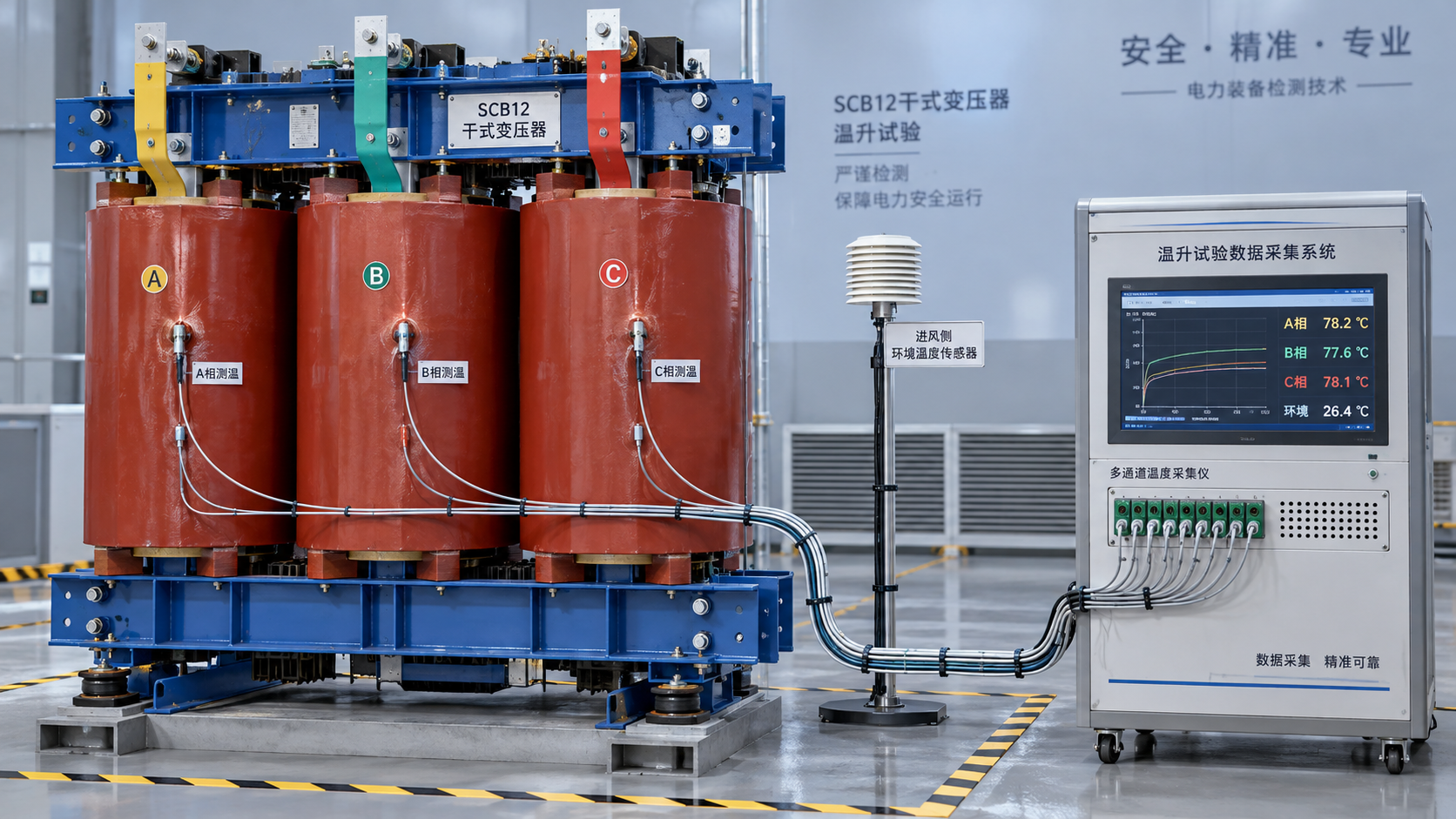
 How to verify the temperature-rise test of an SCB12 dry-type transformer
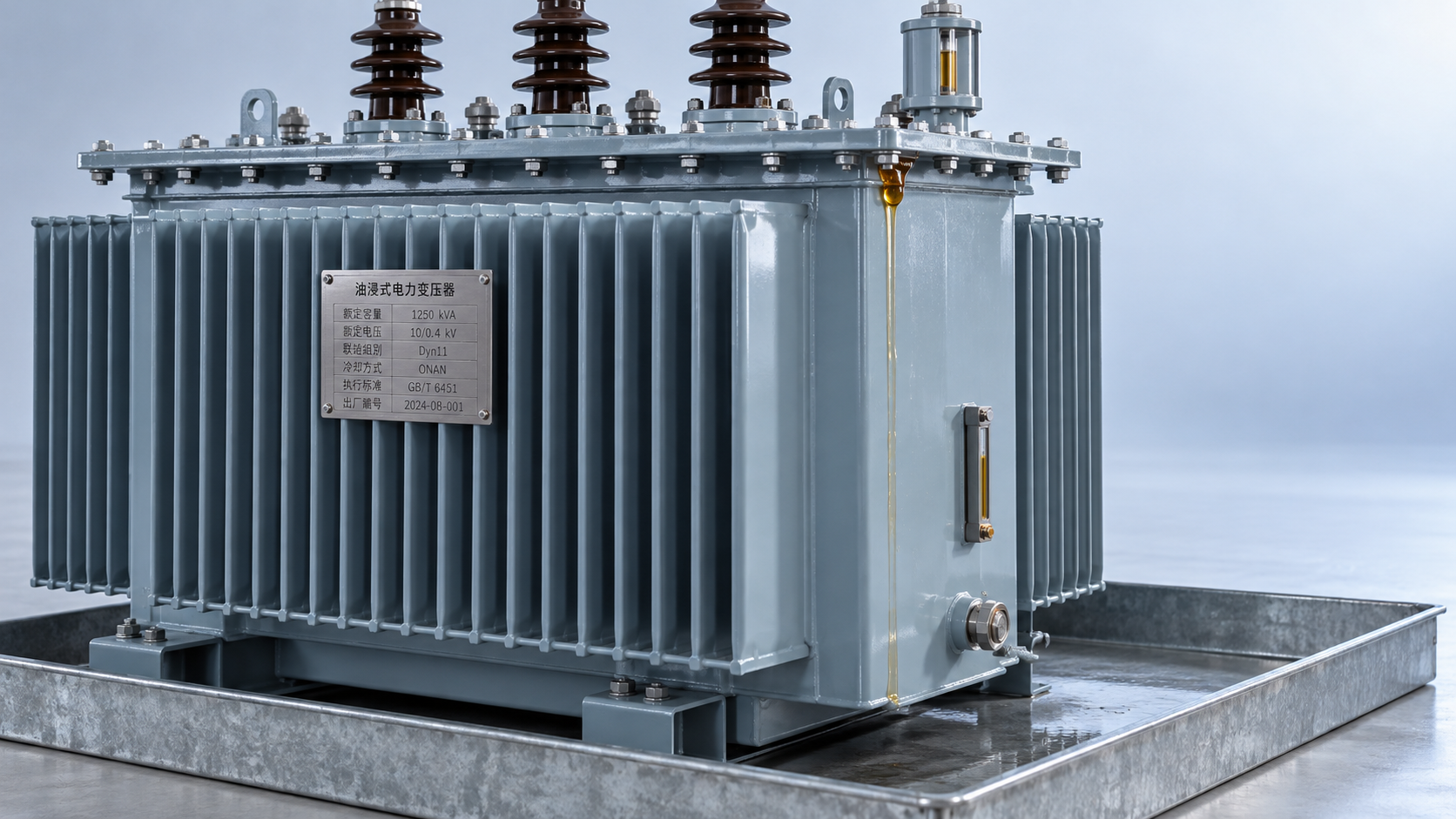
 Distribution transformer maintenance tips for spotting oil leaks
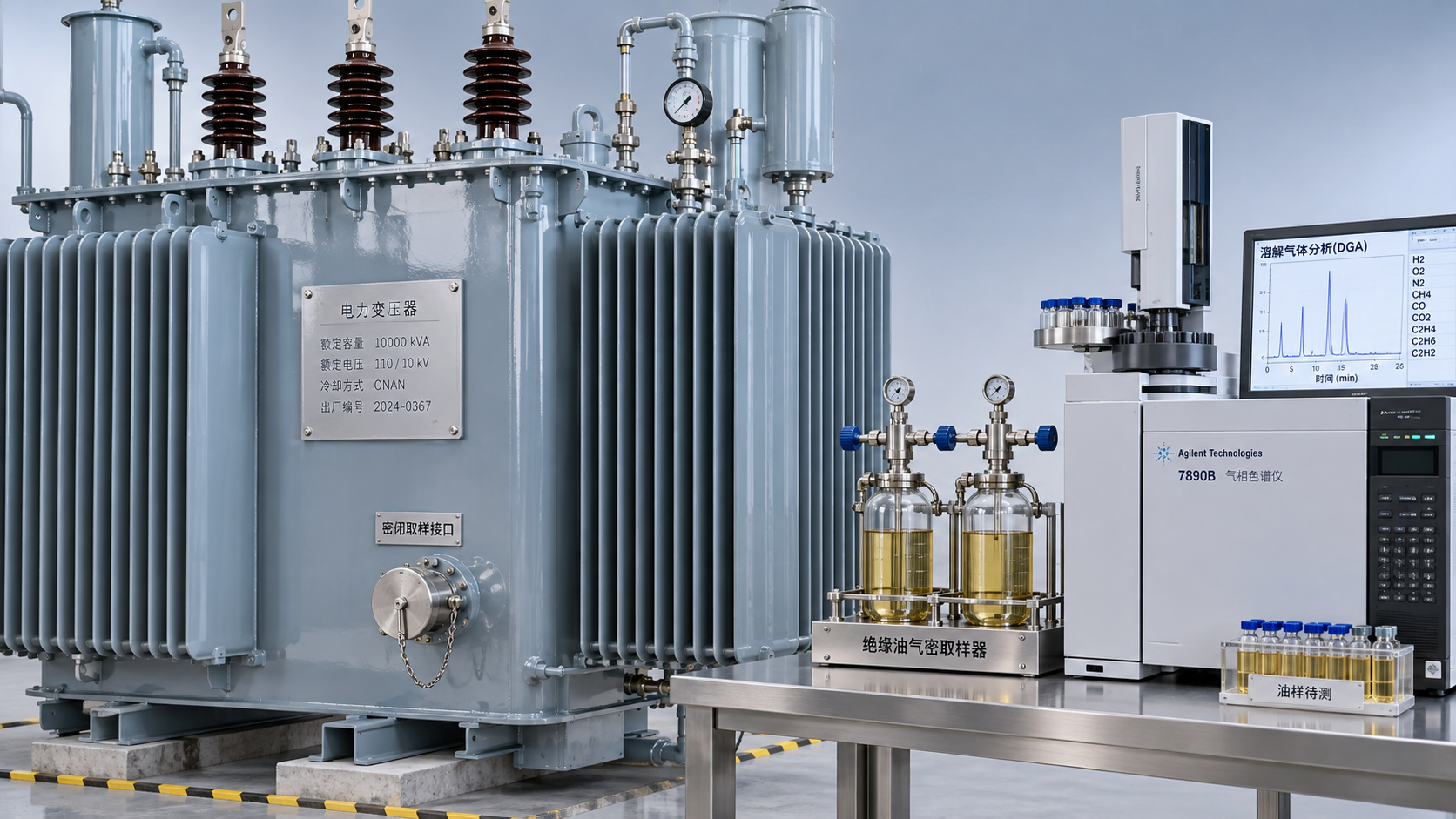
 What dissolved gas analysis reveals about an oil-immersed transformer
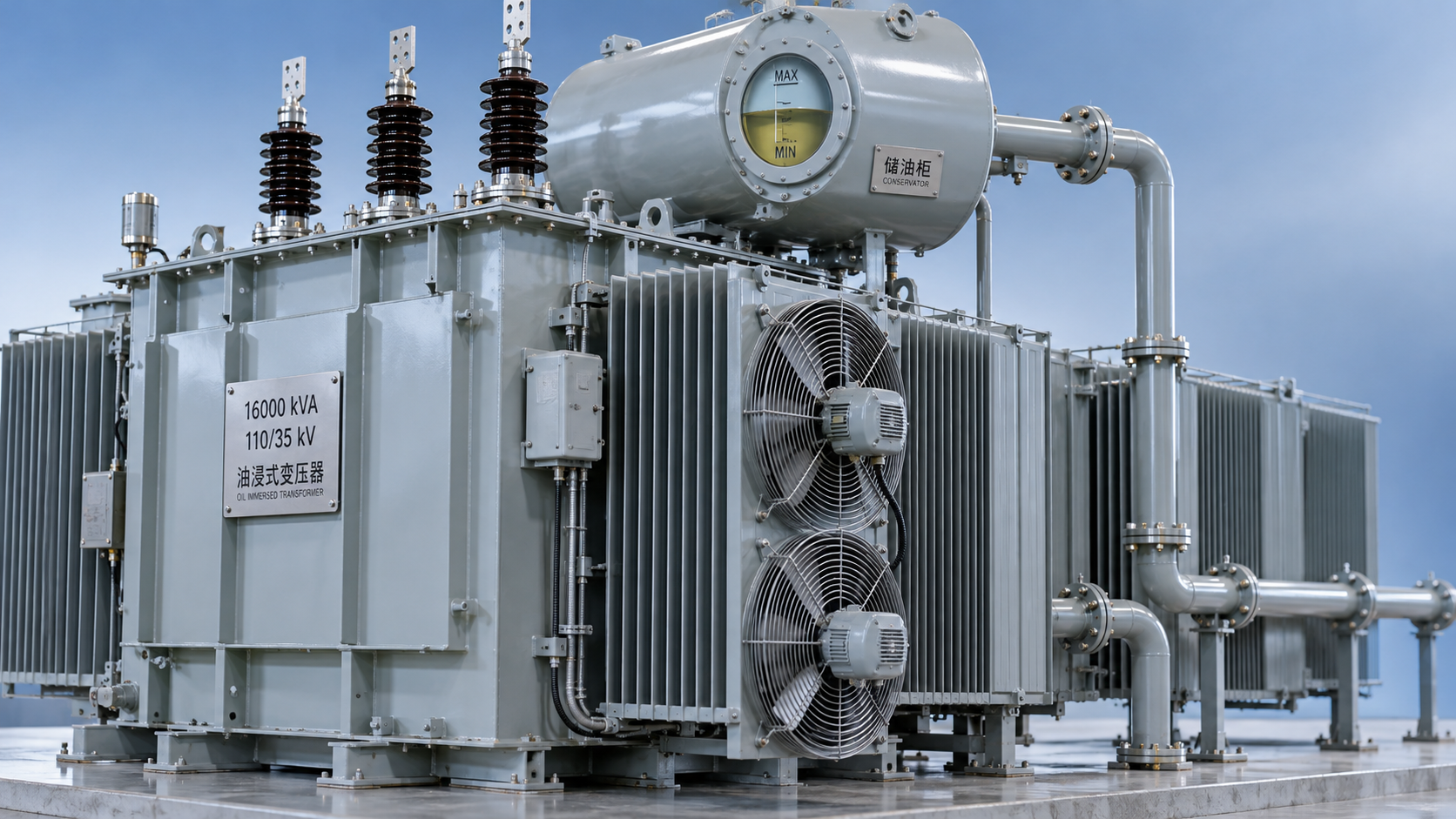
 Why an oil-cooled transformer overheats despite a normal oil level
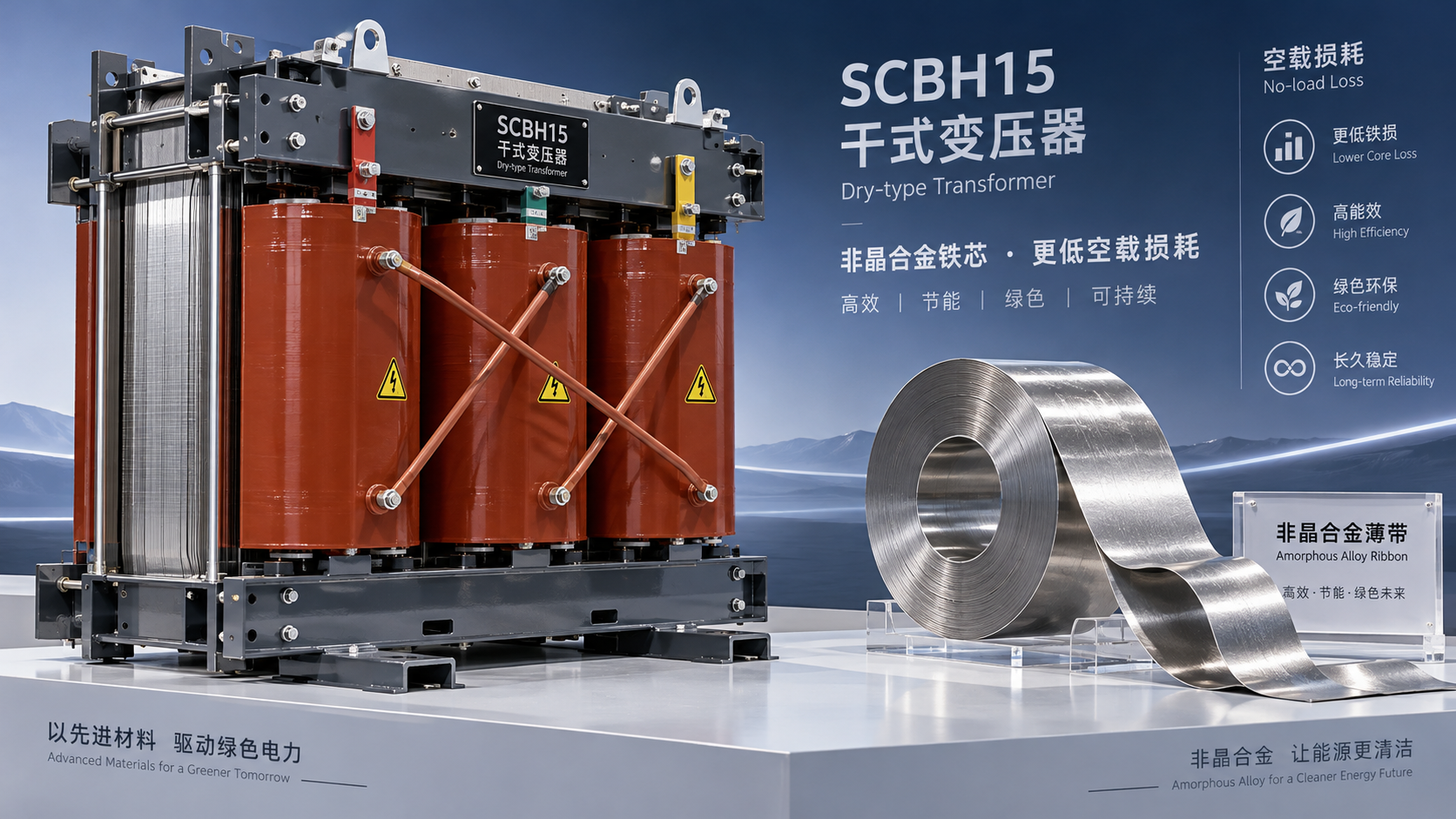
 How the amorphous core affects SCBH15 dry-type transformer losses
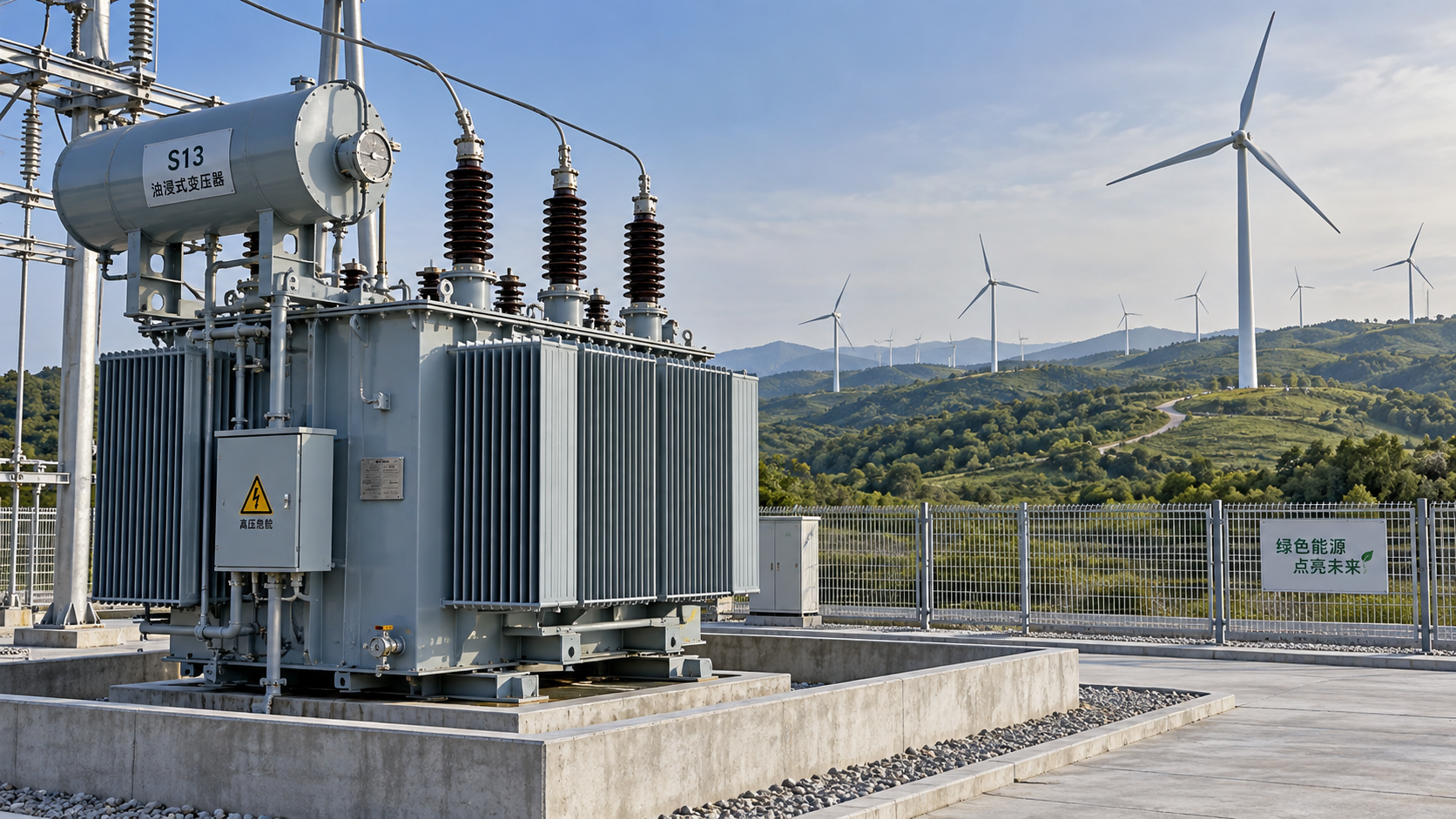
 Sizing S13 oil-immersed transformers for variable wind farm output
GET A FREE QUOTE
We offer reliable products, competitive prices, and nationwide professional support, committed to providing customers with efficient and energy-saving power equipment solutions.