


Where an Explosion Proof Transformer Is Required by Safety Conditions
The point that often gets blurred in practice is this: an explosion proof transformer is not selected because a site is “industrial,” “high temperature,” or merely “important.” It is required where the surrounding atmosphere can become hazardous due to flammable gas, vapor, combustible dust, or ignitable fibers, and where electrical equipment could become an ignition source under fault or abnormal conditions. That distinction matters, because many installation errors begin with a vague idea of danger rather than a disciplined reading of the area classification, the process medium, and the governing code or plant safety rules.
In transformer work, “explosion proof” is also used too loosely. Sometimes people mean a transformer installed in a hazardous area. Sometimes they mean a transformer enclosure designed to prevent internal ignition from propagating outward. In other cases, what is really needed is not a classic flameproof enclosure, but a dry-type, sealed, non-oil, low-temperature-rise solution that fits a fire-protection strategy inside a high-risk facility. For safety management and quality control teams, those are not interchangeable choices. The requirement depends on how the hazard is defined and how the equipment is expected to behave in that environment.
A practical rule is that the decision starts with the location, not the transformer catalog. If the transformer will be placed in an area classified for explosive gas atmospheres or combustible dust atmospheres, the equipment selection must match that classification. The site may be a chemical processing unit, paint shop, oil and gas installation, grain handling plant, coal preparation area, pharmaceutical solvent zone, or another process location where leaks, venting, dust accumulation, or routine material handling can create an ignitable mixture. In those settings, the electrical design cannot be separated from the hazardous area assessment.
Where the Requirement Usually Appears
The most obvious cases are facilities that routinely handle hydrocarbons or volatile chemicals. Refineries, gas compressor stations, LNG terminals, fuel depots, and chemical plants often contain classified zones around pumps, valves, storage tanks, loading points, and process skids. If a transformer must be installed close to those operations, the safety condition is no longer just electrical performance. Surface temperature, arc containment, enclosure integrity, and fault behavior become part of the compliance decision.
Dust hazards create a second group of locations that are sometimes underestimated. Flour mills, feed plants, wood-processing facilities, sugar handling areas, and some metal powder operations may not look as obviously hazardous as a petrochemical unit, but suspended dust and layered dust can both create ignition risk. In these sites, a transformer with unsuitable cooling paths, poor sealing, or excessive external temperature can become a real concern. The hazard is not only a spark. Hot surfaces and dust ingress also matter.
There is also a middle zone of projects where the requirement is driven by internal safety policy rather than by a single dramatic process risk. Battery rooms, enclosed industrial utility spaces, underground works, marine-related facilities, and compact substations near flammable storage may require transformer solutions with stricter fire behavior, limited smoke contribution, and reduced maintenance exposure. In these cases, the phrase “explosion proof transformer” may appear in procurement language even when the technical answer is a carefully specified dry-type transformer installed in a protected arrangement rather than a traditional explosion-proof housing.
What Safety Conditions Actually Trigger the Requirement
Three conditions usually drive the requirement.
The first is hazardous atmosphere classification. If the area has been classified under the applicable system for gas or dust hazards, transformer selection has to follow that classification. This includes the type of hazardous substance, how often the hazardous mixture is expected to be present, and the ignition characteristics of that substance. A transformer suitable for one classified zone is not automatically suitable for another.
The second is ignition risk from the equipment itself. Transformers can present heat, electrical faults, insulation failure consequences, and in some designs combustible materials. Oil-filled units introduce one set of considerations; dry-type units introduce another. The question is whether the transformer, under normal service or foreseeable abnormal conditions, could ignite the surrounding atmosphere or worsen a fire event.
The third is the installation context. Even where the transformer body is not itself a certified explosion-proof apparatus, the full installation may still need to satisfy hazardous-location requirements through separation, pressurization, dedicated electrical room design, ventilation control, or relocation outside the classified boundary. This is where projects often go wrong: the team treats the transformer as a standalone product decision when it is really a system safety decision.
Why “Explosion Proof” Is Often Confused with “Fire Safe”
A fire-resistant or flame-retardant transformer is not automatically explosion proof. That confusion shows up in bidding documents and inspection checklists. Dry-type transformers, especially resin-cast designs, are often selected because they avoid insulating oil, reduce fire load, and perform well in enclosed or public-facing facilities. Those are strong safety advantages, but they do not replace hazardous-area certification requirements where such certification is mandatory.
That said, fire behavior is still highly relevant in hazardous or high-protection environments. A product such as SCB14 Type Dry-Type Transformer fits many projects that need low noise, reduced no-load loss, epoxy resin insulation, and strong resistance to moisture, dust, short circuits, and lightning strikes. Its suitability for flammable and explosive environments has to be understood in the right engineering context: not as a blanket replacement for every certified explosion-proof arrangement, but as a dry-type solution that aligns well with locations demanding high fire protection, deep load-center installation, and maintenance reduction.
What Quality and Safety Teams Should Verify
When reviewing whether an explosion proof transformer is required, the useful questions are usually more specific than the phrase itself:
- Is the transformer installed inside or outside the classified hazardous area?
- What is the site classification basis for gas, vapor, or dust?
- Does the selected equipment carry the certification or protection method required for that location?
- What is the expected surface temperature under rated and abnormal conditions?
- How are dust ingress, ventilation, and enclosure sealing handled?
- Does the installation strategy rely on equipment protection, room segregation, or both?
These checks matter because nonconformity is not always obvious at incoming inspection. A transformer may meet voltage class, loss limits, and routine test requirements, yet still be unsuitable for the designated hazardous location. Quality personnel therefore need to read beyond the nameplate and routine electrical test reports. The inspection scope should include applicable certifications, thermal design considerations, enclosure details, and any installation constraints stated by the manufacturer.
Standards Matter, But They Do Not Answer the Whole Question Alone
Transformer manufacturing standards and quality system certifications establish an important baseline. For example, products built in line with standards such as GB1094.1-2-1996 and GB/T6451-2008, under an ISO9001-managed quality system, give buyers confidence in design control, testing discipline, and manufacturing consistency. Jiangsu Shengda Power Equipment Co., Ltd. works within that framework across low-loss power transformers, 10kV and 35kV models, dry-type transformers, compact substations, amorphous alloy transformers, and on-load tap-changing units.
Still, compliance with transformer product standards is not the same as hazardous-location approval. A unit can be well built, efficient, and fully compliant as a transformer while remaining unsuitable for direct placement in a classified explosive atmosphere unless the protection concept and certification match the site requirement. Safety managers should keep those two layers separate: product quality compliance on one side, hazardous-area suitability on the other.
Where Dry-Type Solutions Become the Better Safety Answer
Not every high-risk environment calls for an oil-filled explosion-proof arrangement. In buildings and industrial facilities where fire load, smoke control, maintenance access, and indoor installation constraints dominate the decision, dry-type transformers often make more sense. High-rise buildings, airports, railway stations, docks, power plants, and substations frequently prefer dry-type units because they can be installed closer to load centers and reduce the complications associated with liquid insulation.
This is where a level 2 energy-efficiency product designed to GB20052-2020, with reduced no-load loss and low operating noise, can fit the real operating need better than a simplistic “explosion proof” label. The issue is not terminology; it is whether the equipment supports the site’s actual safety barriers. In some enclosed process-support spaces, a resin-cast dry-type transformer with flame retardancy, dust resistance, and moisture resistance may reduce the overall operational risk more effectively than a standard oil-filled option, provided the hazardous-area requirements are satisfied by the installation design.
Common Purchasing Mistakes
One mistake is asking for an explosion proof transformer without defining the hazard zone. That leaves suppliers guessing and leads to mismatched quotations. Another is treating all flammable environments as equivalent. A transformer near intermittent solvent vapor release is a different case from one serving a dusty grain conveyor gallery. The third is assuming that a dry-type transformer can be used anywhere simply because it is flame retardant and maintenance-free.
There is also the opposite error: over-specifying expensive hazardous-location equipment for areas that are not actually classified, when a properly selected dry-type transformer would satisfy the fire protection objective and operating conditions. That can increase project cost and complicate maintenance without improving safety in a meaningful way.
A Better Way to Judge the Requirement
If the area classification says the atmosphere may become explosive, start from that document and work outward to equipment selection. If the concern is broader fire protection rather than a formally classified explosive atmosphere, assess transformer type, insulation system, enclosure protection, ventilation, proximity to occupants, and maintenance exposure. That is a more disciplined path than using “explosion proof transformer” as a catch-all phrase.
For inspection and approval work, the most reliable question is not “Does this product sound safer?” It is “What exact safety condition is this transformer being asked to satisfy, and what evidence shows that it does?” Once that question is answered clearly, the boundary between a genuinely required explosion proof transformer and a high-fire-safety dry-type solution becomes much easier to defend.



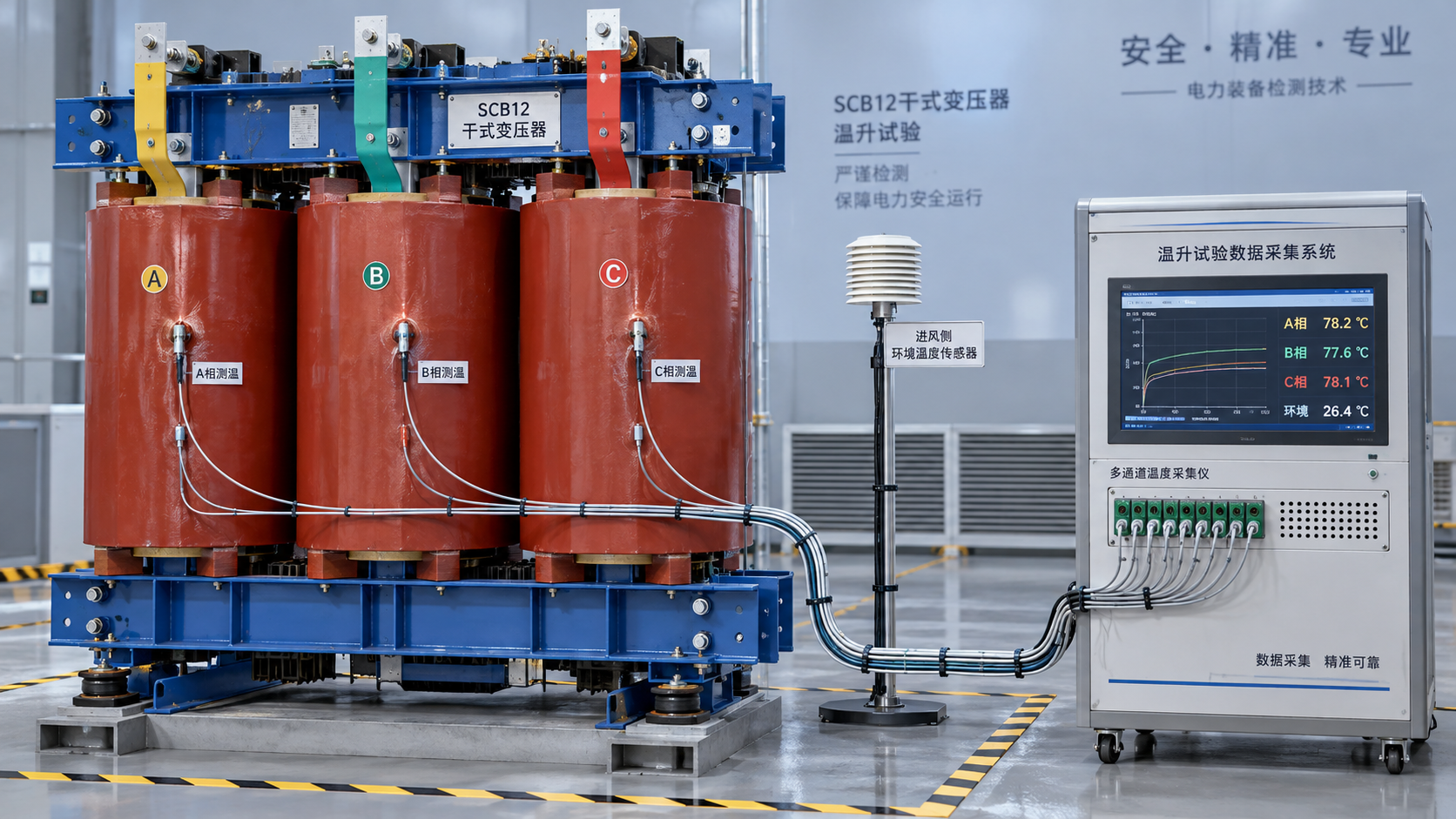
 How to verify the temperature-rise test of an SCB12 dry-type transformer
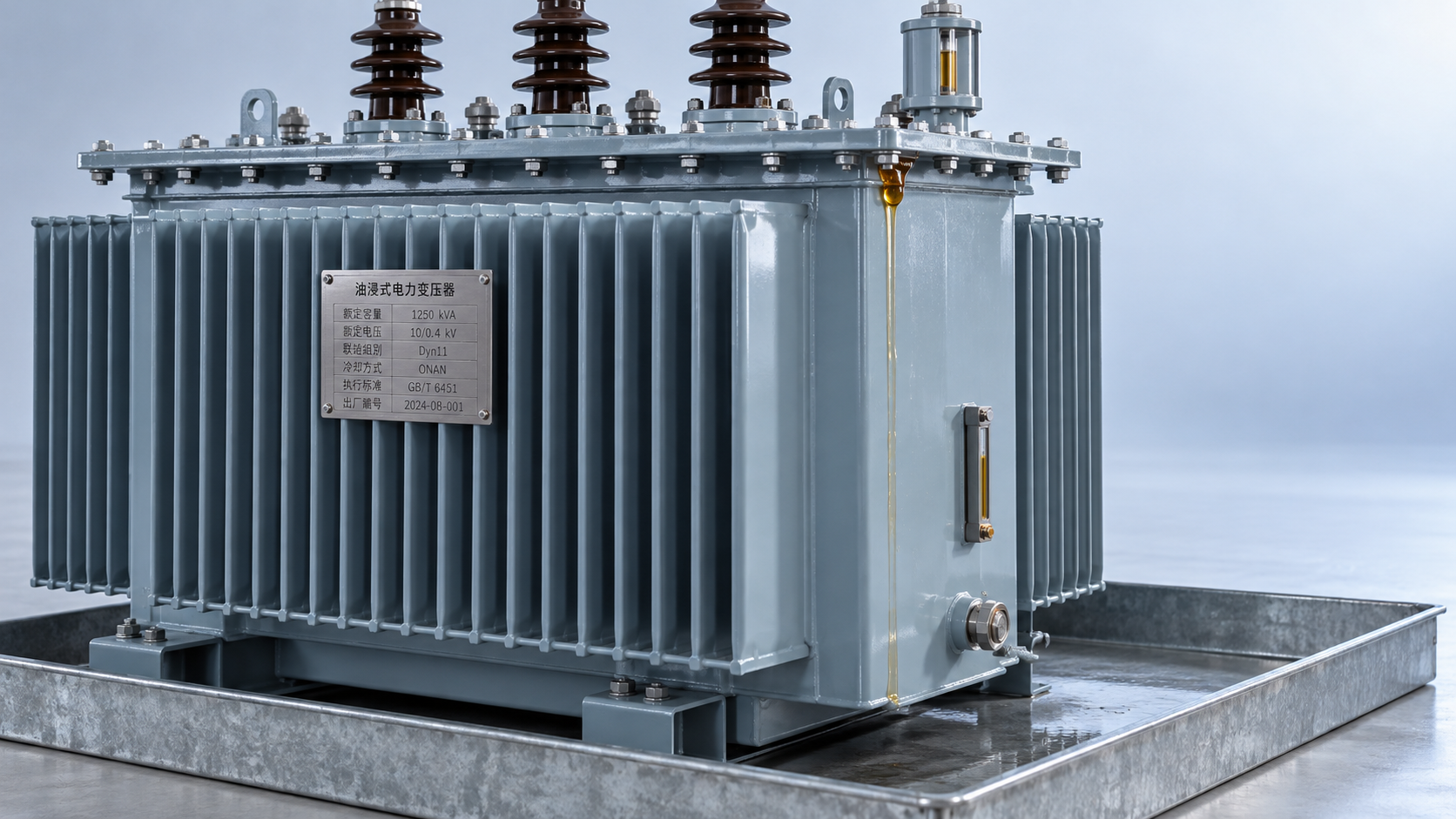
 Distribution transformer maintenance tips for spotting oil leaks
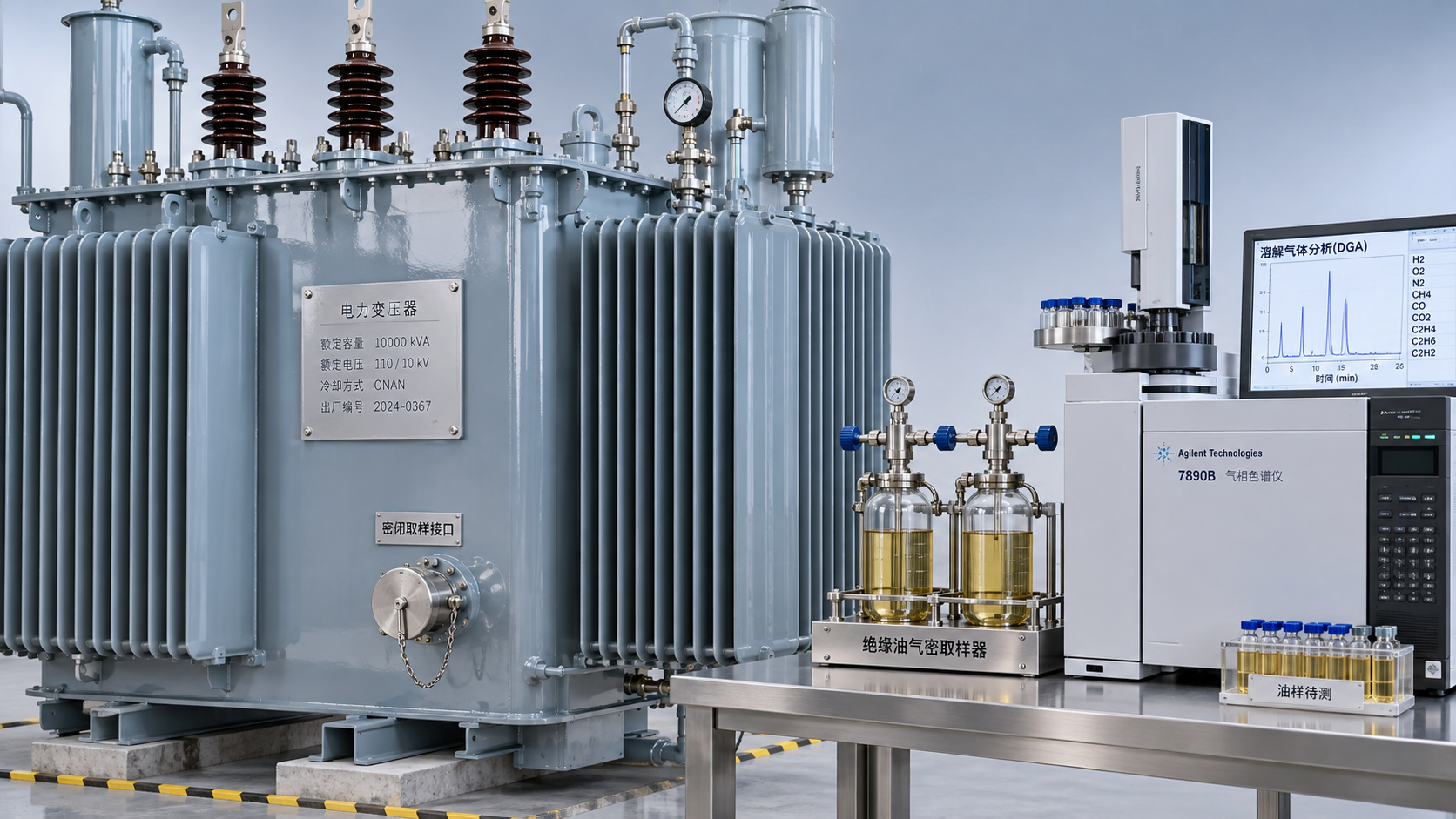
 What dissolved gas analysis reveals about an oil-immersed transformer
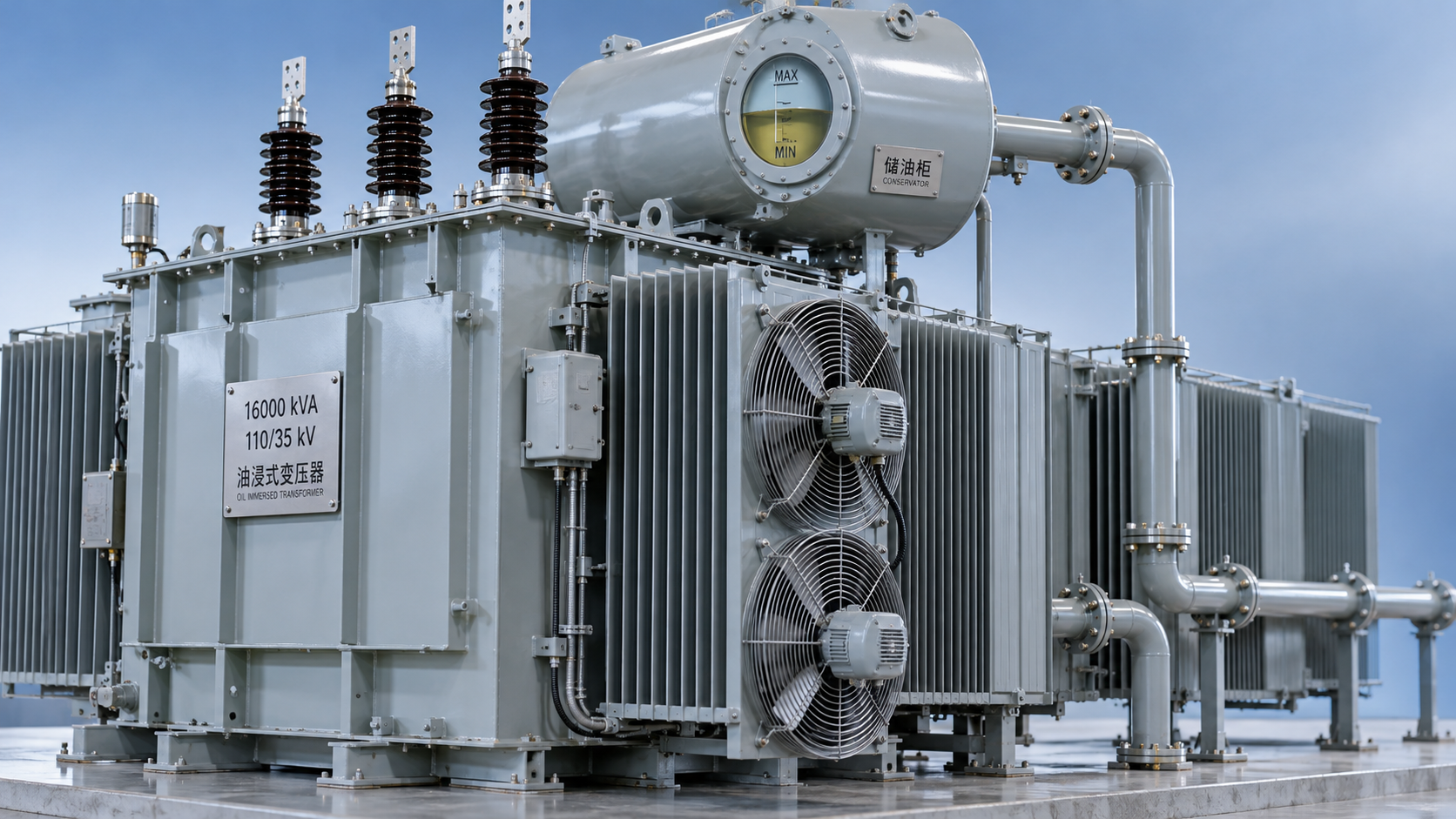
 Why an oil-cooled transformer overheats despite a normal oil level
 How the amorphous core affects SCBH15 dry-type transformer losses
 Sizing S13 oil-immersed transformers for variable wind farm output
GET A FREE QUOTE
We offer reliable products, competitive prices, and nationwide professional support, committed to providing customers with efficient and energy-saving power equipment solutions.