


Dry-Type Transformer Failures Are Becoming a Reliability Priority
Dry-type transformer failures can cause costly downtime, lower power reliability, and create safety risks when early signs are missed.
Modern facilities depend on stable power, tighter space use, and safer indoor electrical systems.
As dry-type transformers are used in data centers, commercial buildings, factories, and compact substations, failure prevention is now essential.
The most common dry-type transformer failures show clear warning signals before serious damage occurs.
Overheating, insulation aging, abnormal noise, dust, moisture, and overload are not isolated issues.
They usually reflect changing load patterns, environmental stress, and insufficient maintenance discipline.
Trend Signals Behind Rising Dry-Type Transformer Failures
Electrical systems are becoming denser, more automated, and more sensitive to voltage fluctuation.
This change increases the impact of small transformer defects.
A minor ventilation blockage may now affect production lines, elevators, HVAC systems, or IT infrastructure.
Dry-type transformer failures are also linked to higher harmonic loads from drives, chargers, and electronic equipment.
These loads increase winding temperature and accelerate insulation degradation.
Top 10 Dry-Type Transformer Failures and Practical Solutions
1. Overheating Under Normal Operation
Overheating is one of the most frequent dry-type transformer failures.
Common signs include hot enclosure surfaces, alarm trips, discoloration, and a burning smell near windings.
Check load current, ambient temperature, fan operation, and blocked air ducts.
Improve ventilation, clean cooling channels, and verify that the transformer is not continuously overloaded.
2. Insulation Breakdown
Insulation failure may cause partial discharge, short circuits, or complete transformer outage.
Aging, heat, moisture, dust, and overvoltage all weaken insulation performance.
Use insulation resistance testing, polarization index testing, and infrared inspection during scheduled maintenance.
Replace damaged insulation parts before the fault spreads to the winding structure.
3. Abnormal Noise and Vibration
A dry-type transformer normally produces steady magnetic hum.
Sudden buzzing, rattling, or irregular vibration requires immediate attention.
Possible causes include loose core clamps, resonance, harmonic distortion, or unstable input voltage.
Tighten mechanical components, check foundation stability, and measure harmonic content.
4. Moisture Intrusion
Moisture is especially harmful to resin insulation and winding surfaces.
It can lower insulation resistance and increase the risk of flashover.
Watch for condensation, water marks, corrosion, and low megohm readings.
Improve room sealing, add dehumidification, and dry the transformer before re-energizing.
5. Dust Accumulation and Surface Contamination
Dust reduces heat dissipation and creates leakage paths on insulation surfaces.
Industrial dust, cement powder, metal particles, and chemical deposits are more dangerous.
Clean with dry compressed air, vacuum equipment, or approved non-conductive methods.
Do not use water or aggressive solvents on energized or sensitive insulation areas.
6. Overload and Uneven Load Distribution
Long-term overload is a major cause of dry-type transformer failures.
Uneven phase loading can also raise local temperature and reduce efficiency.
Measure phase currents during peak demand periods, not only during light operation.
Redistribute loads, upgrade capacity, or use parallel equipment when demand increases permanently.
7. Loose Electrical Connections
Loose terminals cause overheating, arcing, voltage drop, and intermittent faults.
Thermal imaging often reveals connection problems before visible damage appears.
Inspect cable lugs, busbar joints, grounding points, and tap connections.
Apply correct torque values and retest after load cycling.
8. Partial Discharge
Partial discharge indicates localized insulation stress inside or around the winding.
It may sound like faint crackling or appear in specialized diagnostic testing.
Causes include voids, contamination, sharp edges, moisture, or overvoltage.
Investigate early because partial discharge often develops into insulation breakdown.
9. Tap Changer or Tap Link Problems
Incorrect tap settings can create voltage imbalance and excessive operating stress.
Loose tap links may also overheat under load.
Always confirm that tap positions match site voltage requirements.
De-energize equipment before adjusting off-circuit taps and verify tightness after adjustment.
10. Protection Device Malfunction
Temperature controllers, fans, alarms, and trip circuits must operate correctly.
A failed sensor may allow overheating without warning.
Test protection logic, fan start points, alarm contacts, and trip outputs regularly.
Record each test result to support trend-based maintenance decisions.
Why These Failures Are Increasing in Real Applications
Dry-type transformer failures are not only technical events.
They reflect changes in building design, industrial automation, and power distribution strategy.
- Higher equipment density leaves less space for ventilation.
- Variable frequency drives increase harmonic stress.
- Renewable integration changes voltage and load behavior.
- Indoor substations require quieter and safer operation.
- Maintenance teams rely more on predictive data.
These drivers make preventive inspection more valuable than emergency repair.
They also increase demand for compact, insulated, and reliable power distribution equipment.
Impact on Power Rooms, Buildings, and Industrial Sites
For power rooms, transformer failure may interrupt downstream switchgear and critical loads.
For commercial buildings, abnormal noise and heat may affect comfort and safety compliance.
For industrial sites, voltage instability can damage motors, drives, and process equipment.
In compact distribution projects, equipment layout strongly affects transformer reliability.
Solutions such as the ZGS Combined Substation support integrated power distribution in space-limited environments.
It combines transformer, switchgear, fuses, tap changers, and low-voltage distribution equipment in one compact system.
Its fully enclosed and insulated structure supports safer operation in indoor and outdoor applications.
Key Maintenance Priorities for Reducing Failure Risk
A strong maintenance plan should focus on trend data, not only single inspection results.
Temperature, load, insulation resistance, and noise changes should be compared over time.
- Inspect ventilation paths and remove dust regularly.
- Check winding temperature during peak load periods.
- Measure insulation resistance after humid weather.
- Use infrared imaging on terminals and busbars.
- Verify grounding, tap settings, and protection devices.
- Analyze harmonics when overheating has no clear cause.
High-quality manufacturing also matters.
Jiangsu Shengda Power Equipment Co., Ltd. focuses on R&D, production, and sales of transformers and related products.
Its products follow international standards, including GB1094.1-2-1996 and GB/T6451-2008.
ISO9001 certification also supports consistent quality control and reliable transformer performance.
A Practical Troubleshooting Matrix for Fast Decisions
Next-Step Strategy for Reliable Transformer Operation
The best response to dry-type transformer failures is structured prevention.
Start with a baseline inspection, then build maintenance intervals around actual site conditions.
Facilities with dust, humidity, overload, or harmonics need shorter inspection cycles.
When upgrading distribution systems, consider transformer capacity, enclosure design, ventilation, and protection coordination together.
For compact substations, industrial parks, residential areas, and commercial centers, integrated solutions can simplify installation and maintenance.
The ZGS Combined Substation offers 63~1600kVA capacity, 50Hz frequency, and 6~10kV voltage options.
Its compact structure, low noise, low loss, and flexible wiring help improve power supply reliability.
A disciplined inspection plan, reliable equipment selection, and timely troubleshooting can greatly reduce transformer downtime.
Use these ten failure patterns as a practical checklist for safer and more stable power distribution.



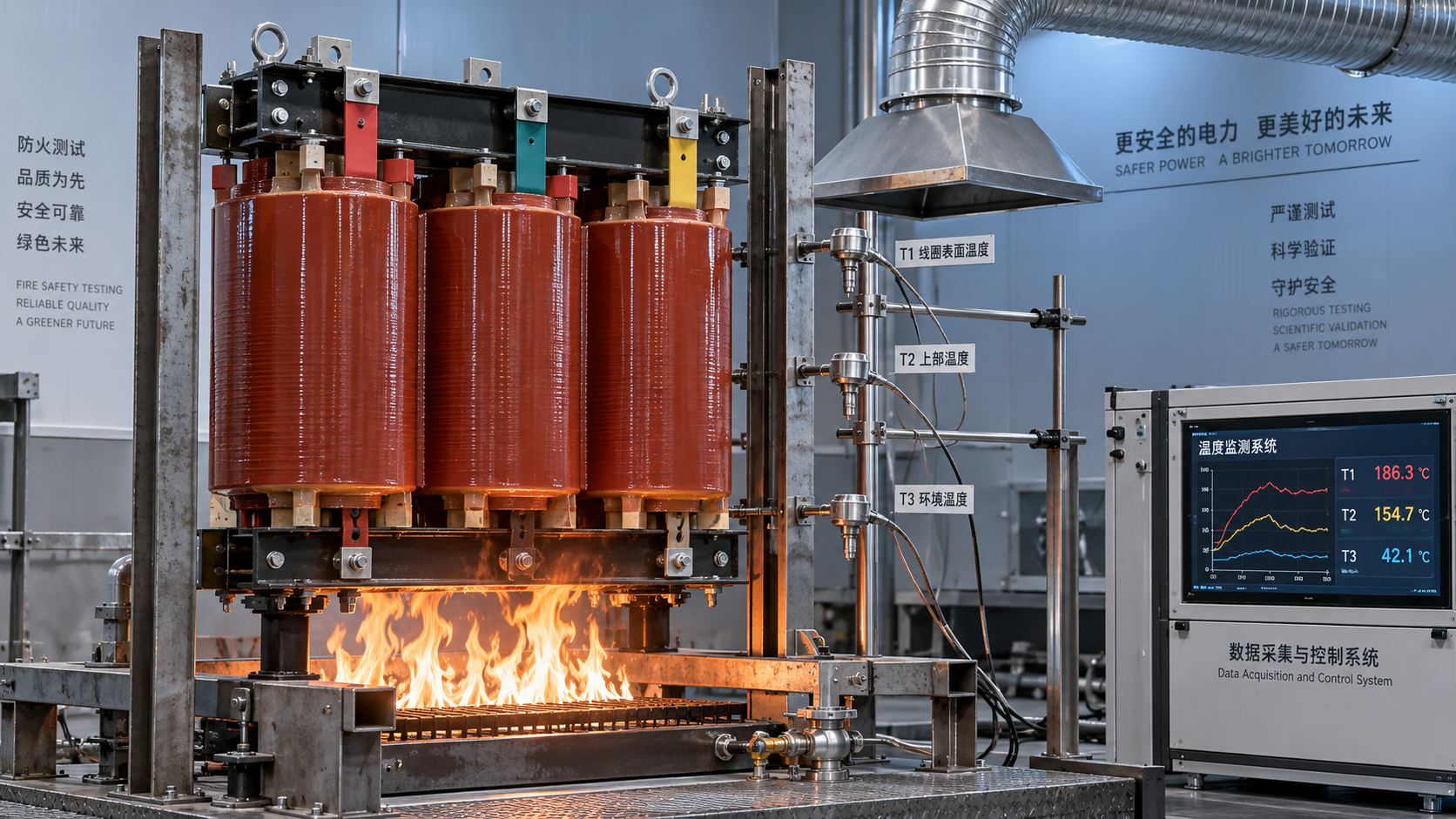
 What an F1 fire behaviour rating means for a flame-retardant transformer
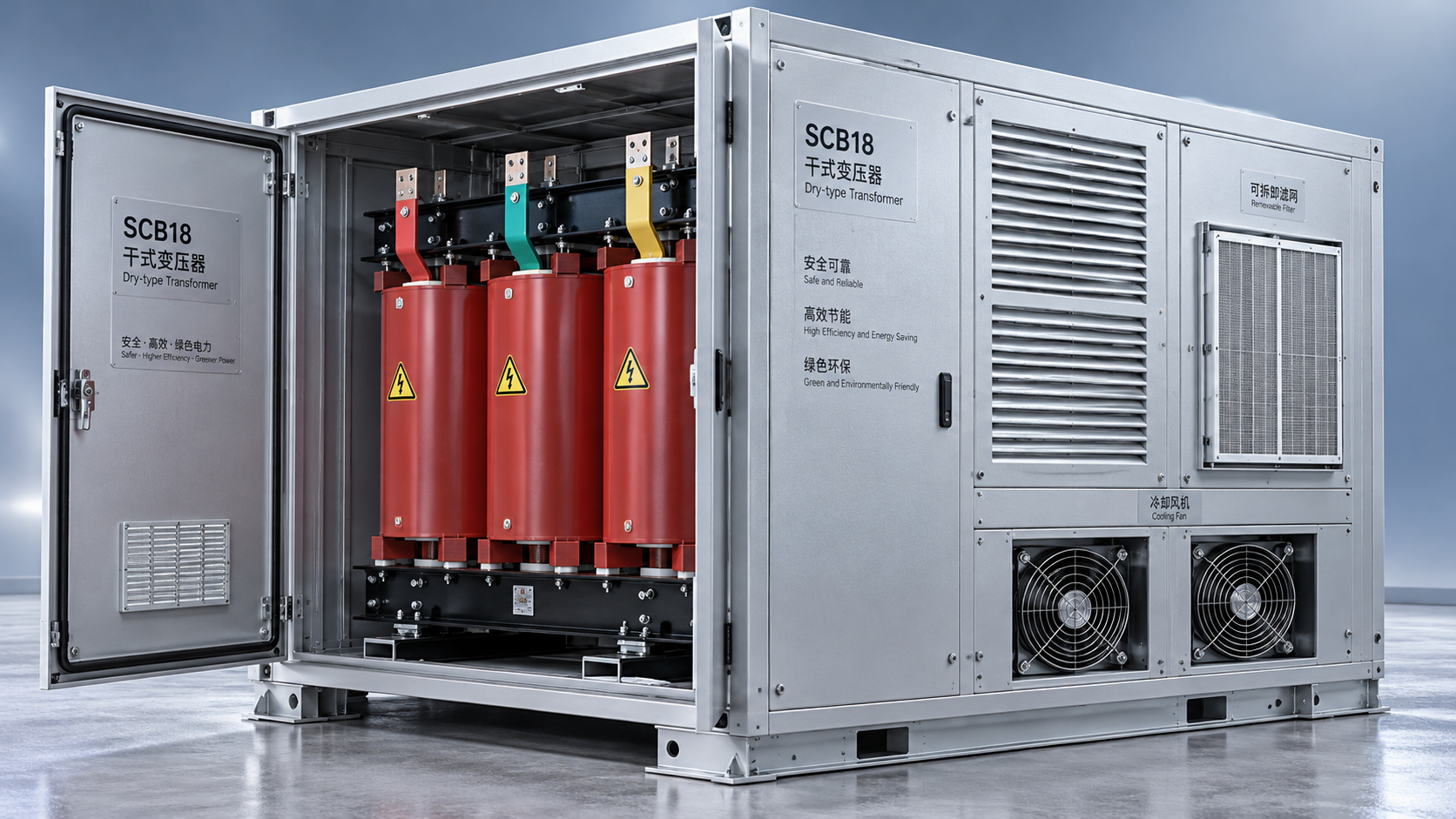
 How enclosure specifications affect SCB18 dry-type transformer cost
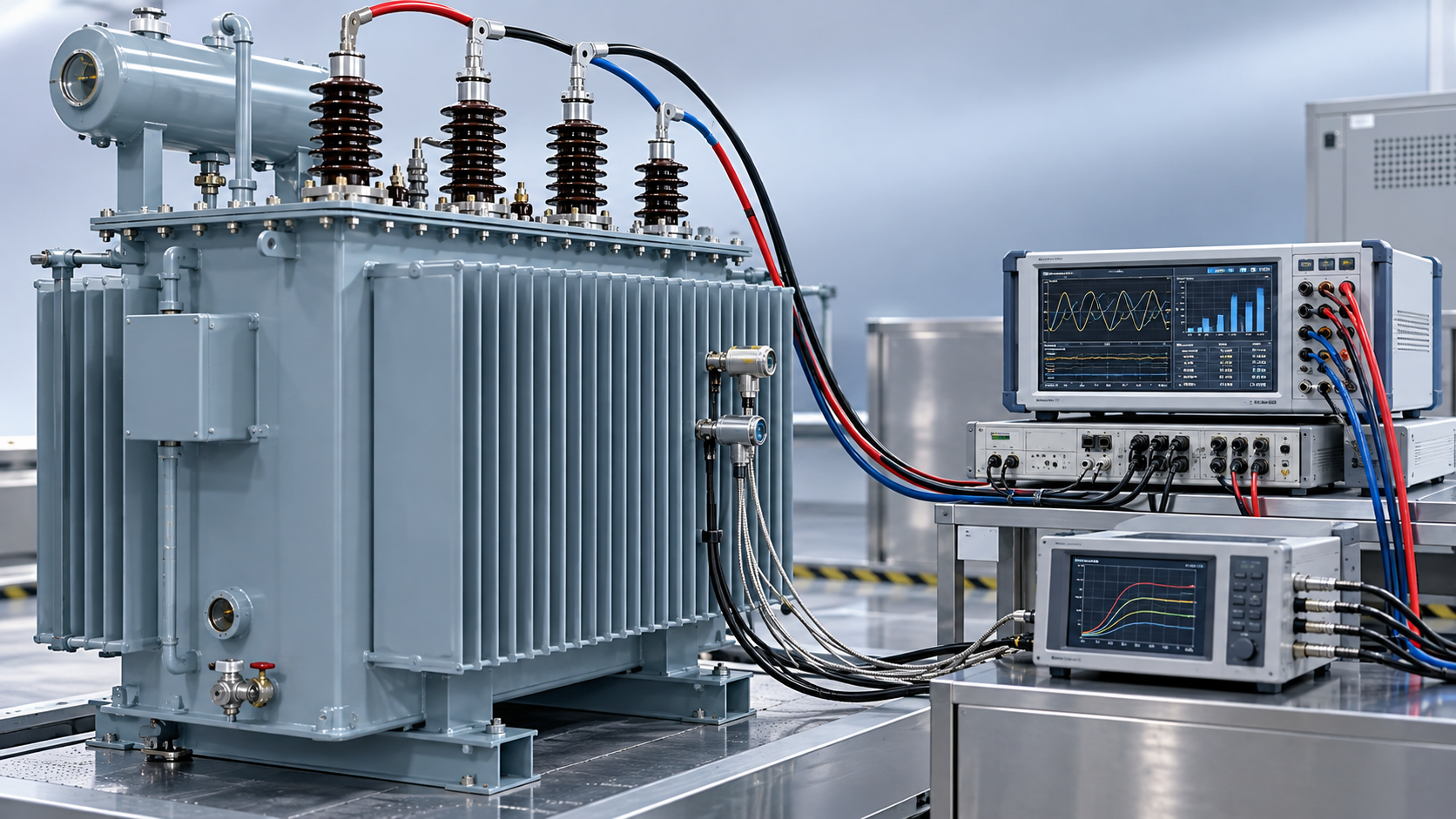
 How to compare loss guarantees for S22 oil-immersed transformers
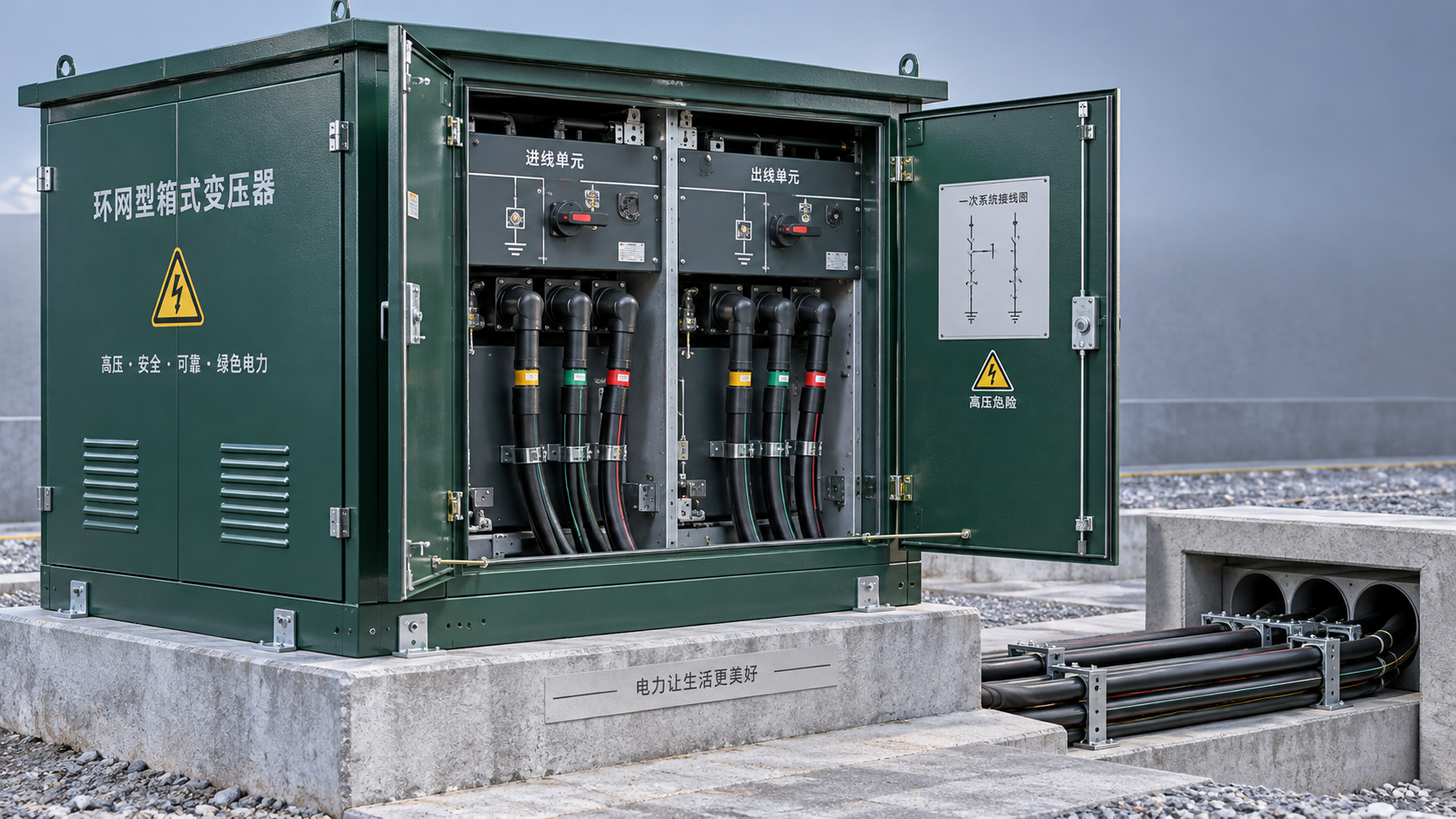
 When to choose a loop-feed pad-mounted transformer over radial feed
 How much spare capacity should a distribution transformer have?
 Checking S13 oil-immersed transformers for renewable inverter loads
GET A FREE QUOTE
We offer reliable products, competitive prices, and nationwide professional support, committed to providing customers with efficient and energy-saving power equipment solutions.