


Troubleshooting common faults in oil-immersed transformers is essential for maintaining power system safety, efficiency, and service life. From overheating and oil leakage to insulation failure and abnormal noise, understanding these issues helps operators reduce downtime and prevent costly damage. This article explores key fault symptoms, likely causes, and practical solutions to support reliable transformer performance.
For utilities, industrial plants, EPC contractors, and maintenance teams, fault diagnosis is not only a technical task but also a cost-control priority. A transformer outage can interrupt 10kV or 35kV distribution systems, affect production continuity, and increase repair expense if the root cause is missed during the first inspection.
Jiangsu Shengda Power Equipment Co., Ltd. focuses on transformer R&D, production, and sales, with products manufactured under strict quality management and in compliance with GB1094.1-2-1996, GB/T6451-2008, and ISO9001 requirements. This practical guide is designed to help buyers and operators identify the most common failure patterns in oil-immersed transformers and make better maintenance or replacement decisions.
Key Fault Symptoms and What They Usually Mean
Most oil-immersed transformer faults begin with small warning signs. If these signs are checked within 24 to 72 hours, many issues can be corrected before they develop into winding damage, insulation breakdown, or long-term thermal aging.
1. Overheating and high operating temperature
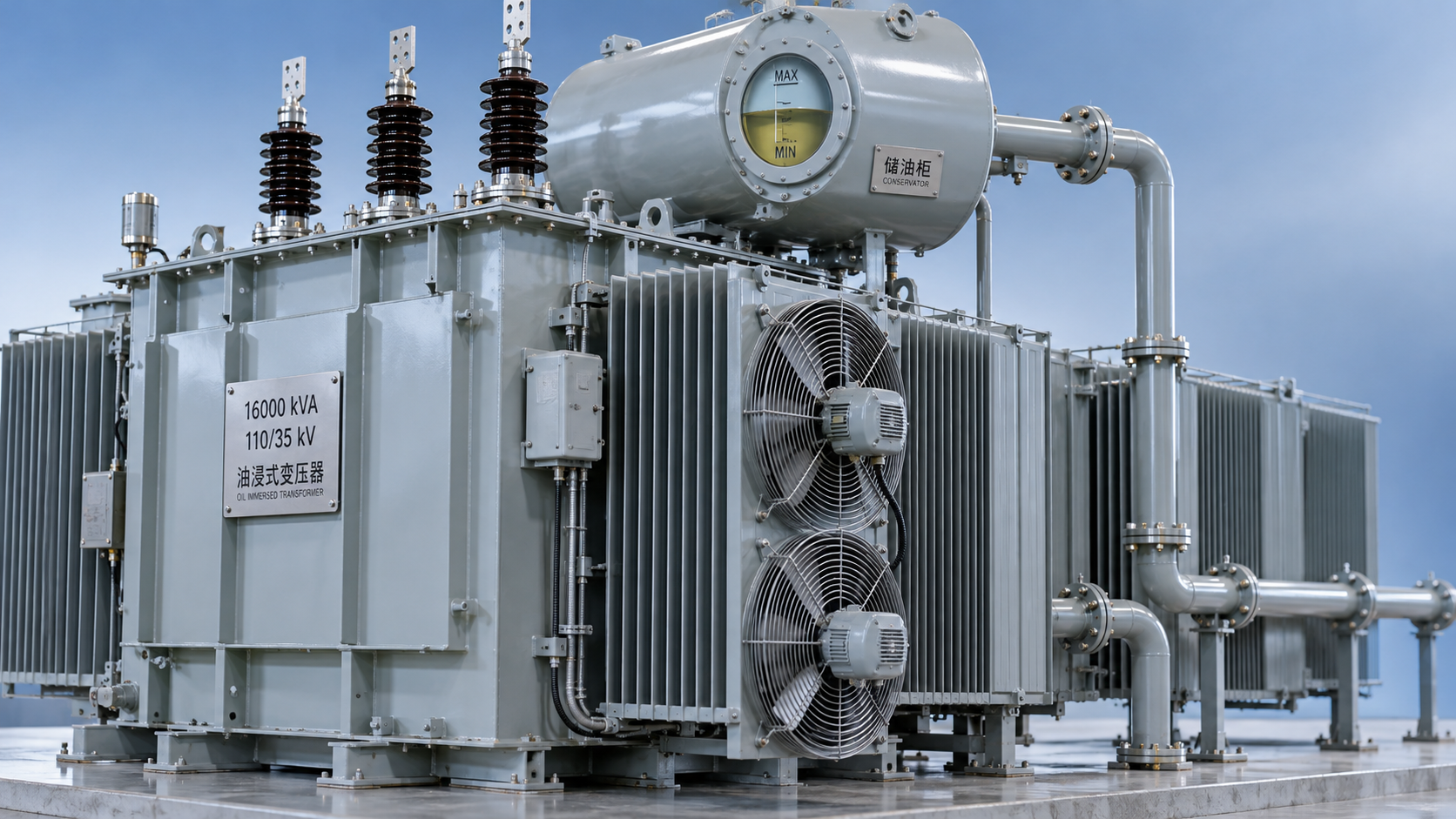
Overheating is one of the most common transformer faults. Typical causes include overload, poor cooling, blocked radiators, low oil level, or high contact resistance at terminals. In routine operation, a sudden temperature rise of 10°C to 15°C above the normal load trend should be investigated immediately.
Common checks
- Verify load percentage against rated capacity.
- Inspect radiator fins, fans, and oil circulation condition.
- Measure terminal tightening and contact heating points.
- Check ambient temperature and ventilation around the installation area.
2. Oil leakage and falling oil level
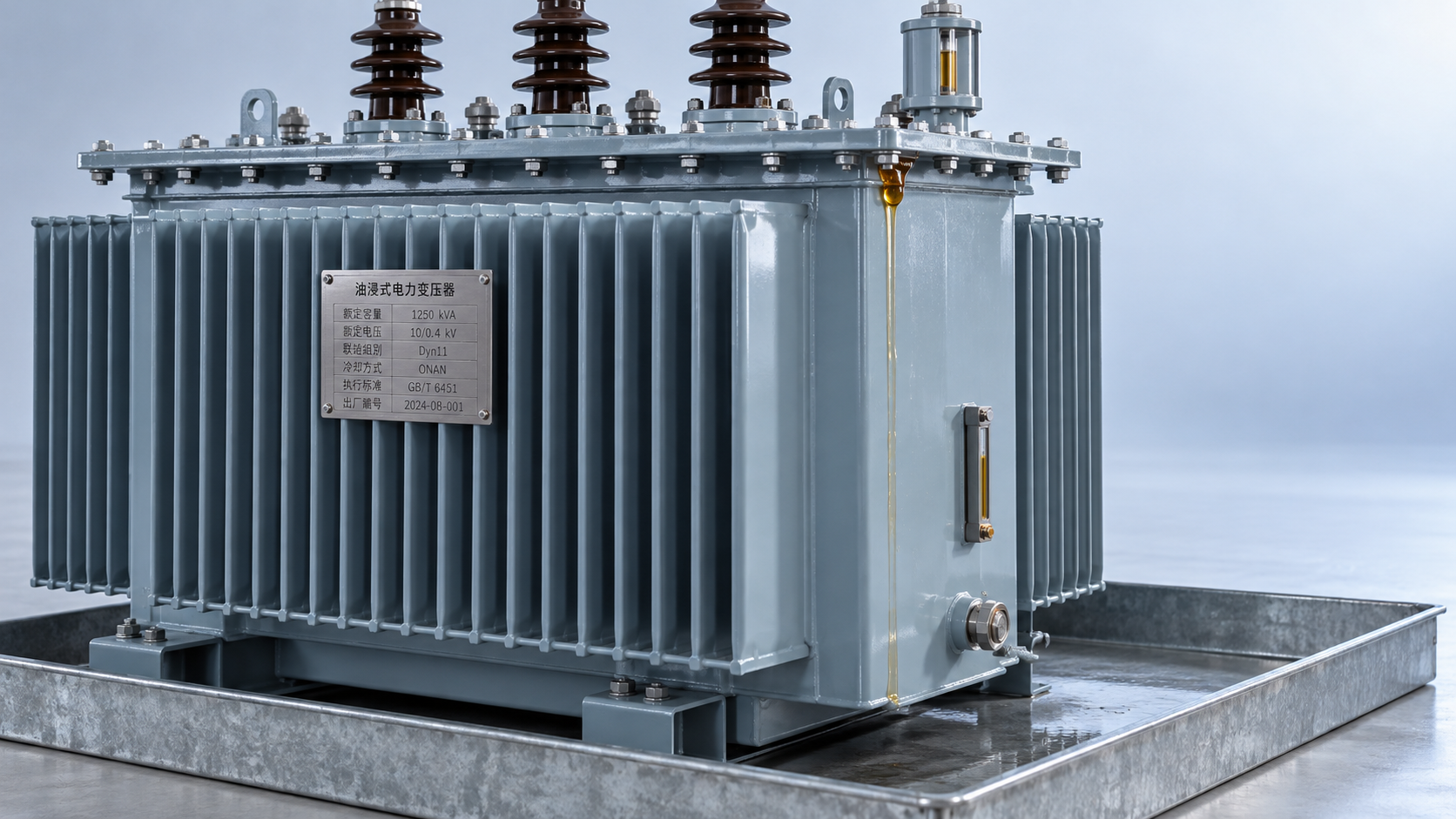
Oil leakage often appears around welded seams, valve joints, gaskets, bushings, and conservator connections. Even a slow leak can reduce insulation performance over a 3 to 6 month period, especially in outdoor substations exposed to UV, rain, and large temperature fluctuations.
3. Abnormal noise or vibration
A stable transformer usually has uniform electromagnetic hum. If the sound becomes sharp, irregular, or noticeably louder, the cause may be loose core clamping parts, overvoltage, harmonic distortion, or mechanical displacement after a short-circuit event. Noise changes that appear suddenly after energization should never be ignored.
The table below links visible symptoms with likely causes and first-response actions. It is useful for site teams that need a quick screening method before deeper testing such as insulation resistance, turns ratio, or dissolved gas analysis.
In practice, overheating, leakage, and noise often appear together rather than separately. When 2 or more symptoms occur at the same time, the probability of an internal developing fault is higher, and a full inspection plan should be arranged instead of relying on visual checks alone.
Diagnostic Methods That Improve Maintenance Accuracy
A reliable troubleshooting process should move from simple observation to electrical and oil testing. This reduces unnecessary shutdowns and helps maintenance teams distinguish between external accessory problems and internal transformer faults.
Recommended 4-step inspection sequence
- Visual inspection of oil level, leakage points, bushings, grounding, and external deformation.
- Operating data review, including load current, temperature records, and recent switching events.
- Electrical testing such as insulation resistance, winding DC resistance, and turns ratio.
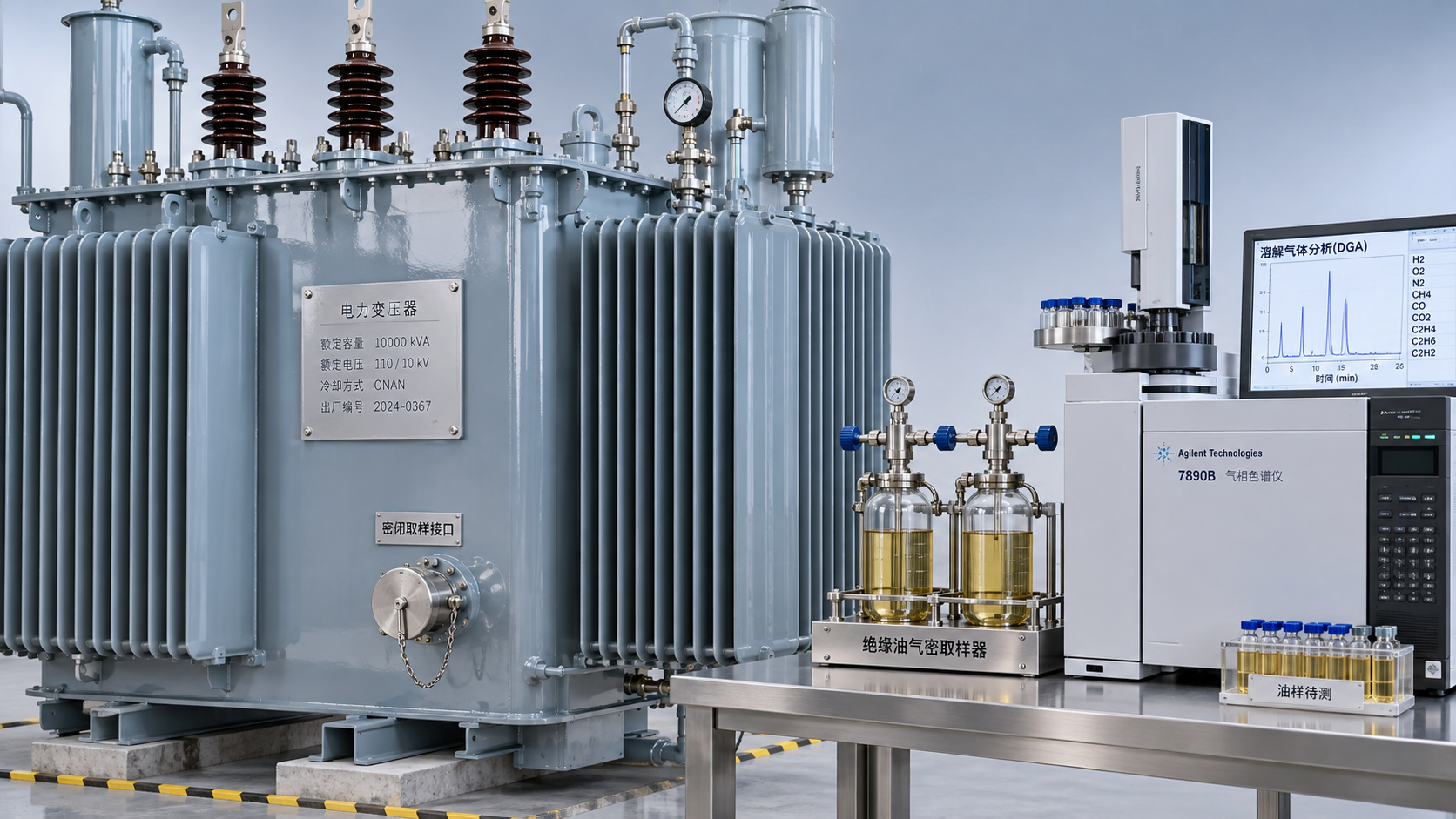
- Oil analysis for moisture, dielectric strength, and gas content when internal faults are suspected.
Why oil analysis matters
For oil-immersed transformers, insulating oil is both a cooling medium and an early warning source. If dielectric strength declines or moisture rises beyond the normal operating range, insulation life can shorten significantly. In many projects, annual oil testing is the minimum requirement, while heavy-load sites may need checks every 6 months.
The following table outlines a practical maintenance framework that can be used for distribution and industrial transformers in typical 10kV and 35kV applications.
A structured maintenance cycle lowers the chance of emergency replacement and makes budgeting more predictable. It also helps procurement teams decide whether repair, refurbishment, or full replacement is the more economical option over a 3 to 5 year operating horizon.
Choosing a Reliable Replacement or Upgrade Solution
When repeated faults occur, especially insulation issues, excessive no-load loss, or persistent noise, replacement may be more practical than repeated repair. In that situation, buyers should compare not only rated capacity but also loss performance, connection group, impedance, and compliance with applicable standards.
Key selection points for modern oil-immersed transformers
- Rated capacity should match actual load growth, commonly from 30 kVA to 2500 kVA.
- Voltage combinations should fit site conditions, such as 10.5kV, 10kV, or 6.3kV with ±5% or ±2×2.5% tap range.
- Connection marks like Yyn0 or Dyn11 should align with system design and protection requirements.
- Lower no-load loss and lower noise improve lifetime operating cost, especially in continuous-duty installations.
Example of an efficiency-oriented option
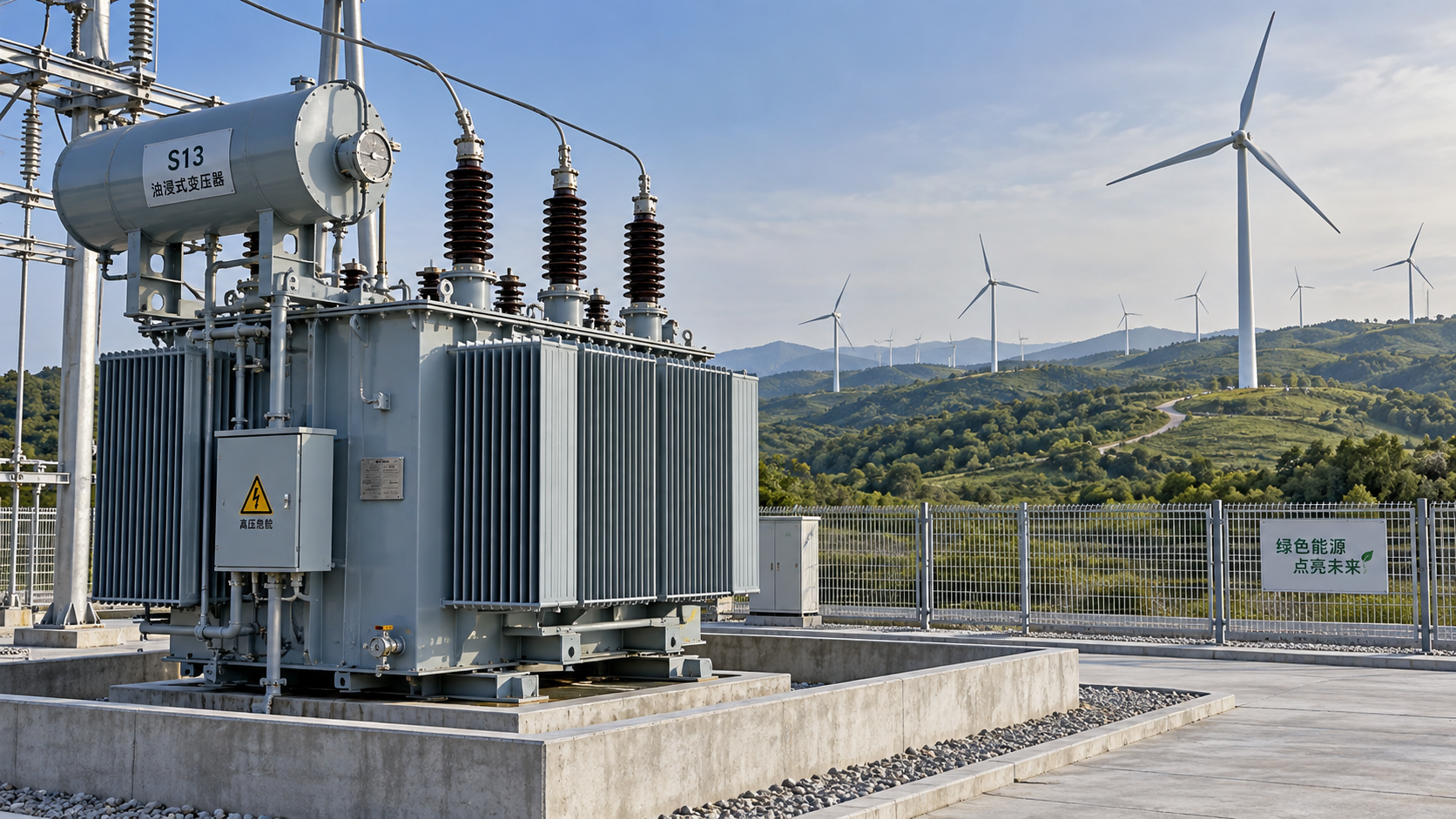
For facilities seeking lower standby loss and improved acoustic performance, S13 Series Oil-Immersed Power Transformer can be a strong reference. Its optimized core and coil structure helps reduce no-load loss by an average of 20%, while noise levels are also reduced by an average of 20% compared with JB/T10088-2016.
This series covers capacities from 30 kVA to 2500 kVA, supports Yyn0 or Dyn11 connection marks, and is suitable for many 10kV distribution applications where energy efficiency, stable operation, and lower lifecycle maintenance are important purchasing criteria.
Common buyer mistakes to avoid
- Selecting by price only without checking loss values and operating cost.
- Ignoring site temperature, altitude, and ventilation conditions.
- Matching capacity to current load only and leaving no margin for 12 to 24 months of expansion.
- Replacing a failed unit without investigating whether harmonics, overload, or poor installation caused the original fault.
A good supplier should provide not only manufacturing capability, but also technical support for model selection, fault analysis, and compliance verification. This is especially important for projects involving compact substations, dry-type transformer combinations, or on-load tap-changing power transformer systems.
Practical Service Advice for Operators and Procurement Teams
Whether you operate one transformer or manage a fleet across multiple sites, the best results come from combining preventive maintenance with informed product selection. A fault that appears minor in week 1 can lead to a shutdown by month 3 if oil quality, sealing condition, and thermal performance are not tracked systematically.
Jiangsu Shengda Power Equipment Co., Ltd. supplies low-loss transformer solutions including S11, S13, S15, S20, and S22 series, as well as 10kV and 35kV products, dry-type transformers, amorphous alloy transformers, compact substations, and related power equipment. With strong technical expertise, mature manufacturing processes, and comprehensive inspection control, the company supports buyers who need dependable transformer performance in demanding power distribution environments.
If you are evaluating recurring oil-immersed transformer faults, planning a replacement, or comparing lower-loss models for a new project, now is a good time to review technical data and application requirements in detail. Contact us to get a tailored solution, discuss product specifications, or learn more about suitable transformer options for your system.



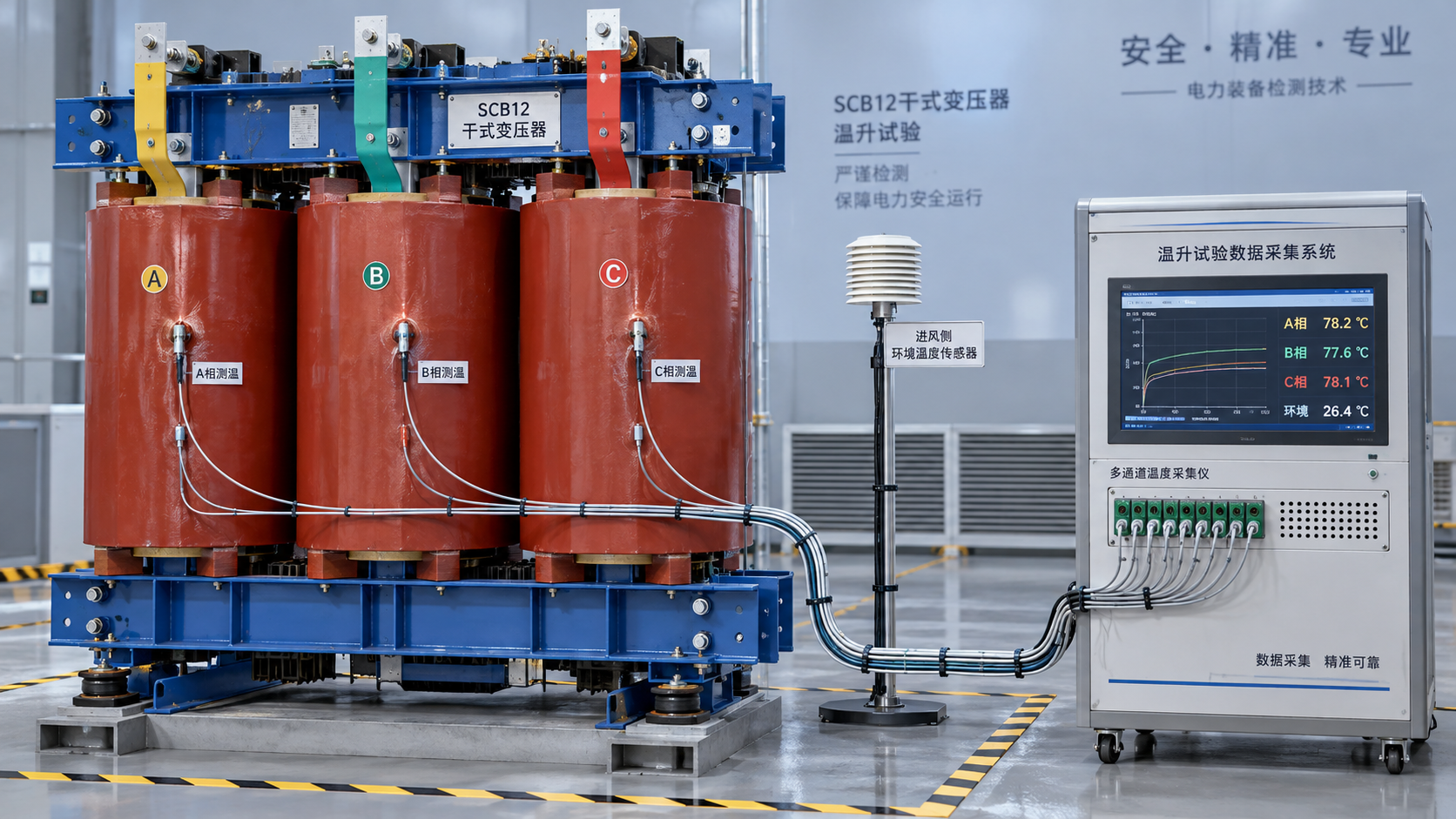
 How to verify the temperature-rise test of an SCB12 dry-type transformer
 Distribution transformer maintenance tips for spotting oil leaks
 What dissolved gas analysis reveals about an oil-immersed transformer
 Why an oil-cooled transformer overheats despite a normal oil level
 How the amorphous core affects SCBH15 dry-type transformer losses
 Sizing S13 oil-immersed transformers for variable wind farm output
GET A FREE QUOTE
We offer reliable products, competitive prices, and nationwide professional support, committed to providing customers with efficient and energy-saving power equipment solutions.