


Why Daily Efficiency Matters for a Transformer for Electrical Machine
In daily operations, the efficiency of a transformer for electrical machine depends on far more than rated values on a nameplate.
Real performance changes with load variation, ambient temperature, voltage quality, installation conditions, and maintenance quality.
Even a well-designed transformer can lose efficiency when it runs outside suitable operating conditions for long periods.
Understanding these practical factors helps reduce losses, improve stability, and extend service life in electrical machine systems.
Basic Efficiency Factors and Loss Mechanisms
A transformer for electrical machine mainly experiences two core loss categories: no-load loss and load loss.
No-load loss appears whenever the transformer is energized, even if the connected machine is not consuming power.
Load loss rises with current and becomes more significant as the electrical machine demand increases.
Efficiency is highest when design, actual load profile, and cooling conditions remain balanced throughout operation.
- Core material quality affects magnetizing performance and standing energy consumption.
- Coil resistance directly influences copper loss during active loading.
- Insulation condition affects thermal stability and operational safety.
- Cooling performance determines whether losses remain controlled in continuous service.
Current Industry Focus on Daily Energy Performance
In the transformer industry, efficiency is now evaluated through actual operating patterns rather than theoretical full-load conditions alone.
Attention has shifted toward lower standby losses, quieter operation, stronger thermal control, and compliance with recognized standards.
Jiangsu Shengda Power Equipment Co., Ltd. develops transformer products under strict quality systems and international standard requirements.
Its product range includes low-loss power transformers, dry-type models, compact substations, amorphous alloy transformers, and on-load tap-changing units.
Operational Conditions That Change Transformer Efficiency
Load factor is one of the biggest influences on a transformer for electrical machine in daily use.
Persistent underloading can make fixed no-load loss seem disproportionately high relative to useful output.
Persistent overloading increases current, raises winding temperature, and accelerates efficiency decline.
Voltage imbalance and harmonic distortion from connected equipment also create extra stress and hidden losses.
Dust, blocked ventilation paths, and degraded oil condition further reduce heat dissipation.
- High ambient temperature reduces cooling margin.
- Frequent start-stop cycles increase thermal fluctuation.
- Poor terminal connections raise contact resistance.
- Improper tap settings can move operation away from ideal voltage conditions.
Practical Value of Efficient Transformer Selection
Choosing the right transformer for electrical machine use brings value beyond immediate power conversion efficiency.
It lowers operating cost, improves machine stability, reduces heat-related stress, and supports longer maintenance intervals.
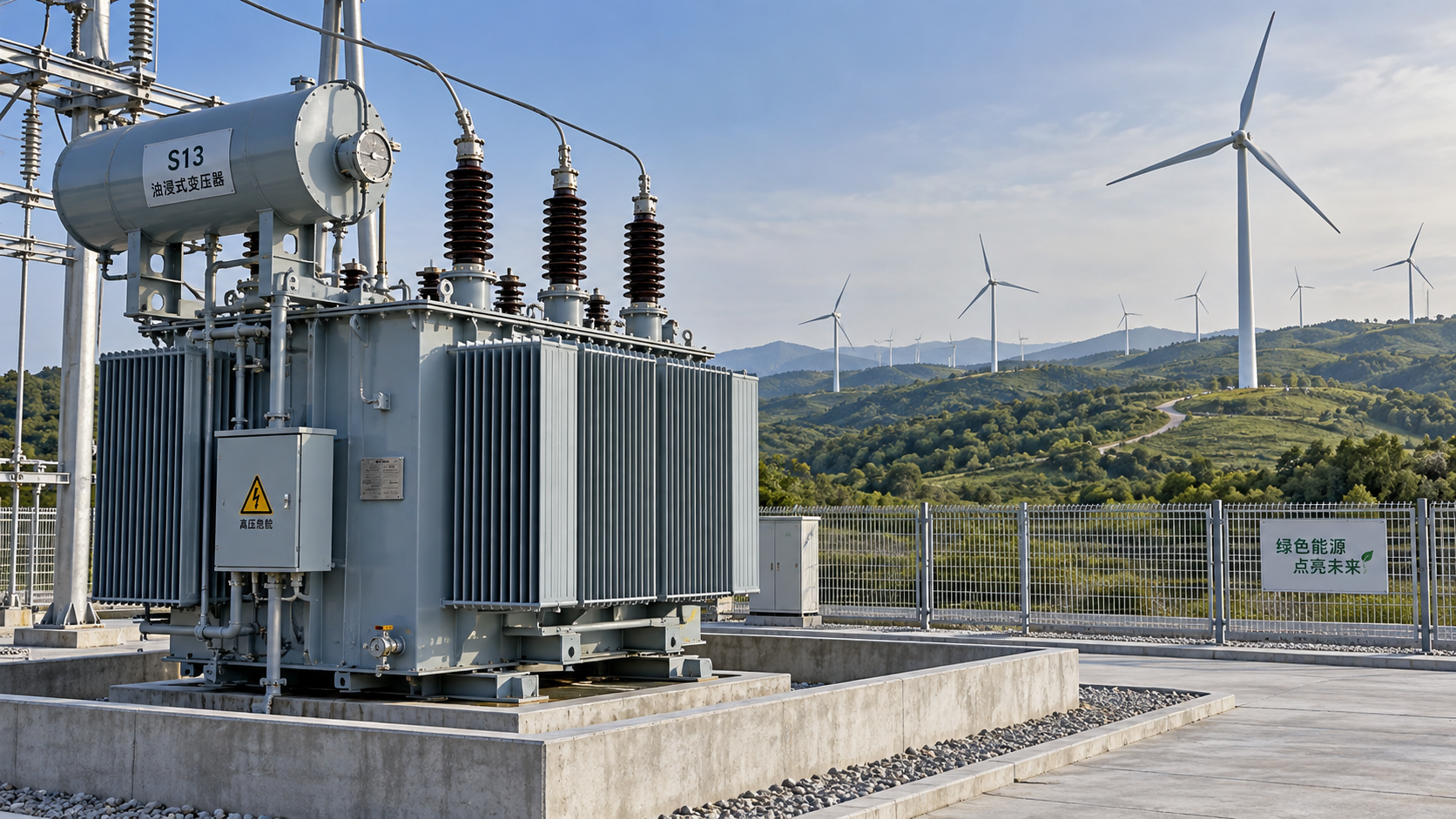
A useful example is the S13 Series Oil-Immersed Power Transformer.
Its optimized core and coil structure help reduce no-load loss and noise in everyday service.
According to its specifications, no-load loss is reduced by an average of 20%.
Noise levels are also reduced by an average of 20% compared with JB/T10088-2016.
Rated capacities cover 30 KVA to 2500 KVA, supporting many electrical machine supply scenarios.
Typical Daily Use Scenarios and Matching Considerations
Different operating environments affect how a transformer for electrical machine should be evaluated and maintained.
Maintenance and Monitoring Recommendations
Daily efficiency can be preserved through routine technical checks and operating discipline.
- Track load patterns instead of relying only on rated capacity.
- Measure temperature rise during peak and off-peak periods.
- Inspect oil condition, sealing quality, and cooling surfaces.
- Verify voltage settings and connection integrity regularly.
- Watch for unusual sound changes that may indicate magnetic or structural issues.
For installations needing lower standing losses, evaluating designs such as the S13 series can be a practical step.
Next-Step Evaluation for Better Daily Performance
Improving transformer for electrical machine efficiency begins with matching equipment design to real operating conditions.
Review load behavior, environmental temperature, voltage quality, and maintenance records before selecting or upgrading a unit.
A lower-loss transformer, sound technical standards, and stable daily care can produce measurable long-term savings.
For applications requiring reliable low-loss performance, compare technical data, impedance, no-load current, and service conditions carefully.



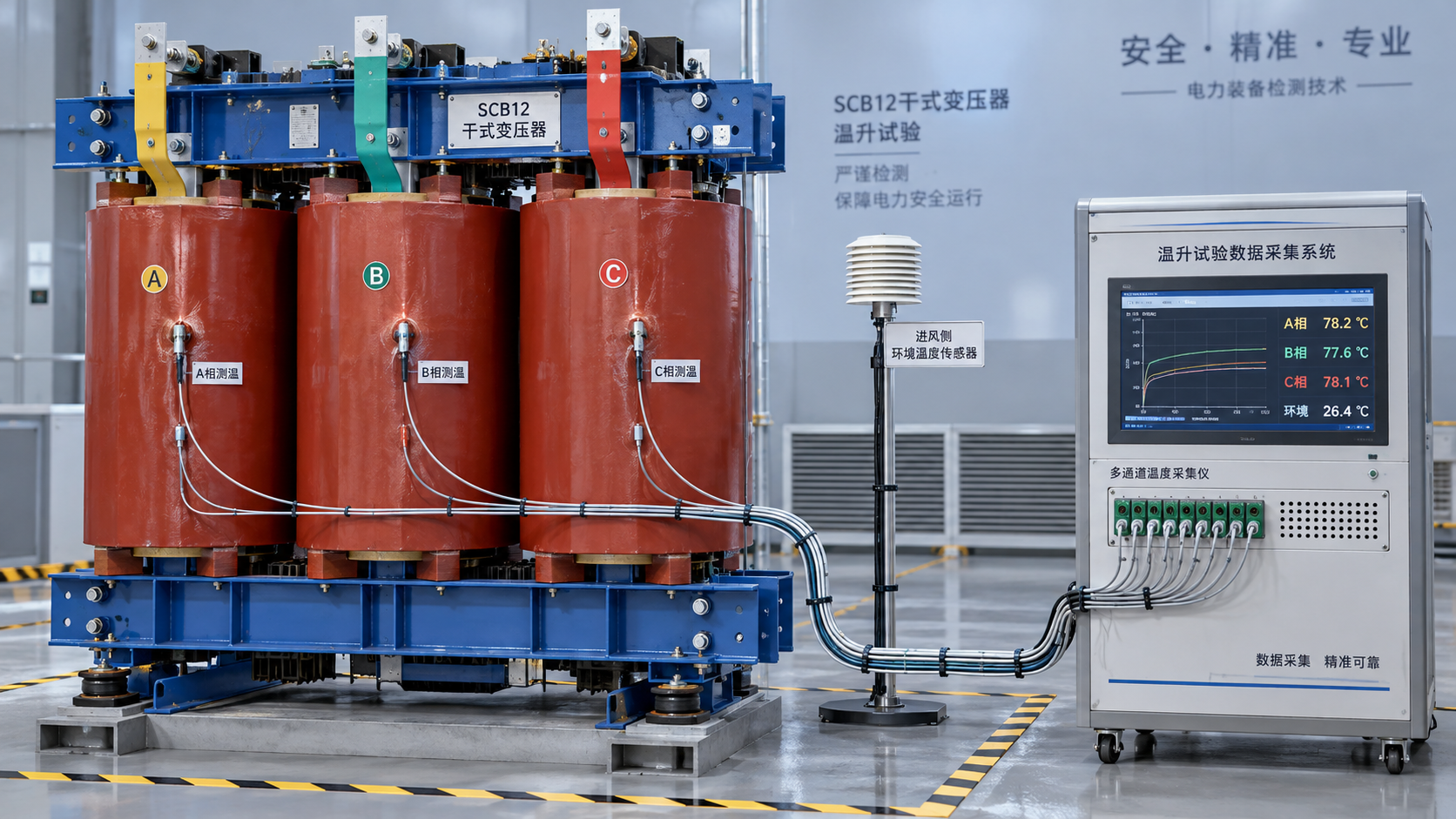
 How to verify the temperature-rise test of an SCB12 dry-type transformer
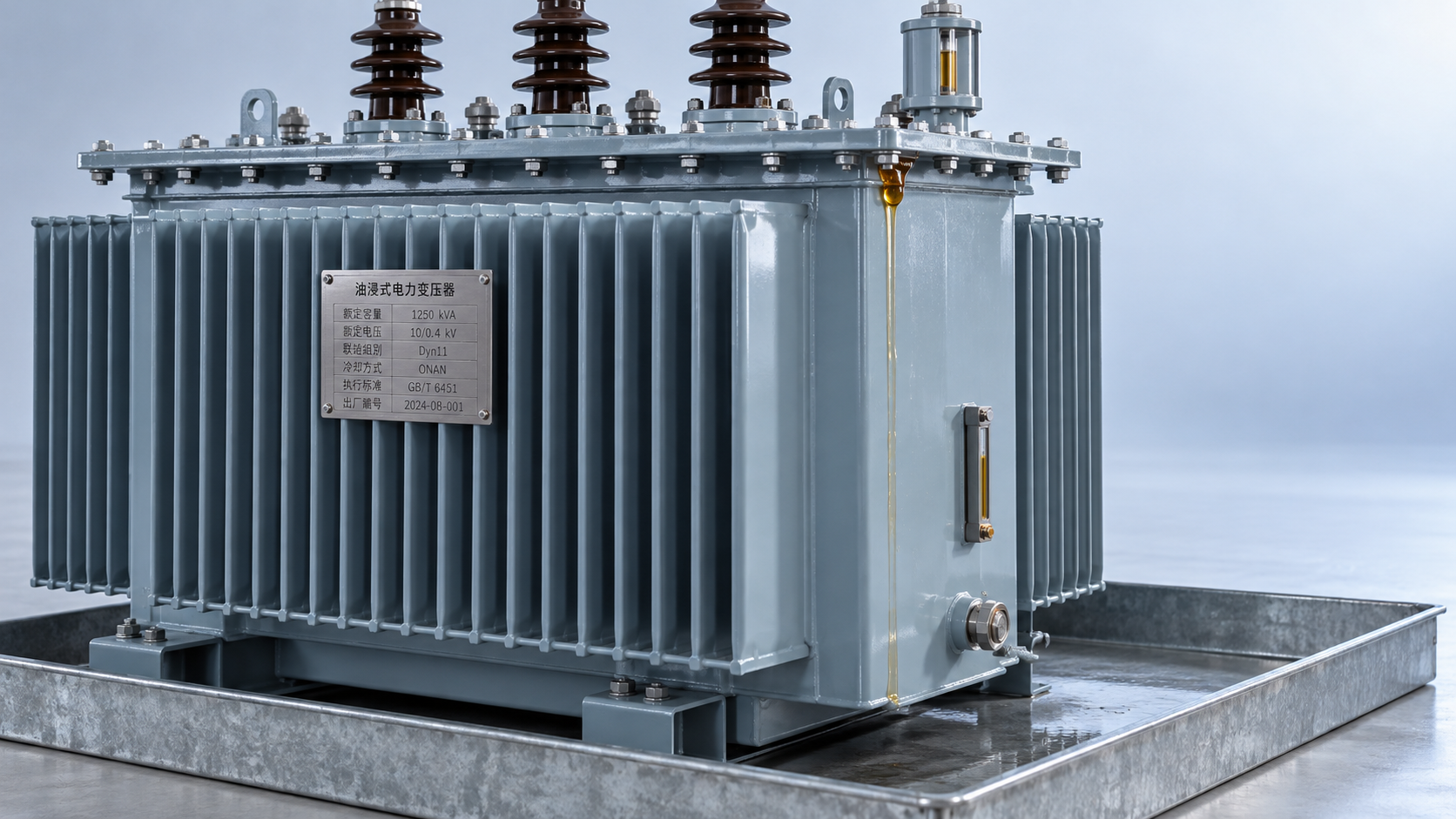
 Distribution transformer maintenance tips for spotting oil leaks
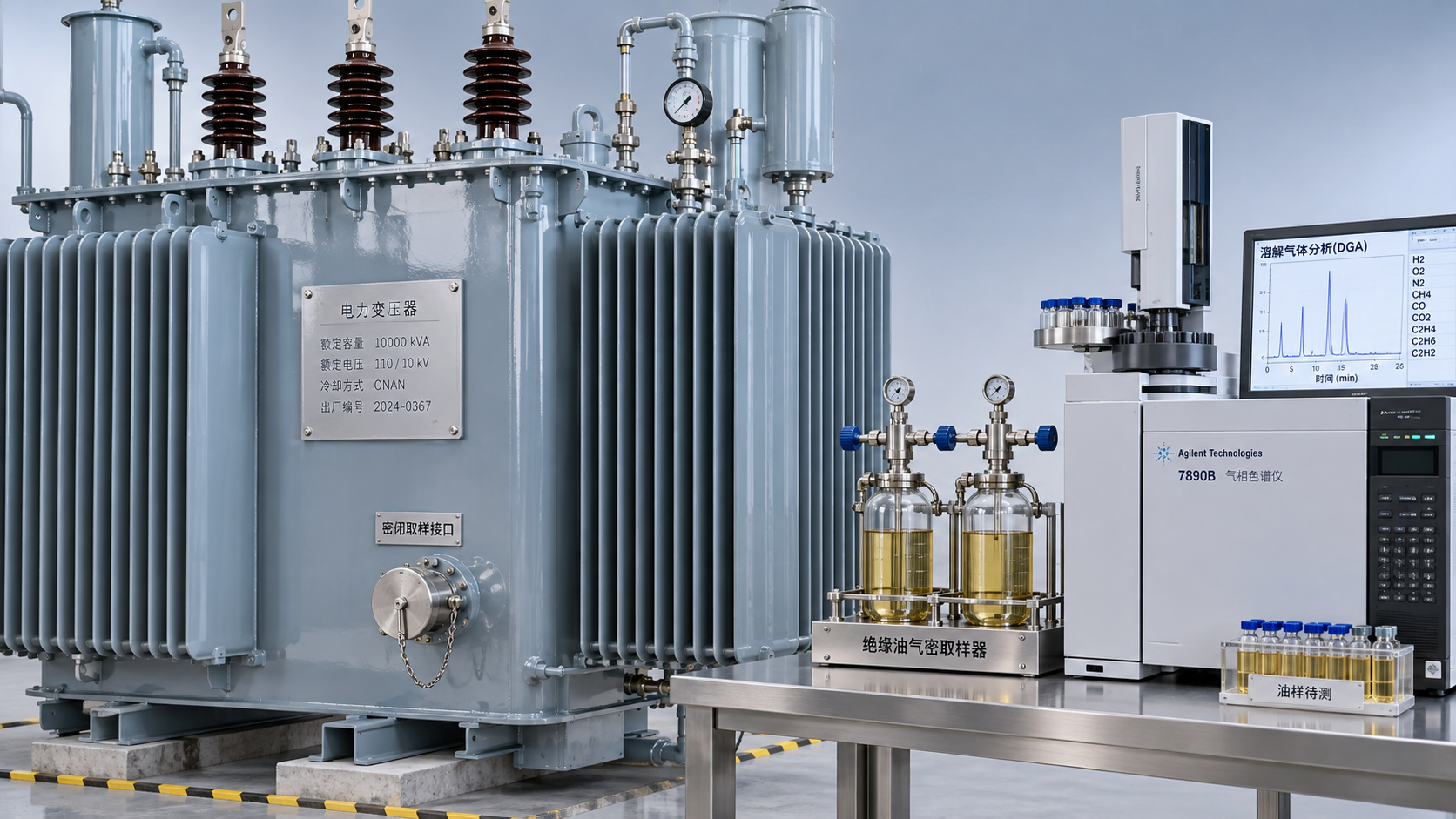
 What dissolved gas analysis reveals about an oil-immersed transformer
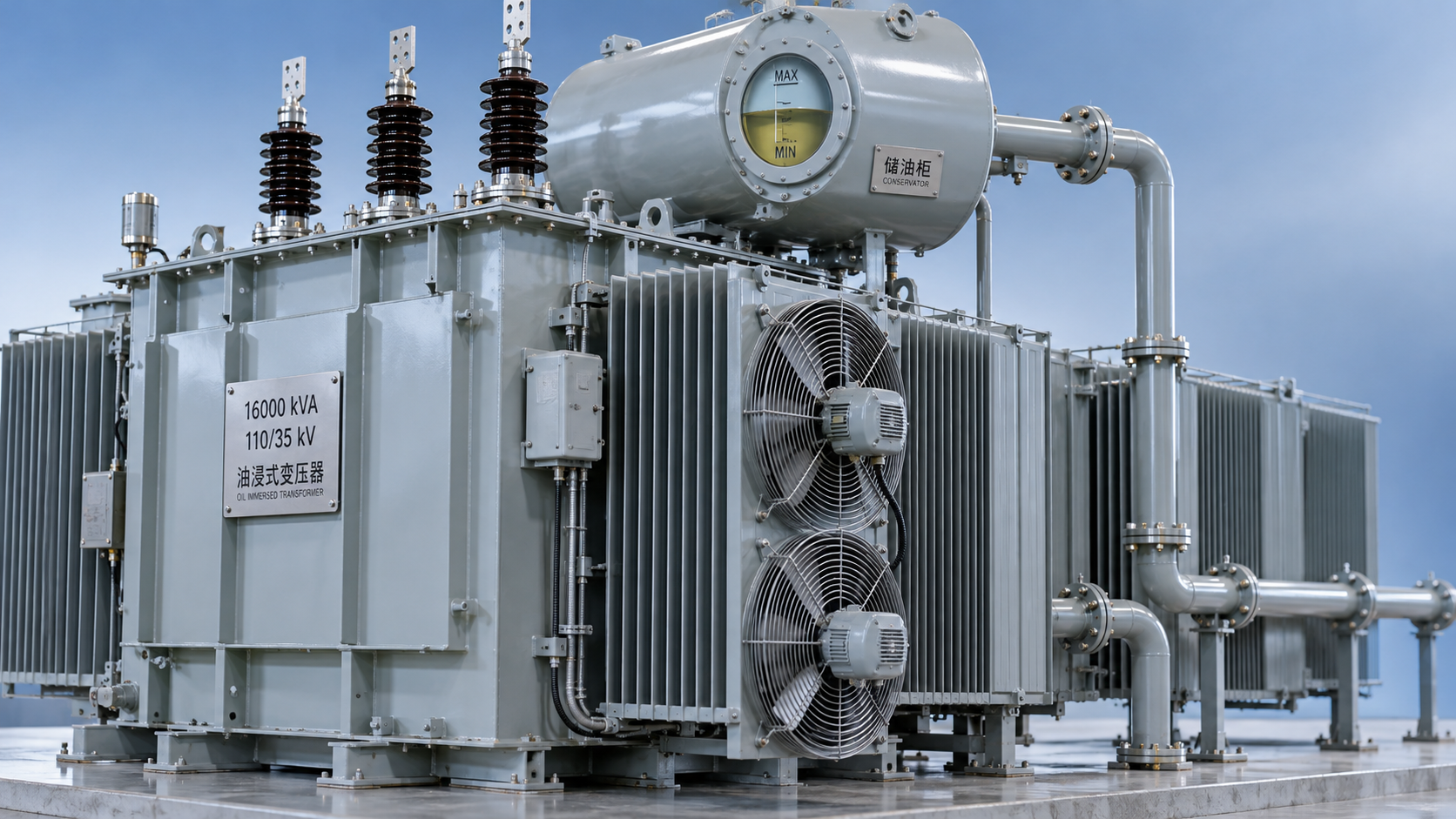
 Why an oil-cooled transformer overheats despite a normal oil level
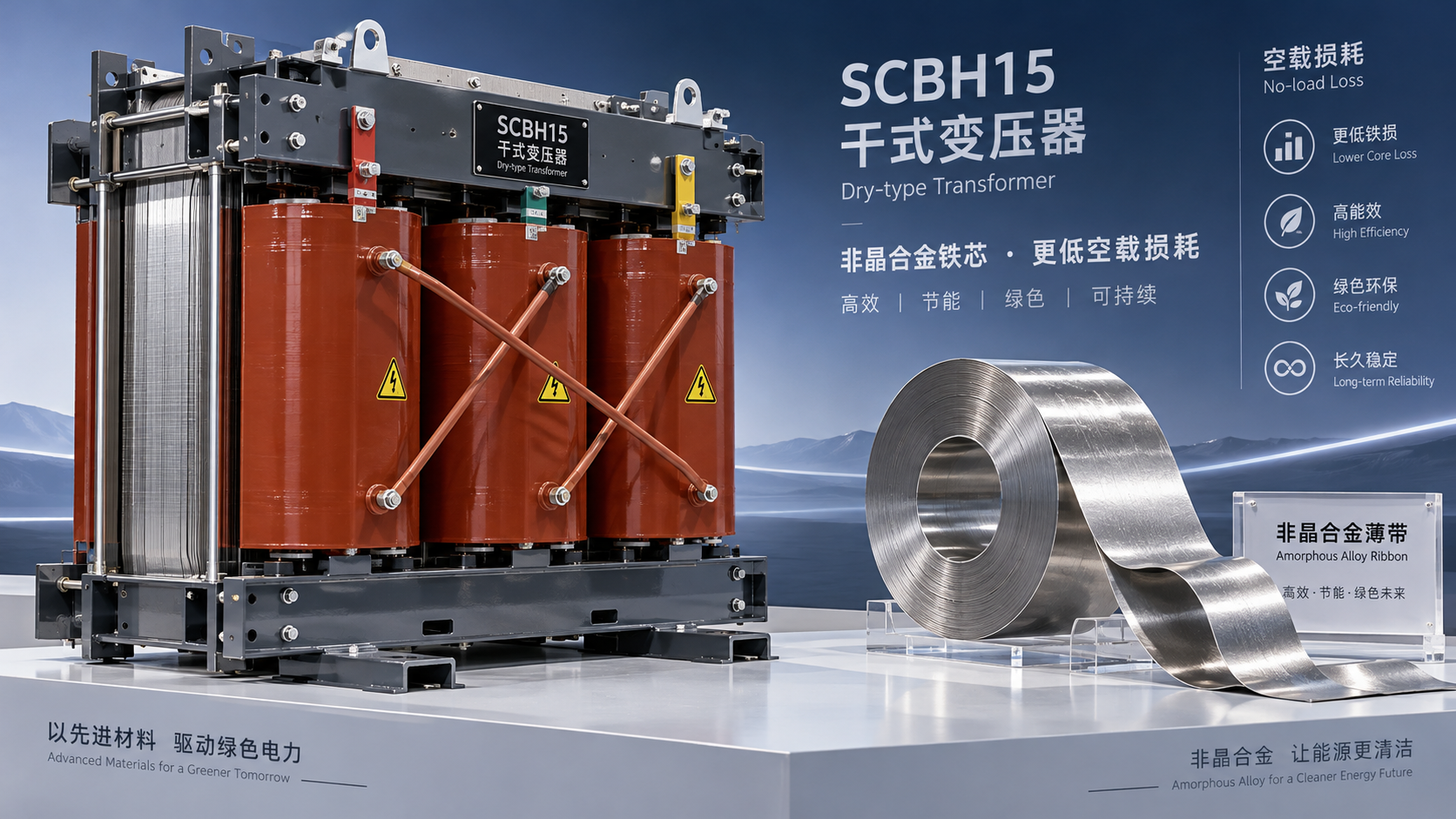
 How the amorphous core affects SCBH15 dry-type transformer losses
 Sizing S13 oil-immersed transformers for variable wind farm output
GET A FREE QUOTE
We offer reliable products, competitive prices, and nationwide professional support, committed to providing customers with efficient and energy-saving power equipment solutions.