


When people say an SCB12 dry-type transformer is “high efficiency,” what are they really talking about?
In practical terms, high efficiency in an SCB12 type dry-type transformer means more of the electrical energy going in is delivered to the load, while less is wasted as heat and internal loss. That sounds simple, but for anyone comparing equipment, the meaning is broader than a single percentage on a datasheet.
A transformer with better efficiency usually runs cooler under the same conditions, places less thermal stress on insulation, and reduces long-term operating cost. In a dry-type design, that matters even more because thermal behavior directly affects stability, service life, and installation suitability in indoor environments where fire safety, ventilation, and noise all matter.
So if you are researching SCB12 Type Dry-Type Transformer high efficiency, the useful question is not only “How much power does it save?” but also “How does that efficiency show up in day-to-day operation?”
Is high efficiency only about lower energy loss?
No. Lower energy loss is the starting point, not the whole story.
Transformer efficiency is closely tied to two main loss categories: no-load loss and load loss. No-load loss is present whenever the transformer is energized, even if demand is low. Load loss rises with current during operation. A high-efficiency SCB12 design aims to control both, because a transformer that looks good in one condition can still be expensive to operate in another.
There are also secondary effects that buyers sometimes overlook:
- Less wasted energy means less heat accumulation inside the windings and core.
- Lower heat can help preserve insulation performance over time.
- Better thermal control often supports more stable operation under fluctuating load.
- Reduced heat and noise can improve suitability for buildings with strict indoor installation conditions.
That is why high efficiency is often discussed together with reliability, thermal margin, and total ownership cost rather than as a standalone lab value.
What should you check on a datasheet if you want to judge efficiency properly?
Start with the loss figures, not the marketing wording. “Energy-saving” or “low-loss” is not enough by itself. You need to see which losses are stated and under what rating conditions.
If the supplier provides test documentation, look for the same values there. Datasheet claims and test values should point in the same direction. Jiangsu Shengda Power Equipment Co., Ltd., for example, states compliance with standards including GB1094.1-2-1996 and GB/T6451-2008, which gives researchers a clearer framework for reading the technical information.
Why does thermal performance matter so much in an efficient dry-type transformer?
Because losses turn into heat, and heat drives a lot of the real-world operating risk.
A dry-type transformer does not rely on insulating oil for cooling, so the quality of its winding design, insulation system, and airflow conditions becomes especially important. An SCB12 unit described as highly efficient should not only reduce electrical loss but manage heat in a way that supports steady performance in enclosed or demanding installations.
For a researcher, this means checking whether the efficiency claim aligns with temperature-related indicators. If winding temperature rise is controlled, insulation is under less stress. If partial discharge is kept low, internal insulation behavior is generally more stable. Those are not decorative parameters. They tell you whether the design is likely to stay dependable over time.
Does high efficiency change the economics, or is the difference too small to matter?
It usually changes the economics over the service life, but the value depends on operating profile.
A common mistake is to compare purchase price only. That can be misleading. Dry-type transformers often remain energized continuously, so even modest reductions in no-load loss can accumulate over years. In installations with variable or heavy demand, load loss becomes more visible in the power bill and in cooling requirements around the transformer room.
The right way to think about it is:
- Estimate how many hours per year the transformer will be energized.
- Estimate the usual load range, not just the nameplate maximum.
- Compare no-load and load losses between candidate models.
- Consider whether lower heat may also reduce ventilation burden and component aging.
For someone in the research stage, this is often enough to separate “efficient on paper” from “economical in the actual project.”
Can you assume a high-efficiency SCB12 transformer is automatically better for every installation?
Not automatically. Efficiency is important, but it has to fit the application conditions.
For example, a project in a high-rise building may prioritize low noise, indoor safety, and compact installation access. A transport hub may care more about stable operation under continuous demand and predictable maintenance planning. A substation or power plant may focus more heavily on load profile, fault tolerance, and environmental conditions.
This is where related product information can help frame expectations. A product such as SCB10 Type Dry-Type Transformer is described for use in places like high-rise buildings, airports, railway stations, docks, power plants, and substations, with characteristics such as flame-retardant behavior, moisture resistance, dust resistance, low noise, and maintenance-free operation. Those details do not prove SCB12 performance by default, but they show the kind of operating priorities buyers often weigh alongside efficiency in dry-type transformer selection.
What design features usually support high efficiency in this type of transformer?
You do not need to chase every internal design detail, but a few areas usually matter.
- Core design and material quality: these affect no-load loss directly.
- Winding design: conductor arrangement and manufacturing accuracy influence load loss, heat generation, and short-circuit strength.
- Insulation system: efficient operation is more useful when the insulation class and thermal behavior support long-term stability.
- Process control: stable production quality helps reduce variation between designed performance and delivered performance.
That is one reason manufacturers emphasize technical capability and quality inspection systems. Good efficiency is not just a design idea; it depends on production consistency.
Are there technical signs that a dry-type transformer is built for stable, efficient operation?
Yes, and they are usually more useful than broad advertising language. If you see technical data such as 3-phase configuration, 50Hz frequency, Class F insulation, average winding temperature rise at or below 100K, and partial discharge below 5pc, you are looking at indicators tied to actual operating behavior rather than vague positioning.
Those values appear in the published information for the SC(B)10 model line. Again, that should not be treated as a substitute for SCB12-specific documentation, but it is a useful example of the kind of parameters serious buyers compare. Efficient transformers are expected to show discipline not only in losses, but in insulation, discharge control, and thermal rise.
What mistakes do researchers and buyers make when comparing efficiency claims?
The biggest mistake is comparing unlike-for-unlike. A few others show up repeatedly:
- Comparing two models with different capacities or voltage classes as if the loss numbers were directly interchangeable.
- Looking only at load loss and ignoring no-load loss in projects where the transformer is energized around the clock.
- Treating one efficiency figure as final without checking ambient conditions, load assumptions, or referenced standards.
- Focusing on energy savings while overlooking fire safety, low-noise needs, short-circuit resistance, or indoor environmental exposure.
- Using a general brochure instead of requesting model-specific technical data and test information.
These errors do not just affect procurement decisions. They can lead to the wrong installation strategy, unrealistic operating cost forecasts, and avoidable thermal stress later on.
So what is the simplest way to judge SCB12 Type Dry-Type Transformer high efficiency without overcomplicating it?
Use a three-part filter. First, check whether the loss data is clearly stated under recognized standards. Second, see whether the thermal and insulation indicators support stable operation rather than just a low-loss claim. Third, match those figures to the actual use case: load pattern, indoor conditions, safety requirements, and expected operating hours.
If one model has lower losses but the comparison ignores temperature rise, discharge behavior, or installation conditions, the evaluation is incomplete. If the data lines up across loss, heat, and application fit, then “high efficiency” is probably describing a real performance advantage, not just a sales phrase.
That is the practical reading of the term: an SCB12 transformer is truly high efficiency when it saves energy, controls heat, supports reliable operation, and makes economic sense over the life of the installation.



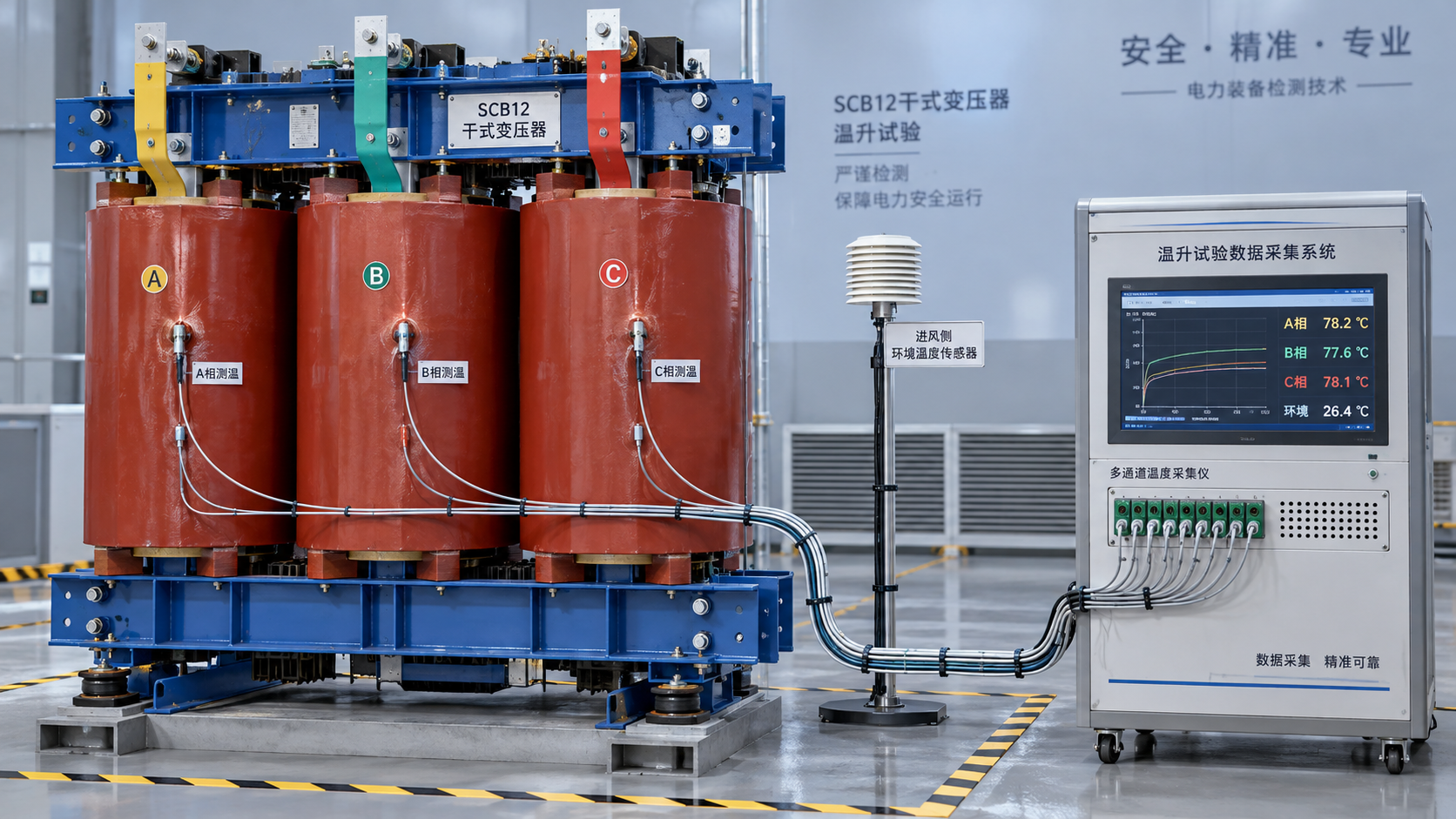
 How to verify the temperature-rise test of an SCB12 dry-type transformer
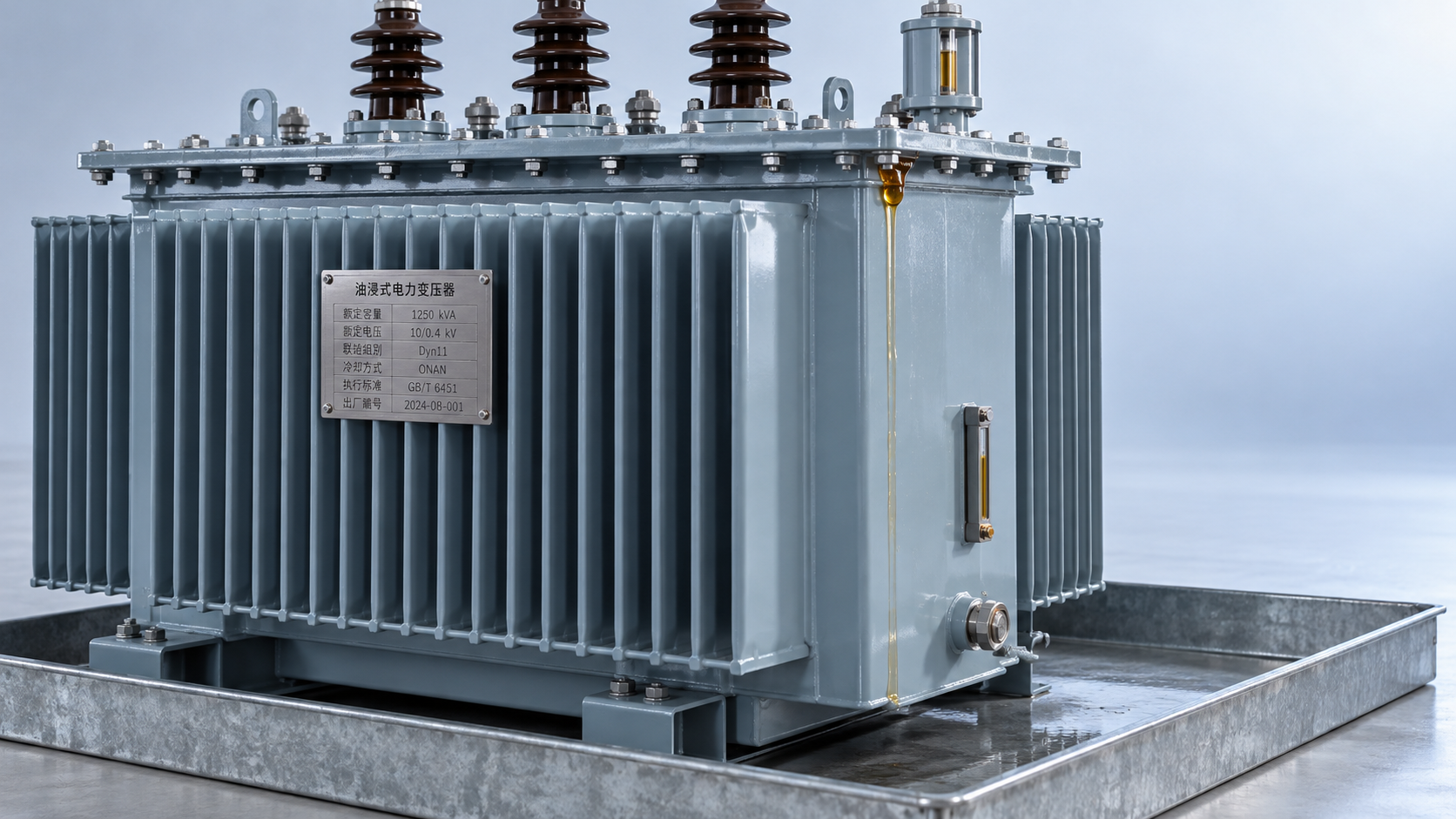
 Distribution transformer maintenance tips for spotting oil leaks
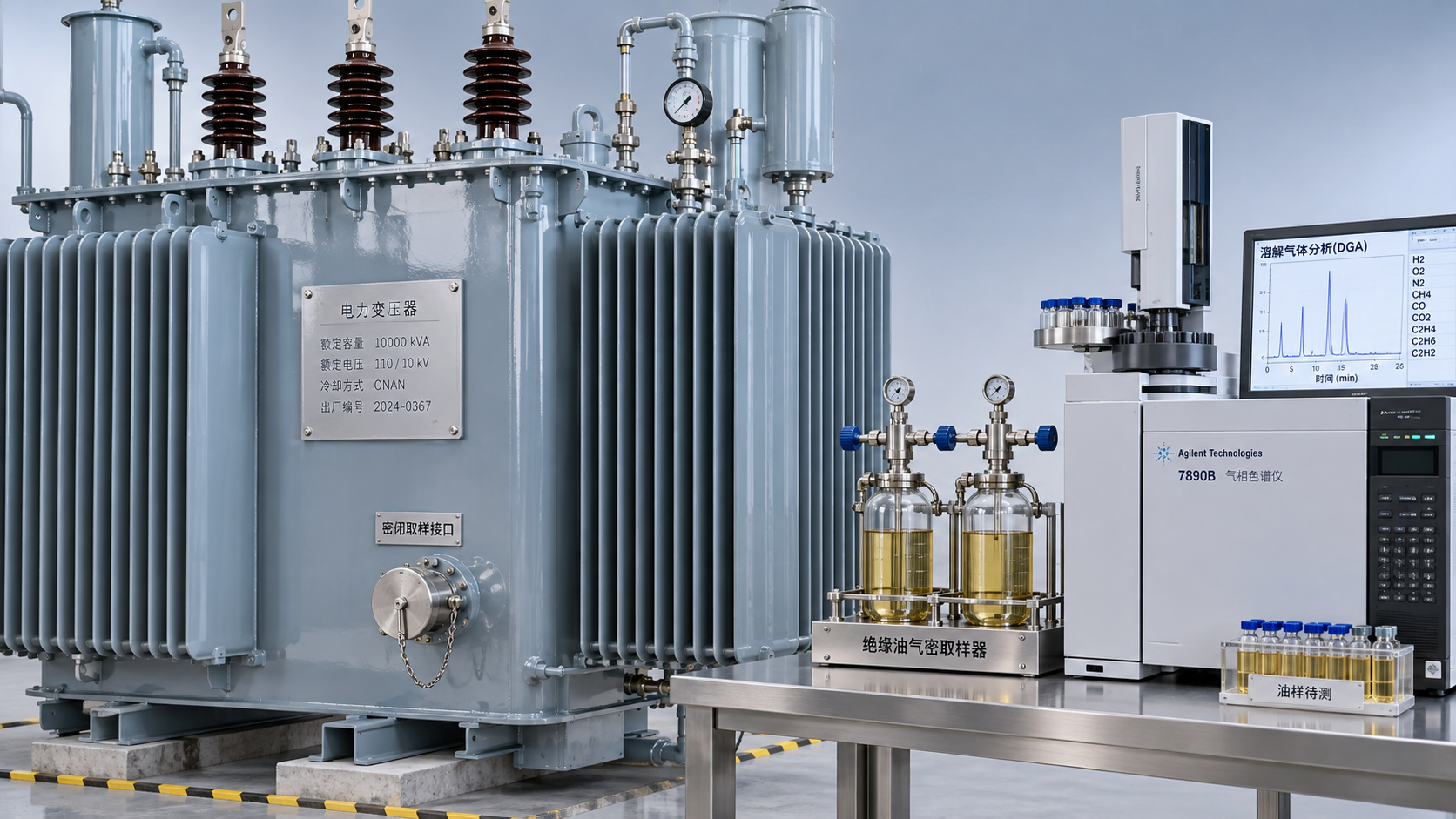
 What dissolved gas analysis reveals about an oil-immersed transformer
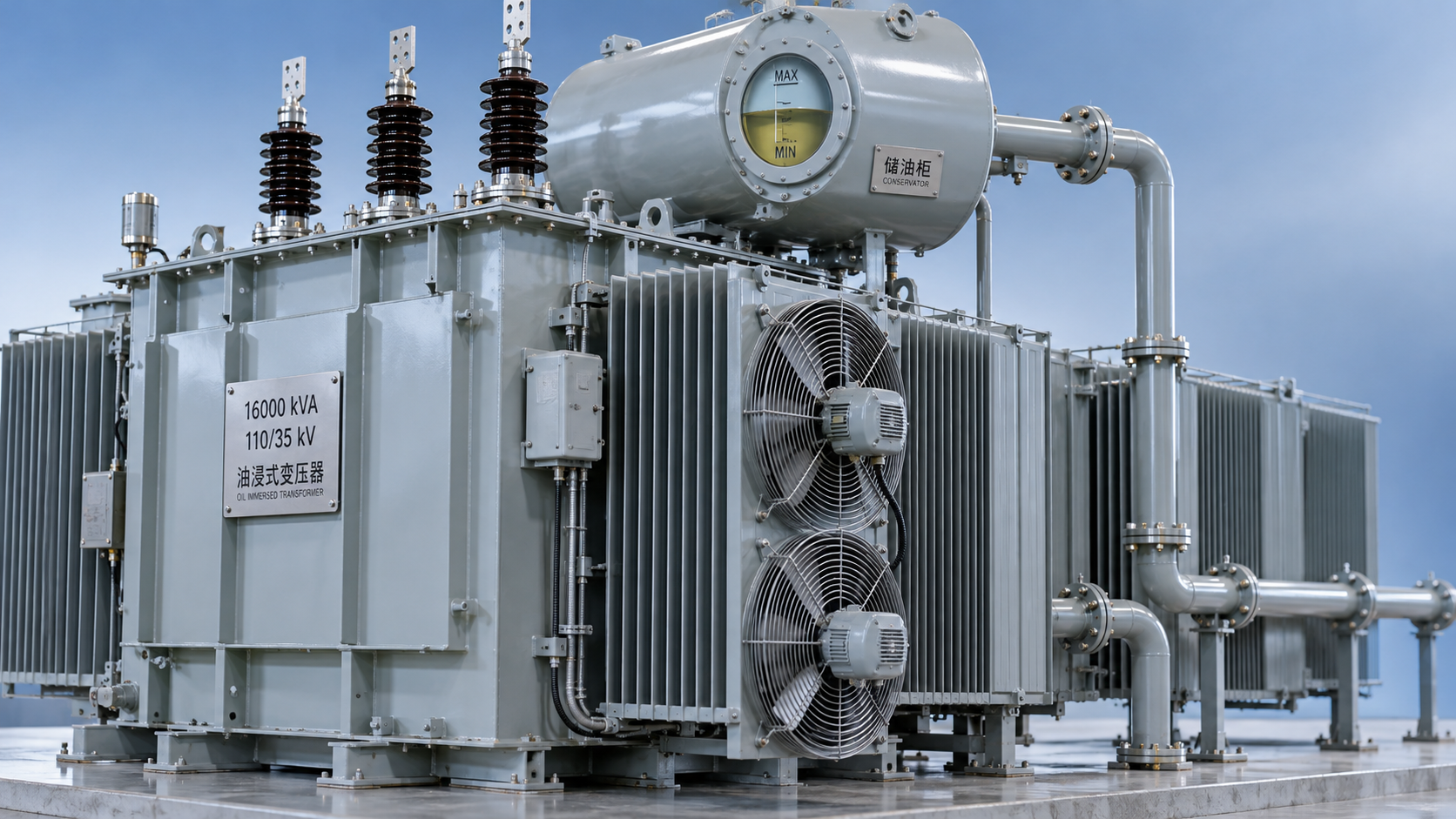
 Why an oil-cooled transformer overheats despite a normal oil level
 How the amorphous core affects SCBH15 dry-type transformer losses
 Sizing S13 oil-immersed transformers for variable wind farm output
GET A FREE QUOTE
We offer reliable products, competitive prices, and nationwide professional support, committed to providing customers with efficient and energy-saving power equipment solutions.