


A dry-type transformer is a safe, efficient, and low-maintenance power solution widely used in commercial buildings, industrial facilities, substations, and renewable energy projects.
Unlike oil-immersed transformers, it uses air or solid insulation for cooling and electrical isolation, reducing fire risks and environmental concerns.
Understanding the working principle and key components of a dry-type transformer helps plan reliable power distribution with better safety, efficiency, and lifecycle control.
Why a Dry-Type Transformer Checklist Matters
A dry-type transformer is often installed close to load centers, people, equipment, and sensitive building systems.
That makes selection more than a simple capacity decision. Cooling method, insulation class, noise, enclosure, and installation space all matter.
A structured checklist helps reduce wrong sizing, overheating, voltage instability, acoustic complaints, and unexpected maintenance costs.
It also supports clearer comparison between a dry-type transformer and an oil-immersed transformer for different site conditions.
What Is a Dry-Type Transformer?
A dry-type transformer transfers electrical energy between circuits through electromagnetic induction without using liquid insulation or oil cooling.
Its windings are insulated by epoxy resin, cast resin, varnish, or other solid insulating materials.
Heat is removed by natural air circulation or forced air cooling through fans and ventilation channels.
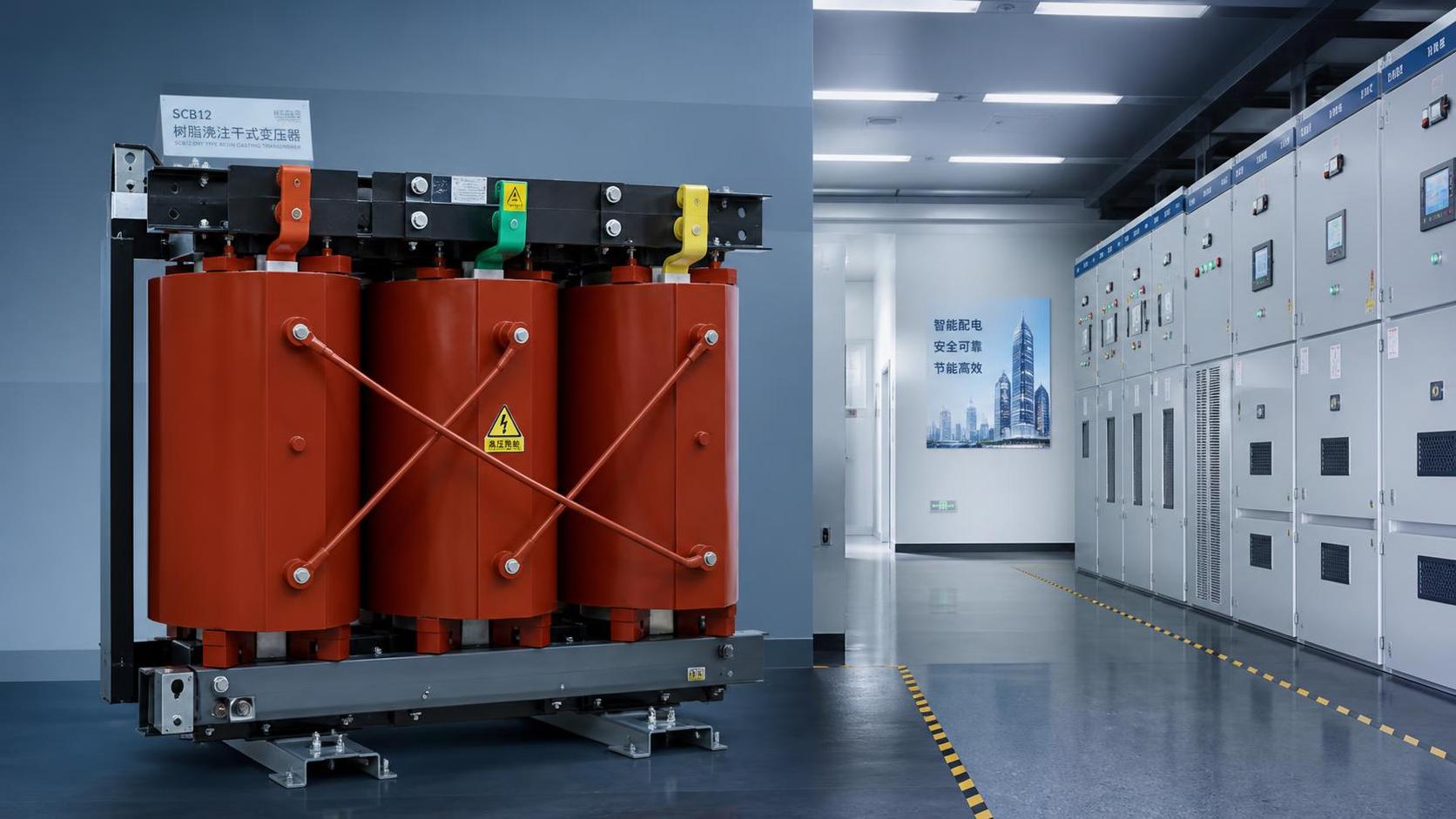
This structure makes a dry-type transformer suitable for indoor substations, high-rise buildings, hospitals, data centers, factories, and public infrastructure.
Working Principle of a Dry-Type Transformer
The working principle of a dry-type transformer is based on Faraday’s law of electromagnetic induction.
When alternating current flows through the primary winding, it creates an alternating magnetic flux in the laminated core.
This magnetic flux links with the secondary winding and induces voltage according to the turns ratio.
If the secondary winding has fewer turns, the transformer steps voltage down. If it has more turns, it steps voltage up.
During operation, copper loss and core loss generate heat. Air channels and insulation design keep temperatures within rated limits.
Core Checklist for Evaluating a Dry-Type Transformer
- Confirm the rated capacity by calculating continuous load, starting current, future expansion, and allowable overload conditions.
- Check primary and secondary voltage ratings to match the incoming grid, distribution panel, and final load requirements.
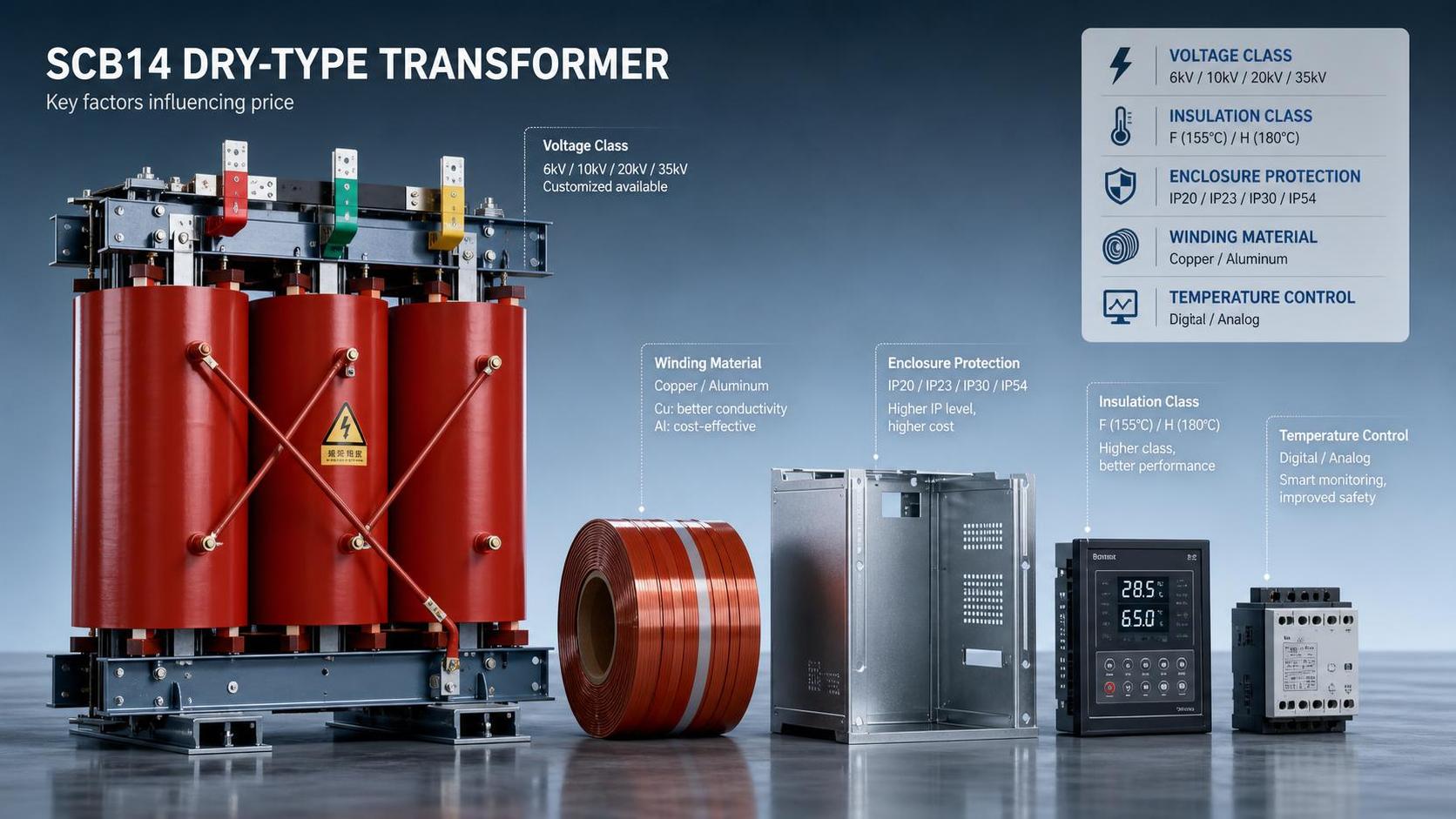
- Select the insulation class according to ambient temperature, ventilation quality, duty cycle, and expected thermal rise.
- Review cooling type, including AN natural air cooling and AF forced air cooling for higher short-term load demand.
- Verify short-circuit impedance because it affects fault current, voltage regulation, protection coordination, and system stability.
- Assess noise level carefully when the dry-type transformer is installed near offices, apartments, hospitals, or control rooms.
- Specify enclosure protection based on dust, moisture, access risk, indoor location, and required safety separation.
- Inspect winding material, resin quality, core lamination, clamping structure, and terminal layout before final approval.
- Confirm compliance with applicable standards, factory test reports, temperature-rise tests, insulation tests, and routine inspection records.
- Plan installation clearance, cable bending radius, ventilation path, lifting access, grounding, and future maintenance space.
Key Components of a Dry-Type Transformer
Magnetic Core
The core provides a low-reluctance path for magnetic flux and is usually made from high-grade silicon steel laminations.
Good core design reduces no-load loss, magnetizing current, vibration, and operating noise.
Primary and Secondary Windings
Windings are commonly made from copper or aluminum conductors, depending on efficiency targets, cost, and mechanical strength requirements.
In a dry-type transformer, winding insulation must resist heat, moisture, partial discharge, and electrical stress.
Insulation System
The insulation system separates conductive parts and protects the transformer under rated voltage and transient conditions.
Cast resin insulation offers strong mechanical support and good resistance against humidity and contamination.
Cooling and Ventilation Structure
Air ducts, fans, and enclosure openings help remove heat from the core and windings.
Poor ventilation can reduce transformer life even when the electrical design is correct.
Terminals, Taps, and Enclosure
Terminals connect the transformer to cables, busbars, or switchgear. Tap connections adjust voltage within specified limits.
The enclosure protects against accidental contact, dust, debris, and environmental exposure.
Dry-Type Transformer vs Oil-Immersed Transformer
A dry-type transformer is preferred where fire safety, indoor installation, and low environmental risk are priorities.
An oil-immersed transformer is often selected for outdoor distribution, higher overload capability, and strong heat dissipation.
For projects requiring low-loss oil-immersed performance, the S13 Series Oil-Immersed Power Transformer offers reduced no-load loss and lower noise.
Its optimized core and coil structure supports reliable distribution, with no-load loss reduced by an average of 20%.
Application Notes for Different Scenarios
Commercial Buildings
Use a dry-type transformer for shopping centers, office towers, schools, and hospitals where indoor safety is essential.
Prioritize low noise, compact enclosure design, reliable grounding, and adequate ventilation around the transformer room.
Industrial Facilities
Factories need transformers that handle motor starting, harmonics, dust, temperature changes, and continuous production loads.
Check impedance, insulation class, protection devices, and fan control logic before approving the dry-type transformer specification.
Renewable Energy Projects
Solar and wind projects may require stable voltage conversion, compact substations, and strong thermal endurance.
Confirm load profile, inverter harmonics, grid code requirements, and environmental exposure before choosing the transformer type.
Common Risks Often Overlooked
Ignoring ventilation: A dry-type transformer depends on air movement, so blocked vents or small rooms can cause overheating.
Undersizing capacity: Choosing capacity only by present load may create future overload, reduced insulation life, and nuisance trips.
Overlooking harmonics: Nonlinear loads can increase winding heating and noise, especially in facilities with drives or UPS systems.
Neglecting noise control: Transformer hum can travel through floors, walls, and steel structures if vibration isolation is poor.
Skipping test documents: Routine test reports confirm insulation resistance, ratio accuracy, impedance, loss data, and safe operation.
Practical Execution Advice
- Define the load list, demand factor, starting current, and future capacity reserve before requesting a quotation.
- Match voltage, phase, frequency, vector group, impedance, and enclosure rating with the project drawings.
- Request loss data, temperature-rise information, noise level, insulation class, and applicable compliance documents.
- Review site conditions, including altitude, ambient temperature, humidity, dust, ventilation, and cable entry direction.
- Arrange inspection after delivery to check nameplate data, terminals, grounding points, enclosure condition, and accessories.
Conclusion and Next Step
A dry-type transformer works through electromagnetic induction while using air and solid insulation instead of insulating oil.
Its main value lies in safer indoor use, easier maintenance, lower environmental risk, and reliable power distribution.
Before selection, verify capacity, voltage, insulation class, cooling method, impedance, noise, enclosure, and test documentation.
For reliable transformer planning, compare dry-type and oil-immersed options against site safety, efficiency, load behavior, and lifecycle cost.


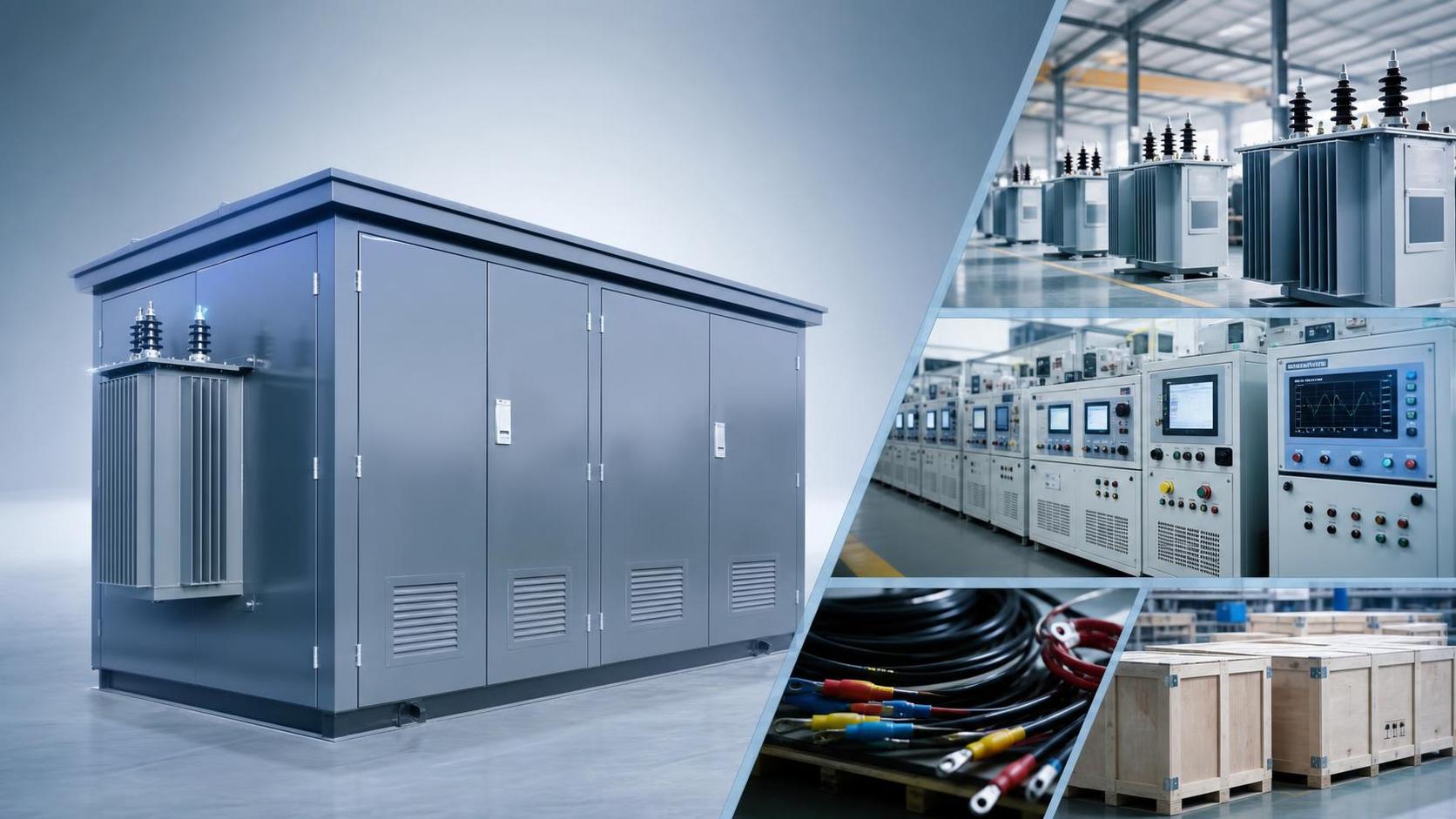
 How to Compare ZGS Combined Substation Suppliers on Lead Time and Support
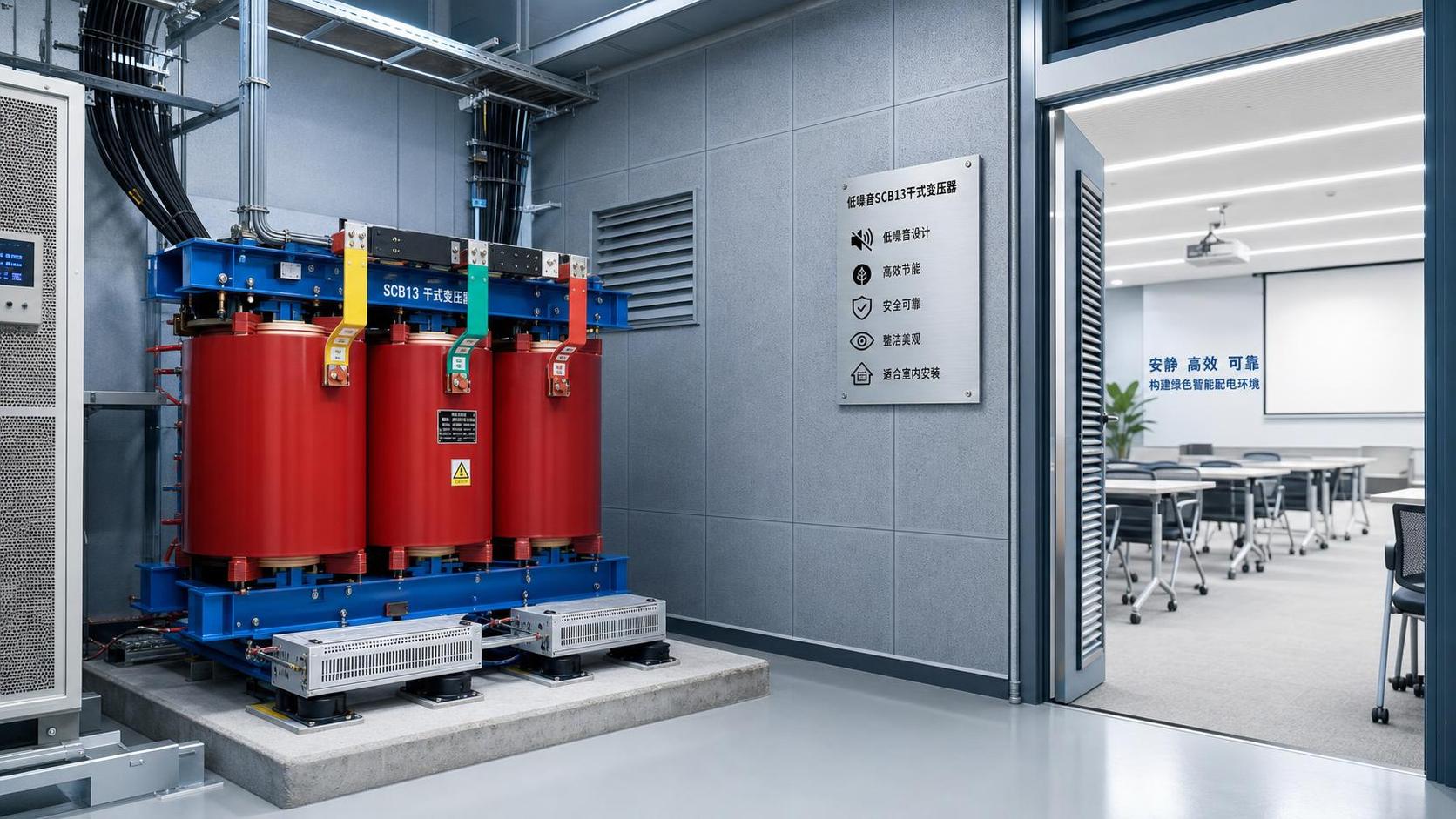
 How Low Noise Improves Indoor Use of SCB13 Dry-Type Transformers
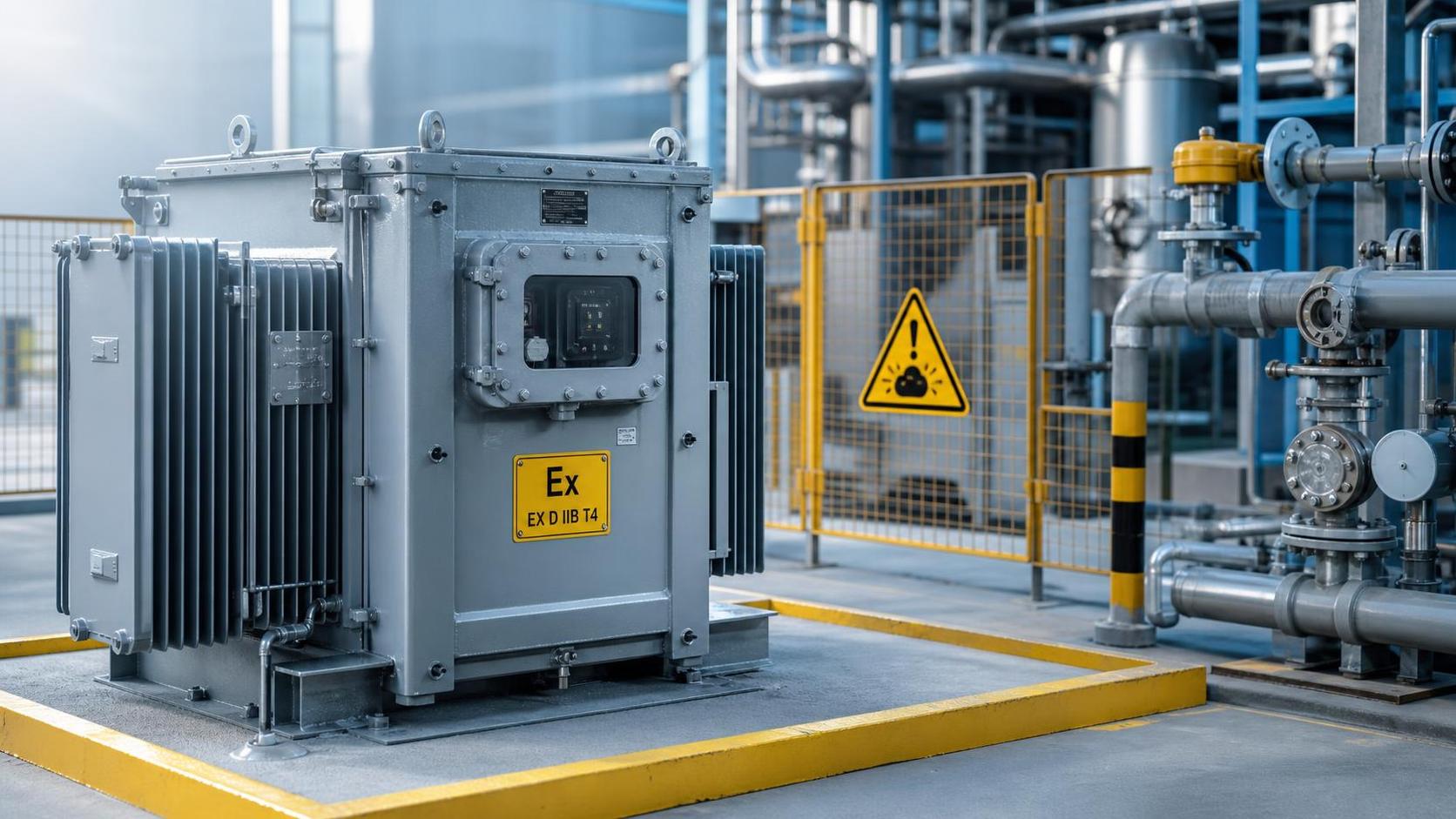
 Where an Explosion Proof Transformer Is Required by Safety Conditions
 Distribution Transformer Installation Guide: Common Site Errors to Avoid
 What Affects SCB14 Type Dry-Type Transformer Price Besides Rated Capacity
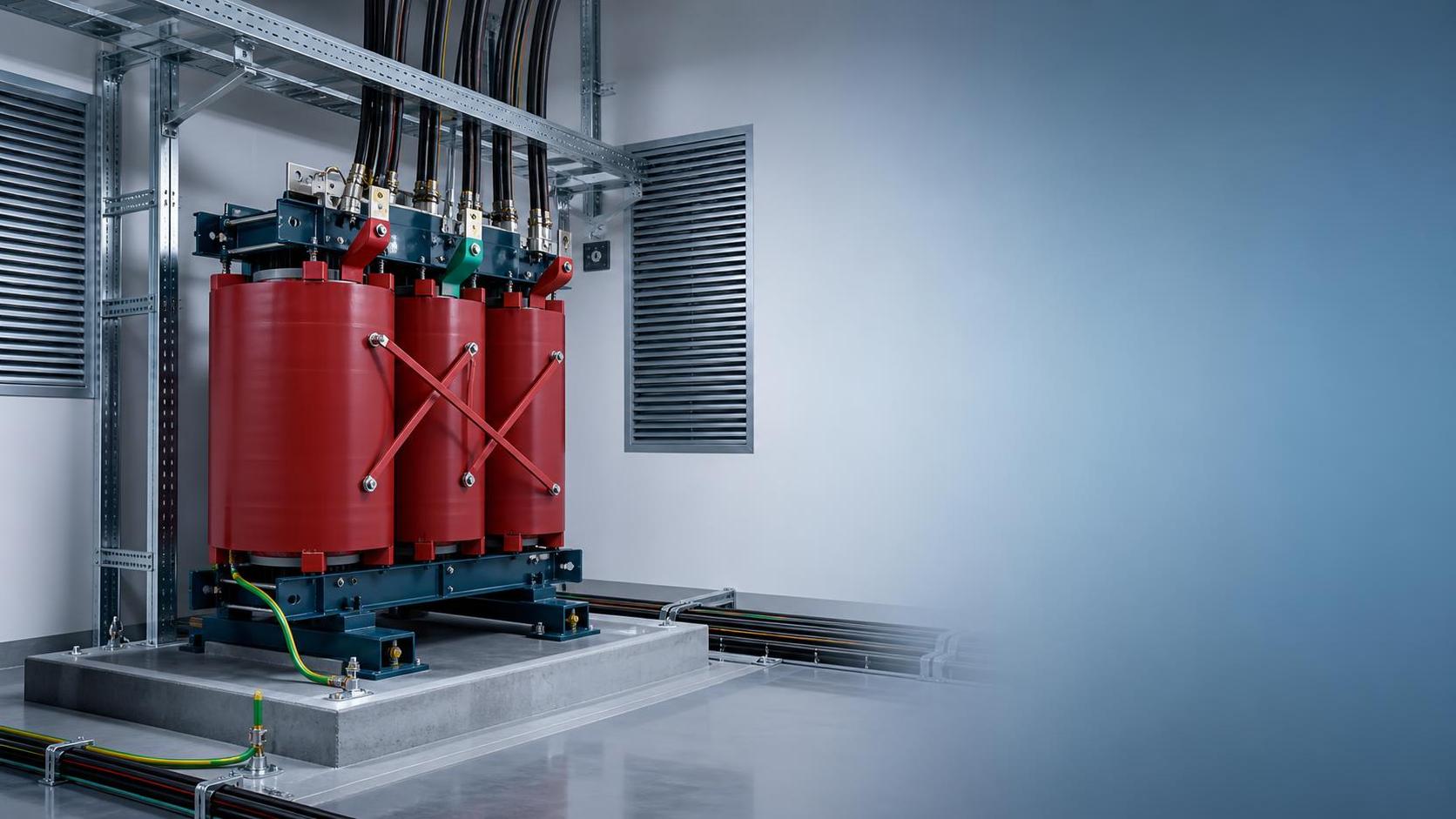
 SCB12 Type Dry-Type Transformer Applications That Benefit from Resin Insulation
GET A FREE QUOTE
We offer reliable products, competitive prices, and nationwide professional support, committed to providing customers with efficient and energy-saving power equipment solutions.