


What to Check Before Choosing an SCB18 Dry-Type Transformer
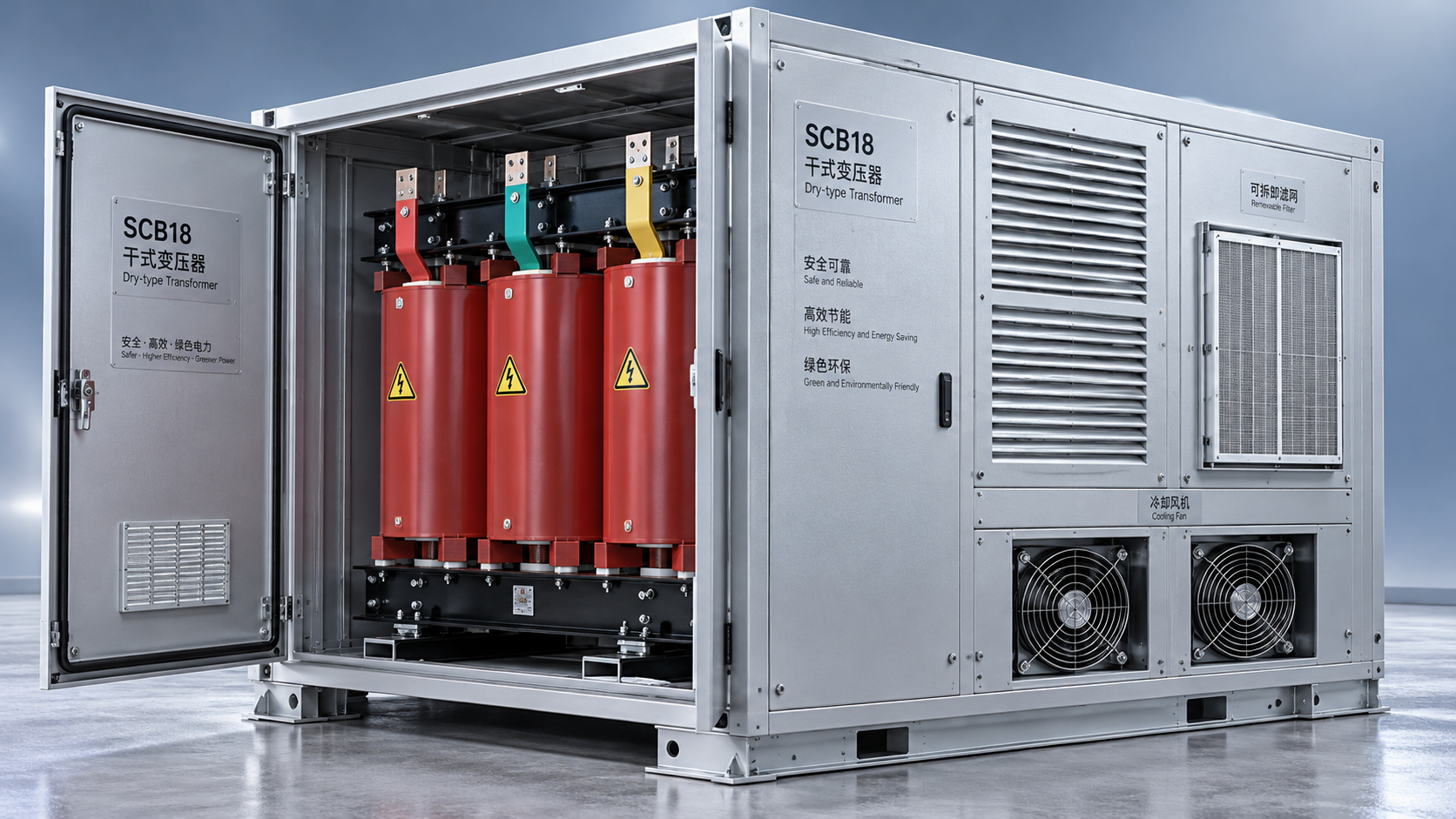
Before selecting an SCB18 Type Dry-Type Transformer, basic ratings are only the starting point.
The real decision depends on efficiency, insulation strength, safety, load behavior, and standards compliance.
A careful review lowers project risk, improves lifecycle value, and helps match equipment to actual operating conditions.
If you are comparing options, the checkpoints below will make SCB18 Type Dry-Type Transformer selection more practical and less guesswork-driven.
Start With the Real Load Profile
An SCB18 Type Dry-Type Transformer should be chosen around real demand, not only nameplate capacity.
Check peak load, average load, load fluctuation, and future expansion plans.
This matters even more in buildings, substations, stations, and industrial sites with uneven daily cycles.
- Confirm rated capacity against current and projected demand.
- Review overload tolerance during short peak periods.
- Check harmonic impact if the site uses drives, UPS systems, or converters.
- Avoid oversizing, which can raise capital cost and reduce operating efficiency.
Evaluate Losses and Efficiency Carefully
Efficiency is one of the main reasons buyers consider an SCB18 Type Dry-Type Transformer.
But efficiency should be reviewed through both no-load loss and load loss.
No-load loss affects long operating hours. Load loss becomes more important under higher utilization.
A lower purchase price can look attractive, yet higher losses often increase total cost over time.
Ask suppliers for lifecycle cost comparisons, not just quoted unit prices. That gives a clearer basis for transformer selection decisions.
Check Insulation System and Thermal Performance
Insulation quality directly affects reliability, safety, and service life.
For any SCB18 Type Dry-Type Transformer, review insulation class, temperature rise, and partial discharge data.
Low partial discharge is a strong signal of stable insulation performance and sound manufacturing quality.
Thermal design also deserves close attention, especially in warm climates or enclosed electrical rooms.
- Verify the insulation heat resistance class.
- Check average winding temperature rise limits.
- Review cooling method and ventilation requirements.
- Confirm performance under local ambient temperature conditions.
As a useful reference, some dry-type designs such as the SCB10 Type Dry-Type Transformer use Class F insulation, temperature rise control within 100K, and partial discharge below 5pc.
Review Fire Safety and Environmental Suitability
Dry-type units are often selected because safety requirements are stricter indoors.
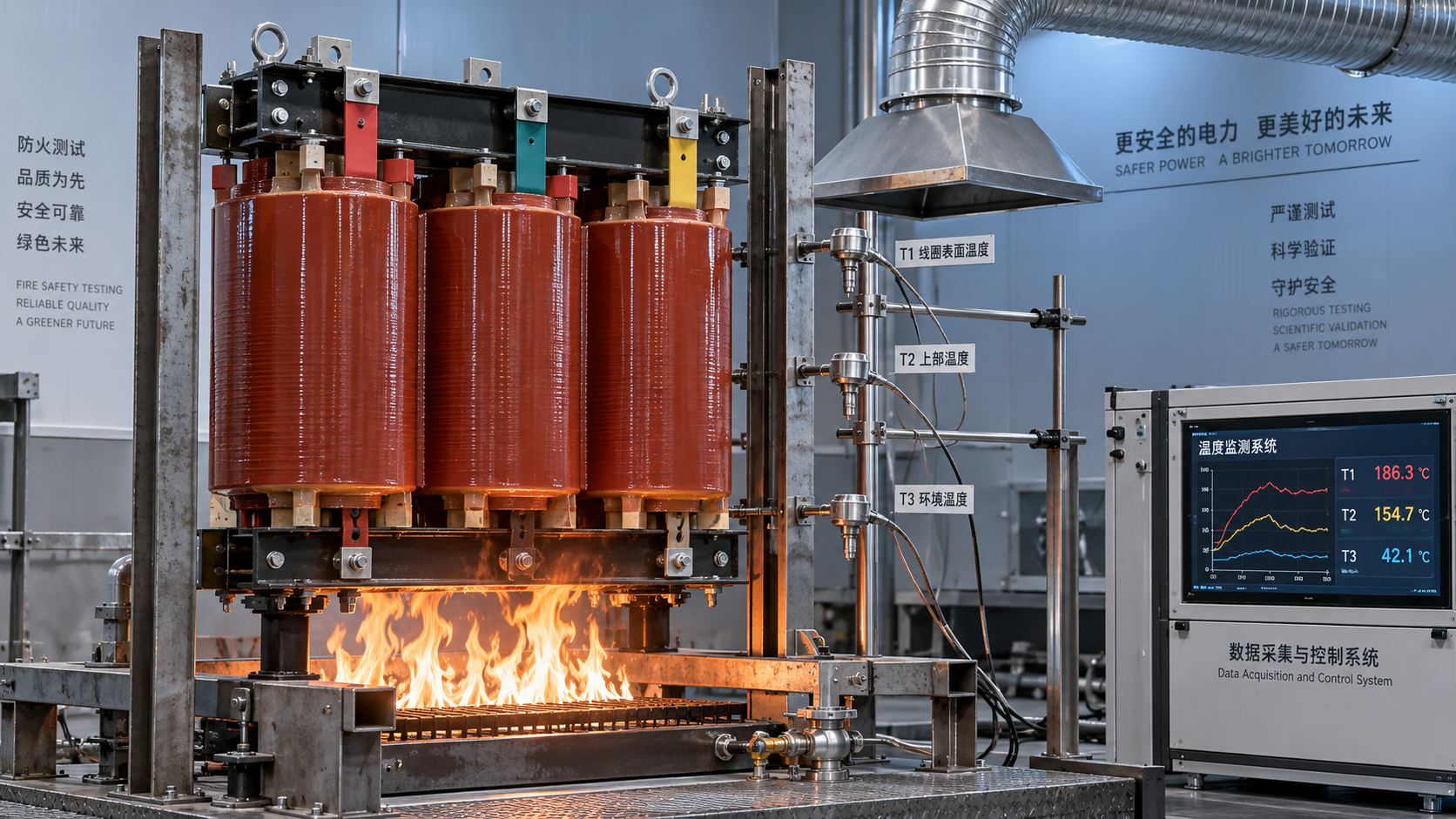
That means an SCB18 Type Dry-Type Transformer must be checked for flame retardancy, moisture resistance, and dust protection.
These points become critical in airports, railway stations, docks, power plants, and high-rise buildings.
In practical projects, enclosure material also matters. Ordinary steel plate, stainless steel, and aluminum alloy each serve different site conditions.
For corrosive or demanding environments, the right housing choice can reduce maintenance issues significantly.
Confirm Short-Circuit Strength and Voltage Stability
A good SCB18 Type Dry-Type Transformer should remain stable under electrical stress, not only under normal loading.
Check short-circuit resistance, lightning impulse tolerance, and voltage regulation behavior.
If the project supports sensitive equipment, voltage stability becomes a major evaluation point.
This is also where manufacturing consistency shows up. Strong process control usually leads to more reliable electrical performance.
Look Beyond the Datasheet to Manufacturing Quality
Two transformers can look similar on paper and behave very differently in service.
That is why supplier capability should be part of SCB18 Type Dry-Type Transformer evaluation.
Jiangsu Shengda Power Equipment Co., Ltd. focuses on transformer research, production, and sales, supported by technical expertise and strict quality management.
Its products comply with international and industry standards, including GB1094.1-2-1996 and GB/T6451-2008, and the company is ISO9001 certified.
That background matters when you need consistent inspection records, repeatable processes, and dependable delivery quality.
Use a Simple Decision Checklist
A structured checklist helps keep SCB18 Type Dry-Type Transformer selection objective.
Make the Final Choice With Operating Reality in Mind
The best SCB18 Type Dry-Type Transformer is not simply the one with the highest rating or the lowest quote.
It is the unit that fits the site, meets safety requirements, controls losses, and stays reliable over time.
From a decision standpoint, that means checking both technical data and supplier discipline.
When those points are verified early, SCB18 Type Dry-Type Transformer selection becomes faster, clearer, and more cost-effective in actual project delivery.



 What an F1 fire behaviour rating means for a flame-retardant transformer
 How enclosure specifications affect SCB18 dry-type transformer cost
 How to compare loss guarantees for S22 oil-immersed transformers
 When to choose a loop-feed pad-mounted transformer over radial feed
 How much spare capacity should a distribution transformer have?
 Checking S13 oil-immersed transformers for renewable inverter loads
GET A FREE QUOTE
We offer reliable products, competitive prices, and nationwide professional support, committed to providing customers with efficient and energy-saving power equipment solutions.