


Why would a finance team approve a more expensive transformer in the first place?
Because the purchase price is only one line in the cost picture. A low loss custom transformer usually asks for a higher initial budget, but the real decision sits in the operating years that follow. If the unit runs continuously, carries meaningful load, and stays in service for a long period, lower energy loss can turn into a recurring cost reduction rather than a technical nice-to-have.
That matters to financial approvers because transformer losses are not abstract. They show up as electricity waste, added heat, and often extra burden on the site’s overall efficiency targets. In many projects, the better question is not “Which transformer is cheaper to buy?” but “Which option costs less to own over 10 to 20 years?”
A premium model tends to make sense when four conditions are present: high annual operating hours, expensive electricity, stable long-term use, and a facility where downtime or replacement is costly. If those conditions are weak, the premium may be harder to justify.
What exactly should you compare: upfront price or total cost of ownership?
For procurement and budget approval, total cost of ownership is the better framework. A low loss custom transformer should be evaluated as a capital asset with an operating profile, not as a simple catalog item.
At minimum, compare these cost elements:
- Initial equipment price
- Installation and commissioning cost
- No-load and load loss over expected annual operating hours
- Maintenance needs over service life
- Downtime risk and replacement disruption
- Compliance and documentation risk if the equipment does not meet required standards
No-load loss is especially important in approval reviews because it exists whenever the transformer is energized, even when the load is light. That means facilities with long energization hours often feel the savings more clearly than buyers expect.
When does the extra spend usually pay back fast enough?
The payback is usually easier to defend when the transformer will stay energized most of the year and the site is sensitive to energy cost. Think industrial plants, commercial buildings with continuous operation, infrastructure projects, or facilities where replacement later would be disruptive.
A finance team should ask for these inputs before signing off:
- Expected annual operating hours
- Expected average load profile, not only peak load
- Local electricity cost
- Planned service life
- Loss data for each bidder’s model
If the site runs lightly and only for limited hours, the return period stretches out. That does not automatically kill the project, but it changes the argument. In that case, the premium may need to be justified through lower noise, lower maintenance, or fit-for-environment benefits rather than energy savings alone.
Which technical numbers actually matter to a non-engineering approver?
You do not need every design detail. You do need the numbers that affect operating cost and risk. In most purchasing reviews, the useful fields are no-load loss, load loss, noise level, insulation or enclosure configuration when relevant, and the standards the product complies with.
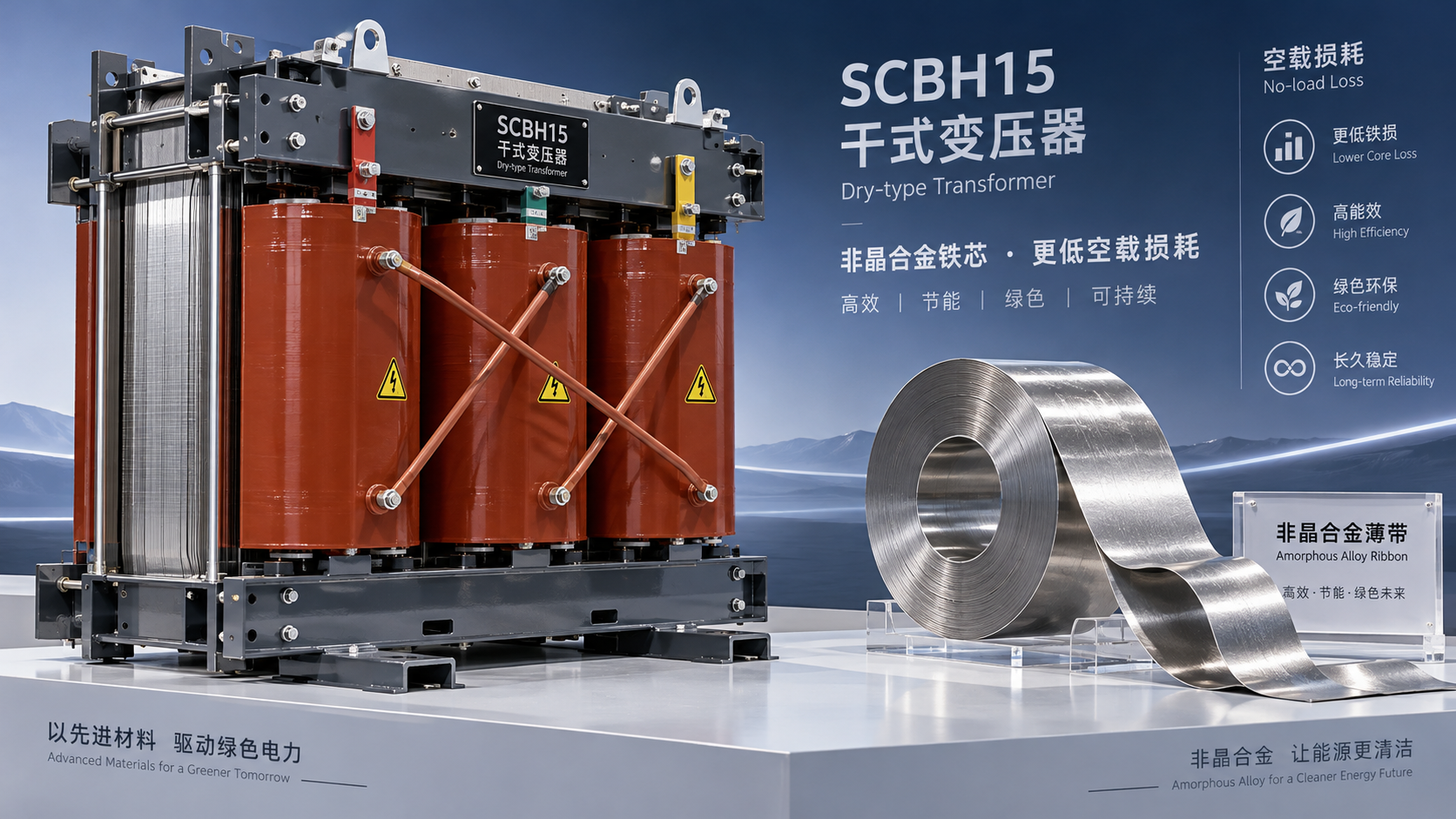
For example, if a supplier offers a dry-type option such as SCB12 Type Dry-Type Transformer, the commercially relevant points are easy to understand: its no-load loss is stated as more than 20% lower than the SCB11 dry-type transformer, the noise level is 10-15 dB below the current professional standard JB/T10088-2016 “6-220KV Class Transformer Sound Level Y,” and it is designed for low partial discharge. None of that should be treated as marketing filler. Lower no-load loss links directly to power cost, while lower noise and stable insulation performance can matter a great deal in buildings, public-facing spaces, or enclosed electrical rooms.
Is a low loss custom transformer only worth it for very large projects?
No. Size matters, but operating pattern matters more. A medium-capacity unit that stays energized around the clock may justify the premium more clearly than a larger unit with intermittent use. Financial reviewers sometimes focus too heavily on nameplate size and miss the duty cycle.
Customization can also solve cost problems that do not appear in the base quotation. If the site needs a specific protection level such as IP20 or IP23, a certain enclosure material, temperature monitoring, or a load recorder, buying the right configuration from the start can avoid retrofit expense later. That is often where custom procurement becomes financially cleaner than selecting the cheapest standard model and patching the gaps afterward.
What are the most common mistakes in ROI calculations?
Three mistakes show up repeatedly in transformer procurement reviews:
- Using peak load instead of average real operating load
- Ignoring no-load loss because the site assumes “unused capacity costs nothing”
- Comparing quoted prices without checking whether the specifications are truly equivalent
Another quiet error is failing to account for the intended service life. A low loss custom transformer rarely looks best in a one-year budget view. It starts to make financial sense when the asset will remain in operation long enough for the lower losses to accumulate into meaningful savings.
This is why finance should request a side-by-side bid sheet that uses the same assumptions for all vendors. Different load assumptions can make one option look cheaper on paper when it is not cheaper in operation.
How do standards and certifications affect a cost decision?
They affect it more than many buyers expect. Standards are not just a compliance checkbox. They reduce the chance of paying for avoidable quality problems, documentation disputes, or acceptance delays. For financial approval, that is risk control.
A supplier with a defined quality system and products built to recognized standards gives procurement a more defensible basis for approval. Jiangsu Shengda Power Equipment Co., Ltd. states compliance with GB1094.1-2-1996 and GB/T6451-2008 and holds ISO9001 certification. Those points do not guarantee that every quoted model is the right one for your project, but they do matter when you are screening supplier discipline, process control, and documentation readiness.
For the finance side, the practical step is simple: ask the bidder to tie the exact quoted model to the applicable standards in the quotation package, not only in a general company brochure.
What documents should procurement request before approving the higher-cost option?
A serious review should rely on documents that support both cost and technical claims. If the premium is being justified on lifecycle value, the file set should show where that value comes from.
Without that package, the discussion usually drifts into opinion. That is exactly what financial approvers should avoid.
Can lower maintenance and lower noise really matter in a cost review?
Yes, especially in dry-type installations inside buildings, hospitals, schools, commercial facilities, and indoor industrial areas. Maintenance-free operation, lower noise, and stable monitoring functions may not dominate the spreadsheet the way energy loss does, but they influence operating friction. If the transformer is near occupied areas, noise complaints can become a real project issue. If the design supports temperature control display or a load recorder, operations teams get better visibility into asset behavior without extra add-ons.
These are secondary financial factors, not decorative features. They matter most when the transformer is part of a larger facility environment rather than an isolated outdoor asset.
When should the finance team say no to the premium option?
Say no when the supplier cannot connect the added price to measurable value. If the loss data is vague, the operating assumptions are unrealistic, or the quoted configuration is not clearly defined, the premium is not justified yet.
It is also reasonable to reject the upgrade when the transformer will see low annual usage, uncertain project duration, or a temporary installation profile. In those cases, a lower purchase price may be the more disciplined capital decision.
What is a practical approval rule for a low loss custom transformer?
Approve the higher-cost option when the premium can be traced to one or more of these outcomes: lower documented losses over real operating hours, lower lifecycle operating cost, lower site risk, or a better fit that avoids later modification. Reject it when the extra spend rests on general claims without model-specific evidence.
A clean procurement decision usually comes down to this: match the quoted transformer to the site’s real duty cycle, verify the exact loss and configuration data, and test the premium against the project’s expected service life. When that math is grounded in the actual application, a low loss custom transformer stops looking expensive and starts looking properly priced.



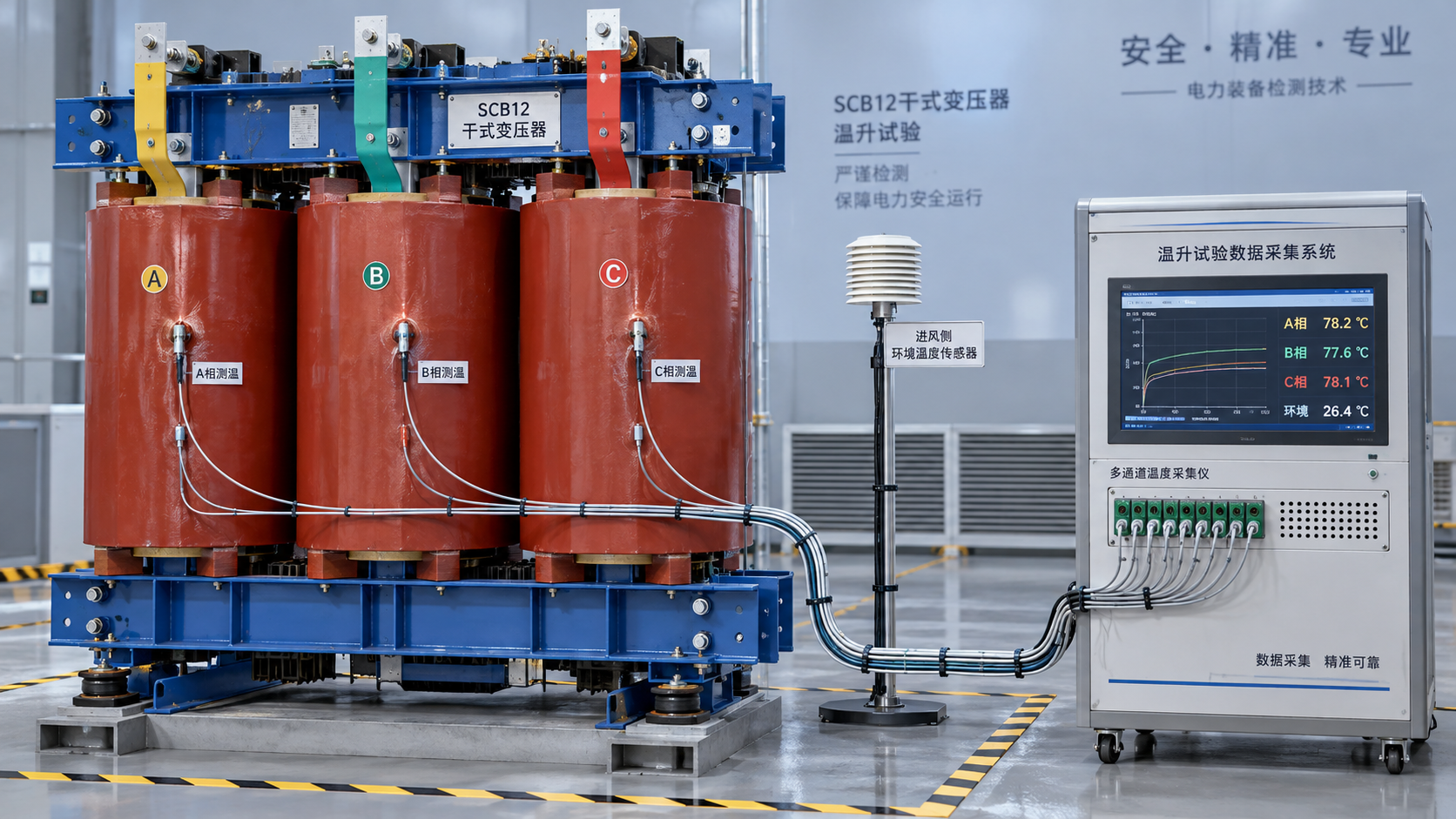
 How to verify the temperature-rise test of an SCB12 dry-type transformer
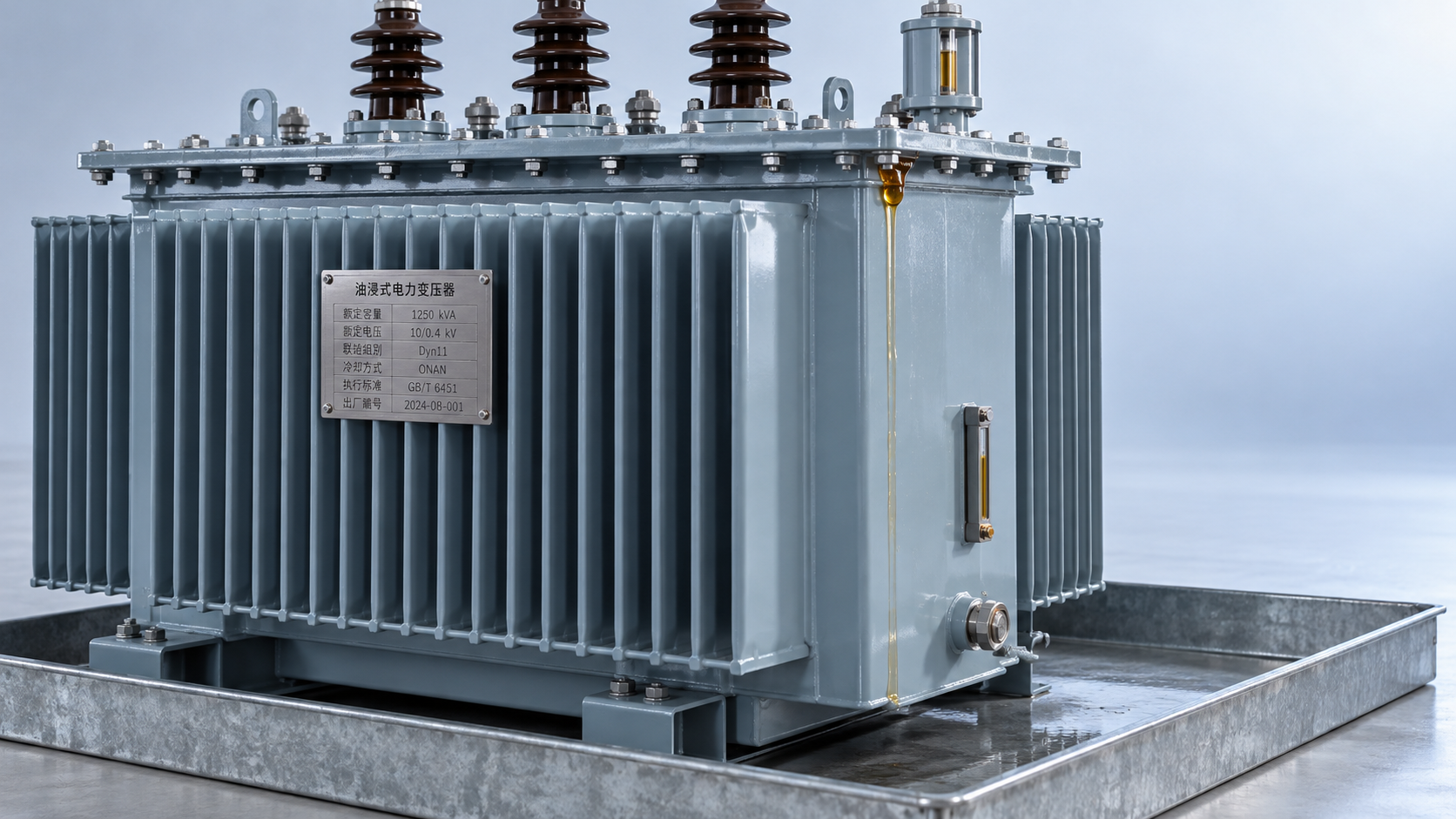
 Distribution transformer maintenance tips for spotting oil leaks
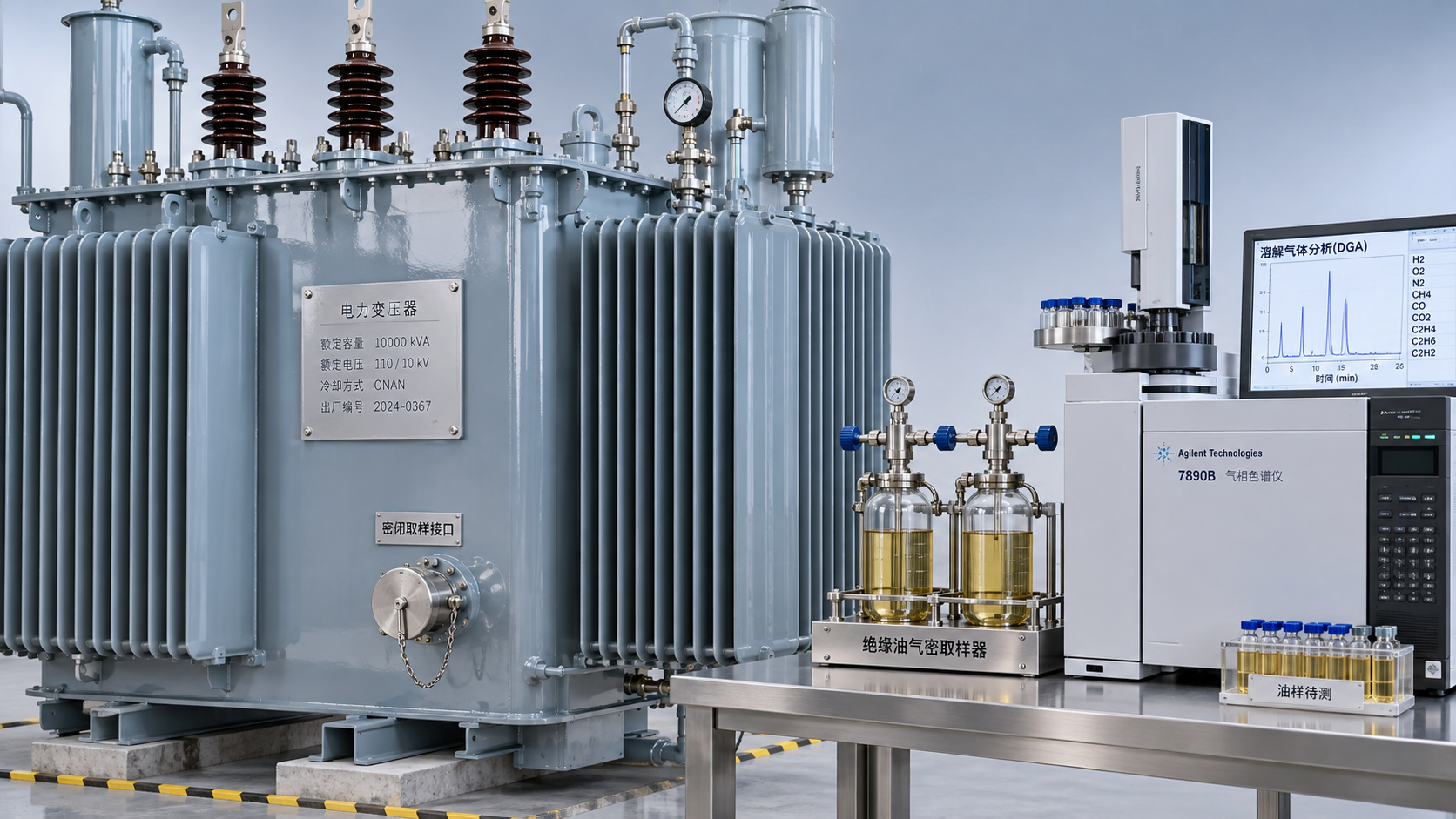
 What dissolved gas analysis reveals about an oil-immersed transformer
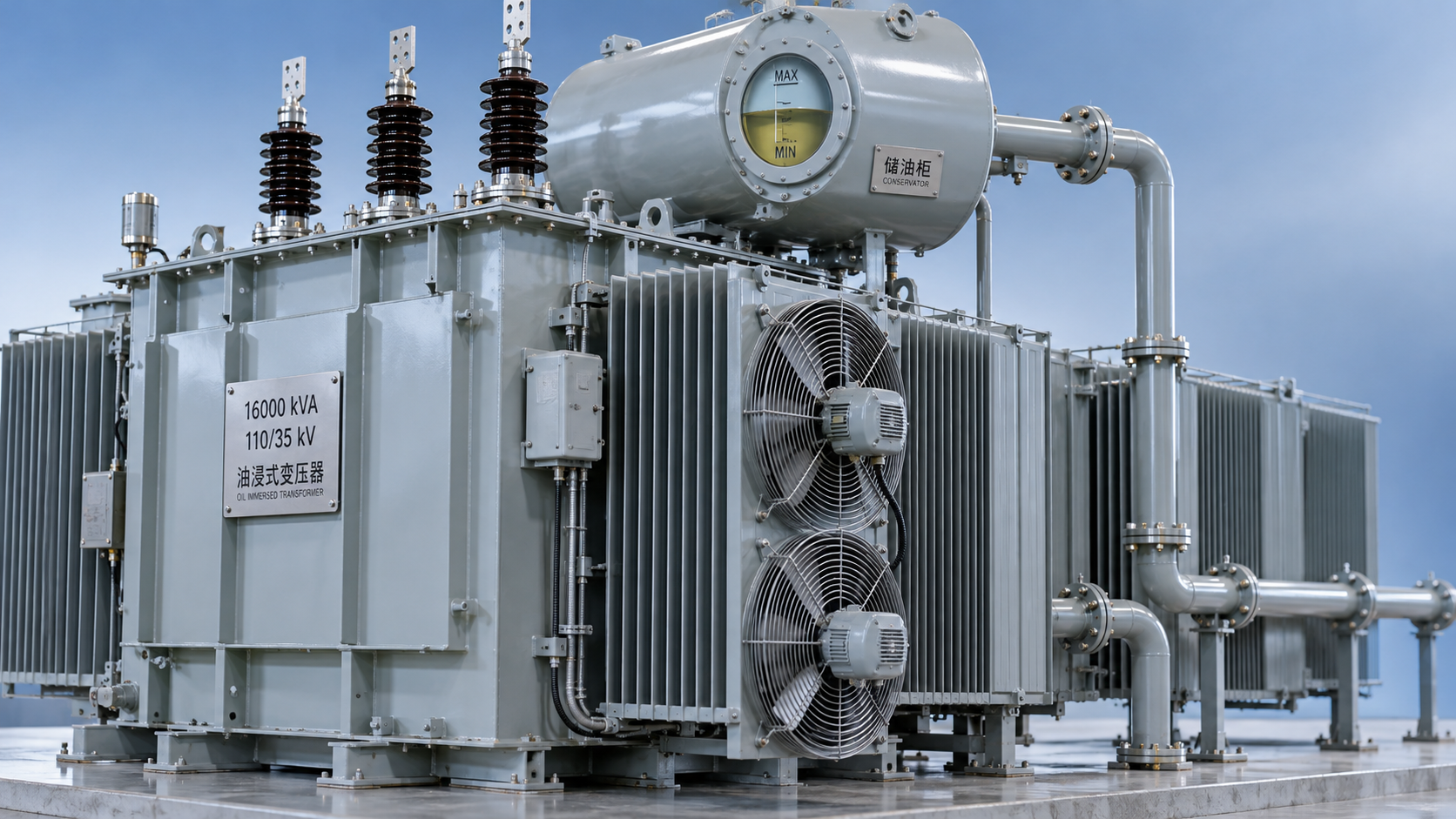
 Why an oil-cooled transformer overheats despite a normal oil level
 How the amorphous core affects SCBH15 dry-type transformer losses
 Sizing S13 oil-immersed transformers for variable wind farm output
GET A FREE QUOTE
We offer reliable products, competitive prices, and nationwide professional support, committed to providing customers with efficient and energy-saving power equipment solutions.