


Where Compact Design Matters Most in an SCB13 Type Dry-Type Transformer
For project managers and engineering leaders, space constraints often shape equipment decisions as much as performance does. That is where SCB13 Type Dry-Type Transformer compact design delivers clear value, helping optimize installation in commercial buildings, substations, and industrial facilities without compromising safety, efficiency, or reliability. Understanding where compact design matters most can support smarter planning, lower operational risk, and better long-term project outcomes.
The projects where compactness really changes the outcome are usually not the ones with the highest transformer rating on paper. They are the ones where the electrical room is already crowded, where cable routing is awkward, where civil revisions are expensive, or where shutdown windows are tight. In those jobs, the discussion is rarely about dimensions alone. It is about whether the transformer can be brought in without dismantling walls, whether service clearance can still be respected, whether heat can be managed in a shallow room, and whether the final arrangement leaves enough space for inspection, terminations, and future replacement.
That is why the phrase SCB13 Type Dry-Type Transformer compact design should be understood as an engineering advantage tied to installation reality. A smaller footprint only matters if it helps solve a real site constraint without creating a different problem somewhere else.
Where Space Pressure Is Most Real
Commercial high-rise buildings are one of the clearest examples. Transformer rooms in office towers, hotels, hospitals, and mixed-use complexes are often placed in basements or podium levels where every square meter is contested by pumps, fire systems, ventilation equipment, storage, and vertical transport infrastructure. The transformer is not selected in isolation. It has to coexist with bus ducts, switchgear, cable trays, and access paths. In this environment, a compact dry-type unit reduces layout tension, especially when the distribution room is long and narrow rather than wide and open.
The practical benefit is not just fitting the equipment into the room. It is preserving workable clearance around it. Designers sometimes underestimate how often “it fits” still becomes “it cannot be safely installed” once door swing, turning radius, cable bending space, and ventilation openings are added back into the drawing. Compact construction gives more freedom to maintain these allowances. That matters even more for buildings where electrical rooms are finalized late and mechanical systems have already consumed much of the available envelope.
Data-supporting documents for a specific project will still decide the final choice, but in many indoor power distribution schemes, dry-type transformers are favored because they avoid the oil containment considerations associated with liquid-filled units. That does not make them automatically easier to place. They still need careful attention to temperature rise, air circulation, and service access. Compactness helps, but only when paired with a room layout that allows the transformer to breathe.
Retrofits Usually Expose the Real Value
New-build projects can still revise civil dimensions if the issue is found early. Retrofit work is less forgiving. Existing plants, campuses, and public buildings often require transformer replacement inside rooms that were designed around an older unit, older standards, or completely different cable arrangements. Compact design becomes most valuable when the goal is to upgrade capacity or improve efficiency without rebuilding the substation wall line.
A common field problem is access sequence. The transformer may need to pass through a loading corridor, elevator lobby, removable panel, or basement ramp before it ever reaches the electrical room. The rated capacity may be acceptable, but transport dimensions and lifting conditions can still rule out a supposedly suitable model. Experienced teams check route width, floor loading, turning points, and temporary lifting points before release for production. This is where a compact SCB13 dry-type design can save a project from expensive enabling works that do not appear in the electrical budget at the start.
Retrofit customers also tend to ask a practical question: if the transformer is smaller, does that mean compromise in durability or winding arrangement? The answer depends on the manufacturer’s design discipline, not on size alone. Jiangsu Shengda Power Equipment Co., Ltd. builds transformers under established quality control and in line with standards such as GB1094.1-2-1996 and GB/T6451-2008, with ISO9001-certified quality management. That background matters because compact equipment in retrofit environments is usually chosen to reduce installation difficulty, not to accept weaker reliability margins.
Industrial Facilities Need Compactness for Different Reasons
In factories, the space issue is often less about gross floor area and more about process adjacency. Transformers may need to sit close to production loads to reduce cable runs or support local distribution zones, yet the available room can be constrained by process lines, fire separation walls, or forklift circulation. In these cases, compact design supports layout efficiency, but the more important question is whether the transformer can operate stably in the actual environmental conditions.
Dust, vibration, elevated ambient temperature, and intermittent overload behavior all deserve attention. A compact transformer in a harsh industrial environment still requires a realistic review of enclosure strategy, cooling path, and maintenance reach. When planners focus only on footprint, they sometimes place the unit too close to walls or other heat-generating equipment. The result can be a neat drawing and poor thermal behavior. That is not a transformer problem alone; it is a coordination problem.
This is also where comparison with other transformer types can sharpen judgment. In some outdoor or utility-side arrangements, a sealed oil-immersed model may remain the more practical option. For example, S11 Series Oil-Immersed Power Transformer products are commonly associated with low loss, high efficiency, fully sealed construction, and reduced maintenance requirements during normal operation. Those characteristics can be attractive where indoor fire restrictions are less decisive and where the site benefits from the operational stability of a sealed oil-filled solution. The point is not to force one type into every scenario. It is to match the transformer structure to the installation environment.
Compact Substations and Packaged Power Rooms
Compactness becomes even more consequential when the transformer is part of a prefabricated substation or integrated electrical room. In these assemblies, every component competes for fixed volume. The transformer size affects not only equipment spacing but also ventilation path, cable compartment dimensions, and service ergonomics. A few saved centimeters at the transformer body can make the difference between a workable front-access arrangement and a cabinet that is difficult to terminate and inspect.
The risk here is over-optimizing for packaging density. A packaged station that looks efficient in fabrication can become awkward in operation if maintenance points are blocked or if heat from adjacent compartments accumulates. In practice, compact design works best when it creates room for function, not when it simply fills the enclosure more tightly.
What Buyers Often Misjudge
One frequent mistake is treating compactness as a universal advantage without asking what has been compressed. If the dimensional reduction comes at the cost of awkward cable landing, cramped inspection space, or tougher cooling conditions, the operational burden simply moves downstream. Another mistake is evaluating only transformer body size while ignoring the total installed envelope, including enclosure, busbar connection, cable bending radius, and the working space required by local practice or project specifications.
There is also a tendency to assume that any indoor project should automatically favor dry-type equipment and that any outdoor or utility project should default to oil-immersed units. Actual selection is more nuanced. Fire strategy, maintenance model, environmental cleanliness, room geometry, noise expectations, and the client’s replacement philosophy all influence the decision. A well-designed indoor room may benefit greatly from an SCB13 dry-type transformer. Another project, even at similar voltage class, may be better served by a different configuration, including solutions related to S11 Series Oil-Immersed Power Transformer applications where sealing structure, low noise, and reduced oil aging are operationally relevant.
A Better Way to Judge Fit
Before locking in a compact dry-type unit, the project team should review a short list that is more useful than generic product comparisons:
Will the transformer pass through the real access route, not just the nominal door opening? Is the installation room dimensionally workable after cable terminations and safety clearance are included? Is the ventilation method proven for the room’s heat load? Does the site require low-noise behavior because of occupancy above or beside the transformer room? Are future replacement and inspection possible without major demolition?
Those questions sound basic, but they are usually what separate a clean installation from a project that runs into site change orders.
In other words, compact design matters most where space limitation interacts with access, heat, safety, and maintainability all at once. That is the real decision point for an SCB13 Type Dry-Type Transformer compact design. If the transformer solves those constraints together, it earns its place. If it only saves floor area on the drawing, the project team should keep looking.



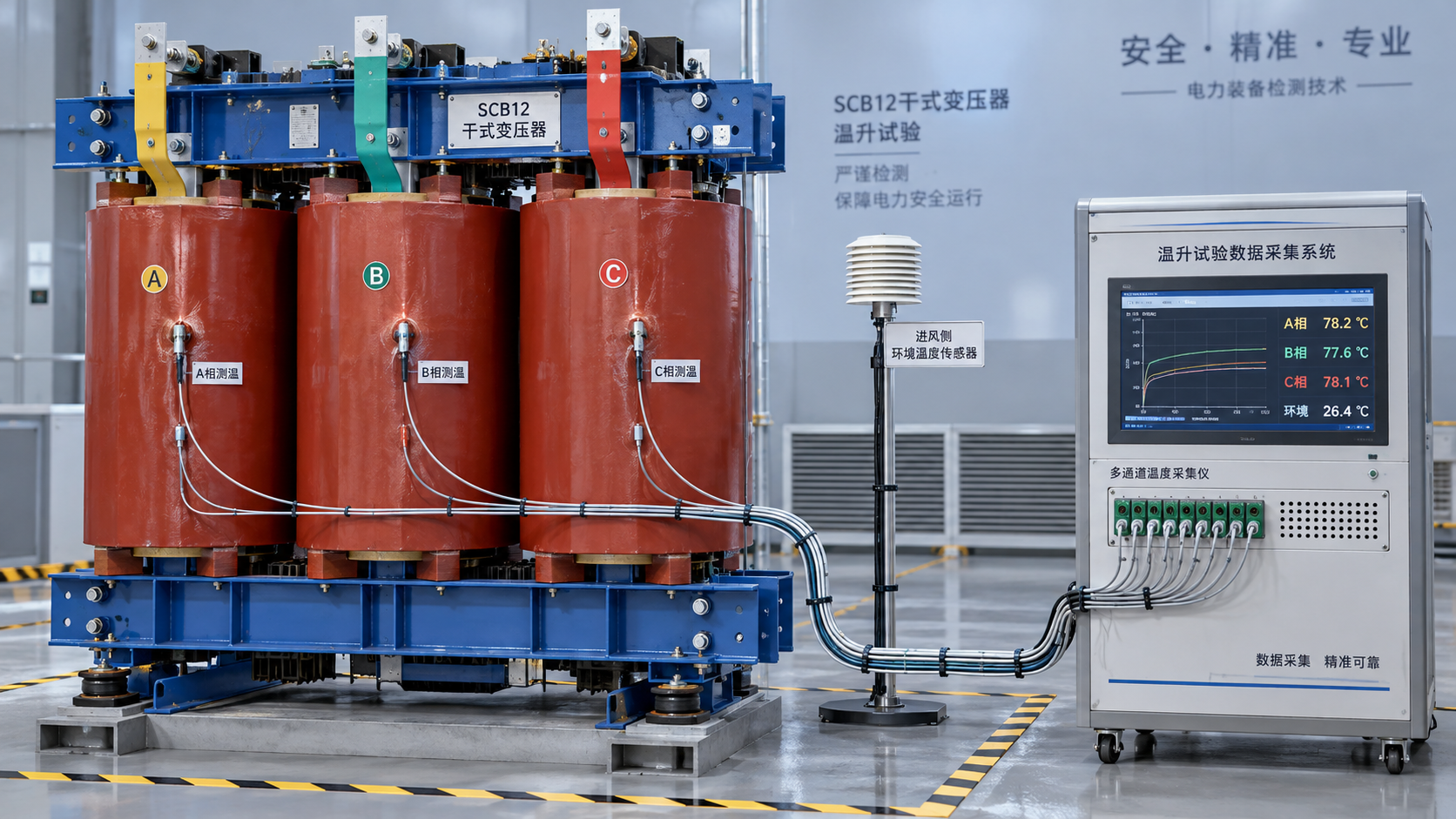
 How to verify the temperature-rise test of an SCB12 dry-type transformer
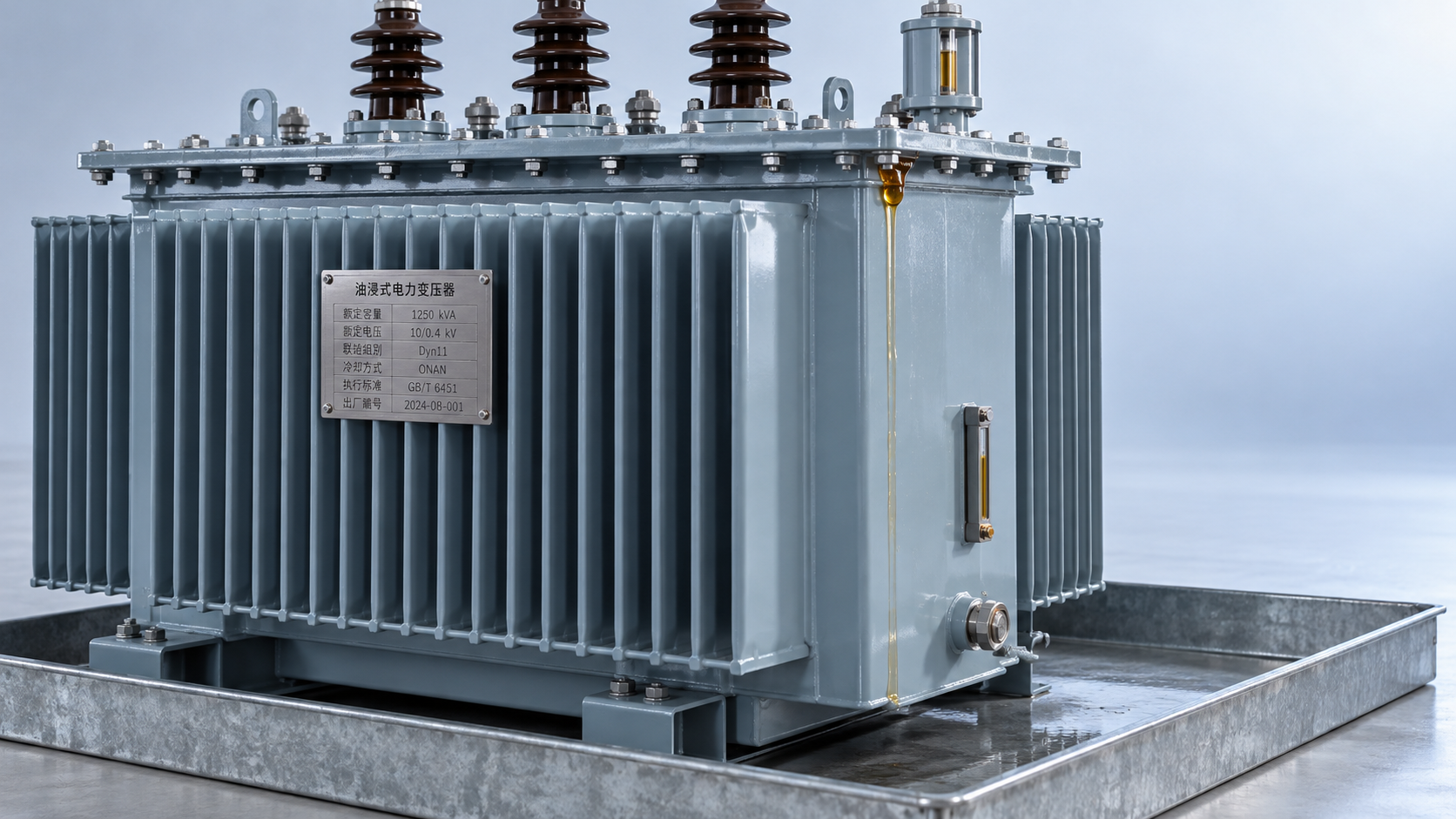
 Distribution transformer maintenance tips for spotting oil leaks
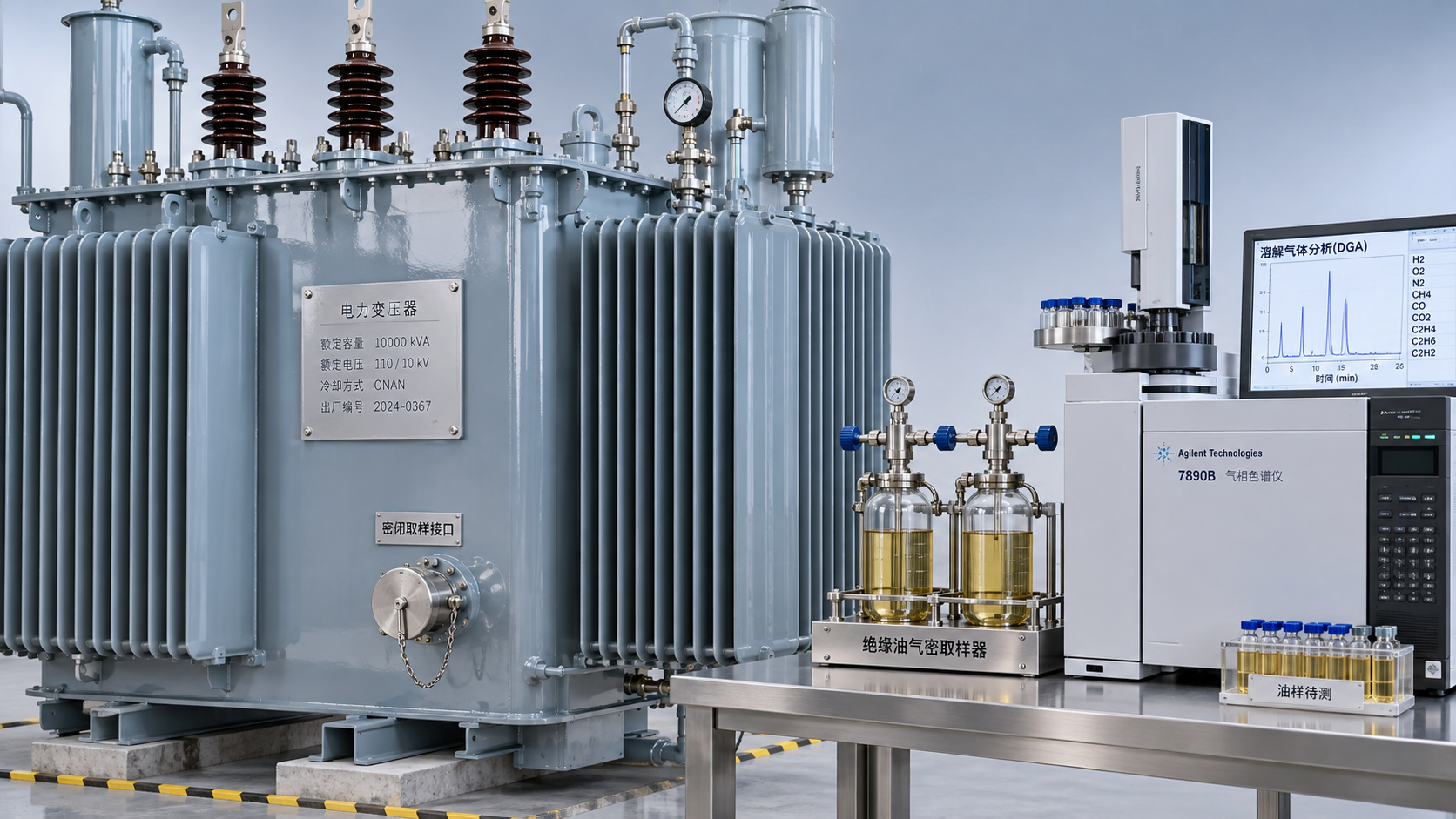
 What dissolved gas analysis reveals about an oil-immersed transformer
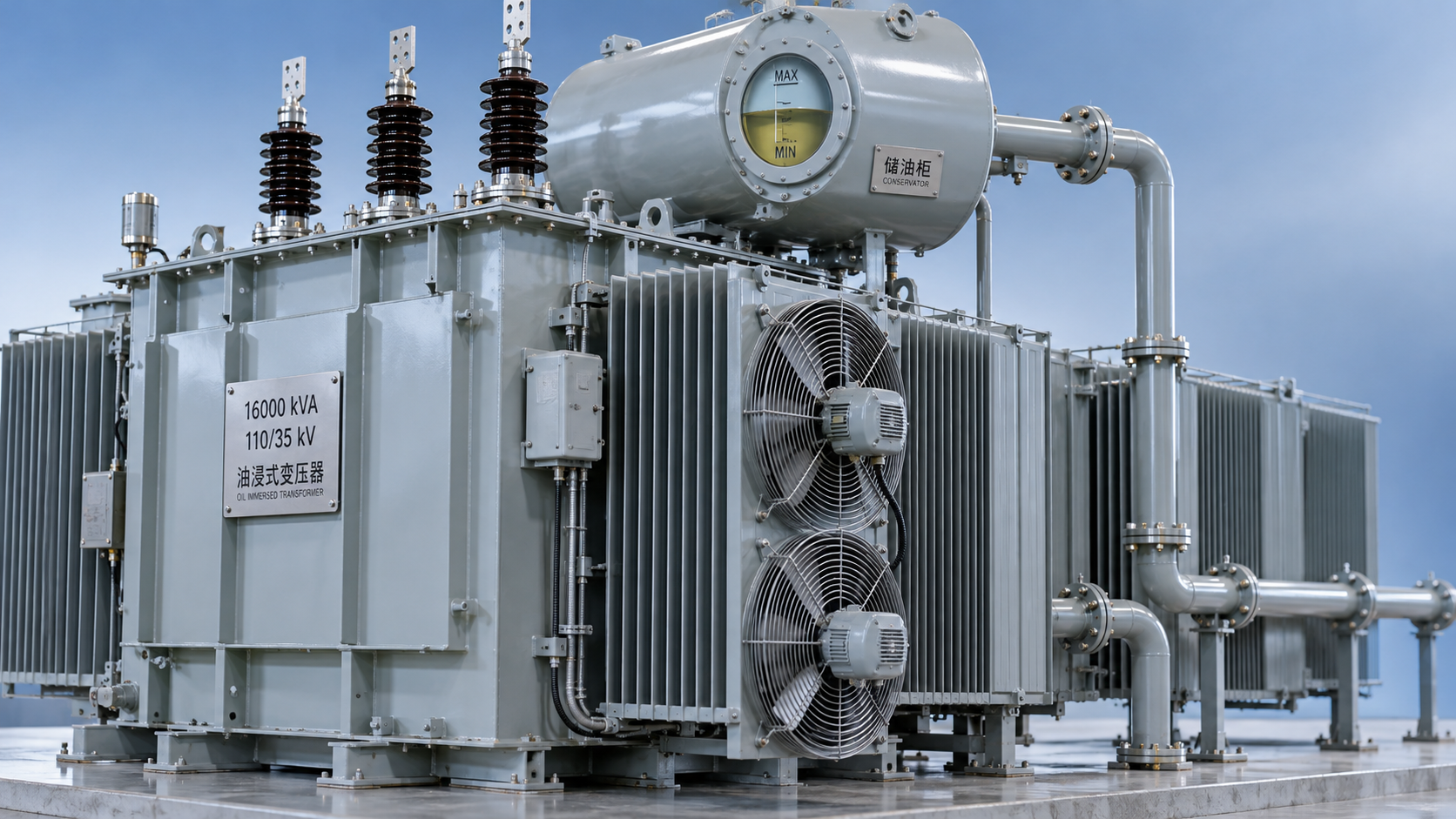
 Why an oil-cooled transformer overheats despite a normal oil level
 How the amorphous core affects SCBH15 dry-type transformer losses
 Sizing S13 oil-immersed transformers for variable wind farm output
GET A FREE QUOTE
We offer reliable products, competitive prices, and nationwide professional support, committed to providing customers with efficient and energy-saving power equipment solutions.