


Why Dry-Type Transformers Overheat and What to Check First
When a dry-type transformer begins to overheat, the first signs are often easy to miss—but the risks are not.
A rising odor, warmer enclosure panels, or unusual fan cycling can appear before any alarm.
If the issue continues, insulation aging speeds up, output stability drops, and shutdown risk increases fast.
This guide explains why a dry-type transformer overheats, what to inspect first, and how to troubleshoot with less guesswork.
Start With the Most Common Overheating Causes
Most dry-type transformer overheating cases come from a short list of practical problems.
The first is overload.
When load stays above the rated value, winding temperature rises steadily and hot spots develop faster than expected.
The second is poor ventilation.
A dry-type transformer depends heavily on clean airflow around windings and core surfaces.
Blocked air ducts, failed cooling fans, or narrow installation space can trap heat inside the enclosure.
The third cause is connection resistance.
Loose terminals, oxidized joints, or uneven contact pressure create local heating, even when total load seems normal.
What to Check First on Site
In real maintenance work, the fastest path is not starting with disassembly.
Start with operating data and visible conditions.
- Check load current against the transformer nameplate and recent operating trend.
- Compare three-phase balance and look for one phase running noticeably hotter.
- Confirm ambient temperature around the dry-type transformer enclosure.
- Inspect air inlets, outlets, louvers, and internal passages for dust buildup.
- Verify whether cooling fans start at the correct temperature.
- Review alarm history from temperature controllers and protection devices.
This sequence saves time because it separates thermal stress from control failure.
It also helps confirm whether the overheating is constant, seasonal, or linked to a recent load change.
Inspect These Components Before Deeper Repairs
1. Temperature monitoring system
A faulty sensor can mimic dry-type transformer overheating or hide the real temperature rise.
Check sensor placement, cable condition, controller settings, and fan start thresholds first.
2. Cooling fans and airflow path
Fan rotation errors, damaged blades, or clogged grilles reduce cooling more than many teams expect.
If one fan fails, heat distribution becomes uneven and winding hot spots can appear quickly.
3. Terminals and busbar joints
Use thermal scanning if available.
A single hot connection often explains repeated dry-type transformer overheating alarms.
Look for discoloration, insulation darkening, abnormal odor, or torque loss at connection points.
4. Winding and insulation surface
Dust, moisture, and conductive contamination can worsen surface heating and discharge risk.
This matters even more in docks, substations, and heavy-traffic indoor electrical rooms.
Do Not Ignore Installation Conditions
Sometimes the dry-type transformer itself is not the main problem.
The installation environment may be forcing it to run hot every day.
Check clearance from walls, nearby heat sources, cable congestion, and enclosure design.
Also review whether the site temperature exceeds the original design assumption.
In high-rise buildings, airports, and railway stations, load density often increases over time.
That means a once-acceptable setup may no longer support stable cooling for a dry-type transformer.
When Product Design Helps Reduce Heat Risk
Not every overheating case comes from field errors.
Transformer design quality also affects how well the unit handles load variation and harsh conditions.
For example, SCB14 Type Dry-Type Transformer uses epoxy resin insulation and a more advanced structure.
That supports low noise, reduced no-load loss, and economical operation under daily service conditions.
It also offers flame retardancy, moisture resistance, dust resistance, and strong short-circuit tolerance.
In locations with high fire protection requirements, those features can improve long-term thermal reliability.
A Practical Troubleshooting Flow
- Confirm the overheating alarm is real through controller data and spot temperature checks.
- Measure load, phase balance, and ambient temperature.
- Inspect fans, vents, and dust accumulation.
- Scan terminals, cable joints, and busbar connections for local hot spots.
- Check winding surfaces for contamination or visible insulation distress.
- Review installation clearance and enclosure airflow design.
- Then decide whether the issue is load-related, environment-related, or equipment-related.
This approach reduces repeated visits and avoids replacing parts before the cause is clear.
Choose a Reliable Basis for Long-Term Operation
Consistent performance starts with solid manufacturing and strict quality control.
Jiangsu Shengda Power Equipment Co., Ltd. focuses on transformer research, production, and application reliability.
Its products follow international and industry standards, including GB1094.1-2-1996 and GB/T6451-2008.
The company is also ISO9001 certified and supplies low-loss and dry-type transformer series for varied power scenarios.
That foundation matters when you need equipment that stays stable under real operating pressure.
Final Check Before the Problem Grows
When a dry-type transformer overheats, the first priority is speed with structure.
Check load, airflow, terminals, sensors, and installation conditions before moving into deeper repairs.
That usually reveals the cause faster than replacing fans or controllers one by one.
A dry-type transformer rarely overheats without giving some warning signal first.
If those early signals are checked in the right order, downtime and repair cost stay much easier to control.



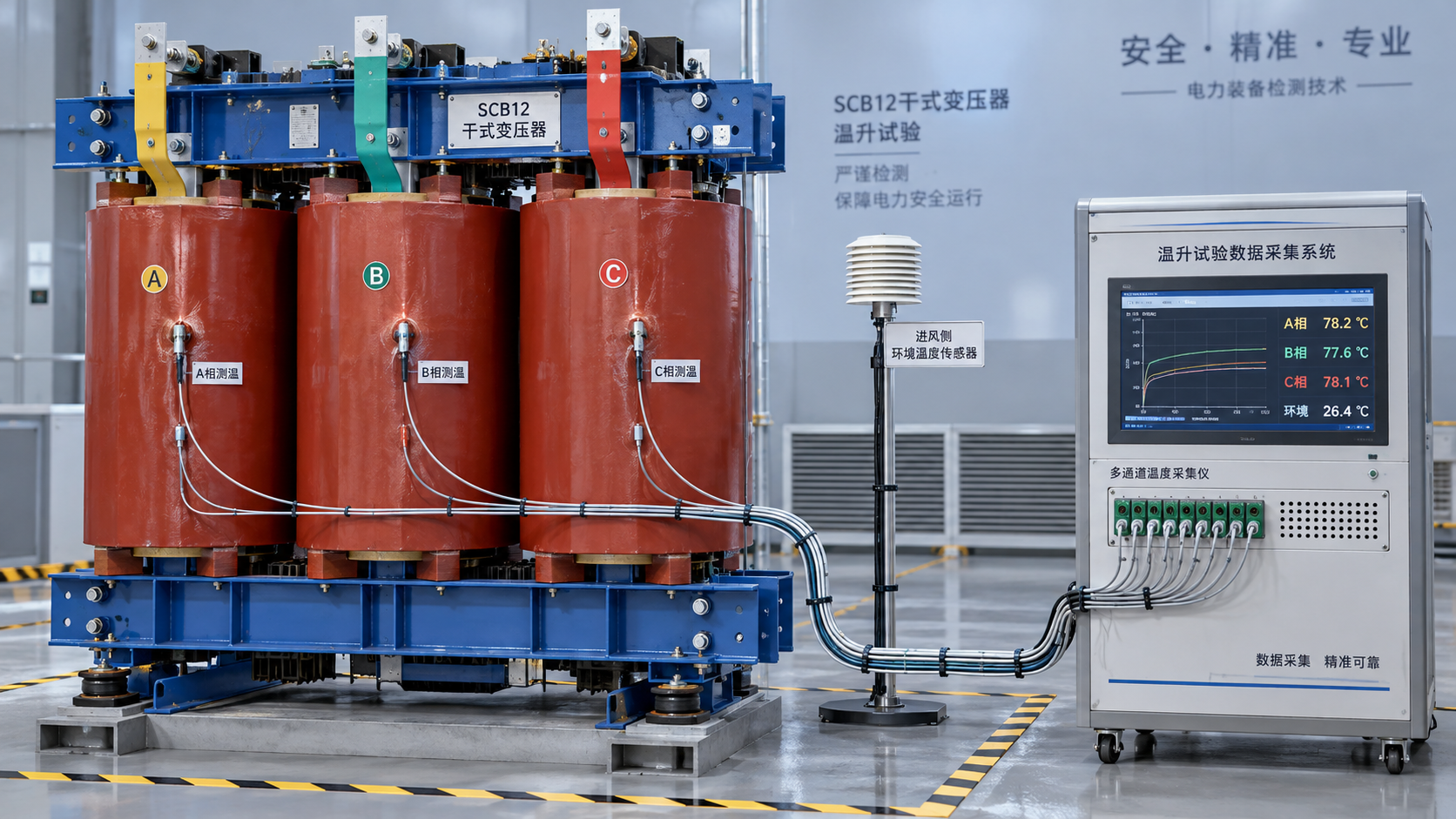
 How to verify the temperature-rise test of an SCB12 dry-type transformer
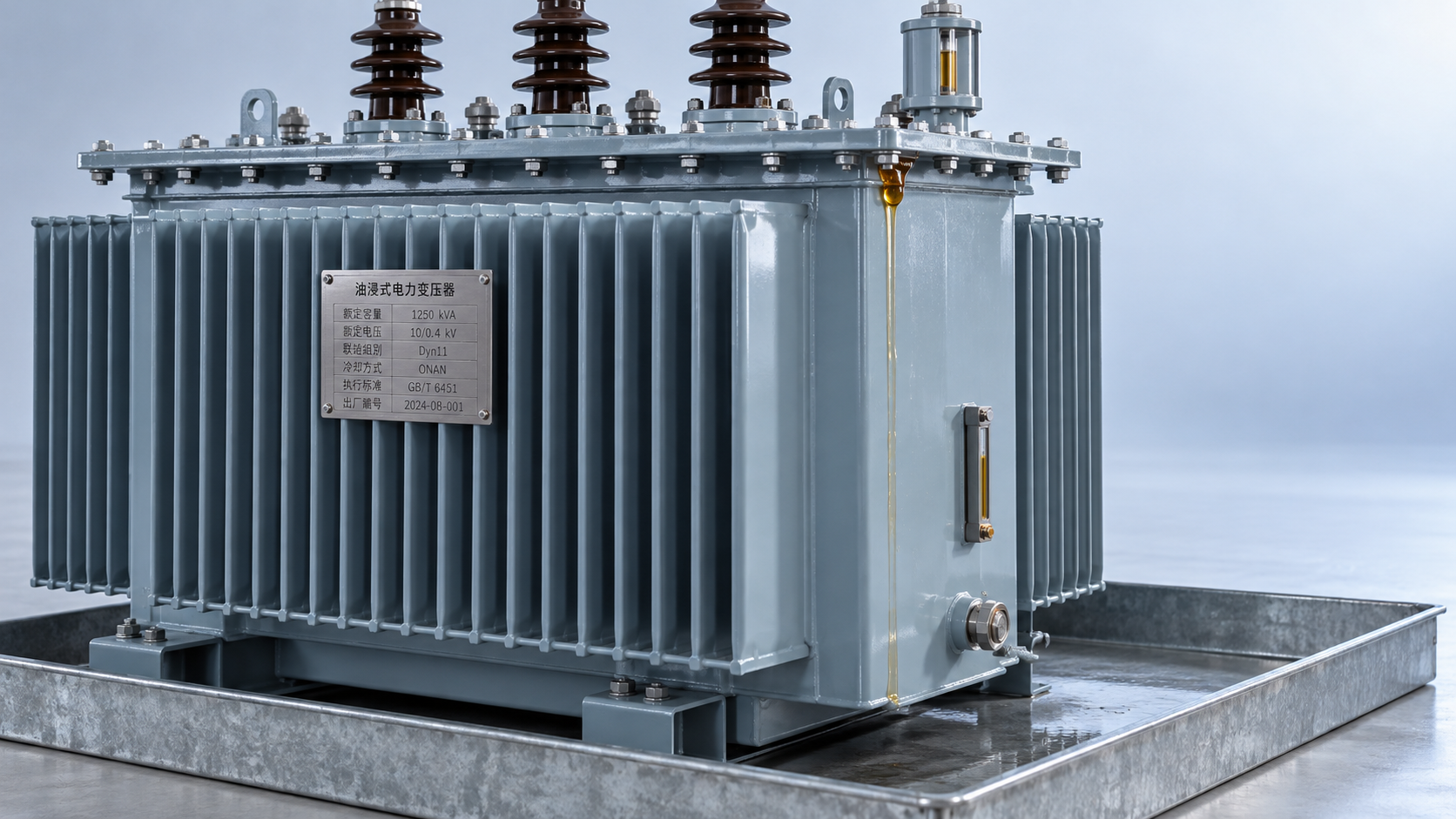
 Distribution transformer maintenance tips for spotting oil leaks
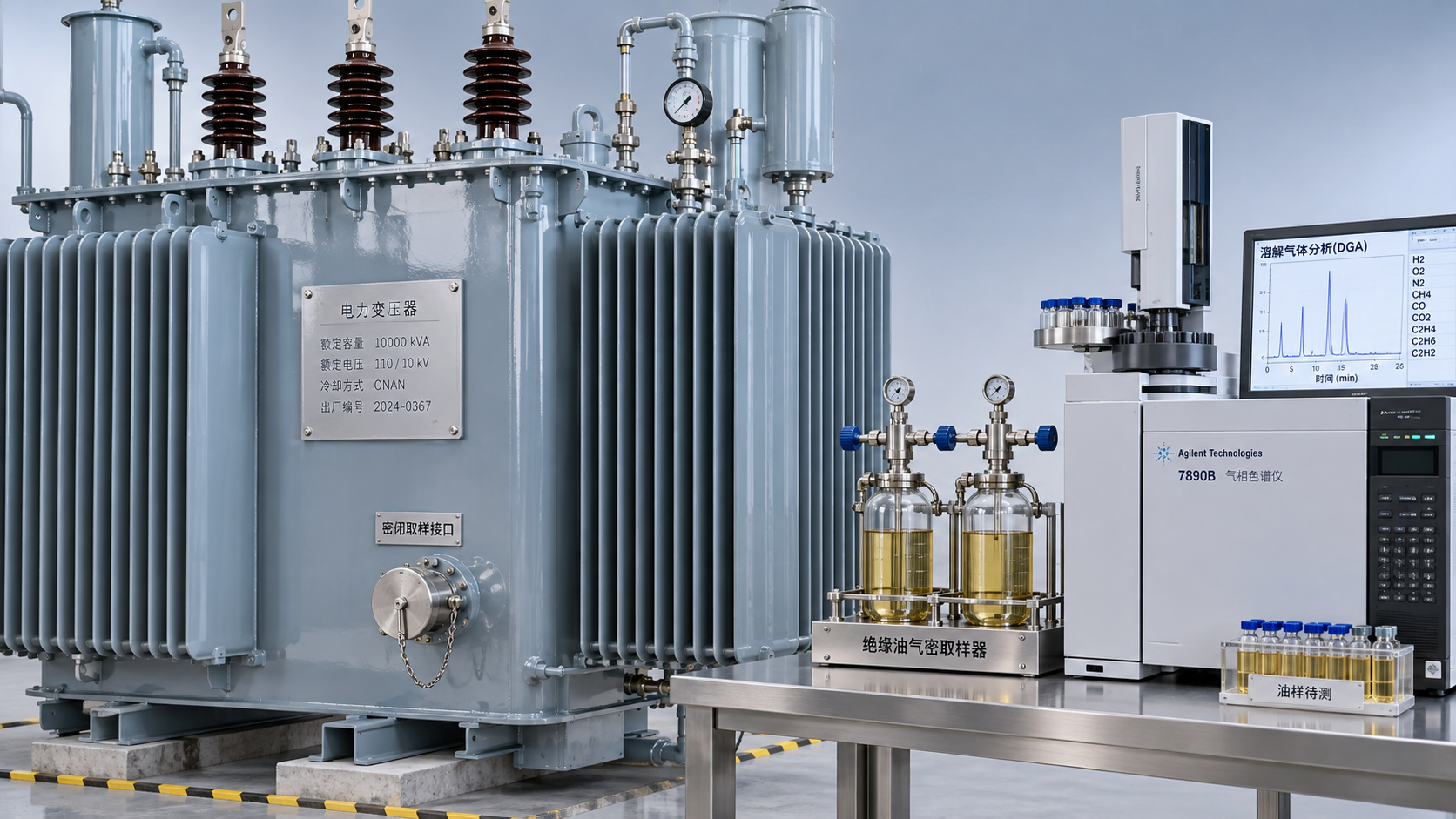
 What dissolved gas analysis reveals about an oil-immersed transformer
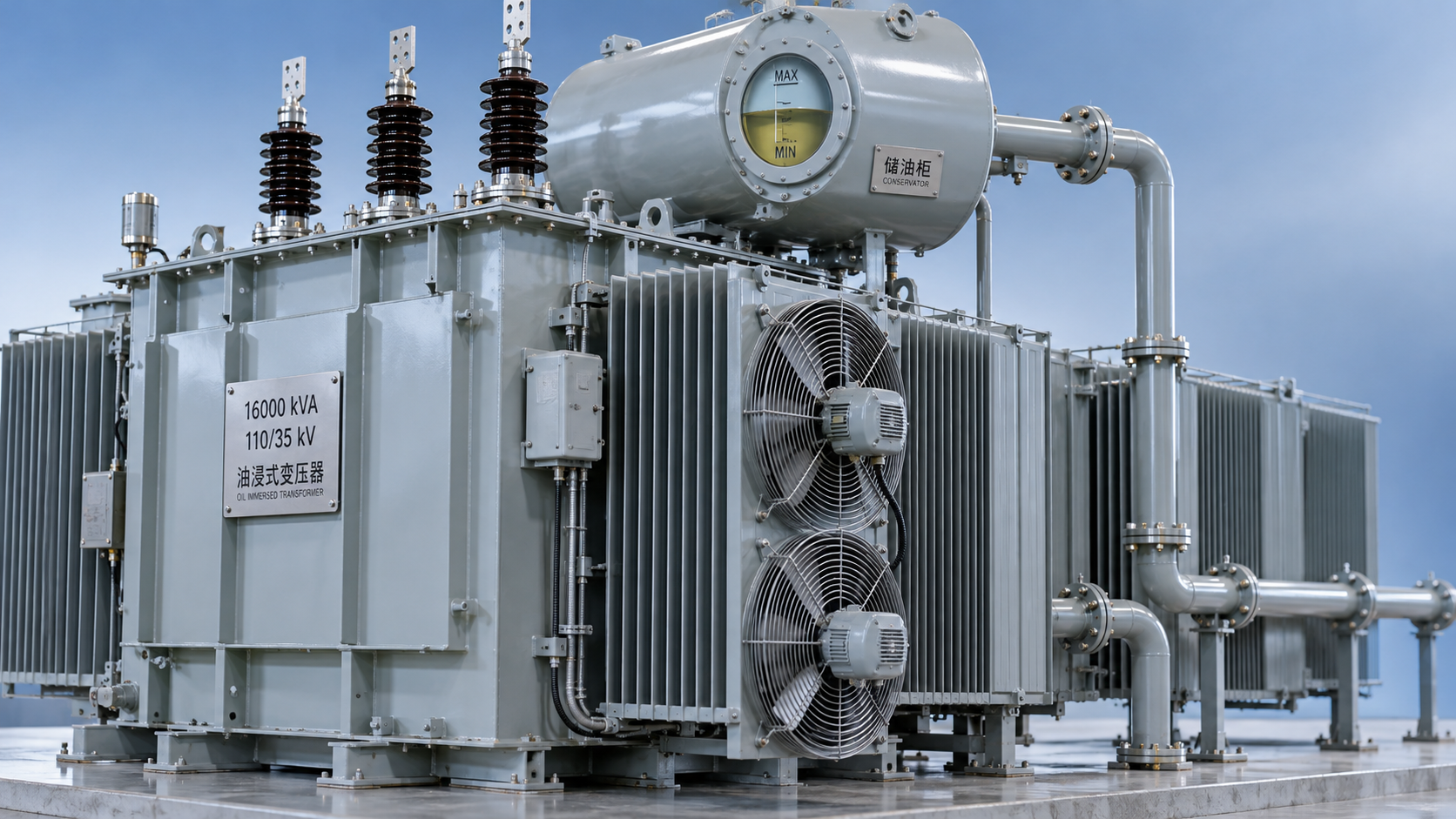
 Why an oil-cooled transformer overheats despite a normal oil level
 How the amorphous core affects SCBH15 dry-type transformer losses
 Sizing S13 oil-immersed transformers for variable wind farm output
GET A FREE QUOTE
We offer reliable products, competitive prices, and nationwide professional support, committed to providing customers with efficient and energy-saving power equipment solutions.