


1. Introduction and Core Working Principles
Traditional oil-filled transformers present risks regarding fire hazards and oil leaks. Dry-type transformers resolve these liabilities by utilizing gaseous or solid dielectric insulation systems instead of liquid coolants.
Operating under Faraday’s Law of Electromagnetic Induction, these units rely entirely on natural air convection (AN) or forced air circulation (AF) guided through engineered cooling ducts within the winding assembly. To maintain dielectric integrity under continuous electrical stress ($P_{core}$ and $P_{cu}$ losses), the geometric configurations of the high-voltage (HV) and low-voltage (LV) coils must minimize localized stress concentrations to prevent air breakdown and partial discharge.
? Deep-Dive Technical Resource
To fully grasp the precise engineering, internal anatomy, and fundamental physics governing solid-state magnetic isolation, read our comprehensive overview: [What is a Dry-Type Transformer? Working Principle & Key Components]
2. Manufacturing Processes: Cast Resin vs. VPI
The choice of manufacturing methodology directly dictates a transformer's mechanical rigidity, environmental resilience, and dielectric lifespan.
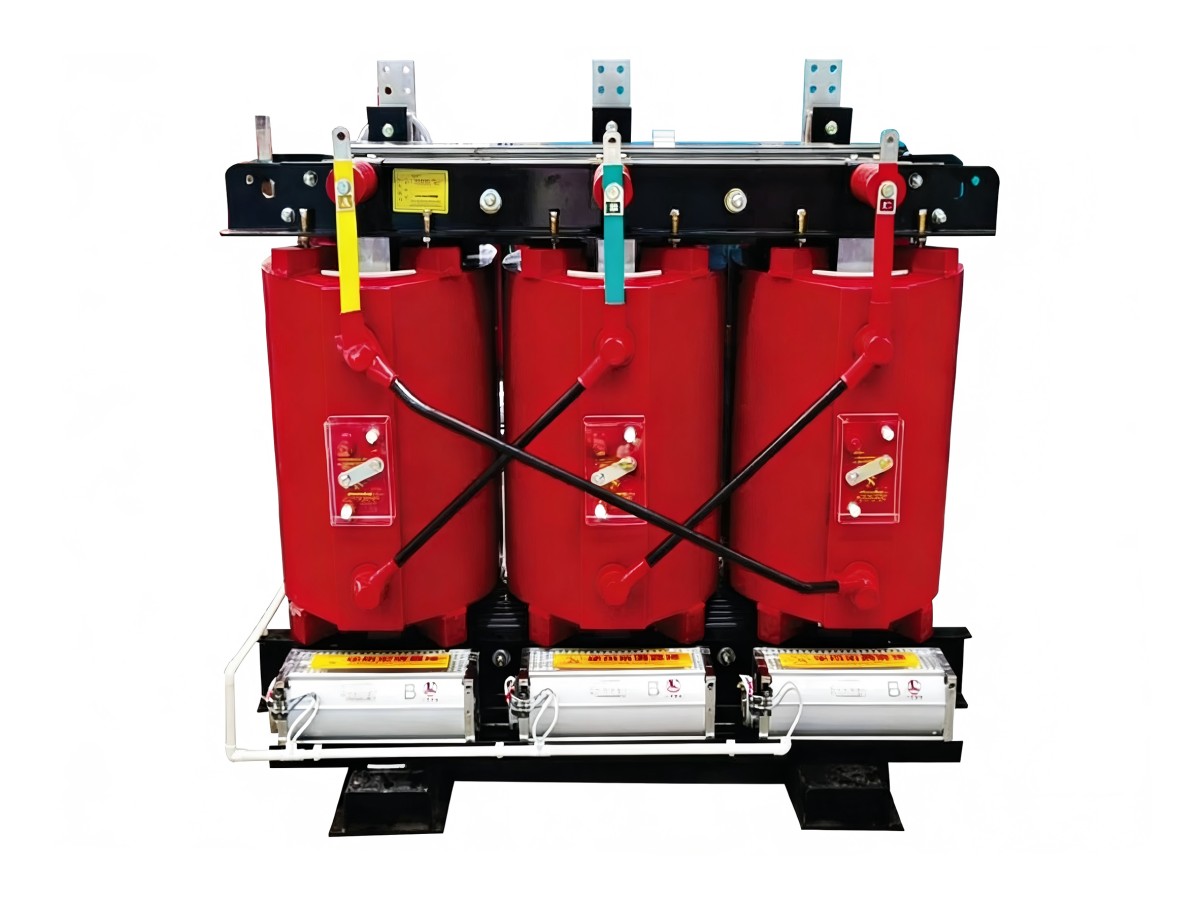
Cast Resin (CR) Technology: Encapsulates HV windings entirely within a solid block of epoxy resin under a deep vacuum. This creates a non-porous, completely sealed solid-state matrix with exceptional short-circuit resistance and moisture proofing.
Vacuum Pressure Impregnation (VPI) Technology: Utilizes dry coils wound with high-temperature insulation materials (e.g., Nomex) impregnated with solventless varnish under positive hydraulic pressure. VPI units maintain open air channels, allowing for efficient thermal dissipation and lower weight profiles.
Technical Performance Metric Comparison
? Technical Selection Insight
For a step-by-step evaluation matrix based on specific site classifications, review our engineering comparison: [Cast Resin vs. VPI Dry-Type Transformers: How to Choose the Right Type]
3. Insulation Systems and Material Science
The lifespan of a dry-type transformer is fundamentally a function of its thermal insulation degradation curve. Modern designs categorize insulation materials according to international thermal classes defined by maximum allowable continuous operating temperatures, primarily Class F (155°C) and Class H (180°C).
Material science advancements combine aramid paper sheets, fiberglass-reinforced epoxy, and silicone varnishes to manage matching coefficients of thermal expansion (CTE), preventing micro-cracks and subsequent localized partial discharge.
? Engineering Reference Guide
To evaluate detailed performance boundaries, material composition data sheet specifications, and hot-spot calculation methodologies across different thermal classes, refer to: [Understanding Dry-Type Transformer Insulation Classes: Complete Guide]
4. Industrial and Complex Environmental Applications
Dry-type transformers are primarily deployed where proximity to personnel or critical building infrastructure demands the total elimination of fire and explosion vectors.
Modern Power Grids: Engineered with specific K-factor ratings to neutralize additional eddy-current losses caused by non-linear harmonic loads (such as VFDs and UPS systems).
Marine & Offshore: Deployed on marine vessels and oil platforms, requiring custom steel construction with anti-vibration dampeners, double-impregnated anti-fungal coatings, and specialized IP-rated enclosures.
? Infrastructure & Marine Engineering Specification
Discover utility network integration in our analysis of [Industrial Applications of Dry-Type Transformers in Modern Power Grids]
Learn more about specialized marine deployment in our handbook on [Marine and Offshore Dry-Type Power Transformers: Design and Standards]
5. Procurement and Engineering Selection Guide
Procuring enterprise-grade power transformers requires translating operational parameters into precise technical requirements.
Essential Procurement Parameters
K-Factor Rating: Dictates the transformer’s capacity to handle non-linear harmonic loads without overheating (e.g., K-4, K-13, or K-20 ratings).
Enclosure Rating (IP / NEMA): Defines the physical barrier separating internal energized components from ambient conditions (e.g., IP20 indoor, IP23 drip protection, IP54 sealed).
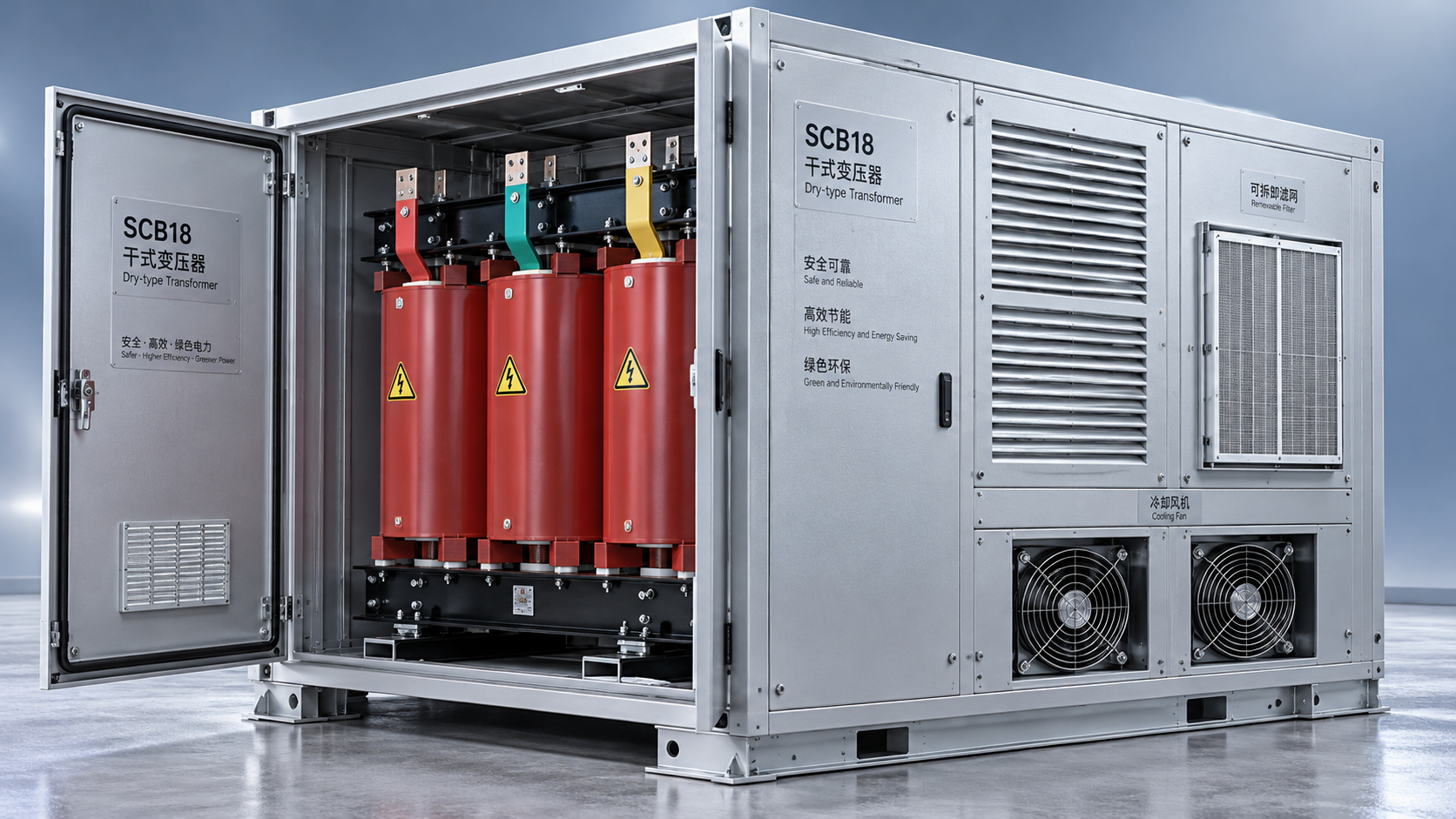
Cooling Methodology: AN (Air Natural) relies on natural convection; AF (Air Forced) integrates fans controlled by digital temperature relays to boost temporary capacity by up to 33-50%.
Reference Specification Framework
? Procurement Checklist Utility
To optimize the Request for Quote (RFQ) process, eliminate engineering omissions, and ensure complete compliance with local grid codes, access our standard master template: [Dry-Type Transformer Specification Checklist for B2B Procurement Managers]
6. Installation, Commissioning, and Daily Operations
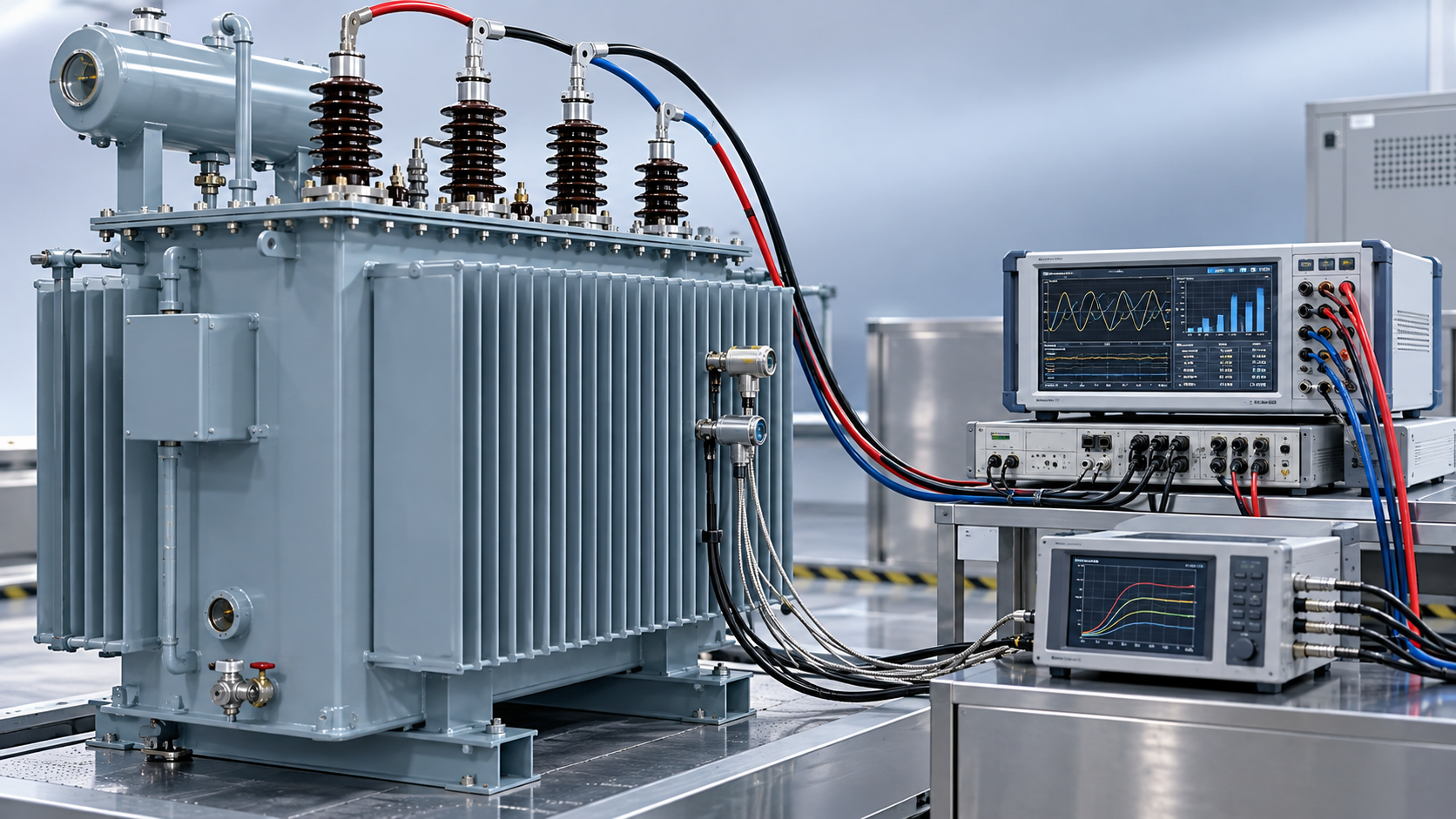
Before energization, mandatory commissioning field verification steps include Insulation Resistance (Megger Testing) performed high-voltage to low-voltage, Core Ground Integrity verification, and Winding Ratio testing utilizing a digital TTR meter across all tap changer positions.
⚙️ Field Engineering Commissioning Procedure
For detailed step-by-step field verification protocols, specific insulation torque metrics, and safety checklist forms, consult our field deployment blueprint: [Step-by-Step Dry-Type Transformer Installation and Commissioning Guide]
Preventive Maintenance Programs
Long-term operational reliability depends on strict preventive maintenance schedules to eliminate dust accumulation which causes thermal tracking:
Quarterly: Inspect air intake grilles and read out maximum recorded winding temperatures.
Annual: Clean internal winding structures using industrial vacuums and dry compressed air ($< 0.2text{ MPa}$). Check all bolt torques on copper busbar connections and perform infrared thermography cameras under load conditions.
? Facility Management Toolkit
To implement structured site logs, schedule maintenance alarms, and establish dust mitigation routines for your technical team, download our maintenance manual: [Preventive Maintenance Checklist for Extending Dry-Type Transformer Lifespan]
7. Diagnostics, Failure Modes, and Total Cost of Ownership
To ensure high system reliability, asset managers must understand the mechanics of potential failures.
Localized Insulation Tracking: Conductive dust combined with moisture forms leakage current paths across the outer faces of cast coils, leading to destructive surface flashovers.
Thermal Fatigue Cracking: Prolonged overloads expand and contract conductors beyond the elastic limit of the solid resin binding material, inducing structural fissures.
Core Lamination Shorting: Damage to the interlaminar insulation varnish on the silicon steel sheets creates circulating eddy currents, elevating core temperatures.
?️ Troubleshooting Technical Manual
To diagnose unexpected temperature faults, interpret partial discharge anomalies, and execute field recovery procedures, bookmark our diagnostics manual: [Top 10 Dry-Type Transformer Failures: Troubleshooting and Solutions]
Total Cost of Ownership (TCO)
Evaluating power infrastructure based solely on initial purchasing cost (CapEx) can compromise long-term project economics. A true evaluation incorporates the Total Cost of Ownership (TCO) over a projected 30-40year operational life.
Dry-type units minimize building infrastructure costs by removing the need for blast walls, fire suppression systems, and oil containment pits, which offsets their initial capital premium over liquid-insulated alternatives.
8. Environmental Engineering and Efficiency Standards
Global power distribution equipment is subject to strict regulatory oversight regarding energy efficiency and greenhouse gas mitigation.
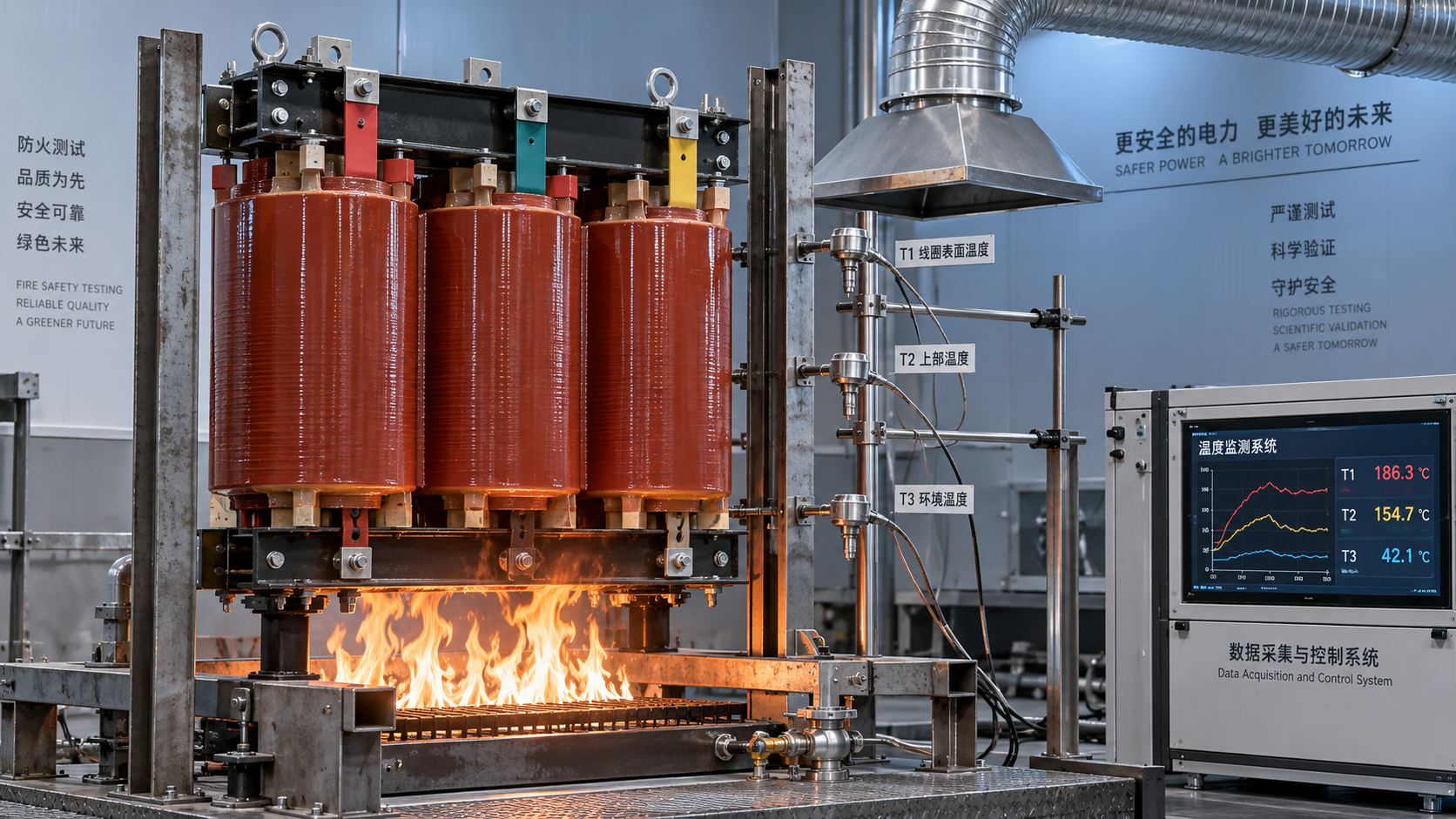
IEC 60076-11: The governing international standard specifying test procedures, thermal performance parameters, and environmental, climatic, and fire hazard class ratings (e.g., E2, C2, F1) for dry-type units.
IEEE C57.12.01: The cornerstone standard for general requirements for dry-type distribution and power transformers under North American design criteria.
Eco-design Directive (EU Regulation No 548/2014 & Tier 2 Amendments): Mandates strict upper limits on no-load and load losses for transformers deployed within the European Economic Area. Tier 2 forces manufacturers to adopt ultra-high-grade grain-oriented silicon steel or amorphous metal core alloys.
? Sustainable Engineering Report
To analyze exact core-loss reductions, review certified efficiency curve graphs, and evaluate sustainable materials compliance, read our eco-design assessment: [Energy Efficiency Standards for Modern Eco-Friendly Dry-Type Transformers]
Frequently Asked Questions (FAQ)
Q1: What is the verified operational lifespan of a dry-type transformer?
Under standard operating conditions within nominal ambient limits (40°C max) and compliant with IEC 60076-11 thermal boundaries, an enterprise-grade dry-type transformer features a design life of 25 to 30 years. The definitive degradation vector is the thermal breakdown of the winding insulation material caused by prolonged overloading or dust accumulation.
Q2: Is it technically viable to install a dry-type transformer in outdoor environments?
Yes, but they cannot be exposed directly to ambient weather without a specialized enclosure. While a standard indoor deployment requires an IP20 or IP23 enclosure, an outdoor configuration demands a ruggedized IP54 or NEMA 3R/4X enclosure equipped with automatic anti-condensation space heaters or an air-to-air heat exchanger system.
Q3: What is the real-world cost-benefit ratio of dry-type transformers compared to oil-filled units?
Direct CapEx for dry-type transformers carries an initial acquisition premium of 1.3× to 1.8× that of an equivalent oil-filled unit. However, the Total Cost of Ownership (TCO) often favors dry-type technology because it completely eliminates ongoing oil testing/maintenance expenses and civil infrastructure costs (such as oil-retention basins and blast walls).



 What an F1 fire behaviour rating means for a flame-retardant transformer
 How enclosure specifications affect SCB18 dry-type transformer cost
 How to compare loss guarantees for S22 oil-immersed transformers
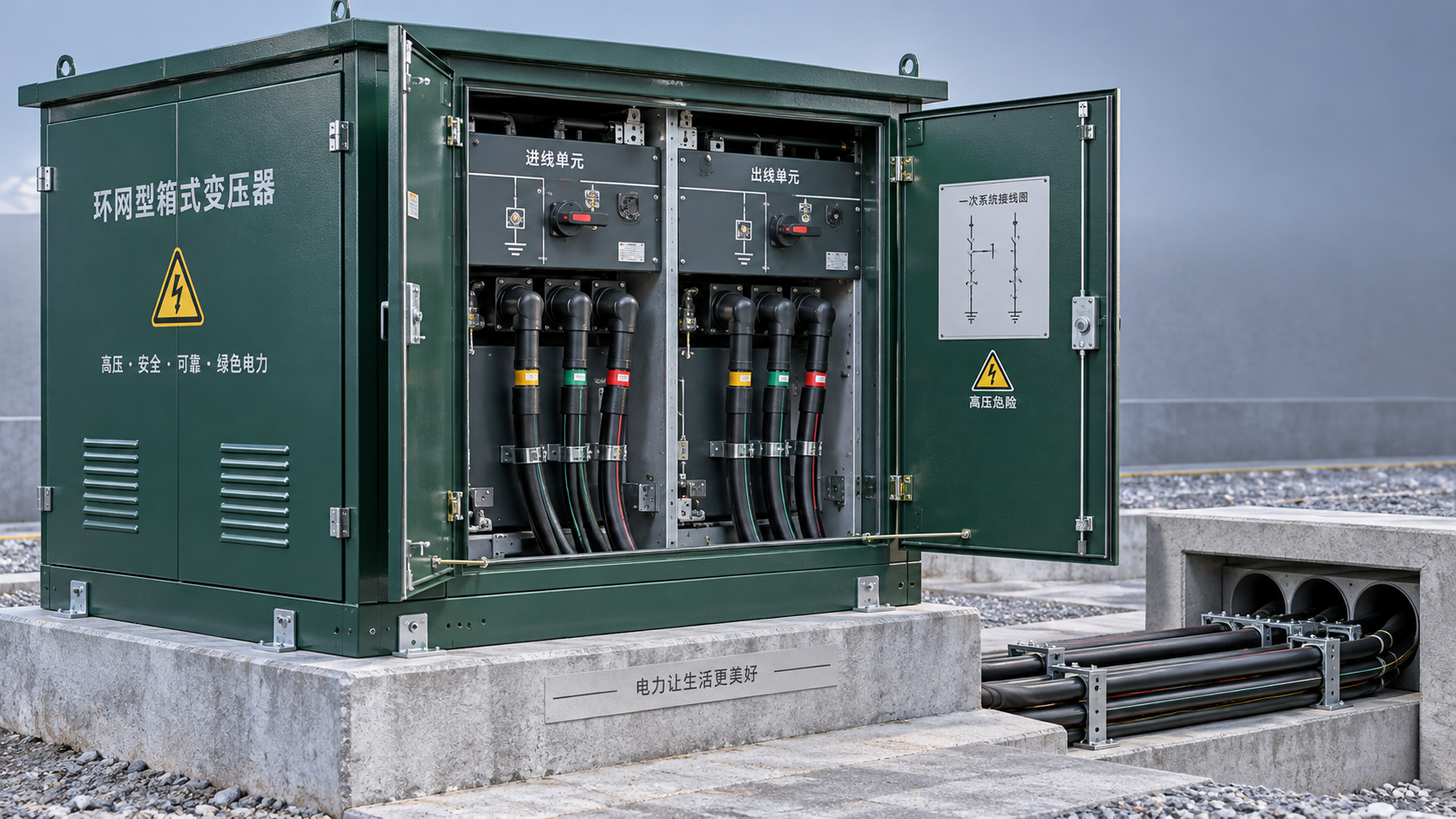
 When to choose a loop-feed pad-mounted transformer over radial feed
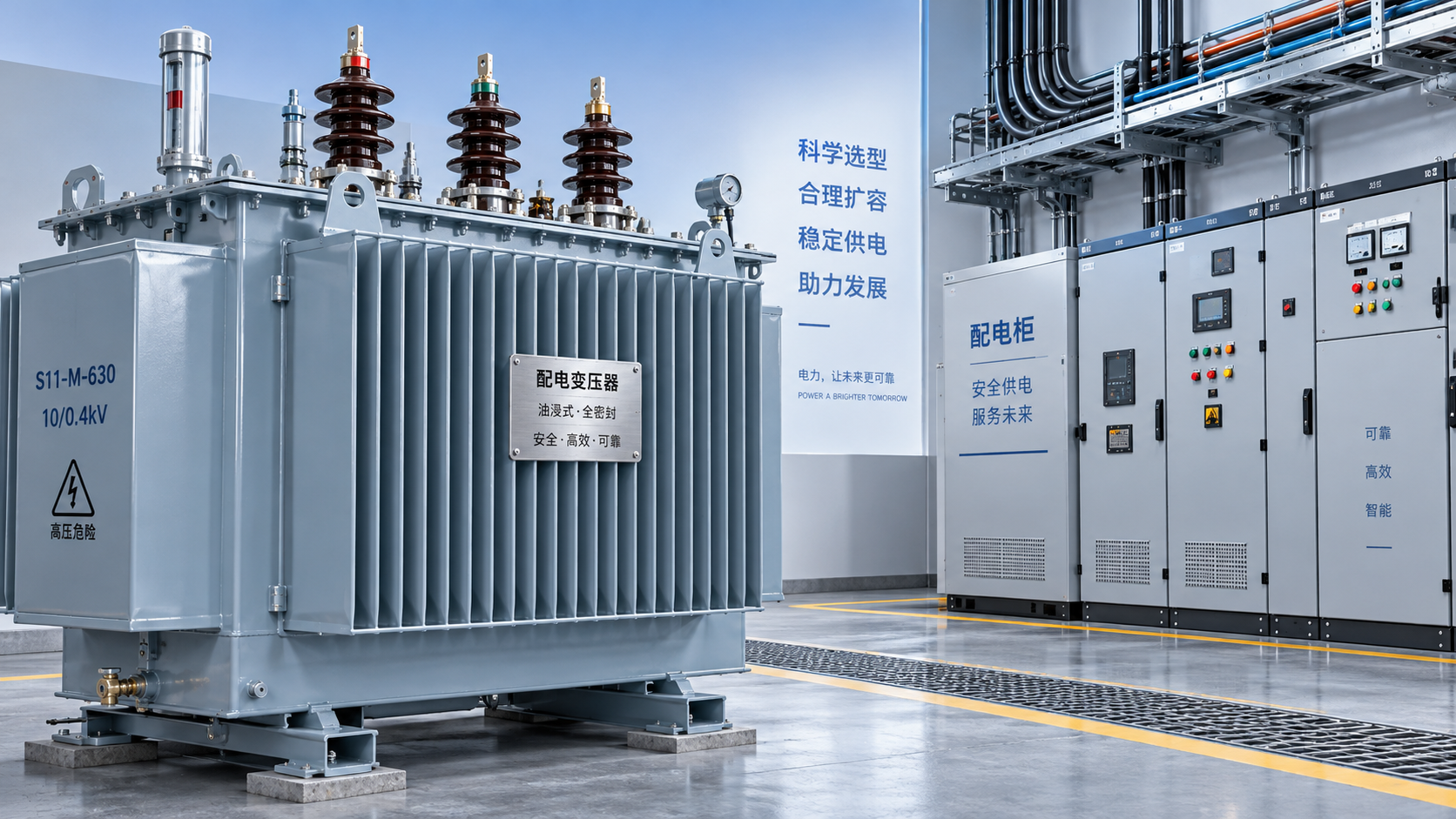
 How much spare capacity should a distribution transformer have?
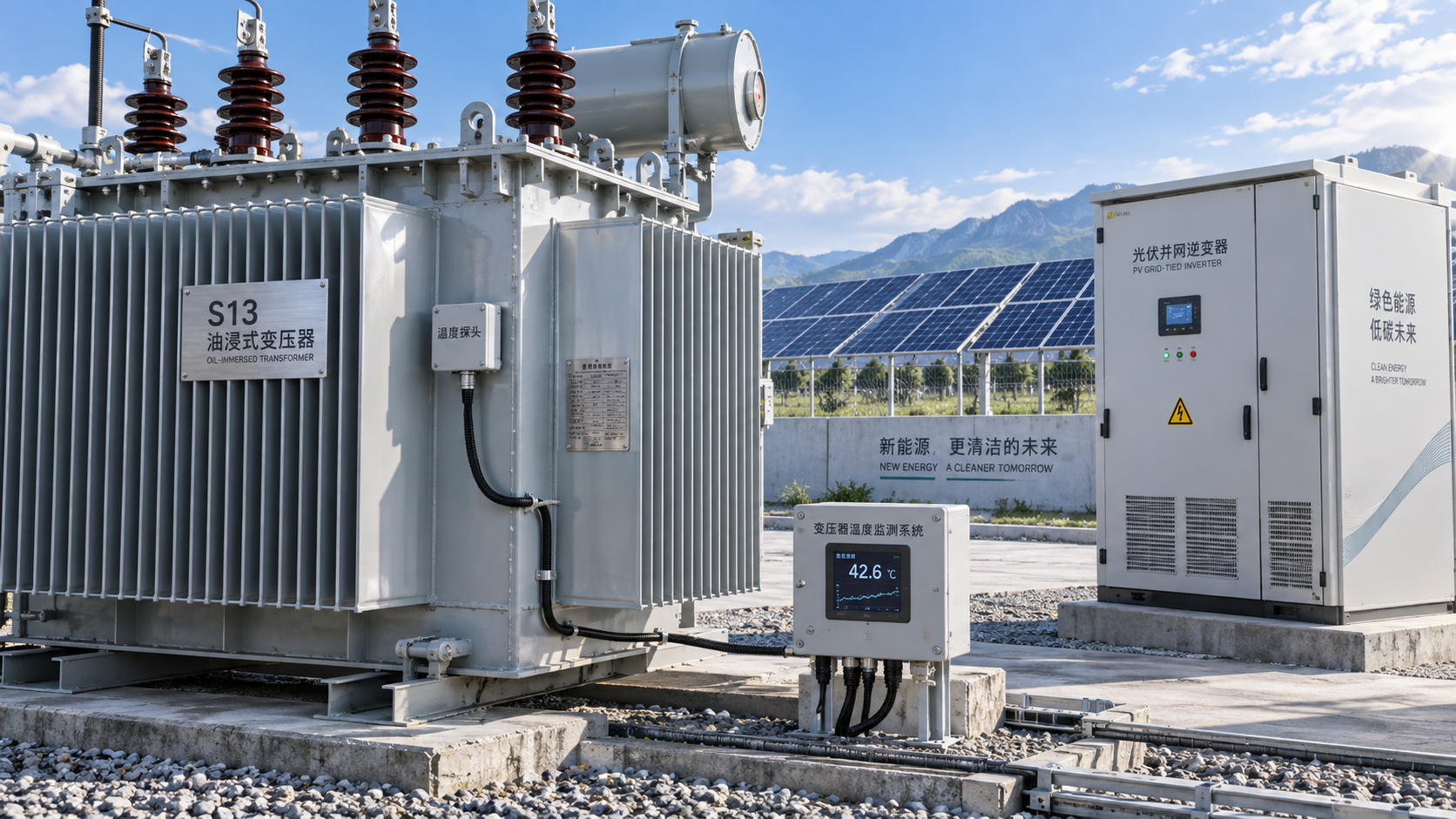
 Checking S13 oil-immersed transformers for renewable inverter loads
GET A FREE QUOTE
We offer reliable products, competitive prices, and nationwide professional support, committed to providing customers with efficient and energy-saving power equipment solutions.