


As compact drive systems evolve in 2026, choosing the right transformer for electrical machine applications is becoming a strategic decision for manufacturers and industrial buyers. From higher efficiency and reduced losses to space-saving designs and compliance with global standards, the latest transformer trends are reshaping performance expectations. This article explores the key developments enterprise decision-makers should watch when selecting reliable transformer solutions for modern drive systems.
Why is the transformer for electrical machine becoming a board-level decision?
In compact drive systems, the transformer is no longer a passive accessory. It directly affects thermal stability, energy loss, equipment footprint, maintenance planning, and compliance risk across the full project lifecycle.
For enterprise decision-makers, the challenge is clear: a transformer for electrical machine must support dense installation, variable loads, and reliable operation without creating hidden operating costs or delivery bottlenecks.
This is especially relevant in facilities where compact drives are used in HVAC systems, industrial automation lines, transportation hubs, and energy-intensive processing environments. In these cases, transformer selection influences uptime as much as it influences procurement cost.
- Higher power density in drive systems increases heat concentration and raises insulation demands.
- Tighter installation spaces require safer and more compact transformer architectures.
- Global projects need stronger alignment with recognized manufacturing and quality standards.
- Buyers want lower lifecycle cost, not just a lower purchase price.
2026 market trends shaping compact drive transformer selection
The 2026 market for transformer for electrical machine solutions is moving toward lower loss, safer materials, stronger overload tolerance, and broader environmental adaptability. Compact drive projects now demand more than nameplate matching.
1. Loss reduction is moving from preference to requirement
Energy prices and carbon management targets are pushing buyers toward low-loss transformer platforms. Reduced no-load and load loss improve total operating economics, particularly in facilities with long annual runtime.
2. Dry-type designs are gaining ground in sensitive environments
Where fire protection, indoor installation, and maintenance simplicity matter, dry-type units are increasingly preferred. This trend is strong in airports, hospitals, subways, high-rise buildings, and densely populated infrastructure projects.
3. Compact systems require stronger overload and short-circuit resilience
Drive applications can produce dynamic loading conditions. A transformer for electrical machine should therefore be evaluated for insulation class, thermal behavior, and short-term overload capability rather than only rated capacity.
The table below shows how buyer priorities are changing in 2026 when evaluating transformer solutions for compact drive systems.
For procurement teams, this shift means technical and commercial evaluation must happen together. The right transformer for electrical machine is one that supports both plant performance and investment discipline.
Which technical indicators matter most in compact drive systems?
When assessing a transformer for electrical machine use, buyers should move beyond simple capacity checks. The most important indicators are those tied to reliability in actual operating conditions.
- Insulation class determines thermal endurance and affects service stability under repeated load variation.
- Partial discharge behavior influences long-term insulation integrity and risk exposure.
- Noise performance matters in public buildings and indoor installations.
- Moisture and pollution resistance matter in coastal, riverside, and high-humidity environments.
- Short-circuit withstand capability is critical where drives create transient electrical stress.
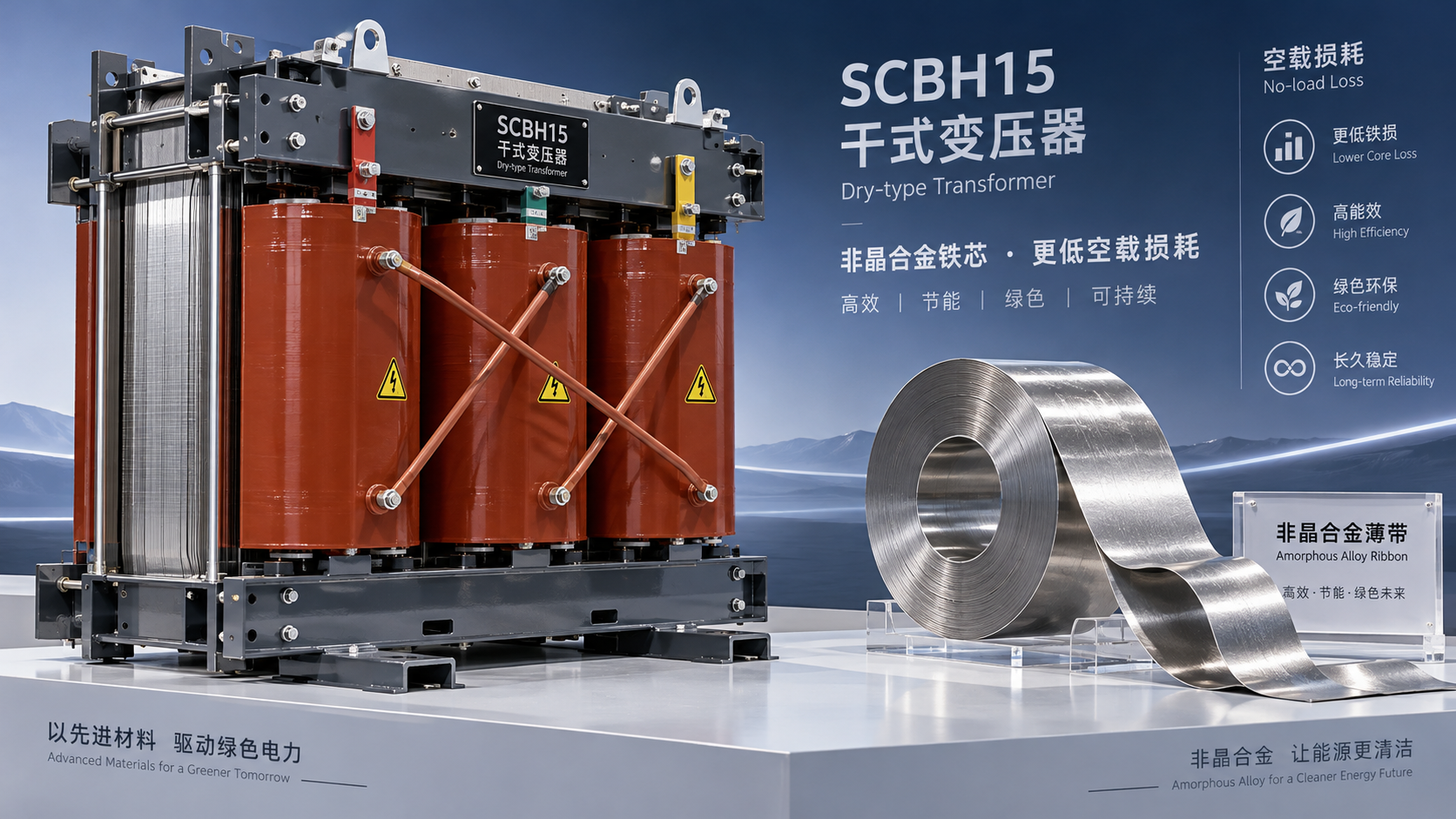
One practical example is the Non-Encapsulated Dry-Type Transformer, which is designed as a three-phase dry-type power transformer with an unencased coil structure and vacuum impregnation process.
Its stated characteristics include H-class insulation at 180℃, no partial discharge, high-strength ceramic supports for sudden short-circuit conditions, and suitability for polluted or humid environments near lakes, seas, and rivers. For decision-makers, these are not abstract details. They translate into lower operational uncertainty.
The following parameter-oriented view helps procurement teams compare what should be reviewed before approving a transformer for electrical machine projects.
A structured parameter review prevents under-specification. It also reduces later redesign costs, which are often far more expensive than proper technical validation at the quotation stage.
How should buyers compare dry-type options for demanding applications?
Not all dry-type transformers solve the same problem. In compact drive projects, buyers should compare installation risk, maintenance requirements, and environmental fit before deciding between design approaches.
Where non-encapsulated dry-type designs fit
For applications such as high-rise buildings, railway stations, docks, shopping centers, hospitals, petrochemical plants, and power plants, dry-type units can offer a strong balance of safety, reliability, and service convenience.
In projects with high fire protection requirements and heavy loads, a well-designed dry-type transformer for electrical machine service can reduce operational concerns linked to smoke, maintenance complexity, and installation restrictions.
- Confirm whether the site is indoors, densely populated, or difficult to ventilate.
- Review overload expectations during process peaks or seasonal demand.
- Check whether the transformer must perform in humidity, pollution, or corrosive surroundings.
- Ask whether maintenance access is easy or limited after installation.
What should enterprise buyers ask before placing an order?
A disciplined procurement process reduces risk. Before ordering a transformer for electrical machine applications, decision-makers should align technical data, compliance expectations, and project timing in one review path.
Essential pre-purchase checklist
- What are the exact voltage class, rated capacity, frequency, and load profile of the drive system?
- Is the transformer intended for continuous operation, cyclic loading, or peak overload duty?
- Does the installation site require specific fire behavior, low noise, or low smoke characteristics?
- Which standards or customer documents must the supplier meet during design and inspection?
- How will delivery timing affect commissioning and project penalties?
Jiangsu Shengda Power Equipment Co., Ltd. brings practical value here through focused R&D, production capability, and quality inspection systems. Its portfolio covers low-loss transformer series such as S11, S13, S15, S20, and S22, as well as 10KV and 35KV models, SCB10, SCB11, SCB13, SCB14, SCB18, SGB series, compact substations, amorphous alloy transformers, and on-load tap-changing power transformers.
For buyers, that range matters because it supports project matching rather than forcing a one-size-fits-all recommendation. It also helps simplify sourcing when multiple transformer categories are required in one industrial package.
How important are standards and certification in 2026 projects?
Standards are often where procurement risk becomes visible. A transformer for electrical machine use must be assessed not only for performance but also for documentation, inspection discipline, and manufacturing consistency.
Jiangsu Shengda states compliance with international standards including GB1094.1-2-1996 and GB/T6451-2008, and it is ISO9001 certified. For some product lines, additional certification such as UL may also be relevant depending on project needs and export destinations.
For enterprise buyers, standards review should focus on these practical questions:
- Can the supplier provide consistent inspection records and technical drawings?
- Do product parameters align with bid documents or owner specifications?
- Is the design suitable for the target market’s approval environment?
FAQ: common buying questions about transformer for electrical machine projects
How do I choose the right transformer capacity for a compact drive system?
Start with actual load data, duty cycle, ambient temperature, harmonic conditions, and overload expectations. Do not size only by nominal motor power. In compact systems, thermal margin and ventilation conditions can change the correct selection significantly.
Which applications are better suited to dry-type transformers?
Dry-type options are often favored in indoor and safety-sensitive sites such as hospitals, airports, shopping centers, subways, railway stations, and densely populated buildings. They are also useful where simple maintenance and fire performance are key project priorities.
What is a common mistake in transformer procurement?
Many teams compare quotations only by upfront price. That can overlook load loss, noise, environmental adaptability, and overload capability. A cheaper unit may create higher operating cost or earlier replacement pressure.
Can a dry-type transformer handle demanding environments?
Yes, if the design is matched to the environment. For example, the Non-Encapsulated Dry-Type Transformer is described as suitable for polluted and humid locations and able to operate across an ambient range of ±50℃, which is valuable for difficult installation sites.
Why choose us for your next transformer for electrical machine project?
Enterprise buyers need more than a catalog. They need a supplier that can translate application requirements into a workable transformer solution, verify standards, and support project timelines with realistic technical communication.
Jiangsu Shengda Power Equipment Co., Ltd. combines transformer R&D, manufacturing, and inspection capabilities across low-loss power transformers, dry-type transformers, compact substations, amorphous alloy transformers, and on-load tap-changing models. That breadth helps decision-makers evaluate alternatives without fragmenting sourcing across multiple vendors.
If you are planning a compact drive system upgrade or a new industrial installation, you can consult on key issues before ordering: parameter confirmation, transformer for electrical machine selection, load and ambient matching, delivery schedule, customization options, certification requirements, and quotation details for project budgeting.
A well-chosen transformer reduces operational risk for years. Early technical discussion usually saves more time and cost than late-stage correction. For projects with tight space, strict safety expectations, or complex site conditions, a structured supplier review is the smart next step.



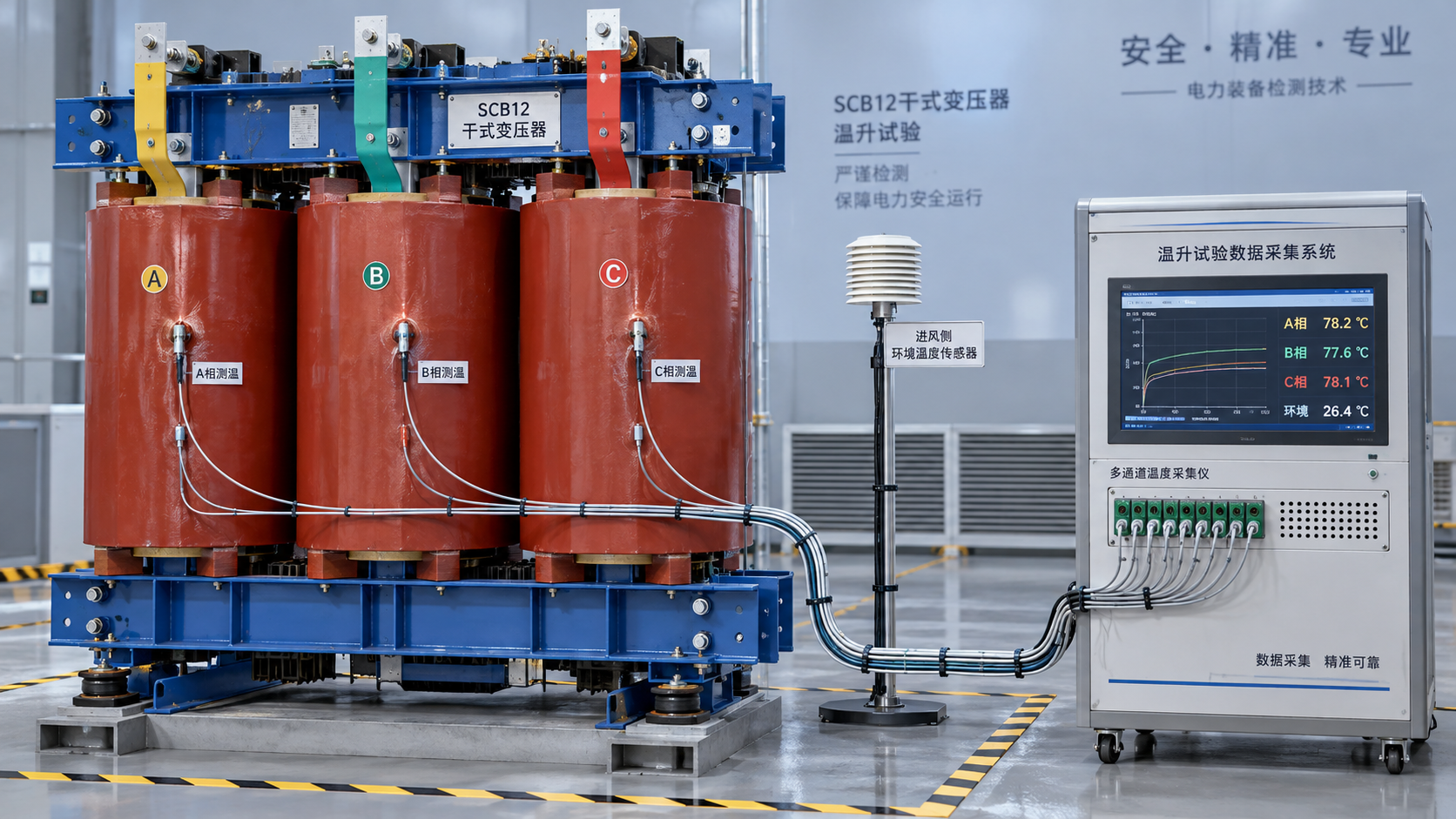
 How to verify the temperature-rise test of an SCB12 dry-type transformer
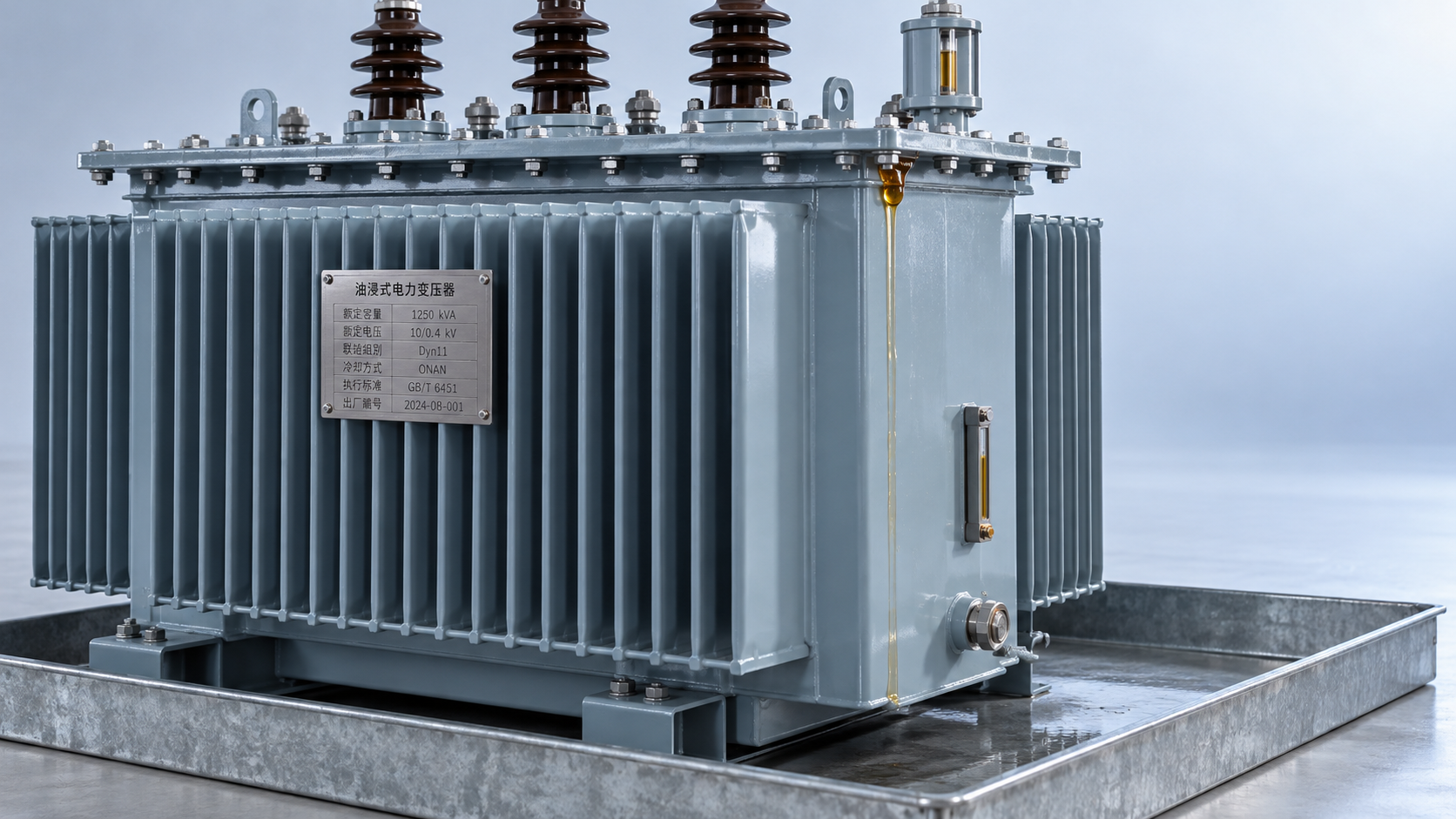
 Distribution transformer maintenance tips for spotting oil leaks
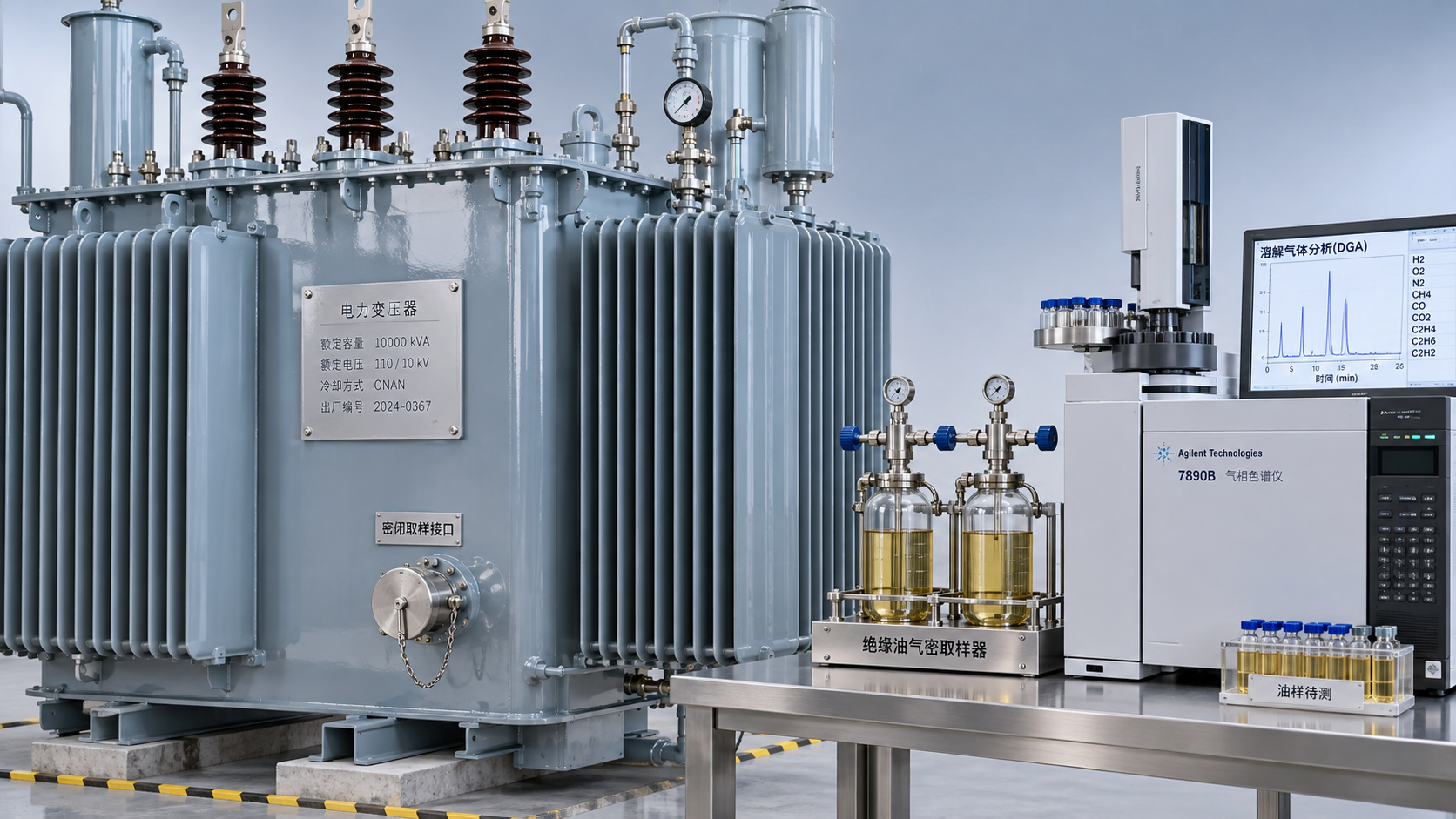
 What dissolved gas analysis reveals about an oil-immersed transformer
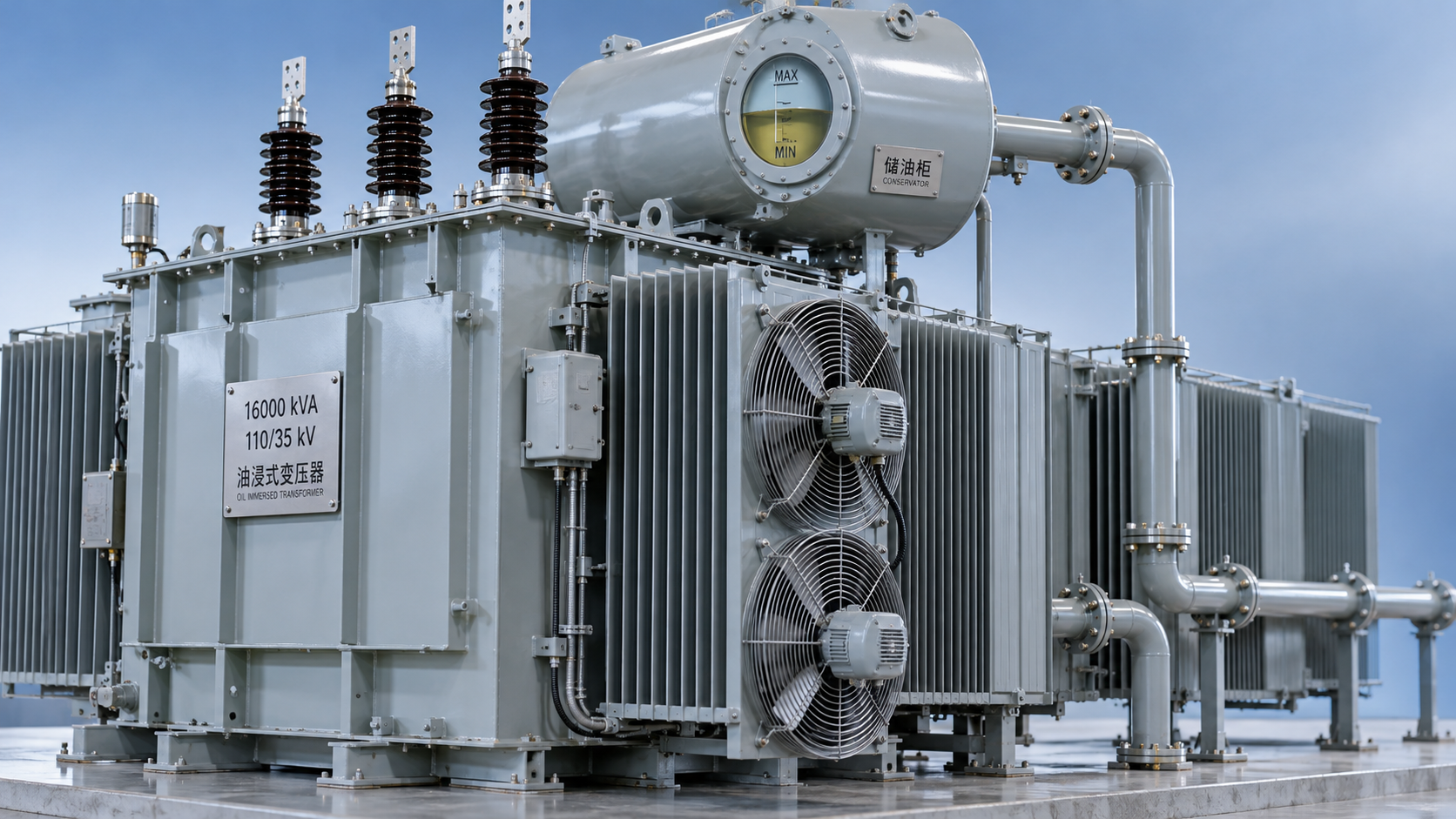
 Why an oil-cooled transformer overheats despite a normal oil level
 How the amorphous core affects SCBH15 dry-type transformer losses
 Sizing S13 oil-immersed transformers for variable wind farm output
GET A FREE QUOTE
We offer reliable products, competitive prices, and nationwide professional support, committed to providing customers with efficient and energy-saving power equipment solutions.