


Cast Resin vs. VPI Dry-Type Transformers: How to Choose the Right Type
Choosing between Cast Resin and VPI Dry-Type Transformers can significantly affect safety, reliability, maintenance costs, and long-term performance in power distribution systems.
Each design offers distinct advantages depending on the installation environment, load requirements, insulation performance, and budget considerations.
For industrial facilities, commercial buildings, substations, and renewable energy projects, understanding these differences is essential before making an investment.
This guide explains the key factors to consider so you can select the right dry-type transformer for your application with confidence.
Why a Checklist Matters Before Selecting Dry-Type Transformers
Dry-type transformers are often selected for indoor power distribution where fire safety, low maintenance, and environmental cleanliness are priorities.
However, Cast Resin and VPI designs manage insulation, moisture resistance, heat dissipation, and mechanical stress in different ways.
A checklist helps compare technical needs against site conditions, avoiding over-specification, premature aging, overheating, or unnecessary lifecycle cost.
It also supports compliance with project standards, installation rules, and long-term operating expectations for electrical distribution systems.
Core Checklist for Cast Resin vs. VPI Dry-Type Transformers
- Check the installation environment first, including humidity, dust, chemical exposure, salt air, ventilation quality, and whether the transformer will operate indoors or semi-outdoors.
- Compare insulation systems carefully, because Cast Resin coils are encapsulated, while VPI windings are vacuum pressure impregnated with varnish for mechanical bonding.
- Evaluate fire safety requirements, especially in hospitals, subways, airports, shopping centers, data facilities, and high-rise buildings with strict evacuation rules.
- Review load profiles, including continuous load, peak demand, harmonic content, short-term overload, and expected future capacity expansion.
- Confirm thermal performance, since poor ventilation or excessive harmonics can increase winding temperature and shorten insulation life.
- Assess maintenance access, because VPI transformers usually allow easier visual inspection, while Cast Resin units provide stronger environmental sealing.
- Calculate lifecycle cost, not only purchase price, including energy loss, installation work, downtime risk, spare parts, inspection intervals, and cooling needs.
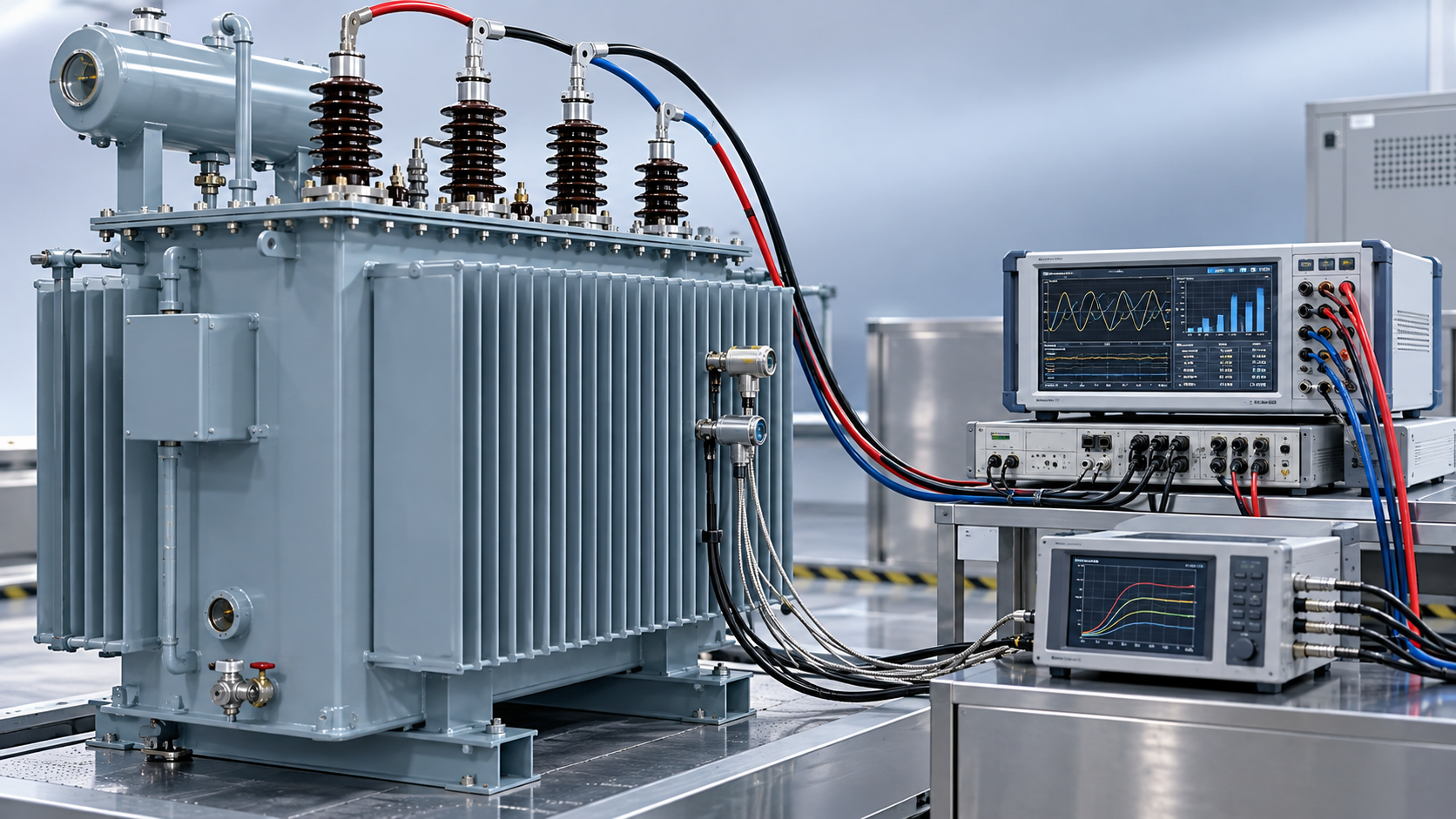
- Verify applicable standards, test reports, insulation class, partial discharge performance, noise level, temperature rise, and short-circuit withstand capability.
Key Difference 1: Insulation and Moisture Protection
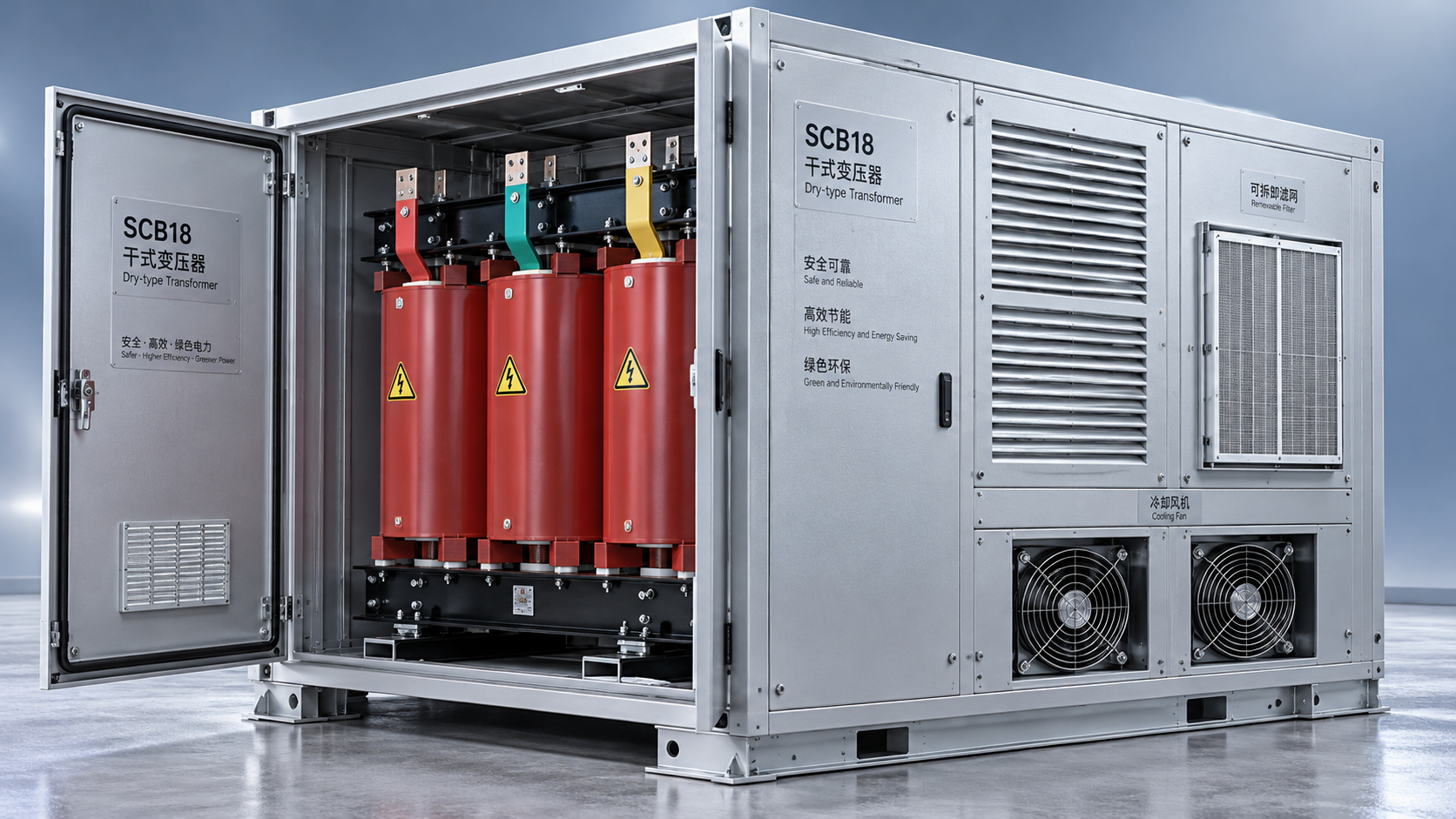
Cast Resin transformers use epoxy resin to encapsulate windings, creating a solid barrier against moisture, dust, and corrosive particles.
This structure is suitable for demanding indoor environments where humidity, pollution, or frequent temperature changes may affect insulation stability.
VPI Dry-Type Transformers use vacuum pressure impregnation to penetrate varnish into windings, improving dielectric strength and mechanical bonding.
VPI designs usually offer better heat dissipation and easier inspection, but may need more attention in highly polluted or wet environments.
Key Difference 2: Heat Dissipation and Overload Behavior
Heat is one of the most important factors affecting dry-type transformer lifespan and energy efficiency.
VPI transformers often dissipate heat efficiently because their windings are not fully encapsulated in solid resin.
Cast Resin units offer strong protection, but heat transfer depends heavily on resin design, winding structure, and ventilation around the enclosure.
For heavy-duty applications, confirm rated temperature rise, fan cooling options, and overload curves before final selection.
Key Difference 3: Fire Safety and Indoor Use
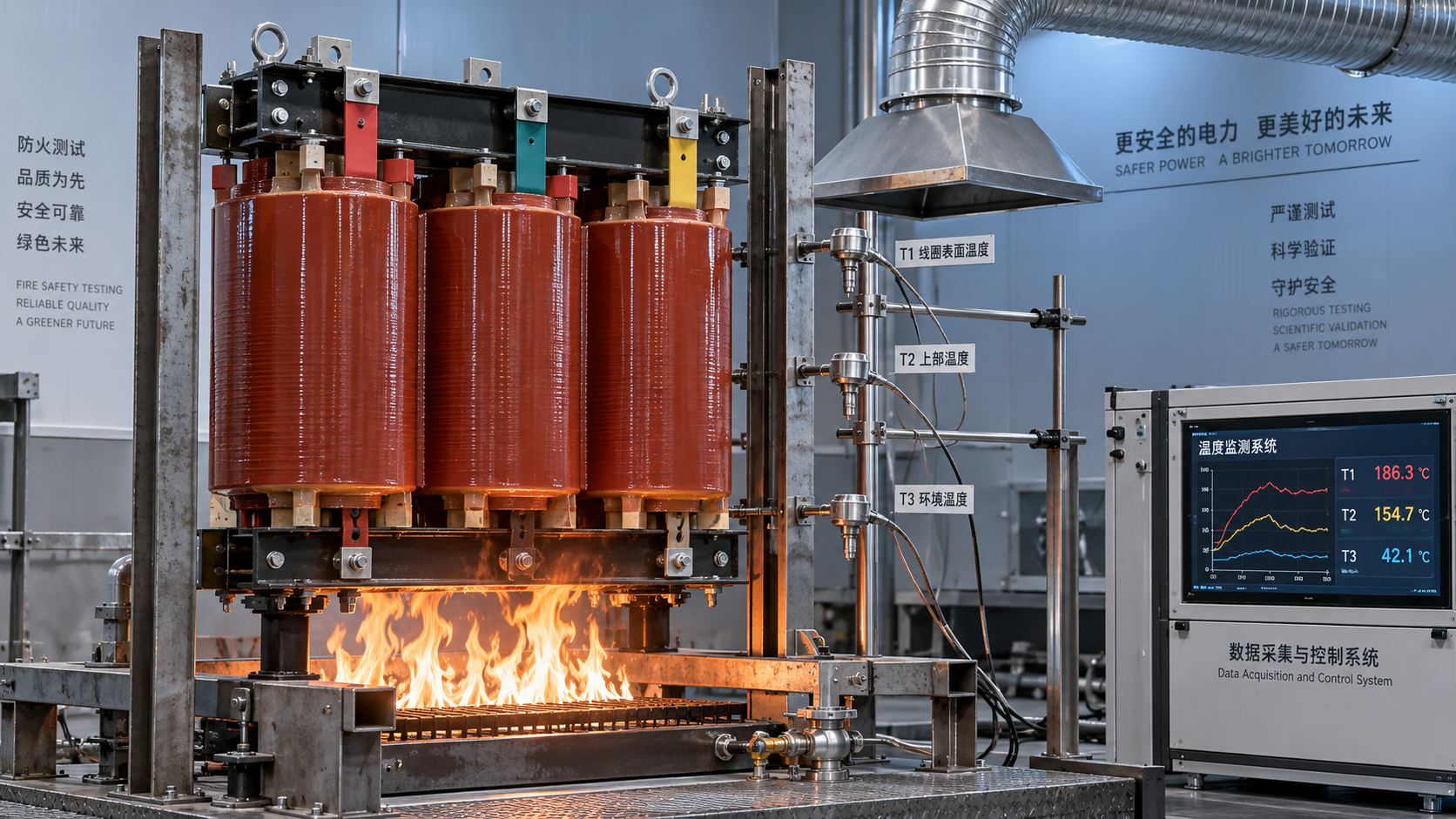
Both Cast Resin and VPI Dry-Type Transformers avoid transformer oil, reducing fire spread risk and environmental contamination.
Cast Resin transformers are commonly preferred where flame retardancy, low smoke, and high moisture resistance are critical.
VPI units can also meet demanding fire safety requirements when designed with suitable insulation materials and protective enclosures.
For projects with strict fire codes, request flame behavior data, smoke performance, and insulation class documentation.
Application Notes for Different Project Scenarios
Commercial Buildings and Public Facilities
High-rise buildings, hospitals, airports, railway stations, subways, and shopping centers require safe, quiet, and low-maintenance power distribution.
Cast Resin is often selected for enclosed electrical rooms with strict fire and humidity requirements.
VPI designs may be preferred when efficient cooling, easy inspection, and cost control are key decision factors.
Industrial and Heavy-Load Sites
Metallurgical plants, petrochemical facilities, power plants, docks, and manufacturing workshops often face dust, vibration, heat, and load fluctuation.
For these locations, review short-circuit strength, overload capacity, cooling method, and enclosure protection before comparing transformer prices.
Where polluted and humid conditions are present, strong insulation protection becomes a higher priority than initial purchase cost.
Renewable Energy and Distributed Power
Solar, wind, and energy storage projects may involve variable loads, harmonics, remote locations, and repeated thermal cycling.
Select a dry-type transformer with proven loss performance, stable insulation, and suitable temperature rise under inverter-based operation.
If maintenance access is limited, environmental resistance and diagnostic reliability should carry extra weight in the selection process.
Where VPI-Based Non-Encapsulated Designs Fit
A VPI-based non-encapsulated solution can be a practical option where fire safety, overload capacity, and maintainability must be balanced.
For example, the Non-Encapsulated Dry-Type Transformer uses an unencased coil design with vacuum impregnation technology.
Its SG(B)10 and SG(BY10 models are designed for demanding locations such as subways, hospitals, power plants, and petrochemical facilities.
Key features include H-class insulation, no partial discharge, flame-retardant materials, low smoke behavior, and strong short-circuit withstand capability.
The design supports 120% long-term overload and 140% overload for three hours, depending on project conditions and correct installation.
Common Overlooked Risks When Choosing Dry-Type Transformers
Ignoring ventilation. Even a high-quality dry-type transformer can overheat if airflow is blocked, ducts are undersized, or room temperature exceeds design assumptions.
Underestimating humidity. Moisture, salt fog, and chemical dust can weaken insulation surfaces, especially when the site lacks heating or dehumidification.
Focusing only on purchase price. Lower initial cost may be offset by higher losses, shorter service life, more inspections, and avoidable downtime.
Missing harmonic analysis. Nonlinear loads from drives, UPS systems, and inverters can raise winding temperature and increase acoustic noise.
Overlooking standards. Always confirm compliance with relevant IEC, GB, UL, or project-specific standards before accepting technical proposals.
Practical Execution Steps Before Final Purchase
- List site conditions, including altitude, ambient temperature, humidity, pollution level, ventilation, seismic needs, and enclosure location.
- Define electrical requirements, including voltage class, capacity, impedance, tapping range, vector group, short-circuit level, and expected load curve.
- Request loss data, temperature rise reports, partial discharge data, noise level, insulation class, and routine test certificates.
- Compare Cast Resin and VPI options using lifecycle cost, not only factory quotation or delivery time.
- Confirm installation requirements, including cable entry, lifting space, grounding, protection relay settings, and room ventilation layout.
- Plan inspection routines for dust removal, infrared temperature checks, terminal tightening, fan operation, and insulation condition monitoring.
Supplier Capability Also Affects Long-Term Reliability
Transformer selection should consider the manufacturer’s engineering capability, production control, testing process, and quality management system.
Jiangsu Shengda Power Equipment Co., Ltd. focuses on R&D, production, and sales of transformers and related power equipment.
Its product range covers low-loss power transformers, 10KV and 35KV models, SCB series, SGB series, compact substations, and amorphous alloy transformers.
The company follows international and Chinese standards, including GB1094.1-2-1996 and GB/T6451-2008, supported by ISO9001 certification.
Conclusion: How to Make the Right Choice
Choose Cast Resin when moisture protection, environmental sealing, and strict indoor fire safety are dominant project requirements.
Choose VPI Dry-Type Transformers when cooling efficiency, inspectability, overload flexibility, and balanced lifecycle cost are more important.
Before final approval, match transformer design to site conditions, load behavior, standards, maintenance plans, and long-term reliability targets.
For a confident decision, prepare a technical checklist, compare verified test data, and discuss application details with an experienced transformer supplier.



 What an F1 fire behaviour rating means for a flame-retardant transformer
 How enclosure specifications affect SCB18 dry-type transformer cost
 How to compare loss guarantees for S22 oil-immersed transformers
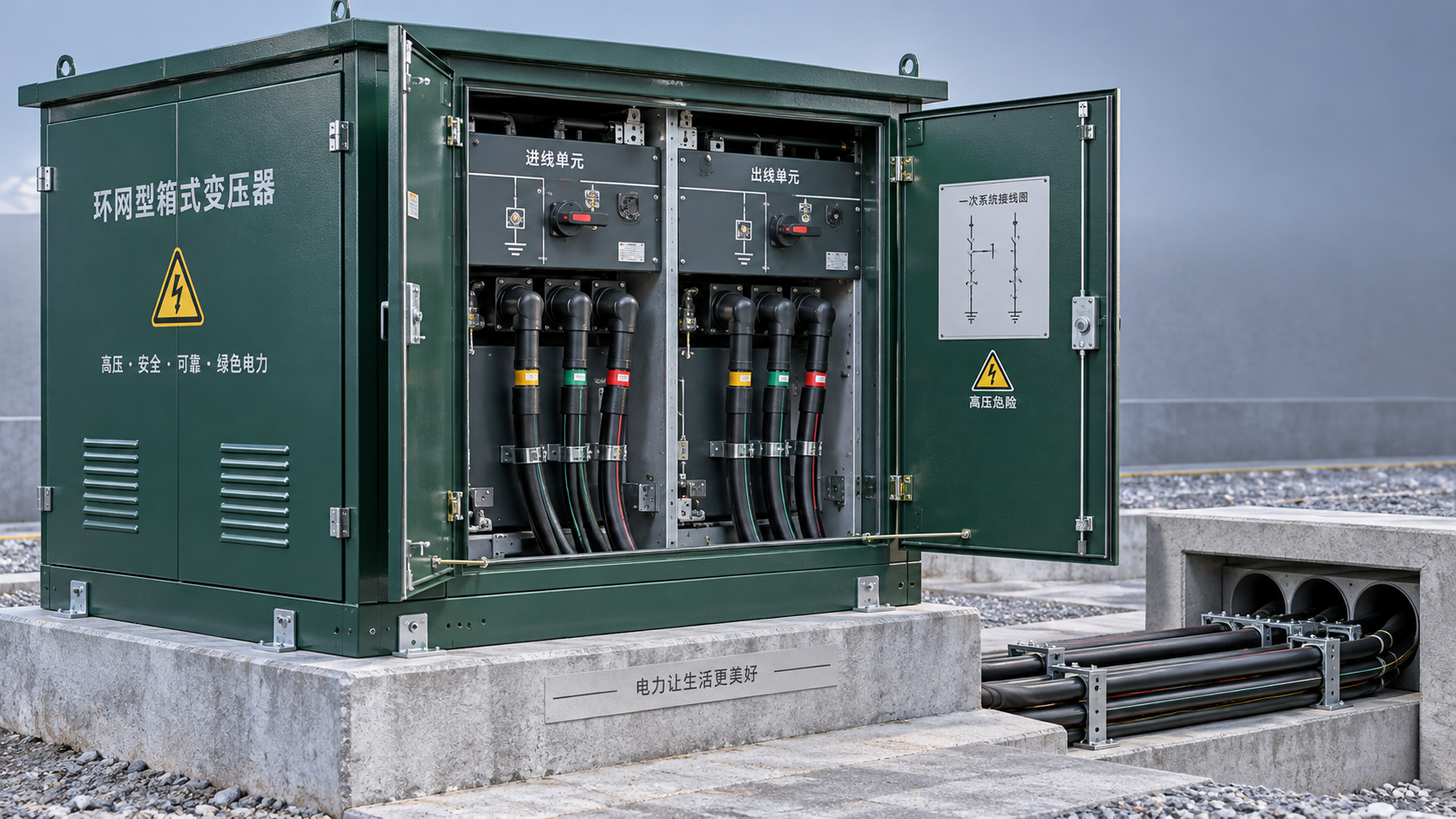
 When to choose a loop-feed pad-mounted transformer over radial feed
 How much spare capacity should a distribution transformer have?
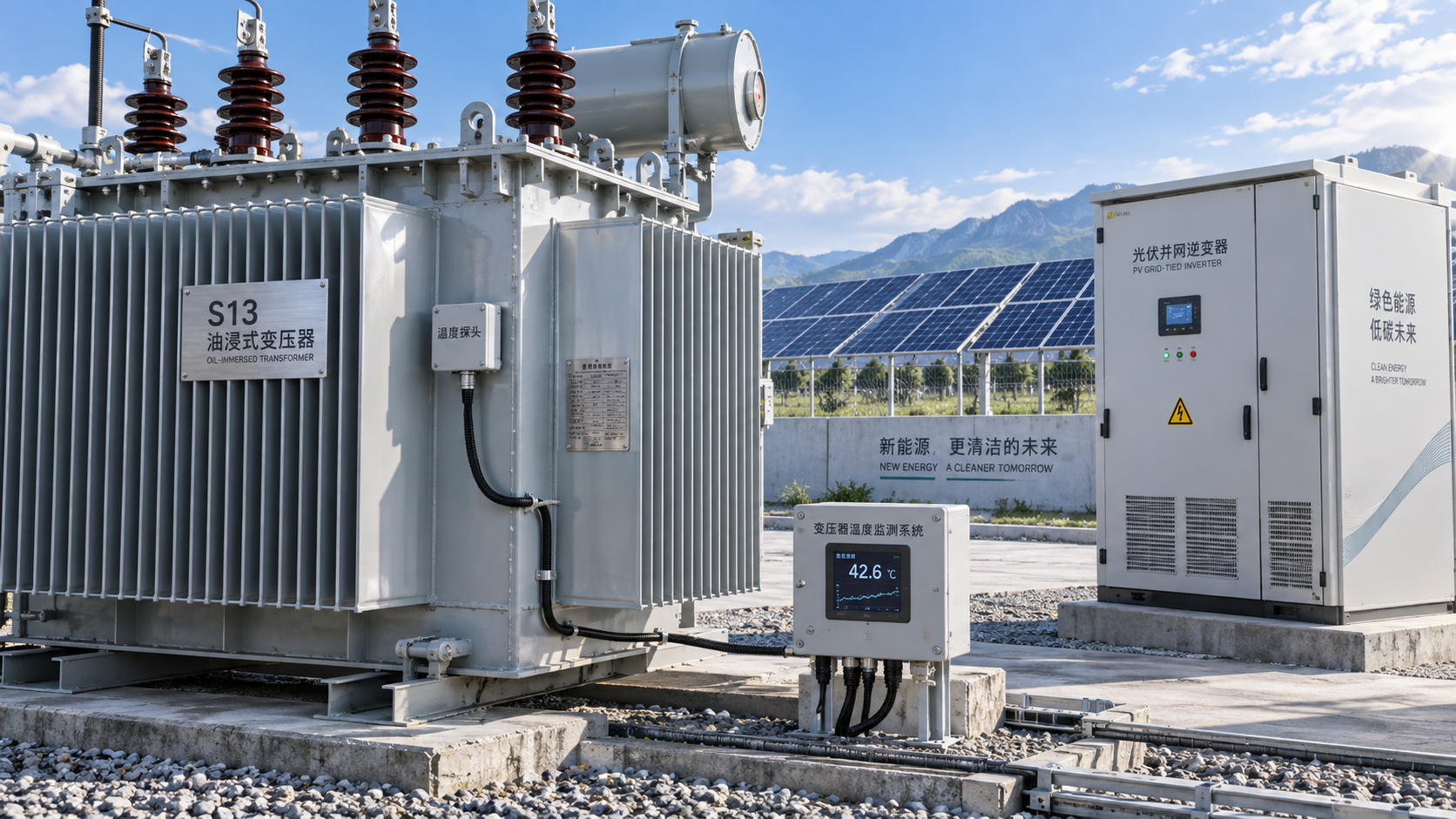
 Checking S13 oil-immersed transformers for renewable inverter loads
GET A FREE QUOTE
We offer reliable products, competitive prices, and nationwide professional support, committed to providing customers with efficient and energy-saving power equipment solutions.