


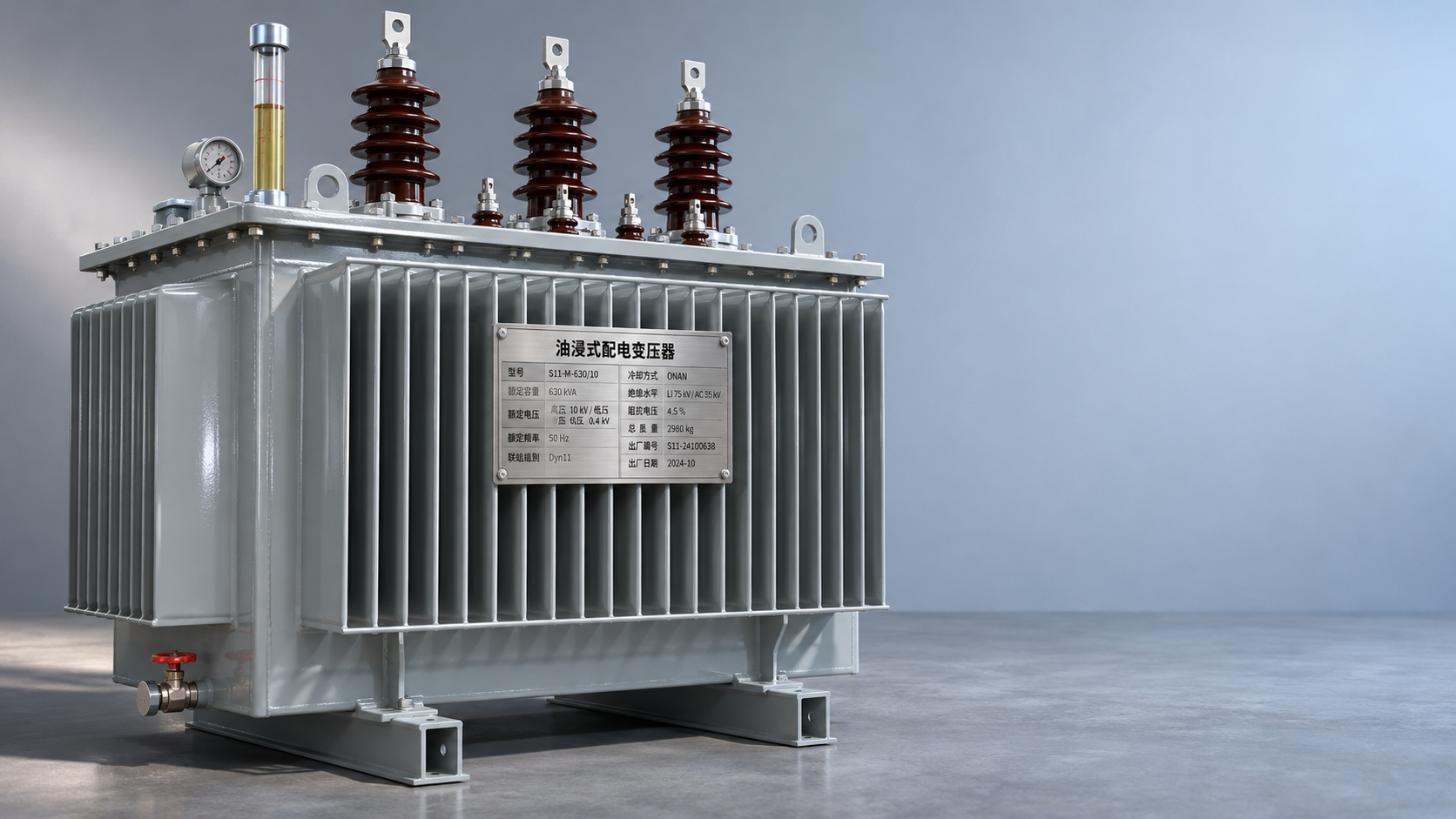
Choosing an S20 Series Oil-Immersed Power Transformers manufacturer involves more than finding the lowest quotation. Procurement teams need evidence that a supplier can build to the required specification, verify losses and insulation performance, and deliver documentation that makes acceptance straightforward. A structured review of test procedures and factory capability can reveal differences that a price comparison alone will miss.
Start with a specification suppliers can quote consistently
Before comparing manufacturers, establish the operating requirements: rated capacity, voltage ratio, frequency, impedance, cooling method, tap range and installation conditions. Include ambient temperature, altitude, expected loading and any restrictions on noise or dimensions. An S20 designation should not replace a written loss specification; ask each bidder to state guaranteed no-load and load losses at the applicable reference conditions.
Identify the governing standard and edition in the inquiry, together with the required test scope and acceptance tolerances. Jiangsu Shengda Power Equipment Co., Ltd. lists GB1094.1-2-1996 and GB/T6451-2008 among its product standards. Buyers should confirm the applicable editions and any destination-market requirements in the contract rather than assume that a listed standard covers every project obligation.
Which transformer tests should procurement teams review?
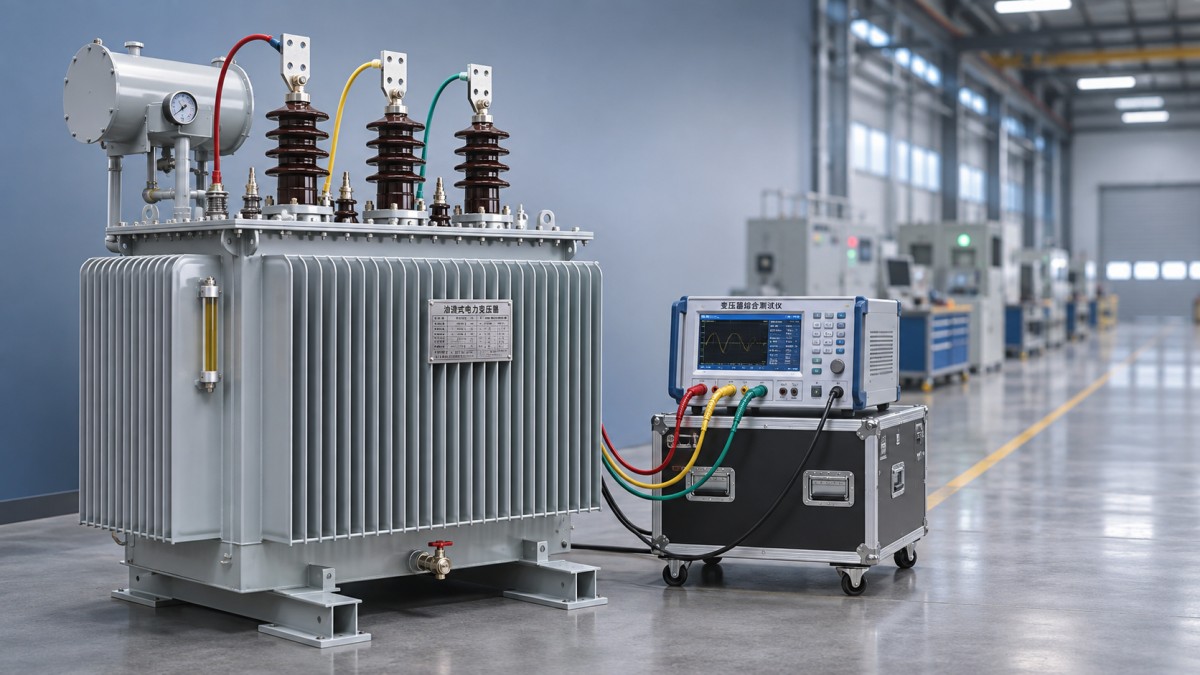
A credible quotation should explain what will be tested, where testing takes place and which results will appear in the final report. Ask for a sample report early: its format often shows whether the supplier can provide the traceability and detail your engineering or utility team expects.
- Winding resistance and voltage ratio: Check that results are recorded for the relevant taps and phases, with temperature correction where required.
- Load and no-load losses: Confirm the test voltage, frequency, reference temperature and guaranteed values. These measurements are central to evaluating operating cost.
- Impedance and polarity or vector group: Verify compatibility with the network and with any transformer intended for parallel operation.
- Insulation and dielectric tests: Review the specified test levels and procedures against the applicable standard and project requirements.
- Oil and sealing checks: Ask how insulating liquid condition, tank tightness and leakage are checked before shipment.
Type or special tests, such as temperature-rise, lightning impulse or sound-level tests, may be needed depending on the specification. Clarify whether existing, representative test reports are acceptable or whether the actual unit must be tested. Agree on witness or third-party inspection rights before production begins, including notice periods and who pays for retesting.
Look beyond the test room
Testing matters, but a final report cannot compensate for weak process control. During a factory visit or remote audit, follow the transformer from incoming materials to dispatch. Ask how core steel and winding conductors are identified, stored and checked against the design. Look for documented controls over core assembly, winding dimensions, insulation handling and tap connections.
For oil-immersed units, pay particular attention to drying and oil filling. Moisture and contamination can undermine insulation performance, so ask how drying conditions are monitored and how exposure to ambient air is controlled before sealing. Review tank fabrication and leak-check procedures as well as the calibration status of relevant instruments.
Capacity deserves the same scrutiny. Instead of accepting a general production figure, ask about current workload, major process bottlenecks, outsourced operations and the proposed slot for your order. A realistic schedule should include drawing approval, material procurement, manufacturing, testing, inspection and shipping preparation. Discuss what happens if a component or test result delays release.
Compare lifetime cost, not just the ex-works price
A lower purchase price may be attractive until loss guarantees and the cost of electricity are included. For a consistent comparison, use the same service life, electricity tariff, loading profile and discount assumptions for every bid. No-load losses occur whenever the transformer is energized, while load losses change with loading; a lightly loaded unit operating continuously may therefore warrant particular attention to no-load loss.
Ask bidders for guaranteed loss figures, tolerances and the commercial treatment of results outside the agreed limits. Also account for freight, accessories, installation, inspection, spare parts and warranty terms. Do not compare loss figures measured at different temperatures or operating conditions without an engineering adjustment.
A useful bid comparison separates three questions: Does the design meet the specification? Can the factory demonstrate control? What is the evaluated cost over the intended service period? A cheaper offer that leaves testing or required accessories undefined is not yet a complete offer.
When a dry-type alternative belongs in the discussion
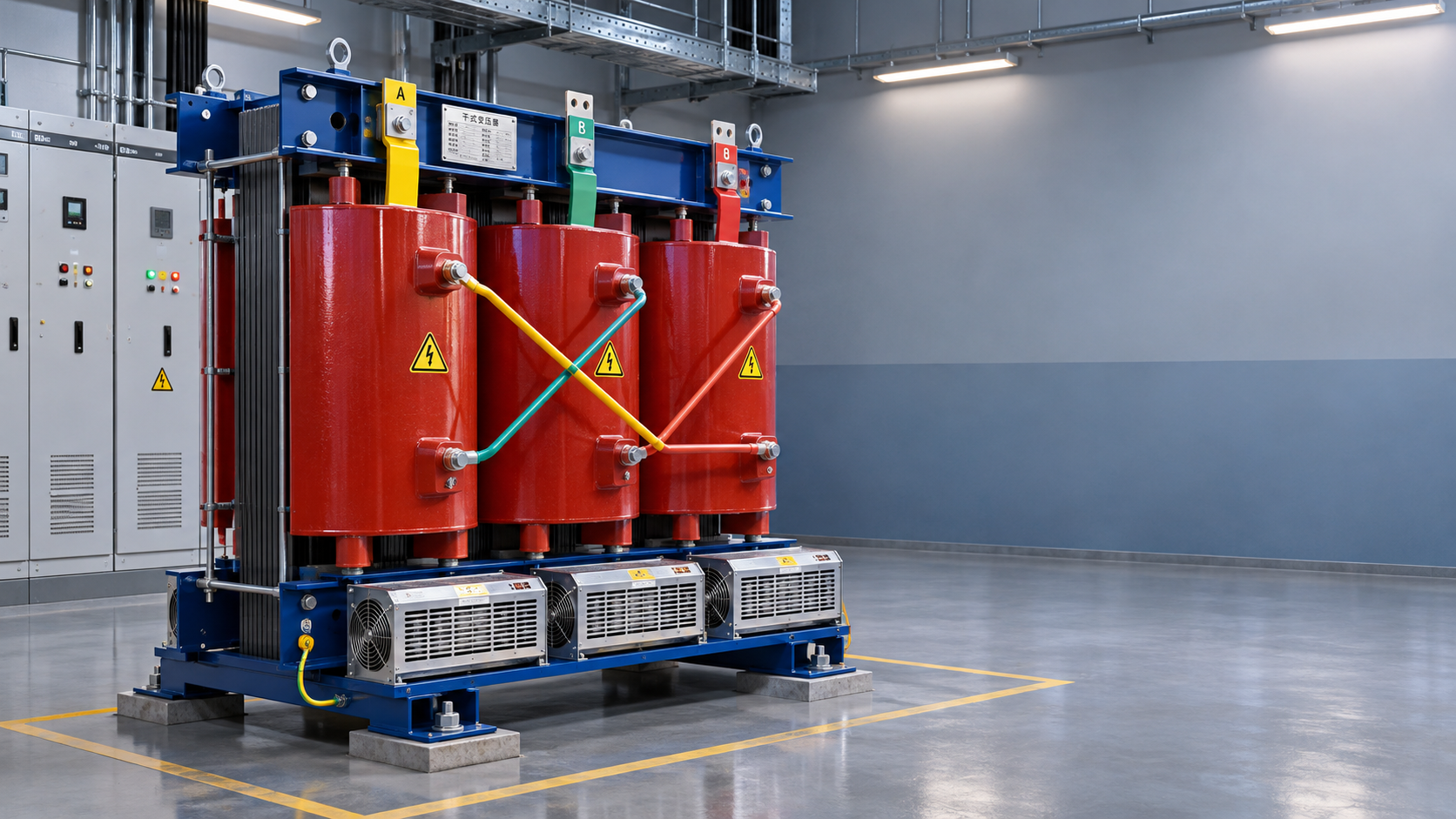
An oil-immersed transformer is not automatically the right choice for every installation. Where indoor placement, fire requirements or liquid containment affect the decision, ask the engineering team to compare an appropriate dry-type design. Jiangsu Shengda’s SCB13 Type Dry-Type Transformer is presented as an alternative with low partial discharge; its stated no-load loss is more than 20% lower than the SCB11 model. This is a comparison between dry-type models, not a direct S20 loss guarantee. Confirm the relevant ratings, fire requirements and test documentation before comparing options.
Turn the supplier review into a purchase agreement
Jiangsu Shengda manufactures low-loss transformer series including S20, alongside 10 kV and 35 kV models and other power equipment. The company states that it holds ISO 9001 certification. That is useful evidence of a quality management system, but buyers should still check the certificate’s scope and validity and review controls for the specific order.
Before awarding a contract, obtain an approved technical schedule, dimensional drawings, guaranteed losses, test and inspection plan, delivery milestones and document list. Include nameplate details, test reports, operating instructions and any required certificates. Resolve deviations in writing rather than leaving them in email exchanges.
The strongest supplier choice is one your engineering, procurement and maintenance teams can all explain: the unit meets the network requirements, the evidence is available for review, and the total cost is understood before the order is placed.



 Where Can S22 Oil-Immersed Transformers Fit in Distribution Projects?
 Evaluating S20 Transformer Exporters: Documentation and Delivery Risks
 Protecting SCB14 Dry-Type Transformers From Moisture and Condensation
 Requesting an SCB18 Transformer Quote: Specifications to Include
 S20 Transformer Ratings Explained: Capacity, Losses and Impedance
 ZGS Combined Substation Cost: Equipment, Civil Works and Installation
GET A FREE QUOTE
We offer reliable products, competitive prices, and nationwide professional support, committed to providing customers with efficient and energy-saving power equipment solutions.